본문으로 건너뛰기

레슨 19/38 · 36단어 · 외운 단어 0

Animals Plants

동물과 식물

  1. 1

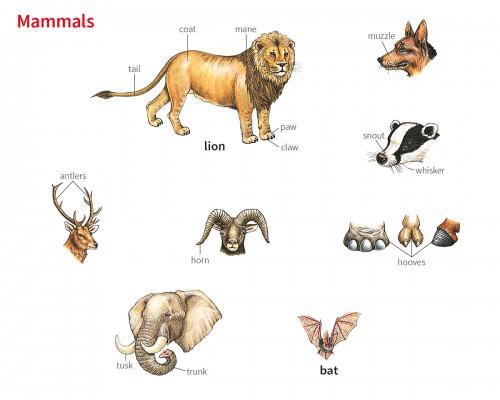
    tail(noun)

    /teɪl/

    꼬리 (kkori)

    the part that sticks out at the back of the body of a bird, an animal or a fish, which the animal can move from side to side or up and down

    My cat has a long tail.

    내 고양이는 긴 꼬리를 가지고 있습니다.

    The dog ran up, wagging its tail.

    유의어rearendextremitytraincaudal appendage
    반의어frontheadbeginning
  2. 2

    shell(noun)

    /ʃel/

    조개껍데기 (jogaekkeopdegi)

    the hard outer part of eggs, nuts, some seeds, and some animals

    I like collecting sea shells.

    저는 조개껍데기 모으는 것을 좋아합니다.

    We collected shells on the beach.

    유의어huskcasecoveringtestexoskeletonhull
    반의어kernelpulpmeatinsidescore
  3. 3

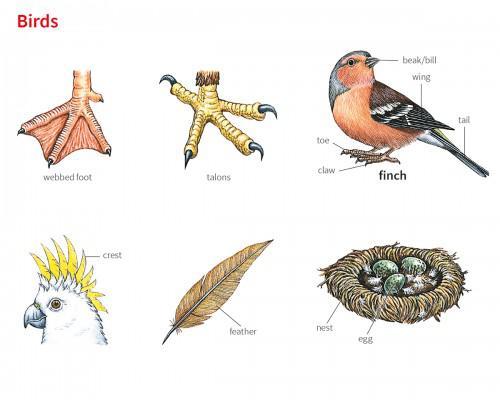
    nest(noun)

    /nest/

    둥지 (dungji)

    a hollow place or structure that a bird makes or chooses for laying its eggs in and sheltering its young

    sparrows building a nest of twigs and dry grass

    참새들이 잔가지와 마른 풀로 둥지를 짓고 있다

    The match has been postponed to a later date.

    유의어lairdenroostbreeding placeretreathavensanctuary
    반의어exposurewildernessopenoutside
  4. 4

    sheep(noun)

    /ʃiːp/

    양 (yang)

    an animal with a thick coat, kept on farms for its meat (called mutton or lamb ) or its wool

    a flock of sheep

    양 떼 (yang tte)

    Sheep were grazing in the fields.

    유의어ramewelambmutton
    반의어predatorwolf
  5. 5

    crop(noun)

    /krɑːp/

    작물 (jakmul)

    a plant that is grown in large quantities, especially as food

    Sugar is an important crop on the island.

    설탕은 그 섬에서 중요한 작물입니다. (Seoltangeun geu seomeseo jungyohan jakmurimnida.)

    The crops are regularly sprayed with pesticides.

    유의어harvestproduceyieldgrowthcultivation
    반의어lossfailurebarrennesssterility
  6. 6

    pig(noun)

    /pɪɡ/

    돼지 (dwaeji)

    an animal with pink, black or brown skin, short legs, a broad nose and a short curly tail. Pigs are kept on farms for their meat (called pork ) or live in the wild.

    a pig farmer

    돼지 농부 (dwaeji nongbu)

    Pigs were grunting and squealing in the yard.

    유의어hogswineshoatpiglet
  7. 7

    cow(noun)

    /kaʊ/

    소 (so)

    a large animal kept on farms to produce milk or beef

    They raise many cows.

    그들은 소를 많이 키운다. (Geudeureun soreul mani kiunda.)

    cow's milk

    유의어cattlebovineheifer (young female cow)bull (male cow)calf (young cow)
    반의어bullcalfother animals (e.g.horsesheeppig)
  8. 8

    dog(noun)

    /dɔːɡ/

    개 (gae)

    an animal with four legs and a tail, often kept as a pet or trained for work, for example hunting or guarding buildings. There are many types of dog , some of which are wild.

    I could hear a dog barking

    개가 짖는 소리가 들렸어요 (Gae-ga jitneun soriga deullyeosseoyo)

    a dog and her puppies

    유의어caninehoundpuppooch
    반의어catfeline
  9. 9

    cat(noun)

    /kæt/

    고양이 (goyangi)

    a small animal with soft fur that people often keep as a pet. Cats catch and kill birds and mice.

    I love cats.

    저는 고양이를 좋아해요. (Jeoneun goyangi-reul joahaeyo.)

    a long-distance call

    유의어felinekittypussycat
    반의어dogcanine
  10. 10

    horn(noun)

    /hɔːrn/

    뿔

    a hard pointed part that grows, usually in pairs, on the heads of some animals, such as sheep and cows. Horns are often curved.

    The goat has two curved horns on its head.

    그 염소는 머리에 굽은 뿔이 두 개 있다.

    유의어tuskprojectionantennasounderklaxon
    반의어silenceconcavity
  11. 11

    grass(noun)

    /ɡræs/

    풀 (pul)

    a common wild plant with narrow green leaves and stems that are eaten by cows, horses, sheep, etc.

    a blade of grass

    풀잎 (pullip)

    The dry grass caught fire.

    유의어turflawngreenswardherbagepasture
    반의어bare earthsoilconcretepavement
  12. 12

    horse(noun)

    /hɔːrs/

    말 (mal)

    a large animal with four legs, a mane (= long thick hair on its neck) and a tail. Horses are used for riding on, pulling carriages , etc.

    He mounted his horse and rode off.

    그는 말에 올라타고 달려갔다. (geuneun mare ollatago dallyeogatda.)

    a horse and cart

    유의어steedequinenag
    반의어None (Horses do not have direct antonyms in the same category)
  13. 13

    feather(noun)

    /ˈfeðər/

    깃털 (gitteol)

    one of the many soft light parts covering a bird’s body

    a peacock feather

    공작 깃털 (gongjak gitteol)

    a feather pillow (= one containing feathers)

    유의어plumagequillplumedown
    반의어weightleadstone
  14. 14

    animal(noun)

    /ˈænɪml/

    동물 (dongmul)

    a creature that is not a bird, a fish, a reptile , an insect or a human

    There are many kinds of animals in this zoo.

    이 동물원에는 많은 종류의 동물들이 있습니다.

    This product has not been tested on animals.

    유의어creaturebeastfaunabeing
    반의어plantvegetationmineralinanimate object
  15. 15

    spider(noun)

    /ˈspaɪdər/

    거미

    a small creature with eight thin legs. Many spiders spin webs to catch insects for food.

    There is a big spider here.

    여기에 큰 거미가 있습니다.

    The house had been left to go to ruin.

    유의어arachnidtarantula
    반의어insectbug
  16. 16

    seed(noun)

    /siːd/

    씨앗 (ssiat)

    the small hard part produced by a plant, from which a new plant can grow

    These vegetables can be grown from seed.

    이 채소들은 씨앗으로부터 재배될 수 있습니다.

    seed potatoes(= used for planting)

    유의어kernelgraingermsourceoriginbeginning
    반의어fruitproductoutcomeend
  17. 17

    breed(verb)

    /briːd/

    사육하다, 기르다

    to keep animals in order to produce young ones, usually of a particular type

    His main income comes from breeding cattle.

    그의 주 수입은 소를 사육하는 데서 나온다.

    Labradors and other large breeds of dog

    유의어reproduceraiserearcultivategeneratepropagate
    반의어killdestroyextinct
  18. 18

    wild(adjective)

    /waɪld/

    야생의, 야생

    living or growing in natural conditions; not kept in a house or on a farm

    Many wild animals live in this forest.

    이 숲에는 많은 야생 동물이 산다.

    유의어untamedferaluncultivatednaturalsavageundomesticateduncontrolled
    반의어tamedomesticatedcultivatedcontrolledmild
  19. 19

    bird(noun)

    /bɜːrd/

    새 (sae)

    a creature that is covered with feathers and has two wings and two legs. Most birds can fly.

    More than a third of Britain's bird species need urgent protection

    영국 조류 종의 3분의 1 이상이 긴급한 보호가 필요합니다.

    More than a third of Britain's bird species need urgent protection.

    유의어fowlaviansongbirdraptorcreature
    반의어mammalfishreptile
  20. 20

    snake(noun)

    /sneɪk/

    뱀 (baem)

    a reptile with a very long thin body and no legs. There are many types of snake , some of which are poisonous.

    Venomous snakes spit and hiss when they are cornered.

    독사는 궁지에 몰리면 침을 뱉고 쉿 소리를 냅니다.

    a snake coiled up in the grass

    유의어serpentreptileviperpythoncobra
    반의어friendally
  21. 21

    creature(noun)

    /ˈkriːtʃər/

    생물 (saengmul)

    a living thing, real or imaginary, that can move around, such as an animal

    Merlion which is a creature with the head of a lion and the body of a fish is the symbol of Singapore.

    사자 머리와 물고기 몸을 가진 생물인 멀라이언은 싱가포르의 상징입니다.

    respect for all living creatures

    유의어beinganimalorganismentitylife form
    반의어inanimate objectnonbeingthing
  22. 22

    Elephant(noun)

    /ˈelɪfənt/

    코끼리 (kokkiri)

    a very large animal with thick grey skin, large ears, two curved outer teeth called tusks and a long nose called a trunk . There are two types of elephant , the African and the Asian.

    Elephants are the largest existing land animals.

    코끼리는 현존하는 가장 큰 육상 동물입니다.

    유의어mammothpachyderm
    반의어dwarfminiature animalsmall animal
  23. 23

    Insect(noun)

    /ˈɪnsekt/

    곤충 (gonchung)

    any small creature with six legs and a body divided into three parts. Insects usually also have wings. Ants , bees and flies are all insects .

    Insects are the most diverse group of animals

    곤충은 가장 다양한 동물군입니다. (gonchungeun gajang dayanghan dongmulgunimnida.)

    유의어bugcreepy-crawlyarthropod
    반의어vertebratemammalanimal (in a general sensewhen focusing on non-insect types)
  24. 24

    Lion(noun)

    /ˈlaɪən/

    사자

    a large, powerful animal of the cat family that hunts in groups and lives in parts of Africa and southern Asia. Lions have yellow-brown fur and the male has a mane (= long, thick hair round its neck).

    Lion populations are untenable outside designated protected areas

    사자 개체군은 지정된 보호 구역 밖에서는 유지될 수 없습니다.

    유의어King of beastsLeoAfrican lion
    반의어Prey animal
  25. 25

    Monkey(noun)

    /ˈmʌŋki/

    원숭이 (wonsungi)

    an animal with a long tail, that climbs trees and lives in hot countries. There are several types of monkey and they are related to apes and humans.

    The many species of monkey have varied relationships with humans.

    많은 종류의 원숭이가 인간과 다양한 관계를 맺고 있습니다.

    유의어apeprimatesimian
    반의어humannon-primate
  26. 26

    harvest(noun)

    /ˈhɑːrvɪst/

    수확

    the time of year when the crops are gathered in on a farm, etc.; the act of cutting and gathering crops

    We had a good harvest this year.

    올해는 풍년이었어요.

    유의어cropyieldgatheringreapingvintage
    반의어lossfailurescarcitybarrennesslack
  27. 27

    prey(noun)

    /preɪ/

    먹이, 사냥감

    an animal, a bird, etc. that is hunted, killed and eaten by another

    The eagle watched its prey from high in the sky.

    독수리는 높은 하늘에서 먹잇감을 지켜보았다.

    유의어victimtargetquarrydupesucker
    반의어predatorhunterattacker
  28. 28

    predator(noun)

    /ˈpredətər/

    포식자 (posikja)

    an animal that kills and eats other animals

    the relationship between predator and prey

    포식자와 피식자의 관계 (posikja-wa pisikja-ui gwangye)

    유의어huntercarnivoreassailantattackermarauderplunderer
    반의어preyvictimdefenderprotector
  29. 29

    beast(noun)

    /biːst/

    짐승 (jimseung)

    an animal, especially one that is large or dangerous, or one that is unusual

    The beast roamed the dark forest.

    짐승은 어두운 숲을 돌아다녔다.

    유의어animalmonsterbrutecreaturewild thing
    반의어angelsainthumangentlemancivilized
  30. 30

    bee(noun)

    /biː/

    벌 (beol)

    a black and yellow flying insect that can sting (= touch your skin and make you feel a sharp pain) .Bees live in large groups and make honey (= a sweet sticky substance that is good to eat) .

    The bee flew from flower to flower collecting pollen.

    벌이 꽃에서 꽃으로 날아다니며 꽃가루를 모으고 있었다.

    유의어honeybeebumblebeeapian
    반의어waspfly
  31. 31

    bond(noun)

    /bɑːnd/

    채권, 사채

    a document showing that money has been lent to a government or company, which pays interest and repays it on a set date

    The company issued five-year bonds to finance its new factory.

    그 회사는 새 공장 자금을 마련하기 위해 5년 만기 채권을 발행했다.

    Bond prices usually fall when market interest rates rise.

    유의어debenturesecurityfixed-income security
    반의어stockequity
  32. 32

    bug(noun)

    /bʌɡ/

    벌레, 곤충

    any small insect

    A small bug was crawling across the leaf.

    작은 벌레 한 마리가 나뭇잎 위를 기어가고 있었다.

    유의어errordefectflawglitchproblem
    반의어featureperfectionsolution
  33. 33

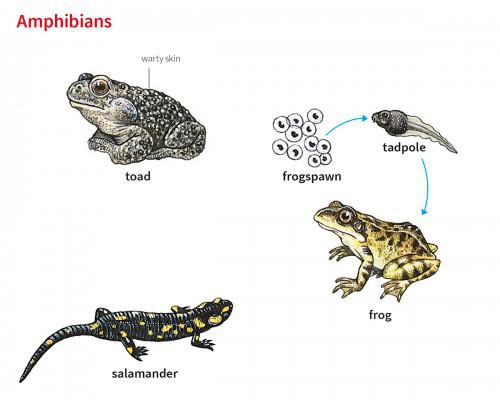
    frog(noun)

    /frɑːɡ/

    개구리

    a small animal with smooth skin, that lives both on land and in water (= is an amphibian ) . Frogs have very long back legs for jumping, and no tail.

    A frog hopped across the path.

    개구리가 길을 뛰어넘었다.

    유의어toadamphibian
    반의어None
  34. 34

    rat(noun)

    /ræt/

    쥐

    a small animal with a long tail, that looks like a large mouse, usually considered a pest (= an animal which is disliked because it destroys food or spreads disease)

    I saw a rat in the alley.

    골목에서 쥐를 봤어요.

    유의어rodentvermin
  35. 35

    weed(noun)

    /wiːd/

    잡초

    a wild plant growing where it is not wanted, especially among crops or garden plants

    I need to pull the weeds from the garden.

    정원에서 잡초를 뽑아야 합니다.

    유의어undesirable plantinvasive plant
    반의어desirable plantcultivated plant
  36. 36

    bear(noun)

    /ber/

    곰

    a large heavy wild animal with thick fur and sharp claws

    The bear caught a fish in the river.

    곰이 강에서 물고기를 잡았다.