コンテンツへスキップ

レッスン23/38 · 118語 · 覚えた単語 0

Politics Government

政治と政府

  1. 1

    session(noun)

    /ˈseʃn/

    セッション

    a period of time that is spent doing a particular activity

    The morning sessions tend to fill up first, so sign up early

    午前のセッションは最初に埋まりがちなので、早めに申し込んでください。

    Due to the popularity of this course, we will offer two sessions

    類義語meetingperiodsittingconferenceassemblyhearing
    対義語wholeentirety
  2. 2

    popularity(noun)

    /ˌpɑːpjuˈlærəti/

    人気, 評判

    the state of being liked, enjoyed or supported by a large number of people

    The popularity of this brand of computers among college students keeps growing.

    このブランドのコンピューターは、大学生の間で人気が高まり続けている。

    類義語FamePrevalenceAcceptanceReputeCurrencyRecognition
    対義語UnpopularityObscurityAnonymityNeglectDisfavor
  3. 3

    petition(noun)

    /pəˈtɪʃn/

    嘆願

    a written document signed by a large number of people that asks somebody in a position of authority to do or change something

    The petition was photocopied and distributed to workers who will collect the necessary signatures.

    嘆願書はコピーされ、必要な署名を集める労働者に配布されました。

    類義語appealrequestapplicationpleaentreatysuit
    対義語denialrejectionrefusalcommandorder
  4. 4

    conservative(adjective)

    /kənˈsɜːrvətɪv/

    保守的な, 保守派の

    opposed to great or sudden social change; showing that you prefer traditional styles and values

    Older voters often hold more conservative views on social issues.

    年配の有権者は社会問題に対してより保守的な見方を持つことが多い。

    類義語traditionalconventionalcautiousmoderateprudentorthodoxright-wing
    対義語liberalprogressiveradicalunconventionalinnovativemodern
  5. 5

    lobby(noun)

    /ˈlɑːbi/

    ロビー, エントランスホール

    the large entrance area of a hotel, where the reception desk is and where guests can sit and wait

    Your driver will be waiting in the lobby at 8 a.m.

    運転手が午前8時にロビーでお待ちしています。

    The lobby is decorated with flowers for the Lunar New Year.

    類義語entrance hallfoyerreception areavestibuleanteroom
    対義語private roomoffice
  6. 6

    agenda(noun)

    /əˈdʒendə/

    議題

    a list of items to be discussed at a meeting

    The agenda was sent out three weeks ago so that everyone could prepare for the meeting

    議題は3週間前に送付され、全員が会議の準備ができるようにしました。

    類義語programscheduleplanlistoutlinedocket
    対義語improvisationunplannedspur-of-the-moment
  7. 7

    majority(noun)

    /məˈdʒɔːrəti/

    大多数 (daitasū)

    the largest part of a group of people or things

    The majority of the group wanted to try the new Chinese restaurant

    グループの大多数は、新しい中華料理店を試してみたがっていました。

    Claude was in the majority, so he was very pleased with the decision

    類義語bulkmostpreponderancegreater partmasschief part
    対義語minorityfewhandfulsmall number
  8. 8

    patron(noun)

    /ˈpeɪtrən/

    パトロン, 後援者, 支援者

    a person who gives money and support to artists and writers

    The wealthy banker was a generous patron of young artists and musicians.

    その裕福な銀行家は、若い芸術家や音楽家たちの太っ腹なパトロンだった。

    類義語customersupporterclientsponsorbenefactoradvocate
    対義語detractorcriticopponent
  9. 9

    regulate(verb)

    /ˈreɡjuleɪt/

    規制する (kisei suru)

    to control something by means of rules

    The activities of credit companies are regulated by law.

    信用会社の活動は法律によって規制されています。

    The state strictly regulates the preparation of food for public consumption

    類義語controlgovernmanageadjustdirectsupervise
    対義語deregulatedisorganizedisturbneglectignore
  10. 10

    spectrum(noun)

    /ˈspektrəm/

    範囲, 幅, スペクトル

    a complete or wide range of related qualities, ideas, opinions, etc.

    The party attracts voters from across the political spectrum.

    その政党は政治的立場を問わず幅広い層の有権者を引きつけている。

    類義語rangescopeextentgamutseriessuccessionscale
    対義語singularitynarrownessfocus
  11. 11

    policy(noun)

    /ˈpɑːləsi/

    政策, 方針

    a plan of action agreed or chosen by a political party, a business, etc.

    The government announced a new policy on education last week.

    政府は先週、教育に関する新しい政策を発表した。

    類義語principleguidelineprocedureplaninsurancecontractruleapproach
    対義語chancedisorganizationlawlessness
  12. 12

    statement(noun)

    /ˈsteɪtmənt/

    声明, 陳述

    something that you say or write that gives information or an opinion

    The minister made a short statement to the press about the new law.

    大臣は新しい法律について報道陣に短い声明を発表した。

    類義語accountrecordreportsummarydeclarationassertion
    対義語denialcontradictionretractionsilence
  13. 13

    political(adjective)

    /pəˈlɪtɪkl/

    政治的な

    connected with the state, government or public affairs

    He was a political prisoner(= one who was put in prison because he was thought to be harmful to the state).

    彼は政治犯だった(=国家にとって有害であると考えられたために投獄された人)。

    a monarch without political power

    類義語governmentalcivicadministrativestateofficial
    対義語apoliticalnonpoliticalimpartialunbiased
  14. 14

    ally(noun)

    /ˈælaɪ/

    同盟国 (doumeikoku)

    a country that has agreed to help and support another country, especially in case of a war

    a loyal ally of the United States

    アメリカの忠実な同盟国

    our European/NATO allies

    類義語associatepartnersupporterconfederatefriendcollaborator
    対義語enemyopponentadversaryrivalfoe
  15. 15

    power(noun)

    /ˈpaʊər/

    権力, 権限

    the ability to control people or things

    The president has the power to stop new laws.

    大統領には新しい法律を阻止する権限がある。

    類義語energystrengthauthoritycontrolforcecapability
    対義語weaknessimpotencepowerlessnessinability
  16. 16

    peace(noun)

    /piːs/

    平和 (heiwa)

    a situation or a period of time in which there is no war or violence in a country or an area

    The two communities live together in peace.

    二つのコミュニティは平和に共存している。

    A UN force has been sent to keep the peace(= to prevent people from fighting).

    類義語harmonytranquilityserenitycalmrestamity
    対義語warconflictstrifediscordviolence
  17. 17

    rule(noun)

    /ruːl/

    規則 (kisoku)

    a statement of what may, must or must not be done in a particular situation or when playing a game

    You need to follow the rules.

    ルールに従う必要があります。(rūru ni shitagau hitsuyō ga arimasu)

    Eighty million years ago, dinosaurs ruled the earth.

    類義語regulationprincipleguidelinelawstandardpreceptcanonorder
    対義語lawlessnessdisorderchaosanarchyfreedomexemptionwaiver
  18. 18

    division(noun)

    /dɪˈvɪʒn/

    分割 (bunkatsu)

    the process or result of dividing into separate parts; the process or result of dividing something or sharing it out

    a distinction which cuts right across the familiar division into arts and sciences

    芸術と科学へのなじみ深い区分を完全に横断する区別

    the division of labour between the sexes

    類義語separationpartitionsplitsegmentationclassification
    対義語unionunitymergercombinationconnection
  19. 19

    international(adjective)

    /ˌɪntərˈnæʃnəl/

    国際的 (kokusaiteki)

    connected with or involving two or more countries

    Jane is joining an international camp with 30 students from different countries.

    ジェーンは、さまざまな国から来た30人の学生と国際的なキャンプに参加します。

    international relations

    類義語globalworldwidemultinationaltransnationaluniversal
    対義語nationaldomesticlocalregional
  20. 20

    regulation(noun)

    /ˌreɡjuˈleɪʃn/

    規則, 規制, 法規

    an official rule made by a government or public authority that people and businesses must follow

    The new regulations on e-commerce take effect on the first of January.

    電子商取引に関する新しい規制は、1月1日に施行されます。

    Please check whether the import of these goods is restricted by any regulation.

    類義語rulelawordinancedirectiveguidelinepolicycontrolprocedure
    対義語deregulationdisorganizationchaoslawlessnessfreedomunruliness
  21. 21

    government(noun)

    /ˈɡʌvərnmənt/

    政府 (seifu)

    the group of people who are responsible for controlling a country or a state

    The government is urged to create more jobs.

    政府は、より多くの雇用を創出するよう求められています。(seifu wa, yori ōku no koyō o sōshutsu suru yō motomerarete imasu.)

    government expenditure/intervention

    類義語administrationregimestateauthorityruling body
    対義語anarchylawlessness
  22. 22

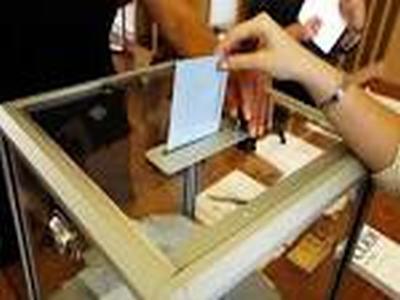
    vote(noun)

    /vəʊt/

    票, 投票

    a formal choice that you make in an election or at a meeting in order to choose somebody or decide something

    The new law was passed by 250 votes to 100.

    その新法は250対100の票で可決された。

    類義語electchoosecast a ballotpollsuffrageballot
    対義語abstaindeclinerejectveto
  23. 23

    court(noun)

    /kɔːrt/

    裁判所

    the place where legal trials take place and where crimes, etc. are judged

    Her lawyer made a statement outside the court.

    彼女の弁護士は裁判所の外で声明を発表した。

    the civil/criminal courts

    類義語tribunaljudiciarybarbenchsessionhearingjudgementlegal proceedings
    対義語negotiationagreementcompromisesettlement
  24. 24

    law(noun)

    /lɔː/

    法律 (hōritsu)

    a rule that deals with a particular crime, agreement, etc.

    A new law was passed to make divorce easier and simpler.

    離婚をより簡単にするために、新しい法律が可決されました。

    Do not think you are above the law(= think that you cannot be punished by the law).

    類義語ruleregulationstatuteactdecreeedictordinance
    対義語disorderanarchylawlessness
  25. 25

    govern(verb)

    /ˈɡʌvərn/

    統治する (tōchi suru)

    to legally control a country or its people and be responsible for introducing new laws, organizing public services, etc.

    He accused the opposition party of being unfit to govern.

    彼は野党が統治するのに不適格であると非難した。

    The country is governed by elected representatives of the people.

    類義語rulemanagecontrolleadadministerdirectsupervise
    対義語obeyservefollow
  26. 26

    independence(noun)

    /ˌɪndɪˈpendəns/

    独立 (dokuritsu)

    freedom from political control by other countries

    Cuba gained independence from Spain in 1898.

    キューバは1898年にスペインから独立しました。

    It's £7.50, not including tax.

    類義語freedomautonomylibertyself-governancesovereignty
    対義語dependencesubordinationservitudecaptivityoppression
  27. 27

    king(noun)

    /ˌkɪŋ ˈɑːrθər/

    王, 国王

    the male ruler of an independent state that has a royal family

    The king and queen waved to the crowds from the palace balcony.

    王と王妃は宮殿のバルコニーから群衆に手を振った。

    類義語rulermonarchsovereignchief
    対義語commonersubjectpeasantservant
  28. 28

    opposition(noun)

    /ˌɑːpəˈzɪʃn/

    反対

    the act of strongly disagreeing with somebody/something, especially with the aim of preventing something from happening

    The army met with fierce opposition in every town.

    軍はどの町でも激しい反対に遭った。

    opposition forces(= people who are arguing, fighting, etc. with another group)

    類義語resistancedefianceantagonismhostilityobjectiondisapproval
    対義語agreementapprovalsupportacceptanceconsent
  29. 29

    princess(noun)

    /ˌprɪnses ˈmɑːrɡrət/

    王女, 姫, プリンセス

    a female member of a royal family, especially the daughter or granddaughter of a king or queen

    The princess waved to the crowd from the palace balcony.

    王女は宮殿のバルコニーから群衆に手を振りました。

    類義語royal daughterheiress apparentnoblewomanaristocrat
    対義語commonerpauperpeasant
  30. 30

    campaign(noun)

    /kæmˈpeɪn/

    キャンペーン

    a planned series of activities, such as adverts and events, carried out over a period to achieve a particular goal

    The campaign will run on TV and social media for six weeks.

    このキャンペーンは、6週間にわたってテレビとSNSで展開される。

    Our last campaign increased sales by 20% in just two months.

    類義語driveeffortmovementcrusadepushoperationinitiative
    対義語inactionapathycessationretreat
  31. 31

    politics(noun)

    /ˈpɑːlətɪks/

    政治 (seiji)

    the activities involved in getting and using power in public life, and being able to influence decisions that affect a country or a society

    party politics

    党派政治 (tōha seiji)

    He's thinking of going into politics(= trying to become a Member of Parliament, Congress, etc.)

    類義語governmentstatecraftpolicycivicspolitical science
    対義語apoliticsnonpartisanship
  32. 32

    authority(noun)

    /əˈθɔːrəti/

    権威 (ken'i)

    the power to give orders to people

    She now has authority over the people who used to be her bosses.

    彼女は今、かつての上司だった人々に対して権威を持っている。

    in a position of authority

    類義語powercontrolcommandinfluencedominionjurisdiction
    対義語weaknesssubordinationpowerlessnessinabilityinferiority
  33. 33

    election(noun)

    /ɪˈlekʃn/

    選挙 (senkyo)

    the process of choosing a person or a group of people for a position, especially a political position, by voting

    to win/lose an election

    選挙で勝つ/負ける (senkyo de katsu/makeru)

    How many candidates are standing for election?

    類義語votereferendumballotpollselectionchoice
    対義語appointmentdesignationmandatedictatorshipautocracy
  34. 34

    flag(noun)

    /flæɡ/

    旗 (hata)

    a piece of cloth with a special coloured design on it that may be the symbol of a particular country or organization, may be used to give a signal or may have a particular meaning. A flag can be attached to a pole (= a long thin straight piece of wood or metal) or held in the hand.

    This is the Vietnamese flag.

    これはベトナムの旗です (Kore wa Betonamu no hata desu).

    the flag of Italy

    類義語bannerstandardensignpennantcolors
    対義語disregardneglecthide
  35. 35

    governor(noun)

    /ˈɡʌvərnər/

    知事, 総督

    a person who is the official head of a state, province or region

    a provincial governor

    州知事

    the former governor of the colony

    類義語chief executiveheadruleradministratordirector
    対義語subordinatefollowerconstituentcitizen
  36. 36

    parliament(noun)

    /ˈpɑːrləmənt/

    議会 (gikai)

    the group of people who are elected to make and change the laws of a country

    The German parliament is called the ‘Bundestag’.

    ドイツの議会は「Bundestag」と呼ばれています。

    Cook over a medium heat for 15 minutes.

    類義語legislaturecongresssenateassemblydiet
    対義語autocracydictatorshipmonarchy
  37. 37

    federal(adjective)

    /ˈfedərəl/

    連邦

    having a system of government in which the individual states of a country have control over their own affairs, but are controlled by a central government for national decisions, etc.

    a federal republic

    連邦共和国

    Long skirts have come into fashion again.

    類義語federatedalliedconfederateunited
    対義語unitarycentralizedindependentautonomous
  38. 38

    queen(noun)

    /kwiːn/

    女王 (joō)

    the female ruler of an independent state that has a royal family

    Queen Victoria

    ヴィクトリア女王 (Vikutoria joō)

    kings and queens

    類義語monarchrulersovereignregent
    対義語commonersubjectpawn
  39. 39

    civil(adjective)

    /ˈsɪvl/

    市民の

    connected with the people who live in a country

    civil unrest (= that is caused by groups of people within a country)

    内乱 (= 国内の人々によって引き起こされるもの)

    Turkish

    類義語politecourteousrefineddomesticinternalnon-military
    対義語rudeimpoliteuncivilmilitarymartial
  40. 40

    empire(noun)

    /ˈempaɪər/

    帝国 (teikoku)

    a group of countries or states that are controlled by one leader or government

    The Roman empire ruled many countries in the past.

    ローマ帝国は過去に多くの国を支配した。

    He dismissed the opinion polls as worthless.

    類義語realmkingdomdominionpowerstateauthority
    対義語republicdemocracysmall statenation
  41. 41

    prison(noun)

    /ˈprɪzn/

    刑務所 (keimusho)

    a building where people are kept as a punishment for a crime they have committed, or while they are waiting for trial

    She was sent to prison for six months.

    彼女は6ヶ月間刑務所に送られました。

    to be released from prison

    類義語jailpenitentiarycorrectional facilitygaolstockadedetention center
    対義語freedomlibertyreleasedischarge
  42. 42

    protest(noun)

    /ˈprəʊtest/

    抗議, 異議, 抗議デモ

    the expression of strong dislike of or opposition to something; a statement or an action that shows this

    Thousands of people joined the protest against the new law.

    何千人もの人々が新しい法律に反対する抗議デモに参加した。

    類義語objectionoppositionchallengedissentdemonstrationcomplaint
    対義語agreementacceptanceapprovalsupportendorsement
  43. 43

    prince(noun)

    /prɪns/

    王子 (ōji)

    a male member of a royal family who is not king, especially the son or grandson of the king or queen

    Once upon a time, there lived a king who had seven princes.

    昔々、七人の王子を持つ王様がいました。

    the royal princes

    類義語heirroyalcrown princesuccessornobleman
    対義語commonersubjectpeasant
  44. 44

    elect(verb)

    /ɪˈlekt/

    選出する (senshutsuru)

    to choose somebody to do a particular job by voting for them

    the newly elected government

    新しく選出された政府 (atarashiku senshutsusareta seifu)

    an elected assembly/leader/representative

    類義語chooseselectappointdesignatevote for
    対義語rejectdismissdeclinedefeatunseat
  45. 45

    mayor(noun)

    /ˈmeɪər/

    市長, 町長

    the head of the government of a town or city, etc., elected by the public

    The mayor promised to build a new park in the city centre.

    市長は市の中心部に新しい公園を作ると約束しました。

    類義語chief magistratecity managerhead of the citymunicipal head
    対義語citizenresidentsubjectconstituent
  46. 46

    proposition(noun)

    /ˌprɑːpəˈzɪʃn/

    住民投票案, 州民発案

    (in the US) a suggested change to the law that people can vote on

    Voters in California approved the proposition to raise taxes on cigarettes.

    カリフォルニア州の有権者は、たばこ税を引き上げる住民投票案を可決した。

    類義語suggestionofferproposalschemeplan
    対義語rejectiondenialrefusal
  47. 47

    radical(adjective)

    /ˈrædɪkl/

    根本的な

    relating to the most basic and important parts of something; complete and detailed

    the need for radical changes in education

    教育における根本的な変革の必要性

    類義語extremefundamentalrevolutionarythoroughdrastic
    対義語moderateconservativeconventionalsuperficialminor
  48. 48

    transition(noun)

    /trænˈzɪʃn/

    移行

    the process or a period of changing from one state or condition to another

    the transition from school to full-time work

    学校からフルタイムの仕事への移行

    類義語changeshiftconversiontransformationevolutionpassage
    対義語stasisstabilitypermanencecontinuationretentionmaintenance
  49. 49

    endorse(verb)

    /ɪnˈdɔːrs/

    支持する (shijisuru)

    to say publicly that you support a person, statement or course of action

    I wholeheartedly endorse his remarks.

    私は彼の発言を心から支持します。

    類義語supportapproveupholdratifychampionsanctionrecommendvalidate
    対義語opposerejectdisapprovedenycriticizerepudiate
  50. 50

    activist(noun)

    /ˈæktɪvɪst/

    活動家 (katsudōka)

    a person who works to achieve political or social change, especially as a member of an organization with particular aims

    Mr. Anderson is considered the most effective activist in this area.

    アンダーソン氏は、この地域で最も効果的な活動家と見なされています。

    類義語advocatecampaignerprotesterreformercrusader
    対義語inactivepassiveapatheticnonparticipant
  51. 51

    nominate(verb)

    /ˈnɑːmɪneɪt/

    推薦する (suisen suru)

    to formally suggest that somebody/something should be chosen for an important role, prize, position, etc.

    Four young singers were nominated for that Grammy Award.

    4人の若い歌手があのグラミー賞に推薦されました。

    類義語proposesuggestrecommendput forwarddesignateappoint
    対義語rejectdeclinedismissvetodisqualify
  52. 52

    powerful(adjective)

    /ˈpaʊərfl/

    強力な (kyouryoku na)

    being able to control and influence people and events

    Vietnam is becoming more and more powerful.

    ベトナムはますます強力になっています。 (Betonamu wa masumasu kyouryoku ni natteimasu.)

    類義語strongpotentinfluentialdominantmightycapablevigorous
    対義語weakfeeblepowerlessineffectivehelpless
  53. 53

    ambassador(noun)

    /æmˈbæsədər/

    大使 (taishi)

    an official who lives in a foreign country as the senior representative there of their own country

    She's a former ambassador of the United States.

    彼女は元アメリカ合衆国大使です。

    類義語envoydiplomatrepresentativedelegateminister
    対義語enemyopponentadversary
  54. 54

    regulator(noun)

    /ˈreɡjuleɪtər/

    規制当局, 監督官庁, 監督機関

    a government body that supervises an industry or area of business and makes sure the rules are followed

    The banking regulator fined the lender for weak anti-money laundering controls.

    銀行規制当局は、マネーロンダリング対策が不十分だったとして、その貸し手に罰金を科した。

    We must notify the regulator within twenty-four hours of a data breach.

    類義語controllergovernormoderatoradjusterstabilizer
    対義語disruptorunbalancer
  55. 55

    advocate(verb)

    /ˈædvəkət/

    擁護する, 主張する, 提唱する

    to support something publicly

    He advocates human rights.

    彼は人権を擁護している。

    類義語supportchampionpromotedefendupholdespouserecommend
    対義語opposeattackcriticizedenouncediscourageresist
  56. 56

    nomination(noun)

    /ˌnɑːmɪˈneɪʃn/

    指名

    the act of suggesting or choosing somebody as a candidate in an election, or for a job or an award; the fact of being suggested for this

    Membership of the club is by nomination only.

    クラブの会員資格は指名制のみです。

    類義語appointmentrecommendationsubmissionproposaldesignation
    対義語rejectiondisqualificationelimination
  57. 57

    ballot(noun)

    /ˈbælət/

    投票用紙, 票

    a piece of paper on which somebody marks who or what they are voting for

    Please mark your ballot carefully.

    投票用紙には慎重に記入してください。

    類義語votereferendumelectionpoll
    対義語vetodisapprovalrejection
  58. 58

    coalition(noun)

    /ˌkəʊəˈlɪʃn/

    連合

    a government formed by two or more political parties working together

    The parties formed a coalition to win the election.

    政党は選挙に勝つために連合を組んだ。

    類義語allianceunionfederationpartnershipbloc
    対義語separationdivisiondissolutionindependenceautonomy
  59. 59

    communist(adjective)

    /ˈkɑːmjənɪst/

    共産主義の, 共産党の

    connected with communism

    The country was ruled by a communist government for decades.

    その国は数十年にわたり共産主義政権に統治されていました。

    類義語redbolshevikleftistsocialistMarxist
    対義語capitalistconservativeright-wingeranti-communist
  60. 60

    congressional(adjective)

    /kənˈɡreʃənl/

    議会の

    related to or belonging to a congress or the Congress in the US

    The congressional hearing was broadcast live on television.

    議会の公聴会はテレビで生放送されました。

    類義語legislativeparliamentary
    対義語executivejudicial
  61. 61

    constituency(noun)

    /kənˈstɪtʃuənsi/

    選挙区

    a district that elects its own representative to parliament

    The politician worked hard to represent the interests of his constituency.

    政治家は選挙区の利益を代表するために熱心に働いた。

    類義語electoratesupportersvotersdistrict
    対義語oppositionrivalswhole country
  62. 62

    constitution(noun)

    /ˌkɑːnstɪˈtuːʃn/

    憲法

    the highest law of a country, setting out its basic principles, state structure and citizens' rights

    No law may conflict with the constitution, which is the highest legal document in the country.

    いかなる法律も、国の最高法規である憲法に違反してはならない。

    The right to own property is protected by the constitution.

    類義語fundamental lawchartercodelegal frameworkgoverning principles
    対義語anarchylawlessnessdictatorshipabsolutism
  63. 63

    constitutional(adjective)

    /ˌkɑːnstɪˈtuːʃənl/

    憲法的 (kenpoteki na)

    connected with the constitution of a country or an organization

    The law was deemed constitutional by the Supreme Court.

    その法律は最高裁判所によって合憲であるとみなされました。

    類義語lawfullegallegitimatevalidregulated
    対義語unconstitutionalillegalunlawfulinvalid
  64. 64

    cult(noun)

    /kʌlt/

    カルト, 邪教, 新興宗教団体

    a small group of people who have extreme religious beliefs and who are not part of any established religion

    The group was identified as a dangerous cult.

    そのグループは危険なカルトであると特定されました。

    類義語sectsectarian movementreligious group
    対義語mainstream religionorthodox belief
  65. 65

    declaration(noun)

    /ˌdekləˈreɪʃn/

    宣言

    an official or formal statement, especially about the plans of a government or an organization; the act of making such a statement

    The government issued a declaration of war.

    政府は宣戦布告を発表した。

    類義語announcementstatementproclamationedictpronouncement
    対義語denialconcealmentretraction
  66. 66

    democracy(noun)

    /dɪˈmɑːkrəsi/

    民主主義

    a system of government in which the people of a country can vote to elect their representatives

    Democracy gives citizens a voice in their government.

    民主主義は、市民に政府における発言権を与えます。

    類義語republicself-governmentpopular governmentegalitarianism
    対義語dictatorshipautocracytotalitarianismauthoritarianism
  67. 67

    democratic(adjective)

    /ˌdeməˈkrætɪk/

    民主的な

    controlled by representatives who are elected by the people of a country; connected with this system

    The country has a democratic government.

    その国には民主的な政府がある。

    類義語egalitarianrepublicanpopular
    対義語authoritariandictatorialtotalitarian
  68. 68

    dictator(noun)

    /ˈdɪkteɪtər/

    独裁者

    a political leader who has complete power over a country, especially one who has gained it using military force

    The dictator ruled the country with an iron fist.

    独裁者は鉄拳で国を支配した。

    類義語autocratdespottyrant
    対義語democratdemocratically elected leader
  69. 69

    electoral(adjective)

    /ɪˈlektərəl/

    選挙の

    connected with elections

    The electoral process was closely monitored.

    選挙プロセスは厳重に監視されました。

    類義語election-relatedpolitical
    対義語non-electoralappointed
  70. 70

    elite(adjective)

    /eɪˈliːt/

    エリートの, 選ばれた, 精鋭の

    belonging to a group of people in society that is small in number but powerful and with a lot of influence, because they are rich, intelligent, etc.

    Only a small elite group of politicians has real influence over government policy.

    ごく少数のエリート政治家だけが、政府の政策に対して実質的な影響力を持っている。

    類義語upper classhigh societyprivilegedcream of the crop
    対義語commonaverageordinaryplebeian
  71. 71

    embassy(noun)

    /ˈembəsi/

    大使館

    a group of officials led by an ambassador who represent their government in a foreign country

    The embassy provides assistance to citizens abroad.

    大使館は海外の市民に支援を提供します。

    類義語legationconsulatediplomatic mission
    対義語none
  72. 72

    endorsement(noun)

    /ɪnˈdɔːrsmənt/

    支持, 推薦, 支持表明

    a public statement or action showing that you support somebody/something

    The candidate received an important endorsement from the former president.

    その候補者は元大統領から重要な支持表明を受けた。

    類義語supportapprovalrecommendationbackingratification
    対義語oppositiondisapprovalrejectioncriticism
  73. 73

    governance(noun)

    /ˈɡʌvərnəns/

    ガバナンス

    the activity of governing a country or controlling a company or an organization; the way in which a country is governed or a company or institution is controlled

    Good governance is essential for economic development.

    良いガバナンスは経済発展に不可欠です。

    類義語administrationmanagementregulationleadership
    対義語anarchylawlessnessdisorder
  74. 74

    invasion(noun)

    /ɪnˈveɪʒn/

    侵略 (shinryaku)

    the act of an army entering another country by force in order to take control of it

    The invasion of Normandy was a turning point in World War II.

    ノルマンディー上陸作戦は第二次世界大戦の転換点でした。

    類義語attackraidincursionaggressionencroachment
    対義語defenseretreatwithdrawal
  75. 75

    kingdom(noun)

    /ˈkɪŋdəm/

    王国

    a country that has a king or queen as head of state (= official leader of the country)

    The prince dreamed of ruling his own kingdom.

    王子は自分の王国を統治することを夢見ていた。

    類義語realmempiredominionnationstate
    対義語democracyrepublic
  76. 76

    legislation(noun)

    /ˌledʒɪsˈleɪʃn/

    法令, 法規, 立法

    laws, or a body of laws, made by a parliament or other official law-making body

    Under current legislation, foreign investors must register the project before signing any lease.

    現行の法令では、外国人投資家は賃貸借契約を締結する前にプロジェクトを登録しなければならない。

    Our team reviews new legislation every month to see how it affects our clients.

    類義語lawsstatutesenactmentsrulesregulations
    対義語deregulationrepealinvalidity
  77. 77

    legislative(adjective)

    /ˈledʒɪsleɪtɪv/

    立法の

    connected with the act of making and passing laws

    The legislative branch is responsible for making laws.

    立法府は法律を制定する責任があります。

    類義語lawmakingstatutoryparliamentary
    対義語executivejudicialadministrative
  78. 78

    legislature(noun)

    /ˈledʒɪsleɪtʃər/

    立法府

    a group of people who have the power to make and change laws

    The legislature passed a new law.

    立法府は新しい法律を可決しました。

    類義語parliamentcongressassembly
    対義語executivejudiciary
  79. 79

    liberal(adjective)

    /ˈlɪbərəl/

    自由主義の

    willing to understand and respect other people’s behaviour, opinions, etc., especially when they are different from your own; believing people should be able to choose how they behave

    She has a liberal view on most issues.

    彼女はほとんどの問題に対して自由主義的な見解を持っています。

    類義語tolerantprogressivebroad-mindedunconventional
    対義語conservativeilliberalnarrow-mindedconventional
  80. 80

    militant(noun)

    /ˈmɪlɪtənt/

    過激派, 闘士, 武闘派

    a person who uses, or is willing to use, force or strong pressure to achieve their aims, especially to achieve social or political change

    Police arrested several militants after the violent protest.

    暴力的なデモの後、警察は過激派数人を逮捕した。

    類義語combativeaggressivebelligerenthawkish
    対義語peacefulpassivenonviolent
  81. 81

    militia(noun)

    /məˈlɪʃə/

    民兵

    a group of people who are not professional soldiers but who have had military training and can act as an army

    The town formed a militia to protect itself.

    町は自衛のために民兵を組織した。

    類義語paramilitarycitizen armyhome guard
    対義語professional armyregular forces
  82. 82

    mob(noun)

    /mɑːb/

    群衆

    a large crowd of people, especially one that may become violent or cause trouble

    The mob protested outside the government building.

    群衆は政府の建物の外で抗議した。

    類義語crowdthronghordegang
    対義語individualonefew
  83. 83

    nominee(noun)

    /ˌnɑːmɪˈniː/

    候補者

    a person who has been formally suggested for a job, a prize, etc.

    She is a nominee for the Best Actress award.

    彼女は最優秀女優賞の候補者です。

    類義語candidatecontenderapplicant
    対義語electorvoter
  84. 84

    parliamentary(adjective)

    /ˌpɑːrləˈmentri/

    議会の

    connected with a parliament; having a parliament

    The country has a parliamentary system.

    その国は議会制を採用している。

    類義語legislativecongressionalsenatorial
    対義語presidentialauthoritariandictatorial
  85. 85

    poll(noun)

    /pəʊl/

    世論調査

    the process of questioning people who are representative of a larger group in order to get information about the general opinion

    The poll showed a significant shift in public opinion.

    世論調査では、世論に大きな変化が見られました。

    類義語surveyelectionvotecanvass
    対義語certaintyagreement
  86. 86

    premier(noun)

    /prɪˈmɪr/

    首相

    the leader of the government of a country or region; prime minister

    The premier met foreign leaders to discuss the new trade agreement.

    首相は新しい貿易協定について話し合うため、外国の首脳と会談した。

    類義語leadingchiefforemosttopprincipal
    対義語secondaryminorinferiorsubordinate
  87. 87

    preside(verb)

    /prɪˈzaɪd/

    議長を務める

    to lead or be in charge of a meeting, ceremony, etc.

    The judge will preside over the trial.

    裁判官が裁判を主宰します。

    類義語chairleadofficiategovern
    対義語followobeysubmit
  88. 88

    presidential(adjective)

    /ˌprezɪˈdenʃl/

    大統領の

    connected with the position or activities of a president

    The presidential election is next year.

    大統領選挙は来年です。

    類義語executivegovernmental
    対義語non-presidentiallocal
  89. 89

    prime(adjective)

    /praɪm/

    最高の

    main; most important; basic

    The prime suspect in the case was released.

    事件の最重要容疑者は釈放された。

    類義語chiefleadingprincipalbesthighest
    対義語secondaryminorinsignificant
  90. 90

    progressive(adjective)

    /prəˈɡresɪv/

    進歩的な

    in favour of new ideas, modern methods and change

    The company has a progressive attitude towards employee development.

    その会社は従業員の育成に対して進歩的な姿勢を持っています。

    類義語advancedforward-thinkinginnovativeliberal
    対義語conservativetraditionalreactionary
  91. 91

    protester(noun)

    /prəˈtestər/

    抗議者

    a person who makes a public protest

    The protester held a sign demanding change.

    抗議者は変化を求めるサインを持っていた。

    類義語demonstratordissenteractivistrebel
    対義語supporterdefenderconformist
  92. 92

    protocol(noun)

    /ˈprəʊtəkɑːl/

    外交儀礼, 儀典

    a system of fixed rules and formal behaviour used at official meetings, usually between governments

    The visiting president was welcomed according to strict diplomatic protocol.

    訪問した大統領は、厳格な外交儀礼に従って迎えられた。

    類義語procedureconventioncodesystem
    対義語improvisationspontaneity
  93. 93

    rally(noun)

    /ˈræli/

    集会, 大会, 決起集会

    a large public meeting, especially one held to support a particular idea or political party

    Thousands of people attended the rally in support of the candidate.

    何千人もの人々が候補者を支持する集会に参加した。

    類義語assemblemusterconvenerecoverimprove
    対義語dispersedeclineworsen
  94. 94

    rebel(noun)

    /ˈrebl/

    反逆者

    a person who fights against the government of their country

    He was a rebel against the established order.

    彼は確立された秩序に対する反逆者だった。

    類義語insurgentdissenternonconformistrevolutionary
    対義語conformistloyalistobedientfollower
  95. 95

    rebellion(noun)

    /rɪˈbeljən/

    反乱

    an attempt by some of the people in a country to change their government, using violence

    The rebellion against the government was quickly suppressed.

    政府に対する反乱はすぐに鎮圧されました。

    類義語insurrectionuprisingresistancemutinyrevolution
    対義語submissionobediencecomplianceallegiance
  96. 96

    recount(noun)

    /rɪˈkaʊnt/

    再集計, 開票のやり直し

    a second count of the votes in an election, especially when the result is very close

    The candidate demanded a recount after losing the election by only fifty votes.

    その候補者は、わずか50票差で落選した後、再集計を要求した。

    類義語narratedescriberelatereportdetail
    対義語concealhidesuppresswithhold
  97. 97

    referendum(noun)

    /ˌrefəˈrendəm/

    国民投票

    an occasion when all the people of a country can vote on an important issue

    The country held a referendum on the proposed constitution.

    国は提案された憲法に関する国民投票を実施しました。

    類義語plebiscitevoteballotpoll
    対義語dictatorshipautocracy
  98. 98

    regain(verb)

    /rɪˈɡeɪn/

    取り戻す

    to get back something you no longer have, especially an ability or a quality

    She hopes to regain her health after the surgery.

    彼女は手術後、健康を取り戻したいと思っています。

    類義語recoverretrieverecapturerepossess
    対義語loseforfeitsurrender
  99. 99

    registration(noun)

    /ˌredʒɪˈstreɪʃn/

    登録

    the act of making an official record of something/somebody

    Registration for the event is now open.

    イベントの登録受付を開始しました。

    類義語enrollmentenlistmentsign-uplisting
    対義語deregistrationremovalcancellation
  100. 100

    reign(noun)

    /reɪn/

    統治

    the period during which a king, queen, emperor , etc. rules

    The queen's reign was long and prosperous.

    女王の統治は長く、繁栄していました。

    類義語rulegovernancesovereigntydynasty
    対義語subservienceanarchylawlessness
  101. 101

    revival(noun)

    /rɪˈvaɪvl/

    復活, 回復, 復興

    an improvement in the condition or strength of something

    The government's new policies led to a revival of the national economy.

    政府の新しい政策により、国内経済が回復した。

    類義語resurgencereawakeningrenaissancerestoration
    対義語declinedecreasestagnation
  102. 102

    revolutionary(adjective)

    /ˌrevəˈluːʃəneri/

    革命の, 革命的な

    connected with political revolution

    The revolutionary government took power after the king was overthrown.

    王が倒された後、革命政府が権力を握った。

    類義語radicalinnovativetransformative
    対義語conservativeconventionaltraditional
  103. 103

    riot(noun)

    /ˈraɪət/

    暴動

    a situation in which a group of people behave in a violent way in a public place, often as a protest

    The riot broke out after the controversial verdict was announced.

    物議を醸す評決が発表された後、暴動が発生した。

    類義語uprisingdisturbancerebelliontumultdisorder
    対義語peaceordercalmtranquility
  104. 104

    ruling(noun)

    /ˈruːlɪŋ/

    判断, 裁定, 決定

    an official decision made by a judge or authority on a particular legal question

    The court issued a ruling on which documents must be disclosed.

    裁判所は、どの文書を開示しなければならないかについて決定を下した。

    The tax authority's ruling clarified how the new rule applies to exports.

    類義語verdictdecisiondecreeorderjudgment
    対義語suggestionproposalrequest
  105. 105

    sanction(noun)

    /ˈsæŋkʃn/

    制裁, 制裁措置

    an official measure that limits or bans trade with a particular country, company or person

    We cannot accept orders from companies under sanctions.

    制裁対象の企業からの注文は受け付けられません。

    New sanctions have stopped all shipments to that port.

    類義語penaltypunishmentrestrictionembargo
    対義語approvalpermissionrewardallowance
  106. 106

    senator(noun)

    /ˈsenətər/

    上院議員

    a member of a senate

    The senator voted on the new bill.

    上院議員はその新しい法案に投票しました。

    類義語lawmakerlegislatorstatesmancongressman
    対義語citizenconstituent
  107. 107

    sovereignty(noun)

    /ˈsɑːvrənti/

    主権

    complete power to govern a country

    The nation fiercely defended its sovereignty.

    その国は自国の主権を断固として守った。

    類義語autonomyindependencesupremacydominionself-government
    対義語subordinationdependenceservitude
  108. 108

    supreme(adjective)

    /suˈpriːm/

    最高の

    highest in rank or position

    The supreme court is the highest judicial body in the country.

    最高裁判所は、その国で最も高い司法機関です。

    類義語highestgreatestparamountchiefultimate
    対義語inferiorlowestminorsecondary
  109. 109

    treaty(noun)

    /ˈtriːti/

    条約 (jouyaku)

    a formal agreement between two or more countries

    The two countries signed a peace treaty.

    二国間は平和条約に署名した。(nikokukan wa heiwa jouyaku ni shomei shita.)

    類義語agreementaccordpactconventionalliance
    対義語discordconflictwar
  110. 110

    united(adjective)

    /juˈnaɪtɪd/

    団結した, 統一された, 連合した

    joined together as a political unit or by shared aims

    The people stood united against the new tax law.

    人々は新しい税法に反対して団結して立ち上がった。

    類義語combinedunifiedallied
    対義語dividedseparateddisunited
  111. 111

    voting(noun)

    /ˈvəʊtɪŋ/

    投票

    the action of choosing somebody/something in an election or at a meeting

    Voting is a fundamental right in a democracy.

    投票は民主主義における基本的な権利です。

    類義語ballotingelectionreferendumpolling
    対義語abstentiondisenfranchisement
  112. 112

    whip(noun)

    /wɪp/

    院内幹事, 議会の党幹事

    an official in a political party who makes sure that members attend and vote in parliament

    The party whip told all members to vote for the new bill.

    党の院内幹事は全議員に新しい法案に賛成票を投じるよう指示した。

    類義語lashflogthrash
    対義語soothecomfort
  113. 113

    regulatory(adjective)

    /ˈreɡjələtɔːri/

    規制の

    having the power to control an area of business or industry and make sure that it is operating fairly

    The regulatory body ensures compliance.

    規制機関は法令遵守を保証します。

    類義語controllingsupervisorygoverningofficial
    対義語uncontrolledunregulatedvoluntary
  114. 114

    tribunal(noun)

    /traɪˈbjuːnl/

    法廷

    a type of court with the authority to deal with a particular problem or disagreement

    The case was heard by a special tribunal.

    その事件は特別法廷で審理された。

    類義語courtjudiciarypanelcommission
    対義語arbitrationmediationnegotiation
  115. 115

    turnout(noun)

    /ˈtɜːrnaʊt/

    投票率

    the number of people who attend a particular event

    The election had a low voter turnout.

    選挙の投票率は低かった。

    類義語attendanceparticipationregistrationvote count
    対義語absencenonattendance

  116. 116

    regime(noun)

    /reɪˈʒiːm/

    政権, 体制, 政体

    a method or system of government, especially one that has not been elected in a fair way

    The military regime was finally overthrown after years of protests.

    その軍事政権は、何年にもわたる抗議活動の末についに打倒された。

  117. 117

    sake(noun)

    /seɪk/

    ため, 利益, 目的

    the benefit or good of somebody/something, or the purpose of achieving something (used in 'for the sake of')

    The government agreed to compromise for the sake of national unity.

    政府は国民の団結のために妥協することに同意した。

  118. 118

    summit(noun)

    /ˈsʌmɪt/

    首脳会談, サミット

    an official meeting or series of meetings between the leaders of two or more governments

    World leaders met at the summit in Geneva to discuss climate change.

    世界の首脳たちはジュネーブのサミットに集まり、気候変動について話し合った。