コンテンツへスキップ

レッスン22/38 · 66語 · 覚えた単語 0

Society Culture

社会と文化

  1. 1

    revolution(noun)

    /ˌrevəˈluːʃn/

    革命

    an attempt, by a large number of people, to change the government of a country, especially by violent action

    The French Revolution began in 1789 and changed the government of France.

    フランス革命は1789年に始まり、フランスの政治体制を一変させた。

    類義語upheavaloverthrowtransformationchangeturnaroundrevoltinsurrection
    対義語stabilitystatus quoconservationorderpeace
  2. 2

    background(noun)

    /ˈbækɡraʊnd/

    背景 (haikei)

    the details of a person’s family, education, experience, etc.

    Your background in the publishing industry is a definite asset for this job

    出版業界でのあなたの経歴は、この仕事にとって間違いなく強みになります。

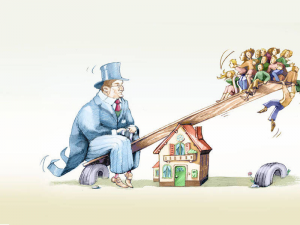
    The employer did a complete background check before offering him the job

    類義語historyexperiencecredentialseducationqualificationspastgroundworkcontext
    対義語foregroundfuturelack of experienceunfamiliarity
  3. 3

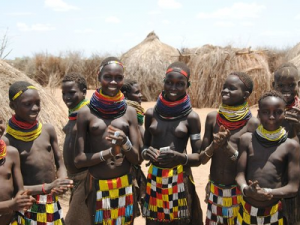
    attitude(noun)

    /ˈætɪtuːd/

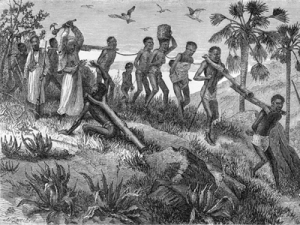
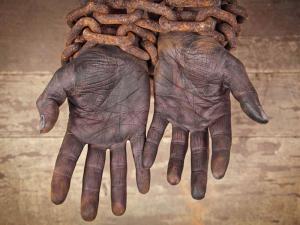
    態度 (taido)

    the way that you think and feel about somebody/something; the way that you behave towards somebody/something that shows how you think and feel

    Each investor should assess his or her own attitude toward investment

    各投資家は、投資に対する自身の態度を評価するべきです。

    The new fund manager's attitude changed quickly after the first big downturn in the market

    類義語opinionoutlookperspectiveviewpointdemeanorapproachstance
    対義語indifferenceapathydisinterest
  4. 4

    convention(noun)

    /kənˈvenʃn/

    慣習

    the way in which something is done that most people in a society expect and consider to be polite or the right way to do it

    Convention demands that a club member should resign in such a situation.

    慣習上、クラブのメンバーはそのような状況では辞任すべきである。

    By convention the deputy leader was always a woman.

    類義語custompracticetraditionnormagreementmeeting
    対義語unconventionalitydeviationirregularitydepartureoriginality
  5. 5

    religion(noun)

    /rɪˈlɪdʒən/

    宗教 (shūkyō)

    the belief in the existence of a god or gods, and the activities that are connected with the worship of them, or in the teachings of a spiritual leader

    Christianity, Islam and Judaism are known as Abrahamic religions.

    キリスト教、イスラム教、ユダヤ教はアブラハムの宗教として知られています。(Kirisutokyō, Isuramukyō, Yudayakyō wa Aburahamu no shūkyō to shite shirarete imasu.)

    He went very quiet(= did not say much) so I knew he was upset.

    類義語faithbeliefcreeddoctrinedenominationsectworshipspirituality
    対義語atheismirreligionsecularismagnosticismdisbelief
  6. 6

    community(noun)

    /kəˈmjuːnəti/

    地域社会 (chiiki shakai)

    all the people who live in a particular area, country, etc. when talked about as a group

    They want to do something useful and meaningful for the community.

    彼らは地域社会のために何か有益で意味のあることをしたいと思っています。

    the international community (= the countries of the world as a group)

    類義語societypublicgrouppopulationneighborhoodfellowship
    対義語individualisolationseparation
  7. 7

    society(noun)

    /səˈsaɪəti/

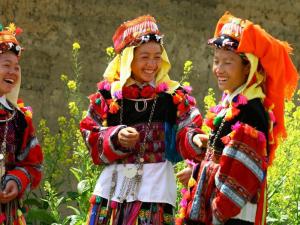
    社会 (shakai)

    people in general, living together in communities

    They carried out research into the roles of men and women in today's society

    彼らは今日の社会における男性と女性の役割について調査を行った。

    Racism exists at all levels of society.

    類義語communitycivilizationculturepopulationpublic
    対義語isolationsolitudeindividualism
  8. 8

    custom(noun)

    /ˈkʌstəm/

    慣習 (kanshuu)

    an accepted way of behaving or of doing things in a society or a community

    In my country, it's the custom for women to get married at 20 years old.

    私の国では、女性が20歳で結婚するのが慣習です。

    the custom of giving presents at Christmas

    類義語traditionpracticehabitconventionusageritualmanner
    対義語unconventionalitydeparturedeviationabnormalityirregularity
  9. 9

    age(noun)

    /eɪdʒ/

    年齢

    the number of years that a person has lived or a thing has existed

    She was beginning to feel her age(= feel that she was getting old).

    彼女は自分の年齢を感じ始めた(=年をとってきたと感じ始めた)。

    He left school at the age of 18.

    類義語maturitysenioritygenerationperiodstage
    対義語youthchildhoodinfancy
  10. 10

    modern(adjective)

    /ˈmɑːdərn/

    現代的 (gendai-teki)

    of the present time or recent times

    Hanoi is more modern than Yen Bai.

    ハノイはイエンバイよりも現代的です。

    Stress is a major problem of modern life.

    類義語contemporarynewcurrentup-to-datestate-of-the-artinnovative
    対義語old-fashionedtraditionalancientoutdatedobsolete
  11. 11

    generation(noun)

    /ˌdʒenəˈreɪʃn/

    世代 (sedai)

    all the people who were born at about the same time

    My generation have grown up without the experience of a world war.

    私の世代は世界大戦の経験なしに育ちました。

    I often wonder what future generations will make of our efforts.

    類義語age groupcohortbreedlineageprogenysuccession
    対義語individualspecificone
  12. 12

    aged(adjective)

    /eɪdʒd/

    〜歳の

    of the age of

    volunteers aged between 25 and 40

    25歳から40歳までのボランティア

    They have two children aged six and nine.

    類義語oldelderlymaturesenioradvanced in years
    対義語youngyouthfuljunior
  13. 13

    religious(adjective)

    /rɪˈlɪdʒəs/

    宗教の, 宗教的な, 信心深い

    connected with religion or with a particular religion

    The old temple is an important religious building for local people.

    その古い寺院は地元の人々にとって重要な宗教的建造物です。

    類義語devoutpiousgodlyspiritualbelieving
    対義語irreligioussecularatheisticagnosticunbelieving
  14. 14

    belief(noun)

    /bɪˈliːf/

    信念 (shinnen)

    a strong feeling that something/somebody exists or is true; confidence that something/somebody is good or right

    Vietnamese people have some beliefs about Tet.

    ベトナム人はテトについていくつかの信念を持っています。(Betonamujin wa teto ni tsuite ikutsu ka no shinnen o motte imasu.)

    I admire his passionate belief in what he is doing.

    類義語faithtrustconvictionopinionfeelingassumption
    対義語disbeliefdoubtskepticismdistrustdenial
  15. 15

    justice(noun)

    /ˈdʒʌstɪs/

    正義 (seigi)

    the fair treatment of people

    laws based on the principles of justice

    正義の原則に基づいた法律 (seigi no gensoku ni motozuita houritsu)

    They are demanding equal rights and justice.

    類義語fairnessequityrighteousnessimpartialitylawfulness
    対義語injusticeunfairnessinequitypartialitywrongdoing
  16. 16

    charity(noun)

    /ˈtʃærəti/

    慈善

    an organization for helping people in need

    At our last meeting, we decided to organize a football match to raise money for charity.

    前回の会議で、私たちは慈善活動のためにお金を集めるためにサッカーの試合を企画することにしました。

    The concert will raise money for local charities.

    類義語benevolencegenerosityhumanityphilanthropygoodwill
    対義語crueltymeannessselfishnessgreed
  17. 17

    immigration(noun)

    /ˌɪmɪˈɡreɪʃn/

    移民

    the process of coming to live permanently in a different country from the one you were born in; the number of people who do this

    Immigration has significantly changed the country's demographics.

    移民は、その国の人口統計を大きく変えました。

    類義語migrationsettlingrelocationnaturalization
    対義語emigrationdeportationrepatriation
  18. 18

    diversity(noun)

    /daɪˈvɜːrsəti/

    多様性

    a range of many people or things that are very different from each other

    Our city is proud of its cultural diversity and its many festivals.

    私たちの街は文化の多様性と数多くの祭りを誇りにしている。

    類義語varietymultiplicitydifferenceheterogeneityrangeassortment
    対義語similarityuniformityhomogeneitysamenessmonotony
  19. 19

    ethnic(adjective)

    /ˈeθnɪk/

    民族的 (minzokuteki)

    connected with or belonging to a group of people that share a cultural tradition

    Vietnam has 54 ethnic groups with a population of 86 million people.

    ベトナムには54の民族グループがあり、人口は8600万人です。

    類義語racialculturalnationaltribal
    対義語nonethnicmainstreamgeneral
  20. 20

    inequality(noun)

    /ˌɪnɪˈkwɑːləti/

    不平等, 格差

    the unfair difference between groups of people in society, when some have more wealth, status or opportunities than others

    The free market program has widened social inequality to an unprecedented degree.

    自由市場政策は、社会的不平等をかつてない規模にまで拡大させた。

    類義語disparityimbalanceinequitybiasunfairnessdisproportion
    対義語equalityequityfairnessbalanceimpartiality
  21. 21

    prejudice(noun)

    /ˈpredʒədɪs/

    偏見 (henken)

    an unreasonable dislike of or preference for a person, group, custom, etc., especially when it is based on their race, religion, sex, etc.

    Governmental programs must be administered without prejudice.

    政府のプログラムは偏見なく実施されなければならない。

    類義語biaspartialitydiscriminationunfairnessbigotrypredilectionleaning
    対義語fairnessimpartialityobjectivitytoleranceopen-mindedness
  22. 22

    tolerance(noun)

    /ˈtɑːlərəns/

    寛容 (kan'yō)

    the quality of being willing to accept or tolerate somebody/something, especially opinions or behaviour that you may not agree with, or people who are not like you

    She had no tolerance for jokes of any kind.

    彼女はどんな種類の冗談も許容しなかった。

    類義語patienceforbearanceunderstandingacceptanceleniencyendurance
    対義語intoleranceprejudicebigotrynarrow-mindednessimpatience
  23. 23

    citizenship(noun)

    /ˈsɪtɪzənʃɪp/

    市民権, 公民としての資質

    the state of being a citizen and accepting the responsibilities of it

    The schools should be responsible for teaching our children good citizenship.

    学校は子どもたちに good citizenship、つまり市民としての良い心得を教える責任がある。

    類義語nationalitycivilitycivic dutycivic virtuemembershipallegiance
    対義語alienationstatelessnessdenationalizationexpatriation
  24. 24

    tribe(noun)

    /traɪb/

    部族, 種族

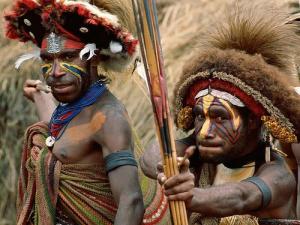
    a social group in a traditional society consisting of people with the same language, culture, religion, etc., living in a particular area and often having one leader known as a chief

    Many tribes live in the mountains and keep their own language and customs.

    山岳地帯には多くの部族が暮らし、独自の言語と習慣を守っている。

    類義語clangroupcommunitypeoplenationsociety
    対義語individualcitynationcivilization
  25. 25

    freedom(noun)

    /ˈfriːdəm/

    自由 (jiyuu)

    the power or right to do or say what you want without anyone stopping you

    We do have some freedom of choice.

    私たちには選択の自由が少しはある。

    類義語libertyindependenceautonomylicenseprivilege
    対義語captivityimprisonmentservitudeoppressionrestraint
  26. 26

    slave(noun)

    /sleɪv/

    奴隷 (dorei)

    a person who is owned by another person and is forced to work for and obey them

    By the time I was ten, I had become her slave, doing all the housework.

    10歳になる頃には、私は彼女の奴隷になり、家事全般をしていた。

    類義語bondmanthrallvassalserfservantcaptive
    対義語free personmasterliberatedemancipated
  27. 27

    slavery(noun)

    /ˈsleɪvəri/

    奴隷制度 (dorei seido)

    the state of being forced to work as a slave

    Slavery still exists in this country.

    奴隷制度はまだこの国に存在しています。

    類義語bondageservitudeenslavementoppressionthralldom
    対義語freedomlibertyindependenceemancipation
  28. 28

    solidarity(noun)

    /ˌsɑːlɪˈdærəti/

    連帯 (rentai)

    support by one person or group of people for another because they share feelings, opinions, aims, etc.

    When a group of people show solidarity they support each other or another group.

    人々があるグループが連帯を示すとき、彼らは互いに、または他のグループを支援します。

    類義語unityagreementaccordharmonyteamworkfellowshipcomradeshipsupport
    対義語discorddivisiondisagreementestrangementoppositionseparationconflict
  29. 29

    inclusion(noun)

    /ɪnˈkluːʒn/

    包含 (hougan)

    the fact of including somebody/something; the fact of being included

    She is being considered for inclusion on the England team.

    彼女はイングランド代表チームへの包含を検討されています。

    類義語incorporationadditioninsertionenclosureacceptancemembership
    対義語exclusionomissionrejectionremoval
  30. 30

    diverse(adjective)

    /daɪˈvɜːrs/

    多様

    very different from each other and of various kinds

    The area is diverse with different types of animals and plants.

    その地域は多様で、さまざまな種類の動物や植物が生息しています。

    類義語variedassortedmultifariousheterogeneouseclectic
    対義語uniformhomogeneoussimilaridenticalalike
  31. 31

    civilization(noun)

    /ˌsɪvələˈzeɪʃn/

    文明

    a state of human society that is very developed and organized

    The ancient Egyptians built one of the world's greatest civilizations.

    古代エジプト人は、世界でも屈指の偉大な文明を築いた。

    類義語culturesocietydevelopmentprogressrefinement
    対義語barbarismsavagerywildernessanarchy
  32. 32

    discrimination(noun)

    /dɪˌskrɪmɪˈneɪʃn/

    差別, 差別的取扱い

    unfair treatment of a person because of their gender, age, religion, disability or another protected characteristic

    The law prohibits discrimination against pregnant workers in hiring and promotion.

    法律は、採用や昇進における妊娠中の労働者に対する差別を禁止している。

    The employee filed a complaint of age discrimination after being passed over.

    類義語prejudicebiasinequalityfavoritismbigotrysegregation
    対義語equalityfairnessimpartialityjusticeequitytolerance
  33. 33

    integration(noun)

    /ˌɪntɪˈɡreɪʃn/

    統合 (tougou)

    the act or process of combining two or more things so that they work together

    The integration of different kinds of cultures has become a new trend.

    異文化の統合は新しいトレンドになっています。(ibunka no tougou wa atarashii torendo ni natteimasu)

    類義語assimilationincorporationfusionunificationamalgamationsynthesismerger
    対義語separationsegregationfragmentationdivisiondisconnectionalienation
  34. 34

    tribal(adjective)

    /ˈtraɪbl/

    部族の

    connected with a tribe or tribes

    Tribal lands were held in common and each man was entitled to a share in the products.

    部族の土地は共有されており、各人は生産物に対する分け前を受け取る権利があった。

    類義語aboriginalindigenousnativeethnicclan
    対義語urbancivilizedmoderncosmopolitan
  35. 35

    legacy(noun)

    /ˈleɡəsi/

    遺産, 名残

    something that remains from an earlier time or that is passed on from past generations

    The cultural legacy of ancient Rome can still be seen across Europe today.

    古代ローマの文化的遺産は、今日でもヨーロッパ各地で見ることができる。

    類義語inheritancebequestheritagetraditionendowmentpatrimony
    対義語debtliabilityobligation
  36. 36

    civilian(noun)

    /səˈvɪliən/

    民間人, 一般市民

    a person who is not a member of the armed forces or the police

    Many civilians were killed when the city was bombed during the war.

    戦時中、都市が爆撃され、多くの民間人が亡くなった。

    類義語nonmilitarycivilianprivate citizennoncombatant
    対義語militaryarmed forcessoldier
  37. 37

    belong(verb)

    /bɪˈlɔːŋ/

    所有である, 属する

    to be owned by somebody, used with 'to'

    This book belongs to Sarah.

    この本はサラのものだ。

    類義語fitrelatepertainappertainassociatebe part of
    対義語excluderejectalienateseparatediffer
  38. 38

    citizen(noun)

    /ˈsɪtɪzn/

    市民 (shimin)

    a person who has the legal right to belong to a particular country

    He is a responsible citizen who always votes in elections.

    彼は常に選挙で投票する責任感のある市民です。(Kare wa tsuneni senkyo de tōhyō suru sekininkan no aru shimin desu.)

    類義語nationalinhabitantresidentsubjectmember
    対義語alienforeignerimmigrantnoncitizen
  39. 39

    civic(adjective)

    /ˈsɪvɪk/

    市民の, 都市の, 公民の

    connected with the people who live in a town or city and their duties as citizens

    It is our civic duty to vote.

    投票することは私たちの市民としての義務だ。

    類義語civilpubliccommunity
    対義語privatepersonal
  40. 40

    colonial(adjective)

    /kəˈləʊniəl/

    植民地の

    connected with or belonging to a country that controls another country

    The museum showcased artifacts from the colonial era.

    博物館は植民地時代の工芸品を展示していました。

    類義語imperialdependentsubject
    対義語independentsovereignautonomous
  41. 41

    colony(noun)

    /ˈkɑːləni/

    植民地 (shokuminchi)

    a country or an area that is governed by people from another, more powerful, country

    The British established a colony in India.

    イギリスはインドに植民地を設立した。

    類義語settlementterritorydependencypossession
    対義語independencesovereigntynation
  42. 42

    dignity(noun)

    /ˈdɪɡnəti/

    尊厳

    a calm and serious manner that deserves respect

    He carried himself with dignity despite the difficult circumstances.

    彼は困難な状況にもかかわらず尊厳をもって身を処した。

    類義語honornobilityself-respectworth
    対義語dishonorhumilityshamedisgrace
  43. 43

    equality(noun)

    /iˈkwɑːləti/

    平等

    the fact of being equal in rights, status, advantages, etc.

    We strive for equality in the workplace.

    私たちは職場での平等を追求します。

    類義語equityfairnessevennessparityjustice
    対義語inequalitydisparityinjusticebias
  44. 44

    feminist(adjective)

    /ˈfemənɪst/

    フェミニズムの, 女性解放論の, 男女平等主義の

    having or based on the belief that women should have the same rights and opportunities as men

    She has written several books from a feminist point of view.

    彼女はフェミニストの視点から何冊もの本を書いている。

    類義語women's rights advocateegalitariangender equality activist
    対義語misogynistchauvinistsexist
  45. 45

    gender(noun)

    /ˈdʒendər/

    性別

    the fact of being male or female, especially when considered with reference to social and cultural differences, rather than differences in biology; members of a particular gender as a group

    What is your gender?

    あなたの性別は何ですか?

    類義語sexidentitysexual identity
    対義語none
  46. 46

    homeland(noun)

    /ˈhəʊmlænd/

    故郷 (kokyou)

    the country where a person was born

    She returned to her homeland after many years abroad.

    彼女は長年海外にいた後、故郷に戻った。

    類義語native landfatherlandmotherlandcountry
    対義語foreign landalien land
  47. 47

    immigrant(noun)

    /ˈɪmɪɡrənt/

    移民

    a person who has come to live permanently in a different country from the one they were born in

    The immigrant family worked hard to build a new life.

    その移民家族は新しい生活を築くために一生懸命働いた。

    類義語newcomermigrantaliensettler
    対義語nativecitizenresident
  48. 48

    injustice(noun)

    /ɪnˈdʒʌstɪs/

    不正

    the fact of a situation being unfair and of people not being treated equally; an unfair act or an example of unfair treatment

    The workers protested against the injustice of unequal pay.

    労働者たちは不平等な賃金の不正に抗議した。

    類義語unfairnessinequitywronggrievance
    対義語justicefairnessequity
  49. 49

    liberation(noun)

    /ˌlɪbəˈreɪʃn/

    解放

    the act or process of freeing a country or a person from the control of somebody else

    The liberation of the prisoners was a great moment.

    囚人たちの解放は素晴らしい瞬間でした。

    類義語freedomdeliveranceemancipationrelease
    対義語imprisonmentcaptivityoppressionenslavement
  50. 50

    liberty(noun)

    /ˈlɪbərti/

    自由

    freedom to live as you choose without too many limits from government or authority

    The statue represents liberty.

    その像は自由を象徴しています。

    類義語freedomindependenceautonomy
    対義語captivityimprisonmentslavery
  51. 51

    morality(noun)

    /məˈræləti/

    道徳

    principles relating to right and wrong or good and bad behaviour

    The morality of his actions was questionable.

    彼の行動の道徳は疑わしいものでした。

    類義語ethicsprinciplesvirtuerighteousness
    対義語immoralitywickednessevil
  52. 52

    norm(noun)

    /nɔːrm/

    規範

    a situation or a pattern of behaviour that is usual or expected

    Wearing jeans to work is the norm in this office.

    このオフィスでは、ジーンズを履いて仕事に行くのが普通です。

    類義語standardconventioncustomrule
    対義語deviationabnormalityexceptionirregularity
  53. 53

    peasant(noun)

    /ˈpeznt/

    農民 (noumin)

    (especially in the past, or in poorer countries) a farmer who owns or rents a small piece of land

    The peasant worked hard in the fields.

    農民は畑で一生懸命働いた。

    類義語farmerrusticcountryman
    対義語aristocratnobleelite
  54. 54

    privilege(noun)

    /ˈprɪvəlɪdʒ/

    特権 (tokken)

    a special right or advantage that a particular person or group of people has

    Education should be a right, not a privilege.

    教育は権利であるべきで、特権であるべきではありません。

    類義語advantagebenefitentitlementrightperk
    対義語disadvantageburdenhardshipobligation
  55. 55

    racial(adjective)

    /ˈreɪʃl/

    人種的

    happening or existing between people of different races

    The company was accused of racial discrimination.

    その会社は人種差別で告発されました。

    類義語ethnicculturalnational
    対義語impartialunbiasednonracial
  56. 56

    racism(noun)

    /ˈreɪsɪzəm/

    人種差別

    the unfair treatment of people who belong to a different race; violent behaviour towards them

    Racism is a serious problem in many societies.

    人種差別は多くの社会で深刻な問題です。

    類義語bigotryprejudicediscriminationchauvinism
    対義語toleranceequalityacceptanceinclusion
  57. 57

    racist(adjective)

    /ˈreɪsɪst/

    人種差別的な, 人種差別主義の

    having the belief that some races of people are better than others or having general beliefs about other people based only on their race; showing this through violent or unfair treatment of people of other races

    His racist remarks were offensive and unacceptable.

    彼の人種差別的な発言は不快で、受け入れがたいものだった。

    類義語bigotedprejudiceddiscriminatory
    対義語tolerantinclusiveegalitarian
  58. 58

    refugee(noun)

    /ˌrefjuˈdʒiː/

    難民 (nanmin)

    a person who has been forced to leave their country or home, because there is a war or for political, religious or social reasons

    The refugees sought shelter in a neighboring country.

    難民たちは近隣諸国に避難場所を求めた。

    類義語asylum seekerdisplaced personexileémigré
    対義語citizennativeresident
  59. 59

    ritual(noun)

    /ˈrɪtʃuəl/

    儀式

    a series of actions that are always performed in the same way, especially as part of a religious ceremony

    The tea ceremony is a traditional ritual.

    茶道は伝統的な儀式です。

    類義語ceremonycustomritetraditionobservance
    対義語impromptuspontaneityinformality
  60. 60

    socialist(adjective)

    /ˈsəʊʃəlɪst/

    社会主義の, 社会党の

    connected with socialism

    The socialist party won many seats in the election.

    社会党は選挙で多くの議席を獲得した。

    類義語collectivistegalitariancommunitarian
    対義語capitalistindividualistconservative
  61. 61

    stereotype(noun)

    /ˈsteriətaɪp/

    固定観念

    a fixed idea or image that many people have of a particular type of person or thing, but which is often not true in reality

    The stereotype of a librarian is someone who is quiet and wears glasses.

    司書の固定観念は、静かで眼鏡をかけている人です。

    類義語clichepatternmoldgeneralization
    対義語originalityindividualityuniqueness
  62. 62

    tribute(noun)

    /ˈtrɪbjuːt/

    賛辞

    an act, a statement or a gift that is intended to show your love or respect, especially for a dead person

    The city paid tribute to the fallen heroes.

    市は、倒れた英雄たちに賛辞を捧げました。

    類義語homageaccoladepraiserespecthonor
    対義語criticismdisrespectdishonorinsult
  63. 63

    unity(noun)

    /ˈjuːnəti/

    結束

    the state of being in agreement and working together; the state of being joined together to form one unit

    The project demonstrated a great sense of unity among the team members.

    そのプロジェクトは、チームメンバー間の素晴らしい結束を示しました。

    類義語harmonyagreementaccordonenesssolidarity
    対義語discorddisagreementdivisionseparation
  64. 64

    welfare(noun)

    /ˈwelfer/

    福祉, 幸福, 健康

    the general health, happiness and safety of a person, an animal or a group

    The charity works hard to protect the welfare of homeless children.

    その慈善団体はホームレスの子どもたちの福祉を守るために懸命に活動している。

    類義語well-beingprosperitybenefitcomfort
    対義語hardshippovertysuffering
  65. 65

    free(adjective)

    /friː/

    自由な

    able to do what you want; not controlled or limited by other people or by laws

    In a free society, people can say what they think without fear.

    自由な社会では、人々は恐れることなく自分の考えを言うことができる。

  66. 66

    minority(noun)

    /maɪˈnɔːrəti/

    少数民族, 少数派集団

    a small group within a community or country that is different because of race, religion, language, etc.

    Most ethnic minorities live in the highlands.

    少数民族の大半は高地に住んでいる。