コンテンツへスキップ

レッスン24/38 · 85語 · 覚えた単語 0

Law Crime

法律と犯罪

  1. 1

    penalty(noun)

    /ˈpenəlti/

    違約金, 罰則, 制裁金

    a punishment, often a payment of money, for breaking a law, rule or contract term

    Under Vietnamese commercial law, a contractual penalty cannot exceed eight percent of the breached obligation.

    ベトナムの商法では、契約上の違約金は違反した義務の価値の8パーセントを超えてはならないとされています。

    The supplier paid a penalty for delivering goods of poor quality.

    類義語punishmentfinesanctionforfeitchargeretributiondiscipline
    対義語rewardprizebenefitcompensationaward
  2. 2

    investigate(verb)

    /ɪnˈvestɪɡeɪt/

    調査する (chousa suru)

    to carefully examine the facts of a situation, an event, a crime, etc. to find out the truth about it or how it happened

    Reporters need to thoroughly investigate the facts before publishing their stories

    記者は記事を公表する前に、事実を徹底的に調査する必要があります。

    Michelle's editor sent her to the capital to investigate the story behind the government scandal

    類義語examineprobeexploreresearchanalyzestudyscrutinizeinquire
    対義語ignoreneglectoverlookdisregard
  3. 3

    innocent(adjective)

    /ˈɪnəsnt/

    無実 (mujitsu)

    not guilty of a crime, etc.; not having done something wrong

    Someone told your secret, but it wasn't me. I'm innocent.

    誰かがあなたの秘密を話したけど、私じゃない。私は無実だ。

    She was found innocent of any crime.

    類義語blamelessguiltlessnot guiltypurevirtuousupright
    対義語guiltyculpableblameworthycorruptevil
  4. 4

    dishonest(adjective)

    /dɪsˈɑːnɪst/

    不正直な

    not honest; intending to trick people

    Beware of dishonest traders in the tourist areas.

    観光地では不正直な業者に注意してください。

    I don't like him, and it would be dishonest of me to pretend otherwise.

    類義語deceitfuluntrustworthyfalsefraudulentcorruptdishonorableshadycrooked
    対義語honesttrustworthytruthfulsincerehonorableupright
  5. 5

    offence(noun)

    /əˈfens/

    違反

    an illegal act

    New legislation makes it an offence to carry guns.

    新しい法律により、銃の所持は違反行為となる。

    a first offence(= the first time that somebody has been found guilty of a crime)

    類義語crimeviolationtransgressioninfractionwrongdoingmisdemeanorfelony
    対義語lawfullegalrightobediencelawfulnessvirtue
  6. 6

    suspect(noun)

    /səˈspekt/

    被疑者, 容疑者

    a person the police believe may have committed a crime

    Police questioned three suspects about the missing funds.

    警察は、使途不明の資金について3人の容疑者を事情聴取しました。

    The suspect has the right to a lawyer from the moment of arrest.

    類義語accusedpossible culpritpresumed offendersubjecttarget
    対義語certaintyfactknownproven
  7. 7

    trial(noun)

    /ˈtraɪəl/

    裁判 (saiban)

    a formal examination of evidence in court by a judge and often a jury , to decide if somebody accused of a crime is guilty or not

    a murder trial

    殺人裁判 (satsujin saiban)

    He did not receive a fair trial.

    類義語hearingcaselawsuitlegal proceedingtestexaminationexperiment
    対義語agreementsettlementharmonyaccord
  8. 8

    evidence(noun)

    /ˈevɪdəns/

    証拠, 証拠書類

    documents, objects or statements presented to a court to prove or disprove facts in a case

    The emails were submitted as evidence that the buyer had accepted the goods.

    買主が商品を受領したことの証拠として、そのメールが提出されました。

    There was not enough evidence to prove the director knew about the loan.

    類義語prooftestimonyindicationsigncluemanifestationdemonstration
    対義語disproofrefutationdenialcontradictionconcealment
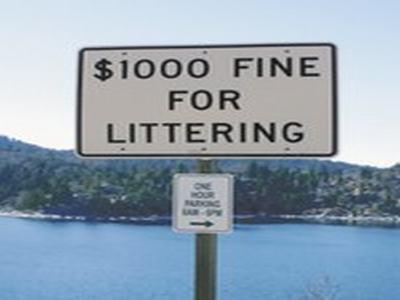
  9. 9

    punishment(noun)

    /ˈpʌnɪʃmənt/

    処罰 (shobatsu)

    an act or a way of punishing somebody

    There is little evidence that harsher punishments deter any better than more lenient ones.

    より厳しい処罰が、より寛大な処罰よりも効果的に抑止するという証拠はほとんどない。

    to inflict/impose/mete out punishment

    類義語penaltydisciplinecorrectionretributionsentence
    対義語rewardforgivenesspardonleniencyexoneration
  10. 10

    arrest(verb)

    /əˈrest/

    逮捕する

    to take a person into police custody because they are believed to have committed a crime

    Police arrested the warehouse manager on suspicion of theft.

    警察は、窃盗の容疑で倉庫の管理責任者を逮捕しました。

    Two officials were arrested for taking bribes from contractors.

    類義語apprehenddetaincaptureseizetake into custodybust
    対義語releasefreeliberatedischargeacquit
  11. 11

    accuse(verb)

    /əˈkjuːz/

    告発する (kokuhatsu suru)

    to say that somebody has done something wrong or is guilty of something

    The government was accused of incompetence.

    政府は無能であると告発された。

    They stand accused of crimes against humanity.

    類義語chargeimpeachindictblameallege
    対義語exoneratevindicateabsolveacquitexcuse
  12. 12

    shoot(verb)

    /ʃuːt/

    撃つ (utsu)

    to fire a gun or other weapon; to fire something from a weapon

    They shot the lock off (= removed it by shooting).

    彼らは鍵を撃ち落とした。

    The police rarely shoot to kill(= try to kill the people they shoot at).

    類義語firedischargelaunchblasthitfilmrecord
    対義語protectdefendguardholdcatch
  13. 13

    suspicious(adjective)

    /səˈspɪʃəs/

    怪しい, 不審な

    making you feel that something is wrong, illegal or dishonest

    Police are investigating a suspicious package found near the station.

    警察は駅の近くで見つかった不審な荷物を調べている。

    類義語doubtfulquestionabledubiousshadydistrustfulwaryskeptical
    対義語trustingbelievingunsuspectingnaivegulliblecredulous
  14. 14

    punch(noun)

    /pʌntʃ/

    パンチ, げんこつ

    a hard hit made with the fist

    a punch in the face

    顔面へのパンチ

    He shot out his right arm and landed a punch on Lorrimer's nose.

    類義語hitblowstrikesmackwallopthump
    対義語caressstrokepatprotectionshield
  15. 15

    witness(noun)

    /ˈwɪtnəs/

    証人

    a person who tells a court what they saw or know about the facts of a case

    The warehouse manager was called as a witness for the defence.

    倉庫の管理責任者が被告側の証人として召喚された。

    Each witness must sign a written witness statement before the hearing.

    類義語observereyewitnesslooker-onspectatortestifyattestconfirm
    対義語ignoreoverlookdenydisprove
  16. 16

    investigation(noun)

    /ɪnˌvestɪˈɡeɪʃn/

    調査 (chōsa)

    an official examination of the facts about a situation, crime, etc.

    We have finished a thorough investigation of the incident.

    私たちはその事件の徹底的な調査を終えました。

    The police have completed their investigations into the accident.

    類義語inquiryexaminationprobescrutinyresearchstudyexplorationanalysis
    対義語neglectignoranceoverlookdisregard
  17. 17

    murder(noun)

    /ˈmɜːrdər/

    殺人, 殺人罪

    the crime of killing somebody deliberately

    He was found guilty of murder and sent to prison for life.

    彼は殺人罪で有罪となり、終身刑を言い渡されました。

    類義語slayingassassinationhomicidemanslaughterliquidationexecution
    対義語birthcreationlife
  18. 18

    illegal(adjective)

    /ɪˈliːɡl/

    違法 (ihou)

    not allowed by the law

    It's illegal to drive through a red light.

    赤信号を無視して運転するのは違法です。

    illegal immigrants/aliens

    類義語unlawfulprohibitedcriminalbannedillegitimate
    対義語legallawfullegitimatepermissibleallowed
  19. 19

    suspicion(noun)

    /səˈspɪʃn/

    疑念 (ginen)

    a feeling that somebody has done something wrong, illegal or dishonest, even though you have no proof

    It's time to confront him with our suspicions.

    彼に私たちの疑念をぶつける時が来た。

    My suspicions were confirmed when police raided the property.

    類義語doubtmistrustdistrustskepticismapprehensionqualmmisgiving
    対義語beliefcertaintyfaithtrustconfidence
  20. 20

    killing(noun)

    /ˈkɪlɪŋ/

    殺人 (satsujin)

    an act of killing somebody deliberately

    brutal killings

    残虐な殺人 (zangyakuna satsujin)

    In the tiger, evolution has produced a perfect hunting machine.

    類義語slayingassassinationhomicidemanslaughterexecutionliquidationdestructiontermination
    対義語birthcreationliferevivalpreservation
  21. 21

    shooting(noun)

    /ˈʃuːtɪŋ/

    発砲事件, 銃撃事件

    a situation in which a person is shot with a gun

    Police are investigating a shooting in the city centre last night.

    警察は昨夜市の中心部で起きた発砲事件を捜査しています。

    類義語firinggunfirehuntingtarget practicegunning
    対義語protectiondefenseprevention
  22. 22

    steal(verb)

    /stiːl/

    盗む (nusumu)

    to take something from a person, shop, etc. without permission and without intending to return it or pay for it

    Thieves stole jewellery worth over £10000.

    泥棒が1万ポンド以上の価値のある宝石を盗んだ。(dorobou ga ichiman pondo ijou no kachi no aru houseki o nusunda)

    I had my wallet stolen.

    類義語pilferpurloinappropriateembezzlerobburglarizeshopliftswipe
    対義語givedonatereturnofferproviderestore
  23. 23

    punish(verb)

    /ˈpʌnɪʃ/

    罰する (bassuru)

    to make somebody suffer because they have broken the law or done something wrong

    My parents used to punish me by not letting me watch TV.

    私の両親は、私にテレビを見せないことで私を罰していました。

    He was punished for refusing to answer their questions.

    類義語disciplinepenalizechastisecorrectdisciplinereprimand
    対義語rewardpraiseforgiveexcusecondone
  24. 24

    crime(noun)

    /kraɪm/

    犯罪, 罪

    an illegal act that can be punished by law

    He has admitted committing several crimes including two murders.

    彼は2件の殺人を含む複数の犯罪を犯したことを認めました。

    類義語offensefelonymisdeedwrongdoingtransgressionviolation
    対義語innocencelawfulnessrighteousnessvirtuemorality
  25. 25

    legal(adjective)

    /ˈliːɡl/

    法的

    connected with the law

    to take/seek legal advice

    法律相談を受ける

    a legal adviser

    類義語lawfullegitimatevalidofficialjudiciallicitstatutory
    対義語illegalunlawfulillicitunofficialinvalidillegitimate
  26. 26

    thief(noun)

    /θiːf/

    泥棒, 窃盗犯

    a person who steals something from another person or place

    The police finally caught the thief who stole my bike.

    警察はついに私の自転車を盗んだ泥棒を捕まえました。

    類義語burglarrobberpilferershoplifterbanditcrooklarcenistmarauder
    対義語honest personlaw-abiding citizengiverbenefactorphilanthropist
  27. 27

    Theft(noun)

    /θeft/

    窃盗 (settō)

    the crime of stealing something from a person or place

    The insurance will cover 30% value of the phone in the event of theft.

    保険は、盗難の場合、電話の価格の30%を補償します。

    類義語larcenyburglarypilferingrobberystealing
    対義語returnrestitutiongivingoffering
  28. 28

    bail(noun)

    /beɪl/

    保釈, 保釈金

    release of an accused person before trial, often after money is paid as a guarantee they will return to court

    The businessman was released on bail until his trial next month.

    その実業家は、来月の裁判まで保釈されました。

    The court refused bail because the suspect might leave the country.

    類義語securitybondfreedomrelease
    対義語imprisonmentdetentionincarceration
  29. 29

    accused(noun)

    /əˈkjuːz/

    被告人, 被告

    the person or people who are formally charged with a crime and are on trial

    The accused denied all charges at the opening of the trial.

    被告人は裁判の冒頭ですべての起訴事実を否認した。

    The court must treat the accused as innocent until proven guilty.

    類義語defendantsuspectalleged
    対義語victimplaintiffcomplainant
  30. 30

    ban(noun)

    /bæn/

    禁止, 禁止令

    an official rule that says that something is not allowed

    There is to be a total ban on smoking in the office.

    オフィスでの喫煙は全面的に禁止されることになっている。

    類義語prohibitionembargorestrictioninterdictionveto
    対義語permissionallowanceapprovalauthorizationconsent
  31. 31

    criminal(noun)

    /ˈkrɪmɪnl/

    犯罪者

    a person who commits a crime

    He must be a dangerous criminal.

    彼は危険な犯罪者であるに違いない。

    類義語offenderfelonoutlawlawbreakerculprit
    対義語law-abiding citizeninnocentvictim
  32. 32

    fraud(noun)

    /frɔːd/

    詐欺, 不正, 不正行為

    the crime of deceiving people or organisations in order to get money or goods illegally

    The bank's system blocked the payment because it suspected fraud.

    銀行のシステムは不正の疑いがあるとして、その支払いをブロックしました。

    Online fraud rose as more customers used mobile banking.

    類義語deceittrickerycheatingswindlehoaximposturesham
    対義語honestytruthfulnessintegrityfairnessgenuineness
  33. 33

    liable(adjective)

    /ˈlaɪəbl/

    法的責任がある, 賠償責任がある

    legally responsible for paying the cost of something

    The company was held liable for the damage caused by its faulty products.

    その会社は欠陥製品が引き起こした損害について法的責任を負うとされた。

    類義語responsibleaccountableanswerablesubjectexposedvulnerableprone
    対義語unlikelyimmuneprotectedexemptinvulnerable
  34. 34

    convict(verb)

    /kənˈvɪkt/

    有罪判決を下す, 有罪とする

    to decide officially in court that a person is guilty of a crime

    The director was convicted of embezzling company funds.

    その取締役は会社の資金を横領した罪で有罪判決を受けた。

    Nobody can be convicted of a crime without sufficient evidence.

    類義語prisonerinmateoffendercriminal
    対義語innocentfree
  35. 35

    kidnap(verb)

    /ˈkɪdnæp/

    誘拐する, 拉致する

    to take somebody away illegally and keep them as a prisoner, especially in order to get money or something else for returning them

    Two businessmen have been kidnapped by terrorists.

    実業家2人がテロリストに誘拐された。

    類義語abductseizecapturesnatchcarry offhold for ransom
    対義語releasefreeliberate
  36. 36

    violate(verb)

    /ˈvaɪəleɪt/

    違反する

    to go against or refuse to obey a law, an agreement, etc.

    He violated international law.

    彼は国際法を違反した。

    類義語infringetransgressbreakcontravenedefybreach
    対義語upholdobeycomplyrespectadhere
  37. 37

    robbery(noun)

    /ˈrɑːbəri/

    強盗 (gōtō)

    the crime of stealing money or goods from a bank, shop, person, etc., especially using violence or threats

    It is a serious robbery.

    それは深刻な強盗だ。(Sore wa shinkoku na gōtō da.)

    類義語theftburglarylarcenyholdupheist
    対義語returnrestitutionreimbursement
  38. 38

    victim(noun)

    /ˈvɪktɪm/

    犠牲者 (giseisha)

    a person who has been attacked, injured or killed as the result of a crime, a disease, an accident, etc.

    He was a victim of the accident yesterday.

    彼は昨日、事故の犠牲者だった。

    類義語casualtysufferertargetprey
    対義語benefactoraggressorperpetratorattacker
  39. 39

    prisoner(noun)

    /ˈprɪznər/

    囚人 (shuujin)

    a person who is kept in prison as a punishment, or while they are waiting for trial

    They are demanding the release of all prisoners.

    彼らはすべての囚人の釈放を要求している。

    類義語captiveinmatedetaineeconvict
    対義語free personfreemanliberatedreleased
  40. 40

    allegation(noun)

    /ˌæləˈɡeɪʃn/

    申し立て

    a public statement that is made without giving proof, accusing somebody of doing something that is wrong or illegal

    The newspaper published an allegation of corruption against the mayor.

    新聞は市長に対する汚職の申し立てを掲載しました。

    類義語accusationchargeclaimassertioninsinuation
    対義語proofevidenceconfirmationrebuttaldenial
  41. 41

    allege(verb)

    /əˈledʒ/

    申し立てる

    to state something as a fact but without giving proof

    The newspaper alleges that the politician accepted bribes.

    その新聞は、その政治家が賄賂を受け取ったと申し立てている。

    類義語claimassertcontendmaintainstate
    対義語denyrefutedisproveretractconfirm
  42. 42

    assassination(noun)

    /əˌsæsɪˈneɪʃn/

    暗殺 (ansatsu)

    the murder of an important or famous person, especially for political reasons

    The assassination of the president shocked the nation.

    大統領の暗殺は国を震撼させた。

    類義語murderkillingexecutionliquidationelimination
    対義語birthcreationpreservationsafeguardingprotection
  43. 43

    assault(noun)

    /əˈsɔːlt/

    暴行

    the crime of attacking somebody physically

    He was arrested for assault.

    彼は暴行で逮捕された。

    類義語attackbatterychargeinvasiononslaught
    対義語defenseprotectionretreatpeacecalm
  44. 44

    atrocity(noun)

    /əˈtrɑːsəti/

    残虐行為 (zangyaku koui)

    a cruel and violent act, especially in a war

    The war was filled with countless atrocities.

    その戦争は数えきれないほどの残虐行為に満ちていました。

    類義語brutalityoutragehorrorsavagerybarbarity
    対義語kindnessbenevolencehumanitymercygoodness
  45. 45

    conviction(noun)

    /kənˈvɪkʃn/

    有罪判決, 有罪確定

    the act of finding somebody guilty of a crime in court; the fact of having been found guilty

    He had a previous conviction for theft and was sent to prison.

    彼には窃盗の前科があり、刑務所に送られた。

    類義語beliefcertaintyfaithassurancepersuasion
    対義語doubtuncertaintyhesitationskepticismdistrust
  46. 46

    corrupt(adjective)

    /kəˈrʌpt/

    腐敗した, 汚職の, 不正な

    willing to use their power to do dishonest or illegal things in return for money or to get an advantage

    The politician was corrupt and accepted bribes.

    その政治家は腐敗しており、賄賂を受け取っていました。

    類義語dishonestimmoralunethicalperverteddebased
    対義語honestmoralethicalpureupright
  47. 47

    corruption(noun)

    /kəˈrʌpʃn/

    汚職 (oshoku)

    dishonest or illegal behaviour, especially of people in authority

    The investigation revealed widespread corruption within the government.

    調査の結果、政府内に広範囲にわたる汚職があることが明らかになった。

    類義語dishonestyfraudbriberymalfeasancedepravity
    対義語honestyintegrityrighteousnessuprightnessprobity
  48. 48

    custody(noun)

    /ˈkʌstədi/

    拘留, 留置, 勾留

    the state of being in prison or held by the police, especially while waiting for trial

    The suspect was held in police custody overnight before appearing in court.

    容疑者は法廷に出る前に一晩警察に留置された。

    類義語guardianshipcarechargesupervision
    対義語neglectabandonment
  49. 49

    detain(verb)

    /dɪˈteɪn/

    拘留する

    to keep somebody in an official place, such as a police station, a prison or a hospital, and prevent them from leaving

    The police detained the suspect for questioning.

    警察は容疑者を尋問のために拘留した。

    類義語holdarrestconfineimpound
    対義語releasefreeliberate
  50. 50

    detention(noun)

    /dɪˈtenʃn/

    拘留, 勾留, 留置

    the state of being kept in a place, especially a prison, and prevented from leaving

    The suspect was held in detention for three days without charge.

    その容疑者は起訴されないまま3日間拘留された。

    類義語custodyconfinementimprisonmentincarceration
    対義語freedomrelease
  51. 51

    dismissal(noun)

    /dɪsˈmɪsl/

    解雇, 懲戒解雇

    the act of an employer ending someone's employment, often as a disciplinary penalty

    Repeated absence without reason can be grounds for dismissal.

    理由のない欠勤を繰り返すことは、解雇の理由になり得る。

    The dismissal letter must state the reason clearly.

    類義語firingterminationdischargeexpulsion
    対義語hiringemploymentretention
  52. 52

    forbid(verb)

    /fərˈbɪd/

    禁止

    to order somebody not to do something; to order that something must not be done

    The law forbids smoking in public places.

    法律は公共の場所での喫煙を禁じています。

    類義語prohibitbanoutlawrestrict
    対義語allowpermitauthorizeapprove
  53. 53

    hostile(adjective)

    /ˈhɑːstl/

    敵対的

    aggressive or unfriendly and ready to argue or fight

    The crowd became hostile when the speaker made controversial remarks.

    講演者が物議を醸す発言をしたとき、群衆は敵対的になった。

    類義語antagonisticunfriendlyaggressivebelligerent
    対義語friendlyamiablehospitablepeaceful
  54. 54

    indictment(noun)

    /ɪnˈdaɪtmənt/

    起訴, 起訴状

    an official written statement accusing somebody of a crime

    The grand jury returned an indictment against him.

    大陪審は彼に対する起訴状を提出した。

    類義語accusationchargearraignment
    対義語acquittalexoneration
  55. 55

    inmate(noun)

    /ˈɪnmeɪt/

    囚人 (shuujin)

    one of the people living in an institution such as a prison or a psychiatric hospital

    The inmate was released from prison.

    囚人は刑務所から釈放された。

    類義語prisonerconvictcaptive
    対義語free personcivilian
  56. 56

    jail(noun)

    /dʒeɪl/

    刑務所

    a prison

    He was sent to jail for stealing.

    彼は盗みの罪で刑務所に送られた。

    類義語prisonpenitentiarylockup
    対義語freedomliberty
  57. 57

    judicial(adjective)

    /dʒuˈdɪʃl/

    司法の

    connected with a court, a judge or legal judgement

    The judicial system ensures fair trials.

    司法制度は公正な裁判を保証します。

    類義語legaljudiciaryforensicadjudicative
    対義語executivelegislativenonlegal
  58. 58

    jurisdiction(noun)

    /ˌdʒʊrɪsˈdɪkʃn/

    管轄権, 裁判管轄

    the official power of a court or authority to hear cases and make legal decisions in a particular area

    The court ruled that it had no jurisdiction over a dispute between two foreign companies.

    裁判所は、外国企業同士の紛争について管轄権を有しないと判断した。

    The parties agreed that the courts of Singapore have exclusive jurisdiction.

    類義語authoritypowercontroldominion
    対義語powerlessnessimpotencesubmission
  59. 59

    jury(noun)

    /ˈdʒʊri/

    陪審, 陪審団

    a group of ordinary citizens chosen to listen to a trial and decide whether the facts are proved

    The jury found the defendant not guilty after two days of discussion.

    陪審は2日間の評議の末、被告人を無罪とした。

    Civil cases in England are rarely decided by a jury.

    類義語paneltribunalassessors
    対義語judgecourt
  60. 60

    justification(noun)

    /ˌdʒʌstɪfɪˈkeɪʃn/

    正当化

    a good reason why something exists or is done

    His justification for being late was that the traffic was terrible.

    彼が遅刻した正当な理由は、交通渋滞がひどかったからだ。

    類義語reasonexcusedefensevindicationexplanation
    対義語condemnationdenunciationreproachcriticism
  61. 61

    lawsuit(noun)

    /ˈlɔːsuːt/

    訴訟, 裁判

    a claim or case that one person or company brings against another in a court of law

    The customers filed a lawsuit against the developer for late handover of the apartments.

    顧客らは、マンションの引き渡し遅延を理由にデベロッパーを提訴した。

    The two companies settled the lawsuit before it went to trial.

    類義語legal actioncaseclaimlitigation
    対義語settlementagreementcompromise
  62. 62

    legitimate(adjective)

    /lɪˈdʒɪtɪmət/

    合法的な, 正当な

    allowed and acceptable according to the law

    The business has a legitimate claim to the property.

    その企業にはその不動産に対する正当な権利がある。

    類義語lawfullegalvalidauthenticgenuine
    対義語illegalillegitimateinvalidunlawful
  63. 63

    magistrate(noun)

    /ˈmædʒɪstreɪt/

    治安判事

    an official who acts as a judge in the lowest courts of law

    The magistrate oversaw the small town's court.

    治安判事が小さな町の裁判所を監督した。

    類義語judgejustice of the peaceofficial
    対義語defendantcriminalaccused
  64. 64

    offender(noun)

    /əˈfendər/

    犯罪者

    a person who commits a crime

    The offender was arrested by the police.

    犯罪者は警察に逮捕されました。

    類義語criminalculpritwrongdoertransgressor
    対義語victimlaw-abiding citizen
  65. 65

    pirate(noun)

    /ˈpaɪrət/

    海賊

    (especially in the past) a person on a ship who attacks other ships at sea in order to steal from them

    The pirate ship sailed the open seas.

    海賊船は外海を航海した。

    類義語buccaneerfreebootersea robber
    対義語lawpolice
  66. 66

    plea(noun)

    /pliː/

    罪状認否, 答弁

    a formal statement made in court by somebody accused of a crime, saying that they are guilty or not guilty

    The defendant entered a plea of not guilty at the start of the trial.

    被告は裁判の冒頭で無罪を主張した。

    類義語appealrequestentreatysupplication
    対義語commandorderdemand
  67. 67

    plead(verb)

    /pliːd/

    罪状を認否する, 答弁する

    to state in court that you are guilty or not guilty of a crime

    She pleaded not guilty to the charge of stealing the car.

    彼女は車を盗んだ罪について無罪を主張した。

    類義語begimploreentreatappealbeseech
    対義語demandrefuse
  68. 68

    prosecute(verb)

    /ˈprɑːsɪkjuːt/

    起訴する, 訴追する

    to officially accuse someone of a crime and bring a case against them in court

    The company directors were prosecuted for selling counterfeit medicine.

    会社の取締役たちは、偽造医薬品を販売したとして起訴された。

    The authorities decided not to prosecute because the amount involved was small.

    類義語sueindictchargelitigatearraign
    対義語defendacquitexoneratepardon
  69. 69

    prosecution(noun)

    /ˌprɑːsɪˈkjuːʃn/

    起訴

    the process of trying to prove in court that somebody is guilty of a crime (= of prosecuting them) ; the process of being officially charged with a crime in court

    The prosecution presented a strong case against the defendant.

    検察は被告に対して強力な訴訟を提起した。

    類義語IndictmentAccusationLawsuitLegal action
    対義語AcquittalExonerationDefense
  70. 70

    prosecutor(noun)

    /ˈprɑːsɪkjuːtər/

    検察官, 検事

    a public lawyer who brings criminal charges against a person and argues the case against them in court

    The prosecutor said the evidence clearly showed the director knew about the fraud.

    検察官は、証拠から取締役が不正を知っていたことは明らかだと述べた。

    The public prosecutor asked the court for a five-year prison sentence.

    類義語district attorneyDAattorneylitigator
    対義語defense attorneydefender
  71. 71

    rape(noun)

    /reɪp/

    強姦

    the crime of forcing somebody to have sex when they do not want it or are not able to agree to it

    The woman reported the rape to the police.

    女性は警察に強姦を届け出ました。

    類義語sexual assaultviolationravishment
    対義語consentprotection
  72. 72

    slam(verb)

    /slæm/

    叩きつける

    to shut, or to make something shut, with a lot of force, making a loud noise

    He slammed the door in anger.

    彼は怒ってドアを叩きつけた。

    類義語bangcrashsmashwhack
    対義語easegently close
  73. 73

    solicitor(noun)

    /səˈlɪsɪtər/

    事務弁護士, ソリシター

    in the UK, a lawyer who advises clients, prepares legal documents and deals with cases mainly outside the higher courts

    Our London solicitor drafted the share purchase agreement.

    当社のロンドンの事務弁護士が株式購入契約書を作成しました。

    The solicitor explained the risks of the deal in a short written memo.

    類義語lawyerattorneylegal advisor
    対義語defendantplaintiff
  74. 74

    sue(verb)

    /suː/

    訴える, 提訴する

    to start legal action against a person or organisation in a court to claim money or another remedy

    The supplier threatened to sue us for the unpaid invoices.

    サプライヤーは、未払いの請求書について当社を訴えると警告しました。

    You cannot sue the branch separately because it is not a legal entity.

    類義語prosecutelitigatebring suit againsttake to court
    対義語forgiveabsolvepardonexonerate
  75. 75

    testify(verb)

    /ˈtestɪfaɪ/

    証言する

    to give evidence as a witness in a court of law

    The former accountant agreed to testify against the company's directors.

    元会計士は、同社の取締役らに不利な証言をすることに同意した。

    She testified that she had never seen the second contract.

    類義語attestdeposevouchdeclareaffirm
    対義語denycontradictrecantdisprove
  76. 76

    testimony(noun)

    /ˈtestɪməʊni/

    証言, 供述

    a formal statement that a witness makes in court, usually after promising to tell the truth

    Her testimony helped the court understand how the contract was negotiated.

    彼女の証言により、裁判所は契約がどのように交渉されたかを理解することができた。

    The judge did not find his testimony believable.

    類義語evidencestatementproofdeclaration
    対義語denialrebuttalcontradiction

  77. 77

    verdict(noun)

    /ˈvɜːrdɪkt/

    評決, 判決

    the decision of a jury or court on whether a person is guilty or liable

    The jury reached a guilty verdict on all three charges.

    陪審は3件の訴因すべてについて有罪の評決を下した。

    The company plans to appeal against the verdict.

    類義語judgmentdecisionrulingfinding
    対義語indictmentaccusation
  78. 78

    violation(noun)

    /ˌvaɪəˈleɪʃn/

    違反

    the act of going against or refusing to obey a law, an agreement, etc.

    The company committed a serious violation of safety regulations.

    その会社は安全規則の重大な違反を犯した。

    類義語breachinfringementtransgressionoffense
    対義語complianceadherenceobedience
  79. 79

    warrant(noun)

    /ˈwɔːrənt/

    令状

    a legal document that is signed by a judge and gives the police authority to do something

    The police had a warrant to search the house.

    警察はその家を捜索するための令状を持っていた。

    類義語guaranteeassuranceauthorizationpermit
    対義語denialrejectionbreach
  80. 80

    accusation(noun)

    /ˌækjuˈzeɪʃn/

    告発

    a statement saying that you think a person is guilty of doing something wrong or illegal; the fact of accusing somebody

    The accusation against him was false.

    彼に対する告発は偽りだった。

    類義語chargeindictmentallegation
    対義語exonerationacquittalvindication
  81. 81

    allegedly(adverb)

    /əˈledʒɪdli/

    伝えられるところでは

    expressed as though something is a fact but without giving any proof

    He allegedly stole the money.

    彼はお金を盗んだと伝えられている。

    類義語purportedlyostensiblyreportedly
    対義語definitelycertainlyundoubtedly
  82. 82

    judgement(noun)

    /ˈdʒʌdʒmənt/

    判決

    the official decision of a court at the end of a case

    The court delivered its judgement in favour of the bank.

    裁判所は銀行に有利な判決を言い渡した。

    The company has thirty days to pay under the judgement.

  83. 83

    offend(verb)

    /əˈfend/

    罪を犯す, 違反する

    to commit a crime or crimes

    Young people who offend for the first time are often given a second chance.

    初めて罪を犯した若者は、しばしばやり直す機会を与えられる。

  84. 84

    fine(noun)

    /faɪn/

    罰金

    a sum of money that must be paid as a punishment for breaking a law or rule

    He had to pay a fine for throwing rubbish in the park.

    彼は公園にごみを捨てて罰金を払わなければならなかった。

  85. 85

    case(noun)

    /keɪs/

    事件, 訴訟

    a matter that is being officially investigated, especially by the police, or decided in a court of law

    The police are still investigating the case of the stolen paintings.

    警察は盗まれた絵画の事件をまだ捜査している。