コンテンツへスキップ

レッスン11/12 · 25語 · 覚えた単語 0

Topic 11: Environment

トピック11:環境

  1. 1

    protect(verb)

    /prəˈtekt/

    保護する (hogo suru)

    to make sure that somebody/something is not harmed, injured, damaged, etc.

    Consumer laws are designed to protect the public against unscrupulous vendors

    消費者法は、悪徳業者から一般大衆を保護するように設計されています。

    You can protect yourself from scams by getting detailed information on the seller

    類義語defendguardshieldsafeguardpreserve
    対義語endangerharmthreatenattackjeopardize
  2. 2

    research(noun)

    /ˈriːsɜːrtʃ/

    研究 (kenkyuu)

    a careful study of a subject, especially in order to discover new facts or information about it

    For toy manufacturers, research can be pure fun

    おもちゃメーカーにとって、研究は純粋な楽しみになり得る。

    Part of the research the team does is to determine whether similar products are already on the market

    類義語studyinvestigationexplorationinquiryanalysisexperimentation
    対義語ignoranceneglectcarelessnesssuperficiality
  3. 3

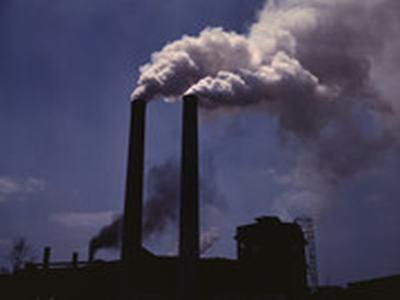
    pollution(noun)

    /pəˈluːʃn/

    汚染 (osen)

    the process of making air, water, soil, etc. dirty; the state of being dirty

    Water pollution is becoming more serious now.

    水質汚染がますます深刻になっています。

    air/water pollution

    類義語contaminationdefilementimpurityfoulnesstaintadulteration
    対義語purificationcleansingsterilizationclarificationpristineness
  4. 4

    reduce(verb)

    /rɪˈduːs/

    減らす(herasu)

    to make something less or smaller in size, quantity, price, etc.; to become less or smaller in size, quantity, etc.

    Doctors will always try to reduce the temperature of patients with fever.

    医師は発熱のある患者の体温を下げるように常に努めます。

    Giving up smoking reduces the risk of heart disease.

    類義語decreaselessenlowerdiminishcutcurtail
    対義語increaseraiseexpandenlargeaugment
  5. 5

    fuel(noun)

    /ˈfjuːəl/

    燃料 (nenryou)

    any material that produces heat or power, usually when it is burnt

    Fuel supplies are nearly exhausted.

    燃料の供給はほとんど枯渇している。(Nenryou no kyoukyuu wa hotondo karetsu shite iru.)

    a car with high fuel consumption

    類義語petrolgasenergy sourcepropellant
    対義語inertiadrainexhaustion
  6. 6

    preserve(verb)

    /prɪˈzɜːrv/

    保存する, 保護する, 維持する

    to keep something in its original state or in good condition

    We must preserve these forests for future generations.

    私たちは将来の世代のために、これらの森を守らなければならない。

    類義語conservemaintainprotectsafeguardkeepsaveuphold
    対義語destroydamageneglectabandondiscard
  7. 7

    storm(noun)

    /stɔːrm/

    嵐 (arashi)

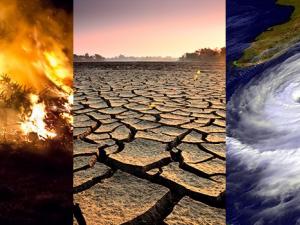
    very bad weather with strong winds and rain, and often thunder and lightning

    A few minutes later the storm broke

    数分後、嵐が来た。(sū-bun-go, arashi ga kita.)

    storm damage

    類義語tempesthurricanecyclonetyphoonthunderstormoutburstturmoil
    対義語calmpeacetranquilitystillnessclemency
  8. 8

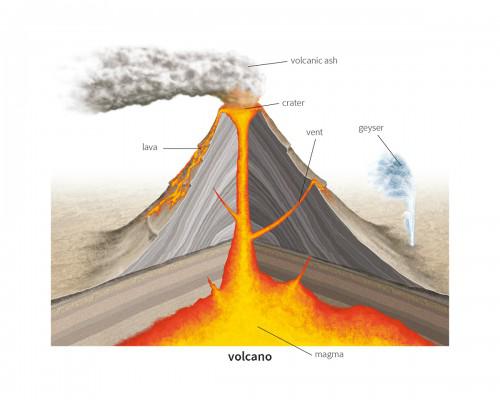
    volcano(noun)

    /vɑːlˈkeɪnəʊ/

    火山 (kazan)

    a mountain with a large opening at the top through which gases and lava (= hot liquid rock) are forced out into the air, or have been in the past

    This volcano hasn't erupted for years.

    この火山は何年も噴火していません。

    類義語cratermountainvent
    対義語plainvalleyplateau
  9. 9

    flood(noun)

    /flʌd/

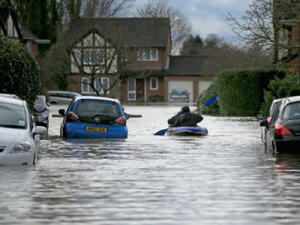
    洪水 (kouzui)

    a large amount of water covering an area that is usually dry

    Last winter, the town suffered the worst flood in fifty years.

    昨年の冬、その町は50年で最悪の洪水に見舞われました。

    類義語delugeinundationoverflowtorrentdownpourspate
    対義語droughtariditydrynessscarcity
  10. 10

    greenhouse effect(noun)

    /ˈɡriːnhaʊs ɪˈfekt/

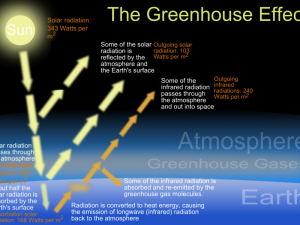
    温室効果

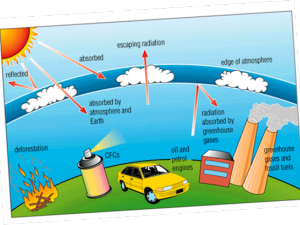
    the problem of the earth's atmosphere getting warmer because gases such as carbon dioxide trap the sun's heat

    The destruction of forests is contributing to the greenhouse effect.

    森林破壊は温室効果の一因となっている。

    類義語global warmingclimate changeatmospheric warming
    対義語ice ageglacial periodcooling effect
  11. 11

    toxic(adjective)

    /ˈtɑːksɪk/

    有毒 (yū doku)

    containing poison; poisonous

    This site is used to dispose of toxic waste.

    この場所は有毒廃棄物を処分するために使われます。

    類義語poisonousvenomousnoxiousdangerousharmfuldeadlylethal
    対義語harmlessnontoxicsafebenignwholesome
  12. 12

    drought(noun)

    /draʊt/

    干ばつ (kanbatsu)

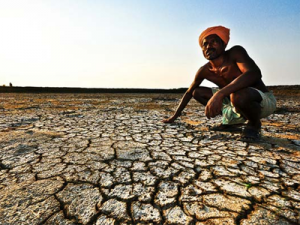
    a long period of time when there is little or no rain

    A drought caused most of the corn crop to fail.

    干ばつにより、ほとんどのトウモロコシが不作になった。

    類義語dry spellaridnesslack of raindesiccationshortage of water
    対義語flooddelugedownpourexcess rainabundance of water
  13. 13

    recycle(verb)

    /ˌriːˈsaɪkl/

    リサイクル (risaikuru)

    to treat things that have already been used so that they can be used again

    We can recycle waste paper.

    私たちは古紙をリサイクルできます。(Watashitachi wa koshi o risaikuru dekimasu.)

    類義語reusereclaimreprocessrecoversalvage
    対義語discarddisposewastedump
  14. 14

    rainforest(noun)

    /ˈreɪnfɔːrɪst/

    熱帯雨林 (nettai urin)

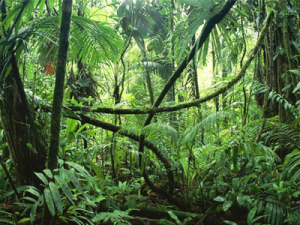
    a thick forest in tropical parts of the world that have a lot of rain

    The Amazon rainforest is in Brazil.

    アマゾンの熱帯雨林はブラジルにあります。(Amazon no nettai urin wa burajiru ni arimasu.)

    類義語tropical rainforestjunglewoodlandforest
    対義語desertarid landgrasslandbarren land
  15. 15

    reuse(verb)

    /ˌriːˈjuːz/

    再利用

    to use something again

    These milk bottles can be reused.

    これらの牛乳瓶は再利用できます。

    類義語recyclereemployrepurposerecoverutilize again
    対義語discarddisposewastedestroy
  16. 16

    earthquake(noun)

    /ˈɜːrθkweɪk/

    地震 (jishin)

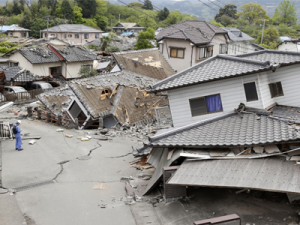
    a sudden, violent shaking of the earth’s surface

    It is the most terrible earthquake I've ever seen.

    これは私が今まで見た中で最も恐ろしい地震です。

    類義語temblorseismtremor
    対義語calmstabilitystillness
  17. 17

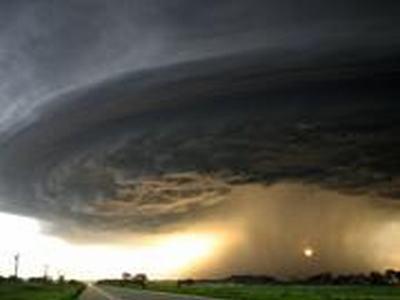
    tornado(noun)

    /tɔːrˈneɪdəʊ/

    竜巻 (tatsumaki)

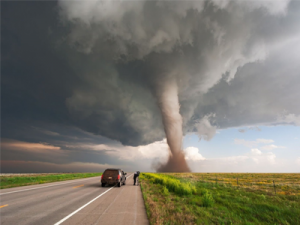
    a violent storm with very strong winds that move in a circle. There is often also a long cloud that is narrower at the bottom than the top.

    A lot of people died in the tornado yesterday.

    昨日、竜巻で多くの人が亡くなりました。(Kinō, tatsumaki de ōku no hito ga nakunarimashita.)

    類義語twistercyclonewhirlwind
    対義語calmstillnessbreeze
  18. 18

    climate change(noun)

    /ˈklaɪmət tʃeɪndʒ/

    気候変動 (kikou hendou)

    changes in the earth’s weather, including changes in temperature, wind patterns and rainfall , especially the increase in the temperature of the earth’s atmosphere that is caused by the increase of particular gases, especially carbon dioxide

    In any case, climate change is already disrupting the lives of millions of human beings.

    いずれにせよ、気候変動はすでに何百万人もの人々の生活を混乱させています。

    類義語global warmingclimatic changeenvironmental changeclimate crisis
    対義語climate stabilityenvironmental equilibrium
  19. 19

    solar power(noun)

    /ˌsəʊlər ˈpaʊər/

    太陽光発電

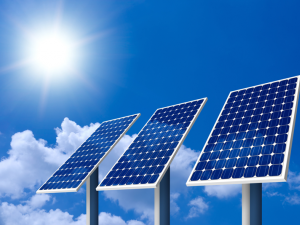
    energy obtained from the light and heat from the sun, used to produce electricity

    Solar power is the conversion of the sun's energy into heat and electricity.

    太陽光発電は、太陽のエネルギーを熱と電気に変換することです。

    類義語photovoltaic energysolar energy
    対義語fossil fuelsnuclear power
  20. 20

    natural resources(noun)

    /ˈnætʃ.ɚ.əl rɪˈzɔːrs/

    天然資源 (tennen shigen)

    materials such as minerals, forests, water and fertile land that exist in nature and can be used by people

    Some natural resources, such as natural gas and fossil fuel, cannot be replaced.

    天然ガスや化石燃料など、一部の天然資源は代替できません。

    類義語raw materialsenvironmental resourcesnature's bountyearth's resources
    対義語man-made resourcessynthetic resourcesartificial resourcesprocessed materials
  21. 21

    global warming(noun)

    /ˌɡləʊbl ˈwɔːrmɪŋ/

    地球温暖化

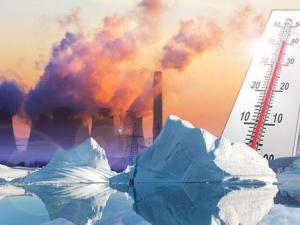
    the increase in temperature of the earth’s atmosphere that is caused by the increase of particular gases, especially carbon dioxide

    Global warming is a term that refers to the general warm - up of the Earth and its atmosphere.

    地球温暖化とは、地球とその大気の全体的な温暖化を指す言葉です。

    類義語climate changegreenhouse effectatmospheric warming
    対義語global coolingice age
  22. 22

    tsunami(noun)

    /tsuːˈnɑːmi/

    津波 (tsunami)

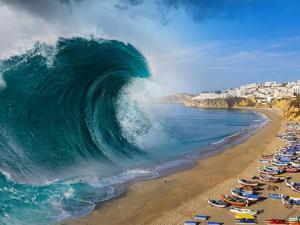
    an extremely large wave in the sea caused, for example, by an earthquake

    A tsunami is a great wave or series of waves which extends from the surface water to the sea floor.

    津波は、表面の水から海底まで広がる巨大な波、または一連の波です。

    類義語tidal waveseismic sea wave
    対義語ripplesmall wavestill water
  23. 23

    greenhouse gas(noun)

    /ˌɡriːnhaʊs ˈɡæs/

    温室効果ガス (onshitsu kouka gasu)

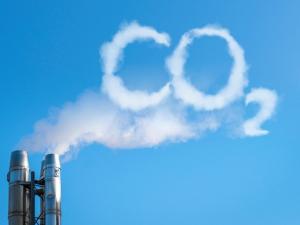
    any of the gases that are thought to cause the greenhouse effect , especially carbon dioxide

    Carbon dioxide is a so-called greenhouse gas, which absorbs energy from the sun, making the air warmer.

    二酸化炭素はいわゆる温室効果ガスであり、太陽からのエネルギーを吸収し、空気を暖めます。

    類義語climate-warming gasheat-trapping gasradiative forcing agent
    対義語none (in a direct senseas it refers to a specific function)carbon sink (related concept)ozone (indirectlyas ozone depletion can have cooling effects)
  24. 24

    the ozone layer(noun)

    /ˈoʊ.zoʊn ˌleɪ.ɚ/

    オゾン層 (Ozon-sō)

    a layer of ozone high above the earth’s surface that helps to protect the earth from harmful radiation from the sun

    The ozone layer protects living things from the harmful radiation of the sun.

    オゾン層は、太陽の有害な放射線から生物を守ります。

    類義語ozone shieldozonosphere
    対義語None
  25. 25

    energy(noun)

    /ˈenərdʒi/

    エネルギー, 動力源

    a source of power, such as fuel, used for driving machines, providing heat, etc.

    Solar energy is a clean and renewable source of power for many homes.

    太陽エネルギーは多くの家庭にとってクリーンで再生可能な電力源だ。