コンテンツへスキップ

レッスン6/33 · 106語 · 覚えた単語 0

Crime

犯罪

  1. 1

    judge(noun)

    /dʒʌdʒ/

    裁判官, 判事

    a public official who hears cases in a court and decides them according to the law

    The judge postponed the hearing because a key witness was ill.

    重要な証人が病気だったため、裁判官は審理を延期しました。

    The presiding judge asked both lawyers to keep their arguments short.

    類義語assessevaluateappraisedeterminedecideruleconsiderestimate
    対義語ignoredisregardoverlookneglectacquitabsolve
  2. 2

    innocent(adjective)

    /ˈɪnəsnt/

    無実 (mujitsu)

    not guilty of a crime, etc.; not having done something wrong

    Someone told your secret, but it wasn't me. I'm innocent.

    誰かがあなたの秘密を話したけど、私じゃない。私は無実だ。

    She was found innocent of any crime.

    類義語blamelessguiltlessnot guiltypurevirtuousupright
    対義語guiltyculpableblameworthycorruptevil
  3. 3

    suspect(noun)

    /səˈspekt/

    被疑者, 容疑者

    a person the police believe may have committed a crime

    Police questioned three suspects about the missing funds.

    警察は、使途不明の資金について3人の容疑者を事情聴取しました。

    The suspect has the right to a lawyer from the moment of arrest.

    類義語accusedpossible culpritpresumed offendersubjecttarget
    対義語certaintyfactknownproven
  4. 4

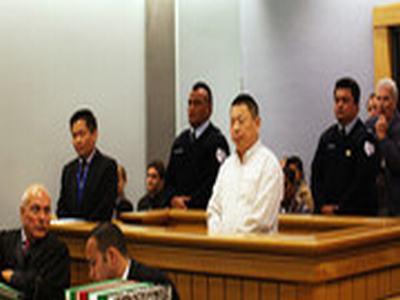
    trial(noun)

    /ˈtraɪəl/

    裁判 (saiban)

    a formal examination of evidence in court by a judge and often a jury , to decide if somebody accused of a crime is guilty or not

    a murder trial

    殺人裁判 (satsujin saiban)

    He did not receive a fair trial.

    類義語hearingcaselawsuitlegal proceedingtestexaminationexperiment
    対義語agreementsettlementharmonyaccord
  5. 5

    court(noun)

    /kɔːrt/

    裁判所

    the place where legal trials take place and where crimes, etc. are judged

    Her lawyer made a statement outside the court.

    彼女の弁護士は裁判所の外で声明を発表した。

    the civil/criminal courts

    類義語tribunaljudiciarybarbenchsessionhearingjudgementlegal proceedings
    対義語negotiationagreementcompromisesettlement
  6. 6

    evidence(noun)

    /ˈevɪdəns/

    証拠, 証拠書類

    documents, objects or statements presented to a court to prove or disprove facts in a case

    The emails were submitted as evidence that the buyer had accepted the goods.

    買主が商品を受領したことの証拠として、そのメールが提出されました。

    There was not enough evidence to prove the director knew about the loan.

    類義語prooftestimonyindicationsigncluemanifestationdemonstration
    対義語disproofrefutationdenialcontradictionconcealment
  7. 7

    arrest(verb)

    /əˈrest/

    逮捕する

    to take a person into police custody because they are believed to have committed a crime

    Police arrested the warehouse manager on suspicion of theft.

    警察は、窃盗の容疑で倉庫の管理責任者を逮捕しました。

    Two officials were arrested for taking bribes from contractors.

    類義語apprehenddetaincaptureseizetake into custodybust
    対義語releasefreeliberatedischargeacquit
  8. 8

    witness(noun)

    /ˈwɪtnəs/

    証人

    a person who tells a court what they saw or know about the facts of a case

    The warehouse manager was called as a witness for the defence.

    倉庫の管理責任者が被告側の証人として召喚された。

    Each witness must sign a written witness statement before the hearing.

    類義語observereyewitnesslooker-onspectatortestifyattestconfirm
    対義語ignoreoverlookdenydisprove
  9. 9

    investigation(noun)

    /ɪnˌvestɪˈɡeɪʃn/

    調査 (chōsa)

    an official examination of the facts about a situation, crime, etc.

    We have finished a thorough investigation of the incident.

    私たちはその事件の徹底的な調査を終えました。

    The police have completed their investigations into the accident.

    類義語inquiryexaminationprobescrutinyresearchstudyexplorationanalysis
    対義語neglectignoranceoverlookdisregard
  10. 10

    murder(noun)

    /ˈmɜːrdər/

    殺人, 殺人罪

    the crime of killing somebody deliberately

    He was found guilty of murder and sent to prison for life.

    彼は殺人罪で有罪となり、終身刑を言い渡されました。

    類義語slayingassassinationhomicidemanslaughterliquidationexecution
    対義語birthcreationlife
  11. 11

    suspicion(noun)

    /səˈspɪʃn/

    疑念 (ginen)

    a feeling that somebody has done something wrong, illegal or dishonest, even though you have no proof

    It's time to confront him with our suspicions.

    彼に私たちの疑念をぶつける時が来た。

    My suspicions were confirmed when police raided the property.

    類義語doubtmistrustdistrustskepticismapprehensionqualmmisgiving
    対義語beliefcertaintyfaithtrustconfidence
  12. 12

    prison(noun)

    /ˈprɪzn/

    刑務所 (keimusho)

    a building where people are kept as a punishment for a crime they have committed, or while they are waiting for trial

    She was sent to prison for six months.

    彼女は6ヶ月間刑務所に送られました。

    to be released from prison

    類義語jailpenitentiarycorrectional facilitygaolstockadedetention center
    対義語freedomlibertyreleasedischarge
  13. 13

    crime(noun)

    /kraɪm/

    犯罪, 罪

    an illegal act that can be punished by law

    He has admitted committing several crimes including two murders.

    彼は2件の殺人を含む複数の犯罪を犯したことを認めました。

    類義語offensefelonymisdeedwrongdoingtransgressionviolation
    対義語innocencelawfulnessrighteousnessvirtuemorality
  14. 14

    Theft(noun)

    /θeft/

    窃盗 (settō)

    the crime of stealing something from a person or place

    The insurance will cover 30% value of the phone in the event of theft.

    保険は、盗難の場合、電話の価格の30%を補償します。

    類義語larcenyburglarypilferingrobberystealing
    対義語returnrestitutiongivingoffering
  15. 15

    criminal(noun)

    /ˈkrɪmɪnl/

    犯罪者

    a person who commits a crime

    He must be a dangerous criminal.

    彼は危険な犯罪者であるに違いない。

    類義語offenderfelonoutlawlawbreakerculprit
    対義語law-abiding citizeninnocentvictim
  16. 16

    fraud(noun)

    /frɔːd/

    詐欺, 不正, 不正行為

    the crime of deceiving people or organisations in order to get money or goods illegally

    The bank's system blocked the payment because it suspected fraud.

    銀行のシステムは不正の疑いがあるとして、その支払いをブロックしました。

    Online fraud rose as more customers used mobile banking.

    類義語deceittrickerycheatingswindlehoaximposturesham
    対義語honestytruthfulnessintegrityfairnessgenuineness
  17. 17

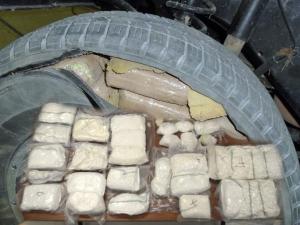
    smuggling(noun)

    /ˈsmʌɡlɪŋ/

    密輸 (muyu)

    the crime of taking, sending or bringing goods secretly and illegally into or out of a country

    drug smuggling

    麻薬密輸 (mayaku muyu)

    類義語traffickingbootleggingillicit tradeblack marketeeringrunning
    対義語legal tradelawful importauthorized commerce
  18. 18

    vandalism(noun)

    /ˈvændəlɪzəm/

    破壊行為

    the crime of destroying or damaging something, especially public property, deliberately and for no good reason

    Reports of criminal damage and persistent vandalism were also relayed to councillors.

    器物損壊および継続的な破壊行為の報告も議員に伝えられた。

    類義語destructiondefacementsabotagedamagewanton destruction
    対義語preservationconservationprotectionrepairmaintenance
  19. 19

    police(noun)

    /pəˈliːs/

    警察 (keisatsu)

    an official organization whose job is to make people obey the law and to prevent and solve crime; the people who work for this organization

    The police are busy.

    警察は忙しいです。(Keisatsu wa isogashii desu.)

    類義語law enforcementofficerscopsdetectivesforceconstabulary
    対義語criminalsoutlawscivilians
  20. 20

    detective(noun)

    /dɪˈtektɪv/

    探偵, 刑事

    a person, especially a police officer, whose job is to investigate crimes and catch criminals

    The detective found important clues at the crime scene.

    刑事は犯行現場で重要な手がかりを見つけた。

    類義語investigativecrime-solvingsleuthinginquisitiveanalytic
    対義語uniformedpatrollaw enforcement (general)
  21. 21

    robbery(noun)

    /ˈrɑːbəri/

    強盗 (gōtō)

    the crime of stealing money or goods from a bank, shop, person, etc., especially using violence or threats

    It is a serious robbery.

    それは深刻な強盗だ。(Sore wa shinkoku na gōtō da.)

    類義語theftburglarylarcenyholdupheist
    対義語returnrestitutionreimbursement
  22. 22

    terrorism(noun)

    /ˈterərɪzəm/

    テロ

    the use of violent action in order to achieve political aims or to force a government to act

    The bomb explosion was one of the worst acts of terrorism that Italy has experienced in recent years.

    その爆弾爆発は、イタリアが近年経験した最悪のテロ行為の1つでした。

    類義語violenceintimidationextremismanarchy
    対義語peacesecurityorder
  23. 23

    abduction(noun)

    /æbˈdʌkʃn/

    誘拐 (yuukai)

    the act of taking somebody away illegally, especially using force

    The abduction of the child shocked the community.

    子供の誘拐は地域社会に衝撃を与えました。

    類義語kidnappingseizurecapturesnatching
    対義語releaseliberationrescue
  24. 24

    alibi(noun)

    /ˈæləbaɪ/

    アリバイ

    evidence that proves that a person was in another place at the time of a crime and so could not have committed it

    He claimed an alibi, stating he was out of town during the crime.

    彼は犯行時、町にいなかったというアリバイを主張した。

    類義語excusedefensejustificationcover storyexplanation
    対義語incriminationevidenceproofculpabilityadmission
  25. 25

    anarchy(noun)

    /ˈænərki/

    無政府状態 (museifu joutai)

    a situation in a country, an organization, etc. in which there is no government, order or control

    The country descended into anarchy after the dictator's death.

    独裁者の死後、国は無政府状態に陥った。

    類義語lawlessnessdisorderchaosnihilismrebellion
    対義語ordergovernmentrulecontrolauthority
  26. 26

    arson(noun)

    /ˈɑːrsn/

    放火 (houka)

    the crime of deliberately setting fire to something, especially a building

    The abandoned building was destroyed by arson.

    廃墟となった建物は放火によって破壊された。

    類義語pyromaniafire-raisingincendiarism
    対義語accidentextinguishingprevention
  27. 27

    assault(noun)

    /əˈsɔːlt/

    暴行

    the crime of attacking somebody physically

    He was arrested for assault.

    彼は暴行で逮捕された。

    類義語attackbatterychargeinvasiononslaught
    対義語defenseprotectionretreatpeacecalm
  28. 28

    blackmail(noun)

    /ˈblækmeɪl/

    恐喝, ゆすり

    the crime of demanding money from a person by threatening to tell somebody else a secret about them

    The politician became a victim of blackmail after his secret was discovered.

    その政治家は秘密が発覚した後、恐喝の被害者となった。

    類義語extortioncoercionshakedownpressure
    対義語honestyintegrityfairnessuprightness
  29. 29

    bribery(noun)

    /ˈbraɪbəri/

    贈収賄, 贈賄, 収賄

    the crime of giving or receiving money or gifts to influence someone's decisions dishonestly

    The contractor was investigated for bribery of local officials.

    その請負業者は、地元の役人に対する贈賄の疑いで捜査を受けた。

    Our anti-bribery policy bans all payments to speed up government procedures.

    類義語corruptionpayoffgraftgreasekickback
    対義語honestyintegrityethicsfairness
  30. 30

    burglary(noun)

    /ˈbɜːrɡləri/

    住居侵入盗, 空き巣

    the crime of entering a building illegally and stealing things from it

    The burglary occurred while the family was on vacation.

    その空き巣は、一家が休暇で留守にしている間に起きた。

    類義語theftlarcenyhousebreakingrobbery
    対義語giftdonationinheritance
  31. 31

    conspiracy(noun)

    /kənˈspɪrəsi/

    陰謀 (inbō)

    a secret plan by a group of people to do something harmful or illegal

    The conspiracy to overthrow the government was quickly discovered.

    政府を転覆させる陰謀はすぐに発覚した。

    類義語plotschemeintriguecollusionmachination
    対義語honestytruthtransparencyopennesscandor
  32. 32

    conviction(noun)

    /kənˈvɪkʃn/

    有罪判決, 有罪確定

    the act of finding somebody guilty of a crime in court; the fact of having been found guilty

    He had a previous conviction for theft and was sent to prison.

    彼には窃盗の前科があり、刑務所に送られた。

    類義語beliefcertaintyfaithassurancepersuasion
    対義語doubtuncertaintyhesitationskepticismdistrust
  33. 33

    corruption(noun)

    /kəˈrʌpʃn/

    汚職 (oshoku)

    dishonest or illegal behaviour, especially of people in authority

    The investigation revealed widespread corruption within the government.

    調査の結果、政府内に広範囲にわたる汚職があることが明らかになった。

    類義語dishonestyfraudbriberymalfeasancedepravity
    対義語honestyintegrityrighteousnessuprightnessprobity
  34. 34

    counterfeit(adjective)

    /ˈkaʊntərfɪt/

    偽造の, 模倣品の, 偽物の

    made to look exactly like a genuine branded product in order to deceive buyers

    Customs officers seized two containers of counterfeit handbags.

    税関職員は、偽造ハンドバッグが入ったコンテナ2本を押収した。

    Selling counterfeit medicine is a serious criminal offence.

    類義語fakeforgedspuriousfraudulentsham
    対義語genuineauthenticrealoriginalvalid
  35. 35

    custody(noun)

    /ˈkʌstədi/

    拘留, 留置, 勾留

    the state of being in prison or held by the police, especially while waiting for trial

    The suspect was held in police custody overnight before appearing in court.

    容疑者は法廷に出る前に一晩警察に留置された。

    類義語guardianshipcarechargesupervision
    対義語neglectabandonment
  36. 36

    cybercrime(noun)

    /ˈsaɪbərkraɪm/

    サイバー犯罪

    crime that is committed using the internet, for example by stealing somebody’s personal or bank details or by infecting their computer with a virus

    Cybercrime is a growing threat to individuals and businesses.

    サイバー犯罪は、個人や企業にとってますます大きな脅威となっています。

    類義語computer crimeonline crimedigital crime
    対義語traditional crimeoffline crime
  37. 37

    detention(noun)

    /dɪˈtenʃn/

    拘留, 勾留, 留置

    the state of being kept in a place, especially a prison, and prevented from leaving

    The suspect was held in detention for three days without charge.

    その容疑者は起訴されないまま3日間拘留された。

    類義語custodyconfinementimprisonmentincarceration
    対義語freedomrelease
  38. 38

    domestic violence(noun)

    /dəˈmestɪk ˈvaɪələns/

    家庭内暴力

    violent or aggressive behaviour within the home, usually by one partner against the other

    Domestic violence is a serious crime.

    家庭内暴力は重大な犯罪です。

    類義語family violencespousal abuseintimate partner violence
    対義語peaceharmonylove
  39. 39

    drug trafficking(noun)

    /drʌɡ ˈtræfɪkɪŋ/

    麻薬取引

    the crime of buying, selling or transporting illegal drugs

    Drug trafficking is a serious crime.

    麻薬取引は重大な犯罪です。

    類義語drug dealingnarcotics traffickingdrug smuggling
    対義語drug controldrug enforcement
  40. 40

    embezzlement(noun)

    /ɪmˈbezlmənt/

    横領, 業務上横領

    the crime of secretly taking money or property that you have been trusted to look after, especially at work

    The cashier was charged with embezzlement of more than one billion dong.

    そのレジ係は、10億ドン以上を横領した罪で起訴された。

    Embezzlement of public funds can lead to very long prison sentences.

    類義語misappropriationtheftfrauddefalcation
    対義語honestyintegrityuprightness
  41. 41

    extortion(noun)

    /ɪkˈstɔːrʃn/

    恐喝

    the crime of making somebody give you something by threatening them

    The company was a victim of extortion.

    その会社は恐喝の被害者でした。

    類義語blackmailcoercionshakedown
    対義語charitygenerositydonation
  42. 42

    felony(noun)

    /ˈfeləni/

    重罪

    the act of committing a serious crime such as murder or rape ; a crime of this type

    Committing a felony can result in imprisonment.

    重罪を犯すと投獄される可能性があります。

    類義語crimeoffensemisdeedoutlawry
    対義語misdemeanorinfraction
  43. 43

    forgery(noun)

    /ˈfɔːrdʒəri/

    偽造, 文書偽造

    the crime of copying money, documents, etc. in order to cheat people

    He was sent to prison for the forgery of official documents.

    彼は公文書を偽造した罪で刑務所に送られた。

    類義語fakecounterfeitimitationsham
    対義語originalauthenticgenuine
  44. 44

    fraudulent(adjective)

    /ˈfrɔːdʒələnt/

    不正な

    intended to cheat somebody, usually in order to make money illegally

    The company was engaged in fraudulent activities.

    その会社は不正な活動に関与していました。

    類義語deceitfuldishonestfakeshamcheating
    対義語honestgenuineauthenticsinceretruthful
  45. 45

    gang(noun)

    /ɡæŋ/

    ギャング

    an organized group of criminals

    The gang was known for their criminal activities.

    そのギャングは犯罪行為で知られていました。

    類義語groupcliquecrewmobpack
    対義語individualloneroutsider
  46. 46

    hacking(noun)

    /ˈhækɪŋ/

    ハッキング

    the activity of using computers to get access to data in somebody else's computer or phone system without permission

    He was arrested for hacking into the government's database.

    彼は政府のデータベースにハッキングした罪で逮捕された。

    類義語crackingpenetrationintrusion
    対義語securityprotection
  47. 47

    harassment(noun)

    /həˈræsmənt/

    ハラスメント, 嫌がらせ

    unwanted behaviour that offends, threatens or humiliates someone, especially at work

    The company introduced a clear procedure for reporting sexual harassment.

    会社は、セクシュアルハラスメントを通報するための明確な手続きを導入した。

    Harassment at work can be a reason for an employee to resign immediately.

    類義語bullyingintimidationpersecutionannoyance
    対義語respectconsiderationkindnesscourtesy
  48. 48

    impersonation(noun)

    /ɪmˌpɜːrsəˈneɪʃn/

    なりすまし

    an act of pretending to be somebody in order to trick people or to entertain them

    The suspect was arrested for impersonation.

    容疑者は、なりすましで逮捕されました。

    類義語mimicrymasqueradepretensesimulation
    対義語originalityauthenticityreality
  49. 49

    incarceration(noun)

    /ɪnˌkɑːrsəˈreɪʃn/

    投獄

    the act of putting somebody in prison or in another place from which they cannot escape; the state of being there

    Incarceration rates are high in the United States.

    米国では投獄率が高い。

    類義語imprisonmentconfinementdetentioncustody
    対義語freedomreleaseliberation
  50. 50

    indictment(noun)

    /ɪnˈdaɪtmənt/

    起訴, 起訴状

    an official written statement accusing somebody of a crime

    The grand jury returned an indictment against him.

    大陪審は彼に対する起訴状を提出した。

    類義語accusationchargearraignment
    対義語acquittalexoneration
  51. 51

    infiltration(noun)

    /ˌɪnfɪlˈtreɪʃn/

    侵入

    the act of entering a place or an organization secretly, especially in order to get information that can be used against it

    The rebel forces planned an infiltration of the capital city.

    反乱軍は首都への侵入を計画した。

    類義語penetrationintrusioninvasionseepage
    対義語retreatwithdrawaldefense
  52. 52

    injunction(noun)

    /ɪnˈdʒʌŋkʃn/

    差止命令, 差止め, 仮処分

    a court order that requires someone to do something or, more often, to stop doing something

    The company obtained an injunction to stop the former employee using its client list.

    その会社は、元従業員による顧客リストの使用をやめさせるため、差止命令を得た。

    The court granted an interim injunction until the full hearing.

    類義語orderrestraintprohibitionmandate
    対義語permissionallowanceauthorization
  53. 53

    interrogation(noun)

    /ɪnˌterəˈɡeɪʃn/

    尋問

    the act of asking somebody a lot of questions over a long period of time, especially in an aggressive way

    The suspect was subjected to a lengthy interrogation.

    容疑者は長時間の尋問を受けた。

    類義語questioningexaminationinquirygrilling
    対義語answerresponsesilence
  54. 54

    jail(noun)

    /dʒeɪl/

    刑務所

    a prison

    He was sent to jail for stealing.

    彼は盗みの罪で刑務所に送られた。

    類義語prisonpenitentiarylockup
    対義語freedomliberty
  55. 55

    jury(noun)

    /ˈdʒʊri/

    陪審, 陪審団

    a group of ordinary citizens chosen to listen to a trial and decide whether the facts are proved

    The jury found the defendant not guilty after two days of discussion.

    陪審は2日間の評議の末、被告人を無罪とした。

    Civil cases in England are rarely decided by a jury.

    類義語paneltribunalassessors
    対義語judgecourt
  56. 56

    juvenile(adjective)

    /ˈdʒuːvənl/

    未成年

    relating to young people who are not yet adults

    The juvenile offender was placed on probation.

    未成年の犯罪者は保護観察処分となった。

    類義語youngimmatureyouthfuladolescent
    対義語adultmaturegrown-up
  57. 57

    larceny(noun)

    /ˈlɑːrsəni/

    窃盗

    the crime of stealing something from somebody; an occasion when this takes place

    Larceny is a crime involving the unlawful taking of someone else's property.

    窃盗とは、他人の財産を不法に奪う犯罪のことです。

    類義語theftstealingpilfering
    対義語givingdonationreturn
  58. 58

    manslaughter(noun)

    /ˈmænslɔːtər/

    故殺

    the crime of killing somebody illegally but not deliberately

    He was charged with manslaughter after the car accident.

    彼は自動車事故の後、故殺で起訴された。

    類義語involuntary homicidenegligent homicide
    対義語murderpremeditated murder
  59. 59

    obstruction(noun)

    /əbˈstrʌkʃn/

    妨害, 妨害行為

    the fact of trying to prevent something/somebody from making progress

    He was charged with obstruction of justice for hiding evidence from the police.

    彼は警察に証拠を隠したとして、司法妨害の罪で起訴された。

    類義語hindranceimpedimentbarrierobstacle
    対義語aidassistancehelp
  60. 60

    parole(noun)

    /pəˈrəʊl/

    仮釈放

    permission that is given to a prisoner to leave prison before the end of their sentence on condition that they behave well

    He was released on parole after serving ten years.

    彼は10年間服役した後、仮釈放された。

    類義語probationearly release
    対義語imprisonmentincarceration
  61. 61

    perjury(noun)

    /ˈpɜːrdʒəri/

    偽証罪, 偽証

    the crime of deliberately telling a lie in court after promising to tell the truth

    The witness was charged with perjury after the documents proved she had lied.

    その証人は、書類によって嘘をついていたことが証明され、偽証罪で起訴された。

    In most countries, perjury can lead to a prison sentence.

    類義語false testimonylying under oathfalse statementbearing false witness
    対義語truthfulnesshonestyveracitycandor
  62. 62

    piracy(noun)

    /ˈpaɪrəsi/

    海賊行為

    the crime of attacking ships at sea in order to steal from them

    Piracy is still a serious danger for ships sailing near that coast.

    海賊行為は、その沿岸付近を航行する船にとって今も深刻な脅威だ。

    類義語theftinfringementbootleggingcounterfeiting
    対義語legalityauthenticityoriginality
  63. 63

    probation(noun)

    /prəʊˈbeɪʃn/

    執行猶予

    a system that allows a person who has committed a crime not to go to prison if they behave well and if they see an official (called a probation officer ) regularly for a fixed period of time

    He was sentenced to five years of probation.

    彼は5年間の執行猶予を言い渡された。

    類義語trial periodsuspended sentenceparolesupervision
    対義語imprisonmentincarcerationconfinement
  64. 64

    prostitution(noun)

    /ˌprɑːstɪˈtuːʃn/

    売春

    the work of a prostitute

    Prostitution is illegal in many countries.

    売春は多くの国で違法です。

    類義語sex workharlotrycommercial sex
    対義語celibacyabstinence
  65. 65

    ransom(noun)

    /ˈrænsəm/

    身代金 (minoshirokin)

    money that is paid to somebody so that they will set free a person who is being kept as a prisoner by them

    The kidnappers demanded a large ransom for the safe return of the businessman.

    誘拐犯は、ビジネスマンの安全な帰還のために多額の身代金を要求した。

    類義語redemptionpaymentrelease money
    対義語detentionimprisonmentcapture
  66. 66

    riot(noun)

    /ˈraɪət/

    暴動

    a situation in which a group of people behave in a violent way in a public place, often as a protest

    The riot broke out after the controversial verdict was announced.

    物議を醸す評決が発表された後、暴動が発生した。

    類義語uprisingdisturbancerebelliontumultdisorder
    対義語peaceordercalmtranquility
  67. 67

    sabotage(noun)

    /ˈsæbətɑːʒ/

    破壊工作, サボタージュ

    the act of doing deliberate damage to equipment, transport, machines, etc. to prevent an enemy from using them, or to protest about something

    Police believe the fire at the factory was an act of sabotage.

    警察は工場の火災は破壊工作だったと見ている。

    類義語underminedamagedisruptwreckvandalize
    対義語aidsupportassistbuildimprove
  68. 68

    slander(noun)

    /ˈslændər/

    中傷

    a false spoken statement intended to damage the good opinion people have of somebody; the legal offence of making this kind of statement

    He sued them for slander after they spread false rumors about him.

    彼らは彼についての誤った噂を広めた後、彼は名誉毀損で彼らを訴えた。

    類義語defamationlibelvilificationaspersion
    対義語praisecommendationflattery
  69. 69

    subpoena(noun)

    /səˈpiːnə/

    召喚状

    a written order to attend court as a witness to give evidence

    The lawyer issued a subpoena to the witness.

    弁護士は証人に召喚状を発行した。

    類義語summonswritcourt order
    対義語requestinvitation
  70. 70

    surveillance(noun)

    /sɜːrˈveɪləns/

    監視

    the act of carefully watching a person suspected of a crime or a place where a crime may be committed

    The suspect was placed under constant surveillance.

    容疑者は常に監視下に置かれた。

    類義語observationmonitoringscrutinysupervision
    対義語negligenceoversightignorance
  71. 71

    tampering(noun)

    /'tæmpəriɳ/

    改ざん

    the act of interfering with something or changing it without permission, especially in order to damage or falsify it

    The evidence showed clear signs of tampering.

    証拠は改ざんの明確な兆候を示していた。

    類義語InterferenceMeddlingManipulationFiddlingAdulteration
    対義語Leaving alonePreservationMaintaining
  72. 72

    testimony(noun)

    /ˈtestɪməʊni/

    証言, 供述

    a formal statement that a witness makes in court, usually after promising to tell the truth

    Her testimony helped the court understand how the contract was negotiated.

    彼女の証言により、裁判所は契約がどのように交渉されたかを理解することができた。

    The judge did not find his testimony believable.

    類義語evidencestatementproofdeclaration
    対義語denialrebuttalcontradiction
  73. 73

    treason(noun)

    /ˈtriːzn/

    反逆

    the crime of doing something that could cause danger to your country, such as helping its enemies during a war

    He was accused of treason against the crown.

    彼は王室に対する反逆罪で告発された。

    類義語betrayalseditiondisloyaltyperfidy
    対義語loyaltyfidelityallegiance
  74. 74

    unlawful(adjective)

    /ʌnˈlɔːfl/

    不法

    not allowed by the law

    The company engaged in unlawful activities.

    その会社は不法行為に関与していた。

    類義語illegalillegitimatecriminalprohibited
    対義語legallawfullegitimatepermissible
  75. 75

    vigilante(noun)

    /ˌvɪdʒɪˈlænti/

    自警団員

    a member of a group of people who try to prevent crime or punish criminals in their community, especially because they think the police are not doing this

    A vigilante group took justice into their own hands.

    自警団のグループが自分たちの手で正義を行った。

    類義語law enforceravengercitizen defender
    対義語criminallawbreakeroffender
  76. 76

    warrant(noun)

    /ˈwɔːrənt/

    令状

    a legal document that is signed by a judge and gives the police authority to do something

    The police had a warrant to search the house.

    警察はその家を捜索するための令状を持っていた。

    類義語guaranteeassuranceauthorizationpermit
    対義語denialrejectionbreach
  77. 77

    shoplifting(noun)

    /ˈʃɑːplɪftɪŋ/

    万引き

    the crime of stealing goods from a shop by deliberately leaving without paying for them

    Shoplifting is a serious crime.

    万引きは重大な犯罪です。

    類義語theftlarcenystealingpilfering
    対義語purchasingbuyinghonestyintegrity
  78. 78

    accomplice(noun)

    /əˈkɑːmplɪs/

    共犯者

    a person who helps another to commit a crime or to do something wrong

    He was an accomplice to the robbery.

    彼は強盗の共犯者だった。

    類義語accessorypartner in crimeconfederatecollaborator
    対義語adversaryenemyvictim
  79. 79

    carjacking(noun)

    /ˈkɑːrdʒækɪŋ/

    カージャック, 車両強奪

    the crime of forcing the driver of a car to take you somewhere or give you their car, using threats and violence

    The police are investigating the recent carjacking.

    警察は最近起きたカージャックを捜査しています。

    類義語vehicle hijackingauto theft (with violence)armed robbery of a car
    対義語car recoveryreturning a vehicle
  80. 80

    crime scene(noun)

    /kraɪm siːn/

    犯罪現場

    the place where a crime has been committed and evidence may be gathered

    The police secured the crime scene.

    警察は犯罪現場を確保した。

    類義語scene of the crimesite of the crime
    対義語N/A
  81. 81

    forensics(noun)

    /fəˈrenzɪks/

    法医学

    the branch of science that uses scientific methods to help the police to solve crimes

    The forensics team arrived at the crime scene.

    鑑識チームが犯罪現場に到着しました。

    類義語criminologycriminalisticslegal medicine
    対義語unscientificspeculation
  82. 82

    hijacking(noun)

    /ˈhaɪdʒækɪŋ/

    ハイジャック

    the use of violence or threats to take control of a vehicle, especially a plane, in order to force it to travel to a different place or to demand something from a government

    The plane was a victim of a hijacking.

    その飛行機はハイジャックの被害に遭った。

    類義語seizurecapturetakeoverpiracy
    対義語releasereturnliberation
  83. 83

    homicide(noun)

    /ˈhɑːmɪsaɪd/

    殺人

    the crime of killing somebody deliberately

    Homicide is a serious crime.

    殺人事件は重大な犯罪です。

    類義語manslaughtermurderslayingassassination
    対義語birthcreationlife
  84. 84

    identity theft(noun)

    /aɪˈdentəti θeft/

    なりすまし, 個人情報の窃盗, ID窃盗

    the crime of using someone else's personal information to open accounts, borrow money or make payments

    Criminals used a stolen ID card to commit identity theft and open loan accounts.

    犯人たちは盗んだ身分証明書を使ってなりすましを行い、ローン口座を開設した。

    Biometric checks help banks fight identity theft when accounts are opened online.

    類義語identity fraudpersonal data theft
    対義語identity protectiondata security
  85. 85

    juvenile delinquency(noun)

    /ˈdʒuːvənl dɪˈlɪŋkwənsi/

    少年非行

    the problem of young people who are not yet adults committing crime

    Juvenile delinquency is a serious social problem.

    少年非行は深刻な社会問題です。

    類義語youth crimeteenage crimeunderage offending
    対義語lawful behaviorobedienceconformity
  86. 86

    kidnapping(noun)

    /ˈkɪdnæpɪŋ/

    誘拐

    the crime of taking somebody away illegally and keeping them as a prisoner, especially in order to get money or something else for returning them

    The kidnapping victim was eventually released unharmed.

    誘拐の被害者は最終的に無傷で解放されました。

    類義語abductionseizurecapture
    対義語releaseliberation
  87. 87

    money laundering(noun)

    /ˈmʌni lɔːndərɪŋ/

    マネーロンダリング, 資金洗浄

    the crime of moving illegally obtained money through banks or businesses so that it appears legal

    Many small cash deposits can be a sign of money laundering.

    少額の現金入金が多数あることは、マネーロンダリングの兆候である可能性がある。

    The director was arrested for money laundering through fake companies.

    類義語whitewashing fundscleansing moneyfiltering money
    対義語clean financelegal transaction
  88. 88

    mugging(noun)

    /ˈmʌɡɪŋ/

    路上強盗, 強盗, 追いはぎ

    the crime of attacking somebody violently, or threatening to do so, in order to steal their money, especially in a public place

    Several muggings were reported in the park after dark last month.

    先月、日没後の公園で数件の路上強盗が報告された。

    類義語robberyassaulthold-upattack
    対義語givingcharitydonation
  89. 89

    phishing(noun)

    /ˈfɪʃɪŋ/

    フィッシング, フィッシング詐欺

    tricking people with fake emails, messages or websites into giving away passwords or bank details

    The message looked like it came from the bank, but it was a phishing scam.

    そのメッセージは銀行からのように見えたが、フィッシング詐欺だった。

    Banks warn customers never to click links in phishing messages.

    類義語spoofingonline fraudidentity theft
    対義語legitimateauthenticgenuine
  90. 90

    stalking(noun)

    /ˈstɔːkɪŋ/

    ストーキング

    the crime of following and watching somebody over a long period of time in a way that is annoying or frightening

    The celebrity obtained a restraining order against the man who was stalking her.

    その有名人は、彼女をストーキングしていた男に対する接近禁止命令を得た。

    類義語harassmentpursuitfollowingshadowing
    対義語ignoringneglectingavoiding
  91. 91

    tax evasion(noun)

    /tæks ɪˈveɪʒn/

    脱税

    the illegal act of not paying taxes that are owed, for example by hiding income

    The director was investigated for tax evasion using fake invoices.

    取締役は架空の請求書を使った脱税の容疑で捜査を受けた。

    Tax evasion can lead to heavy fines and prison.

    類義語tax avoidancetax fraudnon-payment of taxes
    対義語tax compliancetax payment
  92. 92

    cybersecurity(noun)

    /ˈsaɪbərˌsikjʊrɪti/

    サイバーセキュリティ, 情報セキュリティ

    the protection of computer systems, networks and data from attacks and unauthorised access

    The bank spends more on cybersecurity every year.

    その銀行は毎年、サイバーセキュリティへの支出を増やしています。

    A cybersecurity team monitors the payment systems around the clock.

    類義語Information securityIT securityNetwork security
    対義語VulnerabilityExposureUnprotected
  93. 93

    Cyberbullying(noun)

    /ˈsaɪbərˌbʊliɪŋ/

    ネットいじめ

    The use of the internet or mobile phones to frighten, threaten or upset somebody.

    Cyberbullying can have serious effects on a person's mental health.

    ネットいじめは、人の精神的健康に深刻な影響を与える可能性があります。

    類義語Online bullyingElectronic harassment
    対義語Cyber kindnessOnline support
  94. 94

    Hate crime(noun)

    /heɪt kraɪm/

    ヘイトクライム

    A crime against somebody because of their race, religion, sexuality or another group they belong to.

    The hate crime was motivated by racial prejudice.

    そのヘイトクライムは人種的偏見によって引き起こされた。

    類義語Bias crimePrejudice-motivated crime
    対義語ImpartialityTolerance
  95. 95

    Law enforcement(noun)

    /lɔː ɪnˈfɔːrsmənt/

    法執行機関

    The activity of making sure that people obey the law, or the organizations such as the police that do this.

    Law enforcement is crucial for maintaining order in society.

    法執行機関は、社会の秩序を維持するために不可欠です。

    類義語policepolicingjustice systemauthorities
    対義語lawlessnesscrimedisorderanarchy
  96. 96

    Narcotics(noun)

    /nɑrˈkɑtɪks/

    麻薬

    Illegal drugs such as heroin or cocaine that affect the mind and are harmful.

    The police seized a large quantity of narcotics.

    警察は大量の麻薬を押収した。

    類義語drugsopiatescontrolled substances
    対義語stimulantsalertness inducers
  97. 97

    Organized crime(noun)

    /ɔːrɡənaɪzd kraɪm/

    組織犯罪

    Criminal activity carried out by large, well-organized groups of professional criminals.

    The police are trying to combat organized crime in the city.

    警察は市内で組織犯罪と戦おうとしています。

    類義語syndicate crimemob activityracketeering
    対義語petty crimeindividual crime
  98. 98

    Ponzi scheme(noun)

    /pɑnzi skiːm/

    ねずみ講

    A dishonest investment plan in which earlier investors are paid with money from newer investors.

    The company was exposed as running a Ponzi scheme.

    その会社はねずみ講を運営していることが暴露された。

    類義語pyramid schemeinvestment fraudconfidence trick
    対義語legitimate investmentsound investment
  99. 99

    Racketeering(noun)

    /rækɪˌtɪrɪŋ/

    恐喝

    The crime of making money through illegal organized activities such as extortion or fraud.

    The mob boss was arrested for racketeering.

    その暴力団のボスは恐喝で逮捕された。

    類義語ExtortionBlackmailProtection racket
    対義語HonestyLawfulnessLegality
  100. 100

    Reckless driving(noun)

    /rɛkləs ˈdraɪvɪŋ/

    無謀運転

    The offence of driving a vehicle in a dangerous way without caring about the safety of others.

    Reckless driving endangers everyone on the road.

    無謀運転は道路上のすべての人を危険にさらします。

    類義語Careless drivingRash drivingDangerous drivingImprudent driving
    対義語Careful drivingSafe drivingCautious driving
  101. 101

    Trespassing(noun)

    /trɛspəsɪŋ/

    不法侵入

    The offence of entering land or a building without the owner's permission.

    He was arrested for trespassing on private property.

    彼は私有地に不法侵入したとして逮捕されました。

    類義語EncroachmentIntrusionInfringementViolation
    対義語AllowancePermissionAuthorization
  102. 102

    White-collar crime(noun)

    /waɪt ˈkɒlər kraɪm/

    ホワイトカラー犯罪

    Crime such as fraud committed by people in business or office jobs.

    White-collar crime often involves fraud and embezzlement.

    ホワイトカラー犯罪には、詐欺や横領が伴うことが多い。

    類義語corporate crimefraudfinancial crimeeconomic crime
    対義語violent crimestreet crime
  103. 103

    Wiretapping(noun)

    /waɪərˌtæpɪŋ/

    盗聴

    The act of secretly listening to other people's telephone conversations using a hidden device.

    The police were accused of wiretapping the suspect's phone.

    警察は容疑者の電話を盗聴したとして告発された。

    類義語eavesdroppingphone tappingsurveillance
    対義語disclosurerevealing
  104. 104

    Witness protection(noun)

    /wɪtnɪs prəˈtɛkʃən/

    証人保護

    A government programme that protects people who give evidence in court, often giving them a new identity.

    He entered witness protection after testifying against the mob.

    彼は暴力団に対して証言した後、証人保護プログラムに入った。

    類義語security programprotected identity
    対義語exposureunprotected
  105. 105

    sentence(noun)

    /ˈsentəns/

    刑, 刑罰, 量刑

    the punishment that a court gives to a person found guilty of a crime

    He received a sentence of seven years in prison for fraud.

    彼は詐欺罪で懲役7年の刑を言い渡された。

    The court of appeal reduced her sentence by two years.

  106. 106

    guilty(adjective)

    /ˈɡɪlti/

    有罪の, 罪を犯した

    having done something illegal; being responsible for something bad that has happened

    The jury found him guilty of murder after a long trial.

    長い裁判の末、陪審は彼を殺人罪で有罪とした。