レッスン7/33 · 105語 · 覚えた単語 0
Globalization
グローバル化
国際的 (kokusaiteki)
connected with or involving two or more countries
Jane is joining an international camp with 30 students from different countries.
ジェーンは、さまざまな国から来た30人の学生と国際的なキャンプに参加します。
international relations
類義語globalworldwidemultinationaltransnationaluniversal対義語nationaldomesticlocalregional移民
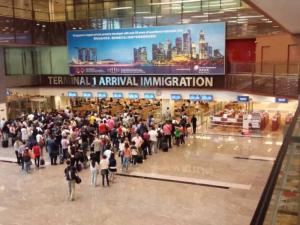
the process of coming to live permanently in a different country from the one you were born in; the number of people who do this
Immigration has significantly changed the country's demographics.
移民は、その国の人口統計を大きく変えました。
類義語migrationsettlingrelocationnaturalization対義語emigrationdeportationrepatriationインフレーション, インフレ
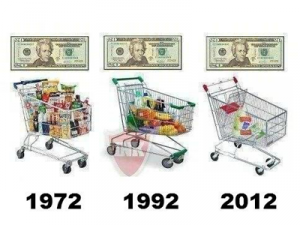
a general rise in the prices of goods and services, which reduces the value of money
The government aims to keep inflation below 4.5 per cent.
政府はインフレ率を4.5パーセント未満に抑えることを目指しています。
High inflation reduces the real return on savings.
類義語price increasecost-pushdemand-pulldevaluation対義語deflationprice stability遍在
seeming to be everywhere or in several places at the same time; very common
Leather is very much in fashion this season, as is the ubiquitous denim.
革は今シーズン非常に流行していますが、ユビキタスなデニムも同様です。
類義語omnipresentpervasiveuniversalwidespreadprevalentrife対義語rarescarceuncommonunusuallimitedグローバル化
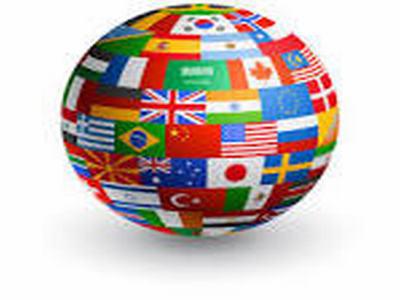
the fact that different cultures and economic systems around the world are becoming connected and similar to each other because of the influence of large multinational companies and of improved communication
Globalization has certainly provided a boost to trade and labour reform in many countries.
グローバル化は確かに多くの国で貿易と労働改革を促進してきました。
類義語internationalizationworldwide integrationglobal integrationinterconnectedness対義語localizationnationalizationregionalizationisolationism加速する, 促進する, 早める
to happen faster or earlier; to make something happen faster or earlier
The government is taking measures to accelerate economic growth in the region.
政府は地域の経済成長を促進するための措置を講じている。
類義語hastenexpeditequickenspeed upadvancefurtherpromote対義語decelerateslow downretarddelayhinderimpede気候変動 (kikou hendou)
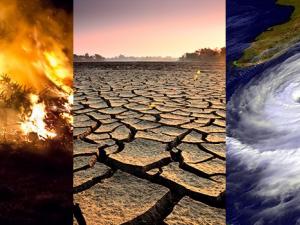
changes in the earth’s weather, including changes in temperature, wind patterns and rainfall , especially the increase in the temperature of the earth’s atmosphere that is caused by the increase of particular gases, especially carbon dioxide
In any case, climate change is already disrupting the lives of millions of human beings.
いずれにせよ、気候変動はすでに何百万人もの人々の生活を混乱させています。
類義語global warmingclimatic changeenvironmental changeclimate crisis対義語climate stabilityenvironmental equilibrium不均衡 (fukinkou)
a situation in which two or more things are not the same size or are not treated the same, in a way that is unfair or causes problems
It is in a temporary state of imbalance.
それは一時的な不均衡状態にあります。
類義語disproportioninequalityinstabilityunevennessasymmetry対義語balanceequilibriumstabilitysymmetryproportion相互依存
the fact of depending on each other; the fact of consisting of parts that depend on each other
Global trade demonstrates the interdependence of nations.
グローバル貿易は、国家間の相互依存を示しています。
類義語interconnectednessmutual dependencereciprocityreliance対義語independenceautonomyself-sufficiencyローカリゼーション
the process of adapting a product or service to make it suitable for a new area
The company invested in localization to better serve international customers.
その会社は、海外の顧客により良いサービスを提供するために、ローカリゼーションに投資しました。
類義語adaptationcustomizationregionalization対義語globalizationstandardization標準化
the process of making objects or activities of the same type have the same features or qualities; the process of making something standard
The company is working on the standardization of its products.
会社は製品の標準化に取り組んでいます。
類義語uniformitynormalizationconsistencyconformity対義語variationdiversitydifference地球村
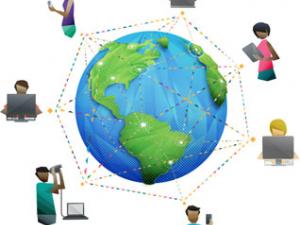
the whole world, looked at as a single community that is connected by electronic communication systems
The internet has transformed the world into a global village.
インターネットは世界を地球村に変えました。
類義語global communityinterconnected worldglobal society対義語isolated communitylocal communityカーボンフットプリント
a measure of the amount of carbon dioxide that is produced by the activities of a person or company
Reducing your carbon footprint can help protect the environment.
カーボンフットプリントを削減することは、環境保護に役立ちます。
類義語Environmental impactCarbon emissionsGreenhouse gas emissions対義語Carbon neutralitySustainabilityアウトソーシング, 外部委託
paying an outside company to do work that could be done by your own employees
Outsourcing payroll has saved us many hours each month.
給与計算をアウトソーシングしたことで、毎月多くの時間を節約できている。
The company uses outsourcing for cleaning and security staff.
類義語contracting outsubcontractingoffshoring対義語insourcinginternalizing再生可能エネルギー
Energy from sources that are naturally replaced, such as the sun, wind and water.
Renewable energy sources are essential for a sustainable future.
再生可能エネルギー源は、持続可能な未来のために不可欠です。
類義語Sustainable energyClean energyGreen energy対義語Non-renewable energyFossil fuelsConventional energyグローバル化を加速する
To make the process of countries and economies becoming more connected happen faster.
New technologies are expected to accelerate globalization.
新しい技術はグローバル化を加速させると予想されています。
類義語hasten globalizationexpedite globalizationadvance globalization対義語decelerate globalizationslow globalizationhinder globalization生物多様性の損失
The decline or disappearance of the variety of plants and animals in a particular area or the world.
Biodiversity loss is a major environmental problem.
生物多様性の損失は、主要な環境問題です。
類義語Species extinctionHabitat destructionDecline in biodiversity対義語Biodiversity gainSpecies proliferationEcosystem recovery資本移動
The ability of money for investment to move freely between countries or sectors.
Capital mobility allows investments to flow freely between countries.
資本移動により、投資は国境を越えて自由に流れることができます。
類義語Free capital flowCross-border investment対義語Capital controlsFinancial repression企業のグローバル化
The spread of large companies and their business activities across many countries around the world.
Corporate globalization has led to increased international trade.
企業のグローバル化は、国際貿易の増加につながりました。
類義語International business expansionMultinational enterprise growthGlobal market integration対義語NationalizationLocalizationDeglobalization文化の伝播
The spread of ideas, customs and beliefs from one culture or society to another.
The Silk Road facilitated cultural diffusion between East and West.
シルクロードは東西間の文化の伝播を促進した。
類義語Cultural exchangeCultural transmissionCross-cultural interaction対義語Cultural isolationCultural stagnation文化交流
A programme or activity in which people from different countries share and learn about each other's customs, ideas and way of life.
The cultural exchange program allowed students to live abroad.
文化交流プログラムにより、学生は海外で生活することができました。
類義語Cross-cultural exchangeIntercultural dialogueCultural interchange対義語Cultural isolationCultural segregation開発途上国
Poorer countries that are trying to build up their industry and improve living conditions for their people.
Many developing countries are struggling with poverty.
多くの開発途上国が貧困にあえいでいます。
類義語emerging nationsless developed countriesunderdeveloped countries対義語developed countriesindustrialized nationsデジタル革命
The great changes in society and the economy caused by the spread of computers and digital technology.
The digital revolution has transformed the way we communicate.
デジタル革命は、私たちのコミュニケーション方法を変えました。
類義語Information AgeTechnological RevolutionDigital Age対義語Pre-digital eraAnalog age生態学的バランス
A stable state in which plants, animals and their environment exist together in healthy proportions.
Maintaining ecological balance is crucial for the health of the planet.
生態学的バランスを維持することは、地球の健康にとって非常に重要です。
類義語Environmental equilibriumNatural harmonyBalance of nature対義語Ecological imbalanceEnvironmental disruption経済競争力
The ability of a country or company to compete successfully with others in trade and business.
Economic competitiveness is crucial for national prosperity.
経済競争力は国家の繁栄にとって非常に重要です。
類義語Economic advantageMarket strengthFinancial viability対義語Economic weaknessMarket disadvantageFinancial instability経済格差
The unequal sharing of income and wealth between different people or groups in a society.
Economic inequality is a growing concern in many countries.
経済格差は多くの国で高まる懸念事項です。
類義語Wealth disparityIncome inequalityEconomic disparity対義語Economic equalityWealth equalityIncome equality経済統合
The process of countries joining their economies more closely, for example by removing trade barriers.
Economic integration can lead to increased trade and investment.
経済統合は貿易と投資の増加につながる可能性があります。
類義語Trade liberalizationMarket unificationGlobalization対義語Economic isolationProtectionismEconomic fragmentation経済的相互依存
A situation in which countries depend on each other for trade, goods and economic success.
Economic interdependence promotes cooperation between nations.
経済的相互依存は国家間の協力を促進します。
類義語economic integrationglobal economyinterconnected economy対義語economic isolationeconomic independenceautarky経済自由化
The process of reducing government control and restrictions on trade, business and investment.
Economic liberalization led to increased foreign investment.
経済自由化は海外からの投資増加につながった。
類義語DeregulationMarket liberalizationFree market reform対義語Economic protectionismState controlRegulation生態系保全
The protection of natural ecosystems so that the plants and animals in them can survive.
Ecosystem preservation is crucial for maintaining biodiversity.
生態系の保全は生物多様性を維持するために不可欠です。
類義語Ecosystem conservationEnvironmental protectionHabitat preservation対義語Ecosystem destructionEnvironmental degradation環境保護
The protection of the natural world, such as forests, water and wildlife, from damage.
Environmental conservation is crucial for the planet's future.
環境保護は、地球の未来にとって非常に重要です。
類義語Nature protectionEcosystem preservationResource management対義語Environmental destructionPollutionExploitation環境影響
The effect that an activity, product or project has on the natural environment.
The environmental impact of the factory's emissions is significant.
工場からの排出物の環境影響は大きい。
類義語Ecological footprintEnvironmental consequenceEcological impact対義語Environmental benefitEnvironmental improvement環境の持続可能性
The use of natural resources in a way that does not harm the environment and can continue in the future.
Environmental sustainability is crucial for the future of our planet.
環境の持続可能性は、私たちの地球の未来にとって非常に重要です。
類義語Ecological balanceGreen livingEco-friendliness対義語Environmental degradationUnsustainable practices海外直接投資
Investment by a company or person in one country in businesses or property in another country.
Foreign direct investment is crucial for economic growth.
海外直接投資は経済成長に不可欠です。
類義語International investmentOverseas investment対義語Domestic investmentグローバルな意識
Knowledge and understanding of world events and issues and how they affect people everywhere.
Global awareness is crucial for addressing climate change.
地球温暖化に対処するには、グローバルな意識が不可欠です。
類義語International perspectiveWorldwide understandingGlobal perspective対義語Local focusParochialismNationalismグローバル資本主義
An economic system in which private businesses trade and invest freely across the whole world for profit.
Global capitalism has led to increased international trade.
グローバル資本主義は国際貿易の増加につながった。
類義語International capitalismWorldwide capitalism対義語Local economyAutarky地球規模の課題
Serious problems, such as climate change or poverty, that affect the whole world.
Climate change is one of the biggest global challenges.
気候変動は、地球規模の課題の1つです。
類義語Worldwide issuesInternational crisesPlanetary problems対義語Local issuesRegional problemsNational concernsグローバル市民
The idea that people belong to a worldwide community and have responsibilities towards it.
Global citizenship promotes a sense of belonging to a broader community and common humanity.
グローバル市民権は、より広いコミュニティと共通の人間性に帰属意識を促進します。
類義語CosmopolitanismGlobal awarenessWorld citizenship対義語NationalismParochialismIsolationism地球規模の気候, 地球の気候
The general weather conditions of the whole earth over a long period of time.
Changes in global climate are affecting weather patterns.
地球規模の気候の変化が気象パターンに影響を与えている。
類義語worldwide climateplanetary climateearth's climate対義語local climateregional climateグローバルな協力
The act of countries, organizations or people around the world working together to achieve shared goals.
Global collaboration is essential for addressing climate change.
地球温暖化に対処するためには、グローバルな協力が不可欠です。
類義語International cooperationWorldwide collaborationGlobal partnership対義語National isolationLocal competitionグローバルコミュニケーション
The exchange of information and ideas between people and organizations in different countries around the world.
Global communication has revolutionized international relations.
グローバルコミュニケーションは国際関係に革命をもたらしました。
類義語International communicationWorldwide communication対義語Local communicationRegional communicationグローバル競争力指標
A measure that ranks countries by how well their economies can compete with others in world markets.
The global competitive index measures a country's ability to compete in the global market.
グローバル競争力指標は、世界市場で競争する国の能力を測定します。
類義語Global competitiveness rankingWorld competitiveness index対義語Global cooperation index世界的危機
A serious situation of danger or difficulty that affects many countries around the world at the same time.
The global crisis impacted many countries.
世界的な危機は多くの国に影響を与えました。
類義語Worldwide catastropheInternational emergencyGlobal emergency対義語Local issueRegional successIsolated incidentグローバル流通システム
A worldwide computer network that travel agents use to check prices and book flights, hotels and cars.
The travel agency relies on a global distribution system to book flights.
旅行代理店は、フライトを予約するためにグローバル流通システムを利用しています。
類義語GDSglobal reservation system対義語local distribution systemグローバル起業
The activity of starting and running businesses that operate across national borders.
Global entrepreneurship fosters innovation across borders.
グローバルな起業家精神は国境を越えたイノベーションを促進します。
類義語International entrepreneurshipTransnational entrepreneurshipWorldwide entrepreneurship対義語Local entrepreneurshipDomestic entrepreneurshipグローバル金融システム
The worldwide network of banks, markets and institutions through which money is exchanged and invested.
The global financial system is complex and interconnected.
グローバル金融システムは複雑に相互接続されています。
類義語International monetary systemWorld financial order対義語Local financial systemNational financial systemグローバル・ガバナンス
The ways in which countries and international organizations work together to manage problems that affect the whole world.
Global governance is essential for addressing climate change.
地球温暖化に対処するためには、グローバル・ガバナンスが不可欠です。
類義語International cooperationGlobal regulationWorldwide governance対義語National sovereigntyLocalismIsolationismグローバル統合
The process by which the economies and societies of different countries become more closely connected.
Global integration has led to increased trade between nations.
グローバルな統合により、国家間の貿易が増加しました。
類義語GlobalizationInternational cooperationWorldwide consolidation対義語NationalismIsolationismFragmentationグローバルポリシー
A plan or set of principles that an organization or government applies in all the countries where it operates.
The company's global policy promotes sustainability.
会社のグローバルポリシーは持続可能性を推進しています。
類義語International strategyWorldwide guidelinesGlobal approach対義語Local policyNational policyグローバルな広がり
The ability of a company or organization to sell to or influence people in many parts of the world.
The company aims to have a global reach within the next five years.
その会社は、今後5年以内にグローバルな広がりを持つことを目指しています。
類義語Worldwide coverageInternational presenceGlobal influence対義語Local focusRegional limitationDomestic marketグローバルサプライチェーン
The worldwide network of companies and transport that produces goods and moves them to customers.
The global supply chain was disrupted by the pandemic.
グローバルサプライチェーンはパンデミックによって混乱しました。
類義語International supply networkWorldwide distribution network対義語Local supply chainDomestic supply chainグローバル貿易
The buying and selling of goods and services between countries all over the world.
Global trade allows countries to specialize in producing goods and services.
グローバル貿易は、各国が商品やサービスの生産を専門とすることを可能にします。
類義語International tradeWorld tradeGlobal commerce対義語Domestic tradeLocal tradeグローバル貿易協定
Official agreements between many countries that set the rules for international trade.
Global trade agreements aim to reduce tariffs and promote international commerce.
グローバル貿易協定は、関税を引き下げ、国際商業を促進することを目的としています。
類義語International trade pactsWorldwide commerce dealsGlobal market agreements対義語Protectionist trade policiesTrade barriersIsolationist trade measuresグローバルな労働力
All the people who work for an organization or industry in countries around the world.
The company utilizes a global workforce to maximize efficiency.
その会社は効率を最大化するためにグローバルな労働力を活用しています。
類義語International workforceMultinational workforceWorldwide labor pool対義語Domestic workforceLocal workforceグローバル化への反発
A strong negative public reaction against globalization and its effects on jobs, culture and national economies.
The globalization backlash is evident in rising protectionism.
グローバル化への反発は、保護主義の高まりに明らかに見られます。
類義語Anti-globalization movementResistance to globalizationGlobalization skepticism対義語Globalization supportPro-globalizationGlobalization advocacyグローバル化
The gradual process by which businesses, cultures and economies around the world become more connected.
The globalization process has connected countries more closely.
グローバル化のプロセスは、国々をより密接に結びつけています。
類義語InternationalizationWorldwide integration対義語LocalizationNationalizationグリーンテクノロジー
Technology that is designed to reduce harm to the environment, for example by saving energy or reducing pollution.
The company invests heavily in green technology to reduce its carbon footprint.
その会社は、二酸化炭素排出量を削減するために、グリーンテクノロジーに多額の投資をしています。
類義語sustainable technologyclean technologyenvironmental technology対義語polluting technologydirty technology均質化
The process of making things, such as cultures or societies, become similar or the same.
The homogenization of culture can lead to a loss of unique traditions.
文化の均質化は、独特の伝統の喪失につながる可能性があります。
類義語StandardizationUniformityAssimilation対義語DifferentiationDiversificationHeterogeneity所得格差
The difference in the amount of money earned by different groups of people in a society.
The government is trying to reduce income disparity through progressive taxation.
政府は累進課税を通じて所得格差を縮小しようとしている。
類義語Wealth gapIncome inequalityEconomic disparity対義語Income equalityFair distribution国際協力
The act of countries working together to achieve shared goals.
International cooperation is essential for addressing global challenges.
国際協力は、地球規模の課題に対処するために不可欠です。
類義語Global collaborationTransnational cooperation対義語National isolationismUnilateralism労働移住
The movement of people from one country or region to another in order to find work.
Labor migration can benefit both sending and receiving countries.
労働移住は、送り出し国と受け入れ国の両方に利益をもたらす可能性があります。
類義語Workforce mobilityEmigration for workImmigration for work対義語Sedentary workLocal employment発展途上国
Countries that are poorer and have less industry and lower living standards than others.
The organization focuses on aiding less developed countries.
その組織は、発展途上国への援助に重点を置いています。
類義語Developing countriesUnderdeveloped nationsEmerging economies対義語Developed countriesIndustrialized nations市場の自由化
The process of reducing government control and restrictions on trade and business.
Market liberalization led to increased competition.
市場の自由化は競争の激化につながった。
類義語DeregulationFree market reformEconomic liberalization対義語Market regulationState controlProtectionism多国籍企業
A large company that has offices or factories in several different countries.
The multinational corporation has offices in many countries.
多国籍企業は多くの国にオフィスを持っています。
類義語International corporationGlobal corporationTransnational corporation対義語Domestic companyLocal business天然資源の枯渇
The using up of natural resources such as water, forests and minerals faster than they can be replaced.
Natural resource depletion can lead to environmental problems.
天然資源の枯渇は、環境問題につながる可能性があります。
類義語Resource depletionResource exhaustionEnvironmental degradation対義語Resource conservationResource preservationSustainabilityオゾン層破壊
The gradual thinning of the ozone layer in the earth's atmosphere, caused by harmful gases.
Ozone depletion allows more harmful UV radiation to reach the Earth's surface.
オゾン層の破壊により、より有害な紫外線が地球の表面に到達するようになります。
類義語ozone thinningozone layer destruction対義語ozone recoveryozone regenerationより豊かな国々
Countries that have more money and economic resources than others.
Richer nations should help poorer ones.
より豊かな国は、より貧しい国を助けるべきです。
類義語Wealthier nationsMore affluent countriesDeveloped nationsIndustrialized nations対義語Poorer nationsLess developed countriesImpoverished nations超大国, 大国
A country that has very great military, economic or political power.
After the Cold War, the United States remained the world's only superpower.
冷戦後、アメリカは世界で唯一の超大国であり続けた。
類義語Exceptional AbilityExtraordinary powerIncredible Strength対義語WeaknessLimitationVulnerability持続可能な農業
Farming that produces food in ways that protect the environment and can continue for a long time.
Sustainable agriculture focuses on long-term environmental health.
持続可能な農業は、長期的な環境の健康に焦点を当てています。
類義語ecological farmingregenerative agricultureconservation agriculture対義語unsustainable agricultureconventional agriculture持続可能な開発
Economic growth that meets present needs without harming the environment or the needs of future generations.
Sustainable development aims to meet the needs of the present without compromising the ability of future generations to meet their own needs.
持続可能な開発は、将来の世代が自らのニーズを満たす能力を損なうことなく、現在のニーズを満たすことを目指しています。
類義語eco-friendly developmentresponsible developmentgreen development対義語unsustainable developmentexploitative developmentirresponsible development技術進歩
The development of new and better technology over time.
Technological advancement has improved our quality of life.
技術の進歩は私たちの生活の質を向上させました。
類義語Technological progressInnovationDevelopmentModernization対義語Technological stagnationDeclineRegressionグローバル経済
The economic system of the whole world, seen as a single connected system of trade, production and finance.
The global economy has been affected by the pandemic.
世界経済はパンデミックの影響を受けています。
類義語World economyInternational economy対義語Local economyNational economy地球村
The whole world seen as a single community connected by modern communications such as the internet.
The internet has transformed the world into a global village.
インターネットは世界を地球村に変えました。
類義語global communityinterconnected world対義語isolationlocalizedparochial工業化された世界
The countries of the world that have developed industries and advanced economies.
The industrialized world faces many environmental challenges.
工業化された世界は、多くの環境問題に直面しています。
類義語Developed worldIndustrial nationsAdvanced economies対義語Developing worldThird World野生生物保護
The protection of wild animals, plants and their habitats from harm or extinction.
Wildlife conservation is essential for maintaining biodiversity.
野生生物保護は生物多様性を維持するために不可欠です。
類義語Nature conservationBiodiversity preservationWildlife protection対義語DeforestationHabitat destructionExploitation