コンテンツへスキップ

レッスン8/33 · 111語 · 覚えた単語 0

Environment

環境

  1. 1

    tackle(verb)

    /ˈtækl/

    取り組む

    to make a determined effort to deal with a difficult problem or situation

    The government is determined to tackle inflation.

    政府はインフレに取り組む決意をしています。

    I think I'll tackle the repairs next weekend.

    類義語addressconfrontdeal withhandlemanagegrapple withundertake
    対義語avoidevadeignoreneglectshun
  2. 2

    pollution(noun)

    /pəˈluːʃn/

    汚染 (osen)

    the process of making air, water, soil, etc. dirty; the state of being dirty

    Water pollution is becoming more serious now.

    水質汚染がますます深刻になっています。

    air/water pollution

    類義語contaminationdefilementimpurityfoulnesstaintadulteration
    対義語purificationcleansingsterilizationclarificationpristineness
  3. 3

    damage(noun)

    /ˈdæmɪdʒ/

    損害 (songai)

    physical harm caused to something which makes it less attractive, useful or valuable

    The damage to his car was considerable.

    彼の車の損害は相当なものだった。(Kare no kuruma no songai wa soutou na mono datta.)

    Smoking seriously damages your health.

    類義語harminjuryimpairmentdestructionloss
    対義語repairimprovementbenefitadvantagerestoration
  4. 4

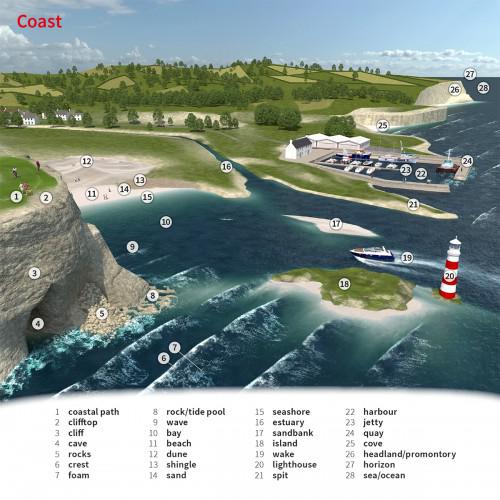
    wave(noun)

    /weɪv/

    波

    a raised line of water that moves across the surface of the sea, ocean, etc.

    The children jumped over the waves as they came onto the beach.

    子どもたちは浜辺に打ち寄せる波を跳び越えた。

    類義語surgeswellripplegestureflourishbrandish
    対義語stillnesscalmstagnation
  5. 5

    electricity(noun)

    /ɪˌlekˈtrɪsəti/

    電気 (denki)

    a form of energy from charged elementary particles , usually supplied as electric current through cables, wires, etc. for lighting, heating, driving machines, etc.

    The electricity has been turned off.

    電気が止められました。

    The electricity is off (= there is no electric power supply).

    類義語powercurrentvoltagecharge
    対義語powerlessnessnon-conductivitynonelectricity
  6. 6

    wind(noun)

    /wɪnd/

    風 (kaze)

    air that moves quickly as a result of natural forces

    There is a strong wind blowing.

    強い風が吹いている。

    A gust of wind blew my hat off.

    類義語breezegustdraftair current
    対義語calmstillnesslack of wind
  7. 7

    nuclear(adjective)

    /ˈnuːkliər/

    核の (kaku no)

    using, producing or resulting from nuclear energy

    People are against the nuclear test in this area.

    人々はこの地域での核実験に反対しています。

    the nuclear industry

    類義語atomicradiologicalfission
    対義語conventionalnon-nuclear
  8. 8

    ecotourism(noun)

    /ˈiːkəʊtʊrɪzəm/

    エコツーリズム, 生態観光

    responsible travel to natural areas that protects the environment and benefits local people

    Ecotourism in Cat Tien National Park supports local conservation work.

    カットティエン国立公園でのエコツーリズムは、地域の保全活動を支えています。

    The resort has become a model of ecotourism in the Mekong Delta.

    類義語sustainable tourismresponsible tourismnature tourismgreen tourism
    対義語mass tourismexploitative tourismdestructive tourism
  9. 9

    exploit(verb)

    /ɪkˈsplɔɪt/

    活用する, 利用する, 開発する

    to use something such as resources well in order to gain as much from it as possible

    We need to make sure that we exploit our resources as fully as possible.

    私たちは資源を可能な限り最大限に活用するよう努めなければならない。

    類義語utilizeusecapitalize ontake advantage ofleveragemanipulatemistreatabuse
    対義語conservepreserveprotectignoreneglectcherish
  10. 10

    solar(adjective)

    /ˈsəʊlər/

    太陽の

    of or connected with the sun

    solar radiation

    太陽放射

    類義語sunheliac
    対義語lunarterrestrialearthly
  11. 11

    renewable(adjective)

    /rɪˈnuːəbl/

    再生可能

    that is replaced naturally or controlled carefully and can therefore be used without the risk of using it all up

    There are some renewable energy sources such as wind and wave power.

    風力や波力など、再生可能エネルギー源がいくつかあります。

    類義語sustainableregenerativereplenishablerestorable
    対義語nonrenewablefiniteexhaustibledepletable
  12. 12

    sustainable(adjective)

    /səˈsteɪnəbl/

    持続可能な, 環境に優しい

    involving the use of natural products and energy in a way that does not harm the environment

    We need to find more sustainable ways of producing energy for our homes.

    私たちは家庭向けのエネルギーをより持続可能な方法で生産する方法を見つける必要があります。

    類義語maintainableendurableviablerenewableeco-friendlygreen
    対義語unsustainableexhaustingdepletingtemporaryshort-lived
  13. 13

    biodiversity(noun)

    /ˌbaɪəʊdaɪˈvɜːrsəti/

    生物多様性 (seibutsu tayousei)

    the existence of a large number of different kinds of animals and plants which make a balanced environment

    A new National Biological Survey will protect species habitat and biodiversity.

    新しい国立生物調査は、種の生息地と生物多様性を保護します。

    類義語variety of lifebiological diversityecological diversityspecies richnessgenetic diversity
    対義語monocultureuniformitylack of diversitybiological uniformity
  14. 14

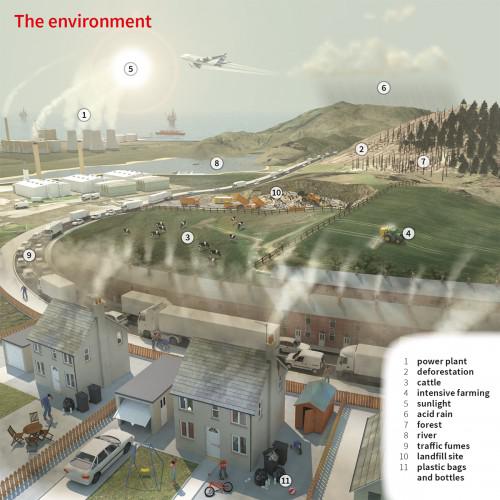
    deforestation(noun)

    /ˌdiːˌfɔːrɪˈsteɪʃn/

    森林破壊 (shinrin hakai)

    the act of cutting down or burning the trees in an area

    There has been rising deforestation recently.

    最近、森林破壊が増加している。

    類義語forest clearingtree removalwoodland clearancelogging
    対義語afforestationreforestationforestationtree planting
  15. 15

    ecosystem(noun)

    /ˈiːkəʊsɪstəm/

    生態系 (seitaikei)

    all the plants and living creatures in a particular area considered in relation to their physical environment

    different ecosystems and biomes on our planet

    私たちの惑星上の異なる生態系とバイオーム

    類義語ecological communityenvironmenthabitatbiosphere
    対義語none (ecosystem is a specific term with no direct antonym)abiotic environment (could be considered an opposite in some contexts)
  16. 16

    recycle(verb)

    /ˌriːˈsaɪkl/

    リサイクル (risaikuru)

    to treat things that have already been used so that they can be used again

    We can recycle waste paper.

    私たちは古紙をリサイクルできます。(Watashitachi wa koshi o risaikuru dekimasu.)

    類義語reusereclaimreprocessrecoversalvage
    対義語discarddisposewastedump
  17. 17

    conservation(noun)

    /ˌkɑːnsərˈveɪʃn/

    保護 (hogo)

    the protection of the natural environment

    This kind of bird is protected by conservation plans.

    この種の鳥は、保護計画によって保護されています。

    類義語preservationprotectionsafeguardingmaintenanceupkeep
    対義語destructiondepletionwasteneglectexploitation
  18. 18

    efficiency(noun)

    /ɪˈfɪʃnsi/

    効率

    the quality of doing something well with no waste of time or money

    The reforms will lead to cost efficiency and savings.

    改革はコスト効率と節約につながるでしょう。

    類義語productivityeffectivenesscapabilitycompetenceeconomyperformanceskill
    対義語inefficiencywastefulnessincompetenceineffectiveness
  19. 19

    tidal(adjective)

    /ˈtaɪdl/

    潮汐の

    connected with tides (= the regular rise and fall of the sea)

    The two people were watching the strong tidal waves.

    二人の人は強い潮汐波を見ていました。

    類義語marineseasidecoastaloceanic
    対義語non-tidalinlandterrestrial
  20. 20

    endangered species(noun)

    /ɪnˈdeɪndʒəd ˈspiːʃiːz/

    絶滅危惧種

    a type of animal or plant that might stop existing because there are very few of them left

    Most countries are trying hard to protect endangered species.

    ほとんどの国が絶滅危惧種を保護しようと努力しています。

    類義語threatened speciesvulnerable speciesat-risk species
    対義語thriving speciesabundant speciescommon species
  21. 21

    contamination(noun)

    /kənˌtæmɪˈneɪʃn/

    汚染 (osen)

    the process or fact of making a substance or place dirty or no longer pure by adding a substance that is dangerous or carries disease

    The water supply is being tested for contamination.

    給水が汚染されていないか検査されています。

    類義語pollutiontaintdefilementimpairmentinfection
    対義語puritysterilitycleannesssanitation
  22. 22

    geothermal(adjective)

    /ˌdʒiːəʊˈθɜːrml/

    地熱 (chinetsu)

    connected with the natural heat of rock deep in the ground

    They are going to build a geothermal power station in this area.

    彼らはこの地域に地熱発電所を建設する予定です。

    類義語earth-heatgeothermicvolcanic
    対義語conventionalfossil fuelnon-geothermal
  23. 23

    solar panel(noun)

    /ˌsəʊlər ˈpænl/

    ソーラーパネル

    a piece of equipment, often on the roof of a building, that uses light and heat energy from the sun to produce hot water and electricity

    Solar panels are used to power satellites.

    ソーラーパネルは、衛星に電力を供給するために使用されます。

    類義語photovoltaic panelsolar cell arrayPV panel
    対義語conventional power sourcefossil fuel generator
  24. 24

    hydroelectric(adjective)

    /ˌhaɪdrəʊɪˈlektrɪk/

    水力発電の

    using the power of water to produce electricity; produced by the power of water

    Is there a hydroelectric power station in your area?

    あなたの地域に水力発電所はありますか?

    類義語waterpowerhydropower
    対義語thermalnuclearfossil fuel
  25. 25

    climate change(noun)

    /ˈklaɪmət tʃeɪndʒ/

    気候変動 (kikou hendou)

    changes in the earth’s weather, including changes in temperature, wind patterns and rainfall , especially the increase in the temperature of the earth’s atmosphere that is caused by the increase of particular gases, especially carbon dioxide

    In any case, climate change is already disrupting the lives of millions of human beings.

    いずれにせよ、気候変動はすでに何百万人もの人々の生活を混乱させています。

    類義語global warmingclimatic changeenvironmental changeclimate crisis
    対義語climate stabilityenvironmental equilibrium
  26. 26

    natural resources(noun)

    /ˈnætʃ.ɚ.əl rɪˈzɔːrs/

    天然資源 (tennen shigen)

    materials such as minerals, forests, water and fertile land that exist in nature and can be used by people

    Some natural resources, such as natural gas and fossil fuel, cannot be replaced.

    天然ガスや化石燃料など、一部の天然資源は代替できません。

    類義語raw materialsenvironmental resourcesnature's bountyearth's resources
    対義語man-made resourcessynthetic resourcesartificial resourcesprocessed materials
  27. 27

    global warming(noun)

    /ˌɡləʊbl ˈwɔːrmɪŋ/

    地球温暖化

    the increase in temperature of the earth’s atmosphere that is caused by the increase of particular gases, especially carbon dioxide

    Global warming is a term that refers to the general warm - up of the Earth and its atmosphere.

    地球温暖化とは、地球とその大気の全体的な温暖化を指す言葉です。

    類義語climate changegreenhouse effectatmospheric warming
    対義語global coolingice age
  28. 28

    the ozone layer(noun)

    /ˈoʊ.zoʊn ˌleɪ.ɚ/

    オゾン層 (Ozon-sō)

    a layer of ozone high above the earth’s surface that helps to protect the earth from harmful radiation from the sun

    The ozone layer protects living things from the harmful radiation of the sun.

    オゾン層は、太陽の有害な放射線から生物を守ります。

    類義語ozone shieldozonosphere
    対義語None
  29. 29

    biodegradable(adjective)

    /ˌbaɪəʊdɪˈɡreɪdəbl/

    生分解性

    a substance or chemical that is biodegradable can be changed by the action of bacteria to a natural state that will not harm the environment

    The packaging is made of biodegradable materials.

    包装は生分解性素材で作られています。

    類義語decomposabledegradableeco-friendly
    対義語non-biodegradablenon-degradableimperishable
  30. 30

    conservationist(noun)

    /ˌkɑːnsərˈveɪʃənɪst/

    自然保護活動家

    a person who takes an active part in the protection of the environment

    The conservationist dedicated their life to protecting endangered species.

    自然保護活動家は絶滅危惧種を保護するために人生を捧げました。

    類義語environmentalistpreservationistecologistnature lovergreen activist
    対義語exploiterdestroyerpolluter
  31. 31

    desertification(noun)

    /dɪˌzɜːrtɪfɪˈkeɪʃn/

    砂漠化

    the process of becoming or making something a desert

    Desertification threatens many arid regions around the world.

    砂漠化は、世界中の多くの乾燥地域を脅かしています。

    類義語land degradationaridification
    対義語afforestationreforestation
  32. 32

    generator(noun)

    /ˈdʒenəreɪtər/

    発電機

    a machine that changes mechanical energy into electrical energy

    The diesel generator supplies the plant during grid outages.

    ディーゼル発電機は、停電時に工場へ電力を供給する。

    Run the generator on load for thirty minutes every month.

    類義語power sourcedynamoengine
    対義語consumeruser
  33. 33

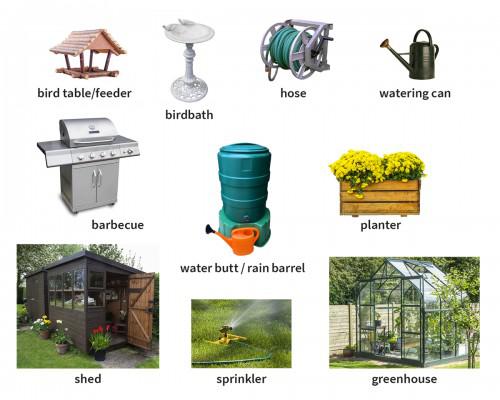
    greenhouse(noun)

    /ˈɡriːnhaʊs/

    温室

    a building with glass sides and a glass roof for growing plants in

    The greenhouse allows us to grow tomatoes even in winter.

    温室のおかげで、冬でもトマトを育てることができます。

    類義語conservatoryglasshousehothouse
    対義語outdoorsopen field
  34. 34

    turbine(noun)

    /ˈtɜːrbaɪn/

    タービン

    a machine or part of a machine that produces continuous turning power from a fast-moving flow of a liquid or gas, using a set of vanes attached to a wheel or rotor

    The turbine converts the kinetic energy of the wind into electricity.

    タービンは風の運動エネルギーを電気に変換します。

    類義語rotatorenginerotorgenerator
    対義語none
  35. 35

    compostable(adjective)

    /kəmˈpəʊstəbl/

    堆肥化可能

    that can be made into compost

    The packaging is compostable, so you can put it in your garden.

    このパッケージは堆肥化可能なので、庭に置くことができます。

    類義語biodegradabledecomposable
    対義語non-biodegradablenon-decomposable
  36. 36

    air quality(noun)

    /er ˈkwɑːləti/

    空気の質

    the degree to which the air is clean and free from pollution

    The air quality in the city is poor today.

    今日の都市の空気の質は悪い。

    類義語atmospheric conditionair purityair pollution level
    対義語air pollutioncontaminated air
  37. 37

    carbon footprint(noun)

    /ˈkɑːrbən ˈfʊtprɪnt/

    カーボンフットプリント

    a measure of the amount of carbon dioxide that is produced by the activities of a person or company

    Reducing your carbon footprint can help protect the environment.

    カーボンフットプリントを削減することは、環境保護に役立ちます。

    類義語Environmental impactCarbon emissionsGreenhouse gas emissions
    対義語Carbon neutralitySustainability
  38. 38

    environmentalist(noun)

    /ɪnˌvaɪrənˈmentəlɪst/

    環境保護論者

    a person who is interested in the natural environment and wants to improve and protect it

    The environmentalist spoke passionately about climate change.

    環境保護論者は気候変動について情熱的に語った。

    類義語conservationistecologistnature lover
    対義語exploiterpolluter
  39. 39

    power plant(noun)

    /ˈpaʊər plænt/

    発電所

    a building or group of buildings where electricity is produced

    The power plant provides electricity to the city.

    発電所は都市に電気を供給します。

    類義語generating stationpower stationenergy plant
    対義語energy consumernone
  40. 40

    shift work(noun)

    /ʃɪft wɜːrk/

    シフト勤務, 交替制勤務, 交代勤務

    a system in which groups of employees work at different times so that work continues day and night

    Shift work is common in factories that run twenty-four hours a day.

    24時間稼働している工場では、シフト勤務が一般的である。

    Night shift work is paid an extra thirty percent.

    類義語Rotating shiftsShift systemStaggered hours
    対義語Regular hoursFixed schedule
  41. 41

    sick leave(noun)

    /sɪk liːv/

    病気休暇, 傷病休暇, 病欠

    time off work because of illness, which may be paid by the employer or by social insurance

    He has been on sick leave since Monday with the flu.

    彼は月曜日からインフルエンザで病気休暇を取っている。

    Sick leave longer than three days needs a doctor's certificate.

    類義語Medical leavePaid sick timeTime off for illness
    対義語PresenteeismWorking while sick
  42. 42

    Skills(noun)

    /skɪlz/

    スキル

    Particular abilities to do something well, especially ones gained through training or experience.

    She has excellent communication skills.

    彼女は優れたコミュニケーションスキルを持っています。

    類義語abilitiesexpertisecompetenciestalentsproficiency
    対義語inabilityineptitudeincompetence
  43. 43

    staffing(noun)

    /ˈstæfɪŋ/

    人員配置, 人員体制, スタッフィング

    the number of workers employed in a place, or the work of providing enough suitable staff

    Staffing levels in the warehouse rise before the Tet holiday.

    倉庫の人員配置は、テト(旧正月)の前に増員される。

    The new store has a staffing plan of twelve full-time employees.

    類義語HiringRecruitmentPersonnelEmploymentWorkforce
    対義語DownsizingLayoffsReductionAttrition
  44. 44

    succession planning(noun)

    /səkˈsɛʃən ˈplænɪŋ/

    後継者育成計画, サクセッションプラン, 後継者計画

    preparing employees inside the company so they can replace managers and key staff when they leave

    Succession planning helped us replace the plant director within a week.

    後継者育成計画のおかげで、工場長を1週間以内に交代させることができた。

    The board asked HR to improve succession planning for senior roles.

    類義語Replacement planningLeadership developmentTalent management
    対義語Lack of planningAd hoc leadership
  45. 45

    talent acquisition(noun)

    /ˈtælənt ˌæk.wɪˈzɪʃən/

    人材獲得, タレントアクイジション, 採用活動

    the long-term work of finding, attracting and hiring skilled people for an organisation

    Our talent acquisition team focuses on engineers and data analysts.

    当社の人材獲得チームは、エンジニアとデータアナリストを重点的に担当している。

    Talent acquisition is more than filling vacancies; it builds future capability.

    類義語RecruitmentHiringStaffingTalent sourcing
    対義語DownsizingLayoffAttrition
  46. 46

    Teamwork(noun)

    /ˈtiːm.wɜːrk/

    チームワーク

    The activity of working well together as a group to achieve a shared aim.

    Teamwork is essential for the success of this project.

    チームワークはこのプロジェクトの成功に不可欠です。

    類義語collaborationcooperationpartnership
    対義語individualismcompetition
  47. 47

    Telecommuting(noun)

    /ˈtɛlɪkjuːˌmjuːtɪŋ/

    テレワーク

    The practice of working from home and communicating with your office by phone or the internet.

    Telecommuting allows employees to work from home.

    テレワークにより、従業員は自宅で働くことができます。

    類義語Remote workWork from homeVirtual work
    対義語Office workIn-person work
  48. 48

    Energy efficiency(noun)

    /ˈɛnərdʒi ɪˈfɪʃənsi/

    エネルギー効率

    The use of less energy to produce the same amount of light, heat, power or work.

    Energy efficiency helps reduce electricity bills.

    エネルギー効率は電気代の削減に役立ちます。

    類義語Fuel efficiencyPower conservationEnergy conservation
    対義語Energy wasteInefficiency
  49. 49

    Renewable energy(noun)

    /rɪˈnuːəbl ˈɛnərdʒi/

    再生可能エネルギー

    Energy from sources that are naturally replaced, such as the sun, wind and water.

    Renewable energy sources are essential for a sustainable future.

    再生可能エネルギー源は、持続可能な未来のために不可欠です。

    類義語Sustainable energyClean energyGreen energy
    対義語Non-renewable energyFossil fuelsConventional energy
  50. 50

    Renewable resources(noun)

    /rɪˈnuːərəbl rɪˈsɔrsɪz/

    再生可能資源

    Natural resources that are replaced naturally and can be used without running out, such as sunlight and wind.

    Solar energy is a key example of renewable resources.

    太陽エネルギーは再生可能資源の重要な例です。

    類義語Sustainable resourcesAlternative energy sourcesEco-friendly resources
    対義語Non-renewable resourcesFinite resourcesDepletable resources
  51. 51

    Alternatives(noun)

    /ɔːlˈtɜːrnətɪvz/

    選択肢

    things that you can choose to have or do instead of something else.

    We considered several alternatives before making a decision.

    決定を下す前にいくつかの選択肢を検討しました。

    類義語OptionsChoicesSubstitutesReplacementsPossibilities
    対義語NecessityRequirementObligationCompulsion
  52. 52

    Air pollution(noun)

    /ɛər pəˈluːʃən/

    大気汚染

    Harmful substances such as smoke and gases in the air.

    Air pollution is a serious environmental problem in many cities.

    大気汚染は多くの都市で深刻な環境問題となっています。

    類義語smogenvironmental contaminationatmospheric pollution
    対義語clean airpure air
  53. 53

    Carbon emissions(noun)

    /ˈkɑːrbən ɪˈmɪʃənz/

    炭素排出量

    Carbon dioxide and other carbon gases released into the air, especially by burning fuel.

    The government is trying to reduce carbon emissions.

    政府は炭素排出量を削減しようとしています。

    類義語greenhouse gas emissionscarbon footprint
    対義語carbon capturecarbon sequestration
  54. 54

    Ecological balance(noun)

    /ˌiːkəˈlɑːdʒɪkəl ˈbæləns/

    生態学的バランス

    A stable state in which plants, animals and their environment exist together in healthy proportions.

    Maintaining ecological balance is crucial for the health of the planet.

    生態学的バランスを維持することは、地球の健康にとって非常に重要です。

    類義語Environmental equilibriumNatural harmonyBalance of nature
    対義語Ecological imbalanceEnvironmental disruption
  55. 55

    Environmental impact(noun)

    /ɪnˌvaɪrənˈmɛntəl ˈɪmpækt/

    環境影響

    The effect that an activity, product or project has on the natural environment.

    The environmental impact of the factory's emissions is significant.

    工場からの排出物の環境影響は大きい。

    類義語Ecological footprintEnvironmental consequenceEcological impact
    対義語Environmental benefitEnvironmental improvement
  56. 56

    Green technology(noun)

    /ɡriːn tɛkˈnɑːlədʒi/

    グリーンテクノロジー

    Technology that is designed to reduce harm to the environment, for example by saving energy or reducing pollution.

    The company invests heavily in green technology to reduce its carbon footprint.

    その会社は、二酸化炭素排出量を削減するために、グリーンテクノロジーに多額の投資をしています。

    類義語sustainable technologyclean technologyenvironmental technology
    対義語polluting technologydirty technology
  57. 57

    Greenhouse gases(noun)

    /ˈɡriːnhaʊs ˈɡæsɪz/

    温室効果ガス

    Gases, especially carbon dioxide and methane, that trap heat in the earth's atmosphere and cause global warming.

    Greenhouse gases trap heat in the atmosphere.

    温室効果ガスは大気中に熱を閉じ込めます。

    類義語Radiatively active gasesClimate-forcing gases
    対義語OxygenClean air
  58. 58

    Ozone depletion(noun)

    /ˈoʊzoʊn dɪˈpliːʃən/

    オゾン層破壊

    The gradual thinning of the ozone layer in the earth's atmosphere, caused by harmful gases.

    Ozone depletion allows more harmful UV radiation to reach the Earth's surface.

    オゾン層の破壊により、より有害な紫外線が地球の表面に到達するようになります。

    類義語ozone thinningozone layer destruction
    対義語ozone recoveryozone regeneration
  59. 59

    Soil erosion(noun)

    /sɔɪl ɪˈroʊʒən/

    土壌侵食

    The gradual removal of the top layer of soil by wind, water or human activity.

    Soil erosion is a major environmental problem.

    土壌浸食は主要な環境問題です。

    類義語Land degradationSoil lossDenudation
    対義語Soil conservationAfforestationLand reclamation
  60. 60

    Sustainable agriculture(noun)

    /səˈsteɪnəbəl ˈæɡrɪˌkʌltʃər/

    持続可能な農業

    Farming that produces food in ways that protect the environment and can continue for a long time.

    Sustainable agriculture focuses on long-term environmental health.

    持続可能な農業は、長期的な環境の健康に焦点を当てています。

    類義語ecological farmingregenerative agricultureconservation agriculture
    対義語unsustainable agricultureconventional agriculture
  61. 61

    Sustainable development(noun)

    /səˈsteɪnəbəl dɪˈvɛləpmənt/

    持続可能な開発

    Economic growth that meets present needs without harming the environment or the needs of future generations.

    Sustainable development aims to meet the needs of the present without compromising the ability of future generations to meet their own needs.

    持続可能な開発は、将来の世代が自らのニーズを満たす能力を損なうことなく、現在のニーズを満たすことを目指しています。

    類義語eco-friendly developmentresponsible developmentgreen development
    対義語unsustainable developmentexploitative developmentirresponsible development
  62. 62

    Waste management(noun)

    /weɪst ˈmænɪdʒmənt/

    廃棄物管理

    The collection, transport, treatment and disposal of waste materials.

    Effective waste management is crucial for a healthy environment.

    効果的な廃棄物管理は、健康的な環境のために不可欠です。

    類義語trash disposalrubbish removalrecyclinggarbage disposal
    対義語waste creationpollution
  63. 63

    Water scarcity(noun)

    /ˈwɔːtər ˈskɛərsəti/

    水不足

    A situation in which there is not enough clean water to meet people's needs in an area.

    Water scarcity is a growing problem in many parts of the world.

    水不足は世界の多くの地域で深刻化している問題です。

    類義語water shortagewater deficitdroughtaridity
    対義語water abundancewater surplus
  64. 64

    A marine ecosystem(noun)

    /məˈriːn/ /ˈiː.kəʊˌsɪs.təm/

    海洋生態系

    All the living things in the sea and the environment in which they interact with one another.

    The marine ecosystem is vital for the planet's health.

    海洋生態系は地球の健康にとって不可欠です。

    類義語Oceanic environmentSeascapeMarine habitat
    対義語Terrestrial ecosystemLand ecosystem
  65. 65

    Acid deposition(noun)

    /ˈæs.ɪd, ˌdep.əˈzɪʃ.ən/

    酸性沈着

    The process by which acidic substances from polluted air fall onto the earth in rain, snow or dry particles.

    Acid deposition harms forests and aquatic ecosystems.

    酸性沈着は森林や水生生態系に害を及ぼします。

    類義語Acid rainAcid precipitation
    対義語Alkaline rainNeutral deposition
  66. 66

    Activated carbon(noun)

    /ˈæk.tɪ.veɪt, ˈkɑː.bən/

    活性炭

    A form of carbon treated to be very porous, used to absorb impurities from water or air.

    Activated carbon is used to filter water.

    活性炭は、水のろ過に使用されます。

    類義語activated charcoalactive carbon
    対義語regular carboninactive carbon
  67. 67

    Biofuels(noun)

    /ˈbaɪoʊˌfyuəlz/

    バイオ燃料

    Fuels produced from plants or other living material rather than from fossil sources.

    Biofuels are a renewable energy source.

    バイオ燃料は再生可能エネルギー源です。

    類義語Renewable fuelsAgrofuels
    対義語Fossil fuelsPetroleum
  68. 68

    Biomass(noun)

    /ˈbaɪoʊˌmæs/

    バイオマス

    Plant and animal material that can be used as a source of fuel or energy.

    Biomass can be used as a renewable energy source.

    バイオマスは再生可能エネルギー源として利用できます。

    類義語organic matterbiofuelplant matter
    対義語fossil fuelinorganic matter
  69. 69

    Clean energy(noun)

    /klin ˈɛnɜrʤi/

    クリーンエネルギー

    Energy produced in a way that causes little or no pollution, such as solar or wind power.

    The government is investing heavily in clean energy sources.

    政府はクリーンエネルギー源に多額の投資をしています。

    類義語Renewable energyGreen energySustainable energy
    対義語Fossil fuelsDirty energyNon-renewable energy
  70. 70

    Composting(noun)

    /ˈkɑːmpɑːstɪŋ/

    堆肥化

    The process of letting plant and food waste decay so that it can be used to make soil richer.

    We are composting food scraps in our backyard.

    裏庭で生ごみを堆肥にしています。

    類義語decompositionrottinghumification
    対義語incinerationsterilization
  71. 71

    Conservation program(noun)

    /ˌkɑːnsərˈveɪʃən ˈproʊˌɡræm/

    保全プログラム

    An organized plan of activities to protect the natural environment, wildlife or resources.

    The government implemented a new conservation program to protect endangered species.

    政府は、絶滅危惧種を保護するために新しい保全プログラムを実施しました。

    類義語Preservation initiativeProtection schemeEnvironmental plan
    対義語Destruction initiativeExploitation program
  72. 72

    Degrade ecosystems(phrase)

    /dɪˈɡreɪd , ˈiː.kəʊˌsɪs.təm/

    生態系を悪化させる

    To damage natural systems of living things and their environment so that they become less healthy or productive.

    Pollution can degrade ecosystems, harming wildlife and human populations.

    汚染は生態系を悪化させ、野生生物や人間の集団に害を及ぼす可能性があります。

    類義語Damage ecosystemsHarm ecosystemsImpair ecosystemsWorsen ecosystems
    対義語Protect ecosystemsRestore ecosystemsPreserve ecosystemsEnhance ecosystems
  73. 73

    Deplete natural resources(phrase)

    /dɪˈpliːt/ /ˌnætʃ.ər.əl rɪˈzɔː.sɪz/

    天然資源を枯渇させる

    To use up natural materials such as water, minerals or forests so that little or none remains.

    Overfishing can deplete natural resources in the ocean.

    乱獲は海洋の天然資源を枯渇させる可能性がある。

    類義語exhaustuse upconsumedrain
    対義語replenishconservepreserve
  74. 74

    Easily recyclable

    /ˈiː.zəl.i ; ˌriːˈsaɪ.klə.bəl/

    リサイクルしやすい

    Aluminum cans are easily recyclable.

    アルミ缶はリサイクルしやすいです。

    類義語RecyclableEco-friendlySustainable
    対義語Non-recyclableUnrecyclableDisposable
  75. 75

    Ecological footprint(noun)

    /ˌiːkəˌlɑːʤɪkəl ˈfʊtprɪnt/

    エコロジカル・フットプリント

    A measure of how much land and natural resources a person or group uses and the impact this has on the environment.

    Reducing your ecological footprint can help preserve the planet.

    エコロジカル・フットプリントを減らすことは、地球を守るのに役立つ。

    類義語environmental impactcarbon footprint
    対義語environmental sustainabilityecological health
  76. 76

    Emissions(noun)

    /ɪˈmɪʃənz/

    排出物

    Gases or other substances sent out into the air, especially by factories or vehicles.

    The factory reduced its emissions significantly.

    工場は排出量を大幅に削減しました。

    類義語DischargeReleaseEffluentWaste
    対義語AbsorptionRetention
  77. 77

    Energy conservation(noun)

    /ˈɛnərdʒi ˌkɒnsərˈveɪʃən/

    省エネルギー

    The practice of using less energy in order to save resources and reduce pollution.

    Energy conservation helps reduce our carbon footprint.

    省エネルギーは、私たちの二酸化炭素排出量を削減するのに役立ちます。

    類義語Energy savingPower conservationResource conservation
    対義語Energy wasteEnergy depletion
  78. 78

    Energy consumption(noun)

    /ˈɛnərdʒi kənˈsʌmpʃən/

    エネルギー消費

    The amount of energy that is used by a person, machine, building or country.

    The energy consumption of the factory was very high.

    工場のエネルギー消費量は非常に高かった。

    類義語Power usageEnergy useFuel consumption
    対義語Energy productionEnergy conservation
  79. 79

    Energy management(noun)

    /ˈɛnərdʒi ˈmænɪdʒmənt/

    エネルギー管理

    The planning and control of how energy is used, so that less is wasted and costs are reduced.

    Energy management is crucial for reducing costs and environmental impact.

    エネルギー管理は、コスト削減と環境への影響を減らすために非常に重要です。

    類義語Power managementResource optimizationEnergy conservation
    対義語Energy wasteInefficient consumption
  80. 80

    Energy policy(noun)

    /ˈɛnərdʒi ˈpɒləsi/

    エネルギー政策

    A plan of action by a government about how energy is produced, supplied and used.

    The government is reforming its energy policy to promote renewable sources.

    政府は再生可能エネルギーを促進するためにエネルギー政策を改革しています。

    類義語power strategyfuel regulationenergy regulation
    対義語energy deregulation
  81. 81

    Energy production(noun)

    /ˈɛnərdʒi prəˈdʌkʃən/

    エネルギー生産

    The process of making energy, for example electricity, from sources such as coal, wind or sunlight.

    Energy production is essential for modern society.

    エネルギー生産は現代社会に不可欠です。

    類義語Power generationEnergy creationEnergy development
    対義語Energy consumptionEnergy depletion
  82. 82

    Energy sources(noun)

    /ˈɛnərdʒi ˈsɔːrsɪz/

    エネルギー源

    Things such as coal, oil, wind or sunlight from which energy can be produced.

    We need to find more sustainable energy sources.

    より持続可能なエネルギー源を見つける必要があります。

    類義語Power sourcesEnergy resources
    対義語Energy consumers
  83. 83

    Energy storage(noun)

    /ˈɛnərdʒi ˈstɔːrɪdʒ/

    エネルギー貯蔵

    The process of keeping energy, for example in batteries, so that it can be used later.

    Energy storage is critical for renewable energy sources.

    エネルギー貯蔵は再生可能エネルギー源にとって非常に重要です。

    類義語Power storageEnergy reservoirElectrical storage
    対義語Energy depletionEnergy consumption
  84. 84

    Environmental awareness(noun)

    /ɪnˌvaɪrənˈmɛntəl əˈwɛrˌnəs/

    環境意識

    Knowledge and understanding of environmental problems and of the need to protect the natural world.

    Environmental awareness is crucial for protecting our planet.

    環境意識は、地球を守るために非常に重要です。

    類義語Ecological consciousnessEnvironmental consciousnessGreen awareness
    対義語Environmental ignoranceEnvironmental apathy
  85. 85

    Environmental education(noun)

    /ɪnˌvaɪrənˈmɛntəl ˌɛdʒʊˈkeɪʃən/

    環境教育

    Teaching people about the natural world and how to protect it.

    Environmental education is important for future generations.

    環境教育は、将来の世代にとって重要です。

    類義語Ecology educationConservation educationSustainability education
    対義語Environmental ignoranceLack of environmental awareness
  86. 86

    Environmental policy(noun)

    /ɪnˌvaɪrənˈmɛntəl ˈpɑːləsi/

    環境政策

    A plan of action by a government or organization to protect the environment.

    The government is developing a new environmental policy to reduce pollution.

    政府は、汚染を減らすための新しい環境政策を策定しています。

    類義語green policyecological policysustainability policy
    対義語deregulationenvironmental neglect
  87. 87

    Environmental regulations(noun)

    /ɪnˌvaɪrənˈmɛntəl ˌrɛɡjəˈleɪʃənz/

    環境規制

    Official rules that control activities which may harm the environment.

    The factory must comply with all environmental regulations.

    工場はすべての環境規制を遵守しなければなりません。

    類義語Environmental lawsGreen policiesConservation rules
    対義語DeregulationLaissez-faireUnrestricted practices
  88. 88

    Fossil fuels(noun)

    /ˈfɒs.əl ˌfjʊəl/

    化石燃料

    Fuels such as coal, oil and gas that were formed over millions of years from the remains of plants and animals.

    The burning of fossil fuels contributes to air pollution.

    化石燃料の燃焼は大気汚染の原因となります。

    類義語non-renewable energy sourcesconventional fuels
    対義語renewable energysustainable energy
  89. 89

    Fuel cells(noun)

    /fjuːl sɛlz/

    燃料電池

    Devices that produce electricity from a chemical reaction, usually between hydrogen and oxygen.

    Fuel cells are an efficient energy source.

    燃料電池は効率的なエネルギー源です。

    類義語electrochemical cellpower sourceenergy converter
    対義語combustion enginebattery
  90. 90

    Green buildings(noun)

    /ɡriːn ˈbɪlɪŋz/

    グリーンビルディング

    Buildings that are designed and built to use less energy and water and to cause little harm to the environment.

    Green buildings help reduce environmental impact.

    グリーンビルディングは環境への影響を減らすのに役立ちます。

    類義語Sustainable buildingseco-friendly constructionenvironmentally friendly buildings
    対義語Conventional buildingsunsustainable construction
  91. 91

    Habitat destruction(noun)

    /ˈhæb.ɪ.tæt/ /dɪˈstrʌk.ʃən/

    生息地の破壊

    The process by which the natural home of plants and animals is damaged so that they can no longer live there.

    Habitat destruction is a major threat to biodiversity.

    生息地の破壊は生物多様性への大きな脅威です。

    類義語Habitat lossEnvironmental degradationDeforestation
    対義語Habitat restorationHabitat preservationConservation
  92. 92

    Land degradation(noun)

    /lænd ˌdɛɡrəˈdeɪʃən/

    土地劣化

    The process by which land becomes less healthy and productive, often because of human activity.

    Land degradation reduces agricultural productivity.

    土地の劣化は農業生産性を低下させます。

    類義語soil degradationenvironmental degradationdesertification
    対義語land improvementland reclamationsoil conservation
  93. 93

    Log forests(phrase)

    /lɒɡ; ˈfɒr.ɪst/

    森林を伐採する, 森林で木材を切り出す

    To cut down the trees in forests in order to use or sell the wood.

    Companies that log forests illegally destroy the homes of many wild animals.

    森林を違法に伐採する企業は、多くの野生動物の生息地を破壊している。

    類義語timber forestslogging areasharvested forests
    対義語old-growth forestsprotected forestsvirgin forests
  94. 94

    Marine conservation(noun)

    /məˈriːn ˌkɑːnsərˈveɪʃən/

    海洋保護

    The protection of the sea and the plants and animals that live in it.

    Marine conservation is crucial for protecting ocean ecosystems.

    海洋保護は、海洋生態系を保護するために不可欠です。

    類義語Ocean conservationSeascape preservationMarine preservationOcean protection
    対義語Marine destructionOcean exploitationMarine degradation
  95. 95

    Noise pollution(noun)

    /nɔɪz pəˈluːʃən/

    騒音公害

    Harmful or annoying levels of noise, for example from traffic, aircraft or machines.

    The city struggles with significant noise pollution.

    その都市は深刻な騒音公害に悩まされています。

    類義語sound pollutionacoustic pollutionenvironmental noise
    対義語quietsilencepeace
  96. 96

    Offset CO2 emissions(phrase)

    /ɒfˈset , iˈmɪʃ.ən/

    CO2排出量相殺

    To balance the carbon dioxide you produce by doing something that removes or saves the same amount, such as planting trees.

    We can offset our CO2 emissions by planting trees.

    私たちは木を植えることで、CO2排出量を相殺することができます。

    類義語CounterbalanceNeutralizeMitigateReduce
    対義語IncreaseWorsenExacerbate
  97. 97

    Organic farming(noun)

    /ɔrˈɡænɪk ˈfɑːrmɪŋ/

    有機農業

    A method of farming that does not use artificial chemicals such as fertilizers and pesticides.

    Organic farming avoids the use of synthetic fertilizers and pesticides.

    有機農業は、合成肥料や殺虫剤の使用を避けます。

    類義語Ecological farmingSustainable agricultureNatural farming
    対義語Conventional farmingIndustrial agriculture
  98. 98

    Over-abuse(noun)

    /ˈəʊ.vər ; əˈbjuːz/

    乱用, 過剰使用

    the use of something, especially natural resources, far too much or in a harmful way

    The over-abuse of pesticides has seriously damaged the soil and rivers.

    農薬の乱用は土壌や河川に深刻な被害を与えてきた。

    類義語ExploitMaltreatOverexploit
    対義語ProtectCareValue
  99. 99

    Photovoltaic(adjective)

    /ˌfoʊtoʊvɒlˈteɪɪk/

    太陽光発電

    Using or relating to the production of electricity directly from sunlight.

    Photovoltaic cells convert sunlight into electricity.

    太陽光発電セルは太陽光を電気に変換します。

    類義語solar cellsolar powersolar energy
    対義語conventional energyfossil fuel
  100. 100

    Preserve biodiversity(phrase)

    /prɪˈzɜːv/ /ˌbaɪ.əʊ.daɪˈvɜː.sə.ti/

    生物多様性を保護する

    To protect the variety of plants and animals living in a particular area or in the world.

    It is important to preserve biodiversity to maintain healthy ecosystems.

    健康な生態系を維持するためには、生物多様性を保護することが重要です。

    類義語Conserve biodiversityProtect biodiversityMaintain biodiversity
    対義語Destroy biodiversityDegrade biodiversity
  101. 101

    Raise awareness(phrase)

    /reɪz ; əˈweə.nəs/

    意識を高める

    To make more people know about and understand a particular problem or situation.

    We need to raise awareness about climate change.

    私たちは気候変動に対する意識を高める必要があります。

    類義語PromotePublicizeHighlightEducate
    対義語ConcealIgnoreNeglectHide
  102. 102

    Sustainability(noun)

    /səˌsteɪnəˈbɪləti/

    持続可能性

    The use of natural resources in a way that does not harm the environment and can continue for a long time.

    Sustainability is crucial for the future of our planet.

    持続可能性は、地球の未来にとって非常に重要です。

    類義語ContinuityEnduranceViabilityResilienceMaintainability
    対義語UnsustainabilityInstabilityTemporarinessDepletion
  103. 103

    Sustainable lifestyle(noun)

    /səˈsteɪnəbəl ˈlaɪfˌstaɪl/

    持続可能なライフスタイル

    A way of living that tries to reduce harm to the environment and the use of natural resources.

    She is committed to living a sustainable lifestyle by reducing her carbon footprint.

    彼女は二酸化炭素排出量を減らすことで、持続可能なライフスタイルを送ることに尽力しています。

    類義語Eco-friendly livingGreen livingEnvironmentally conscious lifestyle
    対義語Unsustainable livingWasteful lifestyle
  104. 104

    Sustainable transportation(noun)

    /səˈsteɪnəbəl ˌtrænspərˈteɪʃən/

    持続可能な交通

    Ways of travelling, such as cycling or public transport, that cause little harm to the environment.

    The city is investing in sustainable transportation to reduce pollution.

    市は汚染を減らすために持続可能な交通機関に投資しています。

    類義語Eco-friendly transportationGreen transportationEnvironmentally friendly transport
    対義語Unsustainable transportationPolluting transportation
  105. 105

    Threaten natural habitats(phrase)

    /ˈθret.ən/ /ˈnætʃ.ər.əl ˈhæb.ɪ.tæt/

    自然の生息地を脅かす

    To put at risk the natural places where animals and plants live.

    Pollution can threaten natural habitats, endangering many species.

    汚染は自然の生息地を脅かし、多くの種を危険にさらす可能性があります。

    類義語endangerjeopardizeimperil
    対義語protectpreserveconserve
  106. 106

    Waste reduction(noun)

    /weɪst rɪˈdʌkʃən/

    廃棄物削減

    The process of producing less waste, for example by using fewer materials or reusing things.

    Waste reduction is crucial for environmental sustainability.

    廃棄物削減は、環境の持続可能性にとって重要です。

    類義語Reducing wasteMinimizing wasteCutting wasteWaste minimization
    対義語Waste increaseWaste generationWaste production
  107. 107

    Water pollution(noun)

    /ˈwɔːtər pəˈluːʃən/

    水質汚染

    The process of making rivers, lakes, seas, etc. dirty and harmful with chemicals or waste.

    Water pollution is a serious threat to aquatic life.

    水質汚染は水生生物にとって深刻な脅威です。

    類義語Aquatic pollutionWater contamination
    対義語Water purityClean water
  108. 108

    Wildlife preservation(noun)

    /ˈwaɪldˌlaɪf ˌprɛzərˈveɪʃən/

    野生生物保護

    The protection of wild animals and plants and the places where they live.

    Wildlife preservation is crucial for maintaining biodiversity.

    野生生物の保護は生物多様性を維持するために重要です。

    類義語ConservationProtectionSafeguarding
    対義語DestructionNeglectExploitation
  109. 109

    power(noun)

    /ˈpaʊər/

    電力, 電気, エネルギー

    energy that can be collected and used to operate machines, especially electricity

    They sometimes cut the power in the summer.

    夏には電力供給を止められることがある。

  110. 110

    energy(noun)

    /ˈenərdʒi/

    エネルギー, 動力源

    a source of power, such as fuel, used for driving machines, providing heat, etc.

    Solar energy is a clean and renewable source of power for many homes.

    太陽エネルギーは多くの家庭にとってクリーンで再生可能な電力源だ。

  111. 111

    grid(noun)

    /ɡrɪd/

    送電網, 配電網

    a network of cables or pipes for carrying electricity, gas or water across a region or country

    Solar farms can feed extra electricity into the national grid.

    ソーラーファームは余った電力を国の送電網に供給することができる。