コンテンツへスキップ

レッスン24/33 · 113語 · 覚えた単語 0

Energy

エネルギー

  1. 1

    oil(noun)

    /ɔɪl/

    石油 (sekiyu)

    a thick liquid that is found in rock underground

    We are burning too much coal and oil.

    私たちは石炭と石油を燃やしすぎています。

    What's your name?

    類義語petroleumcrude oilmineral oillubricantfuel
    対義語waterrenewable energyalternative fuel
  2. 2

    fuel(noun)

    /ˈfjuːəl/

    燃料 (nenryou)

    any material that produces heat or power, usually when it is burnt

    Fuel supplies are nearly exhausted.

    燃料の供給はほとんど枯渇している。(Nenryou no kyoukyuu wa hotondo karetsu shite iru.)

    a car with high fuel consumption

    類義語petrolgasenergy sourcepropellant
    対義語inertiadrainexhaustion
  3. 3

    battery(noun)

    /ˈbætəri/

    バッテリー

    a device that is placed inside a car engine, clock, radio, etc. and that produces the electricity that makes it work

    Please charge the battery; it is very low now.

    バッテリーを充電してください。もう残量が非常に少ないです。

    to replace the batteries

    類義語cellaccumulatorpower sourceenergy source
    対義語dischargedraindepletion
  4. 4

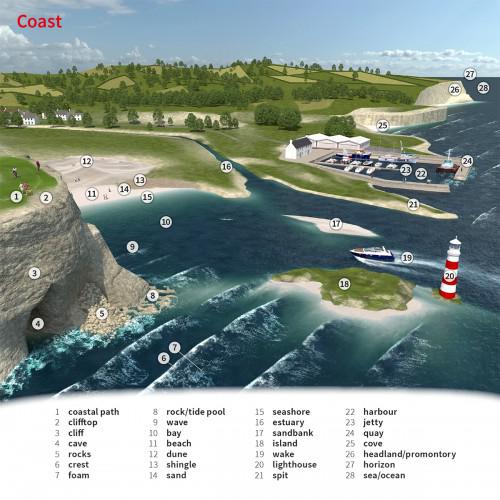
    wave(noun)

    /weɪv/

    波

    a raised line of water that moves across the surface of the sea, ocean, etc.

    The children jumped over the waves as they came onto the beach.

    子どもたちは浜辺に打ち寄せる波を跳び越えた。

    類義語surgeswellripplegestureflourishbrandish
    対義語stillnesscalmstagnation
  5. 5

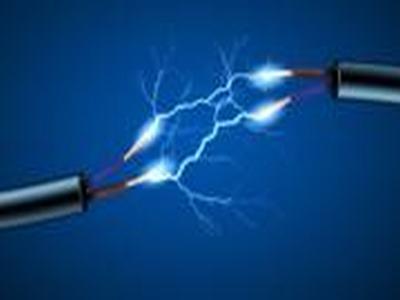
    electricity(noun)

    /ɪˌlekˈtrɪsəti/

    電気 (denki)

    a form of energy from charged elementary particles , usually supplied as electric current through cables, wires, etc. for lighting, heating, driving machines, etc.

    The electricity has been turned off.

    電気が止められました。

    The electricity is off (= there is no electric power supply).

    類義語powercurrentvoltagecharge
    対義語powerlessnessnon-conductivitynonelectricity
  6. 6

    wind(noun)

    /wɪnd/

    風 (kaze)

    air that moves quickly as a result of natural forces

    There is a strong wind blowing.

    強い風が吹いている。

    A gust of wind blew my hat off.

    類義語breezegustdraftair current
    対義語calmstillnesslack of wind
  7. 7

    nuclear(adjective)

    /ˈnuːkliər/

    核の (kaku no)

    using, producing or resulting from nuclear energy

    People are against the nuclear test in this area.

    人々はこの地域での核実験に反対しています。

    the nuclear industry

    類義語atomicradiologicalfission
    対義語conventionalnon-nuclear
  8. 8

    coal(noun)

    /kəʊl/

    石炭 (sekitan)

    a hard black mineral that is found below the ground and burnt to produce heat

    Coal can be used for cooking.

    石炭は料理に使えます。(Sekitan wa ryouri ni tsukaemasu.)

    類義語carbonfuelblack gold
    対義語renewable energysolar powerwind energy
  9. 9

    solar(adjective)

    /ˈsəʊlər/

    太陽の

    of or connected with the sun

    solar radiation

    太陽放射

    類義語sunheliac
    対義語lunarterrestrialearthly
  10. 10

    renewable(adjective)

    /rɪˈnuːəbl/

    再生可能

    that is replaced naturally or controlled carefully and can therefore be used without the risk of using it all up

    There are some renewable energy sources such as wind and wave power.

    風力や波力など、再生可能エネルギー源がいくつかあります。

    類義語sustainableregenerativereplenishablerestorable
    対義語nonrenewablefiniteexhaustibledepletable
  11. 11

    sustainable(adjective)

    /səˈsteɪnəbl/

    持続可能な, 環境に優しい

    involving the use of natural products and energy in a way that does not harm the environment

    We need to find more sustainable ways of producing energy for our homes.

    私たちは家庭向けのエネルギーをより持続可能な方法で生産する方法を見つける必要があります。

    類義語maintainableendurableviablerenewableeco-friendlygreen
    対義語unsustainableexhaustingdepletingtemporaryshort-lived
  12. 12

    biofuel(noun)

    /ˈbaɪəʊfjuːəl/

    バイオ燃料

    fuel made from plant or animal sources and used in engines

    biofuels made from sugar cane and sugar beet

    サトウキビと砂糖大根から作られたバイオ燃料

    類義語renewable fuelalternative fuelbiomass fuel
    対義語fossil fuelconventional fuel
  13. 13

    resilience(noun)

    /rɪˈzɪliəns/

    回復力

    the ability of people or things to recover quickly after something unpleasant, such as shock, injury, etc.

    He showed great courage and resilience in fighting back from a losing position to win the game.

    彼は、劣勢から巻き返して試合に勝つために、大きな勇気と回復力を示した。

    類義語toughnessstrengthfortitudeadaptabilityelasticitybouncebackability
    対義語fragilityweaknessinflexibilityvulnerability
  14. 14

    energetic(adjective)

    /ˌenərˈdʒetɪk/

    精力的 (seiryokuteki)

    having or needing a lot of energy and enthusiasm

    Miley is an energetic young girl.

    マイリーは元気な若い女の子です。

    類義語activelivelydynamicvigorousspiritedenthusiasticanimatedpeppy
    対義語lethargiclistlesssluggishapatheticinactivedulltired
  15. 15

    conservation(noun)

    /ˌkɑːnsərˈveɪʃn/

    保護 (hogo)

    the protection of the natural environment

    This kind of bird is protected by conservation plans.

    この種の鳥は、保護計画によって保護されています。

    類義語preservationprotectionsafeguardingmaintenanceupkeep
    対義語destructiondepletionwasteneglectexploitation
  16. 16

    efficiency(noun)

    /ɪˈfɪʃnsi/

    効率

    the quality of doing something well with no waste of time or money

    The reforms will lead to cost efficiency and savings.

    改革はコスト効率と節約につながるでしょう。

    類義語productivityeffectivenesscapabilitycompetenceeconomyperformanceskill
    対義語inefficiencywastefulnessincompetenceineffectiveness
  17. 17

    energy-saving(adjective)

    /ˈenədʒi ˈseɪvɪŋ/

    省エネ (shōene)

    designed to use less energy than usual

    We should use energy-saving household appliances.

    省エネ家電を使うべきです。(shōene kaden o tsukau beki desu.)

    類義語energy-efficientpower-savingfuel-efficient
    対義語energy-wastingpower-hungryinefficient
  18. 18

    tidal(adjective)

    /ˈtaɪdl/

    潮汐の

    connected with tides (= the regular rise and fall of the sea)

    The two people were watching the strong tidal waves.

    二人の人は強い潮汐波を見ていました。

    類義語marineseasidecoastaloceanic
    対義語non-tidalinlandterrestrial
  19. 19

    transmission(noun)

    /trænzˈmɪʃn/

    伝播, 感染, 伝達

    the act or process of passing something from one person, place or thing to another

    Mosquitoes are responsible for the transmission of the disease to humans.

    蚊は病気を人間に感染させる原因となっている。

    類義語transfercommunicationspreadconveyancepropagation
    対義語retentioncontainmentpreventionstoppageholding
  20. 20

    geothermal(adjective)

    /ˌdʒiːəʊˈθɜːrml/

    地熱 (chinetsu)

    connected with the natural heat of rock deep in the ground

    They are going to build a geothermal power station in this area.

    彼らはこの地域に地熱発電所を建設する予定です。

    類義語earth-heatgeothermicvolcanic
    対義語conventionalfossil fuelnon-geothermal
  21. 21

    carbon(noun)

    /ˈkɑːrbən/

    炭素

    a chemical element. Carbon is found in all living things, existing in a pure state as diamond and graphite .

    Carbon is a fundamental element for life on Earth.

    炭素は地球上の生命にとって基本的な元素です。

    類義語Ccharcoalsoot
    対義語None (it's an element)
  22. 22

    diversification(noun)

    /daɪˌvɜːrsɪfɪˈkeɪʃn/

    分散投資, 多角化

    spreading money or business activities across different investments or products to reduce risk

    Diversification across shares, bonds and deposits reduces your overall risk.

    株式、債券、預金に分散投資することで、全体のリスクが低減される。

    The bank's diversification into insurance increased its fee income.

    類義語variationassortmentmultiplicationexpansion
    対義語homogeneitysimilarityuniformityspecialization
  23. 23

    generator(noun)

    /ˈdʒenəreɪtər/

    発電機

    a machine that changes mechanical energy into electrical energy

    The diesel generator supplies the plant during grid outages.

    ディーゼル発電機は、停電時に工場へ電力を供給する。

    Run the generator on load for thirty minutes every month.

    類義語power sourcedynamoengine
    対義語consumeruser
  24. 24

    geopolitics(noun)

    /ˌdʒiːəʊˈpɑːlətɪks/

    地政学

    the political relations between countries and groups of countries in the world, as influenced by their geography; the study of these relations

    The study of geopolitics helps us understand international relations.

    地政学の研究は、国際関係を理解するのに役立ちます。

    類義語international relationspolitical geographyworld politics
    対義語domestic policylocal politics
  25. 25

    insulation(noun)

    /ˌɪnsəˈleɪʃn/

    断熱材, 保温材, 断熱

    material put in roofs, walls or around pipes to reduce the loss or gain of heat or to block sound

    Rock wool insulation is placed under the metal roof to keep the factory cool.

    工場を涼しく保つため、金属屋根の下にロックウールの断熱材が敷かれている。

    The insulation around the chilled water pipes was damaged during installation.

    類義語paddingshieldingprotectioncovering
    対義語exposureconduction
  26. 26

    kilowatt(noun)

    /ˈkɪləwɑːt/

    キロワット

    a unit for measuring electrical power; 1 000 watts

    The electric heater uses 1.5 kilowatts of power.

    電気ヒーターは1.5キロワットの電力を使用します。

    類義語kWthousand watts
    対義語wattmilliwatt
  27. 27

    megawatt(noun)

    /ˈmeɡəwɑːt/

    メガワット

    a unit for measuring electrical power; one million watts

    The power plant generates 500 megawatts of electricity.

    その発電所は500メガワットの電気を生成します。

    類義語power unitelectricity outputenergy capacity
    対義語milliwattmicrowatt
  28. 28

    thermal(adjective)

    /ˈθɜːrml/

    熱の

    connected with heat

    The thermal energy from the sun heats the Earth.

    太陽からの熱エネルギーが地球を暖めます。

    類義語heatcalorichot
    対義語coldcoolfrigid
  29. 29

    turbine(noun)

    /ˈtɜːrbaɪn/

    タービン

    a machine or part of a machine that produces continuous turning power from a fast-moving flow of a liquid or gas, using a set of vanes attached to a wheel or rotor

    The turbine converts the kinetic energy of the wind into electricity.

    タービンは風の運動エネルギーを電気に変換します。

    類義語rotatorenginerotorgenerator
    対義語none
  30. 30

    carbon footprint(noun)

    /ˈkɑːrbən ˈfʊtprɪnt/

    カーボンフットプリント

    a measure of the amount of carbon dioxide that is produced by the activities of a person or company

    Reducing your carbon footprint can help protect the environment.

    カーボンフットプリントを削減することは、環境保護に役立ちます。

    類義語Environmental impactCarbon emissionsGreenhouse gas emissions
    対義語Carbon neutralitySustainability
  31. 31

    hydropower(noun)

    /ˈhaɪdrəʊpaʊər/

    水力発電

    electricity produced using the power of water

    The city relies on hydropower for much of its electricity.

    その都市は電力の大部分を水力発電に頼っています。

    類義語water powerhydroelectric powerwater energy
    対義語fossil fuelscoal powernuclear power
  32. 32

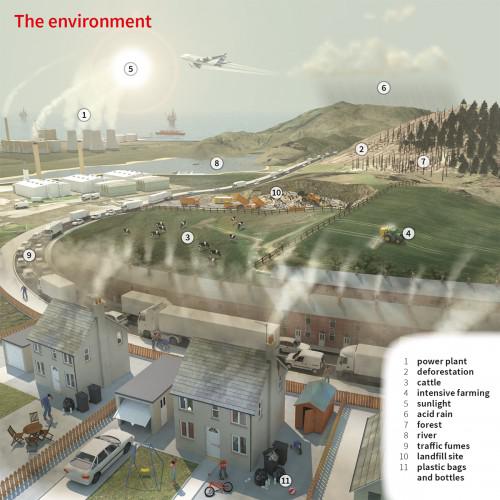
    power plant(noun)

    /ˈpaʊər plænt/

    発電所

    a building or group of buildings where electricity is produced

    The power plant provides electricity to the city.

    発電所は都市に電気を供給します。

    類義語generating stationpower stationenergy plant
    対義語energy consumernone
  33. 33

    supply chain(noun)

    /səˈplaɪ tʃeɪn/

    サプライチェーン, 供給網

    the whole network of companies and steps involved in making a product and getting it to the final customer

    The port strike caused serious problems across our supply chain.

    港湾ストライキは、当社のサプライチェーン全体に深刻な問題を引き起こした。

    We are trying to shorten the supply chain by buying from local suppliers.

    類義語logistics networkdistribution channelvalue chain
    対義語demand chain
  34. 34

    cybersecurity(noun)

    /ˈsaɪbərˌsikjʊrɪti/

    サイバーセキュリティ, 情報セキュリティ

    the protection of computer systems, networks and data from attacks and unauthorised access

    The bank spends more on cybersecurity every year.

    その銀行は毎年、サイバーセキュリティへの支出を増やしています。

    A cybersecurity team monitors the payment systems around the clock.

    類義語Information securityIT securityNetwork security
    対義語VulnerabilityExposureUnprotected
  35. 35

    Energy efficiency(noun)

    /ˈɛnərdʒi ɪˈfɪʃənsi/

    エネルギー効率

    The use of less energy to produce the same amount of light, heat, power or work.

    Energy efficiency helps reduce electricity bills.

    エネルギー効率は電気代の削減に役立ちます。

    類義語Fuel efficiencyPower conservationEnergy conservation
    対義語Energy wasteInefficiency
  36. 36

    Renewable energy(noun)

    /rɪˈnuːəbl ˈɛnərdʒi/

    再生可能エネルギー

    Energy from sources that are naturally replaced, such as the sun, wind and water.

    Renewable energy sources are essential for a sustainable future.

    再生可能エネルギー源は、持続可能な未来のために不可欠です。

    類義語Sustainable energyClean energyGreen energy
    対義語Non-renewable energyFossil fuelsConventional energy
  37. 37

    Carbon emissions(noun)

    /ˈkɑːrbən ɪˈmɪʃənz/

    炭素排出量

    Carbon dioxide and other carbon gases released into the air, especially by burning fuel.

    The government is trying to reduce carbon emissions.

    政府は炭素排出量を削減しようとしています。

    類義語greenhouse gas emissionscarbon footprint
    対義語carbon capturecarbon sequestration
  38. 38

    Biomass(noun)

    /ˈbaɪoʊˌmæs/

    バイオマス

    Plant and animal material that can be used as a source of fuel or energy.

    Biomass can be used as a renewable energy source.

    バイオマスは再生可能エネルギー源として利用できます。

    類義語organic matterbiofuelplant matter
    対義語fossil fuelinorganic matter
  39. 39

    Emissions(noun)

    /ɪˈmɪʃənz/

    排出物

    Gases or other substances sent out into the air, especially by factories or vehicles.

    The factory reduced its emissions significantly.

    工場は排出量を大幅に削減しました。

    類義語DischargeReleaseEffluentWaste
    対義語AbsorptionRetention
  40. 40

    Energy conservation(noun)

    /ˈɛnərdʒi ˌkɒnsərˈveɪʃən/

    省エネルギー

    The practice of using less energy in order to save resources and reduce pollution.

    Energy conservation helps reduce our carbon footprint.

    省エネルギーは、私たちの二酸化炭素排出量を削減するのに役立ちます。

    類義語Energy savingPower conservationResource conservation
    対義語Energy wasteEnergy depletion
  41. 41

    Energy consumption(noun)

    /ˈɛnərdʒi kənˈsʌmpʃən/

    エネルギー消費

    The amount of energy that is used by a person, machine, building or country.

    The energy consumption of the factory was very high.

    工場のエネルギー消費量は非常に高かった。

    類義語Power usageEnergy useFuel consumption
    対義語Energy productionEnergy conservation
  42. 42

    Energy management(noun)

    /ˈɛnərdʒi ˈmænɪdʒmənt/

    エネルギー管理

    The planning and control of how energy is used, so that less is wasted and costs are reduced.

    Energy management is crucial for reducing costs and environmental impact.

    エネルギー管理は、コスト削減と環境への影響を減らすために非常に重要です。

    類義語Power managementResource optimizationEnergy conservation
    対義語Energy wasteInefficient consumption
  43. 43

    Energy policy(noun)

    /ˈɛnərdʒi ˈpɒləsi/

    エネルギー政策

    A plan of action by a government about how energy is produced, supplied and used.

    The government is reforming its energy policy to promote renewable sources.

    政府は再生可能エネルギーを促進するためにエネルギー政策を改革しています。

    類義語power strategyfuel regulationenergy regulation
    対義語energy deregulation
  44. 44

    Energy storage(noun)

    /ˈɛnərdʒi ˈstɔːrɪdʒ/

    エネルギー貯蔵

    The process of keeping energy, for example in batteries, so that it can be used later.

    Energy storage is critical for renewable energy sources.

    エネルギー貯蔵は再生可能エネルギー源にとって非常に重要です。

    類義語Power storageEnergy reservoirElectrical storage
    対義語Energy depletionEnergy consumption
  45. 45

    Fossil fuels(noun)

    /ˈfɒs.əl ˌfjʊəl/

    化石燃料

    Fuels such as coal, oil and gas that were formed over millions of years from the remains of plants and animals.

    The burning of fossil fuels contributes to air pollution.

    化石燃料の燃焼は大気汚染の原因となります。

    類義語non-renewable energy sourcesconventional fuels
    対義語renewable energysustainable energy
  46. 46

    Photovoltaic(adjective)

    /ˌfoʊtoʊvɒlˈteɪɪk/

    太陽光発電

    Using or relating to the production of electricity directly from sunlight.

    Photovoltaic cells convert sunlight into electricity.

    太陽光発電セルは太陽光を電気に変換します。

    類義語solar cellsolar powersolar energy
    対義語conventional energyfossil fuel
  47. 47

    risk assessment(noun)

    /rɪsk əˈsɛsmənt/

    リスクアセスメント, リスク評価

    a careful check of a task or workplace to find hazards, judge how serious they are and decide controls

    A risk assessment is needed before any work at height on the machine.

    機械での高所作業を行う前には、リスクアセスメントが必要だ。

    The supervisor updated the risk assessment after the new press was installed.

    類義語Hazard analysisRisk analysisThreat assessment
    対義語NeglectIgnoring risks
  48. 48

    Carbon pricing(noun)

    /ˈkɑːrbən ˈpraɪsɪŋ/

    炭素価格設定

    A system of charging companies for the carbon dioxide they release, in order to reduce emissions.

    Carbon pricing encourages companies to reduce emissions.

    炭素価格設定は、企業に排出量の削減を促します。

    類義語Carbon taxEmissions tradingCap and trade
    対義語Carbon subsidyNo carbon regulation
  49. 49

    Decentralized energy(noun)

    /diːˈsɛntrəˌlaɪzd ˈɛnərdʒi/

    分散型エネルギー

    Energy produced close to where it is used, by many small sources rather than large central power stations.

    Decentralized energy systems can improve energy access in rural areas.

    分散型エネルギーシステムは、農村地域でのエネルギーアクセスを改善することができます。

    類義語Distributed energyLocalized energyOn-site power
    対義語Centralized energyGrid-dependent energy
  50. 50

    Distributed energy resources(noun)

    /dɪˈstrɪbjətɪd ˈɛnərdʒi rɪˈsɔrsɪz/

    分散型エネルギー資源

    Small units that produce or store electricity near where it is used, such as solar panels and batteries.

    Distributed energy resources can improve grid resilience.

    分散型エネルギーリソースは、グリッドの回復力を向上させることができます。

    類義語DERDecentralized energy resourcesLocal energy resources
    対義語Centralized energy resources
  51. 51

    Emergency preparedness(noun)

    /ɪˈmɜrdʒənsi prɪˈpɛrdnɪs/

    緊急事態への備え

    The plans and actions taken in advance so that people are ready to deal with emergencies or disasters.

    Emergency preparedness is crucial for public safety.

    緊急事態への備えは、公共の安全のために不可欠です。

    類義語Disaster readinessContingency planningCrisis managementPreparedness
    対義語NegligenceUnpreparednessCarelessness
  52. 52

    Energy affordability(noun)

    /ˈɛnərdʒi əˈfɔrdəˌbɪləti/

    エネルギー手頃な価格

    The degree to which people can pay for the energy they need without financial difficulty.

    Energy affordability is crucial for low-income households.

    エネルギーの手頃な価格は、低所得世帯にとって非常に重要です。

    類義語affordable energylow energy costsaccessible energy
    対義語expensive energyunaffordable energyhigh energy costs
  53. 53

    Energy analysis(noun)

    /ˈɛnərdʒi əˈnæləsɪs/

    エネルギー分析

    A detailed study of how energy is produced, used or wasted in a system or organization.

    The company conducted an energy analysis to identify areas for improvement.

    会社は改善の余地がある分野を特定するために、エネルギー分析を実施しました。

    類義語Energy auditEnergy assessmentEnergy study
    対義語None
  54. 54

    Energy audit(noun)

    /ˈɛnərdʒi ˈɔdɪt/

    エネルギー監査

    An official inspection of a building or company to measure how much energy it uses and how to save it.

    The company conducted an energy audit to identify areas for improvement in energy efficiency.

    会社は、エネルギー効率を改善するための分野を特定するために、エネルギー監査を実施しました。

    類義語Energy assessmentEnergy surveyEnergy review
    対義語Energy wasteInefficient energy use
  55. 55

    Energy awareness(noun)

    /ˈɛnərdʒi əˈwɛrˌnəs/

    エネルギー意識

    knowledge and understanding of how energy is used and why it is important to save it

    Energy awareness can help reduce consumption.

    エネルギー意識は消費量の削減に役立ちます。

    類義語Energy consciousnessEnergy sensitivityAwareness of energy use
    対義語Energy ignoranceEnergy unawareness
  56. 56

    Energy balance(noun)

    /ˈɛnərdʒi ˈbæləns/

    エネルギーバランス

    the relationship between the energy a body takes in from food and the energy it uses

    Maintaining energy balance is crucial for a healthy weight.

    エネルギーバランスを維持することは、健康的な体重を維持するために重要です。

    類義語Calorie balanceEnergy equilibrium
    対義語Energy imbalance
  57. 57

    Energy conservation measures(noun)

    /ˈɛnərdʒi ˌkɑːnsərˈveɪʃən ˈmɛʒərz/

    省エネルギー対策

    actions taken to reduce the amount of energy that is used or wasted

    The company implemented energy conservation measures to reduce its carbon footprint.

    会社は二酸化炭素排出量を削減するために、省エネルギー対策を実施しました。

    類義語Energy saving strategiesEnergy efficiency improvementsConservation practices
    対義語Energy wasteEnergy consumption
  58. 58

    Energy conversion(noun)

    /ˈɛnərdʒi kənˈvɜːrʒən/

    エネルギー変換

    the process of changing energy from one form into another

    Wind turbines facilitate energy conversion from wind to electricity.

    風力タービンは、風から電気へのエネルギー変換を促進します。

    類義語Power transformationEnergy transformation
    対義語Energy dissipationEnergy loss
  59. 59

    Energy crisis(noun)

    /ˈɛnərdʒi ˈkraɪsɪs/

    エネルギー危機

    a situation in which there is not enough energy, such as oil or electricity, causing serious problems

    The energy crisis led to higher electricity bills.

    エネルギー危機により、電気料金が高騰しました。

    類義語fuel shortagepower crisisenergy shortage
    対義語energy abundanceenergy surplus
  60. 60

    Energy demand(noun)

    /ˈɛnərdʒi dɪˈmænd/

    エネルギー需要

    the amount of energy that people, businesses or a country need or use

    The energy demand increases during the summer months.

    エネルギー需要は夏に増加します。

    類義語Power needsEnergy consumptionFuel requirements
    対義語Energy surplusEnergy abundanceEnergy oversupply
  61. 61

    Energy demand management(noun)

    /ˈɛnərdʒi dɪˈmænd ˈmænɪʤmənt/

    エネルギー需要管理

    the use of methods and policies to control how much energy consumers use and when they use it

    Energy demand management can help reduce peak load on the grid.

    エネルギー需要管理は、グリッド上のピーク負荷を削減するのに役立ちます。

    類義語Demand-side managementLoad management
    対義語Energy generationEnergy supply
  62. 62

    Energy development(noun)

    /ˈɛnərdʒi dɪˈvɛləpmənt/

    エネルギー開発

    the work of finding, producing and supplying new sources of energy

    Energy development is crucial for economic growth.

    エネルギー開発は経済成長に不可欠です。

    類義語power generationresource exploitationenergy production
    対義語energy conservationenergy reduction
  63. 63

    Energy diplomacy(noun)

    /ˈɛnərdʒi dɪˈploʊməsi/

    エネルギー外交

    the use of international relations and negotiations to secure a country's energy supplies

    Energy diplomacy plays a crucial role in securing a nation's resources.

    エネルギー外交は、国の資源を確保する上で重要な役割を果たします。

    類義語Resource diplomacyEnergy securityGeopolitics of energy
    対義語Energy isolationResource conflict
  64. 64

    Energy diversification(noun)

    /ˈɛnərdʒi daɪˌvɜrsɪfɪˈkeɪʃən/

    エネルギー多様化

    the process of using a wider range of different energy sources instead of depending on only one or a few

    Energy diversification is crucial for energy security.

    エネルギーの多様化は、エネルギー安全保障にとって不可欠です。

    類義語Energy mixDiversifying energy sources
    対義語Energy concentrationEnergy homogeneity
  65. 65

    Energy economics(noun)

    /ˈɛnərdʒi ˌikəˈnɑmɪks/

    エネルギー経済学

    the study of how energy is produced, supplied, priced and used in an economy

    Energy economics studies how energy is produced and consumed.

    エネルギー経済学は、エネルギーがどのように生産され消費されるかを研究します。

    類義語resource economicsenvironmental economics
    対義語None
  66. 66

    Energy efficiency rating(noun)

    /ˈɛnərdʒi ɪˈfɪʃənsi ˈreɪtɪŋ/

    エネルギー効率評価

    an official grade showing how much energy a product, such as an appliance or building, uses

    The energy efficiency rating of this appliance is excellent.

    この家電製品のエネルギー効率評価は素晴らしいです。

    類義語Energy conservation ratingEfficiency scoreEnergy star rating
    対義語Energy consumption ratingEfficiency penalty
  67. 67

    Energy governance(noun)

    /ˈɛnərdʒi ˈɡʌvərnəns/

    エネルギーガバナンス

    the system of rules, policies and institutions that control how energy is produced and used

    Effective energy governance is crucial for sustainable development.

    効果的なエネルギーガバナンスは、持続可能な開発に不可欠です。

    類義語Energy managementEnergy policyPower regulation
    対義語Energy anarchyLaissez-faire energy
  68. 68

    Energy harvesting(noun)

    /ˈɛnərdʒi ˈhɑrvɪstɪŋ/

    エネルギーハーベスティング

    the process of capturing small amounts of energy from sources such as light, heat or movement and storing it for use

    Energy harvesting can power small electronic devices.

    エネルギーハーベスティングは、小型電子機器に電力を供給できます。

    類義語Energy scavengingPower harvestingAmbient energy collection
    対義語Energy consumptionEnergy depletionEnergy waste
  69. 69

    Energy independence

    /ˈɛnərdʒi ˌɪndɪˈpɛndəns/

    エネルギー自立

    Energy independence is a critical goal for many nations.

    エネルギー自立は多くの国にとって重要な目標です。

    類義語Energy self-sufficiencyEnergy security
    対義語Energy dependenceEnergy reliance
  70. 70

    Energy industry(noun)

    /ˈɛnərdʒi ˈɪndəstri/

    エネルギー産業

    all the companies involved in producing, processing and selling energy such as oil, gas and electricity

    The energy industry faces many challenges in the 21st century.

    エネルギー産業は21世紀に多くの課題に直面しています。

    類義語Power sectorFuel industryEnergy market
    対義語None
  71. 71

    Energy infrastructure(noun)

    /ˈɛnərdʒi ˈɪnfrəˌstrʌkʧər/

    エネルギーインフラ

    the basic systems and structures, such as power plants, pipes and power lines, needed to produce and supply energy

    The government is investing in energy infrastructure.

    政府はエネルギーインフラに投資している。

    類義語Power gridEnergy systemsPower infrastructure
    対義語Energy consumptionEnergy waste
  72. 72

    Energy infrastructure investment(noun)

    /ˈɛnərdʒi ˈɪnfrəˌstrʌkʧər ɪnˈvɛstmənt/

    エネルギーインフラ投資

    money spent on building or improving the systems and structures that produce and supply energy

    The government is promoting energy infrastructure investment to ensure stable power supply.

    政府は安定した電力供給を確保するために、エネルギーインフラ投資を促進しています。

    類義語Energy development fundingPower infrastructure investmentEnergy sector financing
    対義語Energy infrastructure divestmentEnergy infrastructure disinvestment
  73. 73

    Energy innovation(noun)

    /ˈɛnərdʒi ˌɪnəˈveɪʃən/

    エネルギー革新

    new ideas, methods or technology for producing, storing or using energy

    Energy innovation is crucial for a sustainable future.

    エネルギー革新は持続可能な未来のために不可欠です。

    類義語Renewable energy developmentSustainable energy solutionsClean energy advancement
    対義語Fossil fuel dependenceConventional energy stagnation
  74. 74

    Energy intelligence(noun)

    /ˈɛnərdʒi ɪnˈtɛləʤəns/

    エネルギーインテリジェンス

    information and data analysis about energy use, markets or supply, used to make better decisions

    The company uses energy intelligence to optimize its consumption.

    その会社はエネルギーインテリジェンスを使用して消費を最適化しています。

    類義語Energy efficiencySmart energyEnergy management
    対義語Energy wasteInefficient energy use
  75. 75

    Energy interconnections(noun)

    /ˈɛnərdʒi ˌɪntərkəˈnɛkʃənz/

    エネルギー相互接続

    connections between the power networks of different areas or countries that allow energy to be shared

    Energy interconnections can stabilize power grids.

    エネルギー相互接続は電力網を安定させることができます。

    類義語Grid connectionsPower linksNetwork connections
    対義語Energy isolationAutonomy
  76. 76

    Energy investment(noun)

    /ˈɛnərdʒi ɪnˈvɛstmənt/

    エネルギー投資

    Money that is put into projects, companies or equipment that produce or supply energy.

    The government is encouraging energy investment to secure future supplies.

    政府は将来の供給を確保するためにエネルギー投資を奨励しています。

    類義語Power investmentFuel investmentEnergy sector funding
    対義語Energy divestmentEnergy disinvestment
  77. 77

    Energy management system(noun)

    /ˈɛnərdʒi ˈmænɪʤmənt ˈsɪstəm/

    エネルギー管理システム

    A computer-based system that monitors and controls the use of energy in a building or factory.

    The building uses an energy management system to reduce costs.

    建物はエネルギー管理システムを使用してコストを削減します。

    類義語EMSPower management systemEnergy control system
    対義語Energy wasting systemInefficient system
  78. 78

    Energy market(noun)

    /ˈɛnərdʒi ˈmɑrkɪt/

    エネルギー市場

    The system of trade in which electricity, gas, oil and other forms of energy are bought and sold.

    The energy market is volatile due to geopolitical tensions.

    エネルギー市場は地政学的な緊張により不安定です。

    類義語Power marketFuel marketElectricity market
    対義語Energy independenceEnergy self-sufficiency
  79. 79

    Energy market deregulation(noun)

    /ˈɛnərdʒi ˈmɑrkɪt ˌdiːˌrɛɡjʊˈleɪʃən/

    エネルギー市場の規制緩和

    The process of removing government rules and controls from the buying and selling of energy.

    Energy market deregulation can lead to lower prices for consumers.

    エネルギー市場の規制緩和は、消費者にとってより低い価格につながる可能性があります。

    類義語energy market liberalizationenergy market reform
    対義語energy market regulationenergy market control
  80. 80

    Energy mix(noun)

    /ˈɛnərdʒi mɪks/

    エネルギーミックス

    The combination of different energy sources, such as coal, gas and solar, that a country or region uses.

    The government is looking at diversifying the country's energy mix.

    政府は国のエネルギーミックスの多様化を検討しています。

    類義語Energy portfolioPower mix
    対義語Energy monoculture
  81. 81

    Energy modeling(noun)

    /ˈɛnərdʒi ˈmɑdəlɪŋ/

    エネルギーモデリング

    The use of computer models to predict how much energy a building or system will use.

    Energy modeling helps architects design more efficient buildings.

    エネルギーモデリングは、建築家がより効率的な建物を設計するのに役立ちます。

    類義語Building performance analysisEnergy simulationBuilding energy modeling
    対義語None
  82. 82

    Energy monitoring(noun)

    /ˈɛnərdʒi ˈmɑnɪtərɪŋ/

    エネルギー監視

    The process of regularly measuring and recording how much energy is used.

    Energy monitoring helps reduce electricity costs.

    エネルギー監視は電気代の削減に役立ちます。

    類義語Power monitoringEnergy trackingConsumption analysis
    対義語Energy wasteIgnoring consumption
  83. 83

    Energy planning

    /ˈɛnərdʒi ˈplænɪŋ/

    エネルギー計画

    Energy planning is crucial for sustainable development.

    エネルギー計画は、持続可能な開発にとって非常に重要です。

    類義語Power planningResource planningEnergy management
    対義語Energy wasteLack of planning
  84. 84

    Energy poverty(noun)

    /ˈɛnərdʒi ˈpɑvərti/

    エネルギー貧困

    A situation in which people cannot afford or do not have access to enough energy for heating, lighting and cooking.

    Energy poverty affects millions of households worldwide.

    エネルギー貧困は世界中の何百万もの家庭に影響を与えています。

    類義語Fuel povertyEnergy deprivation
    対義語Energy abundanceEnergy security
  85. 85

    Energy prices(noun)

    /ˈɛnərdʒi ˈpraɪsɪz/

    エネルギー価格

    The amounts of money that people and businesses pay for electricity, gas, fuel and other energy.

    Rising energy prices are impacting household budgets.

    エネルギー価格の高騰は家計に影響を与えています。

    類義語Fuel costsPower ratesEnergy costs
    対義語Discounted energyCheap power
  86. 86

    Energy recovery(noun)

    /ˈɛnərdʒi rɪˈkʌvəri/

    エネルギー回収

    The process of collecting and reusing energy, such as heat, that would otherwise be wasted.

    Energy recovery can reduce reliance on fossil fuels.

    エネルギー回収は化石燃料への依存を減らすことができます。

    類義語Waste heat recoveryEnergy reclamationHeat recovery
    対義語Energy wasteEnergy dissipation
  87. 87

    Energy regulations(noun)

    /ˈɛnərdʒirɛɡjʊˈleɪʃənz/

    エネルギー規制

    Official rules that control how energy is produced, supplied and used.

    The government implemented new energy regulations to reduce pollution.

    政府は汚染を減らすために新しいエネルギー規制を実施しました。

    類義語Energy policiesEnergy lawsEnergy standards
    対義語Energy deregulationLaissez-faire energy
  88. 88

    Energy research(noun)

    /ˈɛnərdʒi ˈriːsɜːrtʃ/

    エネルギー研究

    Scientific study aimed at finding new or better ways to produce, store and use energy.

    The government is investing heavily in energy research to find sustainable solutions.

    政府は持続可能な解決策を見つけるために、エネルギー研究に多額の投資をしています。

    類義語power researchfuel researchenergy studiesrenewable energy research
    対義語energy consumptionenergy waste
  89. 89

    Energy resources(noun)

    /ˈɛnərdʒi rɪˈsɔːrsɪz/

    エネルギー資源

    Natural supplies such as oil, gas, coal, wind or sunlight that can be used to produce energy.

    The country is rich in energy resources such as oil and natural gas.

    その国は石油や天然ガスなどのエネルギー資源が豊富です。

    類義語Power sourcesFuel reservesEnergy supply
    対義語Energy depletionResource scarcity
  90. 90

    Energy sector(noun)

    /ˈɛnərdʒi ˈsɛktər/

    エネルギー部門

    The part of the economy made up of businesses that produce and supply energy.

    The energy sector is crucial for economic growth.

    エネルギー部門は経済成長に不可欠です。

    類義語Power industryFuel industry
    対義語Non-energy sectors
  91. 91

    Energy security(noun)

    /ˈɛnərdʒi sɪˈkjʊrəti/

    エネルギー安全保障

    The situation of a country having a reliable supply of energy at a price it can afford.

    Energy security is crucial for a nation's economic stability.

    エネルギー安全保障は、国の経済的安定にとって非常に重要です。

    類義語energy independenceresource securitypower security
    対義語energy dependenceenergy vulnerability
  92. 92

    Energy services(noun)

    /ˈɛnərdʒi ˈsɜːrvɪsɪz/

    エネルギーサービス

    Work done by companies to supply energy to customers or help them use it more efficiently.

    The company provides energy services to residential customers.

    その会社は住宅顧客にエネルギーサービスを提供しています。

    類義語Power servicesUtility services
    対義語Energy wasteEnergy consumption
  93. 93

    Energy source(noun)

    /ˈɛnərdʒi sɔːrs/

    エネルギー源

    Something, such as the sun, wind, coal or oil, from which energy can be obtained.

    The sun is a primary energy source for the Earth.

    太陽は地球の主要なエネルギー源です。

    類義語Power sourceFuelEnergy resource
    対義語Energy drainEnergy sink
  94. 94

    Energy storage technologies(noun)

    /ˈɛnərdʒi ˈstɔːrɪʤ ˌtɛkˈnɑləʤiz/

    エネルギー貯蔵技術

    Methods and equipment, such as batteries, used to store energy so that it can be used later.

    Energy storage technologies are crucial for the widespread adoption of renewable energy.

    エネルギー貯蔵技術は、再生可能エネルギーの普及に不可欠です。

    類義語Energy reservoirsPower storage solutions
    対義語Energy consumptionEnergy depletion
  95. 95

    Energy subsidy(noun)

    /ˈɛnərdʒi ˈsʌbsɪdi/

    エネルギー補助金

    Money paid by a government to reduce the cost of energy for consumers or producers.

    The government implemented an energy subsidy to help low-income families.

    政府は低所得者層を支援するためにエネルギー補助金を実施しました。

    類義語Energy assistanceFuel supportPower grant
    対義語Energy taxDeregulationMarket pricing
  96. 96

    Energy supply(noun)

    /ˈɛnərdʒi səˈplaɪ/

    エネルギー供給

    The amount of energy available for people to use, or the system that provides it.

    The energy supply is crucial for modern society.

    エネルギー供給は現代社会にとって非常に重要です。

    類義語Power supplyEnergy provisionFuel supply
    対義語Energy depletionEnergy scarcityEnergy shortage
  97. 97

    Energy technology(noun)

    /ˈɛnərdʒi tɛkˈnɑləʤi/

    エネルギー技術

    Technology used to produce, store, transmit or save energy.

    The company invests heavily in energy technology.

    その会社はエネルギー技術に多額の投資をしています。

    類義語Power technologyClean energy technologySustainable energy technology
    対義語Depleted resourcesEnergy waste
  98. 98

    Energy trade(noun)

    /ˈɛnərdʒi treɪd/

    エネルギー貿易

    The buying and selling of energy products such as oil, gas and electricity between countries or companies.

    The energy trade between the two countries increased significantly this year.

    両国間のエネルギー貿易は今年大幅に増加しました。

    類義語power exchangefuel traderesource commerce
    対義語energy self-sufficiencyenergy independence
  99. 99

    Energy transformation(noun)

    /ˈɛnərdʒi ˌtrænsfərˈmeɪʃən/

    エネルギー変換

    The process in which energy changes from one form into another, for example from heat into electricity.

    Energy transformation occurs when energy changes from one form to another.

    エネルギー変換は、エネルギーがある形から別の形に変わるときに起こります。

    類義語Energy conversionEnergy transitionPower transformation
    対義語Energy conservationEnergy stasis
  100. 100

    Energy transition(noun)

    /ˈɛnərdʒi trænˈzɪʃən/

    エネルギー移行

    The change from using fossil fuels to using mainly renewable, low-carbon sources of energy.

    The energy transition is crucial for reducing carbon emissions.

    エネルギー移行は、炭素排出量を削減するために不可欠です。

    類義語Energy shiftEnergy transformationDecarbonization
    対義語Fossil fuel dependence
  101. 101

    Grid integration(noun)

    /ɡrɪd ˌɪntɪˈɡreɪʃən/

    系統連系

    The process of connecting new sources of electricity, especially renewable ones, to the power grid.

    Grid integration is crucial for renewable energy sources.

    系統連系は再生可能エネルギー源にとって非常に重要です。

    類義語Grid connectionNetwork integrationPower grid integration
    対義語Grid isolationIslanding
  102. 102

    Grid reliability(noun)

    /ɡrɪd rɪˈlaɪəˌbɪləti/

    グリッド信頼性

    The ability of an electricity network to supply power continuously without failures or blackouts.

    Grid reliability is crucial for preventing blackouts.

    グリッドの信頼性は停電を防ぐために非常に重要です。

    類義語system stabilitypower supply dependabilitynetwork resilience
    対義語grid instabilityunreliabilityvulnerability
  103. 103

    Infrastructure protection(noun)

    /ˈɪnfrəˌstrʌkʧər prəˈtɛkʃən/

    インフラ保護

    Measures taken to keep important systems such as power plants, networks and roads safe from damage or attack.

    The government is investing heavily in infrastructure protection.

    政府はインフラ保護に多額の投資をしています。

    類義語Infrastructure securityAsset protectionCritical infrastructure protection
    対義語Infrastructure neglectAsset vulnerability
  104. 104

    Net-zero emissions(noun)

    /nɛt ˈziəroʊ ɪˈmɪʃənz/

    実質排出量ゼロ

    A situation in which the amount of greenhouse gases released is balanced by the amount removed from the atmosphere.

    The company pledged to achieve net-zero emissions by 2050.

    その会社は2050年までに実質排出量ゼロを達成することを約束しました。

    類義語Carbon neutralZero carbonClimate neutral
    対義語High emissionsCarbon intensive
  105. 105

    Renewable energy credits(noun)

    /rɪˈnjuːərəbəl ˈɛnərdʒi ˈkrɛdɪts/

    再生可能エネルギー証書

    Certificates showing that a certain amount of electricity was produced from renewable sources, which can be bought and sold.

    The company purchased renewable energy credits to offset their carbon footprint.

    その会社は、二酸化炭素排出量を相殺するために、再生可能エネルギー証書を購入しました。

    類義語RECsGreen energy certificates
    対義語Fossil fuel subsidiesCarbon offsets
  106. 106

    Smart grid(noun)

    /smɑːrt ɡrɪd/

    スマートグリッド

    An electricity network that uses digital technology to monitor and manage the supply and use of power efficiently.

    The smart grid allows for more efficient energy distribution.

    スマートグリッドにより、より効率的なエネルギー配分が可能になります。

    類義語intelligent gridadvanced gridsmart power grid
    対義語conventional gridtraditional grid
  107. 107

    Strategic reserves(noun)

    /strəˈtiʤɪk rɪˈzɜrvz/

    戦略備蓄

    Supplies of important resources, especially oil, that a government stores for use in an emergency.

    The government decided to tap into the strategic reserves to stabilize prices.

    政府は価格を安定させるために戦略備蓄を利用することを決定しました。

    類義語Emergency stocksContingency reservesNational stockpile
    対義語Surplus stocksExcess supply
  108. 108

    alternative(adjective)

    /ɔːlˈtɜːrnətɪv/

    代わりの, 代替の

    that can be used instead of something else; different from the usual or traditional way

    To lower the cost of health insurance, my employer chose an alternative method of insuring us

    健康保険の費用を下げるため、雇用主は私たちを保険に加入させる別の方法を選んだ。

  109. 109

    power(noun)

    /ˈpaʊər/

    電力, 電気, エネルギー

    energy that can be collected and used to operate machines, especially electricity

    They sometimes cut the power in the summer.

    夏には電力供給を止められることがある。

  110. 110

    energy(noun)

    /ˈenərdʒi/

    エネルギー, 動力源

    a source of power, such as fuel, used for driving machines, providing heat, etc.

    Solar energy is a clean and renewable source of power for many homes.

    太陽エネルギーは多くの家庭にとってクリーンで再生可能な電力源だ。

  111. 111

    gas(noun)

    /ɡæs/

    ガス, 燃料ガス

    a gas or mixture of gases used as a fuel for heating and cooking

    Many homes use gas for cooking and heating in winter.

    多くの家庭では、冬の調理や暖房にガスを使っています。

  112. 112

    distribution(noun)

    /ˌdɪstrɪˈbjuːʃn/

    配給, 流通, 配布

    the act or system of supplying or delivering goods, services or products to people or places

    The company is responsible for the distribution of its films to cinemas nationwide.

    その会社は、自社の映画を全国の映画館に配給する責任を負っている。

  113. 113

    grid(noun)

    /ɡrɪd/

    送電網, 配電網

    a network of cables or pipes for carrying electricity, gas or water across a region or country

    Solar farms can feed extra electricity into the national grid.

    ソーラーファームは余った電力を国の送電網に供給することができる。