본문으로 건너뛰기

레슨 24/33 · 113단어 · 외운 단어 0

Energy

에너지

  1. 1

    oil(noun)

    /ɔɪl/

    기름 (gireum)

    a thick liquid that is found in rock underground

    We are burning too much coal and oil.

    우리는 석탄과 석유를 너무 많이 태우고 있습니다.

    What's your name?

    유의어petroleumcrude oilmineral oillubricantfuel
    반의어waterrenewable energyalternative fuel
  2. 2

    fuel(noun)

    /ˈfjuːəl/

    연료 (yeonryo)

    any material that produces heat or power, usually when it is burnt

    Fuel supplies are nearly exhausted.

    연료 공급이 거의 고갈되었습니다. (Yeollyo gonggeubi geoui gogaldoe었습니다.)

    a car with high fuel consumption

    유의어petrolgasenergy sourcepropellant
    반의어inertiadrainexhaustion
  3. 3

    battery(noun)

    /ˈbætəri/

    배터리

    a device that is placed inside a car engine, clock, radio, etc. and that produces the electricity that makes it work

    Please charge the battery; it is very low now.

    배터리를 충전해주세요. 지금 매우 부족합니다.

    to replace the batteries

    유의어cellaccumulatorpower sourceenergy source
    반의어dischargedraindepletion
  4. 4

    wave(noun)

    /weɪv/

    파도, 물결

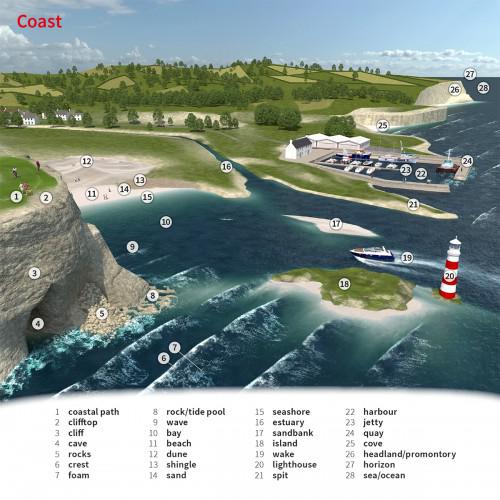
    a raised line of water that moves across the surface of the sea, ocean, etc.

    The children jumped over the waves as they came onto the beach.

    아이들은 해변으로 밀려오는 파도를 뛰어넘었다.

    유의어surgeswellripplegestureflourishbrandish
    반의어stillnesscalmstagnation
  5. 5

    electricity(noun)

    /ɪˌlekˈtrɪsəti/

    전기 (jeon-gi)

    a form of energy from charged elementary particles , usually supplied as electric current through cables, wires, etc. for lighting, heating, driving machines, etc.

    The electricity has been turned off.

    전기가 끊겼습니다.

    The electricity is off (= there is no electric power supply).

    유의어powercurrentvoltagecharge
    반의어powerlessnessnon-conductivitynonelectricity
  6. 6

    wind(noun)

    /wɪnd/

    바람 (baram)

    air that moves quickly as a result of natural forces

    There is a strong wind blowing.

    강한 바람이 불고 있다.

    A gust of wind blew my hat off.

    유의어breezegustdraftair current
    반의어calmstillnesslack of wind
  7. 7

    nuclear(adjective)

    /ˈnuːkliər/

    핵의 (haege)

    using, producing or resulting from nuclear energy

    People are against the nuclear test in this area.

    사람들은 이 지역에서 핵 실험을 반대합니다.

    the nuclear industry

    유의어atomicradiologicalfission
    반의어conventionalnon-nuclear
  8. 8

    coal(noun)

    /kəʊl/

    석탄 (seoktan)

    a hard black mineral that is found below the ground and burnt to produce heat

    Coal can be used for cooking.

    석탄은 요리에 사용할 수 있습니다. (Seoktaneun yorie sayonghal su itsseumnida.)

    유의어carbonfuelblack gold
    반의어renewable energysolar powerwind energy
  9. 9

    solar(adjective)

    /ˈsəʊlər/

    태양의

    of or connected with the sun

    solar radiation

    태양 복사

    유의어sunheliac
    반의어lunarterrestrialearthly
  10. 10

    renewable(adjective)

    /rɪˈnuːəbl/

    재생 가능

    that is replaced naturally or controlled carefully and can therefore be used without the risk of using it all up

    There are some renewable energy sources such as wind and wave power.

    바람과 파력과 같은 몇몇 재생 가능 에너지원이 있습니다.

    유의어sustainableregenerativereplenishablerestorable
    반의어nonrenewablefiniteexhaustibledepletable
  11. 11

    sustainable(adjective)

    /səˈsteɪnəbl/

    지속 가능한

    involving the use of natural products and energy in a way that does not harm the environment

    We need to find more sustainable ways of producing energy for our homes.

    우리는 가정에 쓸 에너지를 생산하는 더 지속 가능한 방법을 찾아야 한다.

    유의어maintainableendurableviablerenewableeco-friendlygreen
    반의어unsustainableexhaustingdepletingtemporaryshort-lived
  12. 12

    biofuel(noun)

    /ˈbaɪəʊfjuːəl/

    바이오 연료

    fuel made from plant or animal sources and used in engines

    biofuels made from sugar cane and sugar beet

    사탕수수와 사탕무로 만든 바이오 연료

    유의어renewable fuelalternative fuelbiomass fuel
    반의어fossil fuelconventional fuel
  13. 13

    resilience(noun)

    /rɪˈzɪliəns/

    회복력

    the ability of people or things to recover quickly after something unpleasant, such as shock, injury, etc.

    He showed great courage and resilience in fighting back from a losing position to win the game.

    그는 불리한 위치에서 싸워 이기기 위해 큰 용기와 회복력을 보여주었습니다.

    유의어toughnessstrengthfortitudeadaptabilityelasticitybouncebackability
    반의어fragilityweaknessinflexibilityvulnerability
  14. 14

    energetic(adjective)

    /ˌenərˈdʒetɪk/

    활기찬 (hwalgichan)

    having or needing a lot of energy and enthusiasm

    Miley is an energetic young girl.

    마일리는 활기찬 어린 소녀입니다.

    유의어activelivelydynamicvigorousspiritedenthusiasticanimatedpeppy
    반의어lethargiclistlesssluggishapatheticinactivedulltired
  15. 15

    conservation(noun)

    /ˌkɑːnsərˈveɪʃn/

    보존 (bojon)

    the protection of the natural environment

    This kind of bird is protected by conservation plans.

    이 종류의 새는 보존 계획에 의해 보호됩니다.

    유의어preservationprotectionsafeguardingmaintenanceupkeep
    반의어destructiondepletionwasteneglectexploitation
  16. 16

    efficiency(noun)

    /ɪˈfɪʃnsi/

    효율

    the quality of doing something well with no waste of time or money

    The reforms will lead to cost efficiency and savings.

    개혁은 비용 효율성과 절감으로 이어질 것입니다.

    유의어productivityeffectivenesscapabilitycompetenceeconomyperformanceskill
    반의어inefficiencywastefulnessincompetenceineffectiveness
  17. 17

    energy-saving(adjective)

    /ˈenədʒi ˈseɪvɪŋ/

    에너지 절약 (eneoji jeolyak)

    designed to use less energy than usual

    We should use energy-saving household appliances.

    우리는 에너지 절약형 가전제품을 사용해야 합니다. (urineun eneoji jeolyakhyeong gajeonjeompum-eul sayonghaeya hamnida.)

    유의어energy-efficientpower-savingfuel-efficient
    반의어energy-wastingpower-hungryinefficient
  18. 18

    tidal(adjective)

    /ˈtaɪdl/

    조수의

    connected with tides (= the regular rise and fall of the sea)

    The two people were watching the strong tidal waves.

    두 사람은 강한 조수를 보고 있었습니다.

    유의어marineseasidecoastaloceanic
    반의어non-tidalinlandterrestrial
  19. 19

    transmission(noun)

    /trænzˈmɪʃn/

    전달, 전파, 전염

    the act or process of passing something from one person, place or thing to another

    Mosquitoes are responsible for the transmission of the disease to humans.

    모기는 질병을 사람에게 전파하는 원인이다.

    유의어transfercommunicationspreadconveyancepropagation
    반의어retentioncontainmentpreventionstoppageholding
  20. 20

    geothermal(adjective)

    /ˌdʒiːəʊˈθɜːrml/

    지열 (jiyeol)

    connected with the natural heat of rock deep in the ground

    They are going to build a geothermal power station in this area.

    그들은 이 지역에 지열 발전소를 건설할 것입니다.

    유의어earth-heatgeothermicvolcanic
    반의어conventionalfossil fuelnon-geothermal
  21. 21

    carbon(noun)

    /ˈkɑːrbən/

    탄소

    a chemical element. Carbon is found in all living things, existing in a pure state as diamond and graphite .

    Carbon is a fundamental element for life on Earth.

    탄소는 지구상의 생명체에 필수적인 원소입니다.

    유의어Ccharcoalsoot
    반의어None (it's an element)
  22. 22

    diversification(noun)

    /daɪˌvɜːrsɪfɪˈkeɪʃn/

    분산투자, 다각화

    spreading money or business activities across different investments or products to reduce risk

    Diversification across shares, bonds and deposits reduces your overall risk.

    주식, 채권, 예금에 분산투자하면 전체 위험이 줄어든다.

    The bank's diversification into insurance increased its fee income.

    유의어variationassortmentmultiplicationexpansion
    반의어homogeneitysimilarityuniformityspecialization
  23. 23

    generator(noun)

    /ˈdʒenəreɪtər/

    발전기

    a machine that changes mechanical energy into electrical energy

    The diesel generator supplies the plant during grid outages.

    디젤 발전기가 정전 시 공장에 전력을 공급한다.

    Run the generator on load for thirty minutes every month.

    유의어power sourcedynamoengine
    반의어consumeruser
  24. 24

    geopolitics(noun)

    /ˌdʒiːəʊˈpɑːlətɪks/

    지정학

    the political relations between countries and groups of countries in the world, as influenced by their geography; the study of these relations

    The study of geopolitics helps us understand international relations.

    지정학 연구는 국제 관계를 이해하는 데 도움이 됩니다.

    유의어international relationspolitical geographyworld politics
    반의어domestic policylocal politics
  25. 25

    insulation(noun)

    /ˌɪnsəˈleɪʃn/

    단열재, 단열, 보온재

    material put in roofs, walls or around pipes to reduce the loss or gain of heat or to block sound

    Rock wool insulation is placed under the metal roof to keep the factory cool.

    공장을 시원하게 유지하기 위해 금속 지붕 아래에 암면 단열재를 설치합니다.

    The insulation around the chilled water pipes was damaged during installation.

    유의어paddingshieldingprotectioncovering
    반의어exposureconduction
  26. 26

    kilowatt(noun)

    /ˈkɪləwɑːt/

    킬로와트

    a unit for measuring electrical power; 1 000 watts

    The electric heater uses 1.5 kilowatts of power.

    전기 히터는 1.5킬로와트의 전력을 사용합니다.

    유의어kWthousand watts
    반의어wattmilliwatt
  27. 27

    megawatt(noun)

    /ˈmeɡəwɑːt/

    메가와트

    a unit for measuring electrical power; one million watts

    The power plant generates 500 megawatts of electricity.

    그 발전소는 500메가와트의 전기를 생산합니다.

    유의어power unitelectricity outputenergy capacity
    반의어milliwattmicrowatt
  28. 28

    thermal(adjective)

    /ˈθɜːrml/

    열의

    connected with heat

    The thermal energy from the sun heats the Earth.

    태양의 열 에너지가 지구를 데웁니다.

    유의어heatcalorichot
    반의어coldcoolfrigid
  29. 29

    turbine(noun)

    /ˈtɜːrbaɪn/

    터빈

    a machine or part of a machine that produces continuous turning power from a fast-moving flow of a liquid or gas, using a set of vanes attached to a wheel or rotor

    The turbine converts the kinetic energy of the wind into electricity.

    터빈은 바람의 운동 에너지를 전기로 변환합니다.

    유의어rotatorenginerotorgenerator
    반의어none
  30. 30

    carbon footprint(noun)

    /ˈkɑːrbən ˈfʊtprɪnt/

    탄소 발자국

    a measure of the amount of carbon dioxide that is produced by the activities of a person or company

    Reducing your carbon footprint can help protect the environment.

    탄소 발자국을 줄이는 것은 환경을 보호하는 데 도움이 될 수 있습니다.

    유의어Environmental impactCarbon emissionsGreenhouse gas emissions
    반의어Carbon neutralitySustainability
  31. 31

    hydropower(noun)

    /ˈhaɪdrəʊpaʊər/

    수력

    electricity produced using the power of water

    The city relies on hydropower for much of its electricity.

    그 도시는 전력의 많은 부분을 수력 발전에 의존합니다.

    유의어water powerhydroelectric powerwater energy
    반의어fossil fuelscoal powernuclear power
  32. 32

    power plant(noun)

    /ˈpaʊər plænt/

    발전소

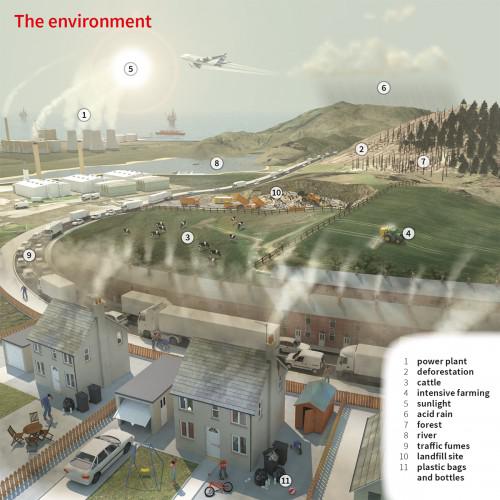
    a building or group of buildings where electricity is produced

    The power plant provides electricity to the city.

    발전소는 도시에 전기를 공급합니다.

    유의어generating stationpower stationenergy plant
    반의어energy consumernone
  33. 33

    supply chain(noun)

    /səˈplaɪ tʃeɪn/

    공급망, 공급사슬

    the whole network of companies and steps involved in making a product and getting it to the final customer

    The port strike caused serious problems across our supply chain.

    항만 파업으로 우리 공급망 전반에 심각한 문제가 발생했다.

    We are trying to shorten the supply chain by buying from local suppliers.

    유의어logistics networkdistribution channelvalue chain
    반의어demand chain
  34. 34

    cybersecurity(noun)

    /ˈsaɪbərˌsikjʊrɪti/

    사이버 보안, 정보보안

    the protection of computer systems, networks and data from attacks and unauthorised access

    The bank spends more on cybersecurity every year.

    그 은행은 해마다 사이버 보안에 더 많은 비용을 지출한다.

    A cybersecurity team monitors the payment systems around the clock.

    유의어Information securityIT securityNetwork security
    반의어VulnerabilityExposureUnprotected
  35. 35

    Energy efficiency(noun)

    /ˈɛnərdʒi ɪˈfɪʃənsi/

    에너지 효율

    The use of less energy to produce the same amount of light, heat, power or work.

    Energy efficiency helps reduce electricity bills.

    에너지 효율은 전기 요금을 줄이는 데 도움이 됩니다.

    유의어Fuel efficiencyPower conservationEnergy conservation
    반의어Energy wasteInefficiency
  36. 36

    Renewable energy(noun)

    /rɪˈnuːəbl ˈɛnərdʒi/

    재생 에너지

    Energy from sources that are naturally replaced, such as the sun, wind and water.

    Renewable energy sources are essential for a sustainable future.

    재생 에너지원은 지속 가능한 미래를 위해 필수적입니다.

    유의어Sustainable energyClean energyGreen energy
    반의어Non-renewable energyFossil fuelsConventional energy
  37. 37

    Carbon emissions(noun)

    /ˈkɑːrbən ɪˈmɪʃənz/

    탄소 배출

    Carbon dioxide and other carbon gases released into the air, especially by burning fuel.

    The government is trying to reduce carbon emissions.

    정부는 탄소 배출량을 줄이려고 노력하고 있습니다.

    유의어greenhouse gas emissionscarbon footprint
    반의어carbon capturecarbon sequestration
  38. 38

    Biomass(noun)

    /ˈbaɪoʊˌmæs/

    생물량

    Plant and animal material that can be used as a source of fuel or energy.

    Biomass can be used as a renewable energy source.

    생물량은 재생 가능 에너지원으로 사용될 수 있습니다.

    유의어organic matterbiofuelplant matter
    반의어fossil fuelinorganic matter
  39. 39

    Emissions(noun)

    /ɪˈmɪʃənz/

    배출

    Gases or other substances sent out into the air, especially by factories or vehicles.

    The factory reduced its emissions significantly.

    공장은 배출량을 크게 줄였습니다.

    유의어DischargeReleaseEffluentWaste
    반의어AbsorptionRetention
  40. 40

    Energy conservation(noun)

    /ˈɛnərdʒi ˌkɒnsərˈveɪʃən/

    에너지 절약

    The practice of using less energy in order to save resources and reduce pollution.

    Energy conservation helps reduce our carbon footprint.

    에너지 절약은 탄소 발자국을 줄이는 데 도움이 됩니다.

    유의어Energy savingPower conservationResource conservation
    반의어Energy wasteEnergy depletion
  41. 41

    Energy consumption(noun)

    /ˈɛnərdʒi kənˈsʌmpʃən/

    에너지 소비

    The amount of energy that is used by a person, machine, building or country.

    The energy consumption of the factory was very high.

    공장의 에너지 소비량은 매우 높았습니다.

    유의어Power usageEnergy useFuel consumption
    반의어Energy productionEnergy conservation
  42. 42

    Energy management(noun)

    /ˈɛnərdʒi ˈmænɪdʒmənt/

    에너지 관리

    The planning and control of how energy is used, so that less is wasted and costs are reduced.

    Energy management is crucial for reducing costs and environmental impact.

    에너지 관리는 비용과 환경 영향을 줄이는 데 매우 중요합니다.

    유의어Power managementResource optimizationEnergy conservation
    반의어Energy wasteInefficient consumption
  43. 43

    Energy policy(noun)

    /ˈɛnərdʒi ˈpɒləsi/

    에너지 정책

    A plan of action by a government about how energy is produced, supplied and used.

    The government is reforming its energy policy to promote renewable sources.

    정부는 재생 가능 자원을 장려하기 위해 에너지 정책을 개혁하고 있습니다.

    유의어power strategyfuel regulationenergy regulation
    반의어energy deregulation
  44. 44

    Energy storage(noun)

    /ˈɛnərdʒi ˈstɔːrɪdʒ/

    에너지 저장

    The process of keeping energy, for example in batteries, so that it can be used later.

    Energy storage is critical for renewable energy sources.

    에너지 저장은 재생 가능 에너지원에 매우 중요합니다.

    유의어Power storageEnergy reservoirElectrical storage
    반의어Energy depletionEnergy consumption
  45. 45

    Fossil fuels(noun)

    /ˈfɒs.əl ˌfjʊəl/

    화석 연료

    Fuels such as coal, oil and gas that were formed over millions of years from the remains of plants and animals.

    The burning of fossil fuels contributes to air pollution.

    화석 연료를 태우는 것은 대기 오염의 원인이 됩니다.

    유의어non-renewable energy sourcesconventional fuels
    반의어renewable energysustainable energy
  46. 46

    Photovoltaic(adjective)

    /ˌfoʊtoʊvɒlˈteɪɪk/

    태양광의

    Using or relating to the production of electricity directly from sunlight.

    Photovoltaic cells convert sunlight into electricity.

    태양광 전지는 햇빛을 전기로 변환합니다.

    유의어solar cellsolar powersolar energy
    반의어conventional energyfossil fuel
  47. 47

    risk assessment(noun)

    /rɪsk əˈsɛsmənt/

    위험성 평가, 리스크 평가

    a careful check of a task or workplace to find hazards, judge how serious they are and decide controls

    A risk assessment is needed before any work at height on the machine.

    기계에서 고소 작업을 하기 전에는 위험성 평가가 필요하다.

    The supervisor updated the risk assessment after the new press was installed.

    유의어Hazard analysisRisk analysisThreat assessment
    반의어NeglectIgnoring risks
  48. 48

    Carbon pricing(noun)

    /ˈkɑːrbən ˈpraɪsɪŋ/

    탄소 가격 책정

    A system of charging companies for the carbon dioxide they release, in order to reduce emissions.

    Carbon pricing encourages companies to reduce emissions.

    탄소 가격 책정은 기업이 배출량을 줄이도록 장려합니다.

    유의어Carbon taxEmissions tradingCap and trade
    반의어Carbon subsidyNo carbon regulation
  49. 49

    Decentralized energy(noun)

    /diːˈsɛntrəˌlaɪzd ˈɛnərdʒi/

    분산 에너지

    Energy produced close to where it is used, by many small sources rather than large central power stations.

    Decentralized energy systems can improve energy access in rural areas.

    분산 에너지 시스템은 농촌 지역의 에너지 접근성을 향상시킬 수 있습니다.

    유의어Distributed energyLocalized energyOn-site power
    반의어Centralized energyGrid-dependent energy
  50. 50

    Distributed energy resources(noun)

    /dɪˈstrɪbjətɪd ˈɛnərdʒi rɪˈsɔrsɪz/

    분산 에너지 자원

    Small units that produce or store electricity near where it is used, such as solar panels and batteries.

    Distributed energy resources can improve grid resilience.

    분산 에너지 자원은 그리드 복원력을 향상시킬 수 있습니다.

    유의어DERDecentralized energy resourcesLocal energy resources
    반의어Centralized energy resources
  51. 51

    Emergency preparedness(noun)

    /ɪˈmɜrdʒənsi prɪˈpɛrdnɪs/

    비상 대비

    The plans and actions taken in advance so that people are ready to deal with emergencies or disasters.

    Emergency preparedness is crucial for public safety.

    비상 대비는 공공 안전에 매우 중요합니다.

    유의어Disaster readinessContingency planningCrisis managementPreparedness
    반의어NegligenceUnpreparednessCarelessness
  52. 52

    Energy affordability(noun)

    /ˈɛnərdʒi əˈfɔrdəˌbɪləti/

    에너지 감당성

    The degree to which people can pay for the energy they need without financial difficulty.

    Energy affordability is crucial for low-income households.

    에너지 감당성은 저소득 가구에게 매우 중요합니다.

    유의어affordable energylow energy costsaccessible energy
    반의어expensive energyunaffordable energyhigh energy costs
  53. 53

    Energy analysis(noun)

    /ˈɛnərdʒi əˈnæləsɪs/

    에너지 분석

    A detailed study of how energy is produced, used or wasted in a system or organization.

    The company conducted an energy analysis to identify areas for improvement.

    회사는 개선할 부분을 식별하기 위해 에너지 분석을 실시했습니다.

    유의어Energy auditEnergy assessmentEnergy study
    반의어None
  54. 54

    Energy audit(noun)

    /ˈɛnərdʒi ˈɔdɪt/

    에너지 감사

    An official inspection of a building or company to measure how much energy it uses and how to save it.

    The company conducted an energy audit to identify areas for improvement in energy efficiency.

    회사는 에너지 효율성을 개선할 영역을 식별하기 위해 에너지 감사를 실시했습니다.

    유의어Energy assessmentEnergy surveyEnergy review
    반의어Energy wasteInefficient energy use
  55. 55

    Energy awareness(noun)

    /ˈɛnərdʒi əˈwɛrˌnəs/

    에너지 인식

    knowledge and understanding of how energy is used and why it is important to save it

    Energy awareness can help reduce consumption.

    에너지 인식은 소비를 줄이는 데 도움이 될 수 있습니다.

    유의어Energy consciousnessEnergy sensitivityAwareness of energy use
    반의어Energy ignoranceEnergy unawareness
  56. 56

    Energy balance(noun)

    /ˈɛnərdʒi ˈbæləns/

    에너지 균형

    the relationship between the energy a body takes in from food and the energy it uses

    Maintaining energy balance is crucial for a healthy weight.

    에너지 균형을 유지하는 것은 건강한 체중을 유지하는 데 중요합니다.

    유의어Calorie balanceEnergy equilibrium
    반의어Energy imbalance
  57. 57

    Energy conservation measures(noun)

    /ˈɛnərdʒi ˌkɑːnsərˈveɪʃən ˈmɛʒərz/

    에너지 절약 조치

    actions taken to reduce the amount of energy that is used or wasted

    The company implemented energy conservation measures to reduce its carbon footprint.

    회사는 탄소 발자국을 줄이기 위해 에너지 절약 조치를 시행했습니다.

    유의어Energy saving strategiesEnergy efficiency improvementsConservation practices
    반의어Energy wasteEnergy consumption
  58. 58

    Energy conversion(noun)

    /ˈɛnərdʒi kənˈvɜːrʒən/

    에너지 변환

    the process of changing energy from one form into another

    Wind turbines facilitate energy conversion from wind to electricity.

    풍력 터빈은 바람에서 전기로의 에너지 변환을 용이하게 합니다.

    유의어Power transformationEnergy transformation
    반의어Energy dissipationEnergy loss
  59. 59

    Energy crisis(noun)

    /ˈɛnərdʒi ˈkraɪsɪs/

    에너지 위기

    a situation in which there is not enough energy, such as oil or electricity, causing serious problems

    The energy crisis led to higher electricity bills.

    에너지 위기로 인해 전기 요금이 인상되었습니다.

    유의어fuel shortagepower crisisenergy shortage
    반의어energy abundanceenergy surplus
  60. 60

    Energy demand(noun)

    /ˈɛnərdʒi dɪˈmænd/

    에너지 수요

    the amount of energy that people, businesses or a country need or use

    The energy demand increases during the summer months.

    여름철에는 에너지 수요가 증가합니다.

    유의어Power needsEnergy consumptionFuel requirements
    반의어Energy surplusEnergy abundanceEnergy oversupply
  61. 61

    Energy demand management(noun)

    /ˈɛnərdʒi dɪˈmænd ˈmænɪʤmənt/

    에너지 수요 관리

    the use of methods and policies to control how much energy consumers use and when they use it

    Energy demand management can help reduce peak load on the grid.

    에너지 수요 관리는 전력망의 최대 부하를 줄이는 데 도움이 될 수 있습니다.

    유의어Demand-side managementLoad management
    반의어Energy generationEnergy supply
  62. 62

    Energy development(noun)

    /ˈɛnərdʒi dɪˈvɛləpmənt/

    에너지 개발

    the work of finding, producing and supplying new sources of energy

    Energy development is crucial for economic growth.

    에너지 개발은 경제 성장에 매우 중요합니다.

    유의어power generationresource exploitationenergy production
    반의어energy conservationenergy reduction
  63. 63

    Energy diplomacy(noun)

    /ˈɛnərdʒi dɪˈploʊməsi/

    에너지 외교

    the use of international relations and negotiations to secure a country's energy supplies

    Energy diplomacy plays a crucial role in securing a nation's resources.

    에너지 외교는 국가의 자원 확보에 중요한 역할을 합니다.

    유의어Resource diplomacyEnergy securityGeopolitics of energy
    반의어Energy isolationResource conflict
  64. 64

    Energy diversification(noun)

    /ˈɛnərdʒi daɪˌvɜrsɪfɪˈkeɪʃən/

    에너지 다변화

    the process of using a wider range of different energy sources instead of depending on only one or a few

    Energy diversification is crucial for energy security.

    에너지 다변화는 에너지 안보에 매우 중요합니다.

    유의어Energy mixDiversifying energy sources
    반의어Energy concentrationEnergy homogeneity
  65. 65

    Energy economics(noun)

    /ˈɛnərdʒi ˌikəˈnɑmɪks/

    에너지 경제학

    the study of how energy is produced, supplied, priced and used in an economy

    Energy economics studies how energy is produced and consumed.

    에너지 경제학은 에너지가 어떻게 생산되고 소비되는지를 연구합니다.

    유의어resource economicsenvironmental economics
    반의어None
  66. 66

    Energy efficiency rating(noun)

    /ˈɛnərdʒi ɪˈfɪʃənsi ˈreɪtɪŋ/

    에너지 효율 등급

    an official grade showing how much energy a product, such as an appliance or building, uses

    The energy efficiency rating of this appliance is excellent.

    이 가전제품의 에너지 효율 등급은 훌륭합니다.

    유의어Energy conservation ratingEfficiency scoreEnergy star rating
    반의어Energy consumption ratingEfficiency penalty
  67. 67

    Energy governance(noun)

    /ˈɛnərdʒi ˈɡʌvərnəns/

    에너지 거버넌스

    the system of rules, policies and institutions that control how energy is produced and used

    Effective energy governance is crucial for sustainable development.

    효과적인 에너지 거버넌스는 지속 가능한 발전에 매우 중요합니다.

    유의어Energy managementEnergy policyPower regulation
    반의어Energy anarchyLaissez-faire energy
  68. 68

    Energy harvesting(noun)

    /ˈɛnərdʒi ˈhɑrvɪstɪŋ/

    에너지 하베스팅

    the process of capturing small amounts of energy from sources such as light, heat or movement and storing it for use

    Energy harvesting can power small electronic devices.

    에너지 하베스팅은 소형 전자 장치에 전원을 공급할 수 있습니다.

    유의어Energy scavengingPower harvestingAmbient energy collection
    반의어Energy consumptionEnergy depletionEnergy waste
  69. 69

    Energy independence

    /ˈɛnərdʒi ˌɪndɪˈpɛndəns/

    에너지 자립

    Energy independence is a critical goal for many nations.

    에너지 자립은 많은 국가들에게 중요한 목표입니다.

    유의어Energy self-sufficiencyEnergy security
    반의어Energy dependenceEnergy reliance
  70. 70

    Energy industry(noun)

    /ˈɛnərdʒi ˈɪndəstri/

    에너지 산업

    all the companies involved in producing, processing and selling energy such as oil, gas and electricity

    The energy industry faces many challenges in the 21st century.

    에너지 산업은 21세기에 많은 도전에 직면해 있습니다.

    유의어Power sectorFuel industryEnergy market
    반의어None
  71. 71

    Energy infrastructure(noun)

    /ˈɛnərdʒi ˈɪnfrəˌstrʌkʧər/

    에너지 기반 시설

    the basic systems and structures, such as power plants, pipes and power lines, needed to produce and supply energy

    The government is investing in energy infrastructure.

    정부는 에너지 기반 시설에 투자하고 있습니다.

    유의어Power gridEnergy systemsPower infrastructure
    반의어Energy consumptionEnergy waste
  72. 72

    Energy infrastructure investment(noun)

    /ˈɛnərdʒi ˈɪnfrəˌstrʌkʧər ɪnˈvɛstmənt/

    에너지 인프라 투자

    money spent on building or improving the systems and structures that produce and supply energy

    The government is promoting energy infrastructure investment to ensure stable power supply.

    정부는 안정적인 전력 공급을 보장하기 위해 에너지 인프라 투자를 장려하고 있습니다.

    유의어Energy development fundingPower infrastructure investmentEnergy sector financing
    반의어Energy infrastructure divestmentEnergy infrastructure disinvestment
  73. 73

    Energy innovation(noun)

    /ˈɛnərdʒi ˌɪnəˈveɪʃən/

    에너지 혁신

    new ideas, methods or technology for producing, storing or using energy

    Energy innovation is crucial for a sustainable future.

    에너지 혁신은 지속 가능한 미래를 위해 매우 중요합니다.

    유의어Renewable energy developmentSustainable energy solutionsClean energy advancement
    반의어Fossil fuel dependenceConventional energy stagnation
  74. 74

    Energy intelligence(noun)

    /ˈɛnərdʒi ɪnˈtɛləʤəns/

    에너지 인텔리전스, 에너지 데이터 분석

    information and data analysis about energy use, markets or supply, used to make better decisions

    The company uses energy intelligence to optimize its consumption.

    그 회사는 에너지 소비를 최적화하기 위해 에너지 인텔리전스를 활용한다.

    유의어Energy efficiencySmart energyEnergy management
    반의어Energy wasteInefficient energy use
  75. 75

    Energy interconnections(noun)

    /ˈɛnərdʒi ˌɪntərkəˈnɛkʃənz/

    에너지 상호 연결

    connections between the power networks of different areas or countries that allow energy to be shared

    Energy interconnections can stabilize power grids.

    에너지 상호 연결은 전력망을 안정화할 수 있습니다.

    유의어Grid connectionsPower linksNetwork connections
    반의어Energy isolationAutonomy
  76. 76

    Energy investment(noun)

    /ˈɛnərdʒi ɪnˈvɛstmənt/

    에너지 투자

    Money that is put into projects, companies or equipment that produce or supply energy.

    The government is encouraging energy investment to secure future supplies.

    정부는 미래 공급을 확보하기 위해 에너지 투자를 장려하고 있습니다.

    유의어Power investmentFuel investmentEnergy sector funding
    반의어Energy divestmentEnergy disinvestment
  77. 77

    Energy management system(noun)

    /ˈɛnərdʒi ˈmænɪʤmənt ˈsɪstəm/

    에너지 관리 시스템

    A computer-based system that monitors and controls the use of energy in a building or factory.

    The building uses an energy management system to reduce costs.

    건물은 비용을 절감하기 위해 에너지 관리 시스템을 사용합니다.

    유의어EMSPower management systemEnergy control system
    반의어Energy wasting systemInefficient system
  78. 78

    Energy market(noun)

    /ˈɛnərdʒi ˈmɑrkɪt/

    에너지 시장

    The system of trade in which electricity, gas, oil and other forms of energy are bought and sold.

    The energy market is volatile due to geopolitical tensions.

    에너지 시장은 지정학적 긴장으로 인해 불안정합니다.

    유의어Power marketFuel marketElectricity market
    반의어Energy independenceEnergy self-sufficiency
  79. 79

    Energy market deregulation(noun)

    /ˈɛnərdʒi ˈmɑrkɪt ˌdiːˌrɛɡjʊˈleɪʃən/

    에너지 시장 규제 완화

    The process of removing government rules and controls from the buying and selling of energy.

    Energy market deregulation can lead to lower prices for consumers.

    에너지 시장 규제 완화는 소비자에게 더 낮은 가격으로 이어질 수 있습니다.

    유의어energy market liberalizationenergy market reform
    반의어energy market regulationenergy market control
  80. 80

    Energy mix(noun)

    /ˈɛnərdʒi mɪks/

    에너지 믹스

    The combination of different energy sources, such as coal, gas and solar, that a country or region uses.

    The government is looking at diversifying the country's energy mix.

    정부는 국가 에너지 믹스의 다각화를 모색하고 있습니다.

    유의어Energy portfolioPower mix
    반의어Energy monoculture
  81. 81

    Energy modeling(noun)

    /ˈɛnərdʒi ˈmɑdəlɪŋ/

    에너지 모델링

    The use of computer models to predict how much energy a building or system will use.

    Energy modeling helps architects design more efficient buildings.

    에너지 모델링은 건축가가 더 효율적인 건물을 설계하는 데 도움이 됩니다.

    유의어Building performance analysisEnergy simulationBuilding energy modeling
    반의어None
  82. 82

    Energy monitoring(noun)

    /ˈɛnərdʒi ˈmɑnɪtərɪŋ/

    에너지 모니터링

    The process of regularly measuring and recording how much energy is used.

    Energy monitoring helps reduce electricity costs.

    에너지 모니터링은 전기 비용을 줄이는 데 도움이 됩니다.

    유의어Power monitoringEnergy trackingConsumption analysis
    반의어Energy wasteIgnoring consumption
  83. 83

    Energy planning

    /ˈɛnərdʒi ˈplænɪŋ/

    에너지 계획

    Energy planning is crucial for sustainable development.

    에너지 계획은 지속 가능한 발전에 매우 중요합니다.

    유의어Power planningResource planningEnergy management
    반의어Energy wasteLack of planning
  84. 84

    Energy poverty(noun)

    /ˈɛnərdʒi ˈpɑvərti/

    에너지 빈곤

    A situation in which people cannot afford or do not have access to enough energy for heating, lighting and cooking.

    Energy poverty affects millions of households worldwide.

    에너지 빈곤은 전 세계 수백만 가구에 영향을 미칩니다.

    유의어Fuel povertyEnergy deprivation
    반의어Energy abundanceEnergy security
  85. 85

    Energy prices(noun)

    /ˈɛnərdʒi ˈpraɪsɪz/

    에너지 가격

    The amounts of money that people and businesses pay for electricity, gas, fuel and other energy.

    Rising energy prices are impacting household budgets.

    에너지 가격 상승은 가계 예산에 영향을 미치고 있습니다.

    유의어Fuel costsPower ratesEnergy costs
    반의어Discounted energyCheap power
  86. 86

    Energy recovery(noun)

    /ˈɛnərdʒi rɪˈkʌvəri/

    에너지 회수

    The process of collecting and reusing energy, such as heat, that would otherwise be wasted.

    Energy recovery can reduce reliance on fossil fuels.

    에너지 회수는 화석 연료 의존도를 줄일 수 있습니다.

    유의어Waste heat recoveryEnergy reclamationHeat recovery
    반의어Energy wasteEnergy dissipation
  87. 87

    Energy regulations(noun)

    /ˈɛnərdʒirɛɡjʊˈleɪʃənz/

    에너지 규정

    Official rules that control how energy is produced, supplied and used.

    The government implemented new energy regulations to reduce pollution.

    정부는 오염을 줄이기 위해 새로운 에너지 규정을 시행했습니다.

    유의어Energy policiesEnergy lawsEnergy standards
    반의어Energy deregulationLaissez-faire energy
  88. 88

    Energy research(noun)

    /ˈɛnərdʒi ˈriːsɜːrtʃ/

    에너지 연구

    Scientific study aimed at finding new or better ways to produce, store and use energy.

    The government is investing heavily in energy research to find sustainable solutions.

    정부는 지속 가능한 해결책을 찾기 위해 에너지 연구에 막대한 투자를 하고 있습니다.

    유의어power researchfuel researchenergy studiesrenewable energy research
    반의어energy consumptionenergy waste
  89. 89

    Energy resources(noun)

    /ˈɛnərdʒi rɪˈsɔːrsɪz/

    에너지 자원

    Natural supplies such as oil, gas, coal, wind or sunlight that can be used to produce energy.

    The country is rich in energy resources such as oil and natural gas.

    그 나라는 석유와 천연 가스 같은 에너지 자원이 풍부합니다.

    유의어Power sourcesFuel reservesEnergy supply
    반의어Energy depletionResource scarcity
  90. 90

    Energy sector(noun)

    /ˈɛnərdʒi ˈsɛktər/

    에너지 부문

    The part of the economy made up of businesses that produce and supply energy.

    The energy sector is crucial for economic growth.

    에너지 부문은 경제 성장에 매우 중요합니다.

    유의어Power industryFuel industry
    반의어Non-energy sectors
  91. 91

    Energy security(noun)

    /ˈɛnərdʒi sɪˈkjʊrəti/

    에너지 안보

    The situation of a country having a reliable supply of energy at a price it can afford.

    Energy security is crucial for a nation's economic stability.

    에너지 안보는 국가 경제 안정에 매우 중요합니다.

    유의어energy independenceresource securitypower security
    반의어energy dependenceenergy vulnerability
  92. 92

    Energy services(noun)

    /ˈɛnərdʒi ˈsɜːrvɪsɪz/

    에너지 서비스

    Work done by companies to supply energy to customers or help them use it more efficiently.

    The company provides energy services to residential customers.

    그 회사는 주거 고객에게 에너지 서비스를 제공합니다.

    유의어Power servicesUtility services
    반의어Energy wasteEnergy consumption
  93. 93

    Energy source(noun)

    /ˈɛnərdʒi sɔːrs/

    에너지원

    Something, such as the sun, wind, coal or oil, from which energy can be obtained.

    The sun is a primary energy source for the Earth.

    태양은 지구의 주요 에너지원입니다.

    유의어Power sourceFuelEnergy resource
    반의어Energy drainEnergy sink
  94. 94

    Energy storage technologies(noun)

    /ˈɛnərdʒi ˈstɔːrɪʤ ˌtɛkˈnɑləʤiz/

    에너지 저장 기술

    Methods and equipment, such as batteries, used to store energy so that it can be used later.

    Energy storage technologies are crucial for the widespread adoption of renewable energy.

    에너지 저장 기술은 재생 에너지의 광범위한 채택에 매우 중요합니다.

    유의어Energy reservoirsPower storage solutions
    반의어Energy consumptionEnergy depletion
  95. 95

    Energy subsidy(noun)

    /ˈɛnərdʒi ˈsʌbsɪdi/

    에너지 보조금

    Money paid by a government to reduce the cost of energy for consumers or producers.

    The government implemented an energy subsidy to help low-income families.

    정부는 저소득층을 돕기 위해 에너지 보조금을 시행했습니다.

    유의어Energy assistanceFuel supportPower grant
    반의어Energy taxDeregulationMarket pricing
  96. 96

    Energy supply(noun)

    /ˈɛnərdʒi səˈplaɪ/

    에너지 공급

    The amount of energy available for people to use, or the system that provides it.

    The energy supply is crucial for modern society.

    에너지 공급은 현대 사회에 매우 중요합니다.

    유의어Power supplyEnergy provisionFuel supply
    반의어Energy depletionEnergy scarcityEnergy shortage
  97. 97

    Energy technology(noun)

    /ˈɛnərdʒi tɛkˈnɑləʤi/

    에너지 기술

    Technology used to produce, store, transmit or save energy.

    The company invests heavily in energy technology.

    그 회사는 에너지 기술에 많은 투자를 합니다.

    유의어Power technologyClean energy technologySustainable energy technology
    반의어Depleted resourcesEnergy waste
  98. 98

    Energy trade(noun)

    /ˈɛnərdʒi treɪd/

    에너지 무역

    The buying and selling of energy products such as oil, gas and electricity between countries or companies.

    The energy trade between the two countries increased significantly this year.

    두 나라 간의 에너지 무역은 올해 크게 증가했습니다.

    유의어power exchangefuel traderesource commerce
    반의어energy self-sufficiencyenergy independence
  99. 99

    Energy transformation(noun)

    /ˈɛnərdʒi ˌtrænsfərˈmeɪʃən/

    에너지 변환

    The process in which energy changes from one form into another, for example from heat into electricity.

    Energy transformation occurs when energy changes from one form to another.

    에너지 변환은 에너지가 한 형태에서 다른 형태로 바뀔 때 발생합니다.

    유의어Energy conversionEnergy transitionPower transformation
    반의어Energy conservationEnergy stasis
  100. 100

    Energy transition(noun)

    /ˈɛnərdʒi trænˈzɪʃən/

    에너지 전환

    The change from using fossil fuels to using mainly renewable, low-carbon sources of energy.

    The energy transition is crucial for reducing carbon emissions.

    에너지 전환은 탄소 배출량을 줄이는 데 매우 중요합니다.

    유의어Energy shiftEnergy transformationDecarbonization
    반의어Fossil fuel dependence
  101. 101

    Grid integration(noun)

    /ɡrɪd ˌɪntɪˈɡreɪʃən/

    전력망 통합

    The process of connecting new sources of electricity, especially renewable ones, to the power grid.

    Grid integration is crucial for renewable energy sources.

    전력망 통합은 재생 가능 에너지원에 매우 중요합니다.

    유의어Grid connectionNetwork integrationPower grid integration
    반의어Grid isolationIslanding
  102. 102

    Grid reliability(noun)

    /ɡrɪd rɪˈlaɪəˌbɪləti/

    전력망 신뢰성

    The ability of an electricity network to supply power continuously without failures or blackouts.

    Grid reliability is crucial for preventing blackouts.

    전력망 신뢰성은 정전을 방지하는 데 매우 중요합니다.

    유의어system stabilitypower supply dependabilitynetwork resilience
    반의어grid instabilityunreliabilityvulnerability
  103. 103

    Infrastructure protection(noun)

    /ˈɪnfrəˌstrʌkʧər prəˈtɛkʃən/

    인프라 보호

    Measures taken to keep important systems such as power plants, networks and roads safe from damage or attack.

    The government is investing heavily in infrastructure protection.

    정부는 인프라 보호에 막대한 투자를 하고 있습니다.

    유의어Infrastructure securityAsset protectionCritical infrastructure protection
    반의어Infrastructure neglectAsset vulnerability
  104. 104

    Net-zero emissions(noun)

    /nɛt ˈziəroʊ ɪˈmɪʃənz/

    탄소 중립 배출

    A situation in which the amount of greenhouse gases released is balanced by the amount removed from the atmosphere.

    The company pledged to achieve net-zero emissions by 2050.

    그 회사는 2050년까지 탄소 중립 배출을 달성하겠다고 약속했습니다.

    유의어Carbon neutralZero carbonClimate neutral
    반의어High emissionsCarbon intensive
  105. 105

    Renewable energy credits(noun)

    /rɪˈnjuːərəbəl ˈɛnərdʒi ˈkrɛdɪts/

    재생 에너지 크레딧

    Certificates showing that a certain amount of electricity was produced from renewable sources, which can be bought and sold.

    The company purchased renewable energy credits to offset their carbon footprint.

    그 회사는 탄소 발자국을 상쇄하기 위해 재생 에너지 크레딧을 구매했습니다.

    유의어RECsGreen energy certificates
    반의어Fossil fuel subsidiesCarbon offsets
  106. 106

    Smart grid(noun)

    /smɑːrt ɡrɪd/

    스마트 그리드

    An electricity network that uses digital technology to monitor and manage the supply and use of power efficiently.

    The smart grid allows for more efficient energy distribution.

    스마트 그리드는 에너지 분배를 더욱 효율적으로 만들어 줍니다.

    유의어intelligent gridadvanced gridsmart power grid
    반의어conventional gridtraditional grid
  107. 107

    Strategic reserves(noun)

    /strəˈtiʤɪk rɪˈzɜrvz/

    전략 비축량

    Supplies of important resources, especially oil, that a government stores for use in an emergency.

    The government decided to tap into the strategic reserves to stabilize prices.

    정부는 가격을 안정시키기 위해 전략 비축량을 활용하기로 결정했습니다.

    유의어Emergency stocksContingency reservesNational stockpile
    반의어Surplus stocksExcess supply
  108. 108

    alternative(adjective)

    /ɔːlˈtɜːrnətɪv/

    대안의, 대체의, 색다른

    that can be used instead of something else; different from the usual or traditional way

    To lower the cost of health insurance, my employer chose an alternative method of insuring us

    건강보험 비용을 낮추기 위해 고용주는 우리를 보장하는 대체 방식을 선택했다.

  109. 109

    power(noun)

    /ˈpaʊər/

    전력, 전기

    energy that can be collected and used to operate machines, especially electricity

    They sometimes cut the power in the summer.

    여름에는 가끔 전기를 끊는다.

  110. 110

    energy(noun)

    /ˈenərdʒi/

    에너지, 동력원

    a source of power, such as fuel, used for driving machines, providing heat, etc.

    Solar energy is a clean and renewable source of power for many homes.

    태양 에너지는 많은 가정에 깨끗하고 재생 가능한 동력원이다.

  111. 111

    gas(noun)

    /ɡæs/

    가스, 연료용 가스

    a gas or mixture of gases used as a fuel for heating and cooking

    Many homes use gas for cooking and heating in winter.

    많은 가정에서 겨울에 요리와 난방에 가스를 사용한다.

  112. 112

    distribution(noun)

    /ˌdɪstrɪˈbjuːʃn/

    유통, 배급

    the act or system of supplying or delivering goods, services or products to people or places

    The company is responsible for the distribution of its films to cinemas nationwide.

    그 회사는 영화를 전국 극장에 배급하는 일을 맡고 있다.

  113. 113

    grid(noun)

    /ɡrɪd/

    전력망, 배전망

    a network of cables or pipes for carrying electricity, gas or water across a region or country

    Solar farms can feed extra electricity into the national grid.

    태양광 발전 단지는 남는 전기를 국가 전력망에 공급할 수 있다.