Bài 24/33 · 113 từ · đã thuộc 0
Energy
Năng lượng
chất đốt, nhiên liệu
any material that produces heat or power, usually when it is burnt
Fuel supplies are nearly exhausted.
Nguồn cung cấp nhiên liệu gần như cạn kiệt.
a car with high fuel consumption
Một chiếc xe có tiêu thụ nhiên liệu cao
Đồng nghĩapetrolgasenergy sourcepropellantTrái nghĩainertiadrainexhaustionpin, ắc quy
a device that is placed inside a car engine, clock, radio, etc. and that produces the electricity that makes it work
Please charge the battery; it is very low now.
Hãy sạc pin; nó rất thấp hiện nay.
to replace the batteries
Đồng nghĩacellaccumulatorpower sourceenergy sourceTrái nghĩadischargedraindepletionsóng, làn sóng
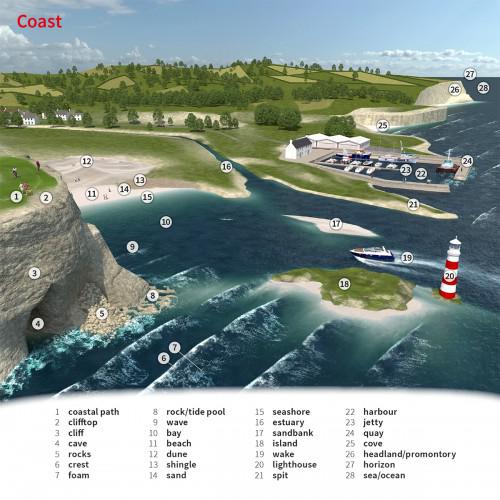
a raised line of water that moves across the surface of the sea, ocean, etc.
The children jumped over the waves as they came onto the beach.
Bọn trẻ nhảy qua những con sóng khi chúng tràn vào bãi biển.
Đồng nghĩasurgeswellripplegestureflourishbrandishTrái nghĩastillnesscalmstagnationđiện
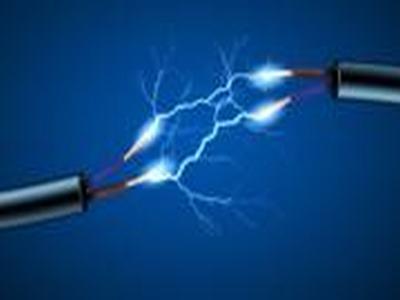
a form of energy from charged elementary particles , usually supplied as electric current through cables, wires, etc. for lighting, heating, driving machines, etc.
The electricity has been turned off.
Điện bị tắt mất rồi.
The electricity is off (= there is no electric power supply).
Điện bị tắt (= không có nguồn điện điện).
Đồng nghĩapowercurrentvoltagechargeTrái nghĩapowerlessnessnon-conductivitynonelectricitythuộc hạt nhân
using, producing or resulting from nuclear energy
People are against the nuclear test in this area.
Mọi người đang chống lại việc thử hạt nhân trong khu vực này.
the nuclear industry
Ngành công nghiệp hạt nhân
Đồng nghĩaatomicradiologicalfissionTrái nghĩaconventionalnon-nuclearcó thể tái tạo
that is replaced naturally or controlled carefully and can therefore be used without the risk of using it all up
There are some renewable energy sources such as wind and wave power.
Có một số nguồn năng lượng có thể tái tạo được như năng lượng gió và sóng.
Đồng nghĩasustainableregenerativereplenishablerestorableTrái nghĩanonrenewablefiniteexhaustibledepletablebền vững, có thể kéo dài lâu được
involving the use of natural products and energy in a way that does not harm the environment
We need to find more sustainable ways of producing energy for our homes.
Chúng ta cần tìm những cách bền vững hơn để sản xuất năng lượng cho gia đình.
Đồng nghĩamaintainableendurableviablerenewableeco-friendlygreenTrái nghĩaunsustainableexhaustingdepletingtemporaryshort-livedsự kiên cường, bền bỉ
the ability of people or things to recover quickly after something unpleasant, such as shock, injury, etc.
He showed great courage and resilience in fighting back from a losing position to win the game.
Ông đã cho thấy sự can đảm tuyệt vời và sự kiên cường trong cuộc phản chiến từ một vị trí thua đến giành chiến thắng trận đấu.
Đồng nghĩatoughnessstrengthfortitudeadaptabilityelasticitybouncebackabilityTrái nghĩafragilityweaknessinflexibilityvulnerabilityhiếu động, nhiều năng lượng
having or needing a lot of energy and enthusiasm
Miley is an energetic young girl.
Miley là một cô gái trẻ tràn đầy năng lượng.
Đồng nghĩaactivelivelydynamicvigorousspiritedenthusiasticanimatedpeppyTrái nghĩalethargiclistlesssluggishapatheticinactivedulltiredsự bảo tồn, sự duy trì
the protection of the natural environment
This kind of bird is protected by conservation plans.
Đây là loài chim được bảo vệ bởi các kế hoạch bảo tồn.
Đồng nghĩapreservationprotectionsafeguardingmaintenanceupkeepTrái nghĩadestructiondepletionwasteneglectexploitationhiệu suất cao, năng suất cao, sự hiệu quả
the quality of doing something well with no waste of time or money
The reforms will lead to cost efficiency and savings.
Các cuộc cải cách sẽ dẫn đến chi phí hiệu quả và tiết kiệm.
Đồng nghĩaproductivityeffectivenesscapabilitycompetenceeconomyperformanceskillTrái nghĩainefficiencywastefulnessincompetenceineffectivenesstiết kiệm được năng lượng
designed to use less energy than usual
We should use energy-saving household appliances.
Chúng ta nên sử dụng thiết bị gia dụng tiết kiệm năng lượng.
Đồng nghĩaenergy-efficientpower-savingfuel-efficientTrái nghĩaenergy-wastingpower-hungryinefficientsự truyền đi
the act or process of passing something from one person, place or thing to another
Mosquitoes are responsible for the transmission of the disease to humans.
Muỗi là tác nhân truyền bệnh sang người.
Đồng nghĩatransfercommunicationspreadconveyancepropagationTrái nghĩaretentioncontainmentpreventionstoppageholdingthuộc địa nhiệt
connected with the natural heat of rock deep in the ground
They are going to build a geothermal power station in this area.
Họ sắp xây một trạm địa nhiệt trong vùng.
Đồng nghĩaearth-heatgeothermicvolcanicTrái nghĩaconventionalfossil fuelnon-geothermalcacbon
a chemical element. Carbon is found in all living things, existing in a pure state as diamond and graphite .
Carbon is a fundamental element for life on Earth.
Cacbon là một nguyên tố cơ bản cho sự sống trên Trái đất.
Đồng nghĩaCcharcoalsootTrái nghĩaNone (it's an element)đa dạng hóa
spreading money or business activities across different investments or products to reduce risk
Diversification across shares, bonds and deposits reduces your overall risk.
Đa dạng hóa giữa cổ phiếu, trái phiếu và tiền gửi giúp giảm rủi ro tổng thể.
The bank's diversification into insurance increased its fee income.
Việc ngân hàng đa dạng hóa sang mảng bảo hiểm đã làm tăng thu nhập từ phí.
Đồng nghĩavariationassortmentmultiplicationexpansionTrái nghĩahomogeneitysimilarityuniformityspecializationmáy phát điện
a machine that changes mechanical energy into electrical energy
The diesel generator supplies the plant during grid outages.
Máy phát điện diesel cấp điện cho nhà máy khi lưới mất điện.
Run the generator on load for thirty minutes every month.
Chạy máy phát điện có tải ba mươi phút mỗi tháng.
Đồng nghĩapower sourcedynamoengineTrái nghĩaconsumeruserkhoa địa chính trị
the political relations between countries and groups of countries in the world, as influenced by their geography; the study of these relations
The study of geopolitics helps us understand international relations.
Nghiên cứu về địa chính trị giúp chúng ta hiểu rõ hơn về quan hệ quốc tế.
Đồng nghĩainternational relationspolitical geographyworld politicsTrái nghĩadomestic policylocal politicsvật liệu cách nhiệt, lớp cách nhiệt
material put in roofs, walls or around pipes to reduce the loss or gain of heat or to block sound
Rock wool insulation is placed under the metal roof to keep the factory cool.
Bông khoáng cách nhiệt được đặt dưới mái tôn để giữ nhà xưởng mát.
The insulation around the chilled water pipes was damaged during installation.
Lớp cách nhiệt quanh ống nước lạnh đã bị hỏng trong lúc lắp đặt.
Đồng nghĩapaddingshieldingprotectioncoveringTrái nghĩaexposureconductionTuabin
a machine or part of a machine that produces continuous turning power from a fast-moving flow of a liquid or gas, using a set of vanes attached to a wheel or rotor
The turbine converts the kinetic energy of the wind into electricity.
Tua bin chuyển đổi động năng của gió thành điện.
Đồng nghĩarotatorenginerotorgeneratorTrái nghĩanoneDấu chân carbon
a measure of the amount of carbon dioxide that is produced by the activities of a person or company
Reducing your carbon footprint can help protect the environment.
Giảm dấu chân carbon của bạn có thể giúp bảo vệ môi trường.
Đồng nghĩaEnvironmental impactCarbon emissionsGreenhouse gas emissionsTrái nghĩaCarbon neutralitySustainabilitychuỗi cung ứng
the whole network of companies and steps involved in making a product and getting it to the final customer
The port strike caused serious problems across our supply chain.
Cuộc đình công ở cảng gây ra nhiều vấn đề nghiêm trọng cho toàn bộ chuỗi cung ứng của chúng tôi.
We are trying to shorten the supply chain by buying from local suppliers.
Chúng tôi đang cố rút ngắn chuỗi cung ứng bằng cách mua hàng từ nhà cung cấp trong nước.
Đồng nghĩalogistics networkdistribution channelvalue chainTrái nghĩademand chainan ninh mạng, an toàn thông tin
the protection of computer systems, networks and data from attacks and unauthorised access
The bank spends more on cybersecurity every year.
Ngân hàng chi tiêu cho an ninh mạng nhiều hơn mỗi năm.
A cybersecurity team monitors the payment systems around the clock.
Một đội an ninh mạng giám sát hệ thống thanh toán suốt ngày đêm.
Đồng nghĩaInformation securityIT securityNetwork securityTrái nghĩaVulnerabilityExposureUnprotectedHiệu suất năng lượng
The use of less energy to produce the same amount of light, heat, power or work.
Energy efficiency helps reduce electricity bills.
Hiệu quả năng lượng giúp giảm hóa đơn tiền điện.
Đồng nghĩaFuel efficiencyPower conservationEnergy conservationTrái nghĩaEnergy wasteInefficiencyNăng lượng tái tạo
Energy from sources that are naturally replaced, such as the sun, wind and water.
Renewable energy sources are essential for a sustainable future.
Các nguồn năng lượng tái tạo rất cần thiết cho một tương lai bền vững.
Đồng nghĩaSustainable energyClean energyGreen energyTrái nghĩaNon-renewable energyFossil fuelsConventional energyKhí thải carbon
Carbon dioxide and other carbon gases released into the air, especially by burning fuel.
The government is trying to reduce carbon emissions.
Chính phủ đang cố gắng giảm lượng khí thải carbon.
Đồng nghĩagreenhouse gas emissionscarbon footprintTrái nghĩacarbon capturecarbon sequestrationsinh khối
Plant and animal material that can be used as a source of fuel or energy.
Biomass can be used as a renewable energy source.
Sinh khối có thể được sử dụng như một nguồn năng lượng tái tạo.
Đồng nghĩaorganic matterbiofuelplant matterTrái nghĩafossil fuelinorganic mattertiết kiệm năng lượng
The practice of using less energy in order to save resources and reduce pollution.
Energy conservation helps reduce our carbon footprint.
Bảo tồn năng lượng giúp giảm lượng khí thải carbon của chúng ta.
Đồng nghĩaEnergy savingPower conservationResource conservationTrái nghĩaEnergy wasteEnergy depletionTiêu thụ năng lượng
The amount of energy that is used by a person, machine, building or country.
The energy consumption of the factory was very high.
Mức tiêu thụ năng lượng của nhà máy rất cao.
Đồng nghĩaPower usageEnergy useFuel consumptionTrái nghĩaEnergy productionEnergy conservationQuản lý năng lượng
The planning and control of how energy is used, so that less is wasted and costs are reduced.
Energy management is crucial for reducing costs and environmental impact.
Quản lý năng lượng là rất quan trọng để giảm chi phí và tác động môi trường.
Đồng nghĩaPower managementResource optimizationEnergy conservationTrái nghĩaEnergy wasteInefficient consumptionChính sách năng lượng
A plan of action by a government about how energy is produced, supplied and used.
The government is reforming its energy policy to promote renewable sources.
Chính phủ đang cải cách chính sách năng lượng để thúc đẩy các nguồn năng lượng tái tạo.
Đồng nghĩapower strategyfuel regulationenergy regulationTrái nghĩaenergy deregulationLưu trữ năng lượng
The process of keeping energy, for example in batteries, so that it can be used later.
Energy storage is critical for renewable energy sources.
Lưu trữ năng lượng rất quan trọng đối với các nguồn năng lượng tái tạo.
Đồng nghĩaPower storageEnergy reservoirElectrical storageTrái nghĩaEnergy depletionEnergy consumptionNhiên liệu hóa thạch
Fuels such as coal, oil and gas that were formed over millions of years from the remains of plants and animals.
The burning of fossil fuels contributes to air pollution.
Việc đốt nhiên liệu hóa thạch góp phần gây ô nhiễm không khí.
Đồng nghĩanon-renewable energy sourcesconventional fuelsTrái nghĩarenewable energysustainable energyquang điện
Using or relating to the production of electricity directly from sunlight.
Photovoltaic cells convert sunlight into electricity.
Các tế bào quang điện chuyển đổi ánh sáng mặt trời thành điện.
Đồng nghĩasolar cellsolar powersolar energyTrái nghĩaconventional energyfossil fuelđánh giá rủi ro
a careful check of a task or workplace to find hazards, judge how serious they are and decide controls
A risk assessment is needed before any work at height on the machine.
Cần đánh giá rủi ro trước mọi công việc trên cao tại máy.
The supervisor updated the risk assessment after the new press was installed.
Tổ trưởng đã cập nhật bản đánh giá rủi ro sau khi lắp máy dập mới.
Đồng nghĩaHazard analysisRisk analysisThreat assessmentTrái nghĩaNeglectIgnoring risksĐịnh giá carbon
A system of charging companies for the carbon dioxide they release, in order to reduce emissions.
Carbon pricing encourages companies to reduce emissions.
Định giá carbon khuyến khích các công ty giảm lượng khí thải.
Đồng nghĩaCarbon taxEmissions tradingCap and tradeTrái nghĩaCarbon subsidyNo carbon regulationNăng lượng phân tán
Energy produced close to where it is used, by many small sources rather than large central power stations.
Decentralized energy systems can improve energy access in rural areas.
Các hệ thống năng lượng phân tán có thể cải thiện khả năng tiếp cận năng lượng ở các vùng nông thôn.
Đồng nghĩaDistributed energyLocalized energyOn-site powerTrái nghĩaCentralized energyGrid-dependent energyNguồn năng lượng phân tán
Small units that produce or store electricity near where it is used, such as solar panels and batteries.
Distributed energy resources can improve grid resilience.
Tài nguyên năng lượng phân tán có thể cải thiện khả năng phục hồi của lưới điện.
Đồng nghĩaDERDecentralized energy resourcesLocal energy resourcesTrái nghĩaCentralized energy resourcessự sẵn sàng ứng phó khẩn cấp
The plans and actions taken in advance so that people are ready to deal with emergencies or disasters.
Emergency preparedness is crucial for public safety.
Sẵn sàng ứng phó khẩn cấp là rất quan trọng đối với sự an toàn công cộng.
Đồng nghĩaDisaster readinessContingency planningCrisis managementPreparednessTrái nghĩaNegligenceUnpreparednessCarelessnesskhả năng chi trả năng lượng
The degree to which people can pay for the energy they need without financial difficulty.
Energy affordability is crucial for low-income households.
Khả năng chi trả năng lượng là rất quan trọng đối với các hộ gia đình có thu nhập thấp.
Đồng nghĩaaffordable energylow energy costsaccessible energyTrái nghĩaexpensive energyunaffordable energyhigh energy costsPhân tích năng lượng
A detailed study of how energy is produced, used or wasted in a system or organization.
The company conducted an energy analysis to identify areas for improvement.
Công ty đã tiến hành phân tích năng lượng để xác định các lĩnh vực cần cải thiện.
Đồng nghĩaEnergy auditEnergy assessmentEnergy studyTrái nghĩaNonekiểm toán năng lượng
An official inspection of a building or company to measure how much energy it uses and how to save it.
The company conducted an energy audit to identify areas for improvement in energy efficiency.
Công ty đã tiến hành kiểm toán năng lượng để xác định các lĩnh vực cần cải thiện về hiệu quả năng lượng.
Đồng nghĩaEnergy assessmentEnergy surveyEnergy reviewTrái nghĩaEnergy wasteInefficient energy useNhận thức về năng lượng
knowledge and understanding of how energy is used and why it is important to save it
Energy awareness can help reduce consumption.
Nhận thức năng lượng có thể giúp giảm tiêu thụ.
Đồng nghĩaEnergy consciousnessEnergy sensitivityAwareness of energy useTrái nghĩaEnergy ignoranceEnergy unawarenessCân bằng năng lượng
the relationship between the energy a body takes in from food and the energy it uses
Maintaining energy balance is crucial for a healthy weight.
Duy trì cân bằng năng lượng rất quan trọng để có một cân nặng khỏe mạnh.
Đồng nghĩaCalorie balanceEnergy equilibriumTrái nghĩaEnergy imbalanceBiện pháp bảo tồn năng lượng
actions taken to reduce the amount of energy that is used or wasted
The company implemented energy conservation measures to reduce its carbon footprint.
Công ty đã thực hiện các biện pháp tiết kiệm năng lượng để giảm lượng khí thải carbon.
Đồng nghĩaEnergy saving strategiesEnergy efficiency improvementsConservation practicesTrái nghĩaEnergy wasteEnergy consumptionChuyển đổi năng lượng
the process of changing energy from one form into another
Wind turbines facilitate energy conversion from wind to electricity.
Các tuabin gió tạo điều kiện chuyển đổi năng lượng từ gió thành điện.
Đồng nghĩaPower transformationEnergy transformationTrái nghĩaEnergy dissipationEnergy lossKhủng hoảng năng lượng
a situation in which there is not enough energy, such as oil or electricity, causing serious problems
The energy crisis led to higher electricity bills.
Khủng hoảng năng lượng dẫn đến hóa đơn tiền điện cao hơn.
Đồng nghĩafuel shortagepower crisisenergy shortageTrái nghĩaenergy abundanceenergy surplusNhu cầu năng lượng
the amount of energy that people, businesses or a country need or use
The energy demand increases during the summer months.
Nhu cầu năng lượng tăng lên trong những tháng hè.
Đồng nghĩaPower needsEnergy consumptionFuel requirementsTrái nghĩaEnergy surplusEnergy abundanceEnergy oversupplyQuản lý nhu cầu năng lượng
the use of methods and policies to control how much energy consumers use and when they use it
Energy demand management can help reduce peak load on the grid.
Quản lý nhu cầu năng lượng có thể giúp giảm tải đỉnh điểm trên lưới điện.
Đồng nghĩaDemand-side managementLoad managementTrái nghĩaEnergy generationEnergy supplyPhát triển năng lượng
the work of finding, producing and supplying new sources of energy
Energy development is crucial for economic growth.
Phát triển năng lượng là rất quan trọng cho tăng trưởng kinh tế.
Đồng nghĩapower generationresource exploitationenergy productionTrái nghĩaenergy conservationenergy reductionNgoại giao năng lượng
the use of international relations and negotiations to secure a country's energy supplies
Energy diplomacy plays a crucial role in securing a nation's resources.
Ngoại giao năng lượng đóng một vai trò quan trọng trong việc đảm bảo nguồn lực của một quốc gia.
Đồng nghĩaResource diplomacyEnergy securityGeopolitics of energyTrái nghĩaEnergy isolationResource conflictSự đa dạng hóa nguồn năng lượng
the process of using a wider range of different energy sources instead of depending on only one or a few
Energy diversification is crucial for energy security.
Đa dạng hóa năng lượng là rất quan trọng cho an ninh năng lượng.
Đồng nghĩaEnergy mixDiversifying energy sourcesTrái nghĩaEnergy concentrationEnergy homogeneityKinh tế năng lượng
the study of how energy is produced, supplied, priced and used in an economy
Energy economics studies how energy is produced and consumed.
Kinh tế năng lượng nghiên cứu cách năng lượng được sản xuất và tiêu thụ.
Đồng nghĩaresource economicsenvironmental economicsTrái nghĩaNoneĐánh giá hiệu suất năng lượng
an official grade showing how much energy a product, such as an appliance or building, uses
The energy efficiency rating of this appliance is excellent.
Xếp hạng hiệu suất năng lượng của thiết bị này là tuyệt vời.
Đồng nghĩaEnergy conservation ratingEfficiency scoreEnergy star ratingTrái nghĩaEnergy consumption ratingEfficiency penaltyquản trị năng lượng
the system of rules, policies and institutions that control how energy is produced and used
Effective energy governance is crucial for sustainable development.
Quản trị năng lượng hiệu quả là rất quan trọng cho sự phát triển bền vững.
Đồng nghĩaEnergy managementEnergy policyPower regulationTrái nghĩaEnergy anarchyLaissez-faire energythu thập năng lượng
the process of capturing small amounts of energy from sources such as light, heat or movement and storing it for use
Energy harvesting can power small electronic devices.
Thu hoạch năng lượng có thể cung cấp năng lượng cho các thiết bị điện tử nhỏ.
Đồng nghĩaEnergy scavengingPower harvestingAmbient energy collectionTrái nghĩaEnergy consumptionEnergy depletionEnergy wasteNgành công nghiệp năng lượng
all the companies involved in producing, processing and selling energy such as oil, gas and electricity
The energy industry faces many challenges in the 21st century.
Ngành năng lượng phải đối mặt với nhiều thách thức trong thế kỷ 21.
Đồng nghĩaPower sectorFuel industryEnergy marketTrái nghĩaNoneCơ sở hạ tầng năng lượng
the basic systems and structures, such as power plants, pipes and power lines, needed to produce and supply energy
The government is investing in energy infrastructure.
Chính phủ đang đầu tư vào cơ sở hạ tầng năng lượng.
Đồng nghĩaPower gridEnergy systemsPower infrastructureTrái nghĩaEnergy consumptionEnergy wasteĐầu tư hạ tầng năng lượng
money spent on building or improving the systems and structures that produce and supply energy
The government is promoting energy infrastructure investment to ensure stable power supply.
Chính phủ đang thúc đẩy đầu tư cơ sở hạ tầng năng lượng để đảm bảo nguồn cung cấp điện ổn định.
Đồng nghĩaEnergy development fundingPower infrastructure investmentEnergy sector financingTrái nghĩaEnergy infrastructure divestmentEnergy infrastructure disinvestmentĐổi mới năng lượng
new ideas, methods or technology for producing, storing or using energy
Energy innovation is crucial for a sustainable future.
Đổi mới năng lượng là rất quan trọng cho một tương lai bền vững.
Đồng nghĩaRenewable energy developmentSustainable energy solutionsClean energy advancementTrái nghĩaFossil fuel dependenceConventional energy stagnationphân tích dữ liệu năng lượng
information and data analysis about energy use, markets or supply, used to make better decisions
The company uses energy intelligence to optimize its consumption.
Công ty sử dụng trí tuệ năng lượng để tối ưu hóa mức tiêu thụ của mình.
Đồng nghĩaEnergy efficiencySmart energyEnergy managementTrái nghĩaEnergy wasteInefficient energy useMạng lưới kết nối năng lượng
connections between the power networks of different areas or countries that allow energy to be shared
Energy interconnections can stabilize power grids.
Kết nối năng lượng có thể ổn định lưới điện.
Đồng nghĩaGrid connectionsPower linksNetwork connectionsTrái nghĩaEnergy isolationAutonomyĐầu tư vào năng lượng
Money that is put into projects, companies or equipment that produce or supply energy.
The government is encouraging energy investment to secure future supplies.
Chính phủ đang khuyến khích đầu tư năng lượng để đảm bảo nguồn cung trong tương lai.
Đồng nghĩaPower investmentFuel investmentEnergy sector fundingTrái nghĩaEnergy divestmentEnergy disinvestmentHệ thống quản lý năng lượng
A computer-based system that monitors and controls the use of energy in a building or factory.
The building uses an energy management system to reduce costs.
Tòa nhà sử dụng hệ thống quản lý năng lượng để giảm chi phí.
Đồng nghĩaEMSPower management systemEnergy control systemTrái nghĩaEnergy wasting systemInefficient systemThị trường năng lượng
The system of trade in which electricity, gas, oil and other forms of energy are bought and sold.
The energy market is volatile due to geopolitical tensions.
Thị trường năng lượng biến động do căng thẳng địa chính trị.
Đồng nghĩaPower marketFuel marketElectricity marketTrái nghĩaEnergy independenceEnergy self-sufficiencybãi bỏ quy định thị trường năng lượng
The process of removing government rules and controls from the buying and selling of energy.
Energy market deregulation can lead to lower prices for consumers.
Bãi bỏ quy định thị trường năng lượng có thể dẫn đến giá thấp hơn cho người tiêu dùng.
Đồng nghĩaenergy market liberalizationenergy market reformTrái nghĩaenergy market regulationenergy market controlcơ cấu năng lượng
The combination of different energy sources, such as coal, gas and solar, that a country or region uses.
The government is looking at diversifying the country's energy mix.
Chính phủ đang xem xét đa dạng hóa cơ cấu năng lượng của đất nước.
Đồng nghĩaEnergy portfolioPower mixTrái nghĩaEnergy monocultureMô hình hóa năng lượng
The use of computer models to predict how much energy a building or system will use.
Energy modeling helps architects design more efficient buildings.
Mô hình năng lượng giúp các kiến trúc sư thiết kế các tòa nhà hiệu quả hơn.
Đồng nghĩaBuilding performance analysisEnergy simulationBuilding energy modelingTrái nghĩaNoneGiám sát năng lượng
The process of regularly measuring and recording how much energy is used.
Energy monitoring helps reduce electricity costs.
Giám sát năng lượng giúp giảm chi phí điện.
Đồng nghĩaPower monitoringEnergy trackingConsumption analysisTrái nghĩaEnergy wasteIgnoring consumptionnghèo năng lượng
A situation in which people cannot afford or do not have access to enough energy for heating, lighting and cooking.
Energy poverty affects millions of households worldwide.
Nghèo năng lượng ảnh hưởng đến hàng triệu hộ gia đình trên toàn thế giới.
Đồng nghĩaFuel povertyEnergy deprivationTrái nghĩaEnergy abundanceEnergy securityGiá năng lượng
The amounts of money that people and businesses pay for electricity, gas, fuel and other energy.
Rising energy prices are impacting household budgets.
Giá năng lượng tăng cao đang ảnh hưởng đến ngân sách hộ gia đình.
Đồng nghĩaFuel costsPower ratesEnergy costsTrái nghĩaDiscounted energyCheap powerthu hồi năng lượng
The process of collecting and reusing energy, such as heat, that would otherwise be wasted.
Energy recovery can reduce reliance on fossil fuels.
Thu hồi năng lượng có thể giảm sự phụ thuộc vào nhiên liệu hóa thạch.
Đồng nghĩaWaste heat recoveryEnergy reclamationHeat recoveryTrái nghĩaEnergy wasteEnergy dissipationQuy định về năng lượng
Official rules that control how energy is produced, supplied and used.
The government implemented new energy regulations to reduce pollution.
Chính phủ đã thực hiện các quy định năng lượng mới để giảm ô nhiễm.
Đồng nghĩaEnergy policiesEnergy lawsEnergy standardsTrái nghĩaEnergy deregulationLaissez-faire energyNghiên cứu về năng lượng
Scientific study aimed at finding new or better ways to produce, store and use energy.
The government is investing heavily in energy research to find sustainable solutions.
Chính phủ đang đầu tư mạnh vào nghiên cứu năng lượng để tìm ra các giải pháp bền vững.
Đồng nghĩapower researchfuel researchenergy studiesrenewable energy researchTrái nghĩaenergy consumptionenergy wasteTài nguyên năng lượng
Natural supplies such as oil, gas, coal, wind or sunlight that can be used to produce energy.
The country is rich in energy resources such as oil and natural gas.
Đất nước này giàu tài nguyên năng lượng như dầu mỏ và khí đốt tự nhiên.
Đồng nghĩaPower sourcesFuel reservesEnergy supplyTrái nghĩaEnergy depletionResource scarcityNgành năng lượng
The part of the economy made up of businesses that produce and supply energy.
The energy sector is crucial for economic growth.
Ngành năng lượng rất quan trọng cho sự tăng trưởng kinh tế.
Đồng nghĩaPower industryFuel industryTrái nghĩaNon-energy sectorsAn ninh năng lượng
The situation of a country having a reliable supply of energy at a price it can afford.
Energy security is crucial for a nation's economic stability.
An ninh năng lượng là rất quan trọng đối với sự ổn định kinh tế của một quốc gia.
Đồng nghĩaenergy independenceresource securitypower securityTrái nghĩaenergy dependenceenergy vulnerabilityDịch vụ năng lượng
Work done by companies to supply energy to customers or help them use it more efficiently.
The company provides energy services to residential customers.
Công ty cung cấp dịch vụ năng lượng cho khách hàng dân cư.
Đồng nghĩaPower servicesUtility servicesTrái nghĩaEnergy wasteEnergy consumptionNguồn năng lượng
Something, such as the sun, wind, coal or oil, from which energy can be obtained.
The sun is a primary energy source for the Earth.
Mặt trời là một nguồn năng lượng chính cho Trái Đất.
Đồng nghĩaPower sourceFuelEnergy resourceTrái nghĩaEnergy drainEnergy sinkCông nghệ lưu trữ năng lượng
Methods and equipment, such as batteries, used to store energy so that it can be used later.
Energy storage technologies are crucial for the widespread adoption of renewable energy.
Công nghệ lưu trữ năng lượng rất quan trọng cho việc áp dụng rộng rãi năng lượng tái tạo.
Đồng nghĩaEnergy reservoirsPower storage solutionsTrái nghĩaEnergy consumptionEnergy depletionTrợ cấp năng lượng
Money paid by a government to reduce the cost of energy for consumers or producers.
The government implemented an energy subsidy to help low-income families.
Chính phủ thực hiện trợ cấp năng lượng để giúp các gia đình có thu nhập thấp.
Đồng nghĩaEnergy assistanceFuel supportPower grantTrái nghĩaEnergy taxDeregulationMarket pricingnguồn cung năng lượng
The amount of energy available for people to use, or the system that provides it.
The energy supply is crucial for modern society.
Cung cấp năng lượng là rất quan trọng đối với xã hội hiện đại.
Đồng nghĩaPower supplyEnergy provisionFuel supplyTrái nghĩaEnergy depletionEnergy scarcityEnergy shortageCông nghệ năng lượng
Technology used to produce, store, transmit or save energy.
The company invests heavily in energy technology.
Công ty đầu tư mạnh vào công nghệ năng lượng.
Đồng nghĩaPower technologyClean energy technologySustainable energy technologyTrái nghĩaDepleted resourcesEnergy wasteThương mại năng lượng
The buying and selling of energy products such as oil, gas and electricity between countries or companies.
The energy trade between the two countries increased significantly this year.
Thương mại năng lượng giữa hai nước đã tăng đáng kể trong năm nay.
Đồng nghĩapower exchangefuel traderesource commerceTrái nghĩaenergy self-sufficiencyenergy independenceBiến đổi năng lượng
The process in which energy changes from one form into another, for example from heat into electricity.
Energy transformation occurs when energy changes from one form to another.
Biến đổi năng lượng xảy ra khi năng lượng thay đổi từ dạng này sang dạng khác.
Đồng nghĩaEnergy conversionEnergy transitionPower transformationTrái nghĩaEnergy conservationEnergy stasisChuyển đổi năng lượng
The change from using fossil fuels to using mainly renewable, low-carbon sources of energy.
The energy transition is crucial for reducing carbon emissions.
Chuyển đổi năng lượng là rất quan trọng để giảm lượng khí thải carbon.
Đồng nghĩaEnergy shiftEnergy transformationDecarbonizationTrái nghĩaFossil fuel dependencesự tích hợp vào lưới điện
The process of connecting new sources of electricity, especially renewable ones, to the power grid.
Grid integration is crucial for renewable energy sources.
Tích hợp lưới điện là rất quan trọng đối với các nguồn năng lượng tái tạo.
Đồng nghĩaGrid connectionNetwork integrationPower grid integrationTrái nghĩaGrid isolationIslandingđộ tin cậy của lưới điện
The ability of an electricity network to supply power continuously without failures or blackouts.
Grid reliability is crucial for preventing blackouts.
Độ tin cậy lưới điện là rất quan trọng để ngăn ngừa mất điện.
Đồng nghĩasystem stabilitypower supply dependabilitynetwork resilienceTrái nghĩagrid instabilityunreliabilityvulnerabilityBảo vệ cơ sở hạ tầng
Measures taken to keep important systems such as power plants, networks and roads safe from damage or attack.
The government is investing heavily in infrastructure protection.
Chính phủ đang đầu tư mạnh vào bảo vệ cơ sở hạ tầng.
Đồng nghĩaInfrastructure securityAsset protectionCritical infrastructure protectionTrái nghĩaInfrastructure neglectAsset vulnerabilityphát thải ròng bằng không
A situation in which the amount of greenhouse gases released is balanced by the amount removed from the atmosphere.
The company pledged to achieve net-zero emissions by 2050.
Công ty cam kết đạt được mức phát thải ròng bằng không vào năm 2050.
Đồng nghĩaCarbon neutralZero carbonClimate neutralTrái nghĩaHigh emissionsCarbon intensiveChứng chỉ năng lượng tái tạo
Certificates showing that a certain amount of electricity was produced from renewable sources, which can be bought and sold.
The company purchased renewable energy credits to offset their carbon footprint.
Công ty đã mua tín dụng năng lượng tái tạo để bù đắp lượng khí thải carbon của họ.
Đồng nghĩaRECsGreen energy certificatesTrái nghĩaFossil fuel subsidiesCarbon offsetsLưới điện thông minh
An electricity network that uses digital technology to monitor and manage the supply and use of power efficiently.
The smart grid allows for more efficient energy distribution.
Lưới điện thông minh cho phép phân phối năng lượng hiệu quả hơn.
Đồng nghĩaintelligent gridadvanced gridsmart power gridTrái nghĩaconventional gridtraditional gridDự trữ chiến lược
Supplies of important resources, especially oil, that a government stores for use in an emergency.
The government decided to tap into the strategic reserves to stabilize prices.
Chính phủ quyết định khai thác dự trữ chiến lược để ổn định giá cả.
Đồng nghĩaEmergency stocksContingency reservesNational stockpileTrái nghĩaSurplus stocksExcess supplythay thế, khác
that can be used instead of something else; different from the usual or traditional way
To lower the cost of health insurance, my employer chose an alternative method of insuring us
Để giảm chi phí bảo hiểm y tế, chủ của tôi đã chọn một phương thức bảo hiểm thay thế cho chúng tôi.
sự phân phối
the act or system of supplying or delivering goods, services or products to people or places
The company is responsible for the distribution of its films to cinemas nationwide.
Công ty chịu trách nhiệm phân phối các bộ phim của mình đến các rạp trên toàn quốc.