コンテンツへスキップ

レッスン25/33 · 138語 · 覚えた単語 0

History and Heritage

歴史と遺産

  1. 1

    strategy(noun)

    /ˈstrætədʒi/

    戦略 (senryaku)

    a plan that is intended to achieve a particular purpose

    A business plan is a strategy for running a business and avoiding problems

    事業計画は、事業を運営し、問題を回避するための戦略です。

    類義語plantacticapproachschemedesignmethodgame planblueprint
    対義語randomnesschanceaccidentimprovisationdisorganization
  2. 2

    revolution(noun)

    /ˌrevəˈluːʃn/

    革命

    an attempt, by a large number of people, to change the government of a country, especially by violent action

    The French Revolution began in 1789 and changed the government of France.

    フランス革命は1789年に始まり、フランスの政治体制を一変させた。

    類義語upheavaloverthrowtransformationchangeturnaroundrevoltinsurrection
    対義語stabilitystatus quoconservationorderpeace
  3. 3

    culture(noun)

    /ˈkʌltʃər/

    文化 (bunka)

    the customs and beliefs, art, way of life and social organization of a particular country or group

    European/Islamic/African/American, etc. culture

    ヨーロッパ/イスラム/アフリカ/アメリカなどの文化 (Yōroppa/Isuramu/Afurika/Amerika nado no bunka)

    working-class culture

    類義語civilizationsocietycustomstraditionsheritageartsway of life
    対義語naturebarbarism
  4. 4

    peace(noun)

    /piːs/

    平和 (heiwa)

    a situation or a period of time in which there is no war or violence in a country or an area

    The two communities live together in peace.

    二つのコミュニティは平和に共存している。

    A UN force has been sent to keep the peace(= to prevent people from fighting).

    類義語harmonytranquilityserenitycalmrestamity
    対義語warconflictstrifediscordviolence
  5. 5

    tradition(noun)

    /trəˈdɪʃn/

    伝統 (dentō)

    a belief, custom or way of doing something that has existed for a long time among a particular group of people; a set of these beliefs or customs

    Making Chung cake is our tradition at Tet.

    テトでお餅を作るのは私たちの伝統です。(Teto de omochi o tsukuru no wa watashitachi no dentō desu.)

    religious/cultural, etc. traditions

    類義語customconventionpracticeritualheritageusagemannerway
    対義語innovationnoveltymodernitychangedeviation
  6. 6

    defeat(verb)

    /dɪˈfiːt/

    打ち負かす (uchimakasu)

    to win against somebody in a war, competition, sports game, etc.

    If we can defeat the Italian team, we'll be through to the final.

    イタリアチームに打ち勝つことができれば、決勝に進出できる。

    a narrow/heavy defeat

    類義語vanquishovercomeconquerbeatroutsubdueoverthrowcrush
    対義語surrenderyieldsuccumblosefail
  7. 7

    conflict(noun)

    /ˈkɑːnflɪkt/

    対立

    a situation in which people, groups or countries disagree strongly or are involved in a serious argument

    When conflicts do happen, we work together to find the solutions.

    紛争が起きた場合は、解決策を見つけるために協力します。

    conflicting emotions/interests/loyalties

    類義語disputeclashstrugglediscordoppositionfriction
    対義語peaceharmonyagreementaccordconcord
  8. 8

    intelligence(noun)

    /ɪnˈtelɪdʒəns/

    知性 (chisei)

    the ability to learn, understand and think in a logical way about things; the ability to do this well

    He didn't even have the intelligence to call for an ambulance.

    彼は救急車を呼ぶ知性すらなかった。

    a person of high/average/low intelligence

    類義語intellectunderstandingwisdombrainpowerclevernessbrilliancewit
    対義語stupidityfoolishnessignorancedullnessdenseness
  9. 9

    independence(noun)

    /ˌɪndɪˈpendəns/

    独立 (dokuritsu)

    freedom from political control by other countries

    Cuba gained independence from Spain in 1898.

    キューバは1898年にスペインから独立しました。

    It's £7.50, not including tax.

    類義語freedomautonomylibertyself-governancesovereignty
    対義語dependencesubordinationservitudecaptivityoppression
  10. 10

    army(noun)

    /ˈɑːrmi/

    軍隊 (guntai)

    a large organized group of soldiers who are trained to fight on land

    My uncle is in the army.

    私のおじは軍隊にいます。(Watashi no oji wa guntai ni imasu.)

    She was forced to have her baby adopted.

    類義語militaryarmed forcestroopsservicelegion
    対義語civilianspeacesociety
  11. 11

    draft(noun)

    /dræft/

    下書き (shitagaki)

    a rough written version of something that is not yet in its final form

    I've made a rough draft of the letter.

    手紙の草稿を作った。(tegami no soukou o tsukutta.)

    This is only the first draft of my speech.

    類義語outlinesketchblueprintplanversionpreliminary version
    対義語final versionfinished productperfectioncertainty
  12. 12

    resistance(noun)

    /rɪˈzɪstəns/

    抵抗

    dislike of or opposition to a plan, an idea, etc.; the act of refusing to obey

    As with all new ideas it met with resistance.

    すべての新しいアイデアと同様に、それは抵抗に会いました。

    Resistance to change has nearly destroyed the industry.

    類義語oppositiondefiancechallengestruggleobstructionwithstand
    対義語acceptanceagreementcompliancesubmissionacquiescence
  13. 13

    victory(noun)

    /ˈvɪktəri/

    勝利 (shōri)

    success in a game, an election, a war, etc.

    She is confident of victory in Saturday's final.

    彼女は土曜日の決勝での勝利を確信している。

    the team's 3–2 victory against Poland

    類義語triumphsuccesswinconquestachievement
    対義語defeatfailureloss
  14. 14

    museum(noun)

    /mjuˈziːəm/

    博物館 (hakubutsukan)

    a building in which objects of artistic, cultural, historical or scientific interest are kept and shown to the public

    My class visited the Ho Chi Minh museum last Sunday.

    先週の日曜日に私のクラスはホーチミン博物館を訪れました。

    類義語galleryarchiveexhibition hallinstitutionrepository
    対義語n/a (Museums don't really have antonyms in the same sense as other words. Perhaps 'private collection' or 'storage' could be considered opposing concepts.)
  15. 15

    ancient(adjective)

    /ˈeɪnʃənt/

    古代

    belonging to a period of history that is thousands of years in the past

    The ancient forests were found only in books.

    古代の森は本の中でのみ見つかりました。

    ancient history/civilization

    類義語oldhistoricalagedvenerabletime-honoredantique
    対義語modernnewrecentcontemporary
  16. 16

    historical(adjective)

    /hɪˈstɔːrɪkl/

    歴史的

    connected with the past

    Women are not allowed to enter the monastery for historical reasons.

    歴史的な理由により、女性は修道院に入ることを許可されていません。

    the historical background to the war

    類義語pastchronologicalrecordeddocumentedancient
    対義語ahistoricalunhistoricalpresentcontemporarymodern
  17. 17

    military(adjective)

    /ˈmɪləteri/

    軍事

    connected with soldiers or the armed forces

    military training/intelligence

    軍事訓練/諜報

    military uniform

    類義語armedmartialsoldierlyservice
    対義語civiliannonmilitary
  18. 18

    battle(noun)

    /ˈbætl/

    戦い (tatakai)

    a fight between armies, ships or planes, especially during a war; a violent fight between groups of people

    Almost everyone has heard of the battle at Waterloo.

    ほとんどの人がワーテルローの戦いを聞いたことがある。(hotondo no hito ga Wāterurō no tatakai o kiita koto ga aru.)

    a gun battle

    類義語fightcombatconflictengagementskirmish
    対義語peacetrucearmisticeagreementharmony
  19. 19

    war(noun)

    /wɔːr/

    戦争 (sensou)

    a situation in which two or more countries or groups of people fight against each other over a period of time

    How long have they been at war?

    彼らはどのくらい戦争をしているのですか?(Karera wa dono kurai sensou o shite iru no desu ka?)

    The government does not want to go to war(= start a war) unless all other alternatives have failed.

    類義語conflictcombathostilitiesstrugglebattlefighting
    対義語peaceharmonytruceaccordceasefire
  20. 20

    empire(noun)

    /ˈempaɪər/

    帝国 (teikoku)

    a group of countries or states that are controlled by one leader or government

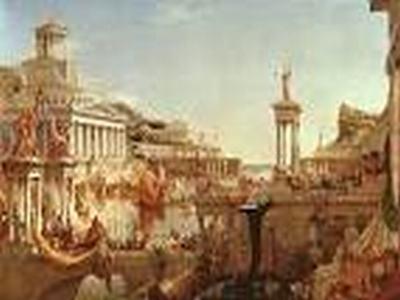
    The Roman empire ruled many countries in the past.

    ローマ帝国は過去に多くの国を支配した。

    He dismissed the opinion polls as worthless.

    類義語realmkingdomdominionpowerstateauthority
    対義語republicdemocracysmall statenation
  21. 21

    exploration(noun)

    /ˌekspləˈreɪʃn/

    探検, 探査, 調査

    the act of travelling through a place in order to find out about it or look for something in it

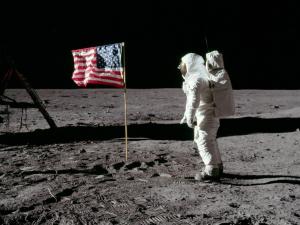
    The aim is to pay more attention to the human factor of space exploration.

    その目的は、宇宙探査における人的要因にもっと注意を向けることである。

    類義語discoveryinvestigationresearchsurveyquestprobereconnaissance
    対義語neglectignorancestagnationinactivity
  22. 22

    timeline(noun)

    /ˈtaɪmlaɪn/

    年表, タイムライン

    a horizontal line that is used to represent time, with the past towards the left and the future towards the right

    The museum shows a timeline of the country's history from ancient times to today.

    その博物館には、古代から現代までの国の歴史を示す年表が展示されている。

    類義語chronologytimeframesequence of eventsprogresshistory
    対義語disorderchaosrandomness
  23. 23

    heritage(noun)

    /ˈherɪtɪdʒ/

    遺産 (isan)

    the history, traditions, buildings and objects that a country or society has had for many years and that are considered an important part of its character

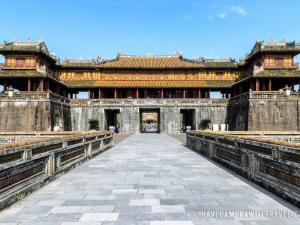
    Hue's Imperial City was listed as a Cultural World Heritage site by UNESCO in 1993.

    フエの王宮は、1993年にユネスコによって文化遺産に登録されました。

    類義語legacyinheritancetraditionbirthrightendowment
    対義語presentmodernityinnovation
  24. 24

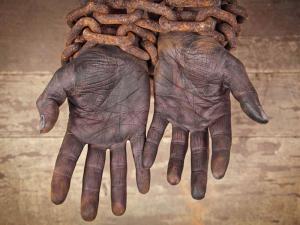
    slavery(noun)

    /ˈsleɪvəri/

    奴隷制度 (dorei seido)

    the state of being forced to work as a slave

    Slavery still exists in this country.

    奴隷制度はまだこの国に存在しています。

    類義語bondageservitudeenslavementoppressionthralldom
    対義語freedomlibertyindependenceemancipation
  25. 25

    conquest(noun)

    /ˈkɑːŋkwest/

    征服

    the act of taking control of a country, city, etc. by force

    The Norman conquest of England began in 1066.

    ノルマン人によるイングランド征服は1066年に始まった。

    類義語victorytriumphsubjugationdefeatcapturedominationoverthrow
    対義語defeatfailuresurrenderlossyieldingretreat
  26. 26

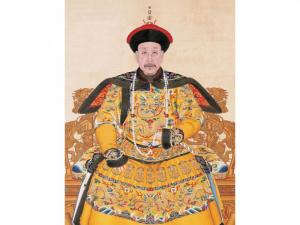
    dynasty(noun)

    /ˈdaɪnəsti/

    王朝 (ōchō)

    a series of leaders of a country who all belong to the same family

    The Mogul dynasty ruled over India for centuries.

    ムガル王朝は何世紀にもわたってインドを統治しました。

    類義語reignruleempirehouselineagesuccession
    対義語republicdemocracyanarchy
  27. 27

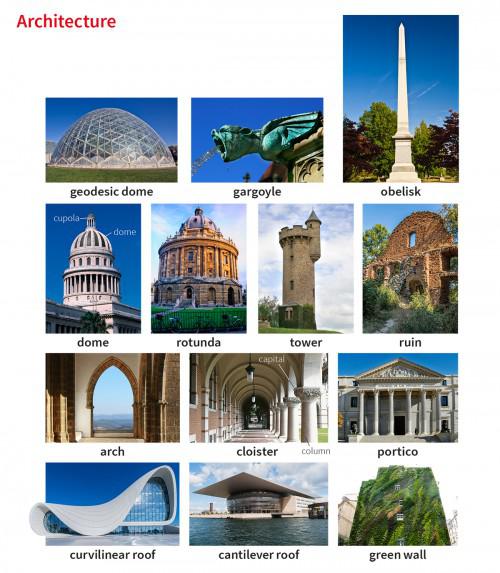
    architecture(noun)

    /ˈɑːrkɪtektʃər/

    建築 (kenchiku)

    the art and study of designing buildings

    I love the architecture of this building.

    私はこの建物の建築が好きです。(Watashi wa kono tatemono no kenchiku ga suki desu.)

    類義語designstructureconstructionbuildingstyleplanning
    対義語destructiondemolitiondeconstructionwreckage
  28. 28

    civilization(noun)

    /ˌsɪvələˈzeɪʃn/

    文明

    a state of human society that is very developed and organized

    The ancient Egyptians built one of the world's greatest civilizations.

    古代エジプト人は、世界でも屈指の偉大な文明を築いた。

    類義語culturesocietydevelopmentprogressrefinement
    対義語barbarismsavagerywildernessanarchy
  29. 29

    imperialism(noun)

    /ɪmˈpɪriəlɪzəm/

    帝国主義 (teikokushugi)

    a system in which one country controls other countries, often after defeating them in a war

    That was the age of imperialism.

    それは帝国主義の時代だった。(Sore wa teikokushugi no jidai datta.)

    類義語colonialismexpansionismhegemonydomination
    対義語isolationismself-determinationindependencedecolonization
  30. 30

    propaganda(noun)

    /ˌprɑːpəˈɡændə/

    プロパガンダ, 宣伝工作

    ideas or statements that may be false or present only one side of an argument that are used in order to gain support for a political leader, party, etc.

    During the war, both governments used propaganda to turn public opinion against the enemy.

    戦時中、両政府は世論を敵に向けさせるためにプロパガンダを利用した。

    類義語disinformationpromotionpublicityindoctrinationrhetorichypespin
    対義語truthfacthonestyaccuracy
  31. 31

    antiquity(noun)

    /ænˈtɪkwəti/

    古代

    the ancient past, especially the times of the Greeks and Romans

    The museum displays artifacts from antiquity.

    博物館には古代の遺物が展示されています。

    類義語ancient timesolden daysclassical erapast
    対義語modernitypresentfuture
  32. 32

    archaeologist(noun)

    /ˌɑːrkiˈɑːlədʒɪst/

    考古学者 (koukogakusha)

    a person who studies archaeology

    The archaeologist discovered an ancient Roman coin.

    考古学者は古代ローマのコインを発見した。(koukogakusha wa kodai ro-ma no koin o hakken shita.)

    類義語antiquarianpaleontologist (loosely)excavator
    対義語destroyerlooter
  33. 33

    archaeology(noun)

    /ˌɑːrkiˈɑːlədʒi/

    考古学 (koukogaku)

    the study of cultures of the past, and of periods of history by examining the parts of buildings and objects found in the ground

    Archaeology helps us understand ancient civilizations.

    考古学は古代文明を理解するのに役立ちます。

    類義語excavationanthropologypaleontology
    対義語future studiesfuturology
  34. 34

    artillery(noun)

    /ɑːrˈtɪləri/

    砲兵 (hōhei)

    large, heavy guns which are often moved on wheels

    The artillery bombarded the enemy stronghold.

    砲兵は敵の要塞を砲撃した。(Hōhei wa teki no yōsai o hōgeki shita.)

    類義語cannonryordnanceheavy gunsfirepower
    対義語melee weaponssmall arms
  35. 35

    atrocity(noun)

    /əˈtrɑːsəti/

    残虐行為 (zangyaku koui)

    a cruel and violent act, especially in a war

    The war was filled with countless atrocities.

    その戦争は数えきれないほどの残虐行為に満ちていました。

    類義語brutalityoutragehorrorsavagerybarbarity
    対義語kindnessbenevolencehumanitymercygoodness
  36. 36

    civil rights(noun)

    /ˌsɪvl ˈraɪts/

    公民権 (kouminken)

    the rights that every person in a society has, for example to be treated equally, to be able to vote, work, etc. whatever their sex, race or religion

    The civil rights movement fought for equality for all people.

    公民権運動は、すべての人々の平等を目指して戦った。

    類義語basic rightshuman rightsconstitutional rightsequalityliberties
    対義語oppressiondiscriminationinequalitysubjugationtyranny
  37. 37

    cold war(noun)

    /ˌkəʊld ˈwɔːr/

    冷戦 (Reisen)

    a relationship between two countries who are not friendly but are not actually fighting each other, usually used about the situation between the US and the Soviet Union after the Second World War

    The cold war dominated international politics for decades.

    冷戦は何十年もの間、国際政治を支配していました。

    類義語ideological strugglegeopolitical tension
    対義語hot wardetente
  38. 38

    colonialism(noun)

    /kəˈləʊniəlɪzəm/

    植民地主義

    the practice by which a powerful country controls another country or other countries

    Colonialism had a lasting impact on the culture and economy of many nations.

    植民地主義は、多くの国の文化と経済に永続的な影響を与えました。

    類義語imperialismoccupationdominationsubjugationhegemony
    対義語independenceself-governancesovereigntyfreedom
  39. 39

    combat(noun)

    /ˈkɑːmbæt/

    戦闘, 戦い

    fighting or a fight, especially during a time of war

    Many young soldiers were killed in combat during the war.

    その戦争では多くの若い兵士が戦闘で命を落としました。

    類義語battlefightwarfarestrugglecontest
    対義語peacetruceaccordharmony
  40. 40

    defense(noun)

    /dɪˈfens/

    防衛, 防御, 守り

    the act of protecting somebody/something from attack, criticism, etc.

    The castle walls were built for defense against invaders.

    その城壁は侵略者に対する防衛のために築かれた。

    類義語protectionsafeguardshieldsecurity
    対義語attackoffensevulnerability
  41. 41

    enlightenment(noun)

    /ɪnˈlaɪtnmənt/

    悟り

    knowledge about and understanding of something; the process of understanding something or making somebody understand it

    The monk sought enlightenment through meditation.

    僧侶は瞑想を通して悟りを求めた。

    類義語illuminationunderstandinginsightawakeningwisdom
    対義語ignoranceconfusiondarknessmisunderstanding
  42. 42

    espionage(noun)

    /ˈespiənɑːʒ/

    スパイ活動

    the activity of secretly getting important political or military information about another country or of finding out another company’s secrets by using spies

    The government accused him of espionage.

    政府は彼をスパイ活動で告発した。

    類義語spyingintelligence gatheringundercover work
    対義語honestyopennesstransparency
  43. 43

    folklore(noun)

    /ˈfəʊklɔːr/

    民俗

    the traditions and stories of a country or community

    The local folklore tells tales of mythical creatures living in the forest.

    地元の民俗は、森に住む神話上の生き物の物語を語っています。

    類義語folk taleslegendsmythstraditionsoral history
    対義語historyfactscience
  44. 44

    genealogy(noun)

    /ˌdʒiːniˈælədʒi/

    系図学 (keizu-gaku)

    the study of family history, including the study of who the ancestors of a particular person were

    She researched her genealogy and discovered she was related to royalty.

    彼女は自分の系図学を研究し、自分が王族と関係があることを発見した。

    類義語ancestryfamily historylineagepedigree
    対義語descendantfutureoffspring
  45. 45

    genocide(noun)

    /ˈdʒenəsaɪd/

    大量虐殺

    the murder of a large number of people from a particular nation or ethnic group, with the aim of destroying that nation or group

    Genocide is a crime against humanity.

    大量虐殺は人道に対する罪です。

    類義語massacreethnic cleansingholocaustannihilation
    対義語peacecreationpreservation
  46. 46

    historian(noun)

    /hɪˈstɔːriən/

    歴史家

    a person who studies or writes about history; an expert in history

    The historian wrote a book about World War II.

    歴史家は第二次世界大戦についての本を書いた。

    類義語chroniclerannalistnarratorbiographer
    対義語laymanamateur
  47. 47

    historiography(noun)

    /hɪˌstɔːriˈɑːɡrəfi/

    歴史学史

    the study of writing about history

    The professor specialized in the historiography of the French Revolution.

    その教授はフランス革命の歴史学史を専門としていました。

    類義語Historical writingHistory writingHistorical methodology
    対義語Ahistoricism
  48. 48

    industrial revolution(noun)

    /ɪnˈdʌstriəl ˌrevəˈluːʃn/

    産業革命

    the period in the 18th and 19th centuries when machines began to be widely used and industry grew rapidly

    The industrial revolution brought about significant changes in society.

    産業革命は社会に大きな変化をもたらしました。

    類義語technological revolutionmanufacturing boom
    対義語agrarian agepre-industrial era
  49. 49

    industrialization(noun)

    /ɪnˌdʌstriələˈzeɪʃn/

    工業化

    the process of developing industries in a country or an area

    The country's rapid industrialization led to significant economic growth.

    その国の急速な工業化は、著しい経済成長をもたらしました。

    類義語developmentmodernizationmechanizationautomation
    対義語deindustrializationagrarianism
  50. 50

    invasion(noun)

    /ɪnˈveɪʒn/

    侵略 (shinryaku)

    the act of an army entering another country by force in order to take control of it

    The invasion of Normandy was a turning point in World War II.

    ノルマンディー上陸作戦は第二次世界大戦の転換点でした。

    類義語attackraidincursionaggressionencroachment
    対義語defenseretreatwithdrawal
  51. 51

    kingdom(noun)

    /ˈkɪŋdəm/

    王国

    a country that has a king or queen as head of state (= official leader of the country)

    The prince dreamed of ruling his own kingdom.

    王子は自分の王国を統治することを夢見ていた。

    類義語realmempiredominionnationstate
    対義語democracyrepublic
  52. 52

    medieval(adjective)

    /ˌmediˈiːvl/

    中世の

    connected with the Middle Ages (about AD 1000 to AD 1450)

    The medieval castle was built in the 13th century.

    中世の城は13世紀に建てられました。

    類義語Middle AgesGothicDark Ages
    対義語moderncontemporarynew
  53. 53

    mobilization(noun)

    /ˌməʊbələˈzeɪʃn/

    動員

    preparations that bring together the people and weapons that will be needed in order for a country to fight a war

    The government announced a mobilization of troops.

    政府は軍隊の動員を発表した。

    類義語activationenlistmentassemblyrallying
    対義語demobilizationdeactivationdischargedispersion
  54. 54

    nationalism(noun)

    /ˈnæʃnəlɪzəm/

    国家主義

    the desire by a group of people who share the same ethnic group, culture, language, etc. to form an independent country

    Nationalism can be a powerful force for unity.

    国家主義は団結のための強力な力となりうる。

    類義語patriotismchauvinismjingoism
    対義語internationalismglobalism
  55. 55

    patriotism(noun)

    /ˈpeɪtriətɪzəm/

    愛国心

    love of your country and the desire to defend it

    His patriotism led him to serve in the military.

    彼の愛国心は彼を軍隊での奉仕へと導いた。

    類義語nationalismallegianceloyalty
    対義語treasondisloyalty
  56. 56

    reconnaissance(noun)

    /rɪˈkɑːnɪsns/

    偵察

    the activity of getting information about an area for military purposes, using soldiers, planes, etc.

    The soldiers conducted a reconnaissance mission.

    兵士たちは偵察任務を行った。

    類義語surveyexplorationscoutinginvestigation
    対義語ignoranceneglect
  57. 57

    relic(noun)

    /ˈrelɪk/

    遺物

    an object, a tradition, a system, etc. that has survived from the past

    The old sword was a relic of a bygone era.

    その古い剣は過ぎ去った時代の遺物でした。

    類義語artifactantiqueremnantremainsvestige
    対義語modernnewcontemporary
  58. 58

    renaissance(noun)

    /ˈrenəsɑːns/

    ルネサンス

    the period in Europe during the fourteenth, fifteenth and sixteenth centuries when people became interested in the ideas and culture of ancient Greece and Rome and used these influences in their own art, literature, etc.

    The Renaissance was a period of great artistic and intellectual achievement.

    ルネサンスは、芸術と知性の大きな成果の時代でした。

    類義語rebirthrevivalreawakeningflourishing
    対義語declinefalldark ages
  59. 59

    retreat(noun)

    /rɪˈtriːt/

    撤退, 退却

    a movement away from a place or an enemy because of danger or defeat

    The army's retreat from the city took several days.

    軍の市からの撤退には数日を要した。

    類義語withdrawrecedeback downpull back
    対義語advanceattackproceed
  60. 60

    siege(noun)

    /siːdʒ/

    包囲

    a military operation in which an army tries to capture a town by surrounding it and stopping the supply of food, etc. to the people inside

    The city was under siege for months.

    都市は何ヶ月も包囲されていた。

    類義語blockadeencirclementinvestment
    対義語liberationrescuerelief
  61. 61

    tactics(noun)

    /ˈtæktɪk/

    戦術

    the particular method you use to achieve something

    The army used clever tactics to win the battle.

    軍は賢い戦術を使って戦いに勝ちました。

    類義語strategymaneuverapproachplan
    対義語inactionnegligence
  62. 62

    treaty(noun)

    /ˈtriːti/

    条約 (jouyaku)

    a formal agreement between two or more countries

    The two countries signed a peace treaty.

    二国間は平和条約に署名した。(nikokukan wa heiwa jouyaku ni shomei shita.)

    類義語agreementaccordpactconventionalliance
    対義語discordconflictwar
  63. 63

    warfare(noun)

    /ˈwɔːrfer/

    戦争

    the activity of fighting a war, especially using particular weapons or methods

    The country was plunged into brutal warfare.

    その国は残忍な戦争に陥った。

    類義語conflictcombatbattlefightinghostilities
    対義語peaceharmonytruceagreement
  64. 64

    bombing(noun)

    /ˈbɑːmɪŋ/

    爆撃

    an occasion when a bomb is dropped or left somewhere; the act of doing this

    The bombing destroyed several buildings.

    爆撃でいくつかの建物が破壊された。

    類義語attackraidshellingblast
    対義語peacetruceceasefire
  65. 65

    ceasefire(noun)

    /ˈsiːsfaɪər/

    停戦

    a time when enemies agree to stop fighting, usually while a way is found to end the fighting permanently

    The two countries agreed to a ceasefire.

    両国は停戦に合意した。

    類義語trucearmisticecessation of hostilitiesceasefire agreement
    対義語warattackhostilitiesfighting
  66. 66

    chemical warfare(noun)

    /ˈkemɪkl ˈwɔːrfer/

    化学戦

    the use of poisonous gases and chemicals as weapons in a war

    The use of chemical warfare is strictly prohibited by international treaties.

    化学戦の使用は国際条約で厳しく禁止されています。

    類義語germ warfarepoison gas warfarebiological warfare
    対義語conventional warfarehumanitarian effortspeace
  67. 67

    peacekeeping(adjective)

    /ˈpiːskiːpɪŋ/

    平和維持

    intended to help stop people fighting and prevent war or violence in a place where this is likely

    The UN is involved in peacekeeping efforts around the world.

    国連は世界中の平和維持活動に関わっています。

    類義語peacemakingconflict resolutionmediationconciliation
    対義語warconflictaggressionhostility
  68. 68

    art history(noun)

    /ɑːrt ˈhɪstri/

    美術史

    the study of the history of painting, sculpture, etc.

    She is majoring in art history.

    彼女は美術史を専攻しています。

    類義語history of artvisual arts history
    対義語art creationart practice
  69. 69

    historical linguistics(noun)

    /hɪˈstɔːrɪkl lɪŋˈɡwɪstɪks/

    歴史言語学

    the study of the history and development of languages

    Historical linguistics traces the evolution of languages over time.

    歴史言語学は、時間の経過に伴う言語の進化をたどります。

    類義語Diachronic linguisticsEvolutionary linguistics
    対義語Synchronic linguistics
  70. 70

    frontline(adjective)

    /ˈfrʌntlaɪn/

    最前線

    in the most important or dangerous position; doing essential work that puts you at risk

    The frontline workers risked their lives during the pandemic.

    最前線の労働者はパンデミックの間、命を危険にさらしました。

    類義語forefrontvanguardbattlefrontleading edge
    対義語rearbackbehind
  71. 71

    Air strikes(noun)

    /ɛr straɪks/

    空爆

    Attacks made by military aircraft, usually by dropping bombs.

    The air strikes targeted enemy positions.

    空爆は敵の陣地を標的とした。

    類義語Aerial bombardmentAir raidBombing raid
    対義語DefensePeace
  72. 72

    Allies(noun)

    /ˈælaɪz/

    同盟国

    Countries or people that have agreed to help and support each other, especially in a war.

    The allies worked together to achieve their common goals.

    同盟国は共通の目標を達成するために協力しました。

    類義語partnersconfederatesassociatescollaborators
    対義語enemiesopponentsadversaries
  73. 73

    Ancient Greece(noun)

    /ˈeɪnʃənt ɡris/

    古代ギリシャ

    The civilization of Greece from about the 8th century BC until it became part of the Roman Empire.

    Ancient Greece was the birthplace of democracy.

    古代ギリシャは民主主義の発祥の地でした。

    類義語Classical GreeceHellenic Greece
    対義語Modern Greece
  74. 74

    Ancient Rome(noun)

    /ˈeɪnʃənt roʊm/

    古代ローマ

    The civilization based in the city of Rome that grew into a large empire, lasting from about 753 BC to AD 476.

    Ancient Rome was a powerful civilization.

    古代ローマは強力な文明でした。

    類義語Rome (historical)Roman Empire
    対義語Modern RomeContemporary Rome
  75. 75

    Archaeological sites(noun)

    /ˌɑrkiəˈlɑdʒɪkəl saɪts/

    考古遺跡

    Places where remains of past human life, such as buildings and objects, are found and studied.

    The archaeological sites revealed ancient artifacts.

    考古遺跡は古代の工芸品を明らかにしました。

    類義語excavation siteshistorical sitesruinsheritage sites
    対義語modern constructionsnew developments
  76. 76

    artifact(noun)

    /ˈɑrtɪfækt/

    アーチファクト, アーチファクト(偽像), 人工物

    a feature on an image that is not part of the body, caused by movement, metal or the equipment

    A metal artifact from his hip replacement hid part of the bladder.

    股関節置換術の金属によるアーチファクトのため、膀胱の一部が見えなくなっていました。

    The dark line is probably an artifact, not a fracture.

    類義語relicantiquecurioobject
    対義語natural object
  77. 77

    Casualties(noun)

    /ˈkæʒuəltiz/

    死傷者

    People who are killed or injured in a war or an accident.

    The war resulted in many casualties.

    戦争で多くの死傷者が出た。

    類義語VictimsInjuriesFatalitiesLossesWounded
    対義語SurvivorsVictors
  78. 78

    Enemies(noun)

    /ˈɛnəmiz/

    敵

    People or countries that hate or are fighting against each other.

    They were bitter enemies.

    彼らは激しい敵同士だった。

    類義語adversariesopponentsfoesrivals
    対義語friendsalliessupporters
  79. 79

    Guerrilla warfare(noun)

    /ɡəˈrɪlə ˈwɔːrˌfɛər/

    ゲリラ戦

    Fighting by small, unofficial groups that make surprise attacks on a larger, regular army.

    The rebels used guerrilla warfare tactics to fight the larger army.

    反政府勢力は、より大規模な軍隊と戦うためにゲリラ戦の戦術を使った。

    類義語insurgencyresistancepartisan warfareasymmetric warfare
    対義語conventional warfareregular warfare
  80. 80

    Heritage center(noun)

    /ˈhɛrɪtɪdʒ ˈsɛntər/

    遺産センター

    A building or place where people can learn about the history and traditions of an area or community.

    We visited the heritage center to learn about the city's history.

    私たちは街の歴史を学ぶために遺産センターを訪れました。

    類義語Cultural centerHistorical centerMuseum
    対義語Modern developmentFuture center
  81. 81

    Heritage conservation(noun)

    /ˈhɛrɪtɪdʒ ˌkɒnsərˈveɪʃən/

    遺産保護

    The work of protecting and repairing old buildings, places and objects that are important to a culture's history.

    The city invested in a new initiative for heritage conservation.

    市は遺産保護のための新しいイニシアチブに投資しました。

    類義語PreservationConservationSafeguarding
    対義語DestructionNeglectDemolition
  82. 82

    Heritage preservation(noun)

    /ˈhɛrɪtɪdʒ ˌprɛzərˈveɪʃən/

    遺産保護

    The protection of historic buildings, sites, objects and traditions so that they survive for future generations.

    The local council is dedicated to heritage preservation.

    地方議会は遺産保護に尽力しています。

    類義語ConservationProtectionSafeguarding
    対義語DestructionNeglectDemolition
  83. 83

    Historical accuracy(noun)

    /hɪsˈtɔrɪkəl ˈækjʊrəsi/

    歴史的正確さ

    The quality of showing past events, people or periods correctly and truthfully.

    The film strives for historical accuracy.

    その映画は歴史的正確さを目指している。

    類義語AuthenticityFidelityVeracityGenuineness
    対義語InaccuracyFalsenessFictionDistortion
  84. 84

    Historical analysis(noun)

    /hɪsˈtɔrɪkəl əˈnæləsɪs/

    歴史分析

    The careful study of past events and sources in order to understand and explain them.

    Historical analysis reveals patterns in societal development.

    歴史分析は、社会の発展におけるパターンを明らかにします。

    類義語Historical researchHistorical studyHistoriography
    対義語Future speculationPresent assessment
  85. 85

    Historical anthropology(noun)

    /hɪsˈtɔrɪkəl ˌænθrəˈpɒlədʒi/

    歴史人類学

    The study of the cultures, customs and social lives of people in the past.

    Historical anthropology studies past cultures and societies.

    歴史人類学は過去の文化や社会を研究します。

    類義語EthnologyCultural anthropologySocial anthropology
    対義語None
  86. 86

    Historical architecture(noun)

    /hɪsˈtɔrɪkəl ˈɑrkɪˌtɛkʧər/

    歴史的建造物

    Buildings and building styles from the past, especially ones that are considered important or interesting.

    The city is famous for its historical architecture.

    その都市は歴史的建造物で有名です。

    類義語heritage architectureancient buildingslandmark architecture
    対義語modern architecturecontemporary design
  87. 87

    Historical art(noun)

    /hɪsˈtɔrɪkəl ɑrt/

    歴史美術

    Paintings, sculptures and other works of art created in past periods of history.

    The museum displays historical art from the Roman Empire.

    博物館にはローマ帝国の歴史美術が展示されています。

    類義語Antique artVintage artPeriod art
    対義語Contemporary artModern art
  88. 88

    Historical authenticity(noun)

    /hɪsˈtɔrɪkəl ˌɔːθɛnˈtɪsɪti/

    歴史的信憑性

    The quality of being genuinely from a particular past period or truly representing it.

    The museum strives to maintain the historical authenticity of its artifacts.

    博物館は所蔵品の歴史的信憑性を維持するよう努めています。

    類義語GenuinenessVeracityLegitimacyOriginality
    対義語InauthenticityFalsenessSpuriousnessFiction
  89. 89

    Historical biography(noun)

    /hɪsˈtɔrɪkəl baɪˈɑːɡrəfi/

    歴史的伝記

    A written account of the life of an important person from the past.

    The library had many shelves of historical biographies.

    図書館には歴史的伝記の本棚がたくさんありました。

    類義語biographyhistorical accountlife story
    対義語fictionfantasy
  90. 90

    Historical context(noun)

    /hɪsˈtɔrɪkəl ˈkɒntɛkst/

    歴史的背景

    The social, political and cultural situation of the time in which an event happened or something was created.

    Understanding the historical context is crucial for interpreting this document.

    歴史的背景を理解することは、この文書を解釈する上で非常に重要です。

    類義語historical settinghistorical backgroundhistorical framework
    対義語ahistoricalpresent-daycontemporary
  91. 91

    Historical costume(noun)

    /hɪsˈtɔrɪkəl ˈkɑsˌtjuːm/

    歴史的な衣装

    Clothes in the style worn by people during a particular period in the past.

    She wore a beautiful historical costume to the event.

    彼女はイベントに美しい歴史的な衣装を着ていました。

    類義語Period costumeVintage attireTheatrical costume
    対義語Modern dressContemporary clothingCasual wear
  92. 92

    Historical data(noun)

    /hɪsˈtɔrɪkəl ˈdeɪtə/

    歴史的データ

    Information and figures collected about the past, often used to study changes or trends over time.

    We analyzed the historical data to identify trends.

    傾向を特定するために、歴史的データを分析しました。

    類義語past dataarchival datalegacy data
    対義語current datareal-time datafuture projections
  93. 93

    Historical documentation(noun)

    /hɪsˈtɔrɪkəl ˌdɑkjəmɛnˈteɪʃən/

    歴史的文書

    Written records and other materials that provide evidence about past events.

    The library preserves historical documentation dating back centuries.

    図書館は何世紀も前の歴史的文書を保存しています。

    類義語historical recordsarchival materialsprimary sources
    対義語speculationconjecturefabrication
  94. 94

    Historical documents(noun)

    /hɪsˈtɔrɪkəl ˈdɑkjəmənts/

    歴史的文書

    Official papers, letters and records from the past that give information about history.

    The library contains many historical documents.

    図書館には多くの歴史的文書があります。

    類義語archival recordsancient textsprimary sources
    対義語contemporary recordsmodern documents
  95. 95

    Historical drama(noun)

    /hɪsˈtɔrɪkəl ˈdrɑːmə/

    時代劇

    A play, film or television series about real or imagined events set in the past.

    I enjoy watching historical dramas because they teach me about the past.

    過去について教えてくれるので、時代劇を見るのが好きです。

    類義語period dramahistorical fiction
    対義語futuristic dramacontemporary drama
  96. 96

    Historical education(noun)

    /hɪsˈtɔrɪkəl ˌɛdʒʊˈkeɪʃən/

    歴史教育

    The teaching and learning of history and of how past events shaped the present.

    Historical education teaches us about the past.

    歴史教育は私たちに過去について教えてくれます。

    類義語history instructionpast studieshistorical studies
    対義語future studiescurrent events education
  97. 97

    Historical events(noun)

    /hɪsˈtɔrɪkəl ɪˈvɛnts/

    歴史的出来事

    Important things that happened in the past and are recorded as part of history.

    The museum displayed artifacts from important historical events.

    博物館は重要な歴史的出来事の工芸品を展示しました。

    類義語historic occurrencespast eventslandmark events
    対義語future eventscurrent events
  98. 98

    Historical fiction(noun)

    /hɪsˈtɔrɪkəl ˈfɪkʃən/

    歴史小説

    Novels and stories that are set in the past and often include real historical events or people.

    She enjoys reading historical fiction because it brings the past to life.

    彼女は歴史小説を読むのが好きです。過去が生き生きと蘇るからです。

    類義語historical novelperiod fiction
    対義語contemporary fictionfuturistic fiction
  99. 99

    Historical figures(noun)

    /hɪsˈtɔrɪkəl ˈfɪɡjərz/

    歴史上の人物

    Famous or important people who lived in the past.

    Historical figures like Gandhi are studied in schools.

    ガンジーのような歴史上の人物は学校で研究されています。

    類義語Notable people from historyHistorical personalitiesFigures from the past
    対義語Contemporary figuresModern individuals
  100. 100

    Historical geography(noun)

    /hɪsˈtɔrɪkəl dʒiˈɒɡrəfi/

    歴史地理学

    The study of how places, landscapes and human activity in an area have changed over time.

    Historical geography studies how people and places have changed over time.

    歴史地理学は、人々と場所が時間の経過とともにどのように変化してきたかを研究します。

    類義語Past geographyGeography of the past
    対義語Future geographyContemporary geography
  101. 101

    Historical inquiry(noun)

    /hɪsˈtɔrɪkəl ɪnˈkwaɪəri/

    歴史的探求

    The process of asking questions about the past and examining evidence to find answers.

    Historical inquiry is crucial for understanding societal evolution.

    歴史的探求は、社会の進化を理解するために重要です。

    類義語historical researchhistorical investigationhistoriography
    対義語ahistorical studyspeculation
  102. 102

    Historical interpretation(noun)

    /hɪsˈtɔrɪkəl ɪnˌtɜːprɪˈteɪʃən/

    歴史的解釈

    A particular way of explaining the meaning or causes of past events.

    The historical interpretation of the event has changed over time.

    その出来事の歴史的解釈は、時とともに変化してきました。

    類義語Historical analysisHistorical perspectiveHistorical viewpoint
    対義語AhistoricalNon-historicalUninterpreted history
  103. 103

    Historical investigation(noun)

    /hɪsˈtɔrɪkəl ɪnˌvɛstɪˈɡeɪʃən/

    歴史的調査

    A careful, detailed study of past events or periods to discover facts about them.

    The historical investigation revealed new details about the ancient civilization.

    歴史的調査により、古代文明に関する新たな詳細が明らかになった。

    類義語historical researcharchival investigationhistorical analysis
    対義語present-day analysisfuturistic study
  104. 104

    Historical knowledge(noun)

    /hɪsˈtɔrɪkəl ˈnɒlɪdʒ/

    歴史的知識

    Information and understanding about past events, people and societies.

    Historical knowledge is crucial for understanding current events.

    歴史的知識は、現在の出来事を理解するために不可欠です。

    類義語historical awarenesshistorical understandingknowledge of history
    対義語ignorance of historyahistoricism
  105. 105

    Historical landmarks(noun)

    /hɪsˈtɔrɪkəl ˈlændˌmɑrks/

    歴史的建造物

    Famous buildings, monuments or places that are important because of their connection with the past.

    The city is known for its historical landmarks.

    その都市は歴史的建造物で知られています。

    類義語Historic sitesHeritage sitesHistorical monuments
    対義語Modern constructionContemporary building
  106. 106

    Historical landscapes(noun)

    /hɪsˈtɔrɪkəl ˈlændˌskeɪps/

    歴史的景観

    Areas of land whose features show the influence of people and events in the past.

    The tour included visits to several historical landscapes.

    ツアーにはいくつかの歴史的景観への訪問が含まれていました。

    類義語Heritage landscapesHistoric sitesCultural landscapes
    対義語Modern landscapesContemporary scenery
  107. 107

    Historical literature(noun)

    /hɪsˈtɔrɪkəl ˈlɪtərəʧər/

    歴史文学

    Books and other writing that describe or come from a particular period in the past.

    Historical literature offers insights into past societies.

    歴史文学は過去の社会への洞察を提供します。

    類義語Historical fictionPast writingsAncient texts
    対義語Contemporary literatureModern writings
  108. 108

    Historical mapping(noun)

    /hɪsˈtɔrɪkəl ˈmæpɪŋ/

    歴史的マッピング

    The process of making maps that show how an area looked or changed in the past.

    Historical mapping helps us understand how landscapes have changed over time.

    歴史的マッピングは、景観がどのように時間とともに変化してきたかを理解するのに役立ちます。

    類義語Historical cartographyPast mappingOld mapping
    対義語Contemporary mappingModern mappingCurrent mapping
  109. 109

    Historical memory(noun)

    /hɪsˈtɔrɪkəl ˈmɛməri/

    歴史的記憶

    The way a group or society remembers and understands events from its past.

    Historical memory shapes our understanding of the present.

    歴史的記憶は、現在の私たちの理解を形作ります。

    類義語collective memorypast knowledgeshared history
    対義語amnesiaforgetfulnesshistorical ignorance
  110. 110

    Historical narrative(noun)

    /hɪsˈtɔrɪkəl ˈnærətɪv/

    歴史物語

    A story or account that describes and explains a series of past events.

    The historical narrative of the war was biased.

    その戦争の歴史物語は偏っていました。

    類義語HistoryAccountChronicleStoryRecord
    対義語AhistoricalFictionMyth
  111. 111

    Historical period(noun)

    /hɪsˈtɔrɪkəl ˈpɪriəd/

    歴史的期間

    A length of time in the past with particular features, events or people.

    The Victorian era was a significant historical period.

    ビクトリア朝時代は重要な歴史的期間でした。

    類義語eraageepochtimeperiod
    対義語futurepresent
  112. 112

    Historical perspective(noun)

    /hɪsˈtɔrɪkəl pərˈspɛktɪv/

    歴史的視点

    A way of understanding something by considering how it developed in the past.

    Understanding the war requires a historical perspective.

    戦争を理解するには歴史的視点が必要です。

    類義語historical contexthistorical viewpointpast significance
    対義語ahistoricalpresentism
  113. 113

    Historical philosophy(noun)

    /hɪsˈtɔrɪkəl fɪˈlɑsəfi/

    歴史哲学

    The study of the nature, meaning and patterns of history and historical change.

    Historical philosophy examines the evolution of ideas over time.

    歴史哲学は、時間の経過に伴うアイデアの進化を検証します。

    類義語Philosophy of historyHistory of ideas
    対義語Ahistorical philosophySpeculative philosophy
  114. 114

    Historical records(noun)

    /hɪsˈtɔrɪkəl ˈrɛkərdz/

    歴史的記録

    Written documents and other evidence that give information about past events.

    Historical records show the city was founded in the 18th century.

    歴史的記録は、その都市が18世紀に設立されたことを示しています。

    類義語ArchivesChroniclesAnnalsDocuments
    対義語SpeculationConjectureGuesswork
  115. 115

    Historical reenactment(noun)

    /hɪsˈtɔrɪkəl ˌriːɪnˈæktmənt/

    歴史再現

    An event in which people dress up and act out a famous event from the past.

    The museum held a historical reenactment of the Civil War battle.

    博物館は南北戦争の戦いの歴史再現を開催しました。

    類義語living historyhistorical simulationhistorical performance
    対義語modern interpretationcontemporary performance
  116. 116

    Historical research(noun)

    /hɪsˈtɔrɪkəl rɪˈsɜːrtʃ/

    歴史研究

    Detailed study of sources and evidence to learn new facts about the past.

    Historical research is crucial for understanding our past.

    歴史研究は私たちの過去を理解するために重要です。

    類義語historiographyarchival researchhistorical analysis
    対義語futurismspeculation
  117. 117

    Historical significance(noun)

    /hɪsˈtɔrɪkəl sɪɡˈnɪfɪkəns/

    歴史的意義

    The importance of an event, person or place because of its effect on history.

    The treaty holds historical significance for both nations.

    その条約は両国にとって歴史的意義を持つ。

    類義語Historic importanceHistorical valueLegacy
    対義語InsignificanceUnimportance
  118. 118

    Historical site(noun)

    /hɪsˈtɔrɪkəl saɪt/

    史跡

    A place where important events happened in the past or where old buildings remain.

    The Colosseum is a famous historical site in Rome.

    コロッセオはローマの有名な史跡です。

    類義語historic landmarkheritage siteancient monument
    対義語modern constructionnew development
  119. 119

    Historical society(noun)

    /hɪsˈtɔrɪkəl səˈsaɪəti/

    歴史学会

    An organization that studies and preserves the history of a particular place.

    The local historical society preserves artifacts from the town's past.

    地元の歴史学会は、町の過去からの工芸品を保存しています。

    類義語Historical associationHeritage organization
    対義語Future societyModern association
  120. 120

    Historical sources(noun)

    /hɪsˈtɔrɪkəl ˈsɔrsɪz/

    歴史的資料

    Documents, objects or records from the past that provide information about history.

    Historians rely on historical sources to understand the past.

    歴史家は過去を理解するために歴史的資料に頼っています。

    類義語historic recordsarchival materialsprimary documents
    対義語speculationconjecturefabrication
  121. 121

    Historical timeline(noun)

    /hɪsˈtɔrɪkəl ˈtaɪmˌlaɪn/

    歴史年表

    A list or diagram showing important historical events in the order in which they happened.

    The historical timeline shows major events from the past.

    歴史年表は過去からの主要な出来事を示しています。

    類義語ChronologyHistorical recordTimeline
    対義語AhistoricalUntimedUnchronological
  122. 122

    Historical traditions(noun)

    /hɪsˈtɔrɪkəl trəˈdɪʃənz/

    歴史的伝統

    Customs and beliefs that have been passed down within a community over a long period of history.

    The museum showcases historical traditions of the region.

    博物館はその地域の歴史的伝統を紹介しています。

    類義語Cultural heritageCustomary practicesAncestral customs
    対義語Modern innovationsContemporary trends
  123. 123

    Humanitarian aid(noun)

    /hjuːˌmænəˈtɛriən eɪd/

    人道支援

    Food, medicine and other help given to people suffering because of war, disaster or poverty.

    The organization provides humanitarian aid to refugees.

    その組織は難民に人道支援を提供しています。

    類義語ReliefAssistanceCharityAid
    対義語ExploitationNeglectHarm
  124. 124

    Monuments(noun)

    /ˈmɑnjəmənts/

    記念碑

    Buildings, statues or other structures built to remember a famous person or event, or that are historically important.

    The city is known for its historical monuments.

    その都市は歴史的な記念碑で知られています。

    類義語memorialsstatueslandmarks
    対義語destructiondemolition
  125. 125

    Naval warfare(noun)

    /ˈneɪvəl ˈwɔːrˌfɛər/

    海戦

    Fighting between armed forces at sea, using ships and submarines.

    Naval warfare played a crucial role in World War II.

    海戦は第二次世界大戦で重要な役割を果たしました。

    類義語Sea warMaritime warfareNaval combat
    対義語Land warfareGround war
  126. 126

    Nuclear weapons(noun)

    /ˈnjuːkliər ˈwɛpənz/

    核兵器

    Extremely powerful bombs and missiles whose force comes from nuclear energy.

    Nuclear weapons pose a significant threat to global security.

    核兵器は、地球規模の安全保障に対する重大な脅威となっています。

    類義語Atomic weaponsThermonuclear weaponsWeapons of mass destruction
    対義語Conventional weaponsNon-nuclear weapons
  127. 127

    Oral history(noun)

    /ˈɔrəl ˈhɪstəri/

    口述歴史 (Kōjutsu rekishi)

    The collection and study of historical information through recorded interviews with people who remember past events.

    The museum exhibit included recordings of oral history interviews with veterans.

    博物館の展示には、退役軍人への口述歴史インタビューの録音が含まれていました。

    類義語Verbal historySpoken historyTestimonial history
    対義語Written historyDocumented history
  128. 128

    POW (Prisoner of War)(noun)

    /ˈpiːoʊˌdʌbəljuː/

    戦争捕虜

    A person, usually a soldier, who is captured and kept in prison by the enemy during a war.

    He was a POW for three years during the war.

    彼は戦争中3年間戦争捕虜でした。

    類義語captivedetaineeprisoner
    対義語liberatorrescuerfree person
  129. 129

    Refugees(noun)

    /ˌrɛfjuˈdʒiːz/

    難民

    People who have been forced to leave their country because of war, danger or persecution.

    Many refugees seek asylum in neighboring countries.

    多くの難民が近隣諸国に亡命を求めています。

    類義語Asylum seekersDisplaced personsEvacueesExiles
    対義語CitizensNationalsResidents
  130. 130

    Ruins(noun)

    /ˈruːɪnz/

    遺跡

    The remaining parts of a building or town that has been badly damaged or destroyed.

    The ancient ruins attracted many tourists.

    古代の遺跡は多くの観光客を魅了しました。

    類義語remainsdebriswreckagefragments
    対義語constructioncreationestablishment
  131. 131

    Soldiers(noun)

    /ˈsoʊldʒərz/

    兵士

    Members of an army, especially those who are not officers.

    The soldiers marched into battle.

    兵士たちは戦場へ行進した。

    類義語troopsmilitary personnelfighters
    対義語civilians
  132. 132

    Tanks(noun)

    /tæŋks/

    戦車

    Large military vehicles with heavy armour and a big gun, moving on metal tracks.

    The army deployed tanks to the border.

    軍は国境に戦車を配備した。

    類義語Armored vehiclesWar machines
    対義語None
  133. 133

    Troops(noun)

    /truːps/

    軍隊

    Soldiers, especially in large groups.

    The troops were deployed to the border.

    軍隊は国境に配備された。

    類義語soldiersforcesmilitaryarmy
    対義語civilians
  134. 134

    War crimes(noun)

    /wɔr kraɪmz/

    戦争犯罪

    Cruel acts committed during a war that break international laws, such as killing civilians.

    The tribunal investigated alleged war crimes.

    法廷は、申し立てられた戦争犯罪を調査しました。

    類義語atrocitieswar atrocitiescrimes against humanity
    対義語acts of peacehumanitarian aid
  135. 135

    Weapons(noun)

    /ˈwɛpənz/

    武器

    Objects such as guns, knives or bombs that are used for fighting or attacking.

    The soldiers carried weapons.

    兵士たちは武器を携帯していた。

    類義語ArmsOrdnanceFirearmsMunitions
    対義語PeaceTruceAmiability
  136. 136

    World War I(noun)

    /wɜrld wɔr wʌn/

    第一次世界大戦

    The war fought mainly in Europe between 1914 and 1918.

    World War I was a global conflict fought from 1914 to 1918.

    第一次世界大戦は、1914年から1918年にかけて戦われた世界的な紛争でした。

    類義語The Great WarWar to End All Wars
  137. 137

    World War II(noun)

    /wɜrld wɔr tuː/

    第二次世界大戦

    The war fought between 1939 and 1945 involving many countries around the world.

    World War II was a global conflict.

    第二次世界大戦は世界的な紛争でした。

    類義語WWIISecond World WarThe Great War
    対義語PeacePre-war period
  138. 138

    occupation(noun)

    /ˌɑːkjuˈpeɪʃn/

    占領, 占拠

    the act of an army taking control of a country or area by force

    The old castle was badly damaged during the enemy occupation of the town.

    その古城は、敵による町の占領中にひどく損傷した。