본문으로 건너뛰기

레슨 78/202 · 18단어 · 외운 단어 0

A1 · Places, travel & transport (2)

A1 · 장소, 여행과 교통 (2)

  1. 1

    return(verb)

    /rɪˈtɜːrn/

    돌아오다, 돌아가다

    to come or go back from one place to another

    She returned home after a long trip to Paris.

    그녀는 파리로의 긴 여행을 마치고 집으로 돌아왔다.

    유의어yieldprofitgainrevenueproceedsrepaymentrestitution
    반의어lossdebtcostexpenditureinvestment
  2. 2

    village(noun)

    /ˈvɪlɪdʒ/

    마을 (maeul)

    a very small town located in a country area

    My village is very far from the town.

    우리 마을은 읍내에서 아주 멀리 떨어져 있습니다.

    We visited towns and villages all over Spain.

    유의어hamletcommunitysettlementrural arealocality
    반의어citymetropolisurban areatown
  3. 3

    park(noun)

    /pɑːrk/

    공원 (gong-won)

    an area of public land in a town or a city where people go to walk, play and relax

    There are many big trees in this park.

    이 공원에는 큰 나무가 많이 있습니다.

    We went for a walk in the park.

    유의어gardenplaygroundrecreation groundgreen spacecommonreserve
    반의어buildingstructureenclosurefactoryindustrial area
  4. 4

    trip(noun)

    /trɪp/

    여행 (yeohaeng)

    a journey to a place and back again, especially a short one for pleasure or a particular purpose

    Did you have a good trip?

    여행 잘 다녀오셨어요? (Yeohaeng jal danyeoosyeosseoyo?)

    유의어journeyexcursiontourvoyageoutingexpedition
    반의어stayresidencehomesettlement
  5. 5

    visitor(noun)

    /ˈvɪzɪtər/

    방문객 (bangmungaek)

    a person who visits a person or place

    How can we attract more visitors to our website?

    우리 웹사이트에 더 많은 방문객을 유치하려면 어떻게 해야 할까요?

    We've got visitors coming this weekend.

    유의어guestattendeecustomerpatronviewerspectator
    반의어residentlocalinhabitant
  6. 6

    stop(verb)

    /stɑːp/

    서다, 멈추다

    to no longer move; to make somebody/something no longer move

    The bus stops right outside our school every morning.

    버스는 매일 아침 우리 학교 바로 앞에 선다.

    유의어ceasehaltendfinishquitterminatearrest
    반의어startbegincontinueproceedadvancepersist
  7. 7

    vacation(noun)

    /veɪˈkeɪʃn/

    휴가 (hyuga)

    a period of time spent travelling or resting away from home

    What are you going to do for vacation?

    휴가 때 뭐 할 거예요? (hyuga ttae mwo hal geo-ye-yo?)

    유의어holidaybreakrecesstime offleaverest
    반의어workemploymentlabordutyobligation
  8. 8

    south(noun)

    /saʊθ/

    남쪽, 남부

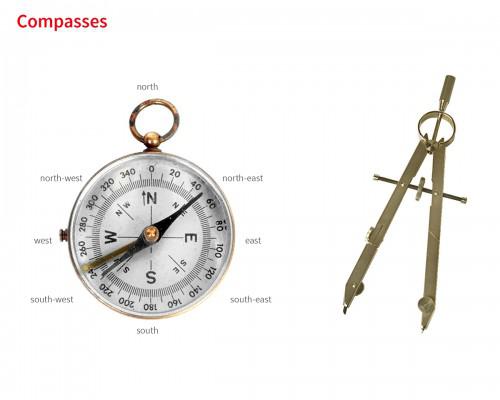
    the direction that is on your right when you watch the sun rise; one of the four main points of the compass

    The cold wind was blowing from the south all day.

    차가운 바람이 하루 종일 남쪽에서 불어왔다.

    유의어southerlysouthward
    반의어north
  9. 9

    road(noun)

    /rəʊd/

    도로 (doro)

    a hard surface built for vehicles to travel on

    This road is very narrow.

    이 도로는 매우 좁습니다. (I doroneun maeoo jopseumnida.)

    유의어streetpathavenuehighwaythoroughfareroute
    반의어dead endcul-de-sac
  10. 10

    station(noun)

    /ˈsteɪʃn/

    역 (yeok)

    a place where trains stop so that passengers can get on and off; the buildings connected with this

    I'll get off at the next station.

    다음 역에서 내릴 거예요. (Daeum yeogeseo naeril geoyeyo.)

    the main station

    유의어depotterminalstopplatformhalt
    반의어routetrackway
  11. 11

    visit(verb)

    /ˈvɪzɪt/

    방문

    to go to see a person or a place for a period of time

    We are going to visit Uncle Ho's mausoleum.

    우리는 호 아저씨의 묘소를 방문할 것입니다.

    She went to visit relatives in Wales.

    유의어tourseecall onlook in onattendhaunt
    반의어leavedepartignoreneglect
  12. 12

    west(noun)

    /west/

    서쪽 (seojjok)

    the direction that you look towards to see the sun go down; one of the four main points of the compass

    The sun sets in the west.

    해는 서쪽으로 진다. (Haeneun seojjogeuro jinda.)

    a fall/drop in temperature

    유의어occidentwestern
    반의어eastorienteastern
  13. 13

    place(noun)

    /pleɪs/

    장소 (jangso)

    a particular position, point or area

    There are many beautiful places in Hanoi.

    하노이에는 아름다운 장소가 많이 있습니다. (Hanoi-e-neun areumdaun jangso-ga mani isseumnida.)

    He placed his hand on her shoulder.

    유의어locationspotareasitepositionvenue
    반의어nowherenonexistencevoid
  14. 14

    stay(verb)

    /steɪ/

    머무르다

    to continue to be in a particular place for a period of time without moving away

    We will stay at the hotel.

    우리는 호텔에 머무를 것입니다.

    an overnight stay

    유의어remainresidelodgesojournstoptarrydwell
    반의어leavedepartgotravelexit
  15. 15

    travel(verb)

    /ˈtrævl/

    여행 (yeohaeng)

    to go from one place to another, especially over a long distance

    How often do you travel abroad?

    해외여행은 얼마나 자주 가세요? (haeoe yeohaeng-eun eolmana jaju gaseyo?)

    The job involves a considerable amount of foreign travel.

    유의어journeytourvoyageroamexplorecommute
    반의어stayremainsettledwell
  16. 16

    ride(verb)

    /raɪd/

    타다

    to sit on and control a bicycle, motorcycle, horse, etc. as it moves

    I often ride the bicycle to work as a kind of physical exercise.

    나는 일종의 신체 운동으로 자주 자전거를 타고 출근한다.

    He was riding on a large black horse.

    유의어drivetravelmountsit onstraddlejourneyhandlecontrol
    반의어walkrunhikestayremain
  17. 17

    town(noun)

    /taʊn/

    마을 (maeul)

    a place with many houses, shops, etc. where people live and work. It is larger than a village but smaller than a city.

    My grandparents live in a small town.

    제 조부모님은 작은 마을에 사십니다.

    The nearest town is ten miles away.

    유의어villagehamletcommunitysettlement
    반의어citymetropolisurban area
  18. 18

    street(noun)

    /striːt/

    거리 (geori)

    a public road in a city or town that has houses and buildings on one side or both sides

    I live on Hai Ba Trung Street.

    나는 하이바쯩 거리에 살아요.

    유의어roadavenuelaneboulevardthoroughfareway
    반의어private propertydead endalleycul-de-sac