본문으로 건너뛰기

레슨 27/38 · 138단어 · 외운 단어 0

Time Date

시간과 날짜

  1. 1

    currently(adverb)

    /ˈkɜːrəntli/

    현재

    at the present time

    Currently, customers are demanding big discounts for bulk orders

    현재 고객들은 대량 주문에 대해 큰 할인을 요구하고 있습니다.

    We are currently exploring plans to update the MX3 model.

    유의어nowat presentpresentlyat the momenttodayin these times
    반의어formerlypreviouslyin the pastearlier
  2. 2

    frequently(adverb)

    /ˈfriːkwəntli/

    자주

    often

    Appliances frequently come with a one-year warranty

    가전 제품에는 1년 보증이 붙어 있는 경우가 많습니다.

    Warranties for this kind of appliance are frequently limited in their coverage

    유의어oftencommonlyregularlygenerallyusuallyoftentimes
    반의어rarelyinfrequentlyseldomoccasionallynever
  3. 3

    constantly(adverb)

    /ˈkɑːnstəntli/

    끊임없이 (kkeuneopsi)

    all the time; repeatedly

    The company is constantly looking for highly trained employees

    그 회사는 끊임없이 고도로 훈련된 직원을 찾고 있습니다.

    Martin constantly checked his messages to see if anyone had called for an interview

    유의어continuouslyalwaysregularlyfrequentlyperpetuallyincessantlyceaselessly
    반의어occasionallysometimesrarelyinfrequentlynever
  4. 4

    everyday(adjective)

    /ˈevrideɪ/

    일상적인

    used or happening every day or regularly; ordinary

    This everyday routine of having to check inventory is boring

    재고를 확인해야 하는 이 일상적인 반복 작업은 지루합니다.

    Though they are more expensive, these folders will withstand everyday wear and tear

    유의어dailycommonroutineusualmundane
    반의어unusualrareextraordinaryexceptional
  5. 5

    decade(noun)

    /ˈdekeɪd/

    십년 (shimnyeon)

    a period of ten years, especially a continuous period, such as 1910–1919 or 2000–2009

    Each decade seems to have its own fad products

    각 십년마다 자체 유행 상품이 있는 것 같습니다.

    After a decade of trying, the company finally developed a vastly superior product

    유의어ten yearsdecennium
    반의어yearcenturyera
  6. 6

    duration(noun)

    /duˈreɪʃn/

    기간 (gigan)

    the length of time that something lasts or continues

    Mother lent me her spare jacket for the duration of the trip

    어머니는 여행 기간 동안 여벌 재킷을 빌려주셨다.

    Despite our personal differences, my roommate and I agreed to be as pleasant as possible for the duration of the train ride

    유의어periodtimelengthextentspanterm
    반의어beginningstartinceptioninstantmomentend
  7. 7

    annually(adverb)

    /ˈænjuəli/

    매년

    once a year

    Everyone should get a physical exam annually

    모든 사람은 매년 건강 검진을 받아야 합니다.

    A number of tests are provided annually by my insurance plan

    유의어yearlyeach yearper annumevery year
    반의어irregularlysporadicallyinfrequentlyrarely
  8. 8

    regularly(adverb)

    /ˈreɡjələrli/

    규칙적으로

    at regular intervals or times

    She brushes regularly after every meal

    그녀는 매 식사 후 규칙적으로 이를 닦습니다.

    I have to remind my son regularly to brush his teeth

    유의어frequentlyusuallyordinarilyroutinelysystematicallyconsistently
    반의어irregularlyinfrequentlyoccasionallyrarelysporadically
  9. 9

    autumn(noun)

    /ˈɔːtəm/

    가을 (gaeul)

    the season of the year between summer and winter, when leaves change colour and the weather becomes colder

    It's very cool in the autumn.

    가을에는 매우 시원합니다. (Gaeureneun maeu siwonhamnida.)

    in the autumn of 2010

    유의어fallharvest time
    반의어springsummer
  10. 10

    future(noun)

    /ˈfjuːtʃər/

    미래 (mirae)

    the time that will come after the present or the events that will happen then

    We'll come back to this in the near future.

    조만간 이 문제로 다시 돌아올 것입니다. (joman'gan i munje-ro dasi doraol geos-imnida.)

    He met his future wife at law school.

    유의어time to comeprospectexpectationlikelihoodeventualitytomorrowaftertime
    반의어pasthistoryyesterdaypresentnow
  11. 11

    morning(noun)

    /ˈmɔːrnɪŋ/

    아침 (achim)

    the early part of the day from the time when people wake up until 12 o'clock in the middle of the day or before lunch

    Our group meets on Friday mornings

    우리 그룹은 금요일 아침에 만납니다.

    Our group meets on Friday mornings.

    유의어dawnsunriseforenoonearly hours
    반의어eveningnightafternoon
  12. 12

    nowhere(adverb)

    /ˈnəʊwer/

    어디에도

    not in or to any place

    There was nowhere for me to sit.

    제가 앉을 곳이 아무데도 없었어요.

    This animal is found in Australia, and nowhere else.

    유의어not anywherein no placenot a single placeno place
    반의어everywheresomewhereanywhere
  13. 13

    always(adverb)

    /ˈɔːlweɪz/

    항상 (hangsang)

    at all times; on every occasion

    I always get up early.

    나는 항상 일찍 일어난다. (Naneun hangsang iljjik ireonanda.)

    There's always somebody at home in the evenings.

    유의어constantlyeverinvariablyperpetuallyregularlycontinually
    반의어neverrarelyoccasionallysometimesinfrequently
  14. 14

    never(adverb)

    /ˈnevər/

    절대 (jeoldae)

    not at any time; not on any occasion

    She never goes to school on foot.

    그녀는 절대 학교에 걸어가지 않아요. (Geunyeoneun jeoldae hakgyoe georeogaji anhayo.)

    Never in all my life have I seen such a horrible thing.

    유의어not everat no timein no waynot at all
    반의어alwayseverfrequentlyoften
  15. 15

    regular(adjective)

    /ˈreɡjələr/

    정기적인 (jeonggijeogin)

    following a pattern, especially with the same time or space in between each thing and the next

    The equipment is checked on a regular basis.

    장비는 정기적으로 점검됩니다. (jangbineun jeonggijeogeuro jeomgeomdoemnida.)

    She writes a regular column for a national newspaper.

    유의어consistentusualperiodicroutinestandardnormalhabitual
    반의어irregularunusualoccasionalrareabnormal
  16. 16

    elsewhere(adverb)

    /ˌelsˈwer/

    다른 곳에서

    in, at or to another place or other places

    The answer to the problem must be sought elsewhere.

    문제에 대한 답은 다른 곳에서 찾아야 한다.

    Elsewhere, the weather today has been fairly sunny.

    유의어somewhere elsein another placeawayabroadin a different place
    반의어herenearbyclosearound
  17. 17

    new(adjective)

    /nuː/

    새로운 (saeroun)

    not existing before; recently made, invented, introduced, etc.

    This toothbrush is new.

    이 칫솔은 새 것입니다. (I chitsoreun sae geotimnida.)

    Have you read her new novel?

    유의어freshnovelrecentmodernoriginal
    반의어oldusedancientobsoleteworn
  18. 18

    apart(adverb)

    /əˈpɑːrt/

    떨어져서

    separated by a distance, of space or time

    We are not divorced but we are living apart now.

    우리는 이혼하지 않았지만 지금은 떨어져 살고 있습니다.

    Their birthdays are only three days apart.

    유의어separatedistancedasunderisolatedremoteremovedaside
    반의어togetherclosenearunitedconnected
  19. 19

    anywhere(adverb)

    /ˈeniwer/

    어디든

    used in negative sentences and in questions instead of somewhere

    Did you go anywhere interesting?

    어디 재미있는 데 갔었어요?

    He's never been anywhere outside Britain.

    유의어anyplacesomewhereeverywhere
    반의어nowhere
  20. 20

    rarely(adverb)

    /ˈrerli/

    드물게

    not very often

    Rarely has a debate attracted so much media attention.

    토론이 이렇게 많은 언론의 관심을 끄는 경우는 드물다.

    a rarely-performed play

    유의어seldominfrequentlyhardly everscarcelyuncommonly
    반의어oftenfrequentlycommonlyusuallyregularly
  21. 21

    diary(noun)

    /ˈdaɪəri/

    일기 (ilgi)

    a book in which you can write down the experiences you have each day, your private thoughts, etc.

    I have a small diary.

    나는 작은 일기가 있다 (Naneun jageun ilgiga itda).

    I'll make a note of our next meeting in my diary.

    유의어journallognotebookrecordchronicle
    반의어forgetfulnessoblivion
  22. 22

    previous(adjective)

    /ˈpriːviəs/

    이전의

    happening or existing before the event or object that you are talking about

    She is his daughter from a previous marriage.

    그녀는 이전 결혼에서 얻은 그의 딸입니다.

    The car has only had one previous owner.

    유의어priorformerearlierprecedingpast
    반의어latersubsequentfollowingcurrentpresent
  23. 23

    week(noun)

    /wiːk/

    주 (ju)

    a period of seven days, either from Monday to Sunday or from Sunday to Saturday

    Each week has seven days.

    각 주에는 7일이 있습니다. (gak ju-e-neun chil-il-i iss-seup-ni-da.)

    It rained all week.

    유의어workweekperiodtimeframe
    반의어daymonthyear
  24. 24

    Tuesday(noun)

    /ˈtuːzdeɪ/

    화요일 (Hwayoil)

    the day of the week after Monday and before Wednesday

    What do you learn on Tuesday?

    화요일에 무엇을 배우세요? (Hwayoil-e mueot-eul baeuseyo?)

    유의어Second day of the week
    반의어MondayWednesdayThursdayFridaySaturdaySunday
  25. 25

    later(adverb)

    /ˈleɪtər/

    나중에

    at a time in the future; after the time you are talking about

    See you later.

    나중에 봐요.

    The match has been postponed to a later date.

    유의어afterwardsubsequentlyeventuallyhereafterin the futuredown the road
    반의어beforeearlierpreviouslyimmediatelynowat once
  26. 26

    sometimes(adverb)

    /ˈsʌmtaɪmz/

    가끔 (gakkeum)

    occasionally rather than all of the time

    She sometimes goes to school on foot.

    그녀는 가끔 학교에 걸어갑니다. (Geunyeoneun gakkeum hakgyoe georeo gapnida.)

    He sometimes writes to me.

    유의어occasionallyat timesnow and thenfrom time to timeperiodically
    반의어alwaysneverconstantlyfrequentlyregularly
  27. 27

    interval(noun)

    /ˈɪntərvl/

    간격 (gan-gyeok)

    a period of time between two events

    The interval between major earthquakes might be 200 years.

    대지진 사이의 간격은 200년이 될 수 있습니다.

    He knocked on the door and after a brief interval it was opened.

    유의어gapspaceperioddurationbreakpauselapsespan
    반의어continuouscontinuationsimultaneoustogetherness
  28. 28

    recent(adjective)

    /ˈriːsnt/

    최근의

    that happened or began only a short time ago

    Recent research has shown that the earth is seriously polluted.

    최근 연구에 따르면 지구는 심각하게 오염되었습니다.

    There have been many changes in recent years.

    유의어newcurrentfreshlatestmodern
    반의어oldpastformerancientlong ago
  29. 29

    still(adverb)

    /stɪl/

    아직

    continuing until a particular point in time and not finishing

    I'm still hungry.

    아직 배고파요.

    I wrote to them last month and I'm still waiting for a reply.

    유의어yetevenneverthelessnonethelesshoweverin spite of that
    반의어no longeralreadynot anymore
  30. 30

    afternoon(noun)

    /ˌæftərˈnuːn/

    오후 (ohu)

    the period of time from 12 o'clock in the middle of the day until about 6 o’clock in the evening

    Come over on Sunday afternoon

    일요일 오후에 와 (Ilyoil ohu-e wa).

    In the afternoon they went shopping.

    유의어p.m.post meridiantwilightlate day
    반의어morningforenoon
  31. 31

    December(noun)

    /dɪˈsembər/

    12월 (Sibirwol)

    the 12th and last month of the year

    My parents got married in December

    우리 부모님은 12월에 결혼하셨어요. (Uri bumonimeun sibirwore gyeolhonsyeoteoyo.)

    유의어twelfth monthlast month of the year
    반의어JanuarySummer
  32. 32

    hour(noun)

    /ˈaʊər/

    시간 (sigan)

    60 minutes; one of the 24 parts that a day is divided into

    I can learn to play chess in an hour.

    저는 한 시간 안에 체스 두는 법을 배울 수 있어요. (Jeoneun han sigan ane cheseu duneun beobeul baeul su isseoyo.)

    It will take about an hour to get there.

    유의어timeperioddurationmoment
    반의어instantmomenteternity
  33. 33

    no(exclamation)

    /nəʊ/

    아니요, 아니

    used to give a negative reply or statement

    ‘Do you like snakes?’ ‘No, I don't like them at all.’

    ‘뱀 좋아해요?’ ‘아니요, 전혀 좋아하지 않아요.’

    유의어naynegativenever
    반의어yesaffirmativeindeed
  34. 34

    annual(adjective)

    /ˈænjuəl/

    연례의 (yeollyeui)

    happening or done once every year

    an annual meeting/event/report

    연례 회의/행사/보고서 (yeollye hoeui/haengsa/bogoseo)

    유의어yearlyevery yearonce-a-year
    반의어irregularoccasionalsporadicone-time
  35. 35

    night(noun)

    /naɪt/

    밤 (bam)

    the time between one day and the next when it is dark, when people usually sleep

    The trip was for ten nights.

    여행은 10박이었다.

    What is he doing calling at this time of night?

    유의어darknighttimeeveningtwilight
    반의어daydaytimemorning
  36. 36

    early(adjective)

    /ˈɜːrli/

    이른, 초기의

    near the beginning of a period of time, an event etc.

    We caught an early train, so we arrived before lunch.

    우리는 이른 기차를 타서 점심 전에 도착했다.

    유의어ahead of timepromptbeforehandbetimespremature
    반의어latedelayed
  37. 37

    past(preposition)

    /pæst/

    ~분 지난, ~시 넘은

    later than something; after (used when telling the time)

    It's half past seven.

    7시 반이야.

    Our main export is rice.

    유의어goneoverelapsedpreviousformer
    반의어futurepresentcomingapproaching
  38. 38

    everywhere(adverb)

    /ˈevriwer/

    어디에나, 곳곳에

    in, to or at every place; all places

    He follows me everywhere.

    그는 어디든 나를 따라온다.

    Everywhere we went was full of tourists.

    유의어all overin every placeall arounduniversallythroughout
    반의어nowheresomewherein one place
  39. 39

    forever(adverb)

    /fərˈevər/

    영원히 (yeongwonhi)

    used to say that a particular situation or state will always exist

    After her death, their lives changed forever.

    그녀가 죽은 후, 그들의 삶은 영원히 바뀌었다. (Geunyeoga jugeun hu, geudeurui salmeun yeongwonhi bakkwieotda.)

    I'll love you forever!

    유의어eternallyalwaysperpetuallyevermoreendlesslyinfinitely
    반의어temporarilybrieflyfleetinglymomentarilytransientlynever
  40. 40

    last(determiner)

    /læst/

    지난, 최근의

    most recent; coming just before the present time

    I was at Linh's birthday party last Sunday.

    나는 지난 일요일에 린의 생일 파티에 있었다.

    유의어endurecontinuepersistremainextendsurvive
    반의어endfinishstopceaseterminate
  41. 41

    beginning(noun)

    /bɪˈɡɪnɪŋ/

    시작 (sijak)

    the time when something starts; the first part of an event, a story, etc.

    Let's start again from the beginning.

    처음부터 다시 시작합시다. (Cheoeumbuteo dasi sijakhapsida.)

    I've read the whole book from beginning to end and still can't understand it.

    유의어startonsetcommencementoriginsourceinception
    반의어endfinishconclusiontermination
  42. 42

    eventually(adverb)

    /ɪˈventʃuəli/

    결국

    at the end of a period of time or a series of events

    She hopes to get a job on the local newspaper and eventually work for ‘The Times’.

    그녀는 지역 신문에서 일자리를 얻고 결국 '더 타임스'에서 일하기를 희망합니다.

    I'll get round to mending it eventually.

    유의어ultimatelyin the endfinallysooner or laterin due course
    반의어initiallyat firstimmediatelyinstantlyright away
  43. 43

    evening(noun)

    /ˈiːvnɪŋ/

    저녁 (jeonyeok)

    the part of the day between the afternoon and the time you go to bed

    the long winter evenings

    기나긴 겨울 저녁 (ginagin gyeoul jeonyeok)

    Evening was falling by the time we reached the house.

    유의어dusktwilighteventidenightfall
    반의어morningdaybreakdawn
  44. 44

    month(noun)

    /mʌnθ/

    달 (dal)

    any of the twelve periods of time into which the year is divided, for example May or June

    The rent is £300 per month.

    집세는 한 달에 300파운드입니다.

    She earns $1000 a month.

    유의어calendar monthperiod
    반의어yearweekday
  45. 45

    already(adverb)

    /ɔːlˈredi/

    이미

    before now or before a particular time in the past

    'Lunch?' 'No thanks, I've already eaten.'

    '점심?' '아니, 괜찮아. 이미 먹었어.'

    We got there early but Mike had already left.

    유의어previouslybeforehandearlierby nowyet
    반의어not yetlaterstillsubsequently
  46. 46

    minute(noun)

    /ˈmɪnɪt/

    분 (bun)

    each of the 60 parts of an hour, that are equal to 60 seconds

    I do this exercise in 10 minutes.

    이 운동을 10분 안에 합니다. (I undongeul sipbun ane hamnida.)

    Boil the rice for 20 minutes.

    유의어momentsecondinstantwhile
    반의어hourdayageeternity
  47. 47

    whenever(conjunction)

    /wenˈevər/

    언제든지

    at any time that; on any occasion that

    You can ask for help whenever you need it.

    필요할 때마다 도움을 요청할 수 있습니다.

    That's no way to speak to your mother!

    유의어anytimeevery timeat any timeno matter wheneach time
    반의어neverat no timenowhere
  48. 48

    asleep(adjective)

    /əˈsliːp/

    잠든

    sleeping

    The baby was sound asleep upstairs.

    아기는 위층에서 깊이 잠들어 있었다.

    The police found him asleep in a garage.

    유의어sleepingdozingnappingslumberingout cold
    반의어awakealertwakefulconscious
  49. 49

    June(noun)

    /dʒuːn/

    유월 (Yuwol)

    the 6th month of the year, between May and July

    It is hot in June.

    6월은 덥습니다. (Yuworeun deopseumnida.)

    When they asked me if I wanted the job, I said yes.

    유의어sixth month
    반의어JanuaryFebruaryMarchAprilMayJulyAugustSeptember
  50. 50

    time(noun)

    /taɪm/

    시간 (sigan)

    what is measured in minutes, hours, days, etc.

    What time do you get up?

    몇 시에 일어나세요? (Myeot si-e ireonaseyo?)

    time and space

    유의어durationperiodmomentoccasioneraage
    반의어eternitynever
  51. 51

    ago(adverb)

    /əˈɡəʊ/

    전에 (jeon-e)

    used in expressions of time with the simple past tense to show how far in the past something happened

    The letter came a few days ago.

    그 편지는 며칠 전에 왔어요. (geu pyeonjineun myeochil jeon-e wasseoyo.)

    She was here just a minute ago.

    유의어pastearlierpreviouslysinceback
    반의어henceforthfutureforwardlater
  52. 52

    ending(noun)

    /ˈendɪŋ/

    결말 (gyeolmal)

    the last part of a story, film, etc.

    His stories usually have a happy ending.

    그의 이야기는 보통 행복한 결말을 가지고 있습니다.

    Double all the quantities in the recipe to make enough for eight people.

    유의어conclusionterminationclosefinalecessation
    반의어beginningstartcommencementinception
  53. 53

    Monday(noun)

    /ˈmʌndeɪ/

    월요일 (woryoil)

    the day of the week after Sunday and before Tuesday, the first day of the working week

    I have English on Monday.

    저는 월요일에 영어 수업이 있어요. (jeoneun woryoire yeongeo sueobi isseoyo.)

    We'll meet Monday.

    유의어start of the weekfirst day of the week
    반의어weekendFridaySaturdaySunday
  54. 54

    immediately(adverb)

    /ɪˈmiːdiətli/

    즉시 (jeuksi)

    without delay

    She answered almost immediately.

    그녀는 거의 즉시 대답했다. (geunyeoneun geoui jeuksi daedaphaettda.)

    The point of my question may not be immediately apparent.

    유의어instantlydirectlypromptlyforthwithat onceright away
    반의어latereventuallyslowlygraduallyafterwardin time
  55. 55

    April(noun)

    /ˈeɪprəl/

    사월 (Sawol)

    the fourth month of the year, between March and May

    She was born in April.

    그녀는 4월에 태어났어요. (Geunyeoneun sawore taeeonasseoyo.)

    She was born in April.

    유의어Fourth monthSpring month
  56. 56

    August(noun)

    /ɔːˈɡʌst/

    8월

    the 8th month of the year, between July and September

    They got married last August.

    그들은 지난 8월에 결혼했다.

    She was born in April.

    유의어Eighth month
    반의어undignified
  57. 57

    yesterday(adverb)

    /ˈjestərdeɪ/

    어제 (eoje)

    on the day before today

    Where did you go yesterday?

    어제 어디 갔어? (eoje eodi gasseo?)

    Yesterday was Sunday.

    유의어the day beforethe previous daylast day
    반의어todaytomorrow
  58. 58

    quickly(adverb)

    /ˈkwɪkli/

    신속히 (sinsokhi)

    fast

    We'll repair it as quickly as possible.

    가능한 한 빨리 수리하겠습니다.

    The last few weeks have gone quickly(= the time seems to have passed quickly).

    유의어rapidlyspeedilyswiftlyexpeditiouslypromptly
    반의어slowlyleisurelygraduallydeliberately
  59. 59

    century(noun)

    /ˈsentʃəri/

    세기 (segi)

    a period of 100 years

    The city centre has scarcely changed in over a century.

    도시 중심부는 한 세기가 넘도록 거의 변하지 않았습니다.

    The city centre has scarcely changed in over a century.

    유의어hundred yearseraage
    반의어decadeyearmoment
  60. 60

    year(noun)

    /jɪr/

    년 (nyeon)

    the period from 1 January to 31 December, that is 365 or 366 days, divided into 12 months

    The museum is open all year round.

    박물관은 연중무휴입니다.

    I lost my job earlier this year.

    유의어annumcycleperiodduration
    반의어momentinstantsecond
  61. 61

    February(noun)

    /ˈfebrueri/

    2월 (iwol)

    the 2nd month of the year, between January and March

    I was born on 5 February.

    저는 2월 5일에 태어났습니다.

    유의어Feb
  62. 62

    immediate(adjective)

    /ɪˈmiːdiət/

    즉각적인 (jeukgakjeogin)

    happening or done without delay

    an immediate reaction/response

    즉각적인 반응/대응 (jeukgakjeogin baneung/daeeung)

    RAM stores information for immediate access.

    유의어instantinstantaneouspromptrapidinstantwithout delay
    반의어delayedgraduallatereventualslowfuture
  63. 63

    November(noun)

    /nəʊˈvembər/

    11월 (sibirwol)

    the 11th month of the year, between October and December

    He's starting his new job in November.

    그는 11월에 새 직장을 시작합니다.

    유의어Eleventh monthLate autumn month
    반의어JanuaryFebruaryMarchAprilMayJuneJulyAugust
  64. 64

    October(noun)

    /ɑːkˈtəʊbər/

    10월 (Shiwol)

    the 10th month of the year, between September and November

    We're going to London in October.

    우리는 10월에 런던에 갈 거예요.

    유의어Tenth monthFall month
  65. 65

    again(adverb)

    /əˈɡen/

    다시 (dasi)

    one more time; on another occasion

    I've told you again and again not to do that.

    그거 하지 말라고 내가 몇 번이나 말했잖아.

    Could you say it again, please?

    유의어repeatedlyanewafreshonce morefurthermore
    반의어neveronceinitiallyfirstat once
  66. 66

    moment(noun)

    /ˈməʊmənt/

    순간 (sungan)

    a very short period of time

    He thought for a moment before replying.

    그는 대답하기 전에 잠시 생각했다. (Geuneun daedaphagi jeone jamsi saenggakhaetta.)

    Could you wait a moment, please?

    유의어instantsecondjiffyspellwhileperiod
    반의어eternityageforever
  67. 67

    date(noun)

    /deɪt/

    날짜, 일자

    a particular day of the month, sometimes in a particular year, given in numbers and words

    What's the date today? It's September 9th.

    오늘 며칠이에요? 9월 9일이에요.

    유의어appointmentmeetingengagementoutingtryst
    반의어avoidanceseparationlonelinesssinglehood
  68. 68

    while(conjunction)

    /waɪl/

    동안

    during the time that something is happening; at the same time as something else is happening

    We must have been burgled while we were asleep.

    우리가 잠든 동안 도둑맞은 게 틀림없어.

    While I was waiting at the bus stop, three buses went by in the opposite direction.

    유의어duringas long aswhilstwhen
    반의어afterfollowing
  69. 69

    Thursday(noun)

    /ˈθɜːrzdeɪ/

    목요일 (mogyoil)

    the day of the week after Wednesday and before Friday

    What are you going to do on Thursday evening?

    목요일 저녁에 뭐 할 거예요? (mogyoil jeonyeoge mwo hal geoeyo?)

    유의어Thufifth day of the week
  70. 70

    Saturday(noun)

    /ˈsætərdeɪ/

    토요일 (Toyoil)

    the day of the week after Friday and before Sunday

    We often go to the cinema on Saturday evening.

    우리는 토요일 저녁에 영화관에 자주 갑니다.

    유의어weekendSaturdays
    반의어weekday
  71. 71

    once(adverb)

    /wʌns/

    한번

    on one occasion only; one time

    He cleans his car once a week.

    그는 일주일에 한 번 차를 청소합니다.

    We didn't know how we would cope once the money had gone.

    유의어one timesingle timeon one occasion
    반의어frequentlyoftenrepeatedlymany times
  72. 72

    newly(adverb)

    /ˈnuːli/

    새로, 최근에

    recently

    a newly independent republic

    새로 독립한 공화국

    a newly created job

    유의어recentlyfreshlylatelyjustnew
    반의어formerlypreviouslyoldestablished
  73. 73

    today(adverb)

    /təˈdeɪ/

    오늘

    on this day

    I am visiting my grandfather today.

    나는 오늘 할아버지를 찾아뵐 예정이다.

    유의어presentlynowat presentcurrently
    반의어yesterdaytomorrowpreviouslyformerly
  74. 74

    ever(adverb)

    /ˈevər/

    언젠가, 한 번이라도

    used in negative sentences and questions, or sentences with if to mean ‘at any time’

    Have you ever been to London?

    런던에 가 본 적 있어요?

    유의어alwaysat all timesincessantlyconstantlyperpetually
    반의어nevernot at allnot ever
  75. 75

    Friday(noun)

    /ˈfraɪdeɪ/

    금요일 (geumyoil)

    the day of the week after Thursday and before Saturday

    I learn to draw every Friday.

    저는 매주 금요일 그림 그리는 것을 배웁니다. (Jeoneun maeju geumyoil geurim geurineun geoseul baeumnida.)

    유의어Fri.Fifth day of the week
    반의어None (as a day of the week)MondayTuesdayWednesdayThursdaySaturdaySunday
  76. 76

    Wednesday(noun)

    /ˈwenzdeɪ/

    수요일 (Suyoil)

    the day of the week after Tuesday and before Thursday

    I play chess every Wednesday afternoon.

    저는 매주 수요일 오후에 체스를 둡니다. (Jeoneun maeju suyoil ohu-e cheseu-reul dupnida.)

    유의어Hump day (informal)
  77. 77

    day(noun)

    /deɪ/

    날 (nal)

    a period of 24 hours

    I play badminton every day.

    나는 매일 배드민턴을 칩니다. (Naneun maeil baedeuminteoneul chipnida.)

    We're going away in a few days/in a few days' time.

    유의어dailysunlightageeratime
    반의어night
  78. 78

    shortly(adverb)

    /ˈʃɔːrtli/

    곧

    a short time; not long

    I saw him shortly before he died.

    나는 그가 죽기 직전에 그를 봤다.

    She arrived shortly after us.

    유의어brieflysoonquicklypresentlyin a whilein a bit
    반의어lengthilylongeventuallyin the long run
  79. 79

    thus(adverb)

    /ðʌs/

    따라서, 그러므로

    as a result of this; therefore

    He is the eldest son and thus heir to the title.

    그는 장남이며 따라서 작위의 상속인이다.

    We do not own the building. Thus, it would be impossible for us to make any major changes to it.

    유의어thereforehenceconsequentlyaccordinglysoergofor this reason
    반의어althoughdespiteneverthelesshowevereven though
  80. 80

    afterwards(adverb)

    /ˈæftərwərdz/

    나중에

    at a later time; after an event that has already been mentioned

    We had tea, and afterwards we sat in the garden for a while.

    우리는 차를 마셨고, 나중에 잠시 정원에 앉아 있었습니다.

    Shortly afterwards he met her again.

    유의어latersubsequentlythenafterthereafterfollowingnext
    반의어beforepreviouslyearlierprior
  81. 81

    yet(adverb)

    /jet/

    아직, 벌써

    used in negative sentences and questions to talk about something that has not happened but that you expect to happen

    I haven't finished my homework yet.

    나는 아직 숙제를 끝내지 못했다.

    유의어howeverbutstillneverthelessnonethelesseven sodespite that
    반의어andfurthermoremoreoverin additionalso
  82. 82

    midnight(noun)

    /ˈmɪdnaɪt/

    자정 (jajeong)

    12 o’clock at night

    She often wakes up at midnight.

    그녀는 자주 자정에 깨어난다. (Geunyeoneun jaju jajeonge kkaeeonanda.)

    We have to catch the midnight train.

    유의어small hourswee hoursdead of night
    반의어noonmidday
  83. 83

    daily(adjective)

    /ˈdeɪli/

    매일의 (mae-il-ui)

    happening, done or produced every day

    events affecting the daily lives of millions of people

    수백만 명의 사람들의 일상 생활에 영향을 미치는 사건들 (subaengman myeong-ui salamdeul-ui ilsang saenghwal-e yeonghyang-eul michineun sageon-deul)

    a daily routine/visit/newspaper

    유의어everydayregularroutineusualcommonday-to-day
    반의어rareoccasionalinfrequentuncommonirregular
  84. 84

    end(noun)

    /end/

    끝, 말, 마지막

    the final part of a period of time, an event, an activity or a story

    We are going on holiday at the end of the month.

    우리는 이달 말에 휴가를 떠난다.

    유의어finishterminationconclusioncompletionclosecessation
    반의어beginningstartcommencementinception
  85. 85

    Sunday(noun)

    /ˈsʌndeɪ/

    일요일 (Ilyo-il)

    the day of the week after Saturday and before Monday, thought of as either the first or the last day of the week

    Why don't we go out this Sunday?

    이번 주 일요일에 나가지 않을래요? (Ibeon ju ilyo-ire naji aneulleyo?)

    유의어Lord's Dayfirst day of the week
    반의어weekdayMondayTuesdayWednesdayThursdayFridaySaturday
  86. 86

    when(adverb)

    /wen/

    언제

    at what time; on what occasion

    When will we go fishing?

    언제 낚시하러 갈까요?

    domestic violence(= between family members)

    유의어at what timeon what occasionat which pointduring what time
    반의어never
  87. 87

    late(adjective)

    /leɪt/

    늦은

    arriving, happening or done after the expected, arranged or usual time

    You are late.

    당신은 늦었어요.

    Can I stay up late tonight?

    유의어tardydelayedbehind scheduleoverdue
    반의어earlyon timepunctual
  88. 88

    January(noun)

    /ˈdʒænjueri/

    일월 (Ilwol)

    the 1st month of the year, between December and February

    Her father died in January

    그녀의 아버지는 일월에 돌아가셨습니다.

    Is it available on DVD yet?

    유의어First monthNew Year's month
    반의어December
  89. 89

    second(number)

    /ˈsekənd/

    두 번째의, 둘째의

    happening or coming next after the first in a series of similar things or people; 2nd

    My birthday is on the second of June.

    내 생일은 6월 2일이다.

    The light flashes every 5 seconds.

    유의어alternateinferiornextadditional
    반의어firstprimaryoriginal
  90. 90

    anniversary(noun)

    /ˌænɪˈvɜːrsəri/

    기념일 (ginyeomil)

    a date that is an exact number of years after the date of an important or special event

    We always celebrate our wedding anniversary every year.

    우리는 매년 결혼 기념일을 축하합니다.

    on the anniversary of his wife's death

    유의어commemorationcelebrationjubileememorialrecurrence
    반의어none (generally does not have a direct antonym)
  91. 91

    tomorrow(adverb)

    /təˈmɑːrəʊ/

    내일 (nae-il)

    on or during the day after today

    I will play football tomorrow.

    내일 축구를 할 거예요.

    Today is Tuesday, so tomorrow is Wednesday.

    유의어the following daynext dayon the morrow
    반의어yesterdaytoday
  92. 92

    then(adverb)

    /ðen/

    그다음에, 그러고 나서

    used to introduce the next thing that happens; after that

    Then, we will visit the square.

    그다음에 우리는 광장을 방문할 거예요.

    I saw them at Christmas but haven't heard a thing since then.

    유의어afterwardnextsubsequentlythereafterin that case
    반의어beforepreviouslyearlier
  93. 93

    anyway(adverb)

    /ˈeniweɪ/

    어쨌든

    used when adding something to support an idea or argument

    It's too late now, anyway.

    어쨌든 이제 너무 늦었어.

    It's too expensive and anyway the colour doesn't suit you.

    유의어regardlessneverthelessnonethelessin any caseat any ratestillhowever
    반의어thereforeconsequentlyas a resultaccordingly
  94. 94

    soon(adverb)

    /suːn/

    곧

    in a short time from now; a short time after something else has happened

    See you soon!

    곧 봐요!

    See you soon!

    유의어shortlypresentlyshortpromptlyquicklydirectly
    반의어lateeventuallylaterin the futuredistantlynever
  95. 95

    July(noun)

    /dʒuˈlaɪ/

    7월 (Chilwol)

    the 7th month of the year, between June and August

    The film festival is in July

    영화제는 7월에 열립니다 (Yeonghwajeneun chilwore yeollimnida)

    유의어seventh monthmidsummer
  96. 96

    begin(verb)

    /bɪˈɡɪn/

    시작하다 (sijakhada)

    to start doing something; to do the first part of something

    We began to work on the project in May.

    우리는 5월에 그 프로젝트 작업을 시작했습니다.

    We began work on the project in May.

    유의어startcommenceinitiatelaunchembark on
    반의어endfinishcompleteconcludeterminate
  97. 97

    there(adverb)

    /ðer/

    있다, 존재하다

    used to show that something exists or happens

    There seemed to be no doubt about it.

    그것에 대해서는 의심의 여지가 없는 듯했다.

    There's a restaurant around the corner.

    유의어in that placein that locationat that pointover therepresent
    반의어herenowhere
  98. 98

    somewhere(adverb)

    /ˈsʌmwer/

    어딘가

    in, at or to a place that you do not know or do not mention by name

    I've seen him somewhere before.

    전에 그를 어딘가에서 본 적이 있다.

    We need to find somewhere to(= a place to) live.

    유의어anywhereplacelocationspot
    반의어nowhere
  99. 99

    until(conjunction, preposition)

    /ənˈtɪl/

    ~까지, ~할 때까지

    up to the point in time or the event mentioned

    Until now I have always lived alone.

    지금까지 나는 늘 혼자 살아 왔다.

    You can stay on the bus until London (= until you reach London).

    유의어tillup tobeforeprecedingprior to
    반의어afterfollowingsince
  100. 100

    often(adverb)

    /ˈɔːfn/

    자주 (jaju)

    many times

    My mother often goes to work by car.

    저의 어머니는 자주 차로 출근하십니다. (Jeo-ui eomeonineun jaju charo chulgeunhasipsida.)

    How often do you go to the theatre?

    유의어frequentlyregularlyusuallycommonlyoftentimesmany timesrepeatedly
    반의어rarelyseldomneverinfrequentlyoccasionally
  101. 101

    before(preposition)

    /bɪˈfɔːr/

    ~전에, ~보다 먼저

    earlier than somebody/something

    Please finish your homework before dinner.

    저녁 식사 전에 숙제를 끝내세요.

    유의어prior toearlierpreviouslyahead ofpreceding
    반의어afterlatersubsequentlyfollowing
  102. 102

    here(adverb)

    /hɪr/

    여기

    used after a verb or preposition to mean ‘in, at or to this position or place’

    Let's get out of here

    여기서 나가자.

    Let's get out of here.

    유의어presentnearbyin this placeon the spot
    반의어thereawaydistantelsewhere
  103. 103

    recently(adverb)

    /ˈriːsntli/

    최근에

    not long ago

    We received a letter from him recently.

    우리는 최근에 그에게서 편지를 받았습니다.

    Until recently they were living in York.

    유의어latelynewlyfreshlyjust nowof late
    반의어long agoformerlyin the pastages ago
  104. 104

    else(adverb)

    /els/

    다른

    in addition to something already mentioned

    I don't want anything else, thanks.

    다른 건 필요 없어요, 고마워요.

    I'm taking a few clothes and some books, not much else.

    유의어otheradditionalextramore
    반의어sameidenticalaforementioned
  105. 105

    period(noun)

    /ˈpɪriəd/

    기간, 시기

    a particular length of time

    There was a short period of silence before she answered.

    그녀가 대답하기 전에 짧은 침묵의 시간이 흘렀다.

    유의어timeintervalphasestagetermeracycle
    반의어infinityeternitycontinuum
  106. 106

    era(noun)

    /ˈɪrə/

    시대, 시기

    a period of time, usually in history, that is different from other periods because of particular characteristics or events

    The fall of the Berlin Wall marked the end of an era in Europe.

    베를린 장벽의 붕괴는 유럽에서 한 시대의 종말을 알렸다.

    유의어ageperiodepochtimecycle
    반의어past (specific event)momentinstant

  107. 107

    latest(adjective)

    /ˈleɪtɪst/

    최신의, 가장 최근의

    the most recent or newest

    Have you heard the latest news about the storm?

    폭풍에 관한 최신 뉴스 들으셨어요?

    유의어newestmost recentcurrentup-to-datepresent

    반의어oldestearliestpreviousformeroutdated
  108. 108

    span(noun)

    /spæn/

    기간, 시간

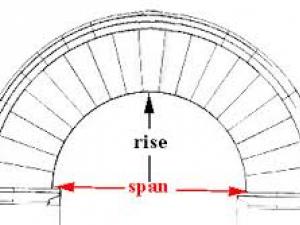
    the length of time that something lasts or is able to continue
    I worked with him over a span of six years.

    나는 6년이라는 기간 동안 그와 함께 일했다.

    유의어perioddurationextentrangescopestretchreach
    반의어instantmomentpointinfinitesimalshort period
  109. 109

    noon(noun)

    /nuːn/

    정오 (jeongo)

    12 o’clock in the middle of the day

    Can I meet you at noon?

    정오에 만날 수 있을까요? (jeongoe mannal su isseulkkayo?)

    유의어middaytwelve noonhigh noon
    반의어midnight
  110. 110

    tonight(adverb)

    /təˈnaɪt/

    오늘 밤 (oneul bam)

    on or during the evening or night of today

    It’s cold tonight.

    오늘 밤은 춥다.

    유의어this eveningtonitethe present nightlate today
    반의어yesterdaytomorrowmorning
  111. 111

    throughout(preposition)

    /θruːˈaʊt/

    ~ 전역에 걸쳐, ~ 내내

    in or into every part of something

    The campaign has been spreading throughout the world.

    그 캠페인은 전 세계로 퍼져 나가고 있다.

    유의어all overeverywherein every part ofduringfor the duration of
    반의어nowherelocallyin part
  112. 112

    September(noun)

    /sepˈtembər/

    구월 (Guwol)

    the 9th month of the year, between August and October

    My mother's birthday is in September

    어머니 생신은 9월입니다 (Eomeoni saengsineun guwolimnida).

    유의어Ninth month
  113. 113

    along(preposition)

    /əˈlɔːŋ/

    ~을 따라

    from one end to or towards the other end of something

    We walked along the beach and collected shells.

    우리는 해변을 따라 걸으며 조개껍데기를 주웠다.

    유의어alongsidebesidebythroughoutduringin company with
    반의어apartaway fromdistantseparated
  114. 114

    episode(noun)

    /ˈepɪsəʊd/

    에피소드

    one part of a story that is broadcast on television or radio in several parts

    I watched the latest episode of the show last night.

    어젯밤에 그 쇼의 최신 에피소드를 봤어요.

    유의어installmentchaptersegmentpart
    반의어serieswhole
  115. 115

    forth(adverb)

    /fɔːrθ/

    이후, 그 이후로, 앞으로

    onwards in time from a particular point

    From that day forth, she never missed a single lesson.

    그날 이후로 그녀는 수업을 단 한 번도 빠지지 않았다.

    유의어forwardonwardoutahead
    반의어backbackward
  116. 116

    forthcoming(adjective)

    /ˌfɔːrθˈkʌmɪŋ/

    다가오는, 곧 나올, 예정된

    going to happen, be published, etc. very soon

    The forthcoming election will be held at the end of next month.

    다가오는 선거는 다음 달 말에 치러질 것이다.

    유의어approachingimpendingcandidcommunicativeopen
    반의어recedingdistantsecretiveunforthcomingreticent
  117. 117

    instantly(adverb)

    /ˈɪnstəntli/

    즉시

    immediately

    The food was prepared instantly.

    음식은 즉시 준비되었습니다.

    유의어immediatelyat oncedirectlyright away
    반의어eventuallylaterslowly
  118. 118

    lately(adverb)

    /ˈleɪtli/

    최근에

    recently; in the recent past

    I haven't seen her lately.

    최근에 그녀를 보지 못했어요.

    유의어recentlyof latenewly
    반의어formerlypreviouslylong ago
  119. 119

    meantime(noun)

    /ˈmiːntaɪm/

    그동안, 그사이

    the period of time between two times or while something else is happening

    In the meantime, I'll prepare dinner.

    그동안 나는 저녁을 준비하고 있을게.

    유의어meanwhilein the interimfor now
    반의어afterwardlatersubsequently
  120. 120

    midst(noun)

    /mɪdst/

    가운데

    the middle part of something

    I found myself in the midst of a heated argument.

    나는 격렬한 논쟁의 한가운데에 있는 나 자신을 발견했습니다.

    유의어middlecenterheartthick
    반의어edgeoutsideperimeterborder
  121. 121

    monthly(adjective)

    /ˈmʌnθli/

    매달의, 월간의

    happening once a month or every month

    We pay a small monthly fee to use the gym.

    우리는 헬스장을 이용하려고 소액의 월 회비를 낸다.

    유의어every monthonce a monthregularly
    반의어annuallyweeklydaily
  122. 122

    more(determiner, pronoun)

    /mɔːr/

    더

    a larger number or amount of

    I need more time to finish this project.

    이 프로젝트를 끝내려면 시간이 더 필요합니다.

    유의어additionalextrafurther
    반의어lessfewer
  123. 123

    now(adverb)

    /naʊ/

    지금

    (at) the present time

    I need it now.

    지금 필요해요.

    유의어immediatelypresentlycurrentlyat once
    반의어laterthenfuturepast
  124. 124

    nowadays(adverb)

    /ˈnaʊədeɪz/

    오늘날

    at the present time, in contrast with the past

    Nowadays, many people use smartphones.

    오늘날, 많은 사람들이 스마트폰을 사용합니다.

    유의어CurrentlyPresentlyToday
    반의어FormerlyPreviouslyIn the past
  125. 125

    presently(adverb)

    /ˈprezntli/

    현재

    at the time you are speaking or writing; now

    Presently, I am working on this project.

    현재, 저는 이 프로젝트를 진행하고 있습니다.

    유의어currentlynowsoonshortly
    반의어latereventuallyformerlypreviously
  126. 126

    previously(adverb)

    /ˈpriːviəsli/

    이전에

    at a time before the time that you are talking about

    The building was previously a post office.

    그 건물은 이전에는 우체국이었습니다.

    유의어formerlybeforeearlierheretofore
    반의어currentlypresentlynow
  127. 127

    seldom(adverb)

    /ˈseldəm/

    거의 ~않다

    not often

    I seldom go to the movies.

    나는 영화를 거의 보러 가지 않는다.

    유의어rarelyinfrequentlyhardly ever
    반의어oftenfrequentlyusually
  128. 128

    sometime(adverb)

    /ˈsʌmtaɪm/

    언젠가

    at a time that you do not know exactly or has not yet been decided

    I'll call you sometime next week.

    다음 주 언젠가 전화할게요.

    유의어occasionallyeventuallyone daysooner or later
    반의어neveralways
  129. 129

    thereafter(adverb)

    /ˌðerˈæftər/

    그 후

    after the time or event mentioned

    We left the party, and thereafter, we went home.

    우리는 파티를 떠났고, 그 후 집에 갔습니다.

    유의어afterwardsubsequentlylaterthen
    반의어beforepreviously
  130. 130

    thereby(adverb)

    /ˌðerˈbaɪ/

    그로 인해

    used to introduce the result of the action or situation mentioned

    He studied hard, thereby improving his grades.

    그는 열심히 공부했고, 그로 인해 성적을 향상시켰다.

    유의어thereforethushenceconsequentlyaccordingly
    반의어despitealthoughregardless
  131. 131

    timely(adjective)

    /ˈtaɪmli/

    시기적절한

    happening at exactly the right time

    The timely intervention prevented a disaster.

    시기적절한 개입으로 재난을 막았습니다.

    유의어opportunepromptexpeditiouswell-timed
    반의어untimelyinopportunelate
  132. 132

    weekly(adjective)

    /ˈwiːkli/

    주간의, 매주의

    happening, done or published once a week or every week

    We have a weekly meeting every Monday morning.

    우리는 매주 월요일 아침마다 주간 회의를 한다.

    유의어each weekevery weekonce a week
    반의어dailymonthlyyearly
  133. 133

    whilst(conjunction)

    /waɪlst/

    동안에

    during the time that something is happening; at the same time as something else is happening

    Whilst I was walking, I saw a cat.

    걷는 동안 고양이를 봤어요.

    유의어whileduringas long as
    반의어afterfollowing
  134. 134

    continually(adverb)

    /kənˈtɪnjuəli/

    끊임없이, 계속해서

    without stopping, or repeatedly over a period of time

    The rain fell continually throughout the night.

    비가 밤새도록 계속 내렸다.

    유의어constantlyfrequentlyalwaysregularly
    반의어occasionallyrarelyneverintermittently
  135. 135

    meanwhile(adverb)

    /ˈmiːnwaɪl/

    한편

    while something else is happening

    Meanwhile, let's discuss the next item on the agenda.

    한편, 다음 의제에 대해 논의해 봅시다.

    유의어in the interimin the meantimeduring
    반의어aftersubsequently
  136. 136

    simultaneously(adverb)

    /ˌsaɪmlˈteɪniəsli/

    동시에

    at the same time as something else

    The two events happened simultaneously.

    두 사건은 동시에 일어났다.

    유의어concurrentlyat the same timetogether
    반의어separatelysequentiallyone after the other
  137. 137

    upcoming(adjective)

    /ˈʌpkʌmɪŋ/

    다가오는

    going to happen soon

    The upcoming conference will be held in London.

    다가오는 컨퍼런스는 런던에서 열릴 예정입니다.

    유의어approachingforthcomingimpendingensuing
    반의어pastpreviousformer
  138. 138

    just(adverb)

    /dʒʌst/

    방금, 막

    a very short time ago

    I have just finished my homework, so now I can go out and play.

    나는 방금 숙제를 끝냈으니 이제 나가서 놀 수 있다.