레슨 11/12 · 25단어 · 외운 단어 0
Topic 11: Environment
주제 11: 환경
보호하다 (bohohada)
to make sure that somebody/something is not harmed, injured, damaged, etc.
Consumer laws are designed to protect the public against unscrupulous vendors
소비자 법은 부도덕한 판매자로부터 대중을 보호하도록 설계되었습니다.
You can protect yourself from scams by getting detailed information on the seller
유의어defendguardshieldsafeguardpreserve반의어endangerharmthreatenattackjeopardize연구 (yeon-gu)
a careful study of a subject, especially in order to discover new facts or information about it
For toy manufacturers, research can be pure fun
장난감 제조업체에게 연구는 순수한 즐거움이 될 수 있습니다.
Part of the research the team does is to determine whether similar products are already on the market
유의어studyinvestigationexplorationinquiryanalysisexperimentation반의어ignoranceneglectcarelessnesssuperficiality오염 (oyeom)
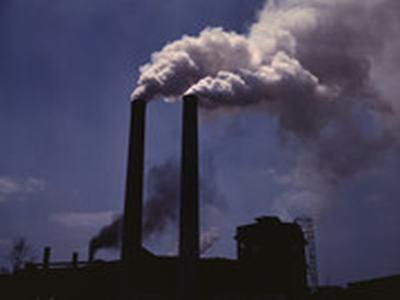
the process of making air, water, soil, etc. dirty; the state of being dirty
Water pollution is becoming more serious now.
수질 오염이 점점 더 심각해지고 있습니다.
air/water pollution
유의어contaminationdefilementimpurityfoulnesstaintadulteration반의어purificationcleansingsterilizationclarificationpristineness줄이다(julida)
to make something less or smaller in size, quantity, price, etc.; to become less or smaller in size, quantity, etc.
Doctors will always try to reduce the temperature of patients with fever.
의사들은 열이 있는 환자의 체온을 낮추기 위해 항상 노력할 것입니다.
Giving up smoking reduces the risk of heart disease.
유의어decreaselessenlowerdiminishcutcurtail반의어increaseraiseexpandenlargeaugment폭풍 (pokpung)
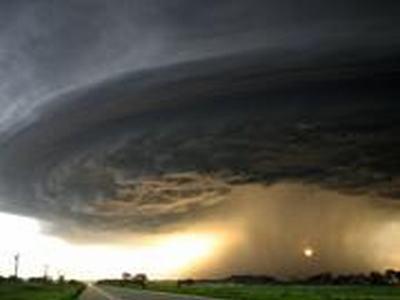
very bad weather with strong winds and rain, and often thunder and lightning
A few minutes later the storm broke
몇 분 후 폭풍이 몰아쳤다. (myeot bun hu pokpungi morachyeotda.)
storm damage
유의어tempesthurricanecyclonetyphoonthunderstormoutburstturmoil반의어calmpeacetranquilitystillnessclemency온실효과
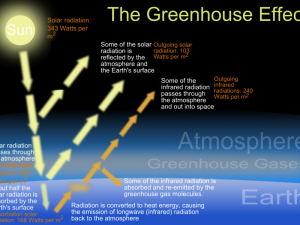
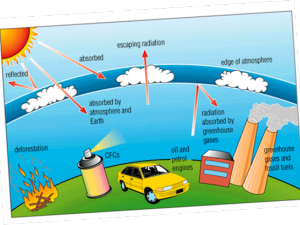
the problem of the earth's atmosphere getting warmer because gases such as carbon dioxide trap the sun's heat
The destruction of forests is contributing to the greenhouse effect.
삼림 파괴는 온실효과의 한 원인이 되고 있다.
유의어global warmingclimate changeatmospheric warming반의어ice ageglacial periodcooling effect열대 우림 (yeoldae urim)
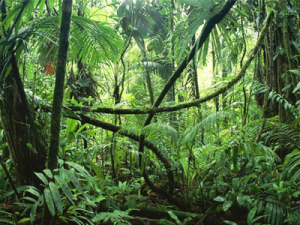
a thick forest in tropical parts of the world that have a lot of rain
The Amazon rainforest is in Brazil.
아마존 열대 우림은 브라질에 있습니다. (Amazon yeoldae urimeun beurajire issseumnida.)
유의어tropical rainforestjunglewoodlandforest반의어desertarid landgrasslandbarren land회오리바람 (hoeoribaram)
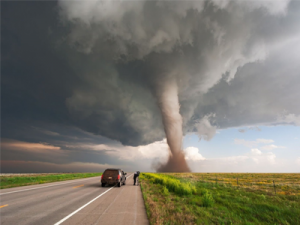
a violent storm with very strong winds that move in a circle. There is often also a long cloud that is narrower at the bottom than the top.
A lot of people died in the tornado yesterday.
어제 토네이도로 많은 사람들이 죽었습니다. (Eoje toneidoro manheun saramdeuri jugeotseupnida.)
유의어twistercyclonewhirlwind반의어calmstillnessbreeze기후 변화 (gihu byeonhwa)
changes in the earth’s weather, including changes in temperature, wind patterns and rainfall , especially the increase in the temperature of the earth’s atmosphere that is caused by the increase of particular gases, especially carbon dioxide
In any case, climate change is already disrupting the lives of millions of human beings.
어쨌든 기후 변화는 이미 수백만 명의 사람들의 삶을 파괴하고 있습니다.
유의어global warmingclimatic changeenvironmental changeclimate crisis반의어climate stabilityenvironmental equilibrium천연 자원 (cheonyeon jawon)
materials such as minerals, forests, water and fertile land that exist in nature and can be used by people
Some natural resources, such as natural gas and fossil fuel, cannot be replaced.
천연 가스와 화석 연료와 같은 일부 천연 자원은 대체할 수 없습니다.
유의어raw materialsenvironmental resourcesnature's bountyearth's resources반의어man-made resourcessynthetic resourcesartificial resourcesprocessed materials지구 온난화
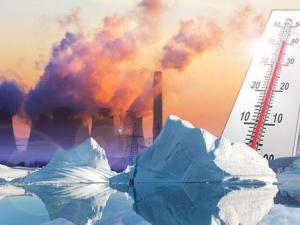
the increase in temperature of the earth’s atmosphere that is caused by the increase of particular gases, especially carbon dioxide
Global warming is a term that refers to the general warm - up of the Earth and its atmosphere.
지구 온난화는 지구와 그 대기의 일반적인 온난화를 지칭하는 용어입니다.
유의어climate changegreenhouse effectatmospheric warming반의어global coolingice age쓰나미 (sseunami)
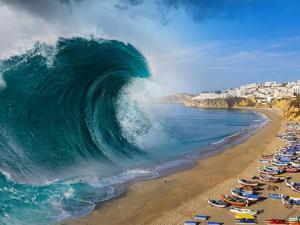
an extremely large wave in the sea caused, for example, by an earthquake
A tsunami is a great wave or series of waves which extends from the surface water to the sea floor.
쓰나미는 표면의 물에서 해저까지 뻗어있는 거대한 파도 또는 일련의 파도입니다.
유의어tidal waveseismic sea wave반의어ripplesmall wavestill water온실 가스 (onsil gaseu)
any of the gases that are thought to cause the greenhouse effect , especially carbon dioxide
Carbon dioxide is a so-called greenhouse gas, which absorbs energy from the sun, making the air warmer.
이산화탄소는 소위 온실 가스로, 태양으로부터 에너지를 흡수하여 공기를 따뜻하게 만듭니다.
유의어climate-warming gasheat-trapping gasradiative forcing agent반의어none (in a direct senseas it refers to a specific function)carbon sink (related concept)ozone (indirectlyas ozone depletion can have cooling effects)오존층 (ojoncheung)
a layer of ozone high above the earth’s surface that helps to protect the earth from harmful radiation from the sun
The ozone layer protects living things from the harmful radiation of the sun.
오존층은 태양의 유해한 방사선으로부터 생물을 보호합니다.
유의어ozone shieldozonosphere반의어None