본문으로 건너뛰기

레슨 23/33 · 137단어 · 외운 단어 0

Science

과학

  1. 1

    star(noun)

    /stɑːr/

    별 (byeol)

    a large ball of burning gas in space that we see as a point of light in the sky at night

    Sirius is the brightest star in the sky.

    시리우스는 하늘에서 가장 밝은 별입니다.

    She starred opposite Cary Grant in ‘Bringing up Baby’.

    유의어celestial bodyluminarysuncelebrityidol
    반의어planetdarknessobscuritynobody
  2. 2

    physics(noun)

    /ˈfɪzɪks/

    물리학 (mullihak)

    the scientific study of matter and energy and the relationships between them, including the study of forces, heat, light, sound, electricity and the structure of atoms

    I’m not good at physics.

    저는 물리를 잘 못해요. (Jeoneun mullireul jal mothaeyo.)

    particle/nuclear/theoretical physics

    유의어sciencephysical sciencenatural philosophy
    반의어artshumanities
  3. 3

    chemistry(noun)

    /ˈkemɪstri/

    화학 (hwahak)

    the scientific study of the structure of substances, how they react when combined or in contact with one another, and how they behave under different conditions

    I like learning Chemistry in the laboratory.

    저는 실험실에서 화학 배우는 것을 좋아합니다.

    the university's chemistry department

    유의어chemical sciencechemical analysiscompositionchemical processes
    반의어physical science
  4. 4

    biology(noun)

    /baɪˈɑːlədʒi/

    생물학 (saengmulhak)

    the scientific study of the life and structure of plants and animals

    What day do you have biology?

    무슨 요일에 생물 수업이 있나요? (museun yoire saengmul sueobi innayo?)

    The beach is a mile away.

    유의어life sciencenatural science
    반의어physicschemistrymathematics
  5. 5

    gravity(noun)

    /ˈɡrævəti/

    중력

    the force that attracts objects in space towards each other, and that on the earth pulls them towards the centre of the planet, so that things fall to the ground when they are dropped

    Because of gravity, an apple falls to the ground when it drops from the tree.

    중력 때문에 사과는 나무에서 떨어지면 땅으로 떨어진다.

    유의어seriousnessimportancesignificanceweightinessseveritycriticality
    반의어trivialityunimportanceinsignificancelevity
  6. 6

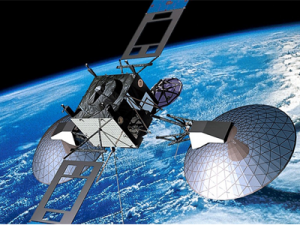
    satellite(noun)

    /ˈsætəlaɪt/

    위성 (wiseong)

    an electronic device that is sent into space and moves around the earth or another planet. It is used for communicating by radio, television, etc. and for gathering information.

    a weather/communications satellite

    기상/통신 위성 (gisang/tongsin wiseong)

    유의어moonorbiterspacecraft
    반의어planetground station
  7. 7

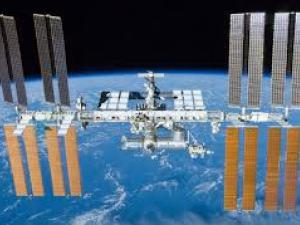
    space station(noun)

    /ˈspeɪs steɪʃn/

    우주 정거장 (uju jeonggeojang)

    a large structure that is sent into space and remains above the earth as a base for people working and travelling in space

    the International Space Station (ISS)

    국제 우주 정거장 (ISS) (gukje uju jeonggeojang (ISS))

    유의어orbital stationoutpost in space
    반의어Earthbound facility
  8. 8

    ecology(noun)

    /iˈkɑːlədʒi/

    생태학 (saengtae-hak)

    the relation of plants and living creatures to each other and to their environment; the study of this

    She hopes to study ecology at college.

    그녀는 대학에서 생태학을 공부하기를 희망합니다.

    유의어environmental scienceenvironmentalismbiotic science
    반의어none (ecology as a field of study doesn't have a direct antonym. Related fields like urban planning might be considered distantly opposite in some contexts.)
  9. 9

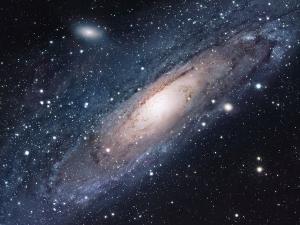
    galaxy(noun)

    /ˈɡæləksi/

    은하, 은하계

    any of the large systems of stars, etc. in outer space

    Our solar system is part of a galaxy called the Milky Way.

    우리 태양계는 은하수라고 불리는 은하의 일부이다.

    유의어star systemisland universe
    반의어voidemptiness
  10. 10

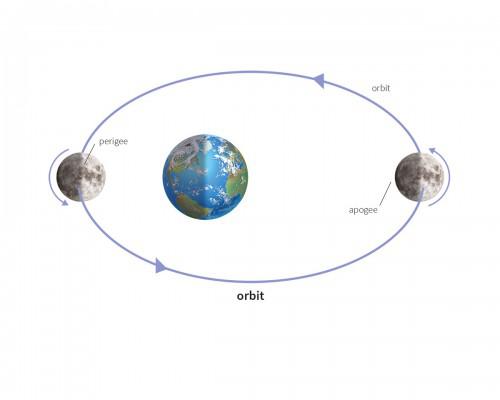
    orbit(noun)

    /ˈɔːrbɪt/

    궤도

    a curved path followed by a planet or an object as it moves around another planet, star, moon, etc.

    The satellite is now in orbit around the Earth.

    그 위성은 현재 지구 둘레의 궤도에 있다.

    유의어revolvecircleencirclego aroundrotate around
    반의어stagnatestandstillstopremain stationary
  11. 11

    rocket(noun)

    /ˈrɑːkɪt/

    로켓

    a spacecraft in the shape of a tube that is driven by a stream of gases let out behind it when fuel is burned inside

    The rocket carried three astronauts into space last month.

    그 로켓은 지난달 우주비행사 세 명을 우주로 실어 날랐다.

    유의어soarsurgeskyrocketincrease rapidlyboom
    반의어plummetdecrease rapidlydeclinedrop
  12. 12

    biodiversity(noun)

    /ˌbaɪəʊdaɪˈvɜːrsəti/

    생물 다양성 (saengmul dayangseong)

    the existence of a large number of different kinds of animals and plants which make a balanced environment

    A new National Biological Survey will protect species habitat and biodiversity.

    새로운 국립 생물 조사에서는 종 서식지와 생물 다양성을 보호할 것입니다.

    유의어variety of lifebiological diversityecological diversityspecies richnessgenetic diversity
    반의어monocultureuniformitylack of diversitybiological uniformity
  13. 13

    lunar(adjective)

    /ˈluːnər/

    음력의

    connected with the moon

    People are preparing for the Lunar New Year.

    사람들은 음력 설날을 준비하고 있습니다.

    유의어moon-relatedmoonlike
    반의어solarsun-related
  14. 14

    earthquake(noun)

    /ˈɜːrθkweɪk/

    지진 (jijin)

    a sudden, violent shaking of the earth’s surface

    It is the most terrible earthquake I've ever seen.

    이것은 내가 본 지진 중 가장 끔찍한 지진입니다.

    유의어temblorseismtremor
    반의어calmstabilitystillness
  15. 15

    spacecraft(noun)

    /ˈspeɪskræft/

    우주선 (ujuseon)

    a vehicle that travels in space

    These children have never seen such a huge spacecraft.

    이 아이들은 이렇게 거대한 우주선을 본 적이 없습니다.

    유의어spaceshiprocketvesselspace vehicle
    반의어ground vehiclelandcraft
  16. 16

    nuclear energy(noun)

    /ˌnuːkliər ˈenərdʒi/

    원자력 에너지 (wonjaryeok eneojeo)

    a powerful form of energy produced by changing matter into energy by splitting the nuclei (= central parts) of atoms . It is used to produce electricity.

    I think nuclear energy will be widely used in the future.

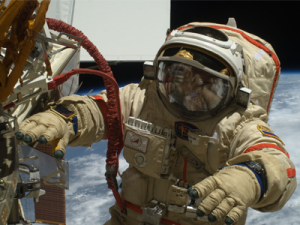
    저는 원자력 에너지가 미래에 널리 사용될 것이라고 생각합니다.

    유의어atomic energyatomic powernuclear power
    반의어renewable energysolar energywind energyhydroelectric energy
  17. 17

    cosmonaut(noun)

    /ˈkɑːzmənɔːt/

    우주비행사

    an astronaut from the former Soviet Union

    He is a cosmonaut.

    그는 우주비행사입니다.

    유의어astronautspacemanspace traveler
    반의어earthboundlandlubbergroundling
  18. 18

    psychology(noun)

    /saɪˈkɑːlədʒi/

    심리학 (simnihak)

    the scientific study of the mind and how it influences behaviour

    She studied psychology at Harvard.

    그녀는 하버드에서 심리학을 공부했습니다. (Geunyeoneun Habeodeueseo simnihageul gongbuhasseumnida.)

    유의어behavioral sciencescience of mindmental science
    반의어physical sciencephysicality
  19. 19

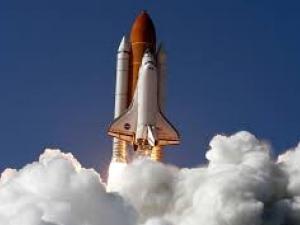
    space shuttle(noun)

    /ˈspeɪs ʃʌtl/

    우주 왕복선

    a spacecraft designed to make repeated journeys, for example between the earth and a space station

    The space shuttle lifted off on time.

    우주 왕복선은 정시에 이륙했습니다.

    유의어orbiterspaceship
  20. 20

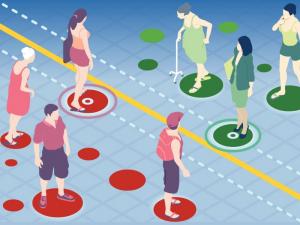
    epidemiology(noun)

    /ˌepɪˌdiːmiˈɑːlədʒi/

    역학 (yeokhak)

    the scientific study of the spread and control of diseases

    Her major is epidemiology.

    그녀의 전공은 역학입니다. (geunyeoui jeongongeun yeokhakimnida.)

    유의어study of epidemicspublic health sciencedisease control research
    반의어N/A (no direct antonym)
  21. 21

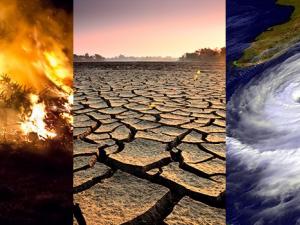
    climate change(noun)

    /ˈklaɪmət tʃeɪndʒ/

    기후 변화 (gihu byeonhwa)

    changes in the earth’s weather, including changes in temperature, wind patterns and rainfall , especially the increase in the temperature of the earth’s atmosphere that is caused by the increase of particular gases, especially carbon dioxide

    In any case, climate change is already disrupting the lives of millions of human beings.

    어쨌든 기후 변화는 이미 수백만 명의 사람들의 삶을 파괴하고 있습니다.

    유의어global warmingclimatic changeenvironmental changeclimate crisis
    반의어climate stabilityenvironmental equilibrium
  22. 22

    anatomy(noun)

    /əˈnætəmi/

    해부학

    the scientific study of the physical structure of humans, animals or plants

    Medical students must study human anatomy in their first year.

    의대생들은 1학년 때 인체 해부학을 공부해야 한다.

    유의어structurebodily structureorganizationmorphologyphysiologyformcomposition
    반의어disorganizationformlessnessamorphousness
  23. 23

    asteroid(noun)

    /ˈæstərɔɪd/

    소행성 (sohaengseong)

    any one of the many small planets that go around the sun

    An asteroid collided with Earth millions of years ago.

    수백만 년 전에 소행성이 지구와 충돌했습니다.

    유의어minor planetplanetoidspace rock
    반의어planetstar
  24. 24

    astrobiology(noun)

    /ˌæstrəʊbaɪˈɑːlədʒi/

    우주생물학

    the scientific study of life on other planets

    Astrobiology is the study of the origin, evolution, distribution, and future of life in the universe.

    우주생물학은 우주의 생명의 기원, 진화, 분포, 미래에 대한 연구입니다.

    유의어exobiologybioastronomy
    반의어None
  25. 25

    astrogeology(noun)

    'æstrədʤi'ɔlədʤi

    행성 지질학 (Haengseong jiljilhak)

    the scientific study of the rocks, surfaces and structure of planets, moons and other bodies in space

    Astrogeology helps us understand the surfaces of other planets.

    행성 지질학은 우리가 다른 행성의 표면을 이해하는 데 도움이 됩니다.

    유의어Planetary geologyExogeology
    반의어Terrestrial geology
  26. 26

    astronomy(noun)

    /əˈstrɑːnəmi/

    천문학 (cheonmunhak)

    the scientific study of the sun, moon, stars, planets, etc.

    Astronomy is the scientific study of celestial objects and phenomena.

    천문학은 천체와 현상에 대한 과학적인 연구입니다.

    유의어celestial mechanicsspace scienceastro-science
    반의어astrology
  27. 27

    astrophysics(noun)

    /ˌæstrəʊˈfɪzɪks/

    천체물리학

    the scientific study of the physical and chemical structure of the stars, planets, etc.

    Astrophysics studies the physics of celestial objects.

    천체물리학은 천체의 물리학을 연구합니다.

    유의어astronomical physicsspace physics
    반의어geophysicsterrestrial physics
  28. 28

    biochemistry(noun)

    /ˌbaɪəʊˈkemɪstri/

    생화학 (saenghwahak)

    the scientific study of the chemistry of living things

    She is studying biochemistry at university.

    그녀는 대학교에서 생화학을 공부하고 있습니다. (geunyeoneun daehakgyoeseo saenghwahageul gongbuhago itseumnida.)

    유의어biological chemistrymolecular biologychemical biology
    반의어physicsgeology
  29. 29

    biophysics(noun)

    /ˌbaɪəʊˈfɪzɪks/

    생물 물리학

    the science that uses the laws and methods of physics to study biology

    Biophysics applies physics principles to biological systems.

    생물 물리학은 생물 시스템에 물리학 원리를 적용합니다.

    유의어biological physicsphysical biology
    반의어pure biologypure physics
  30. 30

    black hole(noun)

    /ˌblæk ˈhəʊl/

    블랙홀

    an area in space that nothing, not even light, can escape from, because gravity (= the force that pulls objects in space towards each other) is so strong there

    The black hole consumed the nearby star.

    블랙홀이 근처 별을 삼켰다.

    유의어gravitational singularitycosmic vacuum
    반의어white hole (theoretical)
  31. 31

    botany(noun)

    /ˈbɑːtəni/

    식물학 (singmulhak)

    the scientific study of plants and their structure

    She studied botany in college.

    그녀는 대학에서 식물학을 공부했습니다. (Geunyeoneun daehageseo singmulhageul gongbuhasseumnida.)

    유의어plant sciencephytology
    반의어zoologyanimal science
  32. 32

    climatology(noun)

    /ˌklaɪməˈtɑːlədʒi/

    기후학 (gihuhak)

    the scientific study of climate

    Climatology is the study of long-term weather patterns.

    기후학은 장기적인 날씨 패턴을 연구하는 학문입니다.

    유의어climate scienceweather science
    반의어none
  33. 33

    cognitive neuroscience(noun)

    인지신경과학 (injisin gyeonggwahak)

    the scientific study of how the brain and nervous system make thinking, learning and memory possible

    Cognitive neuroscience explores the neural mechanisms underlying thought and behavior.

    인지신경과학은 사고와 행동의 근본적인 신경 메커니즘을 탐구합니다.

    유의어behavioral neurosciencebiopsychologyneuropsychology
    반의어N/A
  34. 34

    cognitive science(noun)

    인지과학 (injigwahak)

    the study of the mind and how it works, combining ideas from psychology, linguistics, computer science and philosophy

    Cognitive science explores how the mind processes information.

    인지과학은 마음이 정보를 어떻게 처리하는지 탐구합니다.

    유의어cognitive studiesmind science
    반의어N/A (There is no direct antonym as it's a specific field of study.)
  35. 35

    comet(noun)

    /ˈkɑːmɪt/

    혜성 (hyeseong)

    a mass of ice and dust that moves around the sun and looks like a bright star with a tail

    A bright comet streaked across the night sky.

    밝은 혜성이 밤하늘을 가로질렀다.

    유의어shooting staricy bodydirty snowball
    반의어asteroidplanetstar
  36. 36

    cosmology(noun)

    /kɑːzˈmɑːlədʒi/

    우주론 (ujuron)

    the scientific study of the universe and its origin and development

    Cosmology seeks to understand the origin and evolution of the universe.

    우주론은 우주의 기원과 진화를 이해하려고 합니다.

    유의어astronomyastro physicsuniverse studiesorigin science
    반의어none
  37. 37

    cybernetics(noun)

    /ˌsaɪbərˈnetɪks/

    사이버네틱스

    the scientific study of communication and control systems, which involves comparing human and animal brains with machines and electronic devices

    Cybernetics explores the relationship between biological and mechanical systems.

    사이버네틱스는 생물학적 시스템과 기계적 시스템 간의 관계를 탐구합니다.

    유의어control systemsautomationsystems theory
    반의어randomnessdisorderchaos
  38. 38

    dark matter(noun)

    /dɑːrk ˈmætər/

    암흑 물질

    according to some theories, material that exists in space but does not reflect any light

    Scientists study dark matter to understand the universe's structure.

    과학자들은 우주의 구조를 이해하기 위해 암흑 물질을 연구합니다.

    유의어unseen matterhidden mass
    반의어luminous mattervisible matter
  39. 39

    electromagnetism(noun)

    /ɪˌlektrəʊˈmæɡnətɪzəm/

    전자기학

    the production of a magnetic field by means of an electric current, or of an electric current by means of a magnetic field

    Electromagnetism is a fundamental force of nature.

    전자기력은 자연의 기본적인 힘입니다.

    유의어Electromagnetic forceEM interaction
    반의어GravityWeak nuclear forceStrong nuclear force
  40. 40

    endocrinology(noun)

    /ˌendəʊkrɪˈnɑːlədʒi/

    내분비학

    the branch of medicine that is the study of the endocrine system and hormones

    Endocrinology is the study of hormones and their effects.

    내분비학은 호르몬과 그 영향에 대한 연구입니다.

    유의어hormone studyhormone science
    반의어exocrinology
  41. 41

    evolution(noun)

    /ˌevəˈluːʃn/

    진화

    the slow steady development of plants, animals, etc. during the history of the earth, as they adapt to changes in their environment

    The evolution of species is a complex process.

    종의 진화는 복잡한 과정입니다.

    유의어developmentprogressgrowthadvancement
    반의어devolutionregressionstagnation
  42. 42

    extraterrestrial(noun)

    /ˌekstrətəˈrestriəl/

    외계인, 외계 생명체

    (in stories) a creature that comes from another planet; a creature that may exist on another planet

    The movie was about an extraterrestrial who visited Earth.

    그 영화는 지구를 방문한 외계인에 관한 이야기였다.

    유의어aliennon-terrestrialotherworldly
    반의어terrestrialearthly
  43. 43

    genetics(noun)

    /dʒəˈnetɪks/

    유전학

    the scientific study of the ways in which different characteristics are passed from each generation of living things to the next

    Genetics plays a crucial role in determining our physical traits.

    유전학은 우리의 신체적 특징을 결정하는 데 중요한 역할을 합니다.

    유의어heredityinheritancegenes
    반의어environmental factors
  44. 44

    geology(noun)

    /dʒiˈɑːlədʒi/

    지질학

    the scientific study of the physical structure of the earth, including the origin and history of the rocks and soil of which the earth is made

    Geology helps us understand the Earth's history.

    지질학은 지구의 역사를 이해하는 데 도움이 됩니다.

    유의어earth sciencegeoscience
  45. 45

    geophysics(noun)

    /ˌdʒiːəʊˈfɪzɪks/

    지구 물리학

    the scientific study of the physics of the earth, including its atmosphere, climate and magnetism

    Geophysics is used to study the Earth's subsurface.

    지구 물리학은 지구의 지하를 연구하는 데 사용됩니다.

    유의어Earth physicsSolid Earth geophysics
    반의어None
  46. 46

    immunology(noun)

    /ˌɪmjuˈnɑːlədʒi/

    면역학 (myeonyeokhak)

    the scientific study of protection against disease

    Immunology is the study of the immune system.

    면역학은 면역 체계에 대한 연구입니다. (myeonyeokhageun myeonyeok chegye-e daehan yeonguimnida.)

    유의어immune biologyimmunobiology
    반의어none
  47. 47

    interstellar(adjective)

    /ˌɪntərˈstelər/

    항성 간의

    between the stars in the sky

    The spacecraft embarked on an interstellar journey.

    우주선은 항성 간 여행을 시작했습니다.

    유의어intergalacticouter spacebeyond solar system
    반의어terrestrialplanetarywithin solar system
  48. 48

    Martian(adjective)

    /ˈmɑːrʃn/

    화성의, 화성에서 온

    related to or coming from the planet Mars

    Scientists studied the Martian soil for signs of water.

    과학자들은 물의 흔적을 찾기 위해 화성의 토양을 연구했다.

    유의어inhabitant of Marsalienextraterrestrial
    반의어Earthlinghumanterrestrial
  49. 49

    meteor(noun)

    /ˈmiːtiər/

    유성 (yuseong)

    a piece of rock from outer space that makes a bright line across the night sky as it burns up while falling through the earth’s atmosphere

    A meteor streaked across the night sky.

    유성이 밤하늘을 가로질렀다.

    유의어shooting starfalling starbolide
    반의어asteroidcometplanet
  50. 50

    microbiology(noun)

    /ˌmaɪkrəʊbaɪˈɑːlədʒi/

    미생물학

    the scientific study of very small living things, such as bacteria

    Microbiology is the study of microorganisms.

    미생물학은 미생물의 연구입니다.

    유의어bacteriologyvirology
    반의어macrology
  51. 51

    microscopy(noun)

    /maɪˈkrɑːskəpi/

    현미경 검사

    the use of microscopes to look at very small creatures, objects, etc.

    Microscopy revealed the structure of the cell.

    현미경 검사로 세포의 구조가 밝혀졌습니다.

    유의어microscopic analysismicroscopic examination
    반의어macroscopic observation
  52. 52

    nebula(noun)

    /ˈnebjələ/

    성운 (seong-un)

    a mass of dust or gas that can be seen in the night sky, often appearing very bright; a bright area in the night sky caused by a large cloud of stars that are far away

    The telescope revealed a beautiful nebula.

    망원경은 아름다운 성운을 드러냈다. (mang-won-gyeong-eun areumdaun seong-un-eul deureonaetda.)

    유의어star cloudinterstellar cloud
    반의어empty spacevoid
  53. 53

    oceanography(noun)

    /ˌəʊʃəˈnɑːɡrəfi/

    해양학

    the scientific study of the ocean

    Oceanography is the study of the ocean.

    해양학은 바다에 대한 연구입니다.

    유의어marine sciencesea science
    반의어geologyastronomy
  54. 54

    optics(noun)

    /ˈɑːptɪks/

    광학

    the scientific study of sight and light

    The study of optics is crucial for designing lenses.

    광학 연구는 렌즈 설계에 매우 중요합니다.

    유의어vision sciencelight sciencedioptrics
    반의어N/A
  55. 55

    petrology(noun)

    /pəˈtrɑːlədʒi/

    암석학

    the scientific study of how rocks are made and what they are made of

    The geologist specialized in petrology to understand the origin of the rocks.

    그 지질학자는 암석의 기원을 이해하기 위해 암석학을 전공했습니다.

    유의어lithologygeology
    반의어none
  56. 56

    pharmacology(noun)

    /ˌfɑːrməˈkɑːlədʒi/

    약리학

    the science of drugs, including how they act on the body and how they are used to treat disease

    Pharmacology is a core subject for medical and pharmacy students.

    약리학은 의대생과 약대생에게 핵심 과목이다.

    Clinical pharmacology studies how drugs work in real patients.

    유의어drug studymedicinal chemistrypharmaceutics
    반의어none
  57. 57

    photosynthesis(noun)

    /ˌfəʊtəʊˈsɪnθəsɪs/

    광합성

    the process by which green plants turn carbon dioxide and water into food using energy obtained from light from the sun

    Photosynthesis is essential for plant life.

    광합성은 식물 생활에 필수적입니다.

    유의어carbon assimilationphotosynthetic activity
    반의어respiration
  58. 58

    physiology(noun)

    /ˌfɪziˈɑːlədʒi/

    생리학

    the scientific study of the normal functions of living things

    Physiology is the study of how living organisms function.

    생리학은 살아있는 유기체가 어떻게 기능하는지 연구하는 학문입니다.

    유의어body functionsbiological processes
    반의어anatomy
  59. 59

    respiration(noun)

    /ˌrespəˈreɪʃn/

    호흡

    the act of breathing

    Respiration is essential for life.

    호흡은 생명에 필수적입니다.

    유의어breathingventilation
    반의어suffocationasphyxiation
  60. 60

    seismology(noun)

    /saɪzˈmɑːlədʒi/

    지진학

    the scientific study of earthquakes

    Seismology helps us understand earthquakes.

    지진학은 우리가 지진을 이해하는 데 도움이 됩니다.

    유의어Earthquake scienceStudy of earthquakes
    반의어None
  61. 61

    space-time(noun)

    /ˈspeɪs taɪm/

    시공

    the universe considered as a continuum with four measurements—length, width , depth and time—inside which any event or physical object is located

    Einstein's theory deals with space-time.

    아인슈타인의 이론은 시공간을 다룬다.

    유의어space and timecontinuum
    반의어spacetime
  62. 62

    thermodynamics(noun)

    /ˌθɜːrməʊdaɪˈnæmɪks/

    열역학

    the science that deals with the relations between heat and other forms of energy

    Thermodynamics explains how energy is converted and used.

    열역학은 에너지가 어떻게 변환되고 사용되는지 설명합니다.

    유의어thermodynamic principlesthermal physics
    반의어none
  63. 63

    virology(noun)

    /vaɪˈrɑːlədʒi/

    바이러스학

    the scientific study of viruses and the diseases caused by them

    Virology is the study of viruses.

    바이러스학은 바이러스 연구입니다.

    유의어virus studyviral science
    반의어bacteriologyimmunology
  64. 64

    volcanology(noun)

    /ˌvɑːlkəˈnɑːlədʒi/

    화산학

    the scientific study of volcanoes

    Volcanology is the study of volcanoes and related phenomena.

    화산학은 화산 및 관련 현상에 대한 연구입니다.

    유의어volcanic sciencegeovolcanology
    반의어None
  65. 65

    zoology(noun)

    /zuˈɑːlədʒi/

    동물학

    the scientific study of animals and their behaviour

    She is majoring in zoology at the university.

    그녀는 대학교에서 동물학을 전공하고 있습니다.

    유의어animal biologyanimal science
    반의어botany
  66. 66

    genetic engineering(noun)

    /dʒəˈnetɪk ˌendʒɪˈnɪrɪŋ/

    유전 공학

    the science of changing how a living creature or plant develops by changing the information in its genes

    Genetic engineering is used to modify crops for better yields.

    유전 공학은 더 나은 수확량을 위해 작물을 수정하는 데 사용됩니다.

    유의어gene editingbiotechnologygene manipulation
    반의어natural selectiontraditional breeding
  67. 67

    artificial intelligence(noun)

    /ˌɑːrtɪˈfɪʃl ɪnˈtelɪdʒəns/

    인공지능, AI

    the ability of computer systems to do tasks that normally need human intelligence, such as understanding language or making decisions

    The bank uses artificial intelligence to detect unusual transactions.

    그 은행은 인공지능을 사용하여 비정상적인 거래를 탐지한다.

    Artificial intelligence is changing how customer service teams work.

    유의어AImachine intelligence
    반의어natural intelligencehuman intelligence
  68. 68

    robotics(noun)

    /rəʊˈbɑːtɪks/

    로봇 공학

    the science of designing and operating robots

    The field of robotics is rapidly advancing.

    로봇 공학 분야는 빠르게 발전하고 있습니다.

    유의어automationartificial intelligence
    반의어manual laborhuman-operated
  69. 69

    nanotechnology(noun)

    /ˌnænəʊtekˈnɑːlədʒi/

    나노기술

    the branch of technology that deals with structures that are less than 100 nanometres long. Scientists often build these structures using individual molecules of substances.

    Nanotechnology is used in many fields, including medicine and manufacturing.

    나노 기술은 의학과 제조를 포함한 많은 분야에서 사용됩니다.

    유의어molecular manufacturingnanoscale technology
    반의어macrotechnology
  70. 70

    nuclear physics(noun)

    /ˈnuːkliər ˈfɪzɪks/

    핵물리학

    the area of physics which deals with the nucleus of atoms and with nuclear energy

    Nuclear physics is crucial for understanding atomic energy.

    핵물리학은 원자력을 이해하는 데 매우 중요합니다.

    유의어atomic physicsnuclear science
    반의어classical physics
  71. 71

    paleontology(noun)

    /ˌpeɪliɑːnˈtɑːlədʒi/

    고생물학

    the study of fossils (= the parts of dead animals or plants in rocks) as a guide to the history of life on earth

    She studied paleontology to learn about dinosaurs.

    그녀는 공룡에 대해 배우기 위해 고생물학을 공부했습니다.

    유의어fossil studyfossil science
    반의어none
  72. 72

    astronaut(noun)

    /ˈæstrənɔːt/

    우주 비행사

    a person whose job involves travelling and working in a spacecraft

    The astronaut walked on the moon.

    우주 비행사가 달 위를 걸었다.

    유의어spacemancosmonautspace traveler
    반의어earthboundlandlubber
  73. 73

    exoplanet(noun)

    /ˈeksəʊplænɪt/

    외계 행성

    a planet outside the solar system

    Scientists have discovered many exoplanets in recent years.

    과학자들은 최근 몇 년 동안 많은 외계 행성을 발견했습니다.

    유의어extrasolar planetplanet beyond our solar system
    반의어planetsolar planet
  74. 74

    solar system(noun)

    /ˈsəʊlər ˈsɪstəm/

    태양계

    the sun and all the planets that move around it

    The solar system consists of the sun and all the planets that orbit it.

    태양계는 태양과 그것을 공전하는 모든 행성으로 구성됩니다.

    유의어planetary systemstar system
  75. 75

    space probe(noun)

    /speɪs prəʊb/

    우주 탐사선

    a spacecraft without people on board that obtains information and sends it back to earth

    The space probe sent back images of Jupiter.

    우주 탐사선은 목성의 이미지를 보냈습니다.

    유의어unmanned spacecraftrobotic probeplanetary probe
    반의어manned spacecraft
  76. 76

    spacewalk(noun)

    /ˈspeɪswɔːk/

    우주 유영

    a period of time that an astronaut spends in space outside a spacecraft

    The astronaut performed a spacewalk to repair the satellite.

    우주 비행사는 위성을 수리하기 위해 우주 유영을 실시했습니다.

    유의어extravehicular activityEVA
    반의어indoor activitygrounded activity
  77. 77

    Analytical chemistry(noun)

    /ˌænəˈlɪtɪkəl ˈkɛmɪstri/

    분석 화학

    The branch of chemistry that identifies substances and measures their chemical components.

    Analytical chemistry is used to identify and quantify the chemical components of substances.

    분석 화학은 물질의 화학적 구성 요소를 식별하고 정량화하는 데 사용됩니다.

    유의어Chemical analysisQuantitative analysisQualitative analysis
    반의어Organic chemistryBiochemistry
  78. 78

    Animal behavior(noun)

    /ˈænəməl bɪˈheɪvjər/

    동물 행동 (Dongmul haengdong)

    The way animals act and respond, or the scientific study of this.

    The students studied animal behavior in the wild.

    학생들은 야생에서 동물 행동을 연구했습니다.

    유의어EthologyAnimal conductAnimal psychology
    반의어Inanimate behaviorPlant behavior
  79. 79

    Animal physiology(noun)

    /ˈænəməl ˌfɪziˈɑləʤi/

    동물 생리학

    The scientific study of how the bodies and organs of animals work.

    Animal physiology explores how animals function.

    동물 생리학은 동물이 어떻게 기능하는지 탐구합니다.

    유의어zoophysiologycomparative physiology
    반의어plant physiology
  80. 80

    Astrochemistry(noun)

    /ˌæstroʊˈkɛmɪstri/

    우주 화학

    The study of the chemical substances and reactions found in space.

    Astrochemistry helps us understand the origin of life.

    우주 화학은 생명의 기원을 이해하는 데 도움이 됩니다.

    유의어CosmochemistrySpace chemistry
    반의어Terrestrial chemistryGeochemistry
  81. 81

    Atomic structure(noun)

    /əˈtɑmɪk ˈstrʌkʧər/

    원자 구조

    The arrangement of protons, neutrons and electrons that make up an atom.

    Understanding atomic structure is fundamental to chemistry.

    원자 구조를 이해하는 것은 화학의 기본입니다.

    유의어atomic arrangementnuclear structure
    반의어macroscopic structuremolecular structure
  82. 82

    Bioengineering(noun)

    /ˌbaɪoʊˌɛnʤɪˈnɪrɪŋ/

    생물공학

    The use of engineering methods to solve problems in biology and medicine.

    Bioengineering has led to advancements in medical treatments.

    생물공학은 의학 치료의 발전을 이끌었습니다.

    유의어Biomedical engineeringGenetic engineeringBiotechnology
    반의어Mechanical engineeringChemical engineering
  83. 83

    Bioethics(noun)

    /baɪoʊˈɛθɪks/

    생명윤리학

    The study of moral questions raised by advances in biology and medicine.

    Bioethics explores the moral issues arising from advances in biology and medicine.

    생명윤리학은 생물학과 의학의 발전으로 인해 발생하는 도덕적 문제를 탐구합니다.

    유의어Medical ethicsEthics of scienceMoral philosophy of biology
    반의어Amoral scienceUnethical research
  84. 84

    Bioinformatics(noun)

    /ˌbaɪoʊˌɪnfərˈmætɪks/

    생물정보학

    The use of computers to store and analyse large amounts of biological data.

    Bioinformatics combines biology and computer science to analyze large datasets.

    생물정보학은 대규모 데이터 세트를 분석하기 위해 생물학과 컴퓨터 과학을 결합합니다.

    유의어Computational biologyData science in biology
    반의어Experimental biology
  85. 85

    Biomechanics(noun)

    /ˌbaɪoʊməˈkænɪks/

    생체역학

    The scientific study of the physical movement and structure of living things, using the principles of mechanics.

    Biomechanics studies the mechanical aspects of living organisms.

    생체역학은 살아있는 유기체의 기계적 측면을 연구합니다.

    유의어KinesiologyHuman kinetics
    반의어None
  86. 86

    Biomechatronics(noun)

    /ˌbaɪoʊmɛkəˈtrɑnɪks/

    생체 메카트로닉스

    The science of combining biology, mechanics and electronics to design devices that work with the human body.

    Biomechatronics combines biology, mechanics, and electronics to design innovative devices.

    생체 메카트로닉스는 생물학, 역학, 전자 공학을 결합하여 혁신적인 장치를 설계합니다.

    유의어BioengineeringBiomechanical engineering
    반의어None
  87. 87

    Biotechnology(noun)

    /ˌbaɪoʊtɛkˈnɑləʤi/

    생명공학

    The use of living cells and bacteria in industrial and scientific processes, for example to make medicines.

    Biotechnology is being used to develop new medicines.

    생명공학은 새로운 약을 개발하는 데 사용되고 있습니다.

    유의어BioengineeringGenetic engineeringBiotech
    반의어Conventional methodsTraditional techniques
  88. 88

    Cell biology(noun)

    /sɛl baɪˈɑləʤi/

    세포 생물학

    The branch of biology that studies the structure and function of cells.

    Cell biology is a fundamental branch of science.

    세포 생물학은 과학의 기본 분야입니다.

    유의어cytologycellular biology
    반의어none
  89. 89

    Cell division(noun)

    /sɛl dɪˈvɪʒən/

    세포 분열

    The process by which a cell divides to form two or more new cells.

    Cell division is essential for growth and repair.

    세포 분열은 성장과 복구에 필수적입니다.

    유의어MitosisCytokinesisCell proliferation
    반의어Cell deathApoptosis
  90. 90

    Chemical reactions(noun)

    /ˈkɛmɪkəl riˈækʃənz/

    화학 반응

    Processes in which substances act on each other and are changed into different substances.

    Chemical reactions are fundamental to understanding how the world works.

    화학 반응은 세상이 어떻게 작동하는지 이해하는 데 기본입니다.

    유의어chemical processeschemical changestransformations
    반의어physical changesstability
  91. 91

    Climate modeling(noun)

    /ˈklaɪmɪt ˈmɑdəlɪŋ/

    기후 모델링

    The use of computer models to simulate the earth's climate and predict how it may change.

    Climate modeling is essential for understanding future climate change.

    기후 모델링은 미래의 기후 변화를 이해하는 데 필수적입니다.

    유의어climate simulationclimate projectionclimate prediction
    반의어climate observationhistorical weather data
  92. 92

    Computational biology(noun)

    /ˌkɑmpjʊˈteɪʃənəl baɪˈɑləʤi/

    전산 생물학

    The use of computers and mathematical models to study and understand biological systems and data.

    Computational biology uses computer algorithms to model biological systems.

    전산 생물학은 생물학적 시스템을 모델링하기 위해 컴퓨터 알고리즘을 사용합니다.

    유의어BioinformaticsMathematical biologySystems biology
    반의어Experimental biologyTraditional biology
  93. 93

    Conservation biology(noun)

    /ˌkɑnsərˈveɪʃən baɪˈɑləʤi/

    보전 생물학

    The scientific study of how to protect species, their habitats and the earth's biodiversity.

    Conservation biology is crucial for protecting endangered species.

    보전 생물학은 멸종 위기에 처한 종을 보호하는 데 매우 중요합니다.

    유의어Conservation scienceEnvironmental biology
    반의어Exploitation biologyDestructive ecology
  94. 94

    Environmental chemistry(noun)

    /ɪnˌvaɪrənˈmɛntl ˈkɛmɪstri/

    환경 화학

    The study of chemical processes in the environment and the effects of chemicals on air, water and soil.

    Environmental chemistry studies the effects of chemicals on the environment.

    환경 화학은 화학 물질이 환경에 미치는 영향을 연구합니다.

    유의어Green chemistryEcological chemistry
    반의어Industrial chemistry
  95. 95

    Environmental impact assessment(noun)

    /ɪnˌvaɪrənˈmɛntl ˈɪmpækt əˈsɛsmənt/

    환경 영향 평가

    An official study of the likely effects of a planned project on the environment.

    The environmental impact assessment showed minimal damage.

    환경 영향 평가 결과 피해가 미미한 것으로 나타났습니다.

    유의어environmental assessmentimpact studyecological assessment
    반의어environmental neglectnon-assessment
  96. 96

    Environmental science(noun)

    /ɪnˌvaɪrənˈmɛntl ˈsaɪəns/

    환경 과학

    The study of the natural environment and the ways in which humans affect it.

    Environmental science is a multidisciplinary field.

    환경 과학은 다학제적인 분야입니다.

    유의어ecologyconservation scienceenvironmental studies
    반의어N/A
  97. 97

    Evolutionary biology(noun)

    /ˌiːvəˈluːʃəˌnɛri baɪˈɑləʤi/

    진화 생물학

    The branch of biology that studies how living things have developed and changed over time.

    Evolutionary biology explains how life on Earth has changed over time.

    진화 생물학은 지구상의 생명이 시간이 지남에 따라 어떻게 변해왔는지 설명합니다.

    유의어Evolutionary scienceDarwinian biology
    반의어Creation science
  98. 98

    Genetic counseling(noun)

    /ʤəˈnɛtɪk ˈkaʊnsəlɪŋ/

    유전 상담

    Advice given to people about the risk of passing on or having an inherited disease.

    She sought genetic counseling before starting a family.

    그녀는 가정을 시작하기 전에 유전 상담을 받았다.

    유의어Genetic guidanceGenetic consultation
    반의어None
  99. 99

    Genetic variation(noun)

    /ʤəˈnɛtɪk ˌvɛəriˈeɪʃən/

    유전적 변이

    The differences in genes between individual living things of the same species.

    Genetic variation allows populations to adapt to changing environments.

    유전적 변이는 개체군이 변화하는 환경에 적응할 수 있게 해줍니다.

    유의어Genetic diversityAllelic variation
    반의어Genetic uniformityGenetic homogeneity
  100. 100

    Genome sequencing(noun)

    /ˈʤiːnoʊm ˈsiːkwənsɪŋ/

    게놈 서열 분석

    The process of finding the exact order of all the DNA in an organism's genome.

    Genome sequencing can help identify genetic diseases.

    게놈 서열 분석은 유전 질환을 식별하는 데 도움이 될 수 있습니다.

    유의어DNA sequencingGenetic mapping
    반의어N/A
  101. 101

    Hubble Space Telescope(noun)

    /ˈhʌbəl speɪs ˈtɛlɪskoʊp/

    허블 우주 망원경

    A large telescope in orbit around the earth that takes images of distant stars and galaxies.

    The Hubble Space Telescope has provided stunning images of distant galaxies.

    허블 우주 망원경은 먼 은하의 놀라운 이미지를 제공했습니다.

    유의어HSTHubble
  102. 102

    Immunotherapy(noun)

    /ˌɪmjʊnoʊˈθɛrəpi/

    면역 요법

    The treatment of disease by using or strengthening the body's immune system.

    Immunotherapy has shown promise in treating certain types of cancer.

    면역 요법은 특정 유형의 암 치료에 유망한 것으로 나타났습니다.

    유의어Biological therapyImmune system therapy
    반의어ChemotherapyRadiation therapy
  103. 103

    Inorganic chemistry(noun)

    /ˌɪnɔrˈgænɪk ˈkɛmɪstri/

    무기 화학

    The branch of chemistry that studies substances that do not contain carbon-hydrogen bonds.

    Inorganic chemistry studies compounds that do not contain carbon-hydrogen bonds.

    무기 화학은 탄소-수소 결합을 포함하지 않는 화합물을 연구합니다.

    유의어non-organic chemistrymineral chemistry
    반의어organic chemistry
  104. 104

    International Space Station(noun)

    /ˌɪntərˈnæʃənl speɪs ˈsteɪʃən/

    국제 우주 정거장

    A large spacecraft in orbit around the earth where astronauts from several countries live and work.

    The International Space Station orbits the Earth.

    국제 우주 정거장은 지구를 공전합니다.

    유의어ISSSpace Station
    반의어EarthGround
  105. 105

    Lunar module(noun)

    /ˈluːnər ˈmɒdjuːl/

    달 착륙선

    A small spacecraft that carries astronauts between the main spacecraft orbiting the moon and the moon's surface.

    The lunar module successfully landed on the moon.

    달 착륙선은 달에 성공적으로 착륙했습니다.

    유의어moon landerLEM (Lunar Excursion Module)
    반의어command modulespacecraft
  106. 106

    Marine biology(noun)

    /məˈrin baɪˈɑləʤi/

    해양 생물학

    The scientific study of plants and animals that live in the sea.

    She decided to major in marine biology.

    그녀는 해양 생물학을 전공하기로 결정했습니다.

    유의어Oceanic biologySea life studies
    반의어Terrestrial biologyBotany
  107. 107

    Mars Rover(noun)

    /mɑrz ˈroʊvər/

    화성 탐사차

    A vehicle that is sent to Mars to move across its surface and collect scientific information.

    The Mars Rover sent back stunning images of the Martian surface.

    화성 탐사차는 화성 표면의 멋진 이미지를 보냈습니다.

    유의어Mars explorerPlanetary rover
    반의어Stationary probeOrbiter
  108. 108

    Microbial ecology(noun)

    /maɪˈkroʊbiəl iˈkɑləʤi/

    미생물 생태학

    The scientific study of how microorganisms interact with each other and with their environment.

    Microbial ecology studies the interactions of microorganisms with each other and their environment.

    미생물 생태학은 미생물이 서로 및 환경과 상호 작용하는 것을 연구합니다.

    유의어Microbial biogeochemistryEnvironmental microbiology
    반의어Macrobial ecology
  109. 109

    Molecular biology(noun)

    /məˈlɛkjələr baɪˈɑləʤi/

    분자 생물학

    The scientific study of the structure and function of the molecules that make up living things.

    Molecular biology studies the structure and function of macromolecules.

    분자 생물학은 거대 분자의 구조와 기능을 연구합니다.

    유의어None
    반의어Classical biologyOrganismal biology
  110. 110

    Molecular genetics(noun)

    /məˈlɛkjəl ʤəˈnɛtɪks/

    분자 유전학

    The branch of genetics that studies the structure and function of genes at the level of molecules.

    Molecular genetics is used to study the structure and function of genes at a molecular level.

    분자 유전학은 분자 수준에서 유전자의 구조와 기능을 연구하는 데 사용됩니다.

    유의어NoneGene scienceMolecular biology of heredity
    반의어Classical genetics
  111. 111

    Moon landing(noun)

    /mun ˈlændɪŋ/

    달 착륙

    An occasion when a spacecraft lands on the moon, especially the first one in 1969.

    The moon landing was a major achievement for humanity.

    달 착륙은 인류에게 큰 업적이었습니다.

    유의어lunar landingmoonshotApollo mission
    반의어space launch failureearthbound
  112. 112

    Neurochemistry(noun)

    /ˌnjʊroʊˈkɛmɪstri/

    신경화학

    The scientific study of the chemical processes that happen in the nervous system.

    Neurochemistry studies the chemical processes within the nervous system.

    신경화학은 신경계 내의 화학적 과정을 연구합니다.

    유의어Brain chemistryNeurochemical processes
    반의어N/A
  113. 113

    Neuropsychology(noun)

    /ˌnjʊroʊˌsaɪkɔləʤi/

    신경심리학

    The scientific study of the relationship between the brain and the way people think and behave.

    Neuropsychology studies the relationship between the brain and behavior.

    신경심리학은 뇌와 행동 사이의 관계를 연구합니다.

    유의어Behavioral neuroscienceBiological psychology
    반의어None
  114. 114

    Neuroscience(noun)

    /ˌnjʊroʊˈsaɪəns/

    신경과학

    The scientific study of the brain and the nervous system.

    Neuroscience studies the brain and nervous system.

    신경과학은 뇌와 신경계를 연구합니다.

    유의어Brain scienceNeural scienceNeurobiology
    반의어None
  115. 115

    Organic chemistry(noun)

    /ɔrˈgænɪk ˈkɛmɪstri/

    유기화학

    The branch of chemistry that studies substances containing carbon.

    She is studying organic chemistry at the university.

    그녀는 대학교에서 유기화학을 공부하고 있습니다.

    유의어Carbon chemistryChemistry of carbon compounds
    반의어Inorganic chemistry
  116. 116

    Physical chemistry(noun)

    /ˈfɪzɪkəl ˈkɛmɪstri/

    물리 화학

    The branch of chemistry that uses the methods of physics to study chemical systems and reactions.

    Physical chemistry explores the fundamental principles underlying chemical systems.

    물리 화학은 화학 시스템의 기본 원리를 탐구합니다.

    유의어Chemical physicsTheoretical chemistry
    반의어Organic chemistryBiochemistry
  117. 117

    Planetary science(noun)

    /ˈplænəˌtɛri ˈsaɪəns/

    행성 과학

    The scientific study of planets, moons and planetary systems, and how they form and change.

    Planetary science studies the formation and evolution of planets.

    행성 과학은 행성의 형성과 진화를 연구합니다.

    유의어planetologycosmology
    반의어none
  118. 118

    Plant physiology(noun)

    /plænt ˌfɪziˈɑləʤi/

    식물 생리학

    The scientific study of how plants work, grow and stay alive.

    Plant physiology explores how plants function and grow.

    식물 생리학은 식물이 어떻게 기능하고 성장하는지 탐구합니다.

    유의어Plant biologyPhytophysiology
    반의어Animal physiology
  119. 119

    Polymer chemistry(noun)

    /ˈpɑləmər ˈkɛmɪstri/

    고분자 화학

    The branch of chemistry that studies polymers and how they are made and used.

    Polymer chemistry is crucial for developing new materials.

    고분자 화학은 새로운 재료 개발에 매우 중요합니다.

    유의어Macromolecular chemistryPolymer science
    반의어Inorganic chemistryAtomic chemistry
  120. 120

    Proteomics(noun)

    /ˌproʊtiˈɑmɪks/

    단백질체학

    The scientific study of all the proteins in a living thing, and their structure and function.

    Proteomics is used to study protein structure and function.

    단백질체학은 단백질 구조와 기능을 연구하는 데 사용됩니다.

    유의어Protein analysisProtein profilingProtein characterization
    반의어Genomics
  121. 121

    Quantum computing(noun)

    /ˈkwɑntəm kəmˈpjuːtɪŋ/

    양자 컴퓨팅

    A type of computing that uses the principles of quantum mechanics to process information.

    Quantum computing holds the potential to revolutionize various fields.

    양자 컴퓨팅은 다양한 분야에 혁명을 일으킬 잠재력을 가지고 있습니다.

    유의어Quantum information scienceQuantum computation
    반의어Classical computing
  122. 122

    Quantum mechanics(noun)

    /ˈkwɑntəm məˈkænɪks/

    양자역학

    The branch of physics that studies the behaviour of atoms and very small particles.

    Quantum mechanics governs the behavior of atoms and subatomic particles.

    양자역학은 원자와 아원자 입자의 행동을 지배합니다.

    유의어Quantum physicsQuantum theory
    반의어Classical mechanicsNewtonian mechanics
  123. 123

    Quantum theory(noun)

    /ˈkwɑntəm ˈθɪri/

    양자 이론

    A theory in physics based on the idea that energy exists in very small fixed units.

    Quantum theory explains the behavior of matter and energy at the atomic and subatomic levels.

    양자 이론은 원자 및 아원자 수준에서 물질과 에너지의 행동을 설명합니다.

    유의어Quantum mechanicsQuantum physics
    반의어Classical mechanicsNewtonian physics
  124. 124

    Space agency(noun)

    /speɪs ˈeɪʤənsi/

    우주 기관

    A government organization that is responsible for a country's space travel and research.

    NASA is a well-known space agency.

    NASA는 잘 알려진 우주 기관입니다.

    유의어space administrationaerospace organization
    반의어N/A
  125. 125

    Space colonization(noun)

    /speɪs ˌkɒlənaɪˈzeɪʃən/

    우주 식민지화

    The process of setting up permanent human communities on other planets or in space.

    Space colonization could open up new resources for humanity.

    우주 식민지화는 인류에게 새로운 자원을 열어줄 수 있습니다.

    유의어Space settlementOff-world colonization
    반의어Earth-bound existencePlanetary confinement
  126. 126

    Space debris(noun)

    /speɪs ˈdɛbriː/

    우주 쓰레기

    Broken pieces of old satellites, rockets and other man-made objects that remain in orbit around the earth.

    Space debris poses a threat to orbiting satellites.

    우주 쓰레기는 궤도를 도는 위성에 위협이 됩니다.

    유의어space junkorbital debrisspace waste
    반의어functional satelliteoperational spacecraft
  127. 127

    Space engineering(noun)

    /speɪs ˌɛnʤɪˈnɪərɪŋ/

    우주 공학

    The design and building of spacecraft, rockets, satellites and other equipment used in space.

    Space engineering is crucial for developing advanced rockets.

    우주 공학은 첨단 로켓 개발에 매우 중요합니다.

    유의어Aerospace engineeringAstronautical engineering
    반의어Terrestrial engineeringCivil engineering
  128. 128

    Space exploration(noun)

    /speɪs ˌɛksplɒˈreɪʃən/

    우주 탐험

    The use of spacecraft and technology to discover and study outer space.

    Space exploration has led to numerous technological advancements.

    우주 탐험은 수많은 기술 발전을 이끌었습니다.

    유의어Space researchCosmic explorationAstronautics
    반의어Terrestrial focusEarthbound research
  129. 129

    Space exploration missions(noun)

    /speɪs ˌɛksplɒˈreɪʃən ˈmɪʃənz/

    우주 탐사 임무

    Planned journeys or operations sent into space to discover and study planets, stars and other objects.

    Space exploration missions are expensive but potentially very rewarding.

    우주 탐사 임무는 비용이 많이 들지만 잠재적으로 매우 보람 있을 수 있습니다.

    유의어space missionsastronautical missionscosmic explorationspace voyages
    반의어earthbound researchground-based studies
  130. 130

    Space mission(noun)

    /speɪs ˈmɪʃən/

    우주 임무

    A planned journey or operation into space to carry out a particular task.

    The space mission was a success.

    우주 임무는 성공적이었습니다.

    유의어Space flightCosmic missionExtraterrestrial expedition
    반의어Earthbound projectTerrestrial activity
  131. 131

    Space physics(noun)

    /speɪs ˈfɪzɪks/

    우주 물리학

    The branch of physics that studies plasma, radiation and magnetic fields in space, especially near planets and the sun.

    Space physics studies the plasma environment of planets.

    우주 물리학은 행성의 플라스마 환경을 연구합니다.

    유의어AstrophysicsSpace science
    반의어Terrestrial physics
  132. 132

    Space research(noun)

    /speɪs rɪˈsɜːrtʃ/

    우주 연구

    Scientific study of outer space and the objects in it.

    Space research is crucial for understanding the universe.

    우주 연구는 우주를 이해하는 데 매우 중요합니다.

    유의어Space explorationCosmic studyAstronautics research
    반의어Earth-bound researchTerrestrial studies
  133. 133

    Space technology(noun)

    /speɪs tɛkˈnɒləʤi/

    우주 기술

    The machines, equipment and scientific methods used for travelling in and studying space.

    Space technology has enabled us to explore other planets.

    우주 기술 덕분에 우리는 다른 행성을 탐험할 수 있게 되었습니다.

    유의어Aerospace technologySpace exploration technology
    반의어Earth-bound technologyTerrestrial technology
  134. 134

    Space telescope(noun)

    /speɪs ˈtɛlɪskoʊp/

    우주 망원경

    A telescope placed in orbit around the earth to observe distant objects without interference from the atmosphere.

    The Hubble Space Telescope has provided stunning images of the universe.

    허블 우주 망원경은 우주의 놀라운 이미지를 제공했습니다.

    유의어orbital telescopeastronomical satellite
    반의어ground-based telescope
  135. 135

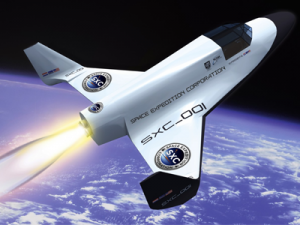
    Space tourism(noun)

    /speɪs ˈtʊrɪzəm/

    우주 관광

    The business of taking paying passengers on trips into space for pleasure.

    Space tourism is becoming a reality for wealthy individuals.

    우주 관광은 부유한 개인들에게 현실이 되고 있습니다.

    유의어Commercial space travelSuborbital tourism
    반의어Traditional tourismDomestic travel
  136. 136

    Stellar evolution(noun)

    /ˈstɛlər ˌiːvəˈluːʃən/

    항성 진화

    The process by which a star changes over its lifetime, from its formation to its death.

    Stellar evolution explains the life cycle of stars.

    항성 진화는 별의 수명 주기를 설명합니다.

    유의어star formationstar life cyclestar development
    반의어stellar creation
  137. 137

    Supernova(noun)

    /ˌsuːpərˈnoʊvə/

    초신성

    A star that explodes and suddenly becomes very much brighter for a short period.

    The supernova was visible even during the day.

    초신성은 낮에도 보였다.

    유의어stellar explosionstarburst
    반의어black holestellar remnant