Lição 11/12 · 25 palavras · 0 aprendidas
Topic 11: Environment
Tópico 11: Meio ambiente
proteger
to make sure that somebody/something is not harmed, injured, damaged, etc.
Consumer laws are designed to protect the public against unscrupulous vendors
As leis do consumidor são projetadas para proteger o público contra vendedores sem escrúpulos.
You can protect yourself from scams by getting detailed information on the seller
SinônimosdefendguardshieldsafeguardpreserveAntônimosendangerharmthreatenattackjeopardizepesquisa
a careful study of a subject, especially in order to discover new facts or information about it
For toy manufacturers, research can be pure fun
Para os fabricantes de brinquedos, a pesquisa pode ser pura diversão.
Part of the research the team does is to determine whether similar products are already on the market
SinônimosstudyinvestigationexplorationinquiryanalysisexperimentationAntônimosignoranceneglectcarelessnesssuperficialitypoluição
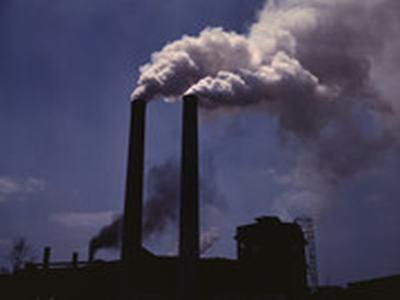
the process of making air, water, soil, etc. dirty; the state of being dirty
Water pollution is becoming more serious now.
A poluição da água está se tornando mais séria agora.
air/water pollution
SinônimoscontaminationdefilementimpurityfoulnesstaintadulterationAntônimospurificationcleansingsterilizationclarificationpristinenessreduzir
to make something less or smaller in size, quantity, price, etc.; to become less or smaller in size, quantity, etc.
Doctors will always try to reduce the temperature of patients with fever.
Os médicos sempre tentarão reduzir a temperatura de pacientes com febre.
Giving up smoking reduces the risk of heart disease.
SinônimosdecreaselessenlowerdiminishcutcurtailAntônimosincreaseraiseexpandenlargeaugmentpreservar, conservar
to keep something in its original state or in good condition
We must preserve these forests for future generations.
Devemos preservar essas florestas para as gerações futuras.
SinônimosconservemaintainprotectsafeguardkeepsaveupholdAntônimosdestroydamageneglectabandondiscardtempestade
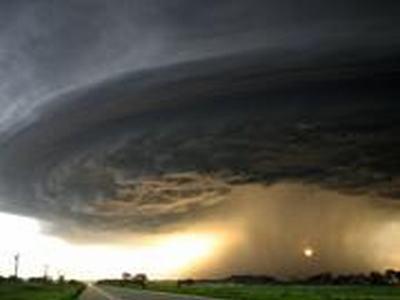
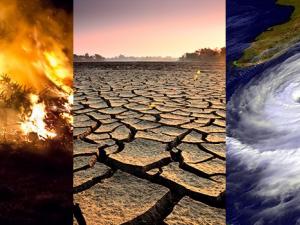
very bad weather with strong winds and rain, and often thunder and lightning
A few minutes later the storm broke
Alguns minutos depois, a tempestade começou.
storm damage
SinônimostempesthurricanecyclonetyphoonthunderstormoutburstturmoilAntônimoscalmpeacetranquilitystillnessclemencyvulcão
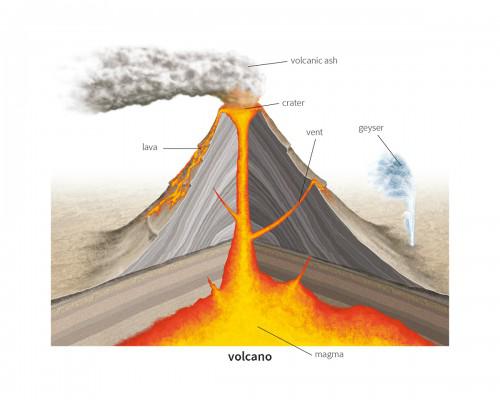
a mountain with a large opening at the top through which gases and lava (= hot liquid rock) are forced out into the air, or have been in the past
This volcano hasn't erupted for years.
Este vulcão não entra em erupção há anos.
SinônimoscratermountainventAntônimosplainvalleyplateauinundação
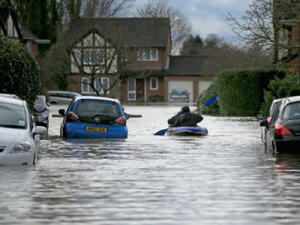
a large amount of water covering an area that is usually dry
Last winter, the town suffered the worst flood in fifty years.
No inverno passado, a cidade sofreu a pior inundação em cinquenta anos.
SinônimosdelugeinundationoverflowtorrentdownpourspateAntônimosdroughtariditydrynessscarcityefeito estufa
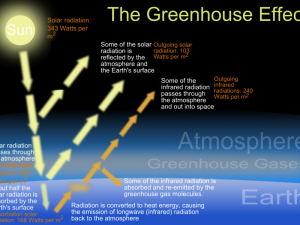
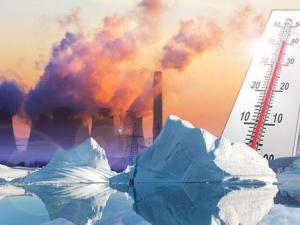
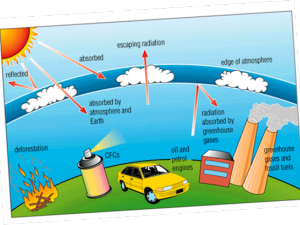
the problem of the earth's atmosphere getting warmer because gases such as carbon dioxide trap the sun's heat
The destruction of forests is contributing to the greenhouse effect.
A destruição das florestas está contribuindo para o efeito estufa.
Sinônimosglobal warmingclimate changeatmospheric warmingAntônimosice ageglacial periodcooling effectseca
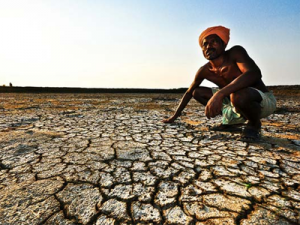
a long period of time when there is little or no rain
A drought caused most of the corn crop to fail.
Uma seca fez com que a maior parte da safra de milho fosse perdida.
Sinônimosdry spellaridnesslack of raindesiccationshortage of waterAntônimosflooddelugedownpourexcess rainabundance of watertornado
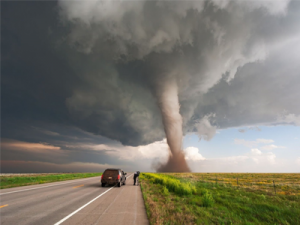
a violent storm with very strong winds that move in a circle. There is often also a long cloud that is narrower at the bottom than the top.
A lot of people died in the tornado yesterday.
Muita gente morreu no tornado ontem.
SinônimostwistercyclonewhirlwindAntônimoscalmstillnessbreezemudança climática
changes in the earth’s weather, including changes in temperature, wind patterns and rainfall , especially the increase in the temperature of the earth’s atmosphere that is caused by the increase of particular gases, especially carbon dioxide
In any case, climate change is already disrupting the lives of millions of human beings.
Em qualquer caso, a mudança climática já está perturbando a vida de milhões de seres humanos.
Sinônimosglobal warmingclimatic changeenvironmental changeclimate crisisAntônimosclimate stabilityenvironmental equilibriumenergia solar
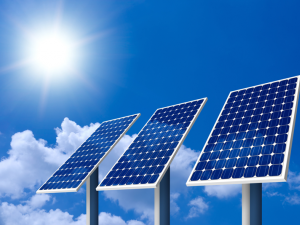
energy obtained from the light and heat from the sun, used to produce electricity
Solar power is the conversion of the sun's energy into heat and electricity.
A energia solar é a conversão da energia do sol em calor e eletricidade.
Sinônimosphotovoltaic energysolar energyAntônimosfossil fuelsnuclear powerrecursos naturais
materials such as minerals, forests, water and fertile land that exist in nature and can be used by people
Some natural resources, such as natural gas and fossil fuel, cannot be replaced.
Alguns recursos naturais, como o gás natural e os combustíveis fósseis, não podem ser substituídos.
Sinônimosraw materialsenvironmental resourcesnature's bountyearth's resourcesAntônimosman-made resourcessynthetic resourcesartificial resourcesprocessed materialsaquecimento global
the increase in temperature of the earth’s atmosphere that is caused by the increase of particular gases, especially carbon dioxide
Global warming is a term that refers to the general warm - up of the Earth and its atmosphere.
O aquecimento global é um termo que se refere ao aquecimento geral da Terra e de sua atmosfera.
Sinônimosclimate changegreenhouse effectatmospheric warmingAntônimosglobal coolingice agetsunami
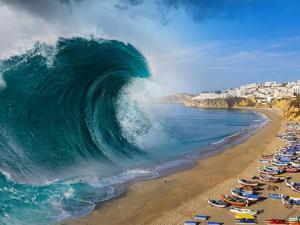
an extremely large wave in the sea caused, for example, by an earthquake
A tsunami is a great wave or series of waves which extends from the surface water to the sea floor.
Um tsunami é uma grande onda ou série de ondas que se estende da superfície da água ao fundo do mar.
Sinônimostidal waveseismic sea waveAntônimosripplesmall wavestill watergás de efeito estufa
any of the gases that are thought to cause the greenhouse effect , especially carbon dioxide
Carbon dioxide is a so-called greenhouse gas, which absorbs energy from the sun, making the air warmer.
O dióxido de carbono é um chamado gás de efeito estufa, que absorve energia do sol, tornando o ar mais quente.
Sinônimosclimate-warming gasheat-trapping gasradiative forcing agentAntônimosnone (in a direct senseas it refers to a specific function)carbon sink (related concept)ozone (indirectlyas ozone depletion can have cooling effects)a camada de ozono
a layer of ozone high above the earth’s surface that helps to protect the earth from harmful radiation from the sun
The ozone layer protects living things from the harmful radiation of the sun.
A camada de ozono protege os seres vivos da radiação prejudicial do sol.
Sinônimosozone shieldozonosphereAntônimosNone