Aralin 11/12 · 25 salita · 0 natutunan
Topic 11: Environment
Paksa 11: Kapaligiran
protektahan
to make sure that somebody/something is not harmed, injured, damaged, etc.
Consumer laws are designed to protect the public against unscrupulous vendors
Ang mga batas ng consumer ay idinisenyo upang protektahan ang publiko laban sa mga walang prinsipyong nagtitinda.
You can protect yourself from scams by getting detailed information on the seller
KasingkahulugandefendguardshieldsafeguardpreserveKasalungatendangerharmthreatenattackjeopardizepananaliksik
a careful study of a subject, especially in order to discover new facts or information about it
For toy manufacturers, research can be pure fun
Para sa mga tagagawa ng laruan, ang pananaliksik ay maaaring maging purong saya.
Part of the research the team does is to determine whether similar products are already on the market
KasingkahuluganstudyinvestigationexplorationinquiryanalysisexperimentationKasalungatignoranceneglectcarelessnesssuperficialitypolusyon
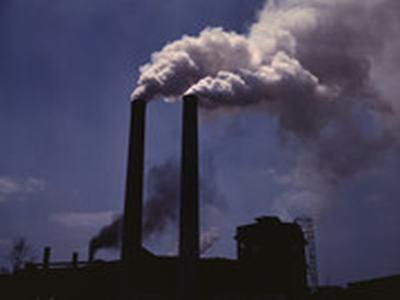
the process of making air, water, soil, etc. dirty; the state of being dirty
Water pollution is becoming more serious now.
Ang polusyon sa tubig ay nagiging mas malala ngayon.
air/water pollution
KasingkahulugancontaminationdefilementimpurityfoulnesstaintadulterationKasalungatpurificationcleansingsterilizationclarificationpristinenessbawasan
to make something less or smaller in size, quantity, price, etc.; to become less or smaller in size, quantity, etc.
Doctors will always try to reduce the temperature of patients with fever.
Laging susubukan ng mga doktor na bawasan ang temperatura ng mga pasyenteng may lagnat.
Giving up smoking reduces the risk of heart disease.
KasingkahulugandecreaselessenlowerdiminishcutcurtailKasalungatincreaseraiseexpandenlargeaugmentpangalagaan, pagyamanin, ingatan
to keep something in its original state or in good condition
We must preserve these forests for future generations.
Dapat nating pangalagaan ang mga kagubatang ito para sa susunod na henerasyon.
KasingkahuluganconservemaintainprotectsafeguardkeepsaveupholdKasalungatdestroydamageneglectabandondiscardbagyo
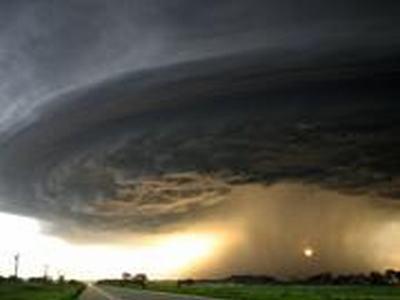
very bad weather with strong winds and rain, and often thunder and lightning
A few minutes later the storm broke
Ilang minuto makalipas ay bumuhos ang bagyo.
storm damage
KasingkahulugantempesthurricanecyclonetyphoonthunderstormoutburstturmoilKasalungatcalmpeacetranquilitystillnessclemencybulkan
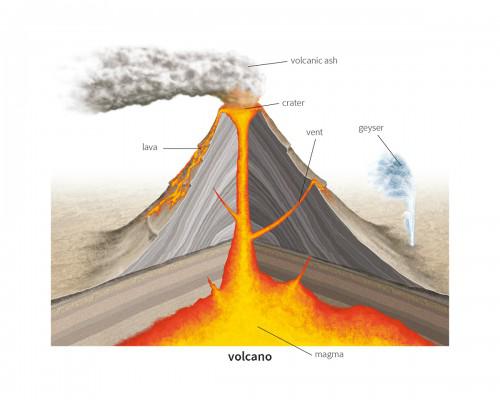
a mountain with a large opening at the top through which gases and lava (= hot liquid rock) are forced out into the air, or have been in the past
This volcano hasn't erupted for years.
Ang bulkan na ito ay hindi pa pumutok sa loob ng maraming taon.
KasingkahulugancratermountainventKasalungatplainvalleyplateaubaha
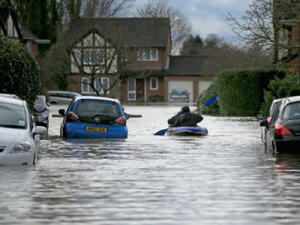
a large amount of water covering an area that is usually dry
Last winter, the town suffered the worst flood in fifty years.
Noong nakaraang taglamig, naranasan ng bayan ang pinakamalalang baha sa loob ng limampung taon.
KasingkahulugandelugeinundationoverflowtorrentdownpourspateKasalungatdroughtariditydrynessscarcityepekto ng greenhouse
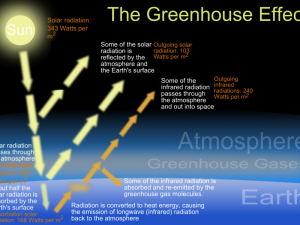
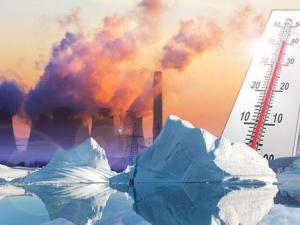
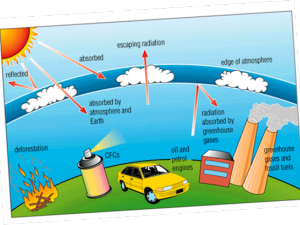
the problem of the earth's atmosphere getting warmer because gases such as carbon dioxide trap the sun's heat
The destruction of forests is contributing to the greenhouse effect.
Ang pagkasira ng mga kagubatan ay nag-aambag sa epekto ng greenhouse.
Kasingkahuluganglobal warmingclimate changeatmospheric warmingKasalungatice ageglacial periodcooling effecttagtuyot
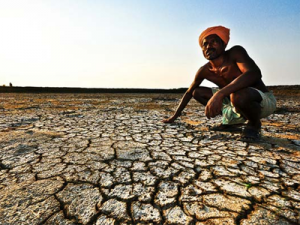
a long period of time when there is little or no rain
A drought caused most of the corn crop to fail.
Nagdulot ng tagtuyot kaya karamihan sa mga pananim na mais ay nabigo.
Kasingkahulugandry spellaridnesslack of raindesiccationshortage of waterKasalungatflooddelugedownpourexcess rainabundance of waterbuhawi
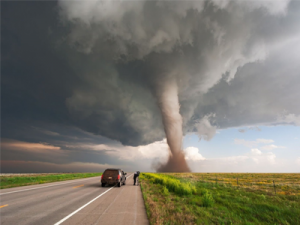
a violent storm with very strong winds that move in a circle. There is often also a long cloud that is narrower at the bottom than the top.
A lot of people died in the tornado yesterday.
Maraming tao ang namatay sa buhawi kahapon.
KasingkahulugantwistercyclonewhirlwindKasalungatcalmstillnessbreezepagbabago ng klima
changes in the earth’s weather, including changes in temperature, wind patterns and rainfall , especially the increase in the temperature of the earth’s atmosphere that is caused by the increase of particular gases, especially carbon dioxide
In any case, climate change is already disrupting the lives of millions of human beings.
Sa anumang kaso, ang pagbabago ng klima ay nakakaapekto na sa buhay ng milyun-milyong tao.
Kasingkahuluganglobal warmingclimatic changeenvironmental changeclimate crisisKasalungatclimate stabilityenvironmental equilibriumsolar na kuryente
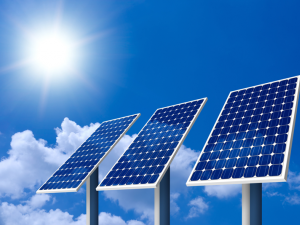
energy obtained from the light and heat from the sun, used to produce electricity
Solar power is the conversion of the sun's energy into heat and electricity.
Ang solar na kuryente ay ang pag-convert ng enerhiya ng araw sa init at elektrisidad.
Kasingkahuluganphotovoltaic energysolar energyKasalungatfossil fuelsnuclear powerlikas na yaman
materials such as minerals, forests, water and fertile land that exist in nature and can be used by people
Some natural resources, such as natural gas and fossil fuel, cannot be replaced.
Ang ilang likas na yaman, tulad ng natural gas at fossil fuel, ay hindi maaaring palitan.
Kasingkahuluganraw materialsenvironmental resourcesnature's bountyearth's resourcesKasalungatman-made resourcessynthetic resourcesartificial resourcesprocessed materialsglobal warming
the increase in temperature of the earth’s atmosphere that is caused by the increase of particular gases, especially carbon dioxide
Global warming is a term that refers to the general warm - up of the Earth and its atmosphere.
Ang global warming ay isang termino na tumutukoy sa pangkalahatang pag-init ng Mundo at ng atmospera nito.
Kasingkahuluganclimate changegreenhouse effectatmospheric warmingKasalungatglobal coolingice agetsunami
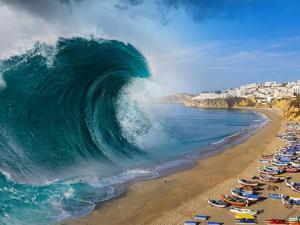
an extremely large wave in the sea caused, for example, by an earthquake
A tsunami is a great wave or series of waves which extends from the surface water to the sea floor.
Ang tsunami ay isang malaking alon o serye ng mga alon na umaabot mula sa tubig sa ibabaw hanggang sa sahig ng dagat.
Kasingkahulugantidal waveseismic sea waveKasalungatripplesmall wavestill watergas na nagpapainit ng mundo
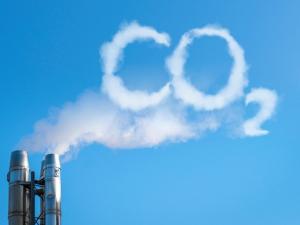
any of the gases that are thought to cause the greenhouse effect , especially carbon dioxide
Carbon dioxide is a so-called greenhouse gas, which absorbs energy from the sun, making the air warmer.
Ang carbon dioxide ay isang tinatawag na gas na nagpapainit ng mundo, na sumisipsip ng enerhiya mula sa araw, na nagiging mas mainit ang hangin.
Kasingkahuluganclimate-warming gasheat-trapping gasradiative forcing agentKasalungatnone (in a direct senseas it refers to a specific function)carbon sink (related concept)ozone (indirectlyas ozone depletion can have cooling effects)ang ozone layer
a layer of ozone high above the earth’s surface that helps to protect the earth from harmful radiation from the sun
The ozone layer protects living things from the harmful radiation of the sun.
Pinoprotektahan ng ozone layer ang mga buhay na bagay mula sa nakakasamang radyasyon ng araw.
Kasingkahuluganozone shieldozonosphereKasalungatNone