Lektion 9/16 · 40 Wörter · 0 gelernt
Lesson 9: A FIRST-AID COURSE
Lektion 9: Ein Erste-Hilfe-Kurs
versprechen, zusichern
to tell somebody that you will definitely do or not do something, or that something will definitely happen
The sales associate promised that our new mattress would arrive by noon on Saturday
Der Verkaufsmitarbeiter versprach, dass unsere neue Matratze bis Samstagmittag ankommen würde.
A warranty is a promise the manufacturer makes to the consumer
SynonymeassurancepledgeguaranteevowcommitmentwordundertakingAntonymedenialbreachbreakviolationminimieren, auf ein Minimum reduzieren
to reduce something, especially something bad, to the lowest possible level
The shipping staff minimized customer complaints by working overtime to deliver the packages quickly
Das Versandpersonal minimierte die Kundenbeschwerden, indem es Überstunden machte, um die Pakete schnell zuzustellen.
To keep the customers happy and to minimize the effect of the carrier strike, we shipped orders directly to them
SynonymereducedecreaselessencurtailabridgediminishtruncateAntonymemaximizeincreaseexpandaugmentmaximizeenlargeohnmächtig werden, in Ohnmacht fallen
to become unconscious for a short time, for example because of heat, shock or hunger
She fainted from hunger.
Sie wurde vor Hunger ohnmächtig.
a faint glow/glimmer/light
Synonymepass outblack outswooncollapseweakenAntonymereviverecoverstrengthenenlivender Notfall
a sudden, serious situation, such as an injury or illness, that needs immediate action
Severe chest pain should always be treated as a medical emergency.
Starke Brustschmerzen sollten immer als medizinischer Notfall behandelt werden.
In an emergency, call 115 for an ambulance.
SynonymecrisisurgencyexigencypredicamentdisasterAntonymecalmpeacenormalityroutineder Krankenwagen, der Rettungswagen
a vehicle with medical equipment and staff that takes sick or injured people to hospital
The ambulance arrived ten minutes after the call.
Der Krankenwagen traf zehn Minuten nach dem Anruf ein.
She was taken by ambulance to the nearest emergency department.
Synonymemedical transportemergency vehicleAntonymepersonal vehiclewehtun, verletzen
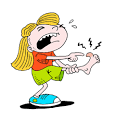
to cause physical pain to somebody/yourself; to injure somebody/yourself
My shoes hurt me because they are too small.
Meine Schuhe tun mir weh, weil sie zu klein sind.
People's reaction to the film has varied greatly.
SynonymeachepaininjurewoundharmafflictAntonymehealcomfortsootheeasehelpdie Wunde, die Verletzung
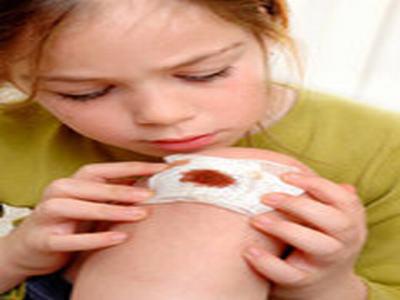
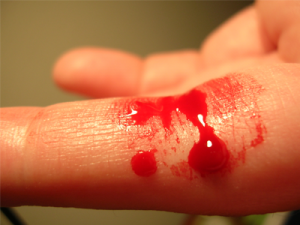
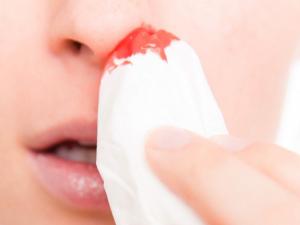
an injury to part of the body, especially one in which a hole is made in the skin using a weapon
A nurse cleaned and bandaged the wound for me.
Eine Krankenschwester reinigte und verband mir die Wunde.
She felt the warmth of his arms around her.
SynonymeinjurycutlacerationbruiselesiontraumaAntonymecurehealinghealthrecoveryder Verband, die Bandage
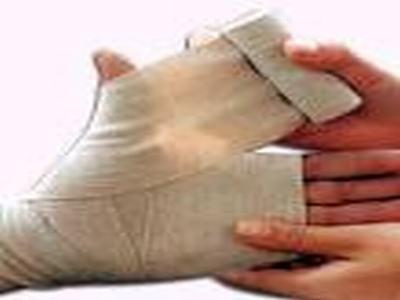
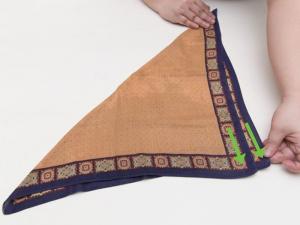
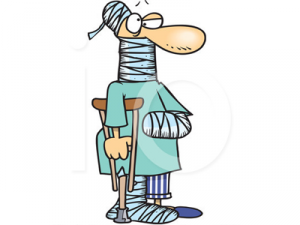
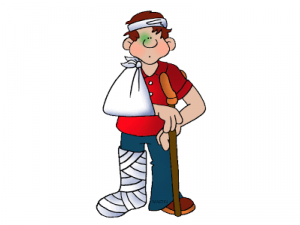
a long narrow piece of cloth used for tying around a part of the body that has been hurt in order to protect or support it
He has a bandage on his head.
Er hat einen Verband am Kopf.
His injured leg was all bandaged up.
SynonymedressingplastercompresscoveringwrapAntonymeuncoverexposewoundinjurydie Angst, die Unruhe
the state of feeling nervous or worried that something bad is going to happen
According to some articles, eating chocolate can reduce anxiety.
Einigen Artikeln zufolge kann der Verzehr von Schokolade Ängste verringern.
Waiting for exam results is a time of great anxiety.
SynonymeworryapprehensionuneasenervousnessconcernstressdreadAntonymecalmpeacetranquilityserenitycomposureassurancefest, straff
held or fixed in position securely; difficult to move, open or separate
Make sure the bandage is tight, but not so tight that it hurts.
Achte darauf, dass der Verband fest sitzt, aber nicht so fest, dass es wehtut.
SynonymeclosefirmsecuresnugtauttenseconstrictedrigidAntonymelooseslackrelaxedeasywidedie Behandlung
something that is done to cure an illness or injury, or to make somebody look and feel good
The little boy has responded well to treatment.
Der kleine Junge hat gut auf die Behandlung angesprochen.
He is receiving treatment for shock.
SynonymetherapycureremedycaremanagementhealingmedicationinterventionAntonymeneglectdisregardharminjuryaggravationworseningdie Krücke
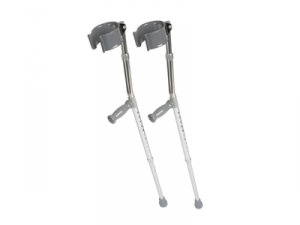
one of two long sticks that you put under your arms to help you walk after you have injured your leg or foot
I was on crutches for three months after the operation.
Ich ging nach der Operation drei Monate lang an Krücken.
SynonymesupportpropbraceaidAntonymeunsupportedunaidedstablesteadydie Sehtafel
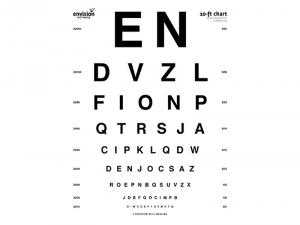
a chart with rows of letters of different sizes, used for testing how well somebody can see
The doctor asked me to look at the eye chart.
Der Arzt bat mich, auf die Sehtafel zu schauen.
Synonymevision chartSnellen charteye exam chartAntonymeN/A (no direct antonym)die Synkope, die Ohnmacht, der Kollaps
a short loss of consciousness caused by reduced blood flow to the brain; the medical term is syncope
Fainting during exercise may point to a heart problem.
Eine Ohnmacht beim Sport kann auf ein Herzproblem hinweisen.
He has had two episodes of fainting this week.
Synonymepassing outblackoutsyncopeswooningcollapsingAntonymeconsciousnessawarenessalertnesswakefulnessdie Erste Hilfe
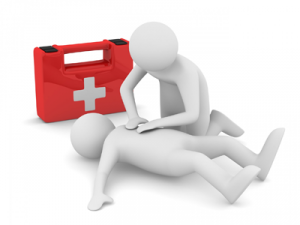
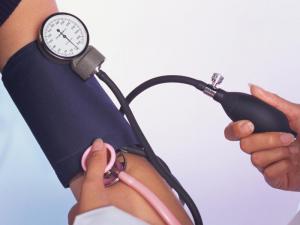
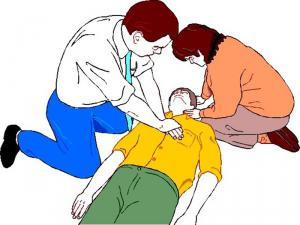
simple medical treatment that is given to somebody before a doctor comes or before the person can be taken to a hospital
You should take a first-aid course in case of emergency.
Du solltest für den Notfall einen Erste-Hilfe-Kurs machen.
Synonymeemergency treatmentmedical assistanceimmediate carebasic treatmentlife supportAntonymedefinitive carehospitalizationsurgeryadvanced treatmentlong-term caredie Injektion, die Spritze
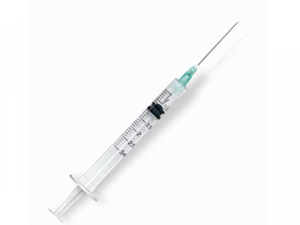
putting a medicine or other liquid into the body using a needle and syringe
The nurse gave him an injection of painkiller in the arm.
Die Krankenschwester gab ihm eine Injektion mit einem Schmerzmittel in den Arm.
Insulin injections are given under the skin of the abdomen.
SynonymeshotjabinoculationvaccinationAntonymeoral medicationtopical treatmentder Druck, der Zwang
the act of trying to persuade or to force somebody to do something
Many teenagers feel pressure from their parents to get good grades.
Viele Teenager spüren den Druck ihrer Eltern, gute Noten zu bekommen.
SynonymestressstrainforcecompulsioninfluenceurgencyAntonymeeaserelaxationleisurereliefcalmsich erholen, wiederbeleben
to become, or to make somebody/something become, conscious or healthy and strong again
The flowers soon revived in water.
Die Blumen erholten sich bald im Wasser.
SynonymereanimateresuscitaterecoverrestoreregeneraterekindlerenewrefreshAntonymedieperishwitherdeclinesuppressdestroydie Trage, die Bahre
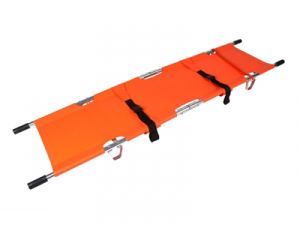
a long piece of strong cloth with a pole on each side, used for carrying somebody who is sick or injured and who cannot walk
They put the victim on a stretcher and took him to the hospital.
Sie legten das Opfer auf eine Trage und brachten es ins Krankenhaus.
Synonymelitterbarrowhospital bedcarrying chairAntonymewheelchairchairbeddie Gewebeschädigung
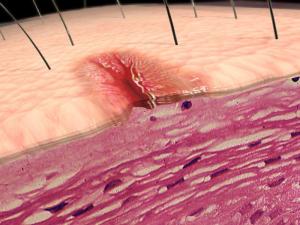
harm to the cells or tissues of the body, for example from a burn or cut
A burn is a kind of tissue damage.
Eine Verbrennung ist eine Art Gewebeschädigung.
Synonymecellular injurytissue injuryhistological damagetissue lesionAntonymetissue repairtissue regenerationtissue healingder Rollstuhl
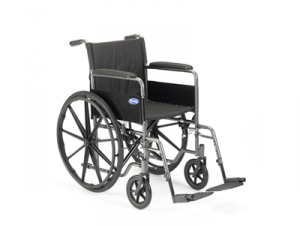
a chair with wheels used by people who cannot walk or have great difficulty walking
He uses a lightweight wheelchair after his spinal cord injury.
Nach seiner Rückenmarksverletzung benutzt er einen Leichtgewichtrollstuhl.
The occupational therapist checked that the wheelchair fitted through the bathroom door.
Synonymeinvalid chairmobility aidwheelchairAntonymeable-bodiedambulatory