ข้ามไปยังเนื้อหา

บทที่ 9/16 · 40 คำ · จำได้แล้ว 0

Lesson 9: A FIRST-AID COURSE

บทที่ 9: หลักสูตรปฐมพยาบาล

  1. 1

    promise(verb)

    /ˈprɑːmɪs/

    สัญญา (san-yaa)

    to tell somebody that you will definitely do or not do something, or that something will definitely happen

    The sales associate promised that our new mattress would arrive by noon on Saturday

    พนักงานขายสัญญาว่าที่นอนใหม่ของเราจะมาถึงภายในเที่ยงวันเสาร์ (Phanak ngan khai sanyaa waa tee non mai khong rao ja ma thueng phainai thiang wan sao)

    A warranty is a promise the manufacturer makes to the consumer

    คำพ้องความหมายassurancepledgeguaranteevowcommitmentwordundertaking
    คำตรงข้ามdenialbreachbreakviolation
  2. 2

    minimize(verb)

    /ˈmɪnɪmaɪz/

    ลด

    to reduce something, especially something bad, to the lowest possible level

    The shipping staff minimized customer complaints by working overtime to deliver the packages quickly

    เจ้าหน้าที่จัดส่งลดข้อร้องเรียนของลูกค้าโดยการทำงานล่วงเวลาเพื่อส่งมอบพัสดุอย่างรวดเร็ว

    To keep the customers happy and to minimize the effect of the carrier strike, we shipped orders directly to them

    คำพ้องความหมายreducedecreaselessencurtailabridgediminishtruncate
    คำตรงข้ามmaximizeincreaseexpandaugmentmaximizeenlarge
  3. 3

    faint(verb)

    /feɪnt/

    เป็นลม, หมดสติ

    to become unconscious for a short time, for example because of heat, shock or hunger

    She fainted from hunger.

    เธอเป็นลมเพราะความหิว

    a faint glow/glimmer/light

    คำพ้องความหมายpass outblack outswooncollapseweaken
    คำตรงข้ามreviverecoverstrengthenenliven
  4. 4

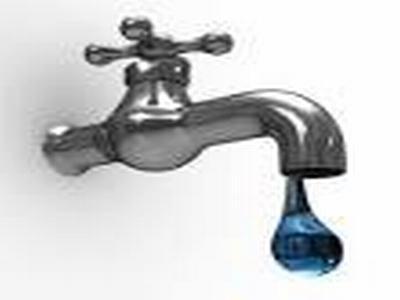
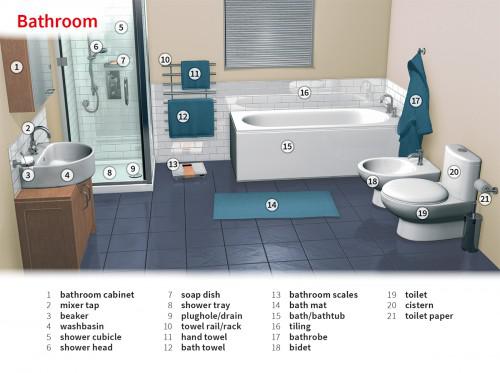
    tap(noun)

    /tæp/

    ก๊อกน้ำ

    a device for controlling the flow of water from a pipe into a bath or sink

    You should turn off the tap when you don't need it.

    คุณควรปิดก๊อกน้ำเมื่อไม่ได้ใช้

    Don't leave the tap running.

    คำพ้องความหมายfaucetspigotvalve
  5. 5

    emergency(noun)

    /ɪˈmɜːrdʒənsi/

    ภาวะฉุกเฉิน, เหตุฉุกเฉิน

    a sudden, serious situation, such as an injury or illness, that needs immediate action

    Severe chest pain should always be treated as a medical emergency.

    อาการเจ็บหน้าอกรุนแรงควรถือเป็นภาวะฉุกเฉินทางการแพทย์เสมอ

    In an emergency, call 115 for an ambulance.

    คำพ้องความหมายcrisisurgencyexigencypredicamentdisaster
    คำตรงข้ามcalmpeacenormalityroutine
  6. 6

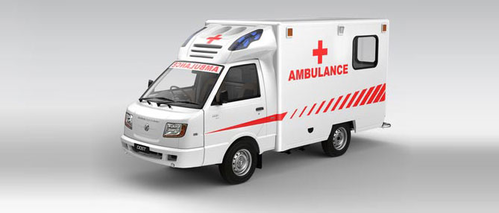
    ambulance(noun)

    /ˈæmbjələns/

    รถพยาบาล

    a vehicle with medical equipment and staff that takes sick or injured people to hospital

    The ambulance arrived ten minutes after the call.

    รถพยาบาลมาถึงหลังรับแจ้งเหตุสิบนาที

    She was taken by ambulance to the nearest emergency department.

    คำพ้องความหมายmedical transportemergency vehicle
    คำตรงข้ามpersonal vehicle
  7. 7

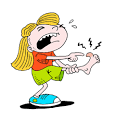
    hurt(verb)

    /hɜːrt/

    เจ็บ

    to cause physical pain to somebody/yourself; to injure somebody/yourself

    My shoes hurt me because they are too small.

    รองเท้าของฉันทำให้ฉันเจ็บเพราะมันเล็กเกินไป

    People's reaction to the film has varied greatly.

    คำพ้องความหมายachepaininjurewoundharmafflict
    คำตรงข้ามhealcomfortsootheeasehelp
  8. 8

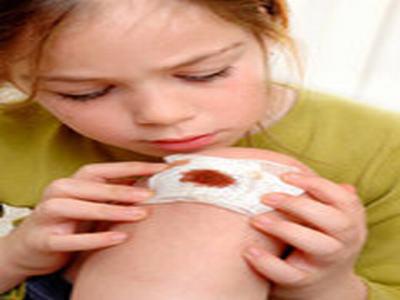
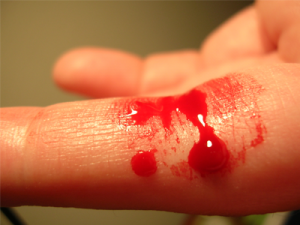
    wound(noun)

    /wuːnd/

    บาดแผล

    an injury to part of the body, especially one in which a hole is made in the skin using a weapon

    A nurse cleaned and bandaged the wound for me.

    พยาบาลทำความสะอาดและพันแผลให้ฉัน

    She felt the warmth of his arms around her.

    คำพ้องความหมายinjurycutlacerationbruiselesiontrauma
    คำตรงข้ามcurehealinghealthrecovery
  9. 9

    awake(adjective)

    /əˈweɪk/

    ตื่น

    not asleep (especially immediately before or after sleeping)

    I was still awake when Lan came.

    ฉันยังตื่นอยู่ตอนที่ลานมา

    to be half/fully awake

    คำพ้องความหมายalertconsciouswakefulattentive
    คำตรงข้ามasleepsleepingunconsciousdrowsy
  10. 10

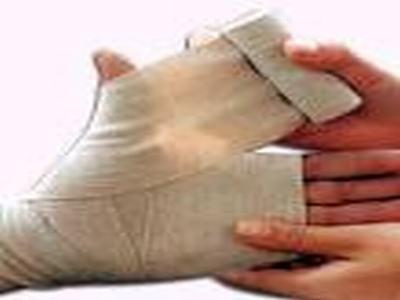
    bandage(noun)

    /ˈbændɪdʒ/

    ผ้าพันแผล

    a long narrow piece of cloth used for tying around a part of the body that has been hurt in order to protect or support it

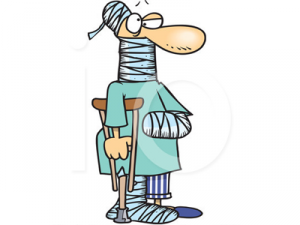
    He has a bandage on his head.

    เขามีผ้าพันแผลบนหัว

    His injured leg was all bandaged up.

    คำพ้องความหมายdressingplastercompresscoveringwrap
    คำตรงข้ามuncoverexposewoundinjury
  11. 11

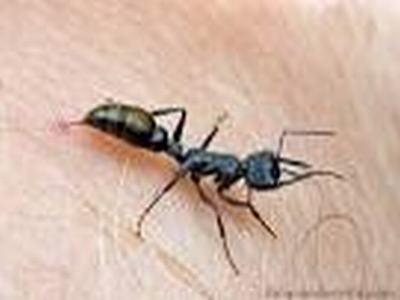
    sting(noun)

    /stɪŋ/

    รอยต่อย, รอยแมลงกัดต่อย

    a wound or mark on the skin made when an insect or plant stings you, causing sharp pain

    How do you treat bee stings?

    คุณรักษารอยผึ้งต่อยอย่างไร

    the sting of a bee

    คำพ้องความหมายprickbitewoundsmarthurtpainnip
    คำตรงข้ามsoothehealcomfort
  12. 12

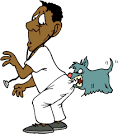
    bite(verb)

    /baɪt/

    กัด

    to use your teeth to cut into or through something

    Be careful, that dog might bite you.

    ระวังนะ หมาตัวนั้นอาจกัดคุณได้

    คำพ้องความหมายnibblemorselmouthfulgnawchamp
    คำตรงข้ามentiretywhole
  13. 13

    anxiety(noun)

    /æŋˈzaɪəti/

    ความวิตกกังวล

    the state of feeling nervous or worried that something bad is going to happen

    According to some articles, eating chocolate can reduce anxiety.

    ตามบทความบางบทความ การกินช็อกโกแลตสามารถลดความวิตกกังวลได้

    Waiting for exam results is a time of great anxiety.

    คำพ้องความหมายworryapprehensionuneasenervousnessconcernstressdread
    คำตรงข้ามcalmpeacetranquilityserenitycomposureassurance
  14. 14

    tight(adjective)

    /taɪt/

    แน่น, ตึง, แน่นหนา

    held or fixed in position securely; difficult to move, open or separate

    Make sure the bandage is tight, but not so tight that it hurts.

    ตรวจดูให้แน่ใจว่าผ้าพันแผลแน่น แต่ไม่แน่นจนเจ็บ

    คำพ้องความหมายclosefirmsecuresnugtauttenseconstrictedrigid
    คำตรงข้ามlooseslackrelaxedeasywide
  15. 15

    treatment(noun)

    /ˈtriːtmənt/

    การรักษา

    something that is done to cure an illness or injury, or to make somebody look and feel good

    The little boy has responded well to treatment.

    เด็กชายตัวเล็กๆ ตอบสนองต่อการรักษาเป็นอย่างดี

    He is receiving treatment for shock.

    คำพ้องความหมายtherapycureremedycaremanagementhealingmedicationintervention
    คำตรงข้ามneglectdisregardharminjuryaggravationworsening
  16. 16

    towel(noun)

    /ˈtaʊəl/

    ผ้าขนหนู

    a piece of cloth or paper used for drying things, especially your body

    He never hangs his towels in the bathroom.

    เขาไม่เคยแขวนผ้าขนหนูในห้องน้ำ

    คำพ้องความหมายwashclothnapkinclothtissue
    คำตรงข้ามNone (as a specific object)
  17. 17

    elevate(verb)

    /ˈelɪveɪt/

    ยกขึ้น, ยกให้สูงขึ้น

    to lift something up or put it in a higher position

    Lie down and elevate your feet.

    นอนลงแล้วยกเท้าให้สูงขึ้น

    คำพ้องความหมายraiseliftboostincreasepromote
    คำตรงข้ามlowerdecreasereducedemotedepress
  18. 18

    bleed(verb)

    /bliːd/

    เลือดออก

    to lose blood, especially from a wound or an injury

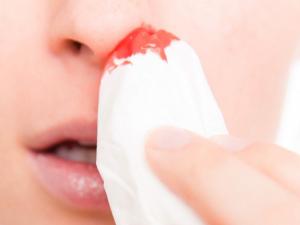
    Your nose is bleeding.

    จมูกของคุณมีเลือดออก

    คำพ้องความหมายdischargeexudeoozedrainlose blood
    คำตรงข้ามclothealstop bleedingstaunch
  19. 19

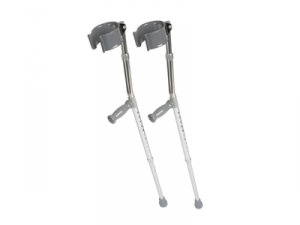
    crutch(noun)

    /krʌtʃ/

    ไม้ค้ำ

    one of two long sticks that you put under your arms to help you walk after you have injured your leg or foot

    I was on crutches for three months after the operation.

    ฉันใช้ไม้ค้ำยันเป็นเวลาสามเดือนหลังจากการผ่าตัด

    คำพ้องความหมายsupportpropbraceaid
    คำตรงข้ามunsupportedunaidedstablesteady
  20. 20

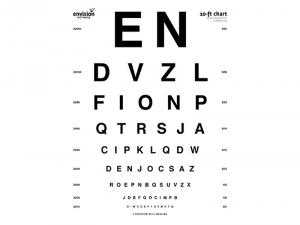
    eye chart(noun)

    /aɪ tʃɑːt/

    แผนภูมิสายตา

    a chart with rows of letters of different sizes, used for testing how well somebody can see

    The doctor asked me to look at the eye chart.

    หมอขอให้ฉันดูแผนภูมิสายตา

    คำพ้องความหมายvision chartSnellen charteye exam chart
    คำตรงข้ามN/A (no direct antonym)
  21. 21

    fainting(noun)

    /feɪntɪŋ/

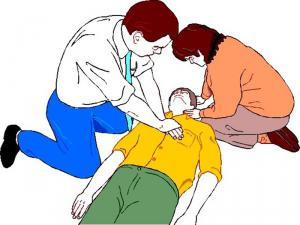
    การเป็นลม, ภาวะหมดสติชั่วคราว, ซินโคพี

    a short loss of consciousness caused by reduced blood flow to the brain; the medical term is syncope

    Fainting during exercise may point to a heart problem.

    การเป็นลมขณะออกกำลังกายอาจบ่งชี้ถึงปัญหาเกี่ยวกับหัวใจ

    He has had two episodes of fainting this week.

    คำพ้องความหมายpassing outblackoutsyncopeswooningcollapsing
    คำตรงข้ามconsciousnessawarenessalertnesswakefulness
  22. 22

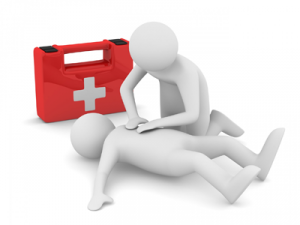
    first-aid(noun)

    /ˌfɜːrst ˈeɪd/

    ปฐมพยาบาล (pathomphayaban)

    simple medical treatment that is given to somebody before a doctor comes or before the person can be taken to a hospital

    You should take a first-aid course in case of emergency.

    คุณควรเรียนหลักสูตรปฐมพยาบาลในกรณีฉุกเฉิน (khun khuan rian lak sut pathomphayaban nai khorani chukchoen)

    คำพ้องความหมายemergency treatmentmedical assistanceimmediate carebasic treatmentlife support
    คำตรงข้ามdefinitive carehospitalizationsurgeryadvanced treatmentlong-term care
  23. 23

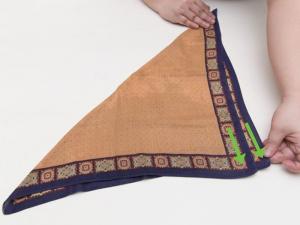
    handkerchief(noun)

    /ˈhæŋkərtʃɪf/

    ผ้าเช็ดหน้า

    a small piece of material or paper that you use for blowing your nose, etc.

    She wiped her face on a handkerchief.

    เธอเช็ดหน้าด้วยผ้าเช็ดหน้า

    คำพ้องความหมายtissuesquarenapkinclothfacial tissue
    คำตรงข้ามtowelragduster
  24. 24

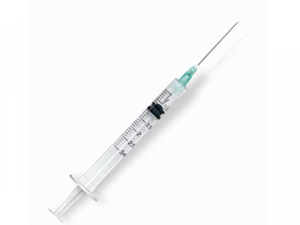
    injection(noun)

    /ɪnˈdʒekʃn/

    การฉีดยา, การฉีด

    putting a medicine or other liquid into the body using a needle and syringe

    The nurse gave him an injection of painkiller in the arm.

    พยาบาลฉีดยาแก้ปวดที่แขนให้เขา

    Insulin injections are given under the skin of the abdomen.

    คำพ้องความหมายshotjabinoculationvaccination
    คำตรงข้ามoral medicationtopical treatment
  25. 25

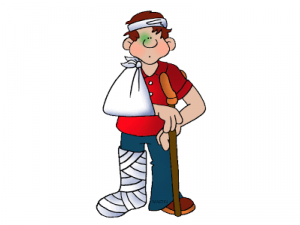
    injured(adjective)

    /ˈɪndʒərd/

    บาดเจ็บ

    physically hurt; having an injury

    She was seriously injured in the accident.

    เธอได้รับบาดเจ็บสาหัสจากอุบัติเหตุ

    คำพ้องความหมายwoundedhurtdamagedimpairedafflicted
    คำตรงข้ามunhurtuninjuredsafewellhealthy
  26. 26

    nosebleed(noun)

    /ˈnəʊzbliːd/

    เลือดกำเดาไหล

    a flow of blood that comes from the nose

    There are many reasons that lead to a nosebleed.

    มีหลายสาเหตุที่ทำให้เลือดกำเดาไหล

    คำพ้องความหมายepistaxisnasal hemorrhage
    คำตรงข้ามnone (as there's no direct opposite of a medical condition)
  27. 27

    pressure(noun)

    /ˈpreʃər/

    แรงกดดัน, ความกดดัน

    the act of trying to persuade or to force somebody to do something

    Many teenagers feel pressure from their parents to get good grades.

    วัยรุ่นหลายคนรู้สึกถูกพ่อแม่กดดันให้ได้เกรดดี ๆ

    คำพ้องความหมายstressstrainforcecompulsioninfluenceurgency
    คำตรงข้ามeaserelaxationleisurereliefcalm
  28. 28

    revive(verb)

    /rɪˈvaɪv/

    ฟื้นคืน

    to become, or to make somebody/something become, conscious or healthy and strong again

    The flowers soon revived in water.

    ดอกไม้ฟื้นคืนชีพในน้ำในไม่ช้า

    คำพ้องความหมายreanimateresuscitaterecoverrestoreregeneraterekindlerenewrefresh
    คำตรงข้ามdieperishwitherdeclinesuppressdestroy
  29. 29

    sterile(adjective)

    /ˈsterəl/

    ปลอดเชื้อ, ฆ่าเชื้อแล้ว

    completely clean and free from bacteria

    The burn was covered with a sterile cloth.

    แผลไฟไหม้ถูกปิดด้วยผ้าปลอดเชื้อ

    คำพ้องความหมายasepticantisepticdisinfectedcleanhygienic
    คำตรงข้ามcontaminatedinfecteddirtyuncleanfertile
  30. 30

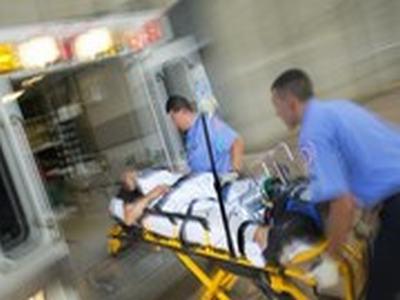
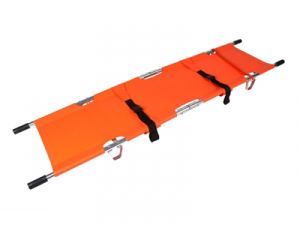
    stretcher(noun)

    /ˈstretʃər/

    เปลหาม

    a long piece of strong cloth with a pole on each side, used for carrying somebody who is sick or injured and who cannot walk

    They put the victim on a stretcher and took him to the hospital.

    พวกเขาวางเหยื่อบนเปลหามและพาเขาไปโรงพยาบาล

    คำพ้องความหมายlitterbarrowhospital bedcarrying chair
    คำตรงข้ามwheelchairchairbed
  31. 31

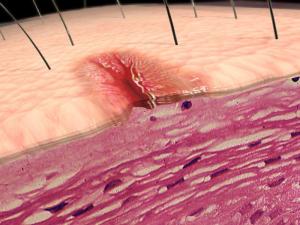
    tissue damage(noun)

    /ˈtɪʃjuː ˈdæmɪdʒ/

    เนื้อเยื่อเสียหาย

    harm to the cells or tissues of the body, for example from a burn or cut

    A burn is a kind of tissue damage.

    แผลไหม้เป็นการบาดเจ็บของเนื้อเยื่อชนิดหนึ่ง

    คำพ้องความหมายcellular injurytissue injuryhistological damagetissue lesion
    คำตรงข้ามtissue repairtissue regenerationtissue healing
  32. 32

    victim(noun)

    /ˈvɪktɪm/

    เหยื่อ

    a person who has been attacked, injured or killed as the result of a crime, a disease, an accident, etc.

    He was a victim of the accident yesterday.

    เมื่อวานเขาเป็นเหยื่อของอุบัติเหตุ

    คำพ้องความหมายcasualtysufferertargetprey
    คำตรงข้ามbenefactoraggressorperpetratorattacker
  33. 33

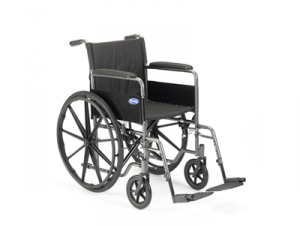
    wheelchair(noun)

    /ˈwiːltʃer/

    รถเข็นผู้ป่วย, วีลแชร์, รถเข็นนั่งคนพิการ

    a chair with wheels used by people who cannot walk or have great difficulty walking

    He uses a lightweight wheelchair after his spinal cord injury.

    เขาใช้รถเข็นน้ำหนักเบาหลังได้รับบาดเจ็บที่ไขสันหลัง

    The occupational therapist checked that the wheelchair fitted through the bathroom door.

    คำพ้องความหมายinvalid chairmobility aidwheelchair
    คำตรงข้ามable-bodiedambulatory
  34. 34

    pack(noun)

    /pæk/

    ถุงประคบ

    a bag or cloth containing something hot or cold that is pressed on a part of the body to reduce pain or swelling

    She put an ice pack on her ankle to reduce the swelling.

    เธอวางถุงน้ำแข็งประคบที่ข้อเท้าเพื่อลดอาการบวม

  35. 35

    alcohol(noun)

    /ˈælkəhɔːl/

    แอลกอฮอล์, แอลกอฮอล์ล้างแผล

    a clear liquid that is used to clean wounds and kill germs

    Clean the cut with a little alcohol before you put on a bandage.

    ล้างแผลด้วยแอลกอฮอล์เล็กน้อยก่อนติดผ้าพันแผล

  36. 36

    ease(verb)

    /iːz/

    บรรเทา, ทุเลา, ลดความ

    to make something unpleasant, painful or worrying less severe

    These pills will ease the pain.

    ยาเม็ดเหล่านี้จะช่วยบรรเทาอาการปวด

  37. 37

    shock(noun)

    /ʃɑːk/

    อาการช็อก, ภาวะช็อก

    a serious medical condition, often caused by injury or loss of blood, in which the body's systems stop working properly

    The injured driver was in shock, so we kept him warm and still.

    คนขับที่บาดเจ็บอยู่ในภาวะช็อก เราจึงห่มผ้าให้เขาอบอุ่นและให้เขาอยู่นิ่งๆ

  38. 38

    conscious(adjective)

    /ˈkɑːnʃəs/

    มีสติ, รู้สึกตัว

    awake and able to use your senses and know what is happening around you

    The injured man was still conscious when the ambulance arrived.

    ชายที่บาดเจ็บยังมีสติอยู่เมื่อรถพยาบาลมาถึง

  39. 39

    burn(noun)

    /bɜːrn/

    แผลไฟไหม้, แผลน้ำร้อนลวก, รอยไหม้

    an injury or a mark caused by fire, heat or acid

    She was taken to the hospital with serious burns.

    เธอถูกส่งตัวไปโรงพยาบาลด้วยแผลไฟไหม้สาหัส

  40. 40

    pressure(noun)

    /ˈpreʃər/

    แรงกด, แรงดัน

    the force or weight with which something presses against something else

    Press firmly on the wound to apply pressure and stop the bleeding.

    กดลงบนบาดแผลให้แน่นเพื่อห้ามเลือด