コンテンツへスキップ

レッスン9/16 · 40語 · 覚えた単語 0

Lesson 9: A FIRST-AID COURSE

第9課:応急手当講習

  1. 1

    promise(verb)

    /ˈprɑːmɪs/

    約束 (yakusoku)

    to tell somebody that you will definitely do or not do something, or that something will definitely happen

    The sales associate promised that our new mattress would arrive by noon on Saturday

    販売員は、新しいマットレスが土曜日の正午までに到着すると約束しました。(Hanbaiin wa, atarashī mattorisu ga doyōbi no shōgo made ni tōchaku suru to yakusoku shimashita.)

    A warranty is a promise the manufacturer makes to the consumer

    類義語assurancepledgeguaranteevowcommitmentwordundertaking
    対義語denialbreachbreakviolation
  2. 2

    minimize(verb)

    /ˈmɪnɪmaɪz/

    最小限にする

    to reduce something, especially something bad, to the lowest possible level

    The shipping staff minimized customer complaints by working overtime to deliver the packages quickly

    配送スタッフは、迅速に荷物を配達するために残業することで、顧客からの苦情を最小限に抑えました。

    To keep the customers happy and to minimize the effect of the carrier strike, we shipped orders directly to them

    類義語reducedecreaselessencurtailabridgediminishtruncate
    対義語maximizeincreaseexpandaugmentmaximizeenlarge
  3. 3

    faint(verb)

    /feɪnt/

    気絶する, 失神する

    to become unconscious for a short time, for example because of heat, shock or hunger

    She fainted from hunger.

    彼女は空腹で気を失った。

    a faint glow/glimmer/light

    類義語pass outblack outswooncollapseweaken
    対義語reviverecoverstrengthenenliven
  4. 4

    tap(noun)

    /tæp/

    蛇口

    a device for controlling the flow of water from a pipe into a bath or sink

    You should turn off the tap when you don't need it.

    使わないときは蛇口を閉めるべきだ。

    Don't leave the tap running.

    類義語faucetspigotvalve
  5. 5

    emergency(noun)

    /ɪˈmɜːrdʒənsi/

    緊急事態, 救急, 救急疾患

    a sudden, serious situation, such as an injury or illness, that needs immediate action

    Severe chest pain should always be treated as a medical emergency.

    激しい胸の痛みは、常に医学的緊急事態として扱うべきです。

    In an emergency, call 115 for an ambulance.

    類義語crisisurgencyexigencypredicamentdisaster
    対義語calmpeacenormalityroutine
  6. 6

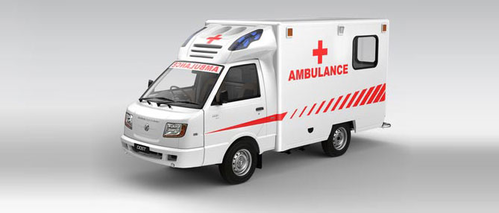
    ambulance(noun)

    /ˈæmbjələns/

    救急車

    a vehicle with medical equipment and staff that takes sick or injured people to hospital

    The ambulance arrived ten minutes after the call.

    通報から10分後に救急車が到着しました。

    She was taken by ambulance to the nearest emergency department.

    類義語medical transportemergency vehicle
    対義語personal vehicle
  7. 7

    hurt(verb)

    /hɜːrt/

    痛める

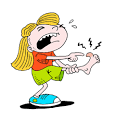
    to cause physical pain to somebody/yourself; to injure somebody/yourself

    My shoes hurt me because they are too small.

    靴が小さすぎるので、足が痛い。

    People's reaction to the film has varied greatly.

    類義語achepaininjurewoundharmafflict
    対義語healcomfortsootheeasehelp
  8. 8

    wound(noun)

    /wuːnd/

    傷 (kizu)

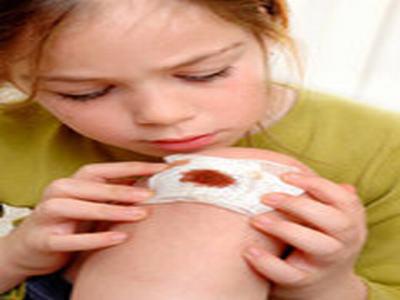
    an injury to part of the body, especially one in which a hole is made in the skin using a weapon

    A nurse cleaned and bandaged the wound for me.

    看護師が私のために傷を洗い、包帯を巻いてくれました。

    She felt the warmth of his arms around her.

    類義語injurycutlacerationbruiselesiontrauma
    対義語curehealinghealthrecovery
  9. 9

    awake(adjective)

    /əˈweɪk/

    起きている

    not asleep (especially immediately before or after sleeping)

    I was still awake when Lan came.

    ランが来た時、私はまだ起きていた。

    to be half/fully awake

    類義語alertconsciouswakefulattentive
    対義語asleepsleepingunconsciousdrowsy
  10. 10

    bandage(noun)

    /ˈbændɪdʒ/

    包帯 (hōtai)

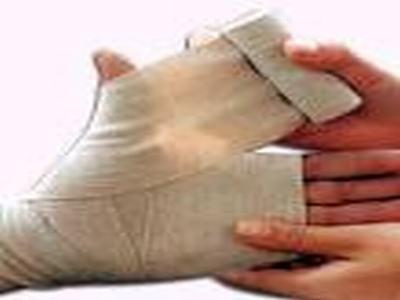
    a long narrow piece of cloth used for tying around a part of the body that has been hurt in order to protect or support it

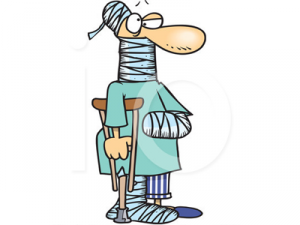
    He has a bandage on his head.

    彼は頭に包帯をしている。(Kare wa atama ni hōtai o shite iru.)

    His injured leg was all bandaged up.

    類義語dressingplastercompresscoveringwrap
    対義語uncoverexposewoundinjury
  11. 11

    sting(noun)

    /stɪŋ/

    刺し傷, 虫刺され

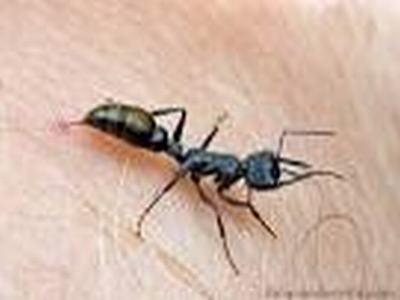
    a wound or mark on the skin made when an insect or plant stings you, causing sharp pain

    How do you treat bee stings?

    ハチに刺されたらどう手当てしますか。

    the sting of a bee

    類義語prickbitewoundsmarthurtpainnip
    対義語soothehealcomfort
  12. 12

    bite(verb)

    /baɪt/

    噛む, かみつく

    to use your teeth to cut into or through something

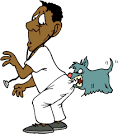
    Be careful, that dog might bite you.

    気をつけて、あの犬はかむかもしれないよ。

    類義語nibblemorselmouthfulgnawchamp
    対義語entiretywhole
  13. 13

    anxiety(noun)

    /æŋˈzaɪəti/

    不安 (fuan)

    the state of feeling nervous or worried that something bad is going to happen

    According to some articles, eating chocolate can reduce anxiety.

    いくつかの記事によると、チョコレートを食べると不安を軽減できるそうです。

    Waiting for exam results is a time of great anxiety.

    類義語worryapprehensionuneasenervousnessconcernstressdread
    対義語calmpeacetranquilityserenitycomposureassurance
  14. 14

    tight(adjective)

    /taɪt/

    きつい, 固い, ぴったりした

    held or fixed in position securely; difficult to move, open or separate

    Make sure the bandage is tight, but not so tight that it hurts.

    包帯は、痛くならない程度にしっかりときつく巻いてください。

    類義語closefirmsecuresnugtauttenseconstrictedrigid
    対義語looseslackrelaxedeasywide
  15. 15

    treatment(noun)

    /ˈtriːtmənt/

    治療

    something that is done to cure an illness or injury, or to make somebody look and feel good

    The little boy has responded well to treatment.

    その小さな男の子は治療によく反応しました。

    He is receiving treatment for shock.

    類義語therapycureremedycaremanagementhealingmedicationintervention
    対義語neglectdisregardharminjuryaggravationworsening
  16. 16

    towel(noun)

    /ˈtaʊəl/

    タオル

    a piece of cloth or paper used for drying things, especially your body

    He never hangs his towels in the bathroom.

    彼はお風呂場でタオルを絶対にかけない。

    類義語washclothnapkinclothtissue
    対義語None (as a specific object)
  17. 17

    elevate(verb)

    /ˈelɪveɪt/

    持ち上げる, 高くする

    to lift something up or put it in a higher position

    Lie down and elevate your feet.

    横になって、足を高くしてください。

    類義語raiseliftboostincreasepromote
    対義語lowerdecreasereducedemotedepress
  18. 18

    bleed(verb)

    /bliːd/

    出血

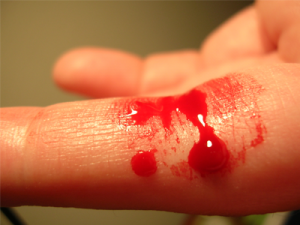
    to lose blood, especially from a wound or an injury

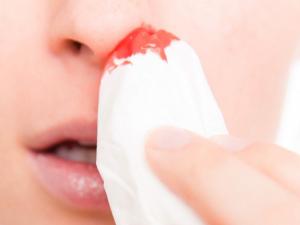
    Your nose is bleeding.

    鼻血が出ています。

    類義語dischargeexudeoozedrainlose blood
    対義語clothealstop bleedingstaunch
  19. 19

    crutch(noun)

    /krʌtʃ/

    松葉杖 (matsuba zue)

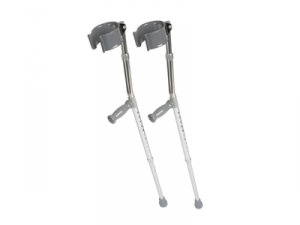
    one of two long sticks that you put under your arms to help you walk after you have injured your leg or foot

    I was on crutches for three months after the operation.

    手術後3ヶ月間、松葉杖をついていました。(shujutsu go san kagetsu kan, matsuba zue o tsuite imashita.)

    類義語supportpropbraceaid
    対義語unsupportedunaidedstablesteady
  20. 20

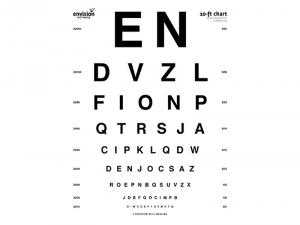
    eye chart(noun)

    /aɪ tʃɑːt/

    視力検査表 (shiryoku kensa hyō)

    a chart with rows of letters of different sizes, used for testing how well somebody can see

    The doctor asked me to look at the eye chart.

    医者は私に視力検査表を見るように言った。

    類義語vision chartSnellen charteye exam chart
    対義語N/A (no direct antonym)
  21. 21

    fainting(noun)

    /feɪntɪŋ/

    失神, 気絶

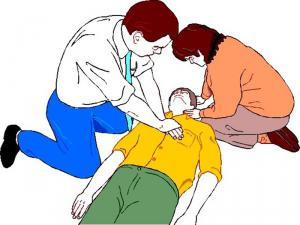
    a short loss of consciousness caused by reduced blood flow to the brain; the medical term is syncope

    Fainting during exercise may point to a heart problem.

    運動中の失神は心臓の問題を示している可能性があります。

    He has had two episodes of fainting this week.

    類義語passing outblackoutsyncopeswooningcollapsing
    対義語consciousnessawarenessalertnesswakefulness
  22. 22

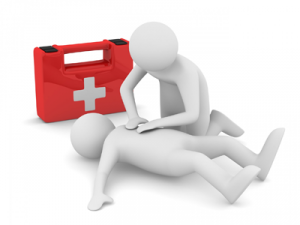
    first-aid(noun)

    /ˌfɜːrst ˈeɪd/

    応急処置 (oukyu shochi)

    simple medical treatment that is given to somebody before a doctor comes or before the person can be taken to a hospital

    You should take a first-aid course in case of emergency.

    緊急時に備えて、応急処置のコースを受講するべきです。(kinkyu ji ni sonaete, oukyu shochi no koosu wo juko suru beki desu.)

    類義語emergency treatmentmedical assistanceimmediate carebasic treatmentlife support
    対義語definitive carehospitalizationsurgeryadvanced treatmentlong-term care
  23. 23

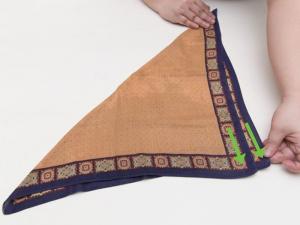
    handkerchief(noun)

    /ˈhæŋkərtʃɪf/

    ハンカチ

    a small piece of material or paper that you use for blowing your nose, etc.

    She wiped her face on a handkerchief.

    彼女はハンカチで顔を拭いた。

    類義語tissuesquarenapkinclothfacial tissue
    対義語towelragduster
  24. 24

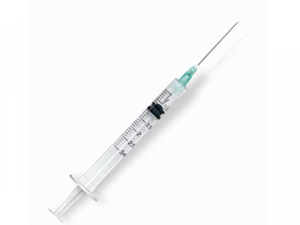
    injection(noun)

    /ɪnˈdʒekʃn/

    注射

    putting a medicine or other liquid into the body using a needle and syringe

    The nurse gave him an injection of painkiller in the arm.

    看護師は彼の腕に鎮痛剤の注射をしました。

    Insulin injections are given under the skin of the abdomen.

    類義語shotjabinoculationvaccination
    対義語oral medicationtopical treatment
  25. 25

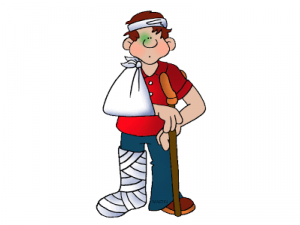
    injured(adjective)

    /ˈɪndʒərd/

    負傷した (fushō shita)

    physically hurt; having an injury

    She was seriously injured in the accident.

    彼女は事故で重傷を負った。 (Kanojo wa jiko de jūshō o otta.)

    類義語woundedhurtdamagedimpairedafflicted
    対義語unhurtuninjuredsafewellhealthy
  26. 26

    nosebleed(noun)

    /ˈnəʊzbliːd/

    鼻血 (hanaji)

    a flow of blood that comes from the nose

    There are many reasons that lead to a nosebleed.

    鼻血が出る原因はたくさんあります。

    類義語epistaxisnasal hemorrhage
    対義語none (as there's no direct opposite of a medical condition)
  27. 27

    pressure(noun)

    /ˈpreʃər/

    圧力, プレッシャー

    the act of trying to persuade or to force somebody to do something

    Many teenagers feel pressure from their parents to get good grades.

    多くの十代の若者が、良い成績を取るよう親からプレッシャーを感じている。

    類義語stressstrainforcecompulsioninfluenceurgency
    対義語easerelaxationleisurereliefcalm
  28. 28

    revive(verb)

    /rɪˈvaɪv/

    生き返る

    to become, or to make somebody/something become, conscious or healthy and strong again

    The flowers soon revived in water.

    花はすぐに水の中で生き返った。

    類義語reanimateresuscitaterecoverrestoreregeneraterekindlerenewrefresh
    対義語dieperishwitherdeclinesuppressdestroy
  29. 29

    sterile(adjective)

    /ˈsterəl/

    無菌の, 殺菌した

    completely clean and free from bacteria

    The burn was covered with a sterile cloth.

    やけどは無菌のガーゼで覆われた。

    類義語asepticantisepticdisinfectedcleanhygienic
    対義語contaminatedinfecteddirtyuncleanfertile
  30. 30

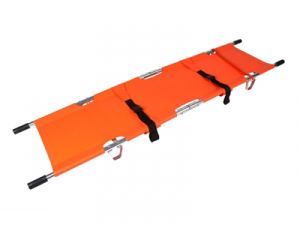
    stretcher(noun)

    /ˈstretʃər/

    担架 (tanka)

    a long piece of strong cloth with a pole on each side, used for carrying somebody who is sick or injured and who cannot walk

    They put the victim on a stretcher and took him to the hospital.

    彼らは犠牲者を担架に乗せて病院へ運んだ。

    類義語litterbarrowhospital bedcarrying chair
    対義語wheelchairchairbed
  31. 31

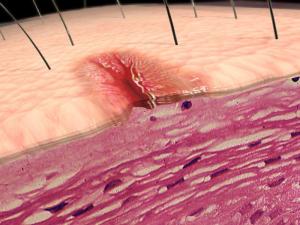
    tissue damage(noun)

    /ˈtɪʃjuː ˈdæmɪdʒ/

    組織損傷

    harm to the cells or tissues of the body, for example from a burn or cut

    A burn is a kind of tissue damage.

    火傷は組織損傷の一種です。

    類義語cellular injurytissue injuryhistological damagetissue lesion
    対義語tissue repairtissue regenerationtissue healing
  32. 32

    victim(noun)

    /ˈvɪktɪm/

    犠牲者 (giseisha)

    a person who has been attacked, injured or killed as the result of a crime, a disease, an accident, etc.

    He was a victim of the accident yesterday.

    彼は昨日、事故の犠牲者だった。

    類義語casualtysufferertargetprey
    対義語benefactoraggressorperpetratorattacker
  33. 33

    wheelchair(noun)

    /ˈwiːltʃer/

    車いす, 車椅子

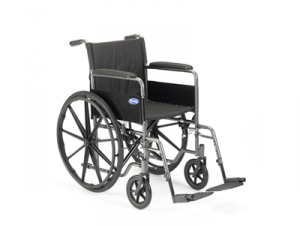
    a chair with wheels used by people who cannot walk or have great difficulty walking

    He uses a lightweight wheelchair after his spinal cord injury.

    彼は脊髄損傷の後、軽量の車いすを使っています。

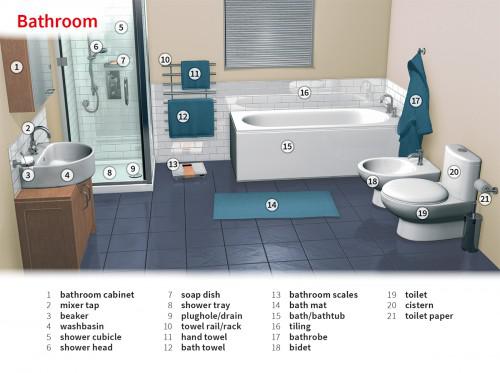
    The occupational therapist checked that the wheelchair fitted through the bathroom door.

    類義語invalid chairmobility aidwheelchair
    対義語able-bodiedambulatory
  34. 34

    pack(noun)

    /pæk/

    湿布, 冷却パック, 温パック

    a bag or cloth containing something hot or cold that is pressed on a part of the body to reduce pain or swelling

    She put an ice pack on her ankle to reduce the swelling.

    彼女はむくみを抑えるために足首にアイスパックを当てた。

  35. 35

    alcohol(noun)

    /ˈælkəhɔːl/

    消毒用アルコール, アルコール

    a clear liquid that is used to clean wounds and kill germs

    Clean the cut with a little alcohol before you put on a bandage.

    絆創膏を貼る前に、少量のアルコールで切り傷を消毒してください。

  36. 36

    ease(verb)

    /iːz/

    和らげる, 軽減する

    to make something unpleasant, painful or worrying less severe

    These pills will ease the pain.

    この錠剤は痛みを和らげてくれる。

  37. 37

    shock(noun)

    /ʃɑːk/

    ショック, ショック状態

    a serious medical condition, often caused by injury or loss of blood, in which the body's systems stop working properly

    The injured driver was in shock, so we kept him warm and still.

    負傷した運転手はショック状態だったので、私たちは彼を温かくして動かさないようにした。

  38. 38

    conscious(adjective)

    /ˈkɑːnʃəs/

    意識がある, 目覚めている

    awake and able to use your senses and know what is happening around you

    The injured man was still conscious when the ambulance arrived.

    救急車が到着したとき、けがをした男性はまだ意識があった。

  39. 39

    burn(noun)

    /bɜːrn/

    やけど, 火傷

    an injury or a mark caused by fire, heat or acid

    She was taken to the hospital with serious burns.

    彼女は重いやけどを負って病院に運ばれました。

  40. 40

    pressure(noun)

    /ˈpreʃər/

    圧力, 押す力

    the force or weight with which something presses against something else

    Press firmly on the wound to apply pressure and stop the bleeding.

    傷口をしっかり押さえて圧力をかけ、出血を止めなさい。