跳至主要內容

第 9/16 課 · 40 個單字 · 已學會 0 個

Lesson 9: A FIRST-AID COURSE

第9課:急救課程

  1. 1

    promise(verb)

    /ˈprɑːmɪs/

    承諾, 答應

    to tell somebody that you will definitely do or not do something, or that something will definitely happen

    The sales associate promised that our new mattress would arrive by noon on Saturday

    店員答應我們的新床墊會在星期六中午前送到。

    A warranty is a promise the manufacturer makes to the consumer

    同義詞assurancepledgeguaranteevowcommitmentwordundertaking
    反義詞denialbreachbreakviolation
  2. 2

    minimize(verb)

    /ˈmɪnɪmaɪz/

    使減到最小, 盡量減少

    to reduce something, especially something bad, to the lowest possible level

    The shipping staff minimized customer complaints by working overtime to deliver the packages quickly

    運務人員加班迅速送出包裹,把客戶的抱怨降到最低。

    To keep the customers happy and to minimize the effect of the carrier strike, we shipped orders directly to them

    同義詞reducedecreaselessencurtailabridgediminishtruncate
    反義詞maximizeincreaseexpandaugmentmaximizeenlarge
  3. 3

    faint(verb)

    /feɪnt/

    昏倒, 暈倒

    to become unconscious for a short time, for example because of heat, shock or hunger

    She fainted from hunger.

    她因為太餓而昏倒了。

    a faint glow/glimmer/light

    同義詞pass outblack outswooncollapseweaken
    反義詞reviverecoverstrengthenenliven
  4. 4

    tap(noun)

    /tæp/

    水龍頭

    a device for controlling the flow of water from a pipe into a bath or sink

    You should turn off the tap when you don't need it.

    不用水的時候,你應該把水龍頭關上。

    Don't leave the tap running.

    同義詞faucetspigotvalve
  5. 5

    emergency(noun)

    /ɪˈmɜːrdʒənsi/

    緊急狀況, 急症

    a sudden, serious situation, such as an injury or illness, that needs immediate action

    Severe chest pain should always be treated as a medical emergency.

    嚴重胸痛應一律視為醫療緊急狀況。

    In an emergency, call 115 for an ambulance.

    同義詞crisisurgencyexigencypredicamentdisaster
    反義詞calmpeacenormalityroutine
  6. 6

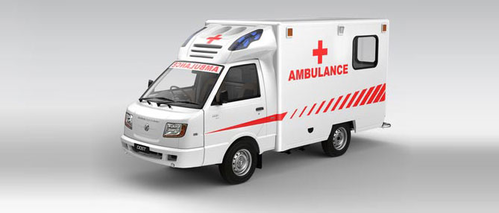
    ambulance(noun)

    /ˈæmbjələns/

    救護車

    a vehicle with medical equipment and staff that takes sick or injured people to hospital

    The ambulance arrived ten minutes after the call.

    救護車在接到通報十分鐘後抵達。

    She was taken by ambulance to the nearest emergency department.

    同義詞medical transportemergency vehicle
    反義詞personal vehicle
  7. 7

    hurt(verb)

    /hɜːrt/

    弄痛, 使受傷

    to cause physical pain to somebody/yourself; to injure somebody/yourself

    My shoes hurt me because they are too small.

    我的鞋子太小,把我的腳弄痛了。

    People's reaction to the film has varied greatly.

    同義詞achepaininjurewoundharmafflict
    反義詞healcomfortsootheeasehelp
  8. 8

    wound(noun)

    /wuːnd/

    傷口, 創傷

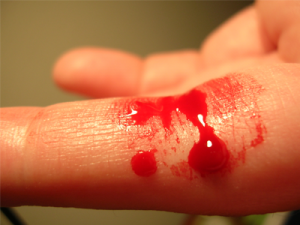
    an injury to part of the body, especially one in which a hole is made in the skin using a weapon

    A nurse cleaned and bandaged the wound for me.

    一位護理師為我清洗傷口並包紮。

    She felt the warmth of his arms around her.

    同義詞injurycutlacerationbruiselesiontrauma
    反義詞curehealinghealthrecovery
  9. 9

    awake(adjective)

    /əˈweɪk/

    醒著的, 未睡的

    not asleep (especially immediately before or after sleeping)

    I was still awake when Lan came.

    Lan 來的時候我還醒著。

    to be half/fully awake

    同義詞alertconsciouswakefulattentive
    反義詞asleepsleepingunconsciousdrowsy
  10. 10

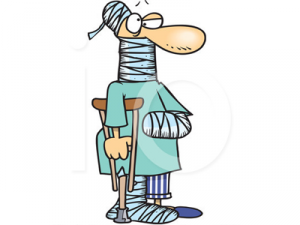
    bandage(noun)

    /ˈbændɪdʒ/

    繃帶

    a long narrow piece of cloth used for tying around a part of the body that has been hurt in order to protect or support it

    He has a bandage on his head.

    他的頭上纏著繃帶。

    His injured leg was all bandaged up.

    同義詞dressingplastercompresscoveringwrap
    反義詞uncoverexposewoundinjury
  11. 11

    sting(noun)

    /stɪŋ/

    螫傷, 叮咬

    a wound or mark on the skin made when an insect or plant stings you, causing sharp pain

    How do you treat bee stings?

    被蜜蜂螫傷該怎麼處理?

    the sting of a bee

    同義詞prickbitewoundsmarthurtpainnip
    反義詞soothehealcomfort
  12. 12

    bite(verb)

    /baɪt/

    咬

    to use your teeth to cut into or through something

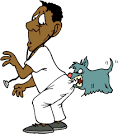
    Be careful, that dog might bite you.

    小心,那隻狗可能會咬你。

    同義詞nibblemorselmouthfulgnawchamp
    反義詞entiretywhole
  13. 13

    anxiety(noun)

    /æŋˈzaɪəti/

    焦慮, 不安

    the state of feeling nervous or worried that something bad is going to happen

    According to some articles, eating chocolate can reduce anxiety.

    根據一些文章,吃巧克力可以減輕焦慮。

    Waiting for exam results is a time of great anxiety.

    同義詞worryapprehensionuneasenervousnessconcernstressdread
    反義詞calmpeacetranquilityserenitycomposureassurance
  14. 14

    tight(adjective)

    /taɪt/

    緊的, 牢固的

    held or fixed in position securely; difficult to move, open or separate

    Make sure the bandage is tight, but not so tight that it hurts.

    繃帶要綁緊,但不能緊到會痛。

    同義詞closefirmsecuresnugtauttenseconstrictedrigid
    反義詞looseslackrelaxedeasywide
  15. 15

    treatment(noun)

    /ˈtriːtmənt/

    治療, 療程

    something that is done to cure an illness or injury, or to make somebody look and feel good

    The little boy has responded well to treatment.

    這個小男孩對治療反應良好。

    He is receiving treatment for shock.

    同義詞therapycureremedycaremanagementhealingmedicationintervention
    反義詞neglectdisregardharminjuryaggravationworsening
  16. 16

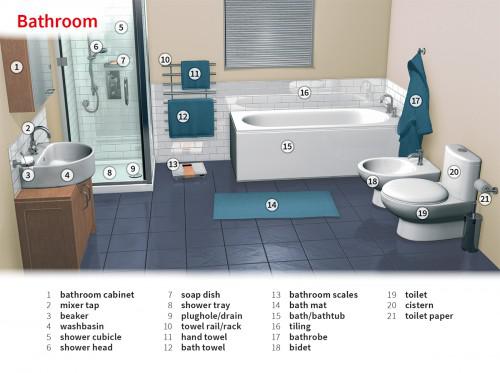
    towel(noun)

    /ˈtaʊəl/

    毛巾,浴巾

    a piece of cloth or paper used for drying things, especially your body

    He never hangs his towels in the bathroom.

    他從來不把毛巾掛在浴室裡。

    同義詞washclothnapkinclothtissue
    反義詞None (as a specific object)
  17. 17

    elevate(verb)

    /ˈelɪveɪt/

    抬高, 舉起, 提高

    to lift something up or put it in a higher position

    Lie down and elevate your feet.

    請躺下,把雙腳抬高。

    同義詞raiseliftboostincreasepromote
    反義詞lowerdecreasereducedemotedepress
  18. 18

    bleed(verb)

    /bliːd/

    流血, 出血

    to lose blood, especially from a wound or an injury

    Your nose is bleeding.

    你的鼻子在流血。

    同義詞dischargeexudeoozedrainlose blood
    反義詞clothealstop bleedingstaunch
  19. 19

    crutch(noun)

    /krʌtʃ/

    枴杖, 腋下拐

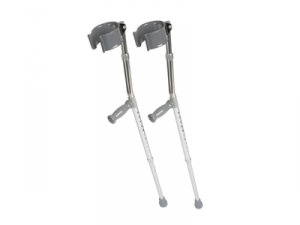
    one of two long sticks that you put under your arms to help you walk after you have injured your leg or foot

    I was on crutches for three months after the operation.

    手術後我拄了三個月的枴杖。

    同義詞supportpropbraceaid
    反義詞unsupportedunaidedstablesteady
  20. 20

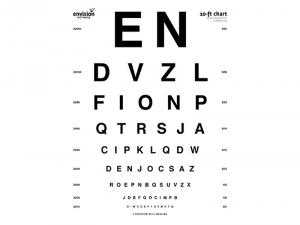
    eye chart(noun)

    /aɪ tʃɑːt/

    視力檢查表

    a chart with rows of letters of different sizes, used for testing how well somebody can see

    The doctor asked me to look at the eye chart.

    醫生要我看視力檢查表。

    同義詞vision chartSnellen charteye exam chart
    反義詞N/A (no direct antonym)
  21. 21

    fainting(noun)

    /feɪntɪŋ/

    昏厥, 暈厥

    a short loss of consciousness caused by reduced blood flow to the brain; the medical term is syncope

    Fainting during exercise may point to a heart problem.

    運動時昏厥可能是心臟出了問題。

    He has had two episodes of fainting this week.

    同義詞passing outblackoutsyncopeswooningcollapsing
    反義詞consciousnessawarenessalertnesswakefulness
  22. 22

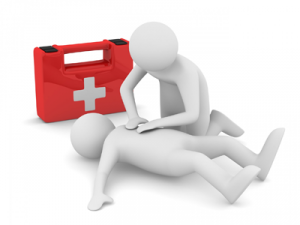
    first-aid(noun)

    /ˌfɜːrst ˈeɪd/

    急救

    simple medical treatment that is given to somebody before a doctor comes or before the person can be taken to a hospital

    You should take a first-aid course in case of emergency.

    為了因應緊急狀況,你應該去上急救課程。

    同義詞emergency treatmentmedical assistanceimmediate carebasic treatmentlife support
    反義詞definitive carehospitalizationsurgeryadvanced treatmentlong-term care
  23. 23

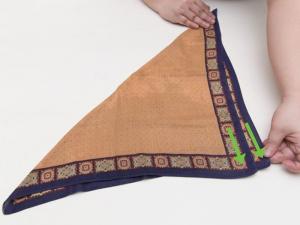
    handkerchief(noun)

    /ˈhæŋkərtʃɪf/

    手帕

    a small piece of material or paper that you use for blowing your nose, etc.

    She wiped her face on a handkerchief.

    她用手帕擦了擦臉。

    同義詞tissuesquarenapkinclothfacial tissue
    反義詞towelragduster
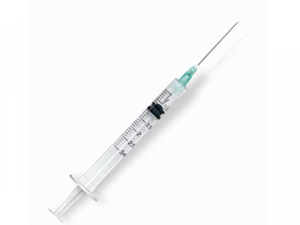
  24. 24

    injection(noun)

    /ɪnˈdʒekʃn/

    注射, 打針

    putting a medicine or other liquid into the body using a needle and syringe

    The nurse gave him an injection of painkiller in the arm.

    護理師在他的手臂上注射了止痛藥。

    Insulin injections are given under the skin of the abdomen.

    同義詞shotjabinoculationvaccination
    反義詞oral medicationtopical treatment
  25. 25

    injured(adjective)

    /ˈɪndʒərd/

    受傷的

    physically hurt; having an injury

    She was seriously injured in the accident.

    她在那場意外中受了重傷。

    同義詞woundedhurtdamagedimpairedafflicted
    反義詞unhurtuninjuredsafewellhealthy
  26. 26

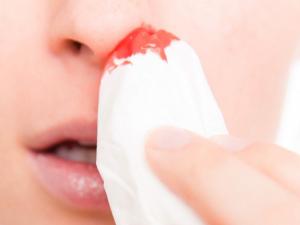
    nosebleed(noun)

    /ˈnəʊzbliːd/

    流鼻血

    a flow of blood that comes from the nose

    There are many reasons that lead to a nosebleed.

    造成流鼻血的原因有很多。

    同義詞epistaxisnasal hemorrhage
    反義詞none (as there's no direct opposite of a medical condition)
  27. 27

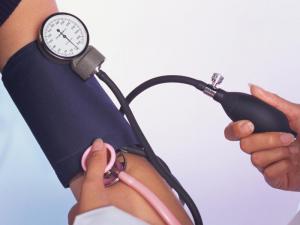
    pressure(noun)

    /ˈpreʃər/

    壓力, 施壓

    the act of trying to persuade or to force somebody to do something

    Many teenagers feel pressure from their parents to get good grades.

    許多青少年感受到來自父母要求取得好成績的壓力。

    同義詞stressstrainforcecompulsioninfluenceurgency
    反義詞easerelaxationleisurereliefcalm
  28. 28

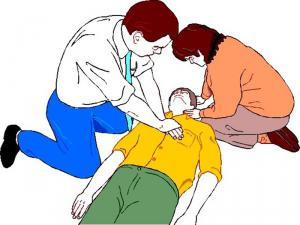
    revive(verb)

    /rɪˈvaɪv/

    甦醒, 復原, 使恢復活力

    to become, or to make somebody/something become, conscious or healthy and strong again

    The flowers soon revived in water.

    那些花插進水裡後很快就恢復了生氣。

    同義詞reanimateresuscitaterecoverrestoreregeneraterekindlerenewrefresh
    反義詞dieperishwitherdeclinesuppressdestroy
  29. 29

    sterile(adjective)

    /ˈsterəl/

    無菌的, 消毒過的

    completely clean and free from bacteria

    The burn was covered with a sterile cloth.

    燒傷處用無菌布蓋住。

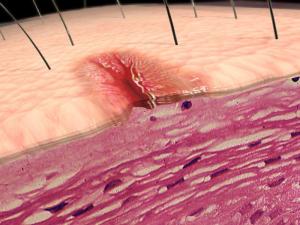
    同義詞asepticantisepticdisinfectedcleanhygienic
    反義詞contaminatedinfecteddirtyuncleanfertile
  30. 30

    stretcher(noun)

    /ˈstretʃər/

    擔架

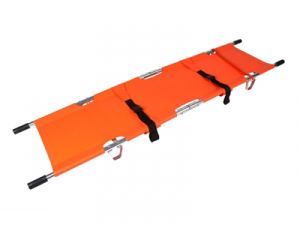
    a long piece of strong cloth with a pole on each side, used for carrying somebody who is sick or injured and who cannot walk

    They put the victim on a stretcher and took him to the hospital.

    他們把傷者放上擔架,送往醫院。

    同義詞litterbarrowhospital bedcarrying chair
    反義詞wheelchairchairbed
  31. 31

    tissue damage(noun)

    /ˈtɪʃjuː ˈdæmɪdʒ/

    組織損傷

    harm to the cells or tissues of the body, for example from a burn or cut

    A burn is a kind of tissue damage.

    燒傷是一種組織損傷。

    同義詞cellular injurytissue injuryhistological damagetissue lesion
    反義詞tissue repairtissue regenerationtissue healing
  32. 32

    victim(noun)

    /ˈvɪktɪm/

    受害者, 罹難者, 災民

    a person who has been attacked, injured or killed as the result of a crime, a disease, an accident, etc.

    He was a victim of the accident yesterday.

    他是昨天那場意外的受害者。

    同義詞casualtysufferertargetprey
    反義詞benefactoraggressorperpetratorattacker
  33. 33

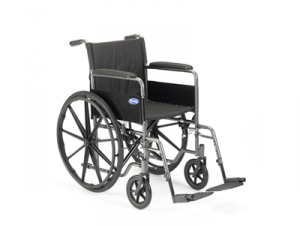
    wheelchair(noun)

    /ˈwiːltʃer/

    輪椅

    a chair with wheels used by people who cannot walk or have great difficulty walking

    He uses a lightweight wheelchair after his spinal cord injury.

    他在脊髓損傷後使用輕量型輪椅。

    The occupational therapist checked that the wheelchair fitted through the bathroom door.

    同義詞invalid chairmobility aidwheelchair
    反義詞able-bodiedambulatory
  34. 34

    pack(noun)

    /pæk/

    敷袋, 冷敷袋, 熱敷袋

    a bag or cloth containing something hot or cold that is pressed on a part of the body to reduce pain or swelling

    She put an ice pack on her ankle to reduce the swelling.

    她在腳踝上放了一個冰敷袋來消腫。

  35. 35

    alcohol(noun)

    /ˈælkəhɔːl/

    酒精

    a clear liquid that is used to clean wounds and kill germs

    Clean the cut with a little alcohol before you put on a bandage.

    貼上繃帶之前,先用一點酒精清潔傷口。

  36. 36

    ease(verb)

    /iːz/

    減輕, 緩解, 舒緩

    to make something unpleasant, painful or worrying less severe

    These pills will ease the pain.

    這些藥丸可以減輕疼痛。

  37. 37

    shock(noun)

    /ʃɑːk/

    休克

    a serious medical condition, often caused by injury or loss of blood, in which the body's systems stop working properly

    The injured driver was in shock, so we kept him warm and still.

    受傷的駕駛處於休克狀態,所以我們讓他保持溫暖並不要亂動。

  38. 38

    conscious(adjective)

    /ˈkɑːnʃəs/

    有意識的, 清醒的

    awake and able to use your senses and know what is happening around you

    The injured man was still conscious when the ambulance arrived.

    救護車抵達時,傷者仍然有意識。

  39. 39

    burn(noun)

    /bɜːrn/

    燒傷, 灼傷

    an injury or a mark caused by fire, heat or acid

    She was taken to the hospital with serious burns.

    她因嚴重燒傷被送往醫院。

  40. 40

    pressure(noun)

    /ˈpreʃər/

    壓力, 壓迫力

    the force or weight with which something presses against something else

    Press firmly on the wound to apply pressure and stop the bleeding.

    用力按壓傷口施加壓力,以止住流血。