Pular para o conteúdo

Lição 9/16 · 40 palavras · 0 aprendidas

Lesson 9: A FIRST-AID COURSE

Lição 9: Um curso de primeiros socorros

  1. 1

    promise(verb)

    /ˈprɑːmɪs/

    prometer

    to tell somebody that you will definitely do or not do something, or that something will definitely happen

    The sales associate promised that our new mattress would arrive by noon on Saturday

    O vendedor prometeu que nosso novo colchão chegaria até o meio-dia de sábado.

    A warranty is a promise the manufacturer makes to the consumer

    Sinônimosassurancepledgeguaranteevowcommitmentwordundertaking
    Antônimosdenialbreachbreakviolation
  2. 2

    minimize(verb)

    /ˈmɪnɪmaɪz/

    minimizar

    to reduce something, especially something bad, to the lowest possible level

    The shipping staff minimized customer complaints by working overtime to deliver the packages quickly

    A equipe de remessa minimizou as reclamações dos clientes, trabalhando horas extras para entregar os pacotes rapidamente.

    To keep the customers happy and to minimize the effect of the carrier strike, we shipped orders directly to them

    Sinônimosreducedecreaselessencurtailabridgediminishtruncate
    Antônimosmaximizeincreaseexpandaugmentmaximizeenlarge
  3. 3

    faint(verb)

    /feɪnt/

    desmaiar

    to become unconscious for a short time, for example because of heat, shock or hunger

    She fainted from hunger.

    Ela desmaiou de fome.

    a faint glow/glimmer/light

    Sinônimospass outblack outswooncollapseweaken
    Antônimosreviverecoverstrengthenenliven
  4. 4

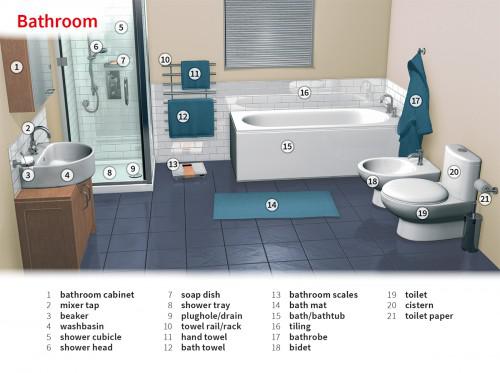
    tap(noun)

    /tæp/

    torneira

    a device for controlling the flow of water from a pipe into a bath or sink

    You should turn off the tap when you don't need it.

    Você deve fechar a torneira quando não precisar dela.

    Don't leave the tap running.

    Sinônimosfaucetspigotvalve
  5. 5

    emergency(noun)

    /ɪˈmɜːrdʒənsi/

    emergência, urgência

    a sudden, serious situation, such as an injury or illness, that needs immediate action

    Severe chest pain should always be treated as a medical emergency.

    Uma dor forte no peito deve sempre ser tratada como uma emergência médica.

    In an emergency, call 115 for an ambulance.

    Sinônimoscrisisurgencyexigencypredicamentdisaster
    Antônimoscalmpeacenormalityroutine
  6. 6

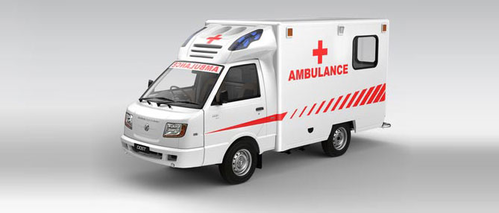
    ambulance(noun)

    /ˈæmbjələns/

    ambulância

    a vehicle with medical equipment and staff that takes sick or injured people to hospital

    The ambulance arrived ten minutes after the call.

    A ambulância chegou dez minutos após a chamada.

    She was taken by ambulance to the nearest emergency department.

    Sinônimosmedical transportemergency vehicle
    Antônimospersonal vehicle
  7. 7

    hurt(verb)

    /hɜːrt/

    magoar

    to cause physical pain to somebody/yourself; to injure somebody/yourself

    My shoes hurt me because they are too small.

    Meus sapatos me magoam porque são muito pequenos.

    People's reaction to the film has varied greatly.

    Sinônimosachepaininjurewoundharmafflict
    Antônimoshealcomfortsootheeasehelp
  8. 8

    wound(noun)

    /wuːnd/

    ferida

    an injury to part of the body, especially one in which a hole is made in the skin using a weapon

    A nurse cleaned and bandaged the wound for me.

    Uma enfermeira limpou e enfaixou a ferida para mim.

    She felt the warmth of his arms around her.

    Sinônimosinjurycutlacerationbruiselesiontrauma
    Antônimoscurehealinghealthrecovery
  9. 9

    awake(adjective)

    /əˈweɪk/

    acordado

    not asleep (especially immediately before or after sleeping)

    I was still awake when Lan came.

    Eu ainda estava acordado quando Lan chegou.

    to be half/fully awake

    Sinônimosalertconsciouswakefulattentive
    Antônimosasleepsleepingunconsciousdrowsy
  10. 10

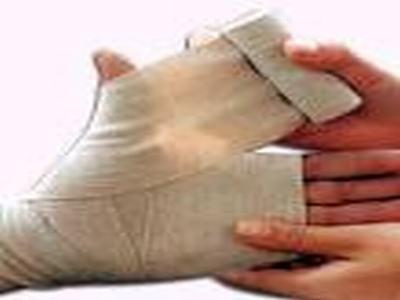
    bandage(noun)

    /ˈbændɪdʒ/

    bandagem

    a long narrow piece of cloth used for tying around a part of the body that has been hurt in order to protect or support it

    He has a bandage on his head.

    Ele tem uma bandagem na cabeça.

    His injured leg was all bandaged up.

    Sinônimosdressingplastercompresscoveringwrap
    Antônimosuncoverexposewoundinjury
  11. 11

    sting(noun)

    /stɪŋ/

    picada

    a wound or mark on the skin made when an insect or plant stings you, causing sharp pain

    How do you treat bee stings?

    Como se tratam picadas de abelha?

    the sting of a bee

    Sinônimosprickbitewoundsmarthurtpainnip
    Antônimossoothehealcomfort
  12. 12

    bite(verb)

    /baɪt/

    morder

    to use your teeth to cut into or through something

    Be careful, that dog might bite you.

    Cuidado, aquele cachorro pode te morder.

    Sinônimosnibblemorselmouthfulgnawchamp
    Antônimosentiretywhole
  13. 13

    anxiety(noun)

    /æŋˈzaɪəti/

    ansiedade

    the state of feeling nervous or worried that something bad is going to happen

    According to some articles, eating chocolate can reduce anxiety.

    De acordo com alguns artigos, comer chocolate pode reduzir a ansiedade.

    Waiting for exam results is a time of great anxiety.

    Sinônimosworryapprehensionuneasenervousnessconcernstressdread
    Antônimoscalmpeacetranquilityserenitycomposureassurance
  14. 14

    tight(adjective)

    /taɪt/

    apertado, firme

    held or fixed in position securely; difficult to move, open or separate

    Make sure the bandage is tight, but not so tight that it hurts.

    Verifique se a bandagem está firme, mas não tão apertada a ponto de machucar.

    Sinônimosclosefirmsecuresnugtauttenseconstrictedrigid
    Antônimoslooseslackrelaxedeasywide
  15. 15

    treatment(noun)

    /ˈtriːtmənt/

    tratamento

    something that is done to cure an illness or injury, or to make somebody look and feel good

    The little boy has responded well to treatment.

    O menino respondeu bem ao tratamento.

    He is receiving treatment for shock.

    Sinônimostherapycureremedycaremanagementhealingmedicationintervention
    Antônimosneglectdisregardharminjuryaggravationworsening
  16. 16

    towel(noun)

    /ˈtaʊəl/

    toalha

    a piece of cloth or paper used for drying things, especially your body

    He never hangs his towels in the bathroom.

    Ele nunca pendura as toalhas no banheiro.

    Sinônimoswashclothnapkinclothtissue
    AntônimosNone (as a specific object)
  17. 17

    elevate(verb)

    /ˈelɪveɪt/

    elevar, levantar

    to lift something up or put it in a higher position

    Lie down and elevate your feet.

    Deite-se e eleve os pés.

    Sinônimosraiseliftboostincreasepromote
    Antônimoslowerdecreasereducedemotedepress
  18. 18

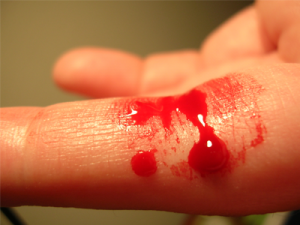
    bleed(verb)

    /bliːd/

    sangrar

    to lose blood, especially from a wound or an injury

    Your nose is bleeding.

    Seu nariz está sangrando.

    Sinônimosdischargeexudeoozedrainlose blood
    Antônimosclothealstop bleedingstaunch
  19. 19

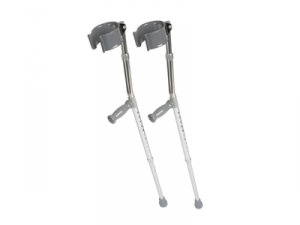
    crutch(noun)

    /krʌtʃ/

    muleta

    one of two long sticks that you put under your arms to help you walk after you have injured your leg or foot

    I was on crutches for three months after the operation.

    Eu estive de muletas por três meses após a operação.

    Sinônimossupportpropbraceaid
    Antônimosunsupportedunaidedstablesteady
  20. 20

    eye chart(noun)

    /aɪ tʃɑːt/

    tabela optométrica

    a chart with rows of letters of different sizes, used for testing how well somebody can see

    The doctor asked me to look at the eye chart.

    O médico pediu-me para olhar para a tabela optométrica.

    Sinônimosvision chartSnellen charteye exam chart
    AntônimosN/A (no direct antonym)
  21. 21

    fainting(noun)

    /feɪntɪŋ/

    síncope, desmaio

    a short loss of consciousness caused by reduced blood flow to the brain; the medical term is syncope

    Fainting during exercise may point to a heart problem.

    Desmaios durante o exercício podem indicar um problema cardíaco.

    He has had two episodes of fainting this week.

    Sinônimospassing outblackoutsyncopeswooningcollapsing
    Antônimosconsciousnessawarenessalertnesswakefulness
  22. 22

    first-aid(noun)

    /ˌfɜːrst ˈeɪd/

    primeiros socorros

    simple medical treatment that is given to somebody before a doctor comes or before the person can be taken to a hospital

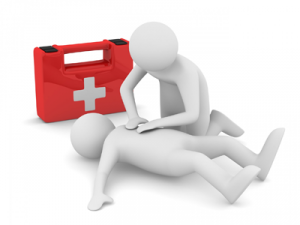
    You should take a first-aid course in case of emergency.

    Você deve fazer um curso de primeiros socorros em caso de emergência.

    Sinônimosemergency treatmentmedical assistanceimmediate carebasic treatmentlife support
    Antônimosdefinitive carehospitalizationsurgeryadvanced treatmentlong-term care
  23. 23

    handkerchief(noun)

    /ˈhæŋkərtʃɪf/

    lenço

    a small piece of material or paper that you use for blowing your nose, etc.

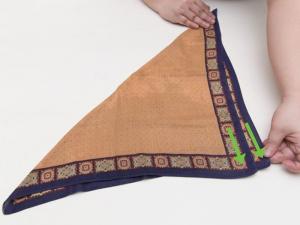
    She wiped her face on a handkerchief.

    Ela limpou o rosto com um lenço.

    Sinônimostissuesquarenapkinclothfacial tissue
    Antônimostowelragduster
  24. 24

    injection(noun)

    /ɪnˈdʒekʃn/

    injeção

    putting a medicine or other liquid into the body using a needle and syringe

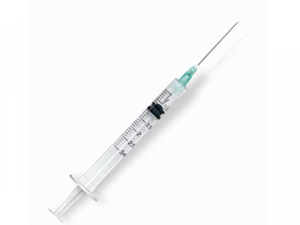
    The nurse gave him an injection of painkiller in the arm.

    A enfermeira aplicou nele uma injeção de analgésico no braço.

    Insulin injections are given under the skin of the abdomen.

    Sinônimosshotjabinoculationvaccination
    Antônimosoral medicationtopical treatment
  25. 25

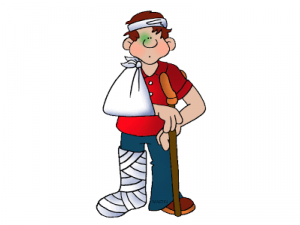
    injured(adjective)

    /ˈɪndʒərd/

    ferido

    physically hurt; having an injury

    She was seriously injured in the accident.

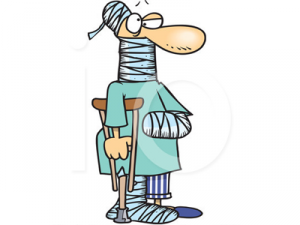
    Ela ficou gravemente ferida no acidente.

    Sinônimoswoundedhurtdamagedimpairedafflicted
    Antônimosunhurtuninjuredsafewellhealthy
  26. 26

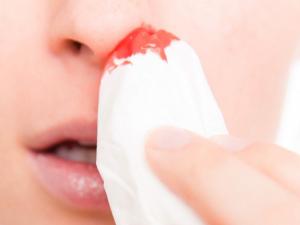
    nosebleed(noun)

    /ˈnəʊzbliːd/

    hemorragia nasal

    a flow of blood that comes from the nose

    There are many reasons that lead to a nosebleed.

    Há muitas razões que levam a uma hemorragia nasal.

    Sinônimosepistaxisnasal hemorrhage
    Antônimosnone (as there's no direct opposite of a medical condition)
  27. 27

    pressure(noun)

    /ˈpreʃər/

    pressão

    the act of trying to persuade or to force somebody to do something

    Many teenagers feel pressure from their parents to get good grades.

    Muitos adolescentes sentem a pressão dos pais para tirar boas notas.

    Sinônimosstressstrainforcecompulsioninfluenceurgency
    Antônimoseaserelaxationleisurereliefcalm
  28. 28

    revive(verb)

    /rɪˈvaɪv/

    reviver

    to become, or to make somebody/something become, conscious or healthy and strong again

    The flowers soon revived in water.

    As flores logo reviveram na água.

    Sinônimosreanimateresuscitaterecoverrestoreregeneraterekindlerenewrefresh
    Antônimosdieperishwitherdeclinesuppressdestroy
  29. 29

    sterile(adjective)

    /ˈsterəl/

    estéril, esterilizado

    completely clean and free from bacteria

    The burn was covered with a sterile cloth.

    A queimadura foi coberta com um pano estéril.

    Sinônimosasepticantisepticdisinfectedcleanhygienic
    Antônimoscontaminatedinfecteddirtyuncleanfertile
  30. 30

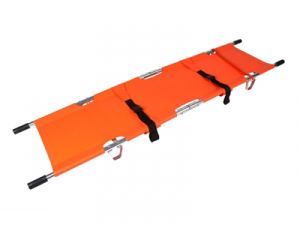
    stretcher(noun)

    /ˈstretʃər/

    maca

    a long piece of strong cloth with a pole on each side, used for carrying somebody who is sick or injured and who cannot walk

    They put the victim on a stretcher and took him to the hospital.

    Eles colocaram a vítima em uma maca e a levaram para o hospital.

    Sinônimoslitterbarrowhospital bedcarrying chair
    Antônimoswheelchairchairbed
  31. 31

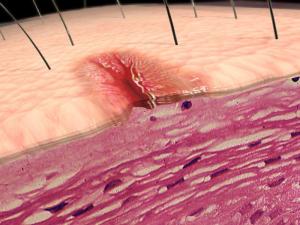
    tissue damage(noun)

    /ˈtɪʃjuː ˈdæmɪdʒ/

    dano tecidual

    harm to the cells or tissues of the body, for example from a burn or cut

    A burn is a kind of tissue damage.

    Uma queimadura é um tipo de dano tecidual.

    Sinônimoscellular injurytissue injuryhistological damagetissue lesion
    Antônimostissue repairtissue regenerationtissue healing
  32. 32

    victim(noun)

    /ˈvɪktɪm/

    vítima

    a person who has been attacked, injured or killed as the result of a crime, a disease, an accident, etc.

    He was a victim of the accident yesterday.

    Ele foi vítima do acidente ontem.

    Sinônimoscasualtysufferertargetprey
    Antônimosbenefactoraggressorperpetratorattacker
  33. 33

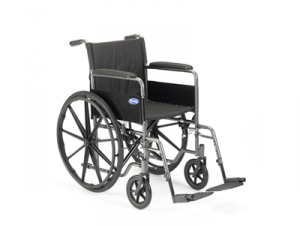
    wheelchair(noun)

    /ˈwiːltʃer/

    cadeira de rodas

    a chair with wheels used by people who cannot walk or have great difficulty walking

    He uses a lightweight wheelchair after his spinal cord injury.

    Ele usa uma cadeira de rodas leve após a lesão na medula espinhal.

    The occupational therapist checked that the wheelchair fitted through the bathroom door.

    Sinônimosinvalid chairmobility aidwheelchair
    Antônimosable-bodiedambulatory
  34. 34

    pack(noun)

    /pæk/

    compressa

    a bag or cloth containing something hot or cold that is pressed on a part of the body to reduce pain or swelling

    She put an ice pack on her ankle to reduce the swelling.

    Ela colocou uma compressa de gelo no tornozelo para reduzir o inchaço.

  35. 35

    alcohol(noun)

    /ˈælkəhɔːl/

    álcool

    a clear liquid that is used to clean wounds and kill germs

    Clean the cut with a little alcohol before you put on a bandage.

    Limpe o corte com um pouco de álcool antes de colocar o curativo.

  36. 36

    ease(verb)

    /iːz/

    aliviar, atenuar

    to make something unpleasant, painful or worrying less severe

    These pills will ease the pain.

    Estes comprimidos vão aliviar a dor.

  37. 37

    shock(noun)

    /ʃɑːk/

    choque

    a serious medical condition, often caused by injury or loss of blood, in which the body's systems stop working properly

    The injured driver was in shock, so we kept him warm and still.

    O motorista ferido estava em choque, então o mantivemos aquecido e imóvel.

  38. 38

    conscious(adjective)

    /ˈkɑːnʃəs/

    consciente

    awake and able to use your senses and know what is happening around you

    The injured man was still conscious when the ambulance arrived.

    O homem ferido ainda estava consciente quando a ambulância chegou.

  39. 39

    burn(noun)

    /bɜːrn/

    queimadura

    an injury or a mark caused by fire, heat or acid

    She was taken to the hospital with serious burns.

    Ela foi levada ao hospital com queimaduras graves.

  40. 40

    pressure(noun)

    /ˈpreʃər/

    pressão

    the force or weight with which something presses against something else

    Press firmly on the wound to apply pressure and stop the bleeding.

    Pressione o ferimento com firmeza para fazer pressão e estancar o sangramento.