Saltar al contenido

Lección 7/12 · 25 palabras · 0 aprendidas

Lesson 7: I HAVE A FEVER

Lección 7: Tengo fiebre

  1. 1

    matter(noun)

    /ˈmætər/

    problema, pasa

    used (to ask) if somebody is upset, unhappy, etc. or if there is a problem

    What's the matter? You look very tired today.

    ¿Qué pasa? Hoy te ves muy cansado.

    Sinónimosissueconcerntopicsubjectaffairbusinessthing
    Antónimosinsignificancetrivialityunimportance
  2. 2

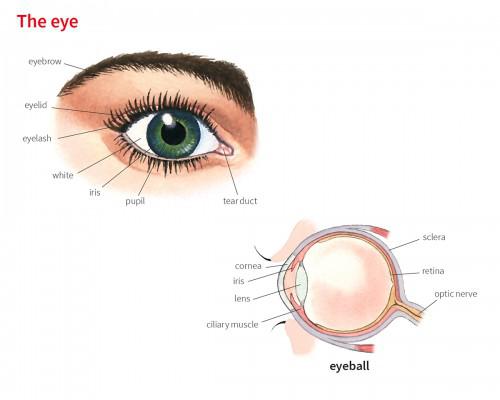
    eye(noun)

    /aɪ/

    ojo

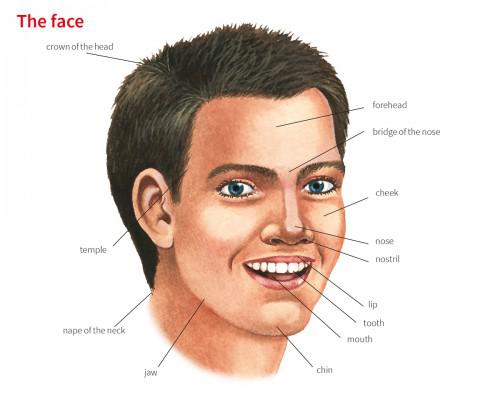
    either of the two organs on the face that you see with

    There were tears in his eyes.

    Tenía lágrimas en los ojos.

    All eyes were on him (= everyone was looking at him) as he walked on to the stage.

    Sinónimosopticviewgaze
    Antónimosblindness
  3. 3

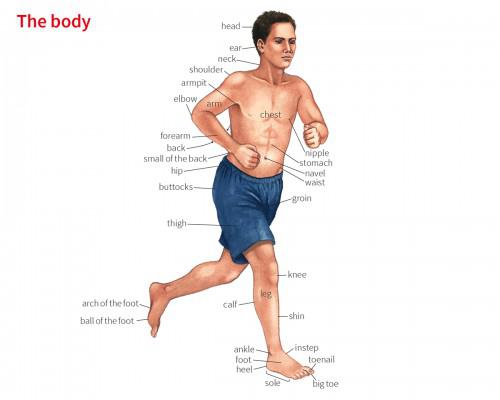
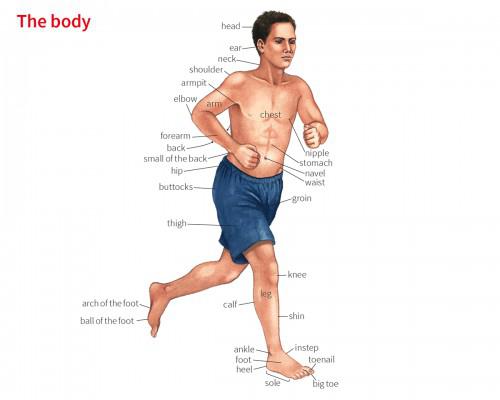
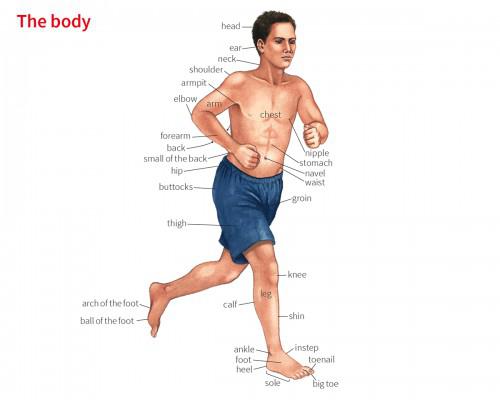
    arm(noun)

    /ɑːrm/

    brazo

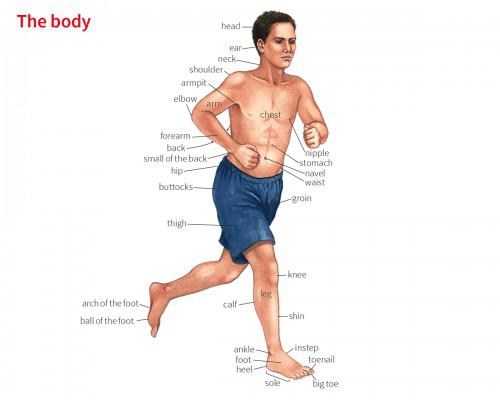
    either of the two long parts that stick out from the top of the body and connect the shoulders to the hands

    The broken arm makes him uncomfortable.

    El brazo roto lo hace sentir incómodo.

    The men armed themselves with sticks and stones.

    Sinónimosupper limbforelimbappendage
    Antónimoslegfoot
  4. 4

    health(noun)

    /helθ/

    salud

    the condition of a person’s body or mind

    Exhaust fumes are bad for your health.

    Los gases de escape son malos para tu salud.

    Sinónimoswell-beingfitnessconditionshapehalenessvigor
    Antónimosillnesssicknessdiseaseinfirmityunhealthiness
  5. 5

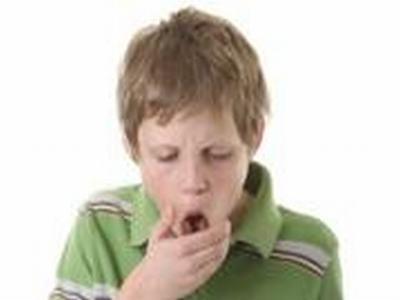
    cough(verb)

    /kɔːf/

    toser

    to push air out of the lungs suddenly and noisily, often to clear the throat or airways

    Have you been coughing up any blood or phlegm?

    ¿Ha tosido con sangre o flema?

    She has been coughing at night for over a month.

    Sinónimoshackchucklebarkwhoop
    Antónimossilencequietstillness
  6. 6

    ear(noun)

    /ɪr/

    oído

    either of the organs on the sides of the head that you hear with

    Put your hands over your ears.

    Pon tus manos sobre tus oídos.

    an ear infection

    Sinónimosauditory organhearingsense of hearing
    Antónimosdeafness
  7. 7

    brush(verb)

    /brʌʃ/

    cepillar

    to clean, polish or make something smooth with a brush

    Do you brush your teeth every day?

    ¿Te cepillas los dientes todos los días?

    Sinónimosscrubcleansweepgroompolish
    Antónimosdirtyneglectignore
  8. 8

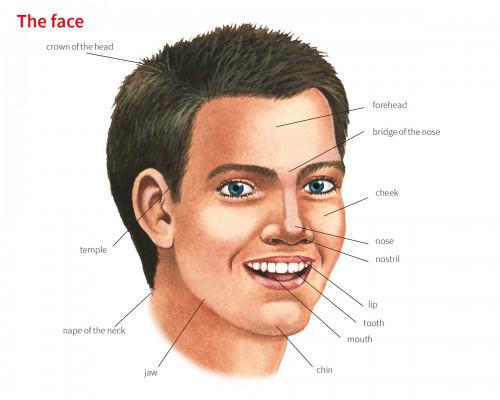
    mouth(noun)

    /maʊθ/

    boca

    the opening in the face used for speaking, eating, etc.; the area inside the head behind this opening

    Please open your mouth.

    Por favor, abre la boca.

    His mouth twisted into a wry smile.

    Sinónimoslipsjawsmaworal cavity
    Antónimosclosureendorigin
  9. 9

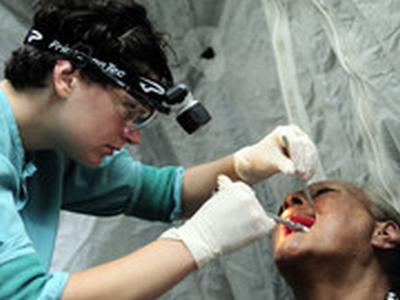
    dentist(noun)

    /ˈdentɪst/

    dentista

    a person whose job is to take care of people’s teeth

    A dentist's job is taking care of people's teeth.

    El trabajo de un dentista es cuidar los dientes de las personas.

    That's definite then, is it?

    Sinónimostooth doctordental surgeonoral surgeon
    Antónimospatient
  10. 10

    foot(noun)

    /fʊt/

    pie

    the lowest part of the leg, below the ankle, on which a person or an animal stands

    He can stand on one foot very long.

    Él puede estar de pie sobre un pie durante mucho tiempo.

    a foot pump(= operated using your foot, not your hand)

    Sinónimospedal extremitylower extremity
    Antónimoslidtop
  11. 11

    fever(noun)

    /ˈfiːvər/

    fiebre

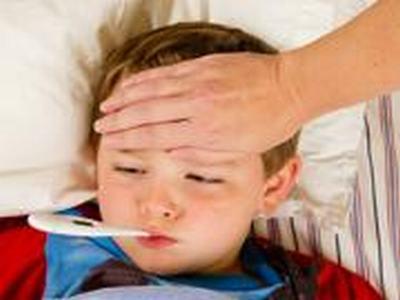
    a body temperature higher than normal, usually above 38 degrees Celsius, often caused by infection

    The child has had a high fever for three days.

    El niño ha tenido fiebre alta durante tres días.

    Paracetamol was given to bring down the fever.

    Sinónimospyrexiahigh temperaturetemperatureheat
    Antónimoshypothermiaafebrile
  12. 12

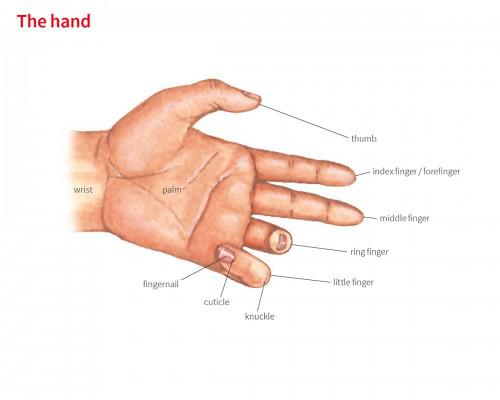
    hand(noun)

    /hænd/

    mano

    the part of the body at the end of the arm, including the fingers and thumb

    I want to hold your hand.

    Quiero tomar tu mano.

    a hand towel(= a small towel for drying your hands on)

    Sinónimosfistpalmpawgripmitt
    Antónimosfoottoeabsence
  13. 13

    should(modal verb)

    /ʃəd/

    deber, tener que (condicional)

    used to say what is the right or sensible thing to do, especially when giving advice

    You should see a doctor if your fever gets worse.

    Deberías ir al médico si la fiebre empeora.

    Sinónimosought tomustshallneed tobe obliged to
    Antónimosshouldn'tmustn'tneedn't
  14. 14

    leg(noun)

    /leɡ/

    pierna

    one of the long parts that connect the feet to the rest of the body

    How many legs does an ant have?

    ¿Cuántas piernas tiene una hormiga?

    How many legs does a centipede have?

    Sinónimoslimbextremitymembersupport
    Antónimostorsobody
  15. 15

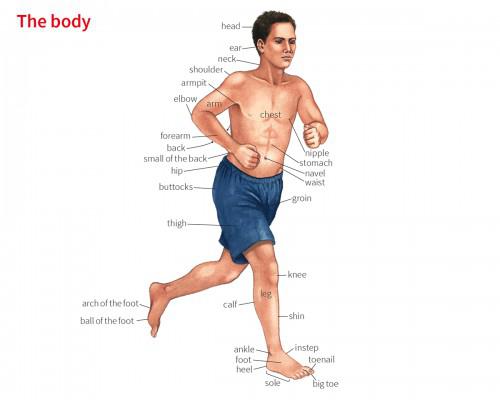
    head(noun)

    /hed/

    cabeza

    the part of the body on top of the neck containing the eyes, nose, mouth and brain

    She shakes her head when she doesn't agree.

    Ella niega con la cabeza cuando no está de acuerdo.

    He shook his head in disbelief.

    Sinónimosskullbrainmindchiefleadertop
    Antónimosfootbasefollower
  16. 16

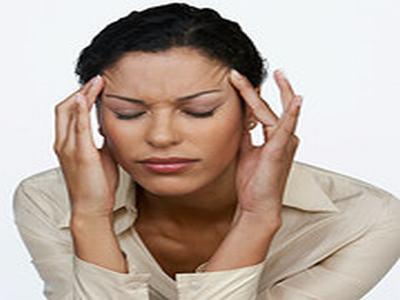
    headache(noun)

    /ˈhedeɪk/

    dolor de cabeza, cefalea

    pain in any part of the head, ranging from mild to severe

    A sudden, severe headache always needs urgent assessment in hospital.

    Un dolor de cabeza repentino e intenso siempre requiere una evaluación urgente en el hospital.

    She has had a throbbing headache since yesterday.

    Sinónimoscephalalgiamigrainehead pain
    Antónimosreliefcurerecoverywellness
  17. 17

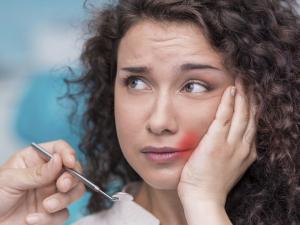
    toothache(noun)

    /ˈtuːθeɪk/

    dolor de muelas, dolor dental, odontalgia

    pain in or around a tooth, usually caused by decay, pulp inflammation or infection

    He came to the emergency clinic with severe toothache at night.

    Llegó a la clínica de urgencias con un fuerte dolor de muelas durante la noche.

    Painkillers only relieve toothache until the cause is treated.

    Sinónimosodontalgiatooth paindental pain
    Antónimossound teethhealthy teethno pain
  18. 18

    sore throat(noun)

    /sɔː θrəʊt/

    dolor de garganta

    a condition in which your throat is red and feels painful, especially when you swallow

    I can’t speak as I am having a sore throat.

    No puedo hablar porque tengo dolor de garganta.

    Sinónimosthroat irritationpharyngitislaryngitisraw throatscratchy throat
    Antónimoshealthy throatclear throatunaffected throat
  19. 19

    nose(noun)

    /nəʊz/

    nariz

    the part of the face that sticks out above the mouth, used for breathing and smelling things

    Her mother has a sharp nose.

    Su madre tiene una nariz afilada.

    Sinónimossnootproboscisbeakmuzzlesnout
  20. 20

    neck(noun)

    /nek/

    cuello

    the part of the body between the head and the shoulders

    The boy keeps the key on a string around his neck.

    El niño guarda la llave en una cuerda alrededor de su cuello.

    Sinónimosnapethroatscruff
  21. 21

    get better soon(phrase)

    /ɡɛt ˈbɛtə suːn/

    que te mejores pronto, mejórate pronto

    used to say that you hope a sick person will be healthy again quickly

    I hope you get better soon.

    Espero que te mejores pronto.

    Sinónimosrecoverimprovehealrecuperate
    Antónimosworsendeterioratedecline
  22. 22

    see a doctor(phrase)

    /siː ə ˈdɒktə/

    ir al médico, consultar a un médico

    to go to a doctor so that he or she can check you and help you get better

    You have a high fever, so you should see a doctor.

    Tienes mucha fiebre, así que deberías ir al médico.

    Sinónimosconsult a physicianvisit a doctorseek medical attention
    Antónimosself-treatignore symptoms
  23. 23

    take some aspirins(phrase)

    /teɪk sʌm ˈasp(ə)rɪnz/

    tomar aspirinas

    to swallow some aspirin tablets to stop pain or bring down a fever

    You should take some aspirins for your headache.

    Deberías tomar unas aspirinas para el dolor de cabeza.

    Sinónimosingest aspirinconsume aspirinuse aspirinadminister aspirin
    Antónimosavoid aspirinrefrain from aspirinforgo aspirin

  24. 24

    examine(verb)

    /ɪɡˈzæmɪn/

    examinar, reconocer

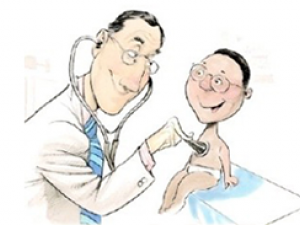
    to look at somebody's body carefully to find out if they are ill or healthy

    The doctor examined my throat and said I had a bad cold.

    El médico me examinó la garganta y dijo que tenía un fuerte resfriado.

  25. 25

    cold(noun)

    /kəʊld/

    resfriado, catarro

    a common illness that affects the nose and/or throat, making you cough, sneeze, etc.

    I caught a cold because I walked in the rain.

    Me resfrié porque caminé bajo la lluvia.