ข้ามไปยังเนื้อหา

บทที่ 7/12 · 25 คำ · จำได้แล้ว 0

Lesson 7: I HAVE A FEVER

บทที่ 7: ฉันมีไข้

  1. 1

    matter(noun)

    /ˈmætər/

    เรื่อง, ปัญหา

    used (to ask) if somebody is upset, unhappy, etc. or if there is a problem

    What's the matter? You look very tired today.

    เป็นอะไรไป? วันนี้คุณดูเหนื่อยมากเลย

    คำพ้องความหมายissueconcerntopicsubjectaffairbusinessthing
    คำตรงข้ามinsignificancetrivialityunimportance
  2. 2

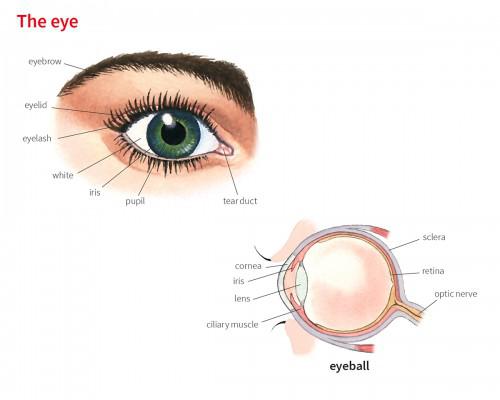
    eye(noun)

    /aɪ/

    ตา (taa)

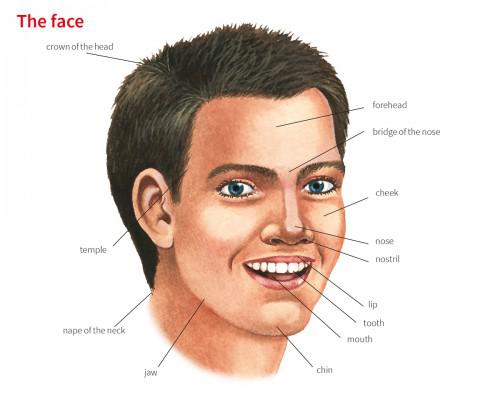
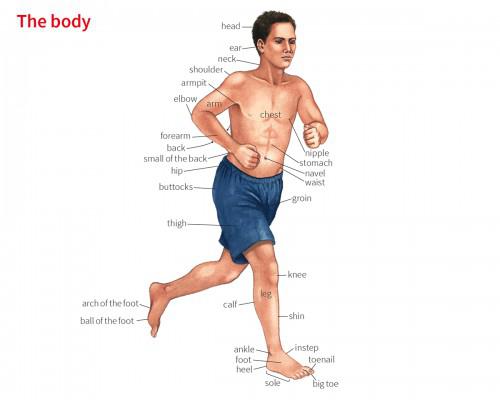
    either of the two organs on the face that you see with

    There were tears in his eyes.

    มีน้ำตาในดวงตาของเขา (mee namtaa nai duangtaa khong khao)

    All eyes were on him (= everyone was looking at him) as he walked on to the stage.

    คำพ้องความหมายopticviewgaze
    คำตรงข้ามblindness
  3. 3

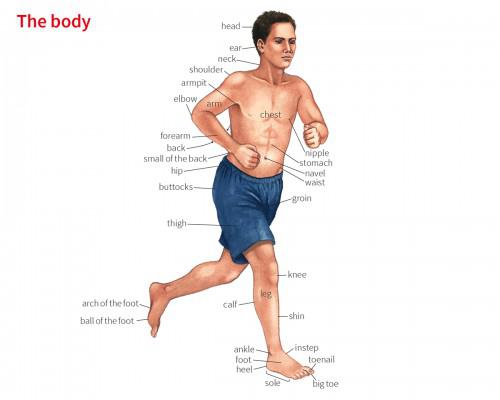
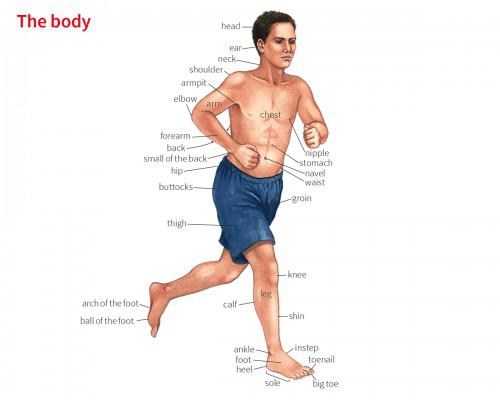
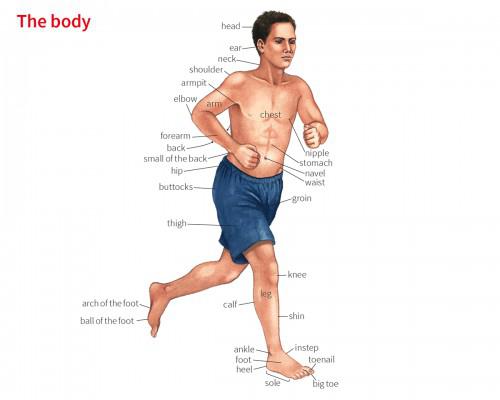
    arm(noun)

    /ɑːrm/

    แขน

    either of the two long parts that stick out from the top of the body and connect the shoulders to the hands

    The broken arm makes him uncomfortable.

    แขนหักทำให้เขารู้สึกไม่สบายตัว

    The men armed themselves with sticks and stones.

    คำพ้องความหมายupper limbforelimbappendage
    คำตรงข้ามlegfoot
  4. 4

    health(noun)

    /helθ/

    สุขภาพ

    the condition of a person’s body or mind

    Exhaust fumes are bad for your health.

    ควันจากท่อไอเสียไม่ดีต่อสุขภาพของคุณ

    คำพ้องความหมายwell-beingfitnessconditionshapehalenessvigor
    คำตรงข้ามillnesssicknessdiseaseinfirmityunhealthiness
  5. 5

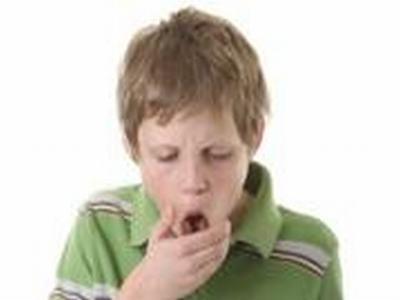
    cough(verb)

    /kɔːf/

    ไอ

    to push air out of the lungs suddenly and noisily, often to clear the throat or airways

    Have you been coughing up any blood or phlegm?

    คุณไอเป็นเลือดหรือมีเสมหะบ้างไหม

    She has been coughing at night for over a month.

    คำพ้องความหมายhackchucklebarkwhoop
    คำตรงข้ามsilencequietstillness
  6. 6

    ear(noun)

    /ɪr/

    หู

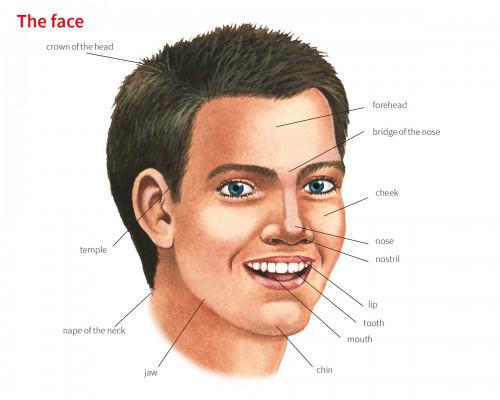
    either of the organs on the sides of the head that you hear with

    Put your hands over your ears.

    เอามือปิดหูของคุณ

    an ear infection

    คำพ้องความหมายauditory organhearingsense of hearing
    คำตรงข้ามdeafness
  7. 7

    brush(verb)

    /brʌʃ/

    แปรง

    to clean, polish or make something smooth with a brush

    Do you brush your teeth every day?

    คุณแปรงฟันทุกวันไหม

    คำพ้องความหมายscrubcleansweepgroompolish
    คำตรงข้ามdirtyneglectignore
  8. 8

    mouth(noun)

    /maʊθ/

    ปาก

    the opening in the face used for speaking, eating, etc.; the area inside the head behind this opening

    Please open your mouth.

    กรุณาอ้าปาก

    His mouth twisted into a wry smile.

    คำพ้องความหมายlipsjawsmaworal cavity
    คำตรงข้ามclosureendorigin
  9. 9

    dentist(noun)

    /ˈdentɪst/

    ทันตแพทย์ (than taphaeet)

    a person whose job is to take care of people’s teeth

    A dentist's job is taking care of people's teeth.

    งานของทันตแพทย์คือการดูแลฟันของคน (ngaan khong than taphaeet khue gaan dulae fan khong khon)

    That's definite then, is it?

    คำพ้องความหมายtooth doctordental surgeonoral surgeon
    คำตรงข้ามpatient
  10. 10

    foot(noun)

    /fʊt/

    เท้า

    the lowest part of the leg, below the ankle, on which a person or an animal stands

    He can stand on one foot very long.

    เขาสามารถยืนบนเท้าข้างเดียวได้นานมาก

    a foot pump(= operated using your foot, not your hand)

    คำพ้องความหมายpedal extremitylower extremity
    คำตรงข้ามlidtop
  11. 11

    fever(noun)

    /ˈfiːvər/

    ไข้, อาการไข้

    a body temperature higher than normal, usually above 38 degrees Celsius, often caused by infection

    The child has had a high fever for three days.

    เด็กมีไข้สูงมาสามวันแล้ว

    Paracetamol was given to bring down the fever.

    คำพ้องความหมายpyrexiahigh temperaturetemperatureheat
    คำตรงข้ามhypothermiaafebrile
  12. 12

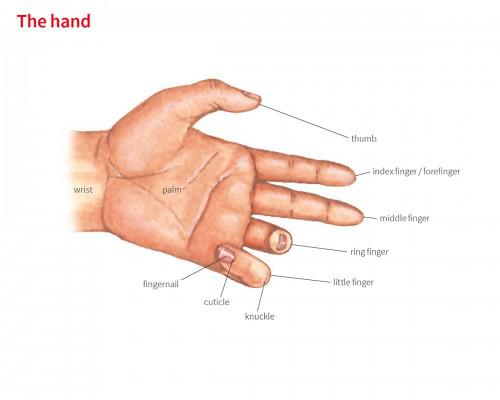
    hand(noun)

    /hænd/

    มือ (mue)

    the part of the body at the end of the arm, including the fingers and thumb

    I want to hold your hand.

    ฉันอยากจับมือเธอ (chan yaak jap mue ter)

    a hand towel(= a small towel for drying your hands on)

    คำพ้องความหมายfistpalmpawgripmitt
    คำตรงข้ามfoottoeabsence
  13. 13

    should(modal verb)

    /ʃəd/

    ควร

    used to say what is the right or sensible thing to do, especially when giving advice

    You should see a doctor if your fever gets worse.

    คุณควรไปพบแพทย์ถ้าไข้สูงขึ้น

    คำพ้องความหมายought tomustshallneed tobe obliged to
    คำตรงข้ามshouldn'tmustn'tneedn't
  14. 14

    leg(noun)

    /leɡ/

    ขา

    one of the long parts that connect the feet to the rest of the body

    How many legs does an ant have?

    มดมีขากี่ขา

    How many legs does a centipede have?

    คำพ้องความหมายlimbextremitymembersupport
    คำตรงข้ามtorsobody
  15. 15

    head(noun)

    /hed/

    หัว

    the part of the body on top of the neck containing the eyes, nose, mouth and brain

    She shakes her head when she doesn't agree.

    เธอส่ายหัวเมื่อเธอไม่เห็นด้วย

    He shook his head in disbelief.

    คำพ้องความหมายskullbrainmindchiefleadertop
    คำตรงข้ามfootbasefollower
  16. 16

    headache(noun)

    /ˈhedeɪk/

    ปวดศีรษะ, ปวดหัว

    pain in any part of the head, ranging from mild to severe

    A sudden, severe headache always needs urgent assessment in hospital.

    อาการปวดศีรษะรุนแรงอย่างเฉียบพลันต้องได้รับการประเมินที่โรงพยาบาลโดยเร่งด่วนเสมอ

    She has had a throbbing headache since yesterday.

    คำพ้องความหมายcephalalgiamigrainehead pain
    คำตรงข้ามreliefcurerecoverywellness
  17. 17

    toothache(noun)

    /ˈtuːθeɪk/

    ปวดฟัน

    pain in or around a tooth, usually caused by decay, pulp inflammation or infection

    He came to the emergency clinic with severe toothache at night.

    เขามาที่คลินิกฉุกเฉินตอนกลางคืนด้วยอาการปวดฟันอย่างรุนแรง

    Painkillers only relieve toothache until the cause is treated.

    คำพ้องความหมายodontalgiatooth paindental pain
    คำตรงข้ามsound teethhealthy teethno pain
  18. 18

    sore throat(noun)

    /sɔː θrəʊt/

    เจ็บคอ

    a condition in which your throat is red and feels painful, especially when you swallow

    I can’t speak as I am having a sore throat.

    ฉันพูดไม่ได้เพราะฉันเจ็บคอ

    คำพ้องความหมายthroat irritationpharyngitislaryngitisraw throatscratchy throat
    คำตรงข้ามhealthy throatclear throatunaffected throat
  19. 19

    nose(noun)

    /nəʊz/

    จมูก (ja-muuk)

    the part of the face that sticks out above the mouth, used for breathing and smelling things

    Her mother has a sharp nose.

    แม่ของเธอมีจมูกโด่ง (mɛ̂ɛ kɔ̌ɔng thəə mii ja-muuk dòong)

    คำพ้องความหมายsnootproboscisbeakmuzzlesnout
  20. 20

    neck(noun)

    /nek/

    คอ

    the part of the body between the head and the shoulders

    The boy keeps the key on a string around his neck.

    เด็กชายเก็บกุญแจไว้บนเชือกคล้องคอ

    คำพ้องความหมายnapethroatscruff
  21. 21

    get better soon(phrase)

    /ɡɛt ˈbɛtə suːn/

    หายไวๆ นะ, ขอให้หายเร็วๆ

    used to say that you hope a sick person will be healthy again quickly

    I hope you get better soon.

    ฉันหวังว่าคุณจะหายไวๆ นะ

    คำพ้องความหมายrecoverimprovehealrecuperate
    คำตรงข้ามworsendeterioratedecline
  22. 22

    see a doctor(phrase)

    /siː ə ˈdɒktə/

    ไปหาหมอ, ไปพบแพทย์

    to go to a doctor so that he or she can check you and help you get better

    You have a high fever, so you should see a doctor.

    คุณมีไข้สูง ดังนั้นคุณควรไปหาหมอ

    คำพ้องความหมายconsult a physicianvisit a doctorseek medical attention
    คำตรงข้ามself-treatignore symptoms
  23. 23

    take some aspirins(phrase)

    /teɪk sʌm ˈasp(ə)rɪnz/

    กินยาแอสไพริน

    to swallow some aspirin tablets to stop pain or bring down a fever

    You should take some aspirins for your headache.

    คุณควรกินยาแอสไพรินแก้ปวดหัว

    คำพ้องความหมายingest aspirinconsume aspirinuse aspirinadminister aspirin
    คำตรงข้ามavoid aspirinrefrain from aspirinforgo aspirin

  24. 24

    examine(verb)

    /ɪɡˈzæmɪn/

    ตรวจ, ตรวจร่างกาย

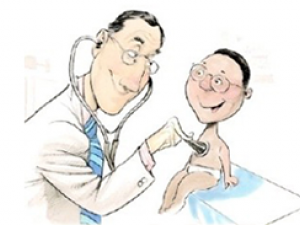
    to look at somebody's body carefully to find out if they are ill or healthy

    The doctor examined my throat and said I had a bad cold.

    หมอตรวจคอของฉันและบอกว่าฉันเป็นหวัดหนัก

  25. 25

    cold(noun)

    /kəʊld/

    โรคหวัด, ไข้หวัด, อาการหวัด

    a common illness that affects the nose and/or throat, making you cough, sneeze, etc.

    I caught a cold because I walked in the rain.

    ฉันเป็นหวัดเพราะเดินตากฝน