跳至主要內容

第 7/12 課 · 25 個單字 · 已學會 0 個

Lesson 7: I HAVE A FEVER

第7課:我發燒了

  1. 1

    matter(noun)

    /ˈmætər/

    麻煩, 問題, 狀況

    used (to ask) if somebody is upset, unhappy, etc. or if there is a problem

    What's the matter? You look very tired today.

    怎麼了?你今天看起來很累。

    同義詞issueconcerntopicsubjectaffairbusinessthing
    反義詞insignificancetrivialityunimportance
  2. 2

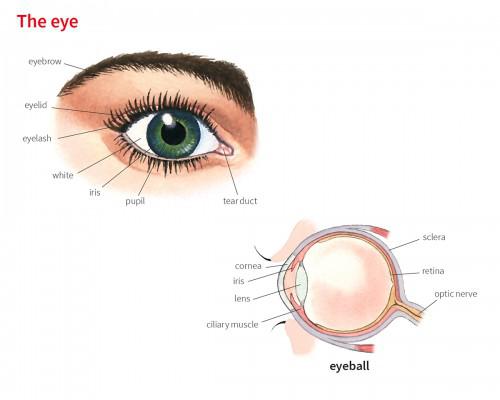
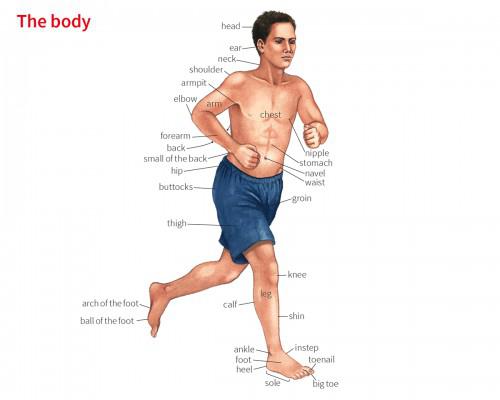
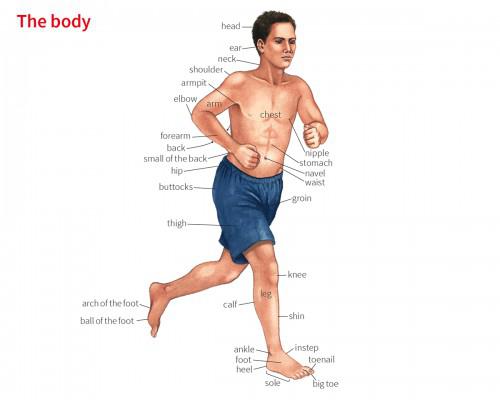
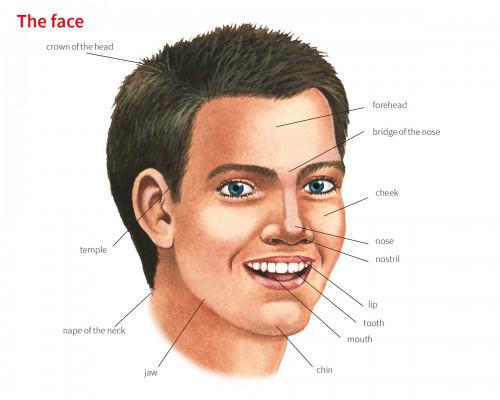
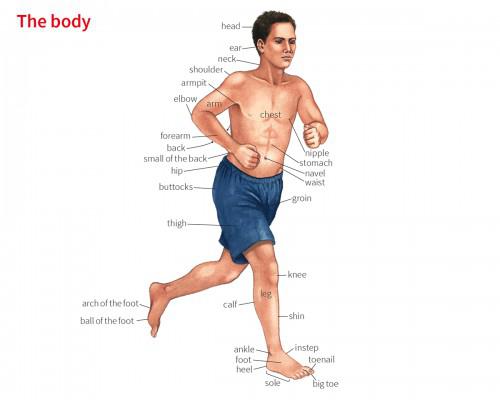
    eye(noun)

    /aɪ/

    眼睛

    either of the two organs on the face that you see with

    There were tears in his eyes.

    他的眼裡滿是淚水。

    All eyes were on him (= everyone was looking at him) as he walked on to the stage.

    同義詞opticviewgaze
    反義詞blindness
  3. 3

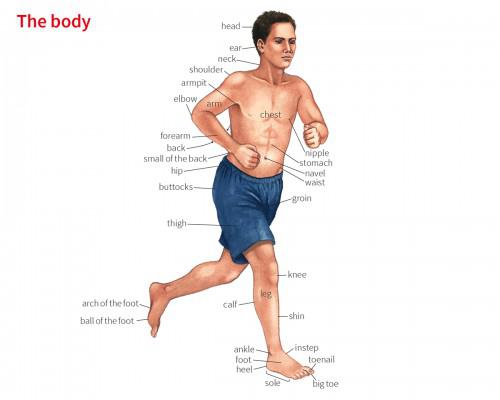
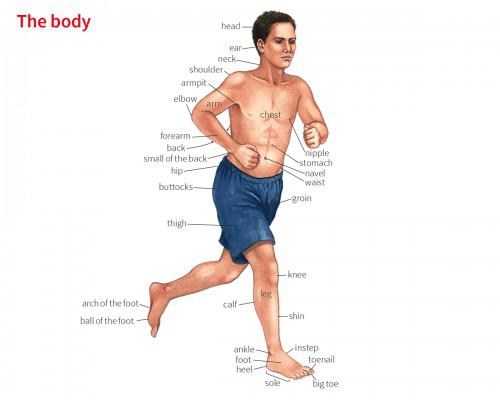
    arm(noun)

    /ɑːrm/

    手臂,胳膊

    either of the two long parts that stick out from the top of the body and connect the shoulders to the hands

    The broken arm makes him uncomfortable.

    手臂骨折讓他很不舒服。

    The men armed themselves with sticks and stones.

    同義詞upper limbforelimbappendage
    反義詞legfoot
  4. 4

    health(noun)

    /helθ/

    健康, 身體狀況

    the condition of a person’s body or mind

    Exhaust fumes are bad for your health.

    廢氣對你的健康有害。

    同義詞well-beingfitnessconditionshapehalenessvigor
    反義詞illnesssicknessdiseaseinfirmityunhealthiness
  5. 5

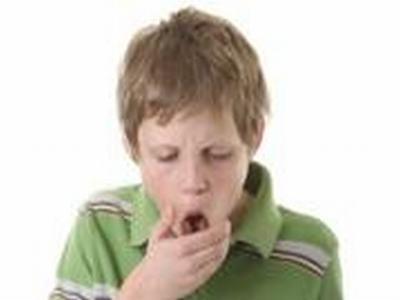
    cough(verb)

    /kɔːf/

    咳嗽

    to push air out of the lungs suddenly and noisily, often to clear the throat or airways

    Have you been coughing up any blood or phlegm?

    您有沒有咳出血或痰?

    She has been coughing at night for over a month.

    同義詞hackchucklebarkwhoop
    反義詞silencequietstillness
  6. 6

    ear(noun)

    /ɪr/

    耳朵

    either of the organs on the sides of the head that you hear with

    Put your hands over your ears.

    把雙手摀住耳朵。

    an ear infection

    同義詞auditory organhearingsense of hearing
    反義詞deafness
  7. 7

    brush(verb)

    /brʌʃ/

    刷, 刷洗

    to clean, polish or make something smooth with a brush

    Do you brush your teeth every day?

    你每天都刷牙嗎?

    同義詞scrubcleansweepgroompolish
    反義詞dirtyneglectignore
  8. 8

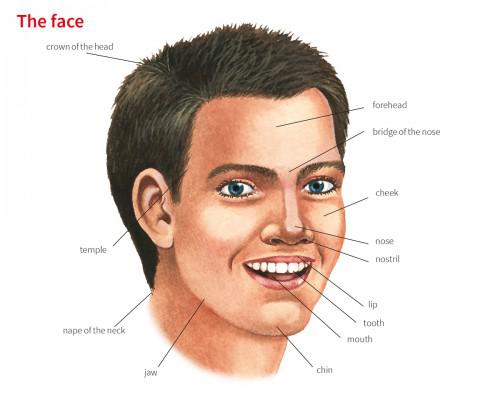
    mouth(noun)

    /maʊθ/

    嘴, 口

    the opening in the face used for speaking, eating, etc.; the area inside the head behind this opening

    Please open your mouth.

    請張開嘴巴。

    His mouth twisted into a wry smile.

    同義詞lipsjawsmaworal cavity
    反義詞closureendorigin
  9. 9

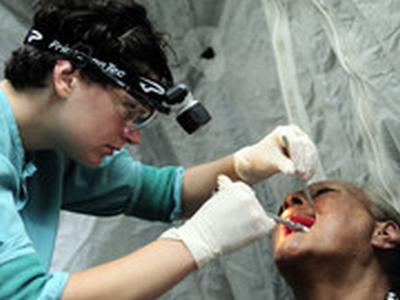
    dentist(noun)

    /ˈdentɪst/

    牙醫

    a person whose job is to take care of people’s teeth

    A dentist's job is taking care of people's teeth.

    牙醫的工作就是照顧人們的牙齒。

    That's definite then, is it?

    同義詞tooth doctordental surgeonoral surgeon
    反義詞patient
  10. 10

    foot(noun)

    /fʊt/

    腳, 足

    the lowest part of the leg, below the ankle, on which a person or an animal stands

    He can stand on one foot very long.

    他可以單腳站很久。

    a foot pump(= operated using your foot, not your hand)

    同義詞pedal extremitylower extremity
    反義詞lidtop
  11. 11

    fever(noun)

    /ˈfiːvər/

    發燒, 發熱

    a body temperature higher than normal, usually above 38 degrees Celsius, often caused by infection

    The child has had a high fever for three days.

    這個孩子已經高燒三天了。

    Paracetamol was given to bring down the fever.

    同義詞pyrexiahigh temperaturetemperatureheat
    反義詞hypothermiaafebrile
  12. 12

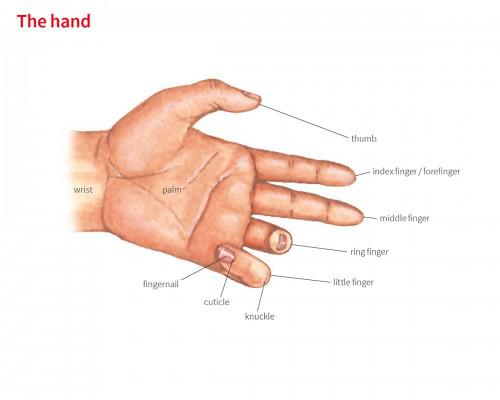
    hand(noun)

    /hænd/

    手

    the part of the body at the end of the arm, including the fingers and thumb

    I want to hold your hand.

    我想牽你的手。

    a hand towel(= a small towel for drying your hands on)

    同義詞fistpalmpawgripmitt
    反義詞foottoeabsence
  13. 13

    should(modal verb)

    /ʃəd/

    應該, 該

    used to say what is the right or sensible thing to do, especially when giving advice

    You should see a doctor if your fever gets worse.

    如果你的燒越來越嚴重,就應該去看醫生。

    同義詞ought tomustshallneed tobe obliged to
    反義詞shouldn'tmustn'tneedn't
  14. 14

    leg(noun)

    /leɡ/

    腿, 腳

    one of the long parts that connect the feet to the rest of the body

    How many legs does an ant have?

    螞蟻有幾隻腳?

    How many legs does a centipede have?

    同義詞limbextremitymembersupport
    反義詞torsobody
  15. 15

    head(noun)

    /hed/

    頭,頭部

    the part of the body on top of the neck containing the eyes, nose, mouth and brain

    She shakes her head when she doesn't agree.

    她不同意時會搖頭。

    He shook his head in disbelief.

    同義詞skullbrainmindchiefleadertop
    反義詞footbasefollower
  16. 16

    headache(noun)

    /ˈhedeɪk/

    頭痛

    pain in any part of the head, ranging from mild to severe

    A sudden, severe headache always needs urgent assessment in hospital.

    突然發作的劇烈頭痛一律需要立即到醫院評估。

    She has had a throbbing headache since yesterday.

    同義詞cephalalgiamigrainehead pain
    反義詞reliefcurerecoverywellness
  17. 17

    toothache(noun)

    /ˈtuːθeɪk/

    牙痛, 牙齒疼痛

    pain in or around a tooth, usually caused by decay, pulp inflammation or infection

    He came to the emergency clinic with severe toothache at night.

    他在夜裡因劇烈牙痛而到急診診所就醫。

    Painkillers only relieve toothache until the cause is treated.

    同義詞odontalgiatooth paindental pain
    反義詞sound teethhealthy teethno pain
  18. 18

    sore throat(noun)

    /sɔː θrəʊt/

    喉嚨痛

    a condition in which your throat is red and feels painful, especially when you swallow

    I can’t speak as I am having a sore throat.

    我喉嚨痛,說不出話來。

    同義詞throat irritationpharyngitislaryngitisraw throatscratchy throat
    反義詞healthy throatclear throatunaffected throat
  19. 19

    nose(noun)

    /nəʊz/

    鼻子

    the part of the face that sticks out above the mouth, used for breathing and smelling things

    Her mother has a sharp nose.

    她媽媽有一個挺(尖)的鼻子。

    同義詞snootproboscisbeakmuzzlesnout
  20. 20

    neck(noun)

    /nek/

    脖子, 頸部

    the part of the body between the head and the shoulders

    The boy keeps the key on a string around his neck.

    那個男孩把鑰匙用繩子掛在脖子上。

    同義詞napethroatscruff
  21. 21

    get better soon(phrase)

    /ɡɛt ˈbɛtə suːn/

    早日康復

    used to say that you hope a sick person will be healthy again quickly

    I hope you get better soon.

    希望你早日康復。

    同義詞recoverimprovehealrecuperate
    反義詞worsendeterioratedecline
  22. 22

    see a doctor(phrase)

    /siː ə ˈdɒktə/

    看醫生, 就醫

    to go to a doctor so that he or she can check you and help you get better

    You have a high fever, so you should see a doctor.

    你發高燒了,應該去看醫生。

    同義詞consult a physicianvisit a doctorseek medical attention
    反義詞self-treatignore symptoms
  23. 23

    take some aspirins(phrase)

    /teɪk sʌm ˈasp(ə)rɪnz/

    吃阿斯匹靈, 服用阿斯匹靈

    to swallow some aspirin tablets to stop pain or bring down a fever

    You should take some aspirins for your headache.

    你頭痛的話應該吃些阿斯匹靈。

    同義詞ingest aspirinconsume aspirinuse aspirinadminister aspirin
    反義詞avoid aspirinrefrain from aspirinforgo aspirin

  24. 24

    examine(verb)

    /ɪɡˈzæmɪn/

    檢查, 診察

    to look at somebody's body carefully to find out if they are ill or healthy

    The doctor examined my throat and said I had a bad cold.

    醫生檢查了我的喉嚨,說我得了重感冒。

  25. 25

    cold(noun)

    /kəʊld/

    感冒

    a common illness that affects the nose and/or throat, making you cough, sneeze, etc.

    I caught a cold because I walked in the rain.

    我因為淋了雨而感冒了。