コンテンツへスキップ

レッスン7/12 · 25語 · 覚えた単語 0

Lesson 7: I HAVE A FEVER

第7課:熱があります

  1. 1

    matter(noun)

    /ˈmætər/

    困ったこと, 問題, 支障

    used (to ask) if somebody is upset, unhappy, etc. or if there is a problem

    What's the matter? You look very tired today.

    どうしたの?今日はとても疲れているようだね。

    類義語issueconcerntopicsubjectaffairbusinessthing
    対義語insignificancetrivialityunimportance
  2. 2

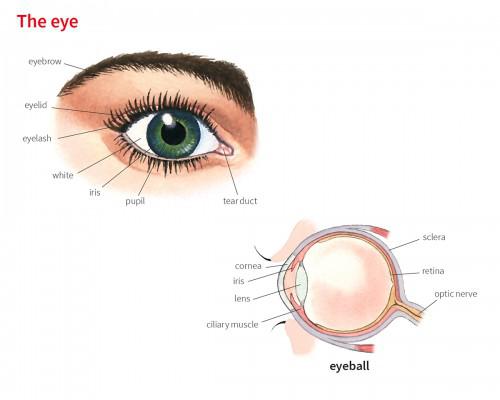
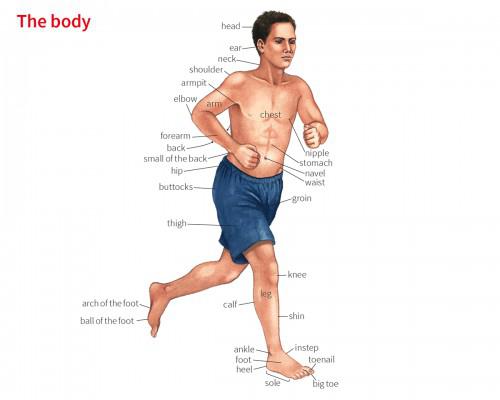
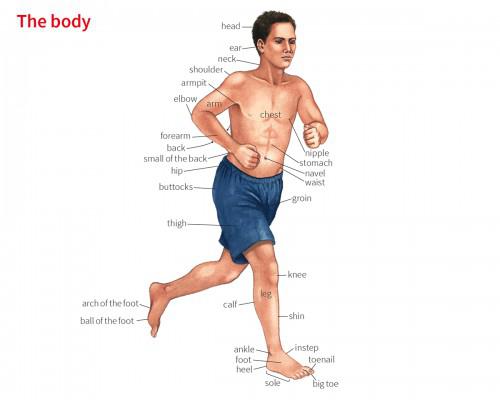
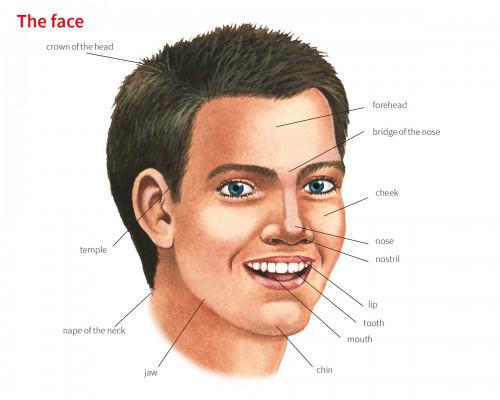
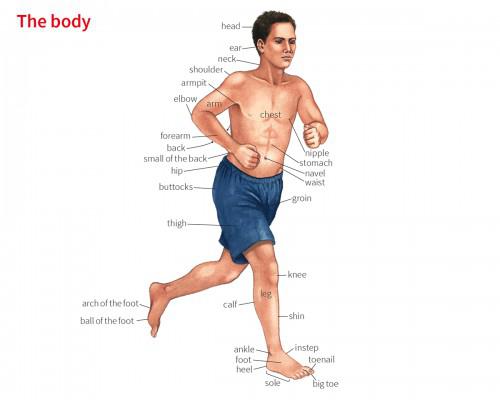
    eye(noun)

    /aɪ/

    目 (me)

    either of the two organs on the face that you see with

    There were tears in his eyes.

    彼の目には涙が浮かんでいた。(Kare no me ni wa namida ga ukan de ita.)

    All eyes were on him (= everyone was looking at him) as he walked on to the stage.

    類義語opticviewgaze
    対義語blindness
  3. 3

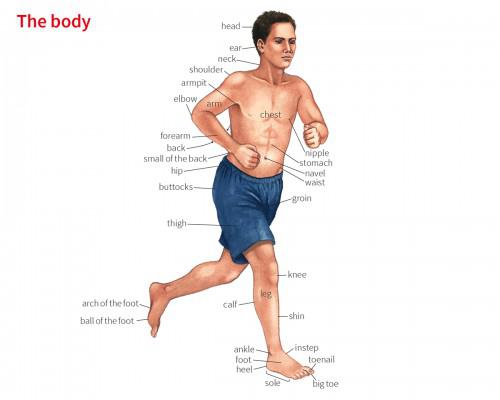
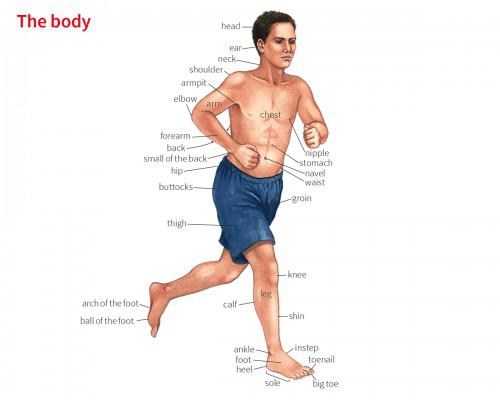
    arm(noun)

    /ɑːrm/

    腕 (ude)

    either of the two long parts that stick out from the top of the body and connect the shoulders to the hands

    The broken arm makes him uncomfortable.

    腕を骨折したため、彼は不快に感じている。(Ude o kossetsu shita tame, kare wa fukai ni kanjite iru.)

    The men armed themselves with sticks and stones.

    類義語upper limbforelimbappendage
    対義語legfoot
  4. 4

    health(noun)

    /helθ/

    健康 (kenko)

    the condition of a person’s body or mind

    Exhaust fumes are bad for your health.

    排気ガスは健康に悪いです。(Haiki gasu wa kenko ni warui desu.)

    類義語well-beingfitnessconditionshapehalenessvigor
    対義語illnesssicknessdiseaseinfirmityunhealthiness
  5. 5

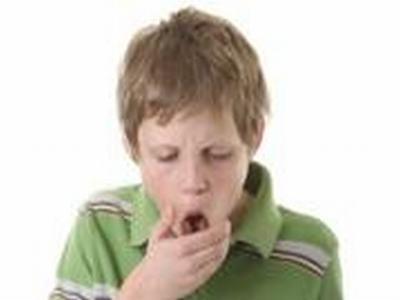
    cough(verb)

    /kɔːf/

    咳をする, 咳き込む

    to push air out of the lungs suddenly and noisily, often to clear the throat or airways

    Have you been coughing up any blood or phlegm?

    血や痰を咳と一緒に出したことはありますか。

    She has been coughing at night for over a month.

    類義語hackchucklebarkwhoop
    対義語silencequietstillness
  6. 6

    ear(noun)

    /ɪr/

    耳 (mimi)

    either of the organs on the sides of the head that you hear with

    Put your hands over your ears.

    耳に手を当ててください。

    an ear infection

    類義語auditory organhearingsense of hearing
    対義語deafness
  7. 7

    brush(verb)

    /brʌʃ/

    磨く (migaku)

    to clean, polish or make something smooth with a brush

    Do you brush your teeth every day?

    毎日歯を磨きますか? (Mainichi ha o migakimasu ka?)

    類義語scrubcleansweepgroompolish
    対義語dirtyneglectignore
  8. 8

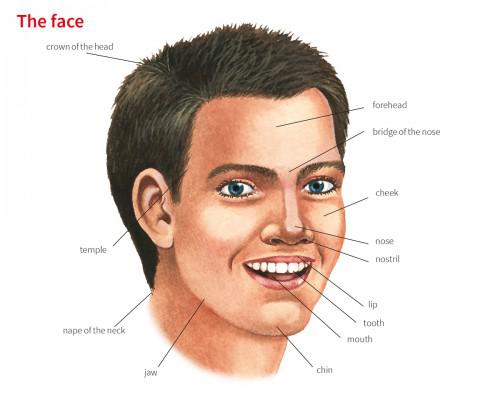
    mouth(noun)

    /maʊθ/

    口 (kuchi)

    the opening in the face used for speaking, eating, etc.; the area inside the head behind this opening

    Please open your mouth.

    口を開けてください。(kuchi o akete kudasai)

    His mouth twisted into a wry smile.

    類義語lipsjawsmaworal cavity
    対義語closureendorigin
  9. 9

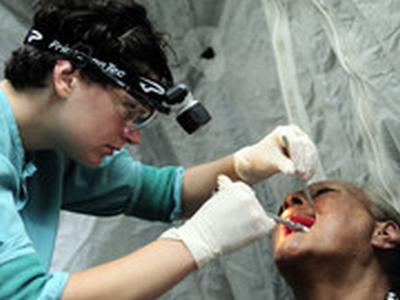
    dentist(noun)

    /ˈdentɪst/

    歯科医 (shikai)

    a person whose job is to take care of people’s teeth

    A dentist's job is taking care of people's teeth.

    歯科医の仕事は人々の歯の世話をすることです。(Shikai no shigoto wa hitobito no ha no sewa o suru koto desu.)

    That's definite then, is it?

    類義語tooth doctordental surgeonoral surgeon
    対義語patient
  10. 10

    foot(noun)

    /fʊt/

    足 (ashi)

    the lowest part of the leg, below the ankle, on which a person or an animal stands

    He can stand on one foot very long.

    彼は片足で非常に長く立つことができる。

    a foot pump(= operated using your foot, not your hand)

    類義語pedal extremitylower extremity
    対義語lidtop
  11. 11

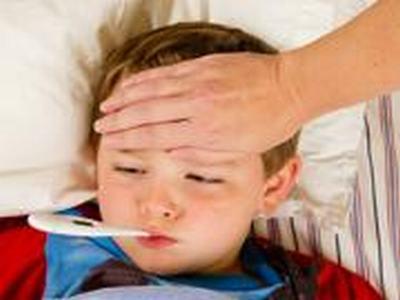
    fever(noun)

    /ˈfiːvər/

    発熱, 熱

    a body temperature higher than normal, usually above 38 degrees Celsius, often caused by infection

    The child has had a high fever for three days.

    その子は3日間高熱が続いている。

    Paracetamol was given to bring down the fever.

    類義語pyrexiahigh temperaturetemperatureheat
    対義語hypothermiaafebrile
  12. 12

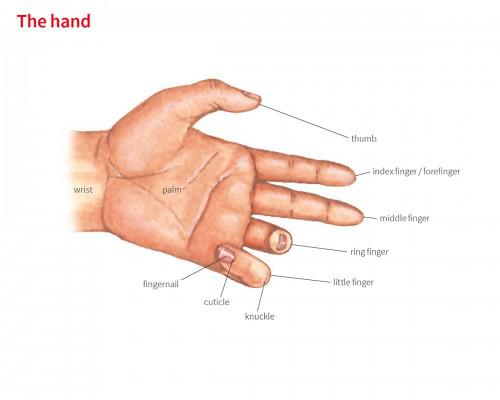
    hand(noun)

    /hænd/

    手 (te)

    the part of the body at the end of the arm, including the fingers and thumb

    I want to hold your hand.

    あなたの手を握りたい (Anata no te o nigiritai).

    a hand towel(= a small towel for drying your hands on)

    類義語fistpalmpawgripmitt
    対義語foottoeabsence
  13. 13

    should(modal verb)

    /ʃəd/

    …すべきだ, …したほうがよい

    used to say what is the right or sensible thing to do, especially when giving advice

    You should see a doctor if your fever gets worse.

    熱がひどくなるようなら、医者に診てもらったほうがいいですよ。

    類義語ought tomustshallneed tobe obliged to
    対義語shouldn'tmustn'tneedn't
  14. 14

    leg(noun)

    /leɡ/

    脚 (ashi)

    one of the long parts that connect the feet to the rest of the body

    How many legs does an ant have?

    アリは脚が何本ありますか? (Ari wa ashi ga nanbon arimasu ka?)

    How many legs does a centipede have?

    類義語limbextremitymembersupport
    対義語torsobody
  15. 15

    head(noun)

    /hed/

    頭 (atama)

    the part of the body on top of the neck containing the eyes, nose, mouth and brain

    She shakes her head when she doesn't agree.

    彼女は同意しないとき、頭を振る。(Kanojo wa doui shinai toki, atama o furu.)

    He shook his head in disbelief.

    類義語skullbrainmindchiefleadertop
    対義語footbasefollower
  16. 16

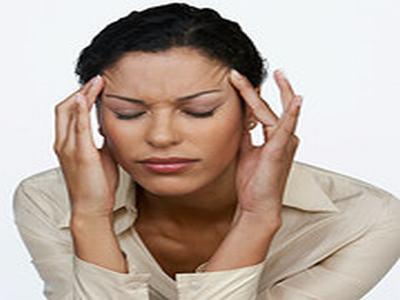
    headache(noun)

    /ˈhedeɪk/

    頭痛

    pain in any part of the head, ranging from mild to severe

    A sudden, severe headache always needs urgent assessment in hospital.

    突然の激しい頭痛は、必ず病院での緊急の評価が必要である。

    She has had a throbbing headache since yesterday.

    類義語cephalalgiamigrainehead pain
    対義語reliefcurerecoverywellness
  17. 17

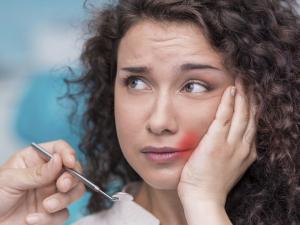
    toothache(noun)

    /ˈtuːθeɪk/

    歯痛, 歯の痛み

    pain in or around a tooth, usually caused by decay, pulp inflammation or infection

    He came to the emergency clinic with severe toothache at night.

    彼は夜、激しい歯痛のため救急クリニックを受診した。

    Painkillers only relieve toothache until the cause is treated.

    類義語odontalgiatooth paindental pain
    対義語sound teethhealthy teethno pain
  18. 18

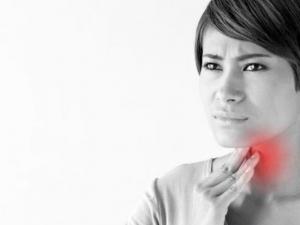
    sore throat(noun)

    /sɔː θrəʊt/

    喉の痛み (nodo no itami)

    a condition in which your throat is red and feels painful, especially when you swallow

    I can’t speak as I am having a sore throat.

    喉が痛くて話せません。(Nodo ga itakute hanasemasen.)

    類義語throat irritationpharyngitislaryngitisraw throatscratchy throat
    対義語healthy throatclear throatunaffected throat
  19. 19

    nose(noun)

    /nəʊz/

    鼻 (hana)

    the part of the face that sticks out above the mouth, used for breathing and smelling things

    Her mother has a sharp nose.

    彼女の母親は鼻が高い。 (Kanojo no hahaoya wa hana ga takai.)

    類義語snootproboscisbeakmuzzlesnout
  20. 20

    neck(noun)

    /nek/

    首 (kubi)

    the part of the body between the head and the shoulders

    The boy keeps the key on a string around his neck.

    少年は首にかけた紐に鍵を付けている。

    類義語napethroatscruff
  21. 21

    get better soon(phrase)

    /ɡɛt ˈbɛtə suːn/

    早くよくなる, お大事に

    used to say that you hope a sick person will be healthy again quickly

    I hope you get better soon.

    早くよくなるといいですね。

    類義語recoverimprovehealrecuperate
    対義語worsendeterioratedecline
  22. 22

    see a doctor(phrase)

    /siː ə ˈdɒktə/

    医者に診てもらう, 病院へ行く

    to go to a doctor so that he or she can check you and help you get better

    You have a high fever, so you should see a doctor.

    熱が高いので、医者に診てもらったほうがいいですよ。

    類義語consult a physicianvisit a doctorseek medical attention
    対義語self-treatignore symptoms
  23. 23

    take some aspirins(phrase)

    /teɪk sʌm ˈasp(ə)rɪnz/

    アスピリンを飲む

    to swallow some aspirin tablets to stop pain or bring down a fever

    You should take some aspirins for your headache.

    頭痛にはアスピリンを飲んだほうがいいですよ。

    類義語ingest aspirinconsume aspirinuse aspirinadminister aspirin
    対義語avoid aspirinrefrain from aspirinforgo aspirin

  24. 24

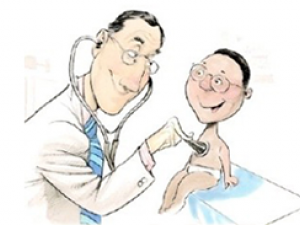
    examine(verb)

    /ɪɡˈzæmɪn/

    診察する, 診る

    to look at somebody's body carefully to find out if they are ill or healthy

    The doctor examined my throat and said I had a bad cold.

    医師は私の喉を診察し、ひどい風邪だと言った。

  25. 25

    cold(noun)

    /kəʊld/

    風邪

    a common illness that affects the nose and/or throat, making you cough, sneeze, etc.

    I caught a cold because I walked in the rain.

    雨の中を歩いたので風邪をひきました。