본문으로 건너뛰기

레슨 7/12 · 25단어 · 외운 단어 0

Lesson 7: I HAVE A FEVER

7과: 열이 나요

  1. 1

    matter(noun)

    /ˈmætər/

    문제, 일

    used (to ask) if somebody is upset, unhappy, etc. or if there is a problem

    What's the matter? You look very tired today.

    무슨 일이야? 오늘 많이 피곤해 보여.

    유의어issueconcerntopicsubjectaffairbusinessthing
    반의어insignificancetrivialityunimportance
  2. 2

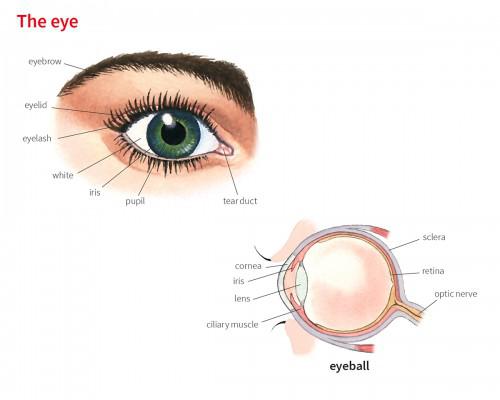
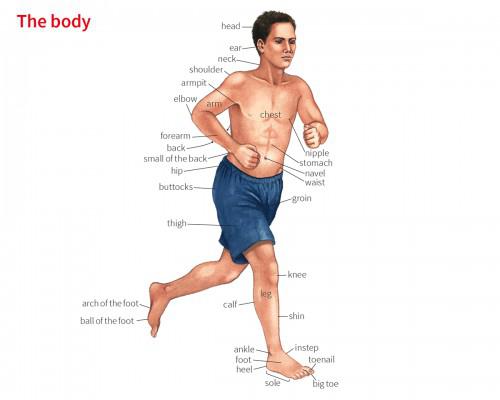
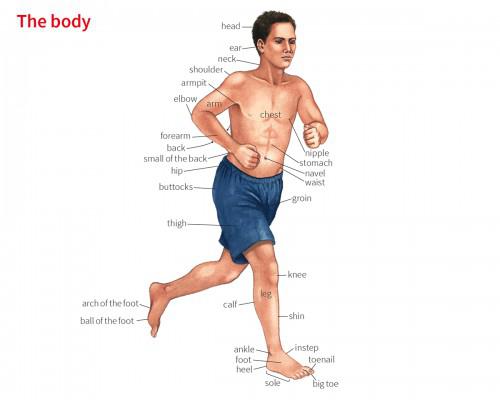
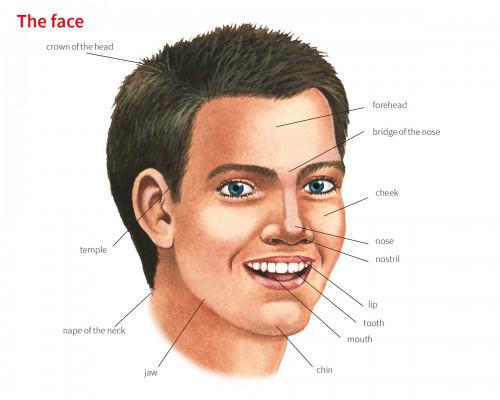
    eye(noun)

    /aɪ/

    눈 (nun)

    either of the two organs on the face that you see with

    There were tears in his eyes.

    그의 눈에 눈물이 고여 있었다. (Geu-ui nune nunmuri goyeo isseotda.)

    All eyes were on him (= everyone was looking at him) as he walked on to the stage.

    유의어opticviewgaze
    반의어blindness
  3. 3

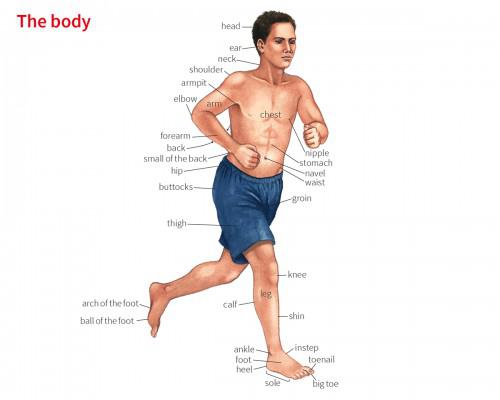
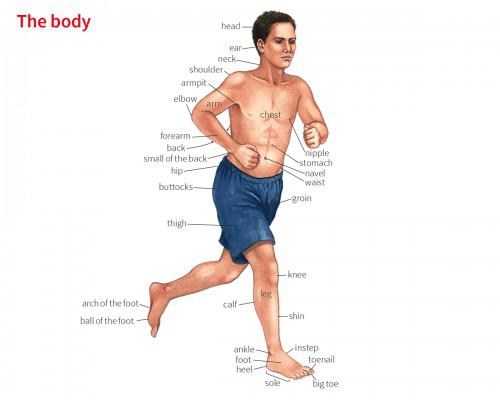
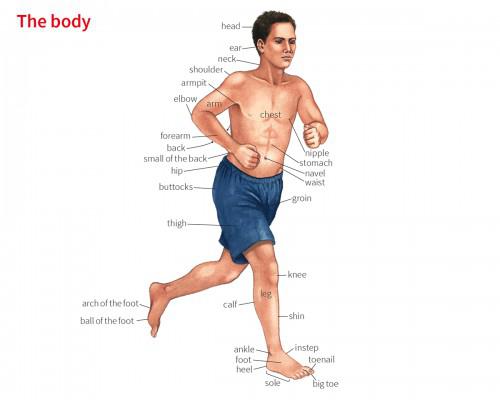
    arm(noun)

    /ɑːrm/

    팔 (pal)

    either of the two long parts that stick out from the top of the body and connect the shoulders to the hands

    The broken arm makes him uncomfortable.

    부러진 팔 때문에 그는 불편해한다. (Bureojin pal ttaemune geuneun bulpyeonhaehanda.)

    The men armed themselves with sticks and stones.

    유의어upper limbforelimbappendage
    반의어legfoot
  4. 4

    health(noun)

    /helθ/

    건강 (geongang)

    the condition of a person’s body or mind

    Exhaust fumes are bad for your health.

    배기가스는 당신의 건강에 나쁩니다. (Baegigaseuneun dangsin-ui geongang-e nappeuimnida.)

    유의어well-beingfitnessconditionshapehalenessvigor
    반의어illnesssicknessdiseaseinfirmityunhealthiness
  5. 5

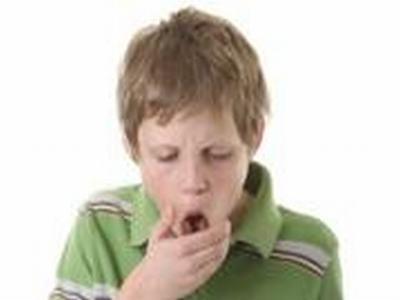
    cough(verb)

    /kɔːf/

    기침하다

    to push air out of the lungs suddenly and noisily, often to clear the throat or airways

    Have you been coughing up any blood or phlegm?

    피나 가래를 기침으로 뱉어 낸 적이 있습니까?

    She has been coughing at night for over a month.

    유의어hackchucklebarkwhoop
    반의어silencequietstillness
  6. 6

    ear(noun)

    /ɪr/

    귀 (gwi)

    either of the organs on the sides of the head that you hear with

    Put your hands over your ears.

    귀를 손으로 막으세요.

    an ear infection

    유의어auditory organhearingsense of hearing
    반의어deafness
  7. 7

    brush(verb)

    /brʌʃ/

    닦다 (dakda)

    to clean, polish or make something smooth with a brush

    Do you brush your teeth every day?

    매일 이를 닦으세요? (Maeil ireul dakkeuseyo?)

    유의어scrubcleansweepgroompolish
    반의어dirtyneglectignore
  8. 8

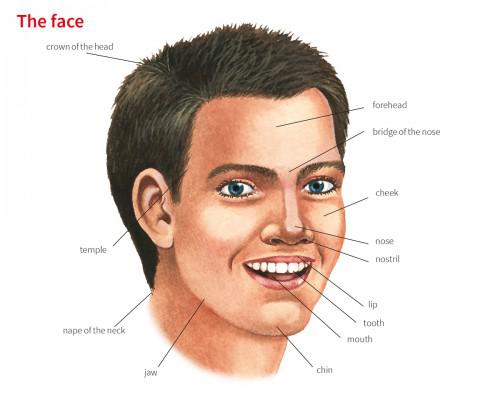
    mouth(noun)

    /maʊθ/

    입 (ip)

    the opening in the face used for speaking, eating, etc.; the area inside the head behind this opening

    Please open your mouth.

    입을 벌리세요. (ibeul beolliseyo)

    His mouth twisted into a wry smile.

    유의어lipsjawsmaworal cavity
    반의어closureendorigin
  9. 9

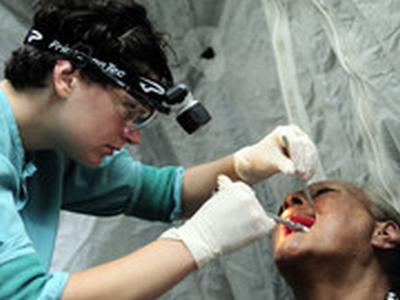
    dentist(noun)

    /ˈdentɪst/

    치과의사 (chigwa uisa)

    a person whose job is to take care of people’s teeth

    A dentist's job is taking care of people's teeth.

    치과의사의 일은 사람들의 치아를 관리하는 것입니다. (chigwa uisa ui ireun saramdeul-ui chialeul gwanlihaneun geosimnida.)

    That's definite then, is it?

    유의어tooth doctordental surgeonoral surgeon
    반의어patient
  10. 10

    foot(noun)

    /fʊt/

    발 (bal)

    the lowest part of the leg, below the ankle, on which a person or an animal stands

    He can stand on one foot very long.

    그는 한 발로 아주 오래 서 있을 수 있다.

    a foot pump(= operated using your foot, not your hand)

    유의어pedal extremitylower extremity
    반의어lidtop
  11. 11

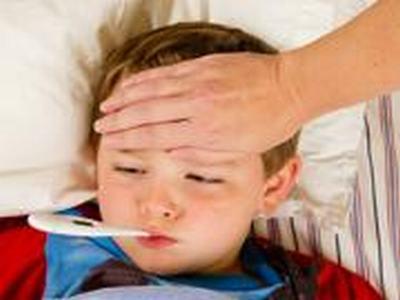
    fever(noun)

    /ˈfiːvər/

    발열, 열

    a body temperature higher than normal, usually above 38 degrees Celsius, often caused by infection

    The child has had a high fever for three days.

    그 아이는 사흘째 고열에 시달리고 있다.

    Paracetamol was given to bring down the fever.

    유의어pyrexiahigh temperaturetemperatureheat
    반의어hypothermiaafebrile
  12. 12

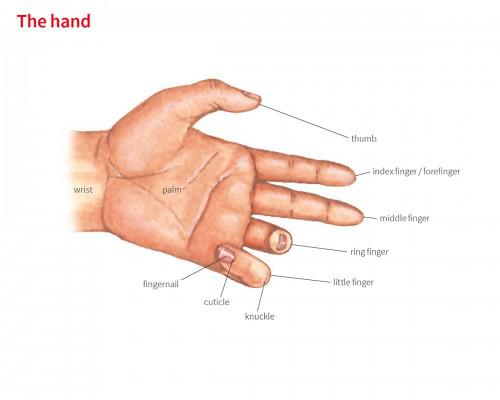
    hand(noun)

    /hænd/

    손 (son)

    the part of the body at the end of the arm, including the fingers and thumb

    I want to hold your hand.

    네 손을 잡고 싶어. (Ne soneul japgo sipeo.)

    a hand towel(= a small towel for drying your hands on)

    유의어fistpalmpawgripmitt
    반의어foottoeabsence
  13. 13

    should(modal verb)

    /ʃəd/

    ~해야 한다, ~하는 게 좋다

    used to say what is the right or sensible thing to do, especially when giving advice

    You should see a doctor if your fever gets worse.

    열이 더 심해지면 병원에 가 보는 게 좋겠어요.

    유의어ought tomustshallneed tobe obliged to
    반의어shouldn'tmustn'tneedn't
  14. 14

    leg(noun)

    /leɡ/

    다리 (dari)

    one of the long parts that connect the feet to the rest of the body

    How many legs does an ant have?

    개미는 다리가 몇 개 있습니까? (Gaemineun dariga myeot gae itsseumnikka?)

    How many legs does a centipede have?

    유의어limbextremitymembersupport
    반의어torsobody
  15. 15

    head(noun)

    /hed/

    머리 (meori)

    the part of the body on top of the neck containing the eyes, nose, mouth and brain

    She shakes her head when she doesn't agree.

    그녀는 동의하지 않을 때 머리를 젓는다. (Geunyeoneun donguihaji anheul ttae meorireul jeotneunda.)

    He shook his head in disbelief.

    유의어skullbrainmindchiefleadertop
    반의어footbasefollower
  16. 16

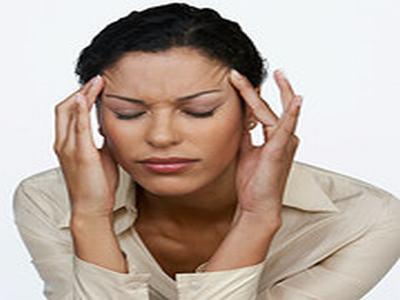
    headache(noun)

    /ˈhedeɪk/

    두통

    pain in any part of the head, ranging from mild to severe

    A sudden, severe headache always needs urgent assessment in hospital.

    갑작스럽고 심한 두통은 항상 병원에서 긴급한 평가가 필요하다.

    She has had a throbbing headache since yesterday.

    유의어cephalalgiamigrainehead pain
    반의어reliefcurerecoverywellness
  17. 17

    toothache(noun)

    /ˈtuːθeɪk/

    치통

    pain in or around a tooth, usually caused by decay, pulp inflammation or infection

    He came to the emergency clinic with severe toothache at night.

    그는 밤에 심한 치통으로 응급 진료소를 찾았다.

    Painkillers only relieve toothache until the cause is treated.

    유의어odontalgiatooth paindental pain
    반의어sound teethhealthy teethno pain
  18. 18

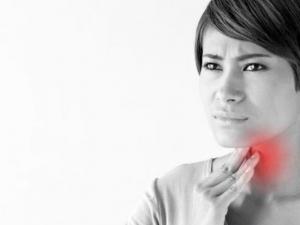
    sore throat(noun)

    /sɔː θrəʊt/

    인후통 (inhutong)

    a condition in which your throat is red and feels painful, especially when you swallow

    I can’t speak as I am having a sore throat.

    목이 아파서 말을 할 수 없어요. (Mogi apaseo mareul hal su eopseoyo.)

    유의어throat irritationpharyngitislaryngitisraw throatscratchy throat
    반의어healthy throatclear throatunaffected throat
  19. 19

    nose(noun)

    /nəʊz/

    코 (ko)

    the part of the face that sticks out above the mouth, used for breathing and smelling things

    Her mother has a sharp nose.

    그녀의 어머니는 코가 날카롭다. (geunyeoui eomeonineun koga nalkaropda.)

    유의어snootproboscisbeakmuzzlesnout
  20. 20

    neck(noun)

    /nek/

    목 (mok)

    the part of the body between the head and the shoulders

    The boy keeps the key on a string around his neck.

    그 소년은 목에 끈으로 열쇠를 매달고 다닌다.

    유의어napethroatscruff
  21. 21

    get better soon(phrase)

    /ɡɛt ˈbɛtə suːn/

    빨리 낫기를 바라요, 빨리 나으세요

    used to say that you hope a sick person will be healthy again quickly

    I hope you get better soon.

    당신이 빨리 낫기를 바라요.

    유의어recoverimprovehealrecuperate
    반의어worsendeterioratedecline
  22. 22

    see a doctor(phrase)

    /siː ə ˈdɒktə/

    병원에 가다, 진찰을 받다

    to go to a doctor so that he or she can check you and help you get better

    You have a high fever, so you should see a doctor.

    열이 높으니 병원에 가서 진찰을 받아야 해요.

    유의어consult a physicianvisit a doctorseek medical attention
    반의어self-treatignore symptoms
  23. 23

    take some aspirins(phrase)

    /teɪk sʌm ˈasp(ə)rɪnz/

    아스피린을 먹다

    to swallow some aspirin tablets to stop pain or bring down a fever

    You should take some aspirins for your headache.

    두통이 있으면 아스피린을 먹는 게 좋겠어요.

    유의어ingest aspirinconsume aspirinuse aspirinadminister aspirin
    반의어avoid aspirinrefrain from aspirinforgo aspirin

  24. 24

    examine(verb)

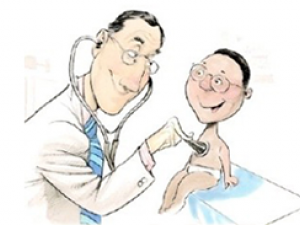
    /ɪɡˈzæmɪn/

    진찰하다, 검진하다

    to look at somebody's body carefully to find out if they are ill or healthy

    The doctor examined my throat and said I had a bad cold.

    의사 선생님은 내 목을 진찰하고 심한 감기에 걸렸다고 말했다.

  25. 25

    cold(noun)

    /kəʊld/

    감기

    a common illness that affects the nose and/or throat, making you cough, sneeze, etc.

    I caught a cold because I walked in the rain.

    나는 비를 맞으며 걸어서 감기에 걸렸다.