コンテンツへスキップ

レッスン187/202 · 17語 · 覚えた単語 0

B2 · Science & technology

B2 · 科学と技術

  1. 1

    generate(verb)

    /ˈdʒenəreɪt/

    生み出す, 引き起こす

    to produce or create something, such as energy, interest or ideas

    The new training program generated a lot of interest among employees

    新しい研修プログラムは従業員の間で大きな関心を集めた。

    The job fair at the college campus should generate interest in our company

    類義語createproduceyieldcausedevelopform
    対義語destroyeliminatehaltpreventreducedecrease
  2. 2

    detect(verb)

    /dɪˈtekt/

    検出する (kenshutsusuru)

    to discover or notice something, especially something that is not easy to see, hear, etc.

    The tests are designed to detect the disease early.

    検査は、病気を早期に検出するように設計されています。

    類義語discovernoticespotidentifyfindascertainuncover
    対義語missoverlookignoreneglect
  3. 3

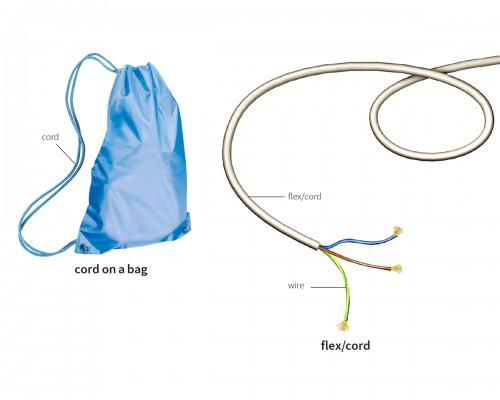
    wire(noun)

    /ˈwaɪər/

    ワイヤー

    metal in the form of thin thread ; a piece of this

    In front of my house is a wire fence.

    私の家の前にはワイヤーフェンスがあります。

    The box was fastened with a rusty wire.

    類義語cablestrandfilamentthread
    対義語ropefibercord
  4. 4

    cell(noun)

    /sel/

    細胞

    the smallest unit of living matter that can exist on its own. All plants and animals are made up of cells .

    All plants and animals are made up of cells that can only be seen under a microscope.

    すべての動植物は、顕微鏡でしか見えない細胞でできています。

    類義語compartmentcubicleprison celldetention cellholding cell
    対義語freedomopen spacerelease
  5. 5

    melt(verb)

    /melt/

    溶ける (tokeru)

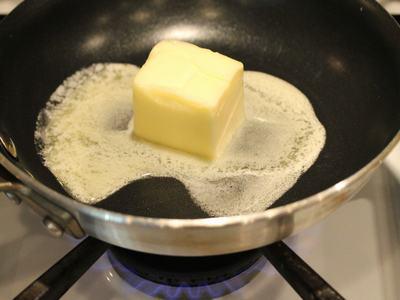
    to become or make something become liquid as a result of heating

    The snow showed no sign of melting.

    雪が溶ける気配はなかった。 (Yuki ga tokeru kehai wa nakatta.)

    First, melt two ounces of butter.

    類義語dissolveliquefythawsoftenfuse
    対義語freezesolidifyhardencongeal
  6. 6

    observation(noun)

    /ˌɑːbzərˈveɪʃn/

    観察 (kansatsu)

    the act of watching somebody/something carefully for a period of time, especially to learn something

    Most information was collected by direct observation of the animals' behaviour.

    ほとんどの情報は、動物の行動を直接観察することによって収集されました。

    The suspect is being kept under observation(= watched closely by the police).

    類義語scrutinyviewinginspectionexaminationstudysurveillancemonitoringregard
    対義語neglectignorancedisregardinattention
  7. 7

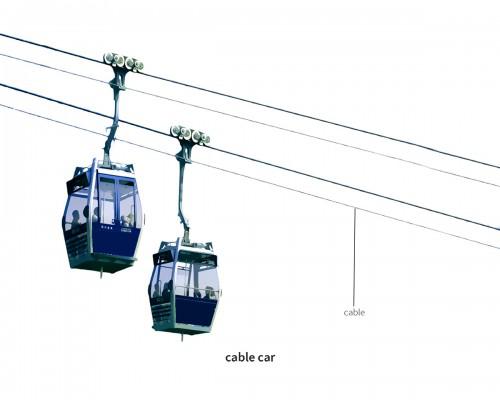
    cable(noun)

    /ˈkeɪbl/

    ケーブル, 電力ケーブル

    one or more insulated conductors inside a protective outer cover, used to carry electricity

    We need to lay a 95 square millimetre cable from the transformer to the main board.

    変圧器から主配電盤まで、95平方ミリメートルのケーブルを敷設する必要がある。

    Check the cable for cuts before pulling it through the conduit.

    類義語wirecordropestrandline
    対義語wireless
  8. 8

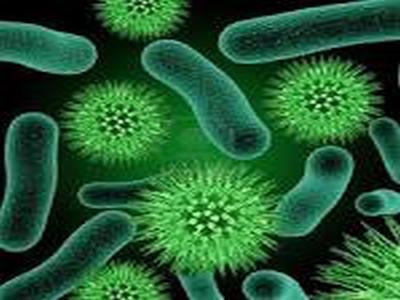
    bacteria(noun)

    /bækˈtɪriə/

    バクテリア

    the simplest and smallest forms of life. Bacteria exist in large numbers in air, water and soil, and also in living and dead creatures and plants, and are often a cause of disease.

    an illness caused by bacteria in drinking water

    飲料水中のバクテリアによって引き起こされる病気

    The house is built around a central courtyard.

    類義語germsmicrobesmicroorganisms
    対義語cleanlinesssterilityhygiene
  9. 9

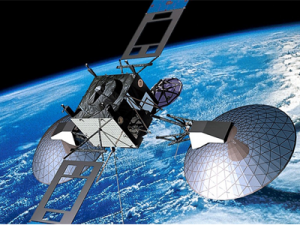
    satellite(noun)

    /ˈsætəlaɪt/

    衛星 (eisei)

    an electronic device that is sent into space and moves around the earth or another planet. It is used for communicating by radio, television, etc. and for gathering information.

    a weather/communications satellite

    気象/通信衛星 (kishou/tsuushin eisei)

    類義語moonorbiterspacecraft
    対義語planetground station
  10. 10

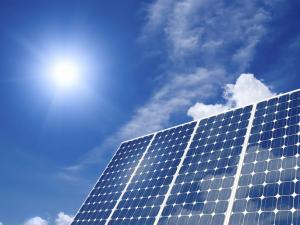
    solar(adjective)

    /ˈsəʊlər/

    太陽の

    of or connected with the sun

    solar radiation

    太陽放射

    類義語sunheliac
    対義語lunarterrestrialearthly
  11. 11

    psychology(noun)

    /saɪˈkɑːlədʒi/

    心理学 (shinrigaku)

    the scientific study of the mind and how it influences behaviour

    She studied psychology at Harvard.

    彼女はハーバード大学で心理学を学びました。(Kanojo wa Hābādo daigaku de shinrigaku o manabimashita.)

    類義語behavioral sciencescience of mindmental science
    対義語physical sciencephysicality
  12. 12

    phenomenon(noun)

    /fəˈnɑːmɪnən/

    現象

    a fact or an event in nature or society, especially one that is not fully understood

    Global warming is a phenomenon that scientists are still trying to understand fully.

    地球温暖化は、科学者たちがいまだ完全に解明しようとしている現象だ。

    類義語occurrenceeventaspectwondermarvelspectaclesensation
    対義語normalityregularityordinarinessusualnesscommonplace

  13. 13

    component(noun)

    /kəmˈpəʊnənt/

    部品 (buhin)

    one of several parts of which something is made

    The engine is an important component of the car.

    エンジンは車の重要な部品です。

    類義語elementpartpieceingredientunitfactor
    対義語wholeentiretytotalsystem
  14. 14

    finding(noun)

    /ˈfaɪndɪŋ/

    研究結果, 調査結果, 発見

    information that is discovered as the result of research into something

    The study's main finding was that regular exercise improves sleep quality.

    その研究の主な発見は、定期的な運動が睡眠の質を高めるということだった。

    類義語discoverydetectionlocation
    対義語losingmisplacinghiding
  15. 15

    psychologist(noun)

    /saɪˈkɑːlədʒɪst/

    心理学者

    a scientist who studies and is trained in psychology

    The psychologist helped me understand my anxiety.

    心理学者は、私の不安を理解するのを助けてくれました。

    類義語therapistcounseloranalystshrink
    対義語patientclient
  16. 16

    universe(noun)

    /ˈjuːnɪvɜːrs/

    宇宙 (uchuu)

    the whole of space and everything in it, including the earth, the planets and the stars

    The universe is vast and mysterious.

    宇宙は広大で神秘的です。(Uchuu wa koudai de shinpiteki desu.)

    類義語cosmosworldmacrocosm
    対義語microcosmearthplanet
  17. 17

    virtual(adjective)

    /ˈvɜːrtʃuəl/

    仮想

    made to appear to exist by the use of computer software, for example on the internet

    We attended a virtual meeting.

    仮想会議に参加しました。

    類義語simulateddigitalonline
    対義語realactualphysical