レッスン186/202 · 19語 · 覚えた単語 0
B2 · Society, law & politics (3)
B2 · 社会・法律・政治 (3)
革命
an attempt, by a large number of people, to change the government of a country, especially by violent action
The French Revolution began in 1789 and changed the government of France.
フランス革命は1789年に始まり、フランスの政治体制を一変させた。
類義語upheavaloverthrowtransformationchangeturnaroundrevoltinsurrection対義語stabilitystatus quoconservationorderpeace許可する, 許す
to allow somebody to do something or to allow something to happen
Smoking is not permitted anywhere inside the hospital
病院内ではどこでも喫煙は許可されていません。
Would you check with the nurse to see if I am permitted to eat before surgery?
類義語allowauthorizegrantenablelicense対義語forbidprohibitbandisallowdeny魂 (tamashii)
the spiritual part of a person, believed to exist after death
He believed his immortal soul was in peril.
彼は自分の不滅の魂が危険にさらされていると信じていた。
The howling wind sounded like the wailing of lost souls (= the spirits of dead people who are not in heaven).
類義語spiritpsycheessenceinner selfbeing対義語bodyphysicalitymatter規則, 規制, 法規
an official rule made by a government or public authority that people and businesses must follow
The new regulations on e-commerce take effect on the first of January.
電子商取引に関する新しい規制は、1月1日に施行されます。
Please check whether the import of these goods is restricted by any regulation.
類義語rulelawordinancedirectiveguidelinepolicycontrolprocedure対義語deregulationdisorganizationchaoslawlessnessfreedomunruliness精神的な
connected with the human spirit, rather than the body or physical things
We're concerned about your spiritual welfare.
私たちはあなたの精神的な福祉を心配しています。
a lack of spiritual values in the modern world
類義語nonphysicalimmaterialetherealreligiousdivinesacredholy対義語physicalmaterialbodilyseculartemporal被疑者, 容疑者
a person the police believe may have committed a crime
Police questioned three suspects about the missing funds.
警察は、使途不明の資金について3人の容疑者を事情聴取しました。
The suspect has the right to a lawyer from the moment of arrest.
類義語accusedpossible culpritpresumed offendersubjecttarget対義語certaintyfactknownproven裁判 (saiban)
a formal examination of evidence in court by a judge and often a jury , to decide if somebody accused of a crime is guilty or not
a murder trial
殺人裁判 (satsujin saiban)
He did not receive a fair trial.
類義語hearingcaselawsuitlegal proceedingtestexaminationexperiment対義語agreementsettlementharmonyaccord反対
the act of strongly disagreeing with somebody/something, especially with the aim of preventing something from happening
The army met with fierce opposition in every town.
軍はどの町でも激しい反対に遭った。
opposition forces(= people who are arguing, fighting, etc. with another group)
類義語resistancedefianceantagonismhostilityobjectiondisapproval対義語agreementapprovalsupportacceptanceconsent証人
a person who tells a court what they saw or know about the facts of a case
The warehouse manager was called as a witness for the defence.
倉庫の管理責任者が被告側の証人として召喚された。
Each witness must sign a written witness statement before the hearing.
類義語observereyewitnesslooker-onspectatortestifyattestconfirm対義語ignoreoverlookdenydisprove暴力 (bōryoku)
violent behaviour that is intended to hurt or kill somebody
Why do they always have to resort to violence?
なぜ彼らはいつも暴力に訴えなければならないのですか?
domestic violence(= between family members)
類義語aggressionbrutalityforceferocitysavageryhostilitycombatconflict対義語peacetranquilitycalmharmonygentlenessnonviolence議会 (gikai)
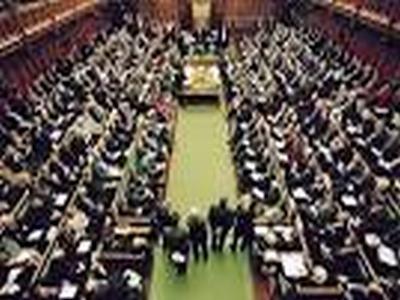
the group of people who are elected to make and change the laws of a country
The German parliament is called the ‘Bundestag’.
ドイツの議会は「Bundestag」と呼ばれています。
Cook over a medium heat for 15 minutes.
類義語legislaturecongresssenateassemblydiet対義語autocracydictatorshipmonarchy脅し, 脅迫
a statement in which you tell somebody that you will punish or harm them, especially if they do not do what you want
She is prepared to carry out her threat to resign.
彼女は辞職するという脅しを実行に移す覚悟でいる。
He received death threats from right-wing groups.
類義語menaceintimidationwarningdangerhazardperil対義語promiseassuranceguaranteeprotectionsecurity