본문으로 건너뛰기

레슨 187/202 · 17단어 · 외운 단어 0

B2 · Science & technology

B2 · 과학과 기술

  1. 1

    generate(verb)

    /ˈdʒenəreɪt/

    발생시키다, 만들어 내다, 불러일으키다

    to produce or create something, such as energy, interest or ideas

    The new training program generated a lot of interest among employees

    새로운 교육 프로그램은 직원들 사이에서 큰 관심을 불러일으켰다.

    The job fair at the college campus should generate interest in our company

    유의어createproduceyieldcausedevelopform
    반의어destroyeliminatehaltpreventreducedecrease
  2. 2

    detect(verb)

    /dɪˈtekt/

    감지하다 (gamjihada)

    to discover or notice something, especially something that is not easy to see, hear, etc.

    The tests are designed to detect the disease early.

    그 검사들은 그 질병을 일찍 감지하도록 고안되었습니다.

    유의어discovernoticespotidentifyfindascertainuncover
    반의어missoverlookignoreneglect
  3. 3

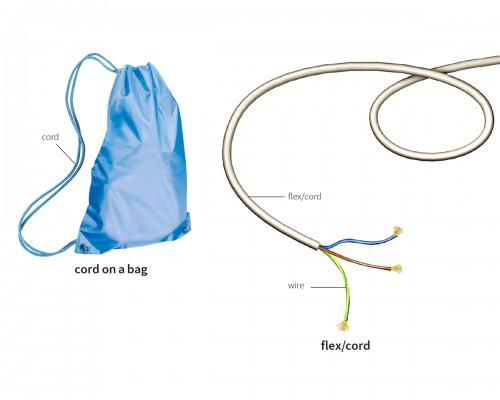
    wire(noun)

    /ˈwaɪər/

    철사

    metal in the form of thin thread ; a piece of this

    In front of my house is a wire fence.

    우리 집 앞에는 철조망이 있습니다.

    The box was fastened with a rusty wire.

    유의어cablestrandfilamentthread
    반의어ropefibercord
  4. 4

    cell(noun)

    /sel/

    세포

    the smallest unit of living matter that can exist on its own. All plants and animals are made up of cells .

    All plants and animals are made up of cells that can only be seen under a microscope.

    모든 동식물은 현미경으로만 볼 수 있는 세포로 이루어져 있다.

    유의어compartmentcubicleprison celldetention cellholding cell
    반의어freedomopen spacerelease
  5. 5

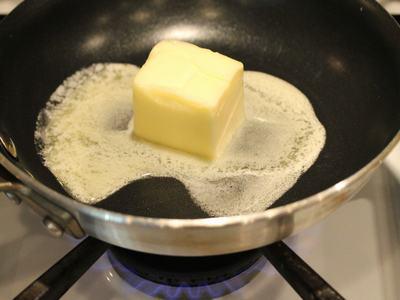
    melt(verb)

    /melt/

    녹다 (nokda)

    to become or make something become liquid as a result of heating

    The snow showed no sign of melting.

    눈이 녹을 기미가 보이지 않았다. (Nuni nogeul gimiga boiji anatda.)

    First, melt two ounces of butter.

    유의어dissolveliquefythawsoftenfuse
    반의어freezesolidifyhardencongeal
  6. 6

    observation(noun)

    /ˌɑːbzərˈveɪʃn/

    관찰 (gwan-chal)

    the act of watching somebody/something carefully for a period of time, especially to learn something

    Most information was collected by direct observation of the animals' behaviour.

    대부분의 정보는 동물의 행동을 직접 관찰하여 수집되었습니다.

    The suspect is being kept under observation(= watched closely by the police).

    유의어scrutinyviewinginspectionexaminationstudysurveillancemonitoringregard
    반의어neglectignorancedisregardinattention
  7. 7

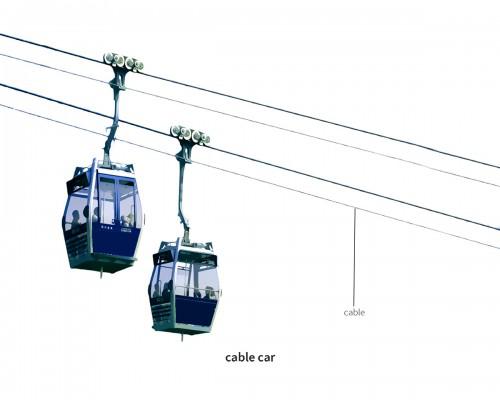
    cable(noun)

    /ˈkeɪbl/

    전력 케이블, 케이블

    one or more insulated conductors inside a protective outer cover, used to carry electricity

    We need to lay a 95 square millimetre cable from the transformer to the main board.

    변압기에서 주배전반까지 95제곱밀리미터 케이블을 포설해야 합니다.

    Check the cable for cuts before pulling it through the conduit.

    유의어wirecordropestrandline
    반의어wireless
  8. 8

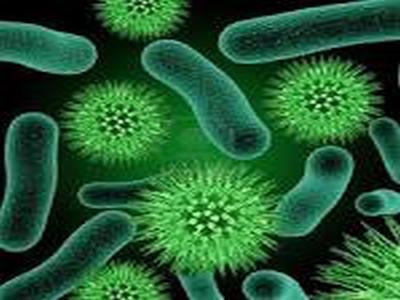
    bacteria(noun)

    /bækˈtɪriə/

    박테리아

    the simplest and smallest forms of life. Bacteria exist in large numbers in air, water and soil, and also in living and dead creatures and plants, and are often a cause of disease.

    an illness caused by bacteria in drinking water

    식수에 있는 박테리아로 인한 질병

    The house is built around a central courtyard.

    유의어germsmicrobesmicroorganisms
    반의어cleanlinesssterilityhygiene
  9. 9

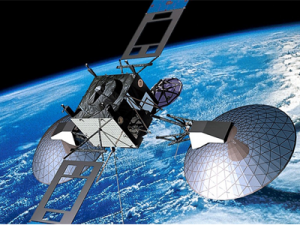
    satellite(noun)

    /ˈsætəlaɪt/

    위성 (wiseong)

    an electronic device that is sent into space and moves around the earth or another planet. It is used for communicating by radio, television, etc. and for gathering information.

    a weather/communications satellite

    기상/통신 위성 (gisang/tongsin wiseong)

    유의어moonorbiterspacecraft
    반의어planetground station
  10. 10

    solar(adjective)

    /ˈsəʊlər/

    태양의

    of or connected with the sun

    solar radiation

    태양 복사

    유의어sunheliac
    반의어lunarterrestrialearthly
  11. 11

    psychology(noun)

    /saɪˈkɑːlədʒi/

    심리학 (simnihak)

    the scientific study of the mind and how it influences behaviour

    She studied psychology at Harvard.

    그녀는 하버드에서 심리학을 공부했습니다. (Geunyeoneun Habeodeueseo simnihageul gongbuhasseumnida.)

    유의어behavioral sciencescience of mindmental science
    반의어physical sciencephysicality
  12. 12

    phenomenon(noun)

    /fəˈnɑːmɪnən/

    현상

    a fact or an event in nature or society, especially one that is not fully understood

    Global warming is a phenomenon that scientists are still trying to understand fully.

    지구 온난화는 과학자들이 여전히 완전히 이해하려고 노력하는 현상이다.

    유의어occurrenceeventaspectwondermarvelspectaclesensation
    반의어normalityregularityordinarinessusualnesscommonplace

  13. 13

    component(noun)

    /kəmˈpəʊnənt/

    구성 요소 (guseong yoso)

    one of several parts of which something is made

    The engine is an important component of the car.

    엔진은 자동차의 중요한 구성 요소입니다.

    유의어elementpartpieceingredientunitfactor
    반의어wholeentiretytotalsystem
  14. 14

    finding(noun)

    /ˈfaɪndɪŋ/

    연구 결과, 조사 결과, 발견

    information that is discovered as the result of research into something

    The study's main finding was that regular exercise improves sleep quality.

    그 연구의 주요 결과는 규칙적인 운동이 수면의 질을 높인다는 것이었다.

    유의어discoverydetectionlocation
    반의어losingmisplacinghiding
  15. 15

    psychologist(noun)

    /saɪˈkɑːlədʒɪst/

    심리학자

    a scientist who studies and is trained in psychology

    The psychologist helped me understand my anxiety.

    심리학자는 내가 나의 불안을 이해하도록 도와주었다.

    유의어therapistcounseloranalystshrink
    반의어patientclient
  16. 16

    universe(noun)

    /ˈjuːnɪvɜːrs/

    우주 (uju)

    the whole of space and everything in it, including the earth, the planets and the stars

    The universe is vast and mysterious.

    우주는 광대하고 신비롭습니다. (ujuneun gwangdaehago sinbiropseupnida.)

    유의어cosmosworldmacrocosm
    반의어microcosmearthplanet
  17. 17

    virtual(adjective)

    /ˈvɜːrtʃuəl/

    가상

    made to appear to exist by the use of computer software, for example on the internet

    We attended a virtual meeting.

    우리는 가상 회의에 참석했습니다.

    유의어simulateddigitalonline
    반의어realactualphysical