레슨 106/202 · 8단어 · 외운 단어 0
A1 · More useful words
A1 · 그 밖의 유용한 단어
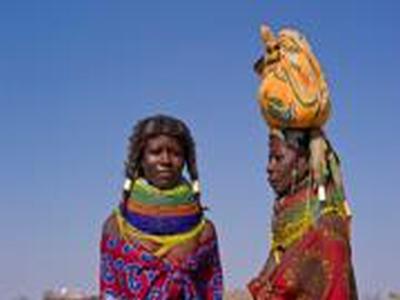
문화 (munhwa)
the customs and beliefs, art, way of life and social organization of a particular country or group
European/Islamic/African/American, etc. culture
유럽/이슬람/아프리카/미국 등의 문화 (Yureop/Iseullam/Apeurika/Miguk deung-ui munhwa)
working-class culture
유의어civilizationsocietycustomstraditionsheritageartsway of life반의어naturebarbarism규칙 (gyuchik)
a statement of what may, must or must not be done in a particular situation or when playing a game
You need to follow the rules.
당신은 규칙을 따라야 합니다. (dangshineun gyuchigeul ttaraya hamnida)
Eighty million years ago, dinosaurs ruled the earth.
유의어regulationprincipleguidelinelawstandardpreceptcanonorder반의어lawlessnessdisorderchaosanarchyfreedomexemptionwaiver기계 (gige)
a piece of equipment with many parts that work together to do a particular task. The power used to work a machine may be electricity, steam , gas, etc. or human power.
to operate/run a machine
기계를 작동하다 (gigyereul jakdonghada)
I left a message on her answering machine.
유의어deviceapparatusmechanismenginetoolcontraption반의어humannaturalorganic과학자 (gwahakja)
a person who studies one or more of the natural sciences (= for example, physics, chemistry or biology)
scientists and engineers
과학자와 엔지니어 (gwahakja-wa enjieo)
the cartoon figure of the mad scientist working in his laboratory
유의어researcherscholarexpertinvestigatoracademic반의어laymanamateurnon-scientist과학 (gwahak)
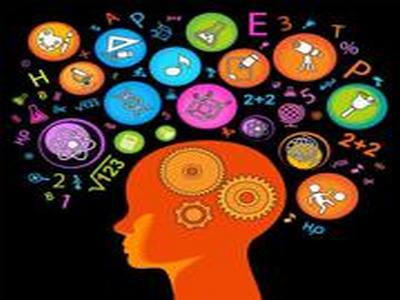
knowledge about the structure and behaviour of the natural and physical world, based on facts that you can prove, for example by experiments
new developments in science and technology
과학 기술의 새로운 발전
the laws of science
유의어academicsknowledgeresearchstudyscientific knowledge반의어arthumanitiespseudosciencesuperstition경찰 (gyeongchal)
an official organization whose job is to make people obey the law and to prevent and solve crime; the people who work for this organization
The police are busy.
경찰은 바쁩니다. (gyeongchaleun bappeumnida.)
유의어law enforcementofficerscopsdetectivesforceconstabulary반의어criminalsoutlawscivilians