Saltar al contenido

Lección 16/16 · 54 palabras · 0 aprendidas

Lesson 16: MAN AND ENVIRONMENT

Lección 16: El ser humano y el medio ambiente

  1. 1

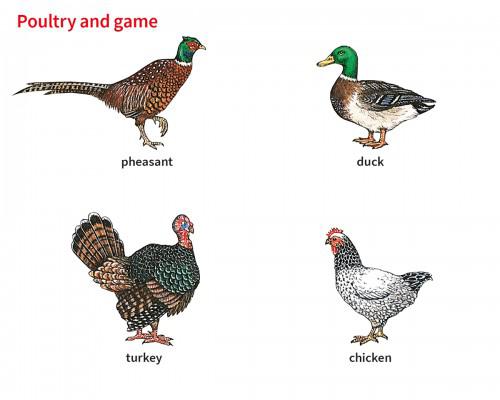
    chicken(noun)

    /ˈtʃɪkɪn/

    pollo

    a large bird that is often kept for its eggs or meat

    They keep chickens in the back yard.

    Ellos crían pollos en el patio trasero.

    free-range chickens

    Sinónimospoultryfowlbiddy (informalfor a young hen)
    Antónimosnone (in the literal sense of the animal)hawk (predator)
  2. 2

    empty(adjective)

    /ˈempti/

    vacío

    with no people or things inside

    The room is empty of furniture.

    La habitación está vacía de muebles.

    She emptied her mind of all thoughts of home.

    Sinónimosvacantvoidbareunoccupieddesolatehollow
    Antónimosfulloccupiedfilledcomplete
  3. 3

    light(noun)

    /laɪt/

    luz

    the energy from the sun, a lamp, etc. that makes it possible to see things

    Plants need light from the sun to grow well.

    Las plantas necesitan la luz del sol para crecer bien.

    Sinónimosilluminationbrightnessradianceglowsparkle
    Antónimosdarknessshadowgloom
  4. 4

    rule(noun)

    /ruːl/

    regla

    a statement of what may, must or must not be done in a particular situation or when playing a game

    You need to follow the rules.

    Tienes que seguir las reglas.

    Eighty million years ago, dinosaurs ruled the earth.

    Sinónimosregulationprincipleguidelinelawstandardpreceptcanonorder
    Antónimoslawlessnessdisorderchaosanarchyfreedomexemptionwaiver
  5. 5

    land(noun)

    /lænd/

    tierra, tierra firme

    the surface of the earth that is not sea

    After weeks at sea, the sailors were happy to see land again.

    Tras semanas en el mar, los marineros se alegraron de ver tierra de nuevo.

    Sinónimosgroundsoilestatepropertyterritoryacreage
    Antónimosseaskyair
  6. 6

    cut(verb)

    /kʌt/

    cortar

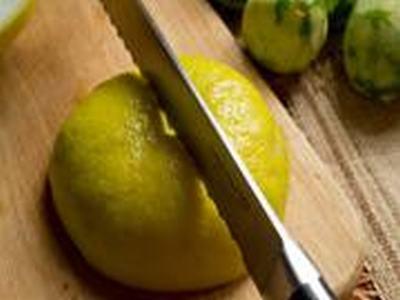
    to divide, shorten or remove something using a knife, scissors or another sharp tool

    He cuts my hair.

    Él me corta el pelo.

    He cut himself (= his face) shaving.

    Sinónimosslicechopsevertrimcarvegashintersectreduce
    Antónimosjoinconnectmendrepairattachfuse
  7. 7

    pollution(noun)

    /pəˈluːʃn/

    contaminación

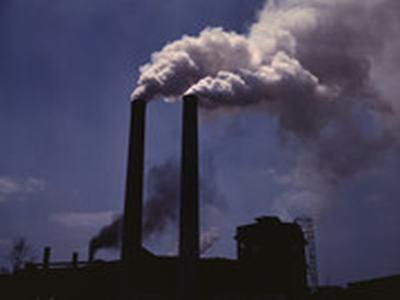
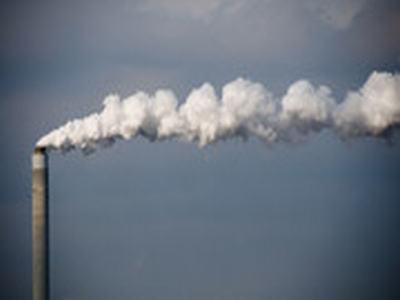
    the process of making air, water, soil, etc. dirty; the state of being dirty

    Water pollution is becoming more serious now.

    La contaminación del agua se está volviendo más grave ahora.

    air/water pollution

    Sinónimoscontaminationdefilementimpurityfoulnesstaintadulteration
    Antónimospurificationcleansingsterilizationclarificationpristineness
  8. 8

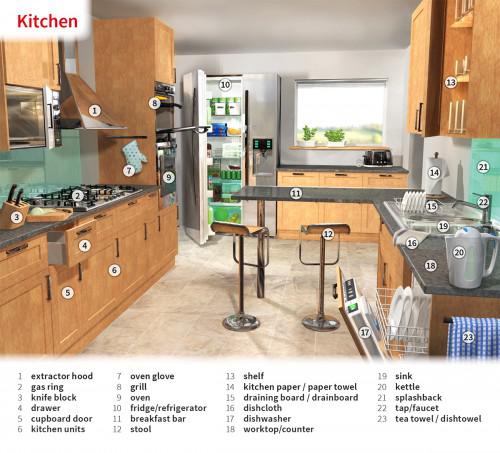
    faucet(noun)

    /ˈfɔːsɪt/

    grifo

    a device that controls the flow of water from a pipe

    She always turns off the faucet after washing clothes.

    Ella siempre cierra el grifo después de lavar la ropa.

    to turn a faucet on/off

    Sinónimostapspigotvalve
  9. 9

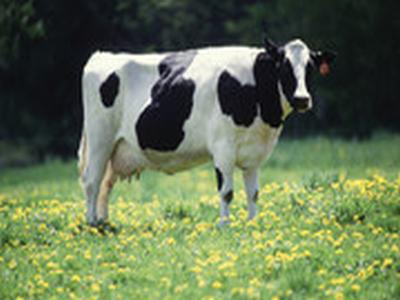
    cow(noun)

    /kaʊ/

    vaca

    a large animal kept on farms to produce milk or beef

    They raise many cows.

    Crían muchas vacas.

    cow's milk

    Sinónimoscattlebovineheifer (young female cow)bull (male cow)calf (young cow)
    Antónimosbullcalfother animals (e.g.horsesheeppig)
  10. 10

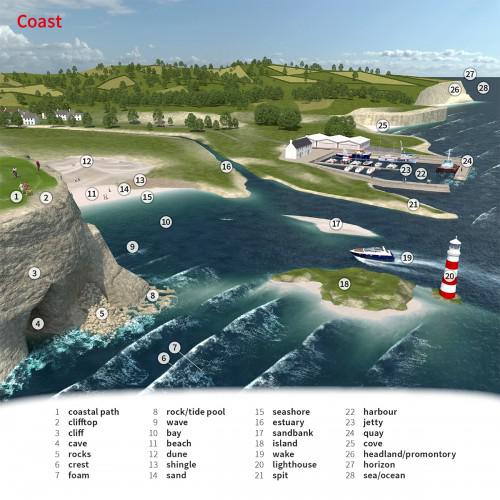
    ocean(noun)

    /ˈəʊʃn/

    océano

    the mass of salt water that covers most of the earth’s surface

    Ocean levels are rising.

    Los niveles del océano están aumentando.

    Sinónimosseabrinedeep
    Antónimoslandcontinentearth
  11. 11

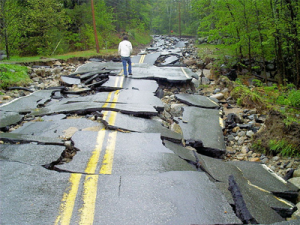
    damage(noun)

    /ˈdæmɪdʒ/

    daño

    physical harm caused to something which makes it less attractive, useful or valuable

    The damage to his car was considerable.

    Los daños en su coche fueron considerables.

    Smoking seriously damages your health.

    Sinónimosharminjuryimpairmentdestructionloss
    Antónimosrepairimprovementbenefitadvantagerestoration
  12. 12

    save(verb)

    /seɪv/

    ahorrar, economizar

    to avoid wasting something or using more of it than necessary

    We need to save power.

    Necesitamos ahorrar energía.

    Doctors were unable to save her.

    Sinónimosconservepreserveprotectstorerescueretainsalvage
    Antónimoswastespendlosesquanderexpendendanger
  13. 13

    produce(verb)

    /prəˈduːs/

    producir

    to make things to be sold, especially in large quantities

    People produce a lot of goods every year.

    La gente produce muchos bienes cada año.

    The train now standing at platform 1 is for Leeds.

    Sinónimosgeneratecreatemanufactureyieldbear
    Antónimosconsumedestroyhaltstop
  14. 14

    oil(noun)

    /ɔɪl/

    petróleo

    a thick liquid that is found in rock underground

    We are burning too much coal and oil.

    Estamos quemando demasiado carbón y petróleo.

    What's your name?

    Sinónimospetroleumcrude oilmineral oillubricantfuel
    Antónimoswaterrenewable energyalternative fuel
  15. 15

    cat(noun)

    /kæt/

    gato

    a small animal with soft fur that people often keep as a pet. Cats catch and kill birds and mice.

    I love cats.

    Me encantan los gatos.

    a long-distance call

    Sinónimosfelinekittypussycat
    Antónimosdogcanine
  16. 16

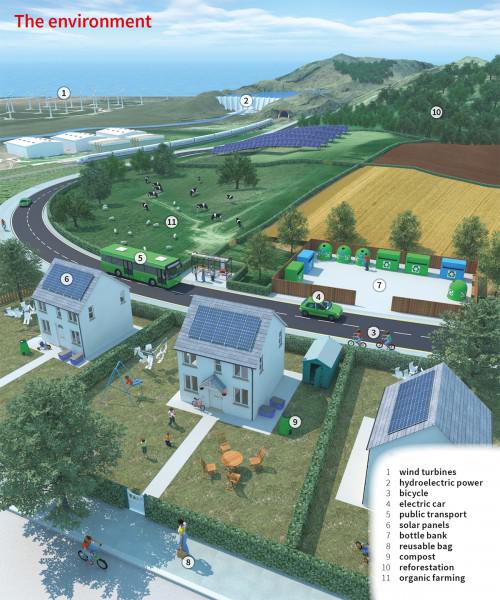
    environment(noun)

    /ɪnˈvaɪrənmənt/

    medio ambiente

    the natural world in which people, animals and plants live

    We have to protect our environment.

    Tenemos que proteger nuestro medio ambiente.

    They have created an environment in which productivity should flourish.

    Sinónimossurroundingshabitatecosystemsettingworld
    Antónimosnone (in the sense of a single word opposite)
  17. 17

    plastic(noun)

    /ˈplæstɪk/

    plástico

    a light strong material that is produced by chemical processes and can be formed into shapes when heated. There are many different types of plastic , used to make different objects and fabrics .

    These bottles are made from plastic.

    Estas botellas están hechas de plástico.

    Sinónimossyntheticpolymeracrylicresin
    Antónimosnaturalorganicbiodegradable
  18. 18

    destroy(verb)

    /dɪˈstrɔɪ/

    destruir

    to damage something so badly that it no longer exists, works, etc.

    We can't destroy the forests anymore.

    Ya no podemos destruir los bosques.

    They've destroyed all the evidence.

    Sinónimosdemolishruinannihilateobliteratewreckdevastateeradicate
    Antónimoscreatebuildconstructpreserveprotectrepair
  19. 19

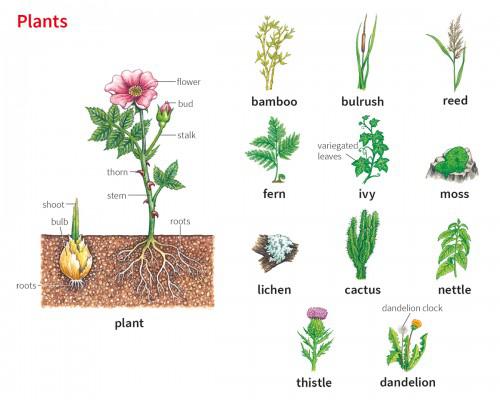
    plant(noun)

    /plænt/

    planta

    a living thing that grows in the earth and usually has a stem , leaves and roots, especially one that is smaller than a tree or bush

    Do you know this plant?

    ¿Conoces esta planta?

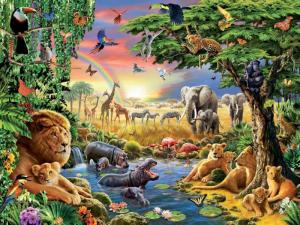
    All plants need light and water.

    Sinónimosvegetationfloraherbshrubtree
    Antónimosanimalfauna
  20. 20

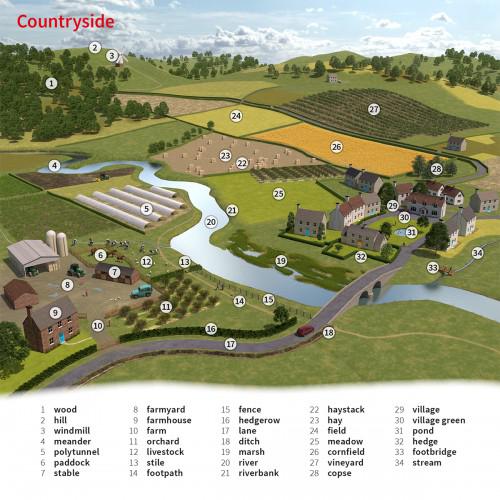
    field(noun)

    /fiːld/

    campo

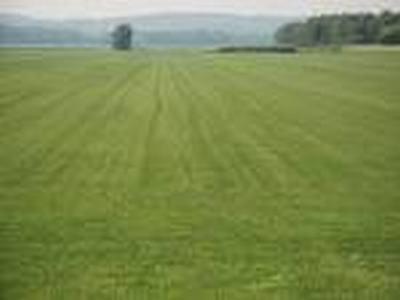
    an area of land in the country used for growing crops or keeping animals in, usually surrounded by a fence, etc.

    My parents are working in the field.

    Mis padres están trabajando en el campo.

    We camped in a field near the village.

    Sinónimosareapatchgroundmeadowpasturearenaspheredomain
    Antónimosindoorsofficecity
  21. 21

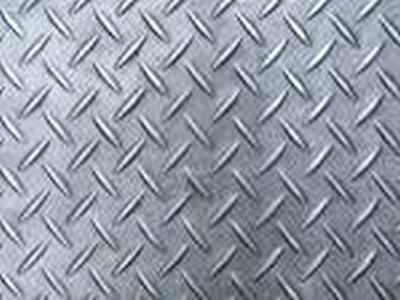
    metal(noun)

    /ˈmetl/

    metal

    a type of solid mineral substance that is usually hard and shiny and that heat and electricity can travel through, for example tin, iron and gold

    The frame is made of metal.

    El marco está hecho de metal.

    a piece of metal

    Sinónimosmineraloreelement
    Antónimosnonmetalorganicplastic
  22. 22

    animal(noun)

    /ˈænɪml/

    animal

    a creature that is not a bird, a fish, a reptile , an insect or a human

    There are many kinds of animals in this zoo.

    Hay muchos tipos de animales en este zoológico.

    This product has not been tested on animals.

    Sinónimoscreaturebeastfaunabeing
    Antónimosplantvegetationmineralinanimate object
  23. 23

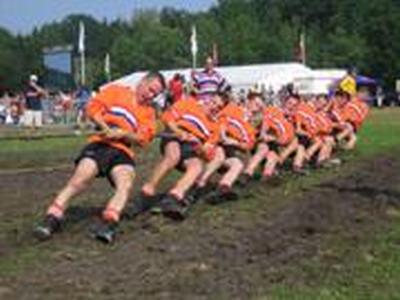
    pull(verb)

    /pʊl/

    tirar

    to take hold of something and use force in order to move it or try to move it towards yourself

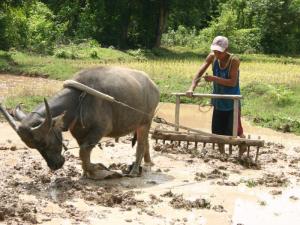
    The cow has to pull the cart.

    La vaca tiene que tirar del carro.

    Stop pulling her hair!

    Sinónimostugdraghaulyankdraw
    Antónimospushthrustpropel
  24. 24

    throw(verb)

    /θrəʊ/

    lanzar

    to send something from your hand through the air by moving your hand or arm quickly

    You shouldn't throw trash out the window.

    No deberías tirar basura por la ventana.

    They had a competition to see who could throw the furthest.

    Sinónimostosshurlflingpitchcastpropel
    Antónimoscatchgrabholdkeepretain
  25. 25

    burn(verb)

    /bɜːrn/

    arder, quemar

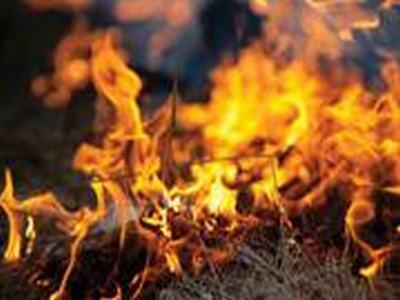
    to produce flames and heat

    People should not burn plastic because it pollutes the air.

    La gente no debería quemar plástico porque contamina el aire.

    Sinónimosscorchsearblazeinflammationinjury
    Antónimosextinguishcoolsoothefreeze
  26. 26

    collect(verb)

    /kəˈlekt/

    recoger, coleccionar

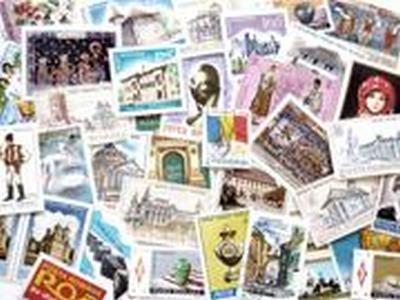
    to bring things together from different people or places, or to gather objects as a hobby

    I often collect stamps.

    A menudo colecciono sellos.

    to collect data/evidence/information

    Sinónimosgatheraccumulateassembleacquiregarneramasscompilehoard
    Antónimosdispersescatterdistributeseparateabandondiscard
  27. 27

    wild(adjective)

    /waɪld/

    salvaje, silvestre

    living or growing in natural conditions; not kept in a house or on a farm

    Many wild animals live in this forest.

    Muchos animales salvajes viven en este bosque.

    Sinónimosuntamedferaluncultivatednaturalsavageundomesticateduncontrolled
    Antónimostamedomesticatedcultivatedcontrolledmild
  28. 28

    air(noun)

    /er/

    aire

    the mixture of gases that surrounds the earth and that we breathe

    I like the fresh air in the countryside.

    Me gusta el aire fresco del campo.

    The act lays down a minimum standard for air quality.

    Sinónimosatmospherebreezewinddraft
    Antónimosstillnessvacuumstagnation
  29. 29

    gas(noun)

    /ɡæs/

    gas

    any substance like air that is neither a solid nor a liquid, for example hydrogen or oxygen

    Oxygen is a gas that all animals need in order to breathe.

    El oxígeno es un gas que todos los animales necesitan para respirar.

    Sinónimosfuelvaporair
    Antónimossolidliquid
  30. 30

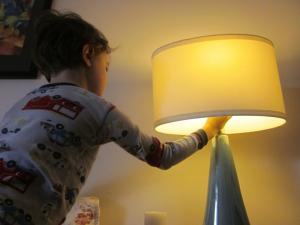
    Turn off(phrasal verb)

    /tɜːrn ɔːf/

    apagar, cerrar

    to stop the flow of electricity, gas, water, etc. by moving a switch or button

    The hall lights have all been turned off.

    Todas las luces del vestíbulo han sido apagadas.

    SinónimosSwitch offShut offDeactivatePower downExtinguishCut offStop
    AntónimosTurn onActivateSwitch onStartIgnitePower on
  31. 31

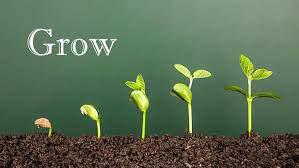
    Grow(verb)

    /ɡrəʊ/

    crecer

    to increase in size, number, strength or quality

    The region is too dry for plants to grow.

    La región es demasiado seca para que crezcan las plantas.

    Sinónimosdevelopincreaseexpandcultivateflourish
    Antónimosshrinkdeclinewitherdecreasediminish
  32. 32

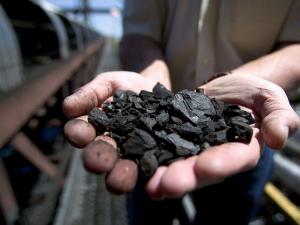
    coal(noun)

    /kəʊl/

    carbón

    a hard black mineral that is found below the ground and burnt to produce heat

    Coal can be used for cooking.

    El carbón se puede usar para cocinar.

    Sinónimoscarbonfuelblack gold
    Antónimosrenewable energysolar powerwind energy
  33. 33

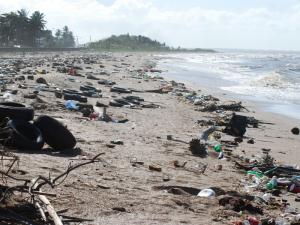
    pollute(verb)

    /pəˈluːt/

    contaminar

    to add dirty or harmful substances to land, air, water, etc. so that it is no longer pleasant or safe to use

    People should not pollute their environment.

    La gente no debería contaminar su medio ambiente.

    Sinónimoscontaminatetaintdefilefouldirtycorruptdebase
    Antónimospurifycleansanitizedecontaminatepreserve
  34. 34

    leave(verb)

    /liːv/

    salir

    to go away from a person or a place

    When do they leave their house?

    ¿Cuándo salen de su casa?

    Sinónimosdepartexitabandonquitvacatego
    Antónimosarrivestayremainenterkeep
  35. 35

    danger(noun)

    /ˈdeɪndʒər/

    peligro

    the possibility of something happening that will injure, harm or kill somebody, or damage or destroy something

    Is there any danger here?

    ¿Hay algún peligro aquí?

    Sinónimoshazardperilriskthreatjeopardy
    Antónimossafetysecurityprotectioncertainty
  36. 36

    be in danger(phrase)

    /biː ɪn 'deɪndʒər/

    estar en peligro

    to be in a situation where harm, damage or death is possible

    Many animals are in danger.

    Muchos animales están en peligro.

    Sinónimosat riskthreatenedimperiledvulnerable
    Antónimossafesecureprotectedout of danger
  37. 37

    buffalo(noun)

    /ˈbʌfələʊ/

    búfalo

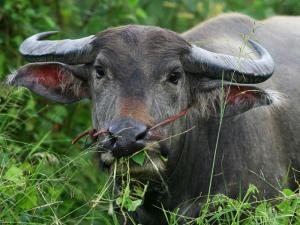
    a large animal of the cow family that has wide, curved horns . There are two types of buffalo , the African and the Asian.

    He has a buffalo.

    Él tiene un búfalo.

    Sinónimosbisonwater buffalo
    Antónimoscattlecow
  38. 38

    cart(noun)

    /kɑːrt/

    carro

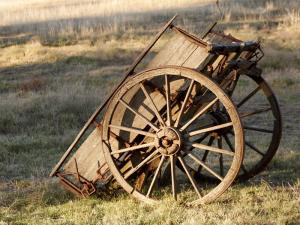
    a vehicle with two or four wheels that is pulled by a horse and used for carrying loads

    There is a cart over there.

    Hay un carro por allí.

    Sinónimoswagontrolleyhandcartvehicle
    Antónimosnone (depending on contextcan be replaced with other transport)
  39. 39

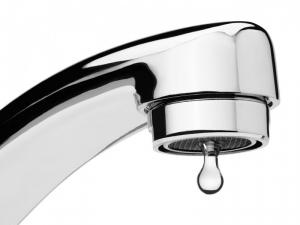
    dripping faucet(noun)

    /ˈdrɪpɪŋ ˈfɔːsɪt/

    grifo que gotea

    a tap that lets water fall out in drops because it is not closed properly

    When you see a dripping faucet, turn it off.

    Cuando veas un grifo que gotea, ciérralo.

    Sinónimosleaky faucetleaking tapdripping tap
    Antónimosdry faucetnon-dripping faucetsealed faucet
  40. 40

    keep off(phrasal verb)

    /ki

    no pisar, mantenerse alejado de

    to not go onto a particular area of land

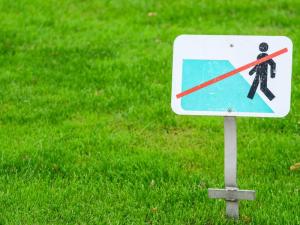
    Please keep off the grass.

    Por favor, no pise el césped.

    Sinónimosavoidstay away fromrefrain fromdesist from
    Antónimosapproachstep onenter
  41. 41

    plants and animals(noun)

    /plɑ

    flora y fauna

    all the living things, such as trees, flowers and creatures, that are found in a particular place

    There are various kinds of plants and animals here.

    Aquí hay varios tipos de flora y fauna.

    Sinónimosbiotawildlifenatural lifeliving thingsorganisms
    Antónimosinanimate objectsnon-living thingsartificial things
  42. 42

    plow(noun)

    /plaʊ/

    arado

    a large piece of farming equipment with one or several curved blades , (= metal cutting parts) pulled by a tractor or by animals. It is used for digging and turning over soil, especially before seeds are planted.

    I have never seen a plow.

    Nunca he visto un arado.

    Sinónimostillerfarm implementcultivator
    AntónimosNone (as a specific tool)weedharvest
  43. 43

    recycle(verb)

    /ˌriːˈsaɪkl/

    reciclar

    to treat things that have already been used so that they can be used again

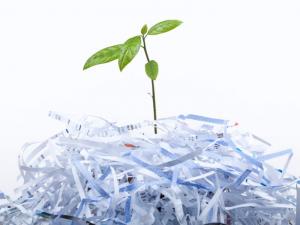
    We can recycle waste paper.

    Podemos reciclar papel usado.

    Sinónimosreusereclaimreprocessrecoversalvage
    Antónimosdiscarddisposewastedump
  44. 44

    scrap metal(noun)

    /skræp 'metl/

    chatarra

    old pieces of metal from broken machines, cars, etc. that can be melted down and used again

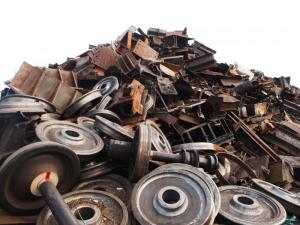
    They earn money by collecting scrap metal.

    Ganan dinero recolectando chatarra.

    Sinónimosdiscarded metalwaste metaljunk metalrecycled metal
    Antónimosvirgin metalprime metalnew metal
  45. 45

    switch off(phrasal verb)

    /swɪtʃ ɔ

    apagar

    to turn a light, machine, etc. off by pressing a switch or button

    Can you switch off the TV, please?

    ¿Puedes apagar la tele, por favor?

    Sinónimosturn offdeactivatepower downshut down
    Antónimosturn onactivatepower upstart
  46. 46

    trash(noun)

    /træʃ/

    basura

    things that you throw away because you no longer want or need them

    Don't throw trash on the street.

    No tires basura en la calle.

    Sinónimosrubbishwastegarbagelitterdebris
    Antónimostreasurevaluableassetresource
  47. 47

    trash can(noun)

    /ˈtræʃ kæn/

    basurero

    a container for people to put rubbish in, in the street or in a public building

    Please put rubbish in the trash can.

    Por favor, tire la basura en el basurero.

    Sinónimosgarbage canwastebasketrubbish bindustbinbin
    Antónimostreasure cheststorage container
  48. 48

    waste food(noun)

    /weɪst fu

    desperdicio de comida

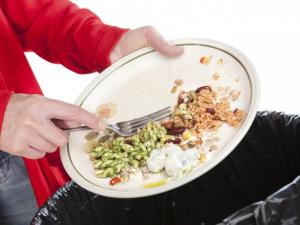
    food that is left over or not eaten and is thrown away

    We can use the waste food for feeding pigs.

    Podemos usar el desperdicio de comida para alimentar a los cerdos.

    Sinónimosfood scrapsleftoversfood wastetable scrapsgarbage
    Antónimosfresh foodedible foodwholesome food
  49. 49

    waste paper(noun)

    /ˌweɪst ˈpeɪpər/

    papel usado

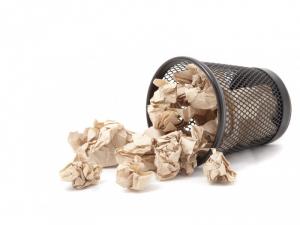
    paper that is not wanted and is thrown away

    We should collect waste paper.

    Deberíamos recoger papel usado.

    Sinónimosscrap paperrecycled paperused paperdiscarded paperpaper waste
    Antónimosfresh paperunused paperclean papervirgin paper
  50. 50

    wild animal(noun)

    /waɪld 'æniməl/

    animal salvaje

    an animal that lives in natural conditions and is not kept by people

    I saw a wild animal yesterday.

    Ayer vi un animal salvaje.

    Sinónimosferal creatureuntamed beastcreature of the wild
    Antónimosdomesticated animaltame animalpet
  51. 51

    wild flower(noun)

    /waɪld ˈflaʊər/

    flor silvestre

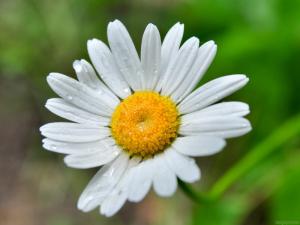
    a flower that grows naturally and has not been planted by people

    This wild flower is very beautiful.

    Esta flor silvestre es muy hermosa.

    Sinónimosmeadow flowernative floweruncultivated flowerfield flower
    Antónimoscultivated flowerdomesticated flowergarden flower
  52. 52

    waste(noun)

    /weɪst/

    residuos, desechos, basura

    materials that are no longer needed and are thrown away

    Factories should not dump their waste into the river.

    Las fábricas no deberían verter sus residuos en el río.

  53. 53

    power(noun)

    /ˈpaʊər/

    energía, electricidad, corriente

    energy that can be collected and used to operate machines, especially electricity

    They sometimes cut the power in the summer.
    A veces cortan la luz en verano.

  54. 54

    pick(verb)

    /pɪk/

    recoger, coger, cosechar
    to take flowers, fruit, etc. from the plant or tree where they are growing

    They are picking ripe tomatoes.

    Están recogiendo tomates maduros.