跳至主要內容

第 16/16 課 · 54 個單字 · 已學會 0 個

Lesson 16: MAN AND ENVIRONMENT

第16課:人與環境

  1. 1

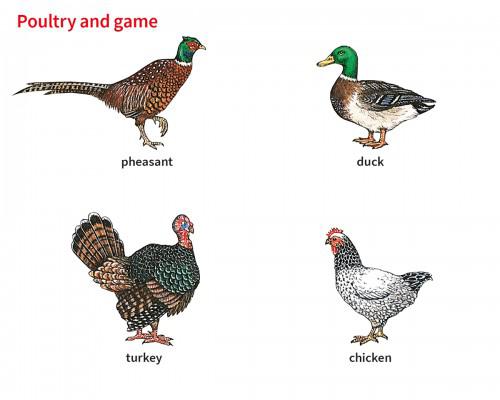
    chicken(noun)

    /ˈtʃɪkɪn/

    雞, 雞肉

    a large bird that is often kept for its eggs or meat

    They keep chickens in the back yard.

    他們在後院養雞。

    free-range chickens

    同義詞poultryfowlbiddy (informalfor a young hen)
    反義詞none (in the literal sense of the animal)hawk (predator)
  2. 2

    empty(adjective)

    /ˈempti/

    空的, 空無一物的

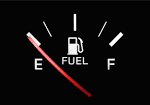
    with no people or things inside

    The room is empty of furniture.

    這個房間裡空無一件家具。

    She emptied her mind of all thoughts of home.

    同義詞vacantvoidbareunoccupieddesolatehollow
    反義詞fulloccupiedfilledcomplete
  3. 3

    light(noun)

    /laɪt/

    光, 光線

    the energy from the sun, a lamp, etc. that makes it possible to see things

    Plants need light from the sun to grow well.

    植物需要陽光才能長得好。

    同義詞illuminationbrightnessradianceglowsparkle
    反義詞darknessshadowgloom
  4. 4

    rule(noun)

    /ruːl/

    規則, 規定

    a statement of what may, must or must not be done in a particular situation or when playing a game

    You need to follow the rules.

    你必須遵守規則。

    Eighty million years ago, dinosaurs ruled the earth.

    同義詞regulationprincipleguidelinelawstandardpreceptcanonorder
    反義詞lawlessnessdisorderchaosanarchyfreedomexemptionwaiver
  5. 5

    land(noun)

    /lænd/

    陸地, 土地

    the surface of the earth that is not sea

    After weeks at sea, the sailors were happy to see land again.

    在海上航行數週後,水手們很高興再次看到陸地。

    同義詞groundsoilestatepropertyterritoryacreage
    反義詞seaskyair
  6. 6

    cut(verb)

    /kʌt/

    剪, 切, 砍

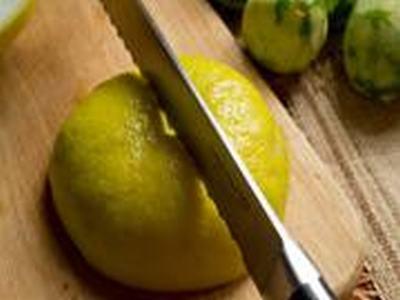
    to divide, shorten or remove something using a knife, scissors or another sharp tool

    He cuts my hair.

    他幫我剪頭髮。

    He cut himself (= his face) shaving.

    同義詞slicechopsevertrimcarvegashintersectreduce
    反義詞joinconnectmendrepairattachfuse
  7. 7

    pollution(noun)

    /pəˈluːʃn/

    汙染

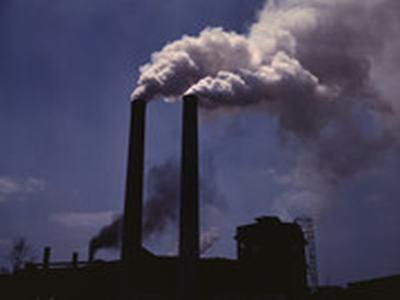
    the process of making air, water, soil, etc. dirty; the state of being dirty

    Water pollution is becoming more serious now.

    現在水汙染變得越來越嚴重。

    air/water pollution

    同義詞contaminationdefilementimpurityfoulnesstaintadulteration
    反義詞purificationcleansingsterilizationclarificationpristineness
  8. 8

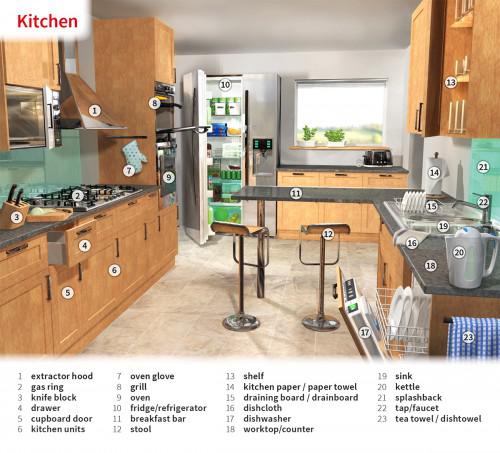
    faucet(noun)

    /ˈfɔːsɪt/

    水龍頭

    a device that controls the flow of water from a pipe

    She always turns off the faucet after washing clothes.

    她洗完衣服後總是會把水龍頭關好。

    to turn a faucet on/off

    同義詞tapspigotvalve
  9. 9

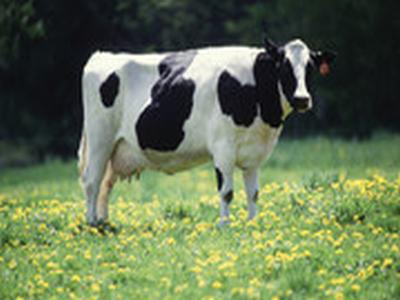
    cow(noun)

    /kaʊ/

    母牛, 乳牛

    a large animal kept on farms to produce milk or beef

    They raise many cows.

    他們養了很多牛。

    cow's milk

    同義詞cattlebovineheifer (young female cow)bull (male cow)calf (young cow)
    反義詞bullcalfother animals (e.g.horsesheeppig)
  10. 10

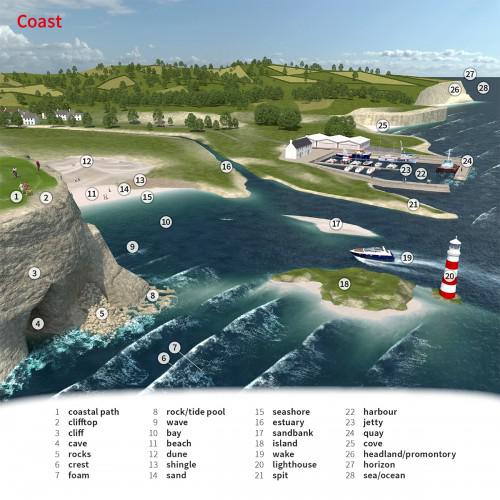
    ocean(noun)

    /ˈəʊʃn/

    海洋, 大海

    the mass of salt water that covers most of the earth’s surface

    Ocean levels are rising.

    海平面正在上升。

    同義詞seabrinedeep
    反義詞landcontinentearth
  11. 11

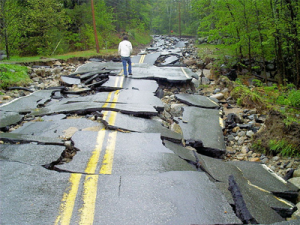
    damage(noun)

    /ˈdæmɪdʒ/

    損壞, 損害, 損失

    physical harm caused to something which makes it less attractive, useful or valuable

    The damage to his car was considerable.

    他車子的損壞相當嚴重。

    Smoking seriously damages your health.

    同義詞harminjuryimpairmentdestructionloss
    反義詞repairimprovementbenefitadvantagerestoration
  12. 12

    save(verb)

    /seɪv/

    節省, 節約

    to avoid wasting something or using more of it than necessary

    We need to save power.

    我們需要節約用電。

    Doctors were unable to save her.

    同義詞conservepreserveprotectstorerescueretainsalvage
    反義詞wastespendlosesquanderexpendendanger
  13. 13

    produce(verb)

    /prəˈduːs/

    生產, 製造

    to make things to be sold, especially in large quantities

    People produce a lot of goods every year.

    人們每年生產大量的商品。

    The train now standing at platform 1 is for Leeds.

    同義詞generatecreatemanufactureyieldbear
    反義詞consumedestroyhaltstop
  14. 14

    oil(noun)

    /ɔɪl/

    石油, 油

    a thick liquid that is found in rock underground

    We are burning too much coal and oil.

    我們燃燒了太多的煤和石油。

    What's your name?

    同義詞petroleumcrude oilmineral oillubricantfuel
    反義詞waterrenewable energyalternative fuel
  15. 15

    cat(noun)

    /kæt/

    貓

    a small animal with soft fur that people often keep as a pet. Cats catch and kill birds and mice.

    I love cats.

    我很喜歡貓。

    a long-distance call

    同義詞felinekittypussycat
    反義詞dogcanine
  16. 16

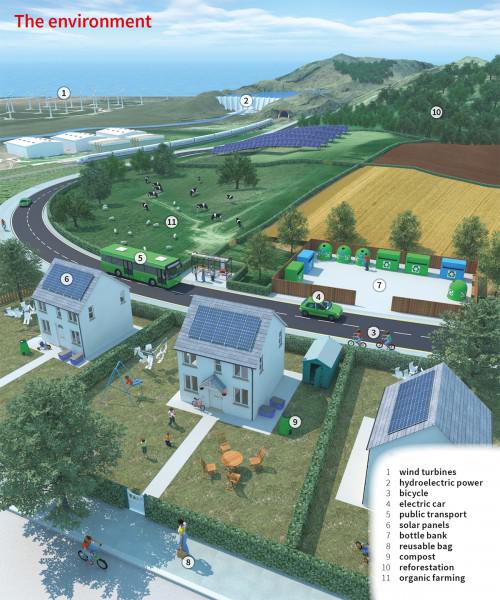
    environment(noun)

    /ɪnˈvaɪrənmənt/

    環境, 自然環境

    the natural world in which people, animals and plants live

    We have to protect our environment.

    我們必須保護我們的環境。

    They have created an environment in which productivity should flourish.

    同義詞surroundingshabitatecosystemsettingworld
    反義詞none (in the sense of a single word opposite)
  17. 17

    plastic(noun)

    /ˈplæstɪk/

    塑膠

    a light strong material that is produced by chemical processes and can be formed into shapes when heated. There are many different types of plastic , used to make different objects and fabrics .

    These bottles are made from plastic.

    這些瓶子是用塑膠做的。

    同義詞syntheticpolymeracrylicresin
    反義詞naturalorganicbiodegradable
  18. 18

    destroy(verb)

    /dɪˈstrɔɪ/

    破壞, 摧毀

    to damage something so badly that it no longer exists, works, etc.

    We can't destroy the forests anymore.

    我們不能再破壞森林了。

    They've destroyed all the evidence.

    同義詞demolishruinannihilateobliteratewreckdevastateeradicate
    反義詞createbuildconstructpreserveprotectrepair
  19. 19

    plant(noun)

    /plænt/

    植物

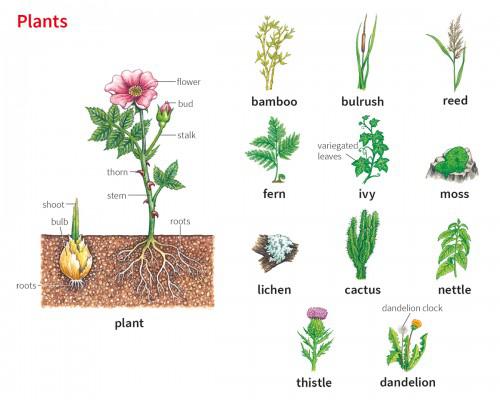
    a living thing that grows in the earth and usually has a stem , leaves and roots, especially one that is smaller than a tree or bush

    Do you know this plant?

    你認識這種植物嗎?

    All plants need light and water.

    同義詞vegetationfloraherbshrubtree
    反義詞animalfauna
  20. 20

    field(noun)

    /fiːld/

    田地, 農田

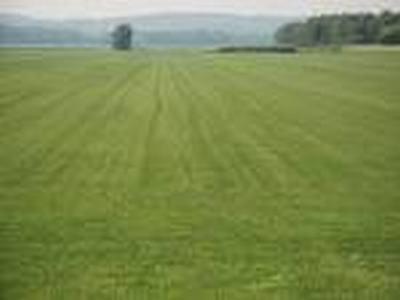
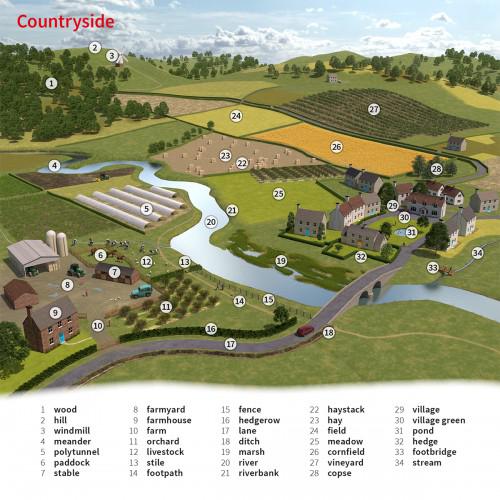
    an area of land in the country used for growing crops or keeping animals in, usually surrounded by a fence, etc.

    My parents are working in the field.

    我父母正在田裡工作。

    We camped in a field near the village.

    同義詞areapatchgroundmeadowpasturearenaspheredomain
    反義詞indoorsofficecity
  21. 21

    metal(noun)

    /ˈmetl/

    金屬

    a type of solid mineral substance that is usually hard and shiny and that heat and electricity can travel through, for example tin, iron and gold

    The frame is made of metal.

    這個framework是金屬做的。

    a piece of metal

    同義詞mineraloreelement
    反義詞nonmetalorganicplastic
  22. 22

    animal(noun)

    /ˈænɪml/

    動物

    a creature that is not a bird, a fish, a reptile , an insect or a human

    There are many kinds of animals in this zoo.

    這座動物園裡有很多種動物。

    This product has not been tested on animals.

    同義詞creaturebeastfaunabeing
    反義詞plantvegetationmineralinanimate object
  23. 23

    pull(verb)

    /pʊl/

    拉,拖

    to take hold of something and use force in order to move it or try to move it towards yourself

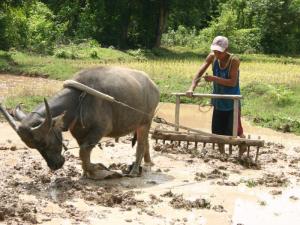
    The cow has to pull the cart.

    這頭牛必須拉車。

    Stop pulling her hair!

    同義詞tugdraghaulyankdraw
    反義詞pushthrustpropel
  24. 24

    throw(verb)

    /θrəʊ/

    丟, 扔, 投擲

    to send something from your hand through the air by moving your hand or arm quickly

    You shouldn't throw trash out the window.

    你不應該把垃圾丟出窗外。

    They had a competition to see who could throw the furthest.

    同義詞tosshurlflingpitchcastpropel
    反義詞catchgrabholdkeepretain
  25. 25

    burn(verb)

    /bɜːrn/

    燃燒, 焚燒

    to produce flames and heat

    People should not burn plastic because it pollutes the air.

    人們不應該燃燒塑膠,因為會污染空氣。

    同義詞scorchsearblazeinflammationinjury
    反義詞extinguishcoolsoothefreeze
  26. 26

    collect(verb)

    /kəˈlekt/

    收集, 蒐集

    to bring things together from different people or places, or to gather objects as a hobby

    I often collect stamps.

    我經常蒐集郵票。

    to collect data/evidence/information

    同義詞gatheraccumulateassembleacquiregarneramasscompilehoard
    反義詞dispersescatterdistributeseparateabandondiscard
  27. 27

    wild(adjective)

    /waɪld/

    野生的, 野外的

    living or growing in natural conditions; not kept in a house or on a farm

    Many wild animals live in this forest.

    許多野生動物棲息在這座森林裡。

    同義詞untamedferaluncultivatednaturalsavageundomesticateduncontrolled
    反義詞tamedomesticatedcultivatedcontrolledmild
  28. 28

    air(noun)

    /er/

    空氣

    the mixture of gases that surrounds the earth and that we breathe

    I like the fresh air in the countryside.

    我喜歡鄉下的新鮮空氣。

    The act lays down a minimum standard for air quality.

    同義詞atmospherebreezewinddraft
    反義詞stillnessvacuumstagnation
  29. 29

    gas(noun)

    /ɡæs/

    氣體

    any substance like air that is neither a solid nor a liquid, for example hydrogen or oxygen

    Oxygen is a gas that all animals need in order to breathe.

    氧氣是一種氣體,所有動物都需要它來呼吸。

    同義詞fuelvaporair
    反義詞solidliquid
  30. 30

    Turn off(phrasal verb)

    /tɜːrn ɔːf/

    關掉, 關閉

    to stop the flow of electricity, gas, water, etc. by moving a switch or button

    The hall lights have all been turned off.

    大廳的燈都已關掉了。

    同義詞Switch offShut offDeactivatePower downExtinguishCut offStop
    反義詞Turn onActivateSwitch onStartIgnitePower on
  31. 31

    Grow(verb)

    /ɡrəʊ/

    生長,成長,增長

    to increase in size, number, strength or quality

    The region is too dry for plants to grow.

    這個地區太乾燥,植物無法生長。

    同義詞developincreaseexpandcultivateflourish
    反義詞shrinkdeclinewitherdecreasediminish
  32. 32

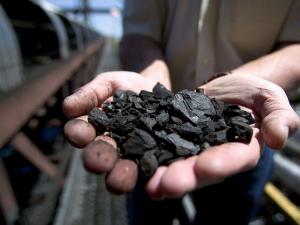
    coal(noun)

    /kəʊl/

    煤, 煤炭

    a hard black mineral that is found below the ground and burnt to produce heat

    Coal can be used for cooking.

    煤炭可以用來烹飪。

    同義詞carbonfuelblack gold
    反義詞renewable energysolar powerwind energy
  33. 33

    pollute(verb)

    /pəˈluːt/

    污染, 弄髒

    to add dirty or harmful substances to land, air, water, etc. so that it is no longer pleasant or safe to use

    People should not pollute their environment.

    人們不該污染自己的環境。

    同義詞contaminatetaintdefilefouldirtycorruptdebase
    反義詞purifycleansanitizedecontaminatepreserve
  34. 34

    leave(verb)

    /liːv/

    離開, 出發

    to go away from a person or a place

    When do they leave their house?

    他們什麼時候離開家?

    同義詞departexitabandonquitvacatego
    反義詞arrivestayremainenterkeep
  35. 35

    danger(noun)

    /ˈdeɪndʒər/

    危險

    the possibility of something happening that will injure, harm or kill somebody, or damage or destroy something

    Is there any danger here?

    這裡有任何危險嗎?

    同義詞hazardperilriskthreatjeopardy
    反義詞safetysecurityprotectioncertainty
  36. 36

    be in danger(phrase)

    /biː ɪn 'deɪndʒər/

    處於危險中, 有危險

    to be in a situation where harm, damage or death is possible

    Many animals are in danger.

    許多動物正處於危險之中。

    同義詞at riskthreatenedimperiledvulnerable
    反義詞safesecureprotectedout of danger
  37. 37

    buffalo(noun)

    /ˈbʌfələʊ/

    水牛

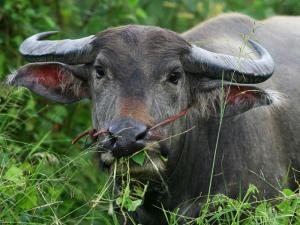
    a large animal of the cow family that has wide, curved horns . There are two types of buffalo , the African and the Asian.

    He has a buffalo.

    他有一頭水牛。

    同義詞bisonwater buffalo
    反義詞cattlecow
  38. 38

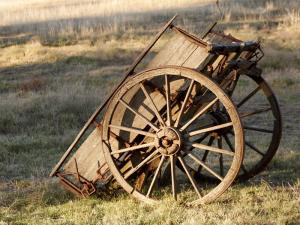
    cart(noun)

    /kɑːrt/

    牛車, 馬車, 手推車

    a vehicle with two or four wheels that is pulled by a horse and used for carrying loads

    There is a cart over there.

    那邊有一輛牛車。

    同義詞wagontrolleyhandcartvehicle
    反義詞none (depending on contextcan be replaced with other transport)
  39. 39

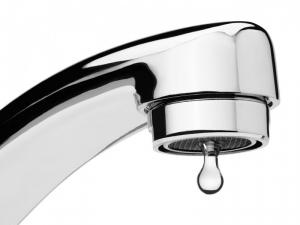
    dripping faucet(noun)

    /ˈdrɪpɪŋ ˈfɔːsɪt/

    滴水的水龍頭

    a tap that lets water fall out in drops because it is not closed properly

    When you see a dripping faucet, turn it off.

    當你看到水龍頭在滴水時,請把它關緊。

    同義詞leaky faucetleaking tapdripping tap
    反義詞dry faucetnon-dripping faucetsealed faucet
  40. 40

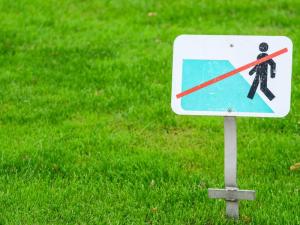
    keep off(phrasal verb)

    /ki

    勿踏入, 遠離

    to not go onto a particular area of land

    Please keep off the grass.

    請勿踐踏草地。

    同義詞avoidstay away fromrefrain fromdesist from
    反義詞approachstep onenter
  41. 41

    plants and animals(noun)

    /plɑ

    動植物

    all the living things, such as trees, flowers and creatures, that are found in a particular place

    There are various kinds of plants and animals here.

    這裡有各式各樣的動植物。

    同義詞biotawildlifenatural lifeliving thingsorganisms
    反義詞inanimate objectsnon-living thingsartificial things
  42. 42

    plow(noun)

    /plaʊ/

    犁

    a large piece of farming equipment with one or several curved blades , (= metal cutting parts) pulled by a tractor or by animals. It is used for digging and turning over soil, especially before seeds are planted.

    I have never seen a plow.

    我從沒見過犁。

    同義詞tillerfarm implementcultivator
    反義詞None (as a specific tool)weedharvest
  43. 43

    recycle(verb)

    /ˌriːˈsaɪkl/

    回收, 回收再利用

    to treat things that have already been used so that they can be used again

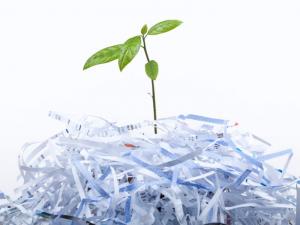
    We can recycle waste paper.

    我們可以回收廢紙。

    同義詞reusereclaimreprocessrecoversalvage
    反義詞discarddisposewastedump
  44. 44

    scrap metal(noun)

    /skræp 'metl/

    廢金屬, 廢鐵

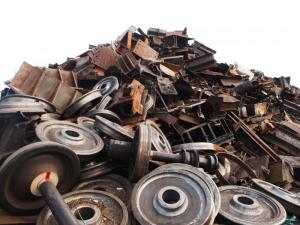
    old pieces of metal from broken machines, cars, etc. that can be melted down and used again

    They earn money by collecting scrap metal.

    他們靠收集廢金屬賺錢。

    同義詞discarded metalwaste metaljunk metalrecycled metal
    反義詞virgin metalprime metalnew metal
  45. 45

    switch off(phrasal verb)

    /swɪtʃ ɔ

    關掉, 關閉

    to turn a light, machine, etc. off by pressing a switch or button

    Can you switch off the TV, please?

    可以請你把電視關掉嗎?

    同義詞turn offdeactivatepower downshut down
    反義詞turn onactivatepower upstart
  46. 46

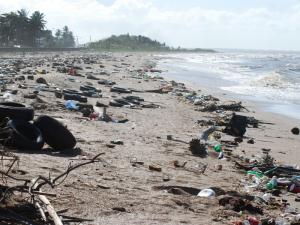
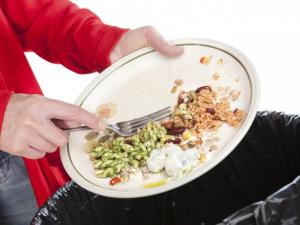
    trash(noun)

    /træʃ/

    垃圾

    things that you throw away because you no longer want or need them

    Don't throw trash on the street.

    不要把垃圾丟在街上。

    同義詞rubbishwastegarbagelitterdebris
    反義詞treasurevaluableassetresource
  47. 47

    trash can(noun)

    /ˈtræʃ kæn/

    垃圾桶

    a container for people to put rubbish in, in the street or in a public building

    Please put rubbish in the trash can.

    請把垃圾丟進垃圾桶。

    同義詞garbage canwastebasketrubbish bindustbinbin
    反義詞treasure cheststorage container
  48. 48

    waste food(noun)

    /weɪst fu
    剩飯菜, 廚餘

    food that is left over or not eaten and is thrown away
    We can use the waste food for feeding pigs.

    我們可以用廚餘來餵豬。

    同義詞food scrapsleftoversfood wastetable scrapsgarbage
    反義詞fresh foodedible foodwholesome food
  49. 49

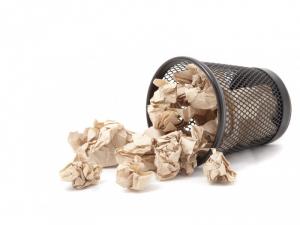
    waste paper(noun)

    /ˌweɪst ˈpeɪpər/

    廢紙

    paper that is not wanted and is thrown away

    We should collect waste paper.

    我們應該收集廢紙。

    同義詞scrap paperrecycled paperused paperdiscarded paperpaper waste
    反義詞fresh paperunused paperclean papervirgin paper
  50. 50

    wild animal(noun)

    /waɪld 'æniməl/

    野生動物

    an animal that lives in natural conditions and is not kept by people

    I saw a wild animal yesterday.

    我昨天看到一隻野生動物。

    同義詞feral creatureuntamed beastcreature of the wild
    反義詞domesticated animaltame animalpet
  51. 51

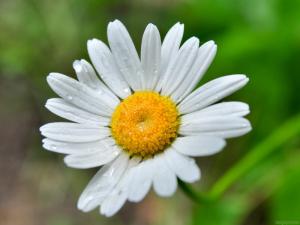
    wild flower(noun)

    /waɪld ˈflaʊər/

    野花

    a flower that grows naturally and has not been planted by people

    This wild flower is very beautiful.

    這朵野花非常漂亮。

    同義詞meadow flowernative floweruncultivated flowerfield flower
    反義詞cultivated flowerdomesticated flowergarden flower
  52. 52

    waste(noun)

    /weɪst/

    廢棄物, 垃圾

    materials that are no longer needed and are thrown away

    Factories should not dump their waste into the river.

    工廠不應將廢棄物傾倒入河中。

  53. 53

    power(noun)

    /ˈpaʊər/

    電力, 能源

    energy that can be collected and used to operate machines, especially electricity

    They sometimes cut the power in the summer.

    夏天有時他們會停電。

  54. 54

    pick(verb)

    /pɪk/

    採, 摘

    to take flowers, fruit, etc. from the plant or tree where they are growing

    They are picking ripe tomatoes.

    他們正在採收熟透的番茄。