ข้ามไปยังเนื้อหา

บทที่ 16/16 · 54 คำ · จำได้แล้ว 0

Lesson 16: MAN AND ENVIRONMENT

บทที่ 16: มนุษย์และสิ่งแวดล้อม

  1. 1

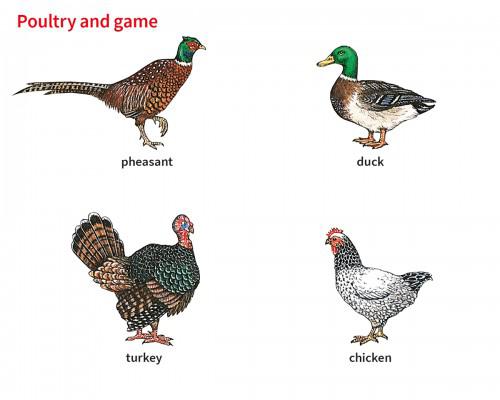
    chicken(noun)

    /ˈtʃɪkɪn/

    ไก่

    a large bird that is often kept for its eggs or meat

    They keep chickens in the back yard.

    พวกเขาเลี้ยงไก่ไว้ในสวนหลังบ้าน

    free-range chickens

    คำพ้องความหมายpoultryfowlbiddy (informalfor a young hen)
    คำตรงข้ามnone (in the literal sense of the animal)hawk (predator)
  2. 2

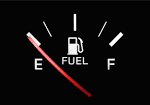
    empty(adjective)

    /ˈempti/

    ว่างเปล่า, ว่าง

    with no people or things inside

    The room is empty of furniture.

    ห้องนี้ว่างเปล่าไม่มีเฟอร์นิเจอร์

    She emptied her mind of all thoughts of home.

    คำพ้องความหมายvacantvoidbareunoccupieddesolatehollow
    คำตรงข้ามfulloccupiedfilledcomplete
  3. 3

    light(noun)

    /laɪt/

    แสง, แสงสว่าง

    the energy from the sun, a lamp, etc. that makes it possible to see things

    Plants need light from the sun to grow well.

    พืชต้องการแสงจากดวงอาทิตย์เพื่อเจริญเติบโตได้ดี

    คำพ้องความหมายilluminationbrightnessradianceglowsparkle
    คำตรงข้ามdarknessshadowgloom
  4. 4

    rule(noun)

    /ruːl/

    กฎ

    a statement of what may, must or must not be done in a particular situation or when playing a game

    You need to follow the rules.

    คุณต้องปฏิบัติตามกฎ

    Eighty million years ago, dinosaurs ruled the earth.

    คำพ้องความหมายregulationprincipleguidelinelawstandardpreceptcanonorder
    คำตรงข้ามlawlessnessdisorderchaosanarchyfreedomexemptionwaiver
  5. 5

    land(noun)

    /lænd/

    แผ่นดิน, พื้นดิน, ผืนดิน

    the surface of the earth that is not sea

    After weeks at sea, the sailors were happy to see land again.

    หลังจากอยู่กลางทะเลมาหลายสัปดาห์ กะลาสีเรือก็ดีใจที่ได้เห็นแผ่นดินอีกครั้ง

    คำพ้องความหมายgroundsoilestatepropertyterritoryacreage
    คำตรงข้ามseaskyair
  6. 6

    cut(verb)

    /kʌt/

    ตัด, หั่น, ตัดผม

    to divide, shorten or remove something using a knife, scissors or another sharp tool

    He cuts my hair.

    เขาตัดผมให้ฉัน

    He cut himself (= his face) shaving.

    คำพ้องความหมายslicechopsevertrimcarvegashintersectreduce
    คำตรงข้ามjoinconnectmendrepairattachfuse
  7. 7

    pollution(noun)

    /pəˈluːʃn/

    มลพิษ

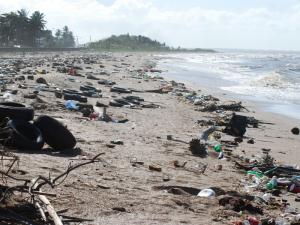
    the process of making air, water, soil, etc. dirty; the state of being dirty

    Water pollution is becoming more serious now.

    มลพิษทางน้ำกำลังรุนแรงมากขึ้นในขณะนี้

    air/water pollution

    คำพ้องความหมายcontaminationdefilementimpurityfoulnesstaintadulteration
    คำตรงข้ามpurificationcleansingsterilizationclarificationpristineness
  8. 8

    faucet(noun)

    /ˈfɔːsɪt/

    ก๊อกน้ำ

    a device that controls the flow of water from a pipe

    She always turns off the faucet after washing clothes.

    เธอปิดก๊อกน้ำทุกครั้งหลังจากซักผ้า

    to turn a faucet on/off

    คำพ้องความหมายtapspigotvalve
  9. 9

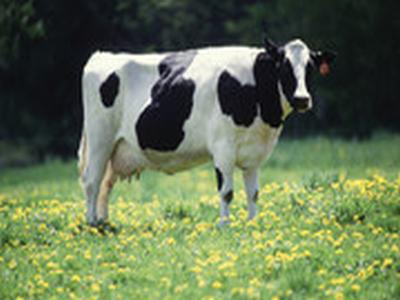
    cow(noun)

    /kaʊ/

    วัว

    a large animal kept on farms to produce milk or beef

    They raise many cows.

    พวกเขาเลี้ยงวัวจำนวนมาก

    cow's milk

    คำพ้องความหมายcattlebovineheifer (young female cow)bull (male cow)calf (young cow)
    คำตรงข้ามbullcalfother animals (e.g.horsesheeppig)
  10. 10

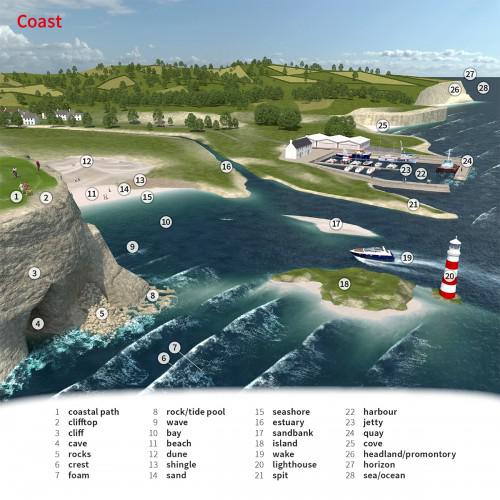
    ocean(noun)

    /ˈəʊʃn/

    มหาสมุทร

    the mass of salt water that covers most of the earth’s surface

    Ocean levels are rising.

    ระดับน้ำทะเลกำลังสูงขึ้น

    คำพ้องความหมายseabrinedeep
    คำตรงข้ามlandcontinentearth
  11. 11

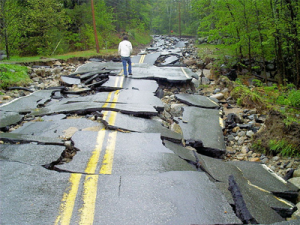
    damage(noun)

    /ˈdæmɪdʒ/

    ความเสียหาย

    physical harm caused to something which makes it less attractive, useful or valuable

    The damage to his car was considerable.

    ความเสียหายต่อรถของเขาค่อนข้างมาก

    Smoking seriously damages your health.

    คำพ้องความหมายharminjuryimpairmentdestructionloss
    คำตรงข้ามrepairimprovementbenefitadvantagerestoration
  12. 12

    save(verb)

    /seɪv/

    ประหยัด, ใช้อย่างประหยัด

    to avoid wasting something or using more of it than necessary

    We need to save power.

    เราต้องประหยัดพลังงานไฟฟ้า

    Doctors were unable to save her.

    คำพ้องความหมายconservepreserveprotectstorerescueretainsalvage
    คำตรงข้ามwastespendlosesquanderexpendendanger
  13. 13

    produce(verb)

    /prəˈduːs/

    ผลิต

    to make things to be sold, especially in large quantities

    People produce a lot of goods every year.

    ผู้คนผลิตสินค้าจำนวนมากทุกปี

    The train now standing at platform 1 is for Leeds.

    คำพ้องความหมายgeneratecreatemanufactureyieldbear
    คำตรงข้ามconsumedestroyhaltstop
  14. 14

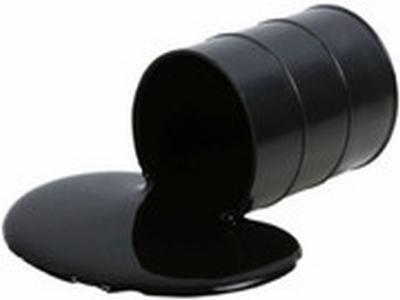
    oil(noun)

    /ɔɪl/

    น้ำมัน

    a thick liquid that is found in rock underground

    We are burning too much coal and oil.

    เรากำลังเผาถ่านหินและน้ำมันมากเกินไป

    What's your name?

    คำพ้องความหมายpetroleumcrude oilmineral oillubricantfuel
    คำตรงข้ามwaterrenewable energyalternative fuel
  15. 15

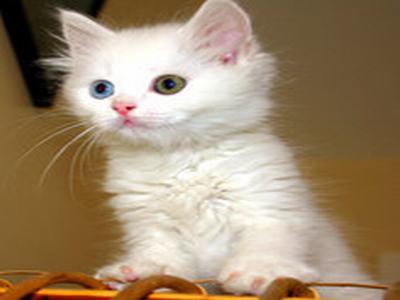
    cat(noun)

    /kæt/

    แมว (maeo)

    a small animal with soft fur that people often keep as a pet. Cats catch and kill birds and mice.

    I love cats.

    ฉันรักแมว (chan rak maeo)

    a long-distance call

    คำพ้องความหมายfelinekittypussycat
    คำตรงข้ามdogcanine
  16. 16

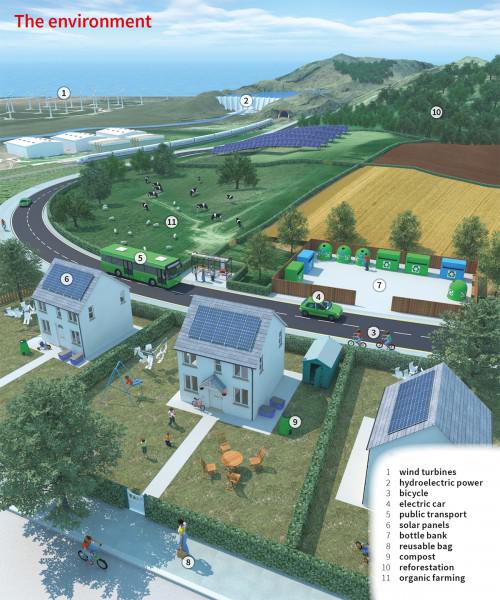
    environment(noun)

    /ɪnˈvaɪrənmənt/

    สิ่งแวดล้อม

    the natural world in which people, animals and plants live

    We have to protect our environment.

    เราต้องปกป้องสิ่งแวดล้อมของเรา

    They have created an environment in which productivity should flourish.

    คำพ้องความหมายsurroundingshabitatecosystemsettingworld
    คำตรงข้ามnone (in the sense of a single word opposite)
  17. 17

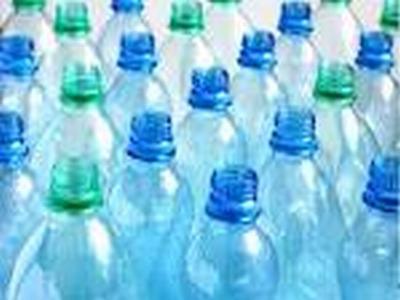
    plastic(noun)

    /ˈplæstɪk/

    พลาสติก

    a light strong material that is produced by chemical processes and can be formed into shapes when heated. There are many different types of plastic , used to make different objects and fabrics .

    These bottles are made from plastic.

    ขวดเหล่านี้ทำจากพลาสติก

    คำพ้องความหมายsyntheticpolymeracrylicresin
    คำตรงข้ามnaturalorganicbiodegradable
  18. 18

    destroy(verb)

    /dɪˈstrɔɪ/

    ทำลาย

    to damage something so badly that it no longer exists, works, etc.

    We can't destroy the forests anymore.

    เราไม่สามารถทำลายป่าได้อีกต่อไป

    They've destroyed all the evidence.

    คำพ้องความหมายdemolishruinannihilateobliteratewreckdevastateeradicate
    คำตรงข้ามcreatebuildconstructpreserveprotectrepair
  19. 19

    plant(noun)

    /plænt/

    พืช

    a living thing that grows in the earth and usually has a stem , leaves and roots, especially one that is smaller than a tree or bush

    Do you know this plant?

    คุณรู้จักพืชชนิดนี้ไหม

    All plants need light and water.

    คำพ้องความหมายvegetationfloraherbshrubtree
    คำตรงข้ามanimalfauna
  20. 20

    field(noun)

    /fiːld/

    ทุ่งนา

    an area of land in the country used for growing crops or keeping animals in, usually surrounded by a fence, etc.

    My parents are working in the field.

    พ่อแม่ของฉันทำงานอยู่ในทุ่งนา

    We camped in a field near the village.

    คำพ้องความหมายareapatchgroundmeadowpasturearenaspheredomain
    คำตรงข้ามindoorsofficecity
  21. 21

    metal(noun)

    /ˈmetl/

    โลหะ

    a type of solid mineral substance that is usually hard and shiny and that heat and electricity can travel through, for example tin, iron and gold

    The frame is made of metal.

    โครงทำจากโลหะ

    a piece of metal

    คำพ้องความหมายmineraloreelement
    คำตรงข้ามnonmetalorganicplastic
  22. 22

    animal(noun)

    /ˈænɪml/

    สัตว์

    a creature that is not a bird, a fish, a reptile , an insect or a human

    There are many kinds of animals in this zoo.

    มีสัตว์หลายชนิดในสวนสัตว์แห่งนี้

    This product has not been tested on animals.

    คำพ้องความหมายcreaturebeastfaunabeing
    คำตรงข้ามplantvegetationmineralinanimate object
  23. 23

    pull(verb)

    /pʊl/

    ดึง

    to take hold of something and use force in order to move it or try to move it towards yourself

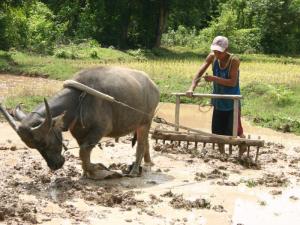
    The cow has to pull the cart.

    วัวต้องดึงรถเข็น

    Stop pulling her hair!

    คำพ้องความหมายtugdraghaulyankdraw
    คำตรงข้ามpushthrustpropel
  24. 24

    throw(verb)

    /θrəʊ/

    ขว้าง

    to send something from your hand through the air by moving your hand or arm quickly

    You shouldn't throw trash out the window.

    คุณไม่ควรทิ้งขยะออกนอกหน้าต่าง

    They had a competition to see who could throw the furthest.

    คำพ้องความหมายtosshurlflingpitchcastpropel
    คำตรงข้ามcatchgrabholdkeepretain
  25. 25

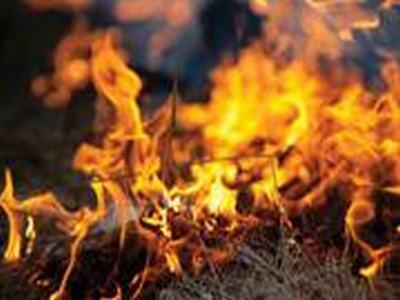
    burn(verb)

    /bɜːrn/

    เผา, ไหม้, ลุกไหม้

    to produce flames and heat

    People should not burn plastic because it pollutes the air.

    ผู้คนไม่ควรเผาพลาสติกเพราะทำให้อากาศเป็นมลพิษ

    คำพ้องความหมายscorchsearblazeinflammationinjury
    คำตรงข้ามextinguishcoolsoothefreeze
  26. 26

    collect(verb)

    /kəˈlekt/

    เก็บรวบรวม, สะสม

    to bring things together from different people or places, or to gather objects as a hobby

    I often collect stamps.

    ฉันมักจะสะสมแสตมป์

    to collect data/evidence/information

    คำพ้องความหมายgatheraccumulateassembleacquiregarneramasscompilehoard
    คำตรงข้ามdispersescatterdistributeseparateabandondiscard
  27. 27

    wild(adjective)

    /waɪld/

    ป่า, ในธรรมชาติ

    living or growing in natural conditions; not kept in a house or on a farm

    Many wild animals live in this forest.

    สัตว์ป่าหลายชนิดอาศัยอยู่ในป่าแห่งนี้

    คำพ้องความหมายuntamedferaluncultivatednaturalsavageundomesticateduncontrolled
    คำตรงข้ามtamedomesticatedcultivatedcontrolledmild
  28. 28

    air(noun)

    /er/

    อากาศ

    the mixture of gases that surrounds the earth and that we breathe

    I like the fresh air in the countryside.

    ฉันชอบอากาศบริสุทธิ์ในชนบท

    The act lays down a minimum standard for air quality.

    คำพ้องความหมายatmospherebreezewinddraft
    คำตรงข้ามstillnessvacuumstagnation
  29. 29

    gas(noun)

    /ɡæs/

    ก๊าซ, แก๊ส, ก๊าซ

    any substance like air that is neither a solid nor a liquid, for example hydrogen or oxygen

    Oxygen is a gas that all animals need in order to breathe.

    ออกซิเจนเป็นก๊าซที่สัตว์ทุกชนิดต้องใช้ในการหายใจ

    คำพ้องความหมายfuelvaporair
    คำตรงข้ามsolidliquid
  30. 30

    Turn off(phrasal verb)

    /tɜːrn ɔːf/

    ปิด

    to stop the flow of electricity, gas, water, etc. by moving a switch or button

    The hall lights have all been turned off.

    ไฟในโถงทางเดินถูกปิดหมดแล้ว

    คำพ้องความหมายSwitch offShut offDeactivatePower downExtinguishCut offStop
    คำตรงข้ามTurn onActivateSwitch onStartIgnitePower on
  31. 31

    Grow(verb)

    /ɡrəʊ/

    เติบโต

    to increase in size, number, strength or quality

    The region is too dry for plants to grow.

    ภูมิภาคนี้แห้งแล้งเกินไปที่พืชจะเติบโต

    คำพ้องความหมายdevelopincreaseexpandcultivateflourish
    คำตรงข้ามshrinkdeclinewitherdecreasediminish
  32. 32

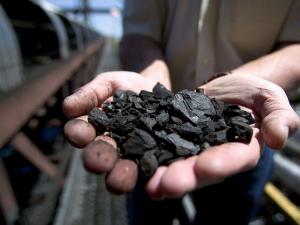
    coal(noun)

    /kəʊl/

    ถ่านหิน

    a hard black mineral that is found below the ground and burnt to produce heat

    Coal can be used for cooking.

    ถ่านหินสามารถใช้ในการปรุงอาหารได้

    คำพ้องความหมายcarbonfuelblack gold
    คำตรงข้ามrenewable energysolar powerwind energy
  33. 33

    pollute(verb)

    /pəˈluːt/

    ก่อมลพิษ

    to add dirty or harmful substances to land, air, water, etc. so that it is no longer pleasant or safe to use

    People should not pollute their environment.

    ผู้คนไม่ควรก่อมลพิษต่อสิ่งแวดล้อมของตนเอง

    คำพ้องความหมายcontaminatetaintdefilefouldirtycorruptdebase
    คำตรงข้ามpurifycleansanitizedecontaminatepreserve
  34. 34

    leave(verb)

    /liːv/

    จากไป

    to go away from a person or a place

    When do they leave their house?

    พวกเขาออกจากบ้านเมื่อไหร่

    คำพ้องความหมายdepartexitabandonquitvacatego
    คำตรงข้ามarrivestayremainenterkeep
  35. 35

    danger(noun)

    /ˈdeɪndʒər/

    อันตราย

    the possibility of something happening that will injure, harm or kill somebody, or damage or destroy something

    Is there any danger here?

    มีอันตรายอะไรที่นี่ไหม

    คำพ้องความหมายhazardperilriskthreatjeopardy
    คำตรงข้ามsafetysecurityprotectioncertainty
  36. 36

    be in danger(phrase)

    /biː ɪn 'deɪndʒər/

    ตกอยู่ในอันตราย, ตกอยู่ในความเสี่ยง

    to be in a situation where harm, damage or death is possible

    Many animals are in danger.

    สัตว์จำนวนมากกำลังตกอยู่ในอันตราย

    คำพ้องความหมายat riskthreatenedimperiledvulnerable
    คำตรงข้ามsafesecureprotectedout of danger
  37. 37

    buffalo(noun)

    /ˈbʌfələʊ/

    ควาย

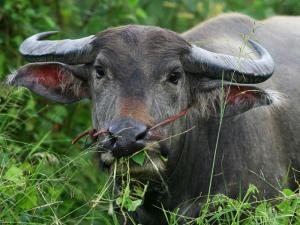
    a large animal of the cow family that has wide, curved horns . There are two types of buffalo , the African and the Asian.

    He has a buffalo.

    เขามีควาย

    คำพ้องความหมายbisonwater buffalo
    คำตรงข้ามcattlecow
  38. 38

    cart(noun)

    /kɑːrt/

    เกวียน, รถเทียมม้า

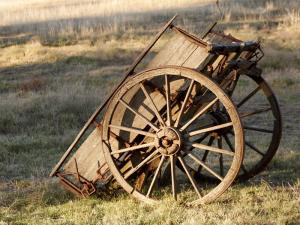
    a vehicle with two or four wheels that is pulled by a horse and used for carrying loads

    There is a cart over there.

    มีเกวียนอยู่ตรงนั้น

    คำพ้องความหมายwagontrolleyhandcartvehicle
    คำตรงข้ามnone (depending on contextcan be replaced with other transport)
  39. 39

    dripping faucet(noun)

    /ˈdrɪpɪŋ ˈfɔːsɪt/

    ก๊อกน้ำรั่ว

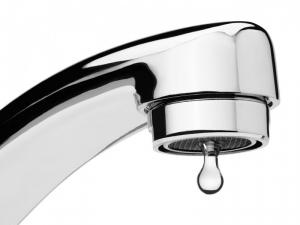
    a tap that lets water fall out in drops because it is not closed properly

    When you see a dripping faucet, turn it off.

    เมื่อคุณเห็นก๊อกน้ำรั่ว ให้ปิดมัน

    คำพ้องความหมายleaky faucetleaking tapdripping tap
    คำตรงข้ามdry faucetnon-dripping faucetsealed faucet
  40. 40

    keep off(phrasal verb)

    /ki

    อย่าเข้า, อย่าเหยียบ, ห้ามเดินบน

    to not go onto a particular area of land

    Please keep off the grass.

    โปรดอย่าเดินบนสนามหญ้า

    คำพ้องความหมายavoidstay away fromrefrain fromdesist from
    คำตรงข้ามapproachstep onenter
  41. 41

    plants and animals(noun)

    /plɑ

    พืชและสัตว์

    all the living things, such as trees, flowers and creatures, that are found in a particular place

    There are various kinds of plants and animals here.

    มีพืชและสัตว์หลากหลายชนิดที่นี่

    คำพ้องความหมายbiotawildlifenatural lifeliving thingsorganisms
    คำตรงข้ามinanimate objectsnon-living thingsartificial things
  42. 42

    plow(noun)

    /plaʊ/

    คันไถ

    a large piece of farming equipment with one or several curved blades , (= metal cutting parts) pulled by a tractor or by animals. It is used for digging and turning over soil, especially before seeds are planted.

    I have never seen a plow.

    ฉันไม่เคยเห็นคันไถ

    คำพ้องความหมายtillerfarm implementcultivator
    คำตรงข้ามNone (as a specific tool)weedharvest
  43. 43

    recycle(verb)

    /ˌriːˈsaɪkl/

    รีไซเคิล (ree sai khle)

    to treat things that have already been used so that they can be used again

    We can recycle waste paper.

    เราสามารถรีไซเคิลกระดาษเสียได้ (rao samat ree sai khle kradat sia dai)

    คำพ้องความหมายreusereclaimreprocessrecoversalvage
    คำตรงข้ามdiscarddisposewastedump
  44. 44

    scrap metal(noun)

    /skræp 'metl/

    เศษโลหะ

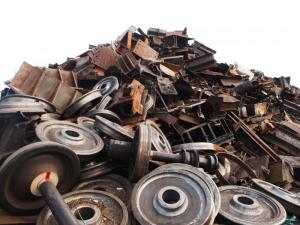
    old pieces of metal from broken machines, cars, etc. that can be melted down and used again

    They earn money by collecting scrap metal.

    พวกเขาหารายได้จากการเก็บเศษโลหะ

    คำพ้องความหมายdiscarded metalwaste metaljunk metalrecycled metal
    คำตรงข้ามvirgin metalprime metalnew metal
  45. 45

    switch off(phrasal verb)
    /swɪtʃ ɔ

    ปิด, ดับ

    to turn a light, machine, etc. off by pressing a switch or button

    Can you switch off the TV, please?

    ช่วยปิดโทรทัศน์หน่อยได้ไหม

    คำพ้องความหมายturn offdeactivatepower downshut down
    คำตรงข้ามturn onactivatepower upstart
  46. 46

    trash(noun)

    /træʃ/

    ขยะ

    things that you throw away because you no longer want or need them

    Don't throw trash on the street.

    อย่าทิ้งขยะบนถนน

    คำพ้องความหมายrubbishwastegarbagelitterdebris
    คำตรงข้ามtreasurevaluableassetresource
  47. 47

    trash can(noun)

    /ˈtræʃ kæn/

    ถังขยะ

    a container for people to put rubbish in, in the street or in a public building

    Please put rubbish in the trash can.

    กรุณาทิ้งขยะในถังขยะ

    คำพ้องความหมายgarbage canwastebasketrubbish bindustbinbin
    คำตรงข้ามtreasure cheststorage container
  48. 48

    waste food(noun)

    /weɪst fu

    เศษอาหาร

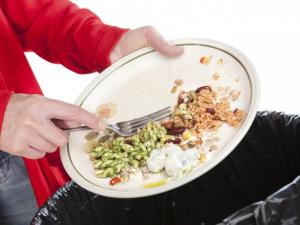
    food that is left over or not eaten and is thrown away

    We can use the waste food for feeding pigs.

    เราสามารถใช้เศษอาหารเลี้ยงหมูได้

    คำพ้องความหมายfood scrapsleftoversfood wastetable scrapsgarbage
    คำตรงข้ามfresh foodedible foodwholesome food
  49. 49

    waste paper(noun)

    /ˌweɪst ˈpeɪpər/

    เศษกระดาษ

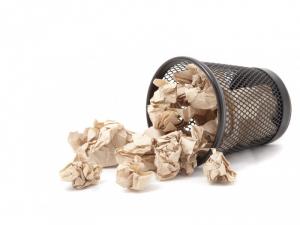
    paper that is not wanted and is thrown away

    We should collect waste paper.

    เราควรเก็บเศษกระดาษ

    คำพ้องความหมายscrap paperrecycled paperused paperdiscarded paperpaper waste
    คำตรงข้ามfresh paperunused paperclean papervirgin paper
  50. 50

    wild animal(noun)

    /waɪld 'æniməl/

    สัตว์ป่า

    an animal that lives in natural conditions and is not kept by people
    I saw a wild animal yesterday.

    เมื่อวานฉันเห็นสัตว์ป่า

    คำพ้องความหมายferal creatureuntamed beastcreature of the wild
    คำตรงข้ามdomesticated animaltame animalpet
  51. 51

    wild flower(noun)

    /waɪld ˈflaʊər/

    ดอกไม้ป่า

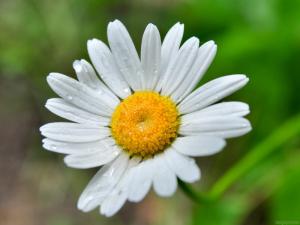
    a flower that grows naturally and has not been planted by people

    This wild flower is very beautiful.

    ดอกไม้ป่านี้สวยงามมาก

    คำพ้องความหมายmeadow flowernative floweruncultivated flowerfield flower
    คำตรงข้ามcultivated flowerdomesticated flowergarden flower
  52. 52

    waste(noun)

    /weɪst/

    ของเสีย, ขยะ

    materials that are no longer needed and are thrown away

    Factories should not dump their waste into the river.

    โรงงานไม่ควรทิ้งของเสียลงแม่น้ำ

  53. 53

    power(noun)

    /ˈpaʊər/

    ไฟฟ้า, พลังงาน

    energy that can be collected and used to operate machines, especially electricity

    They sometimes cut the power in the summer.

    บางครั้งพวกเขาตัดไฟในช่วงฤดูร้อน

  54. 54

    pick(verb)

    /pɪk/

    เก็บ, เด็ด, hái

    to take flowers, fruit, etc. from the plant or tree where they are growing

    They are picking ripe tomatoes.

    พวกเขากำลังเก็บมะเขือเทศสุก