सामग्री पर जाएँ

पाठ 16/16 · 54 शब्द · 0 याद हो गए

Lesson 16: MAN AND ENVIRONMENT

पाठ 16: मनुष्य और पर्यावरण

  1. 1

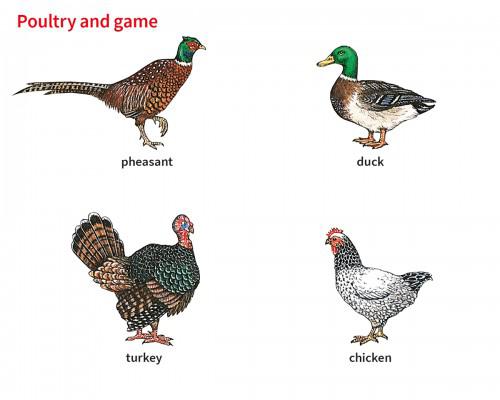
    chicken(noun)

    /ˈtʃɪkɪn/

    मुर्गी (murgi)

    a large bird that is often kept for its eggs or meat

    They keep chickens in the back yard.

    वे पिछवाड़े में मुर्गियाँ रखते हैं। (ve pichhvade mein murgiyaan rakhate hain.)

    free-range chickens

    समानार्थीpoultryfowlbiddy (informalfor a young hen)
    विलोमnone (in the literal sense of the animal)hawk (predator)
  2. 2

    empty(adjective)

    /ˈempti/

    खाली, रिक्त

    with no people or things inside

    The room is empty of furniture.

    कमरा फ़र्नीचर से खाली है।

    She emptied her mind of all thoughts of home.

    समानार्थीvacantvoidbareunoccupieddesolatehollow
    विलोमfulloccupiedfilledcomplete
  3. 3

    light(noun)

    /laɪt/

    रोशनी, प्रकाश

    the energy from the sun, a lamp, etc. that makes it possible to see things

    Plants need light from the sun to grow well.

    पौधों को अच्छी तरह बढ़ने के लिए सूरज की रोशनी चाहिए।

    समानार्थीilluminationbrightnessradianceglowsparkle
    विलोमdarknessshadowgloom
  4. 4

    rule(noun)

    /ruːl/

    नियम (niyam)

    a statement of what may, must or must not be done in a particular situation or when playing a game

    You need to follow the rules.

    आपको नियमों का पालन करना होगा। (aapko niyamo ka paalan karna hogaa)

    Eighty million years ago, dinosaurs ruled the earth.

    समानार्थीregulationprincipleguidelinelawstandardpreceptcanonorder
    विलोमlawlessnessdisorderchaosanarchyfreedomexemptionwaiver
  5. 5

    land(noun)

    /lænd/

    ज़मीन, भूमि, स्थल

    the surface of the earth that is not sea

    After weeks at sea, the sailors were happy to see land again.

    हफ़्तों समुद्र में रहने के बाद नाविक फिर से ज़मीन देखकर खुश हुए।

    समानार्थीgroundsoilestatepropertyterritoryacreage
    विलोमseaskyair
  6. 6

    cut(verb)

    /kʌt/

    काटना

    to divide, shorten or remove something using a knife, scissors or another sharp tool

    He cuts my hair.

    वह मेरे बाल काटता है।

    He cut himself (= his face) shaving.

    समानार्थीslicechopsevertrimcarvegashintersectreduce
    विलोमjoinconnectmendrepairattachfuse
  7. 7

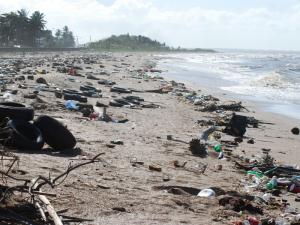
    pollution(noun)

    /pəˈluːʃn/

    प्रदूषण (pradushan)

    the process of making air, water, soil, etc. dirty; the state of being dirty

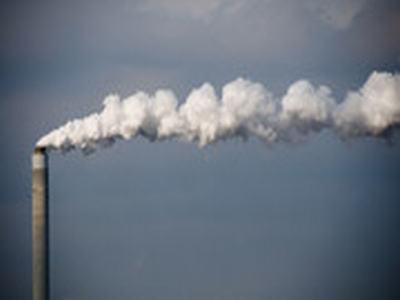
    Water pollution is becoming more serious now.

    जल प्रदूषण अब और गंभीर होता जा रहा है।

    air/water pollution

    समानार्थीcontaminationdefilementimpurityfoulnesstaintadulteration
    विलोमpurificationcleansingsterilizationclarificationpristineness
  8. 8

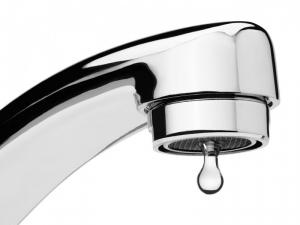
    faucet(noun)

    /ˈfɔːsɪt/

    नल (nal)

    a device that controls the flow of water from a pipe

    She always turns off the faucet after washing clothes.

    वह कपड़े धोने के बाद हमेशा नल बंद कर देती है।

    to turn a faucet on/off

    समानार्थीtapspigotvalve
  9. 9

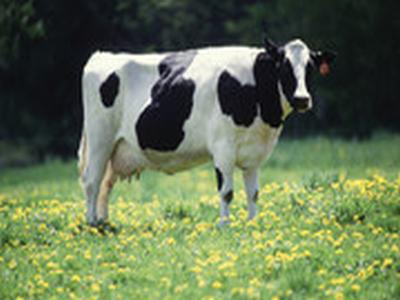
    cow(noun)

    /kaʊ/

    गाय (gaay)

    a large animal kept on farms to produce milk or beef

    They raise many cows.

    वे बहुत गायें पालते हैं। (Ve bahut gaayen paalte hain.)

    cow's milk

    समानार्थीcattlebovineheifer (young female cow)bull (male cow)calf (young cow)
    विलोमbullcalfother animals (e.g.horsesheeppig)
  10. 10

    ocean(noun)

    /ˈəʊʃn/

    महासागर (mahāsāgar)

    the mass of salt water that covers most of the earth’s surface

    Ocean levels are rising.

    समुद्र का स्तर बढ़ रहा है। (samudra ka star badh raha hai.)

    समानार्थीseabrinedeep
    विलोमlandcontinentearth
  11. 11

    damage(noun)

    /ˈdæmɪdʒ/

    नुकसान (nuksaan)

    physical harm caused to something which makes it less attractive, useful or valuable

    The damage to his car was considerable.

    उसकी कार को काफी नुकसान हुआ था। (Uski car ko kaafi nuksaan hua tha.)

    Smoking seriously damages your health.

    समानार्थीharminjuryimpairmentdestructionloss
    विलोमrepairimprovementbenefitadvantagerestoration
  12. 12

    save(verb)

    /seɪv/

    बचाना, बचत करना

    to avoid wasting something or using more of it than necessary

    We need to save power.

    हमें बिजली बचानी चाहिए।

    Doctors were unable to save her.

    समानार्थीconservepreserveprotectstorerescueretainsalvage
    विलोमwastespendlosesquanderexpendendanger
  13. 13

    produce(verb)

    /prəˈduːs/

    उत्पादन करना (utpaadan karna)

    to make things to be sold, especially in large quantities

    People produce a lot of goods every year.

    लोग हर साल बहुत सारे सामान का उत्पादन करते हैं। (Log har saal bahut saare saamaan ka utpaadan karte hain.)

    The train now standing at platform 1 is for Leeds.

    समानार्थीgeneratecreatemanufactureyieldbear
    विलोमconsumedestroyhaltstop
  14. 14

    oil(noun)

    /ɔɪl/

    तेल (tel)

    a thick liquid that is found in rock underground

    We are burning too much coal and oil.

    हम बहुत अधिक कोयला और तेल जला रहे हैं।

    What's your name?

    समानार्थीpetroleumcrude oilmineral oillubricantfuel
    विलोमwaterrenewable energyalternative fuel
  15. 15

    cat(noun)

    /kæt/

    बिल्ली (billee)

    a small animal with soft fur that people often keep as a pet. Cats catch and kill birds and mice.

    I love cats.

    मुझे बिल्लियाँ पसंद हैं। (mujhe billiyaan pasand hain.)

    a long-distance call

    समानार्थीfelinekittypussycat
    विलोमdogcanine
  16. 16

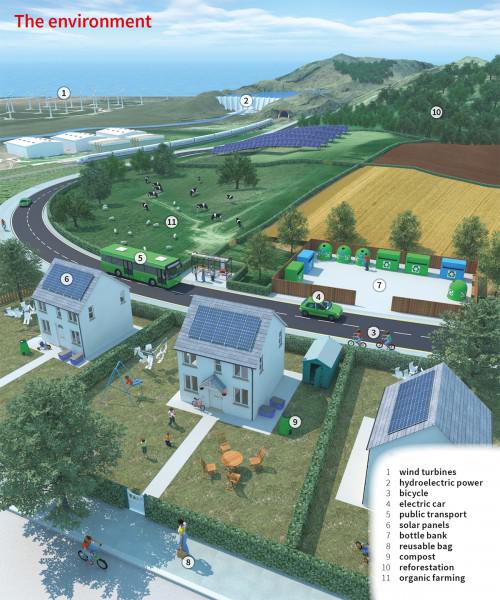
    environment(noun)

    /ɪnˈvaɪrənmənt/

    पर्यावरण (paryavaran)

    the natural world in which people, animals and plants live

    We have to protect our environment.

    हमें अपने पर्यावरण की रक्षा करनी चाहिए। (Hamen apne paryavaran ki raksha karni chahiye.)

    They have created an environment in which productivity should flourish.

    समानार्थीsurroundingshabitatecosystemsettingworld
    विलोमnone (in the sense of a single word opposite)
  17. 17

    plastic(noun)

    /ˈplæstɪk/

    प्लास्टिक

    a light strong material that is produced by chemical processes and can be formed into shapes when heated. There are many different types of plastic , used to make different objects and fabrics .

    These bottles are made from plastic.

    ये बोतलें प्लास्टिक से बनी हैं।

    समानार्थीsyntheticpolymeracrylicresin
    विलोमnaturalorganicbiodegradable
  18. 18

    destroy(verb)

    /dɪˈstrɔɪ/

    नष्ट करना (nasht karna)

    to damage something so badly that it no longer exists, works, etc.

    We can't destroy the forests anymore.

    हम अब जंगलों को नष्ट नहीं कर सकते।

    They've destroyed all the evidence.

    समानार्थीdemolishruinannihilateobliteratewreckdevastateeradicate
    विलोमcreatebuildconstructpreserveprotectrepair
  19. 19

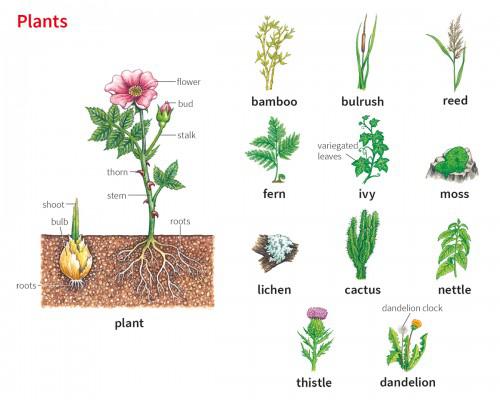
    plant(noun)

    /plænt/

    पौधा (paudha)

    a living thing that grows in the earth and usually has a stem , leaves and roots, especially one that is smaller than a tree or bush

    Do you know this plant?

    क्या तुम इस पौधे को जानते हो? (Kya tum is paudhe ko jaante ho?)

    All plants need light and water.

    समानार्थीvegetationfloraherbshrubtree
    विलोमanimalfauna
  20. 20

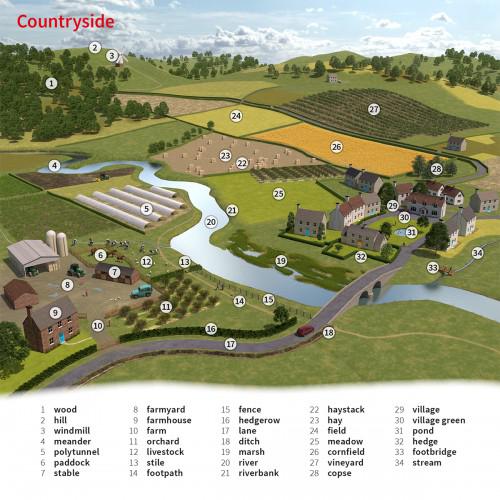
    field(noun)

    /fiːld/

    खेत (khet)

    an area of land in the country used for growing crops or keeping animals in, usually surrounded by a fence, etc.

    My parents are working in the field.

    मेरे माता-पिता खेत में काम कर रहे हैं।

    We camped in a field near the village.

    समानार्थीareapatchgroundmeadowpasturearenaspheredomain
    विलोमindoorsofficecity
  21. 21

    metal(noun)

    /ˈmetl/

    धातु (dhaatu)

    a type of solid mineral substance that is usually hard and shiny and that heat and electricity can travel through, for example tin, iron and gold

    The frame is made of metal.

    फ्रेम धातु से बना है। (phrem dhaatu se bana hai.)

    a piece of metal

    समानार्थीmineraloreelement
    विलोमnonmetalorganicplastic
  22. 22

    animal(noun)

    /ˈænɪml/

    जानवर (jaanvar)

    a creature that is not a bird, a fish, a reptile , an insect or a human

    There are many kinds of animals in this zoo.

    इस चिड़ियाघर में कई प्रकार के जानवर हैं।

    This product has not been tested on animals.

    समानार्थीcreaturebeastfaunabeing
    विलोमplantvegetationmineralinanimate object
  23. 23

    pull(verb)

    /pʊl/

    खींचना

    to take hold of something and use force in order to move it or try to move it towards yourself

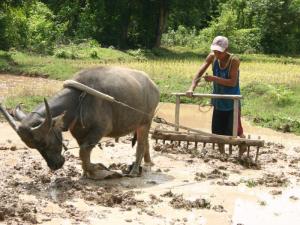
    The cow has to pull the cart.

    गाय को गाड़ी खींचनी है।

    Stop pulling her hair!

    समानार्थीtugdraghaulyankdraw
    विलोमpushthrustpropel
  24. 24

    throw(verb)

    /θrəʊ/

    फेंकना

    to send something from your hand through the air by moving your hand or arm quickly

    You shouldn't throw trash out the window.

    तुम्हें खिड़की से बाहर कचरा नहीं फेंकना चाहिए।

    They had a competition to see who could throw the furthest.

    समानार्थीtosshurlflingpitchcastpropel
    विलोमcatchgrabholdkeepretain
  25. 25

    burn(verb)

    /bɜːrn/

    जलना, जलाना

    to produce flames and heat

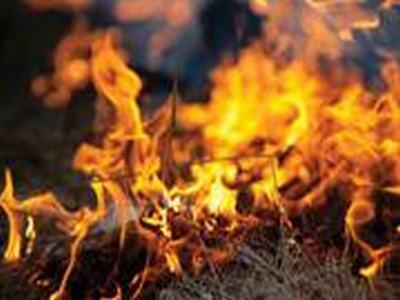
    People should not burn plastic because it pollutes the air.

    लोगों को प्लास्टिक नहीं जलाना चाहिए क्योंकि इससे हवा प्रदूषित होती है।

    समानार्थीscorchsearblazeinflammationinjury
    विलोमextinguishcoolsoothefreeze
  26. 26

    collect(verb)

    /kəˈlekt/

    इकट्ठा करना, संग्रह करना

    to bring things together from different people or places, or to gather objects as a hobby

    I often collect stamps.

    मैं अक्सर डाक टिकट इकट्ठा करता हूँ।

    to collect data/evidence/information

    समानार्थीgatheraccumulateassembleacquiregarneramasscompilehoard
    विलोमdispersescatterdistributeseparateabandondiscard
  27. 27

    wild(adjective)

    /waɪld/

    जंगली, वन्य

    living or growing in natural conditions; not kept in a house or on a farm

    Many wild animals live in this forest.

    इस जंगल में कई जंगली जानवर रहते हैं।

    समानार्थीuntamedferaluncultivatednaturalsavageundomesticateduncontrolled
    विलोमtamedomesticatedcultivatedcontrolledmild
  28. 28

    air(noun)

    /er/

    हवा (hava)

    the mixture of gases that surrounds the earth and that we breathe

    I like the fresh air in the countryside.

    मुझे गाँव में ताज़ी हवा पसंद है। (mujhe gaanv mein taazi hava pasand hai.)

    The act lays down a minimum standard for air quality.

    समानार्थीatmospherebreezewinddraft
    विलोमstillnessvacuumstagnation
  29. 29

    gas(noun)

    /ɡæs/

    गैस, वायु

    any substance like air that is neither a solid nor a liquid, for example hydrogen or oxygen

    Oxygen is a gas that all animals need in order to breathe.

    ऑक्सीजन एक गैस है जिसकी सभी जानवरों को साँस लेने के लिए ज़रूरत होती है।

    समानार्थीfuelvaporair
    विलोमsolidliquid
  30. 30

    Turn off(phrasal verb)

    /tɜːrn ɔːf/

    बंद करना, बुझाना

    to stop the flow of electricity, gas, water, etc. by moving a switch or button

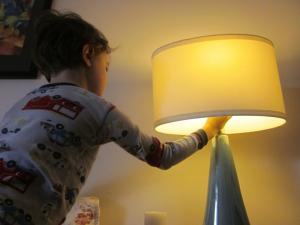
    The hall lights have all been turned off.

    हॉल की सभी बत्तियाँ बंद कर दी गई हैं।

    समानार्थीSwitch offShut offDeactivatePower downExtinguishCut offStop
    विलोमTurn onActivateSwitch onStartIgnitePower on
  31. 31

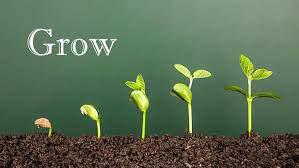
    Grow(verb)

    /ɡrəʊ/

    उगना (ugana)

    to increase in size, number, strength or quality

    The region is too dry for plants to grow.

    यह क्षेत्र पौधों के उगने के लिए बहुत सूखा है।

    समानार्थीdevelopincreaseexpandcultivateflourish
    विलोमshrinkdeclinewitherdecreasediminish
  32. 32

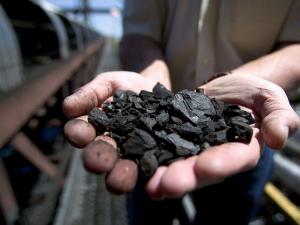
    coal(noun)

    /kəʊl/

    कोयला (koyla)

    a hard black mineral that is found below the ground and burnt to produce heat

    Coal can be used for cooking.

    कोयला खाना पकाने के लिए इस्तेमाल किया जा सकता है। (Koyla khana pakane ke lie istemal kiya ja sakta hai.)

    समानार्थीcarbonfuelblack gold
    विलोमrenewable energysolar powerwind energy
  33. 33

    pollute(verb)

    /pəˈluːt/

    प्रदूषित करना

    to add dirty or harmful substances to land, air, water, etc. so that it is no longer pleasant or safe to use

    People should not pollute their environment.

    लोगों को अपने पर्यावरण को प्रदूषित नहीं करना चाहिए।

    समानार्थीcontaminatetaintdefilefouldirtycorruptdebase
    विलोमpurifycleansanitizedecontaminatepreserve
  34. 34

    leave(verb)

    /liːv/

    छोड़ना

    to go away from a person or a place

    When do they leave their house?

    वे अपना घर कब छोड़ते हैं?

    समानार्थीdepartexitabandonquitvacatego
    विलोमarrivestayremainenterkeep
  35. 35

    danger(noun)

    /ˈdeɪndʒər/

    खतरा (khatra)

    the possibility of something happening that will injure, harm or kill somebody, or damage or destroy something

    Is there any danger here?

    क्या यहाँ कोई खतरा है? (Kya yahan koi khatra hai?)

    समानार्थीhazardperilriskthreatjeopardy
    विलोमsafetysecurityprotectioncertainty
  36. 36

    be in danger(phrase)

    /biː ɪn 'deɪndʒər/

    खतरे में होना

    to be in a situation where harm, damage or death is possible

    Many animals are in danger.

    कई जानवर खतरे में हैं।

    समानार्थीat riskthreatenedimperiledvulnerable
    विलोमsafesecureprotectedout of danger
  37. 37

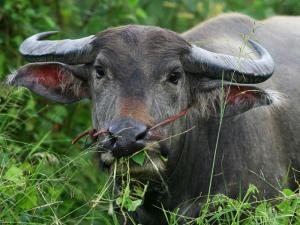
    buffalo(noun)

    /ˈbʌfələʊ/

    भैंस

    a large animal of the cow family that has wide, curved horns . There are two types of buffalo , the African and the Asian.

    He has a buffalo.

    उसके पास एक भैंस है।

    समानार्थीbisonwater buffalo
    विलोमcattlecow
  38. 38

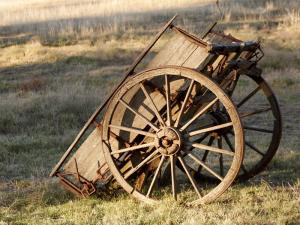
    cart(noun)

    /kɑːrt/

    बैलगाड़ी, घोड़ागाड़ी

    a vehicle with two or four wheels that is pulled by a horse and used for carrying loads

    There is a cart over there.

    वहाँ एक बैलगाड़ी है।

    समानार्थीwagontrolleyhandcartvehicle
    विलोमnone (depending on contextcan be replaced with other transport)
  39. 39

    dripping faucet(noun)

    /ˈdrɪpɪŋ ˈfɔːsɪt/

    टपकता नल

    a tap that lets water fall out in drops because it is not closed properly

    When you see a dripping faucet, turn it off.

    जब आप टपकता नल देखें, तो उसे बंद कर दें।

    समानार्थीleaky faucetleaking tapdripping tap
    विलोमdry faucetnon-dripping faucetsealed faucet
  40. 40

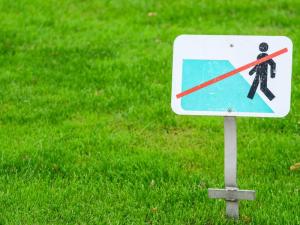
    keep off(phrasal verb)

    /ki

    से दूर रहना, पर न चलना

    to not go onto a particular area of land

    Please keep off the grass.

    कृपया घास पर न चलें।

    समानार्थीavoidstay away fromrefrain fromdesist from
    विलोमapproachstep onenter
  41. 41

    plants and animals(noun)

    /plɑ

    पौधे और जानवर (paudhe aur jaanavar)

    all the living things, such as trees, flowers and creatures, that are found in a particular place

    There are various kinds of plants and animals here.

    यहां विभिन्न प्रकार के पौधे और जानवर हैं। (Yahaan vibhinn prakaar ke paudhe aur jaanavar hain.)

    समानार्थीbiotawildlifenatural lifeliving thingsorganisms
    विलोमinanimate objectsnon-living thingsartificial things
  42. 42

    plow(noun)

    /plaʊ/

    हल (hal)

    a large piece of farming equipment with one or several curved blades , (= metal cutting parts) pulled by a tractor or by animals. It is used for digging and turning over soil, especially before seeds are planted.

    I have never seen a plow.

    मैंने कभी हल नहीं देखा।

    समानार्थीtillerfarm implementcultivator
    विलोमNone (as a specific tool)weedharvest
  43. 43

    recycle(verb)

    /ˌriːˈsaɪkl/

    पुनर्चक्रण (punarchakran)

    to treat things that have already been used so that they can be used again

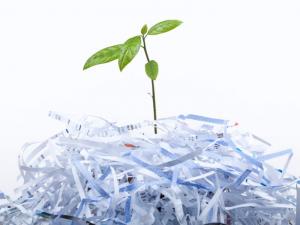
    We can recycle waste paper.

    हम बेकार कागज़ को पुनर्चक्रित कर सकते हैं। (Ham bekaar kaagaz ko punarchakrit kar sakte hain.)

    समानार्थीreusereclaimreprocessrecoversalvage
    विलोमdiscarddisposewastedump
  44. 44

    scrap metal(noun)

    /skræp 'metl/

    कबाड़ धातु (kabaad dhaatu)

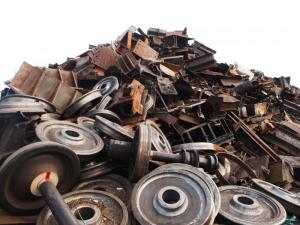
    old pieces of metal from broken machines, cars, etc. that can be melted down and used again

    They earn money by collecting scrap metal.

    वे कबाड़ धातु इकट्ठा करके पैसे कमाते हैं।

    समानार्थीdiscarded metalwaste metaljunk metalrecycled metal
    विलोमvirgin metalprime metalnew metal
  45. 45

    switch off(phrasal verb)

    /swɪtʃ ɔ

    बंद करना, स्विच ऑफ़ करना

    to turn a light, machine, etc. off by pressing a switch or button

    Can you switch off the TV, please?

    क्या आप टीवी बंद कर सकते हैं, कृपया?

    समानार्थीturn offdeactivatepower downshut down
    विलोमturn onactivatepower upstart
  46. 46

    trash(noun)

    /træʃ/

    कचरा

    things that you throw away because you no longer want or need them

    Don't throw trash on the street.

    सड़क पर कचरा मत फेंको।

    समानार्थीrubbishwastegarbagelitterdebris
    विलोमtreasurevaluableassetresource
  47. 47

    trash can(noun)

    /ˈtræʃ kæn/

    कचरा पेटी (kachara peti)

    a container for people to put rubbish in, in the street or in a public building

    Please put rubbish in the trash can.

    कृपया कचरा कचरा पेटी में डालें।

    समानार्थीgarbage canwastebasketrubbish bindustbinbin
    विलोमtreasure cheststorage container
  48. 48

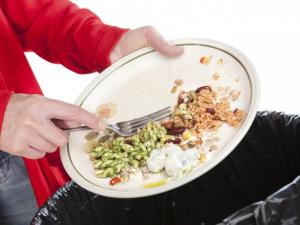
    waste food(noun)

    /weɪst fu

    बचा हुआ खाना (bacha hua khana)

    food that is left over or not eaten and is thrown away

    We can use the waste food for feeding pigs.

    हम बचा हुआ खाना सुअरों को खिलाने के लिए उपयोग कर सकते हैं। (ham bacha hua khana suaron ko khilane ke lie upayog kar sakte hain.)

    समानार्थीfood scrapsleftoversfood wastetable scrapsgarbage
    विलोमfresh foodedible foodwholesome food
  49. 49

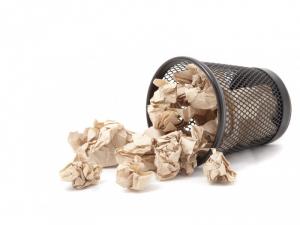
    waste paper(noun)

    /ˌweɪst ˈpeɪpər/

    रद्दी कागज़ (raddi kagaz)

    paper that is not wanted and is thrown away

    We should collect waste paper.

    हमें रद्दी कागज़ इकट्ठा करना चाहिए।

    समानार्थीscrap paperrecycled paperused paperdiscarded paperpaper waste
    विलोमfresh paperunused paperclean papervirgin paper
  50. 50

    wild animal(noun)

    /waɪld 'æniməl/

    जंगली जानवर (jangli jaanwar)

    an animal that lives in natural conditions and is not kept by people

    I saw a wild animal yesterday.

    मैंने कल एक जंगली जानवर देखा। (Maine kal ek jangli jaanwar dekha.)

    समानार्थीferal creatureuntamed beastcreature of the wild
    विलोमdomesticated animaltame animalpet
  51. 51

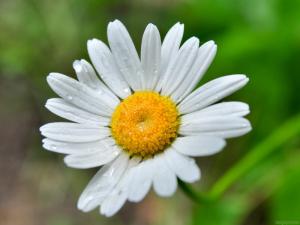
    wild flower(noun)

    /waɪld ˈflaʊər/

    जंगली फूल (jangli phool)

    a flower that grows naturally and has not been planted by people

    This wild flower is very beautiful.

    यह जंगली फूल बहुत सुंदर है।

    समानार्थीmeadow flowernative floweruncultivated flowerfield flower
    विलोमcultivated flowerdomesticated flowergarden flower
  52. 52

    waste(noun)

    /weɪst/

    कचरा, अपशिष्ट

    materials that are no longer needed and are thrown away

    Factories should not dump their waste into the river.

    कारखानों को अपना कचरा नदी में नहीं डालना चाहिए।

  53. 53

    power(noun)

    /ˈpaʊər/

    बिजली, ऊर्जा

    energy that can be collected and used to operate machines, especially electricity

    They sometimes cut the power in the summer.
    गर्मियों में वे कभी-कभी बिजली काट देते हैं।

  54. 54

    pick(verb)

    /pɪk/

    तोड़ना, चुनना

    to take flowers, fruit, etc. from the plant or tree where they are growing
    They are picking ripe tomatoes.

    वे पके हुए टमाटर तोड़ रहे हैं।