레슨 16/16 · 54단어 · 외운 단어 0
Lesson 16: MAN AND ENVIRONMENT
16과: 인간과 환경
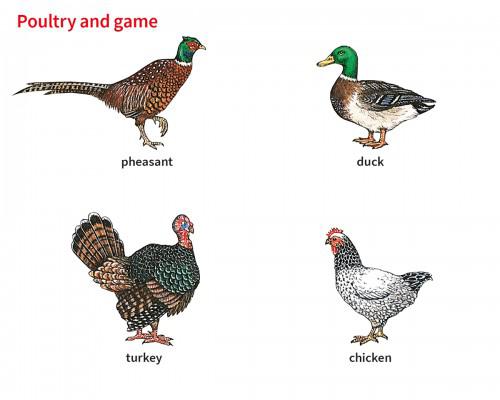
닭 (dak)
a large bird that is often kept for its eggs or meat
They keep chickens in the back yard.
그들은 뒷마당에서 닭을 키운다. (Geudeureun dwitmadangeseo dakeul kiunda.)
free-range chickens
유의어poultryfowlbiddy (informalfor a young hen)반의어none (in the literal sense of the animal)hawk (predator)규칙 (gyuchik)
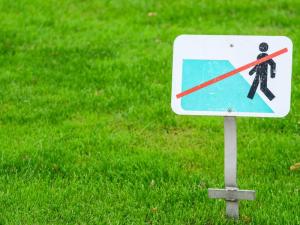
a statement of what may, must or must not be done in a particular situation or when playing a game
You need to follow the rules.
당신은 규칙을 따라야 합니다. (dangshineun gyuchigeul ttaraya hamnida)
Eighty million years ago, dinosaurs ruled the earth.
유의어regulationprincipleguidelinelawstandardpreceptcanonorder반의어lawlessnessdisorderchaosanarchyfreedomexemptionwaiver오염 (oyeom)
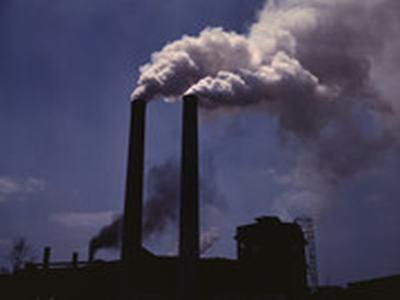
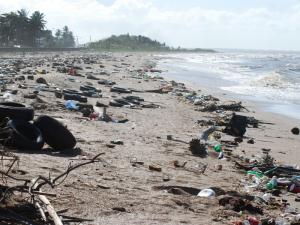
the process of making air, water, soil, etc. dirty; the state of being dirty
Water pollution is becoming more serious now.
수질 오염이 점점 더 심각해지고 있습니다.
air/water pollution
유의어contaminationdefilementimpurityfoulnesstaintadulteration반의어purificationcleansingsterilizationclarificationpristineness손해 (sonhae)
physical harm caused to something which makes it less attractive, useful or valuable
The damage to his car was considerable.
그의 차에 입은 손해가 상당했다. (Geuui chae ibeun sonhaega sangdanghaetta.)
Smoking seriously damages your health.
유의어harminjuryimpairmentdestructionloss반의어repairimprovementbenefitadvantagerestoration생산하다 (saengsanhada)
to make things to be sold, especially in large quantities
People produce a lot of goods every year.
사람들은 매년 많은 상품을 생산합니다. (Sarameun maenyeon maneun sangpumeul saengsanhapnida.)
The train now standing at platform 1 is for Leeds.
유의어generatecreatemanufactureyieldbear반의어consumedestroyhaltstop환경 (hwangyeong)
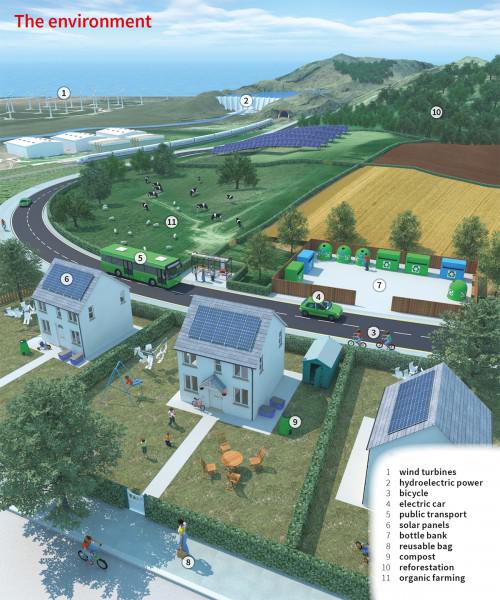
the natural world in which people, animals and plants live
We have to protect our environment.
우리는 우리 환경을 보호해야 합니다. (urineun uri hwangyeong-eul bohohaeya hamnida.)
They have created an environment in which productivity should flourish.
유의어surroundingshabitatecosystemsettingworld반의어none (in the sense of a single word opposite)플라스틱
a light strong material that is produced by chemical processes and can be formed into shapes when heated. There are many different types of plastic , used to make different objects and fabrics .
These bottles are made from plastic.
이 병들은 플라스틱으로 만들어졌습니다.
유의어syntheticpolymeracrylicresin반의어naturalorganicbiodegradable파괴하다 (pagoehada)
to damage something so badly that it no longer exists, works, etc.
We can't destroy the forests anymore.
우리는 더 이상 숲을 파괴할 수 없습니다.
They've destroyed all the evidence.
유의어demolishruinannihilateobliteratewreckdevastateeradicate반의어createbuildconstructpreserveprotectrepair들판 (deulpan)
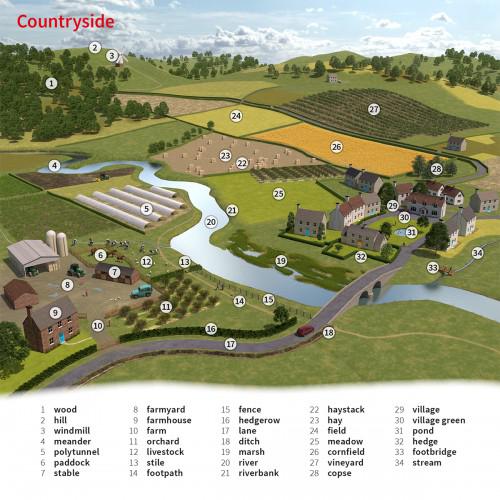
an area of land in the country used for growing crops or keeping animals in, usually surrounded by a fence, etc.
My parents are working in the field.
부모님은 들판에서 일하고 계십니다.
We camped in a field near the village.
유의어areapatchgroundmeadowpasturearenaspheredomain반의어indoorsofficecity모으다, 수집하다
to bring things together from different people or places, or to gather objects as a hobby
I often collect stamps.
나는 종종 우표를 수집한다.
to collect data/evidence/information
유의어gatheraccumulateassembleacquiregarneramasscompilehoard반의어dispersescatterdistributeseparateabandondiscard공기 (gong-gi)
the mixture of gases that surrounds the earth and that we breathe
I like the fresh air in the countryside.
나는 시골의 신선한 공기가 좋다. (naneun sigolui sinseonhan gonggiga jota.)
The act lays down a minimum standard for air quality.
유의어atmospherebreezewinddraft반의어stillnessvacuumstagnation동식물 (dongsikmul)
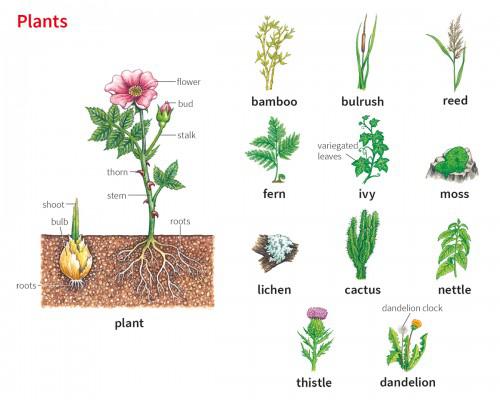
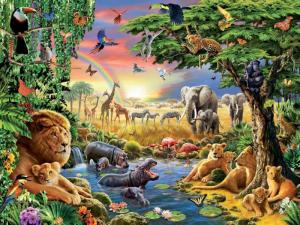
all the living things, such as trees, flowers and creatures, that are found in a particular place
There are various kinds of plants and animals here.
여기에는 다양한 종류의 동식물이 있습니다. (Yeogieneun dayanghan jongnyuui dongsikmuri isseumnida.)
유의어biotawildlifenatural lifeliving thingsorganisms반의어inanimate objectsnon-living thingsartificial things쟁기 (jaenggi)
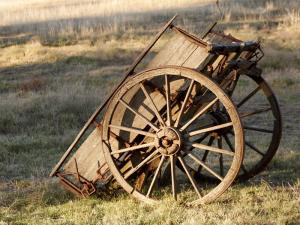
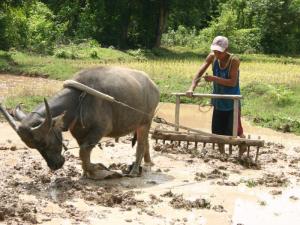
a large piece of farming equipment with one or several curved blades , (= metal cutting parts) pulled by a tractor or by animals. It is used for digging and turning over soil, especially before seeds are planted.
I have never seen a plow.
나는 쟁기를 본 적이 없습니다.
유의어tillerfarm implementcultivator반의어None (as a specific tool)weedharvest음식물 쓰레기 (eumsikmul sseuregi)
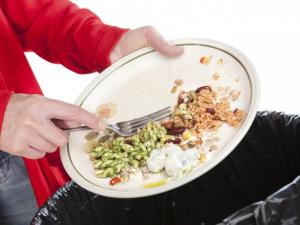
food that is left over or not eaten and is thrown away
We can use the waste food for feeding pigs.
우리는 음식물 쓰레기를 돼지 먹이로 사용할 수 있습니다. (urineun eumsikmul sseuregireul dwaeji meogiro sayonghal su 있습니다.)
유의어food scrapsleftoversfood wastetable scrapsgarbage반의어fresh foodedible foodwholesome food야생 동물 (yasaeng dongmul)
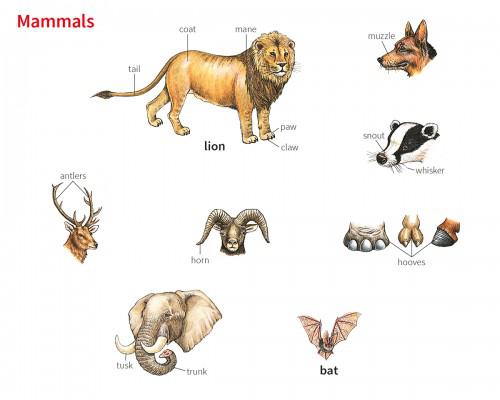
an animal that lives in natural conditions and is not kept by people
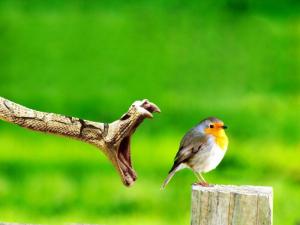
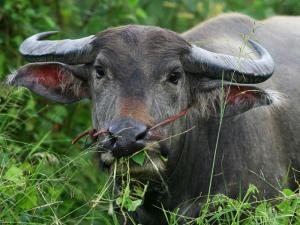
I saw a wild animal yesterday.
어제 나는 야생 동물을 봤어요. (Eojee naneun yasaeng dongmureul bwasseoyo.)
유의어feral creatureuntamed beastcreature of the wild반의어domesticated animaltame animalpet