पाठ 22/38 · 66 शब्द · 0 याद हो गए
Society Culture
समाज और संस्कृति
क्रांति
an attempt, by a large number of people, to change the government of a country, especially by violent action
The French Revolution began in 1789 and changed the government of France.
फ्रांसीसी क्रांति 1789 में शुरू हुई और उसने फ्रांस की सरकार को बदल दिया।
समानार्थीupheavaloverthrowtransformationchangeturnaroundrevoltinsurrectionविलोमstabilitystatus quoconservationorderpeaceपृष्ठभूमि (pristhabhoomi)
the details of a person’s family, education, experience, etc.
Your background in the publishing industry is a definite asset for this job
प्रकाशन उद्योग में आपका अनुभव इस नौकरी के लिए एक निश्चित संपत्ति है।
The employer did a complete background check before offering him the job
समानार्थीhistoryexperiencecredentialseducationqualificationspastgroundworkcontextविलोमforegroundfuturelack of experienceunfamiliarityरवैया (ravaiya)
the way that you think and feel about somebody/something; the way that you behave towards somebody/something that shows how you think and feel
Each investor should assess his or her own attitude toward investment
प्रत्येक निवेशक को निवेश के प्रति अपने स्वयं के रवैये का आकलन करना चाहिए।
The new fund manager's attitude changed quickly after the first big downturn in the market
समानार्थीopinionoutlookperspectiveviewpointdemeanorapproachstanceविलोमindifferenceapathydisinterestपरंपरा
the way in which something is done that most people in a society expect and consider to be polite or the right way to do it
Convention demands that a club member should resign in such a situation.
परिपाटी यह मांग करती है कि ऐसी स्थिति में क्लब के सदस्य को इस्तीफा दे देना चाहिए।
By convention the deputy leader was always a woman.
समानार्थीcustompracticetraditionnormagreementmeetingविलोमunconventionalitydeviationirregularitydepartureoriginalityधर्म (dharm)
the belief in the existence of a god or gods, and the activities that are connected with the worship of them, or in the teachings of a spiritual leader
Christianity, Islam and Judaism are known as Abrahamic religions.
ईसाई धर्म, इस्लाम और यहूदी धर्म अब्राहमी धर्मों के रूप में जाने जाते हैं। (Īsāī dharm, islām aur yahūdī dharm abrāhamī dharmon ke rūp men jāne jāte hain.)
He went very quiet(= did not say much) so I knew he was upset.
समानार्थीfaithbeliefcreeddoctrinedenominationsectworshipspiritualityविलोमatheismirreligionsecularismagnosticismdisbeliefसमुदाय (samuday)
all the people who live in a particular area, country, etc. when talked about as a group
They want to do something useful and meaningful for the community.
वे समुदाय के लिए कुछ उपयोगी और सार्थक करना चाहते हैं।
the international community (= the countries of the world as a group)
समानार्थीsocietypublicgrouppopulationneighborhoodfellowshipविलोमindividualisolationseparationसमाज (samaaj)
people in general, living together in communities
They carried out research into the roles of men and women in today's society
उन्होंने आज के समाज में पुरुषों और महिलाओं की भूमिकाओं पर शोध किया।
Racism exists at all levels of society.
समानार्थीcommunitycivilizationculturepopulationpublicविलोमisolationsolitudeindividualismरीति-रिवाज़ (reeti-rivaaz)
an accepted way of behaving or of doing things in a society or a community
In my country, it's the custom for women to get married at 20 years old.
मेरे देश में, महिलाओं के लिए 20 साल की उम्र में शादी करना रीति-रिवाज़ है।
the custom of giving presents at Christmas
समानार्थीtraditionpracticehabitconventionusageritualmannerविलोमunconventionalitydeparturedeviationabnormalityirregularityउम्र
the number of years that a person has lived or a thing has existed
She was beginning to feel her age(= feel that she was getting old).
वह अपनी उम्र महसूस करने लगी थी (= महसूस हुआ कि वह बूढ़ी हो रही है)।
He left school at the age of 18.
समानार्थीmaturitysenioritygenerationperiodstageविलोमyouthchildhoodinfancyआधुनिक (aadhunik)
of the present time or recent times
Hanoi is more modern than Yen Bai.
हनोई येन बाई से अधिक आधुनिक है।
Stress is a major problem of modern life.
समानार्थीcontemporarynewcurrentup-to-datestate-of-the-artinnovativeविलोमold-fashionedtraditionalancientoutdatedobsoleteपीढ़ी (peedhi)
all the people who were born at about the same time
My generation have grown up without the experience of a world war.
मेरी पीढ़ी विश्व युद्ध के अनुभव के बिना बड़ी हुई है।
I often wonder what future generations will make of our efforts.
समानार्थीage groupcohortbreedlineageprogenysuccessionविलोमindividualspecificoneधार्मिक
connected with religion or with a particular religion
The old temple is an important religious building for local people.
यह पुराना मंदिर स्थानीय लोगों के लिए एक महत्वपूर्ण धार्मिक इमारत है।
समानार्थीdevoutpiousgodlyspiritualbelievingविलोमirreligioussecularatheisticagnosticunbelievingविश्वास (vishvaas)
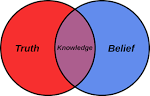
a strong feeling that something/somebody exists or is true; confidence that something/somebody is good or right
Vietnamese people have some beliefs about Tet.
वियतनामी लोगों की टेट के बारे में कुछ मान्यताएँ हैं। (viyatnaamee logon kee tet ke baare mein kuchh maanyataen hain.)
I admire his passionate belief in what he is doing.
समानार्थीfaithtrustconvictionopinionfeelingassumptionविलोमdisbeliefdoubtskepticismdistrustdenialन्याय (nyay)
the fair treatment of people
laws based on the principles of justice
न्याय के सिद्धांतों पर आधारित कानून (nyay ke siddhanton par adharit kanun)
They are demanding equal rights and justice.
समानार्थीfairnessequityrighteousnessimpartialitylawfulnessविलोमinjusticeunfairnessinequitypartialitywrongdoingदान
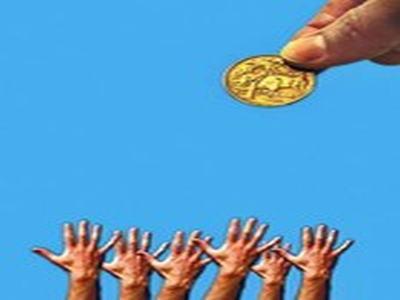
an organization for helping people in need
At our last meeting, we decided to organize a football match to raise money for charity.
हमारी पिछली बैठक में, हमने दान के लिए धन जुटाने के लिए एक फुटबॉल मैच आयोजित करने का फैसला किया।
The concert will raise money for local charities.
समानार्थीbenevolencegenerosityhumanityphilanthropygoodwillविलोमcrueltymeannessselfishnessgreedआप्रवासन
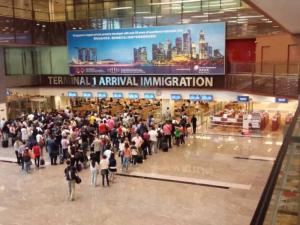
the process of coming to live permanently in a different country from the one you were born in; the number of people who do this
Immigration has significantly changed the country's demographics.
आप्रवासन ने देश की जनसांख्यिकी को काफी बदल दिया है।
समानार्थीmigrationsettlingrelocationnaturalizationविलोमemigrationdeportationrepatriationविविधता, विभिन्नता
a range of many people or things that are very different from each other
Our city is proud of its cultural diversity and its many festivals.
हमारा शहर अपनी सांस्कृतिक विविधता और अपने अनेक त्योहारों पर गर्व करता है।
समानार्थीvarietymultiplicitydifferenceheterogeneityrangeassortmentविलोमsimilarityuniformityhomogeneitysamenessmonotonyजातीय (jaateey)
connected with or belonging to a group of people that share a cultural tradition
Vietnam has 54 ethnic groups with a population of 86 million people.
वियतनाम में 54 जातीय समूह हैं जिनकी जनसंख्या 8.6 करोड़ है।
समानार्थीracialculturalnationaltribalविलोमnonethnicmainstreamgeneralअसमानता, विषमता
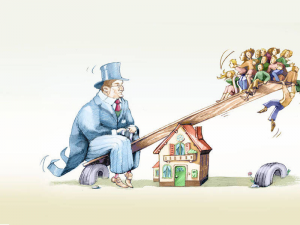
the unfair difference between groups of people in society, when some have more wealth, status or opportunities than others
The free market program has widened social inequality to an unprecedented degree.
मुक्त बाज़ार कार्यक्रम ने सामाजिक असमानता को अभूतपूर्व स्तर तक बढ़ा दिया है।
समानार्थीdisparityimbalanceinequitybiasunfairnessdisproportionविलोमequalityequityfairnessbalanceimpartialityपूर्वाग्रह (poorvaagrah)
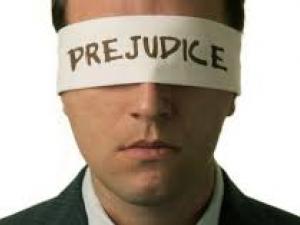
an unreasonable dislike of or preference for a person, group, custom, etc., especially when it is based on their race, religion, sex, etc.
Governmental programs must be administered without prejudice.
सरकारी कार्यक्रमों को बिना पूर्वाग्रह के प्रशासित किया जाना चाहिए।
समानार्थीbiaspartialitydiscriminationunfairnessbigotrypredilectionleaningविलोमfairnessimpartialityobjectivitytoleranceopen-mindednessसहनशीलता (sahansheelta)
the quality of being willing to accept or tolerate somebody/something, especially opinions or behaviour that you may not agree with, or people who are not like you
She had no tolerance for jokes of any kind.
उसमें किसी भी तरह के मज़ाक़ के लिए कोई सहनशीलता नहीं थी।
समानार्थीpatienceforbearanceunderstandingacceptanceleniencyenduranceविलोमintoleranceprejudicebigotrynarrow-mindednessimpatienceनागरिकता, नागरिक कर्तव्य
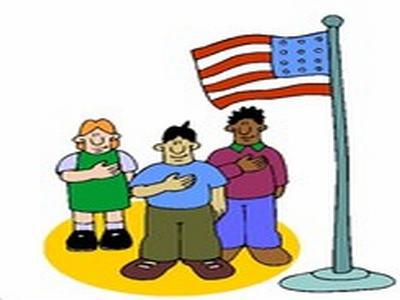
the state of being a citizen and accepting the responsibilities of it
The schools should be responsible for teaching our children good citizenship.
स्कूलों की ज़िम्मेदारी है कि वे हमारे बच्चों को अच्छी नागरिकता सिखाएँ।
समानार्थीnationalitycivilitycivic dutycivic virtuemembershipallegianceविलोमalienationstatelessnessdenationalizationexpatriationजनजाति, कबीला
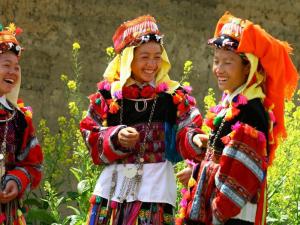
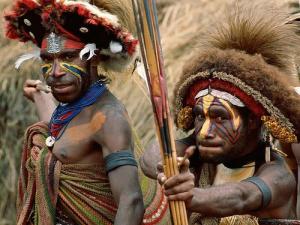
a social group in a traditional society consisting of people with the same language, culture, religion, etc., living in a particular area and often having one leader known as a chief
Many tribes live in the mountains and keep their own language and customs.
कई जनजातियाँ पहाड़ों में रहती हैं और अपनी भाषा और रीति-रिवाज़ बनाए रखती हैं।
समानार्थीclangroupcommunitypeoplenationsocietyविलोमindividualcitynationcivilizationगुलाम (gulaam)
a person who is owned by another person and is forced to work for and obey them
By the time I was ten, I had become her slave, doing all the housework.
जब मैं दस साल का था, तब तक मैं उसकी गुलाम बन चुकी थी, और सारा घर का काम करती थी।
समानार्थीbondmanthrallvassalserfservantcaptiveविलोमfree personmasterliberatedemancipatedएकजुटता (ekjutata)
support by one person or group of people for another because they share feelings, opinions, aims, etc.
When a group of people show solidarity they support each other or another group.
जब लोगों का एक समूह एकजुटता दिखाता है तो वे एक दूसरे का या दूसरे समूह का समर्थन करते हैं।
समानार्थीunityagreementaccordharmonyteamworkfellowshipcomradeshipsupportविलोमdiscorddivisiondisagreementestrangementoppositionseparationconflictसमावेश (samavesh)
the fact of including somebody/something; the fact of being included
She is being considered for inclusion on the England team.
उसे इंग्लैंड टीम में शामिल करने पर विचार किया जा रहा है।
समानार्थीincorporationadditioninsertionenclosureacceptancemembershipविलोमexclusionomissionrejectionremovalविविध
very different from each other and of various kinds
The area is diverse with different types of animals and plants.
यह क्षेत्र विभिन्न प्रकार के जानवरों और पौधों के साथ विविध है।
समानार्थीvariedassortedmultifariousheterogeneouseclecticविलोमuniformhomogeneoussimilaridenticalalikeसभ्यता
a state of human society that is very developed and organized
The ancient Egyptians built one of the world's greatest civilizations.
प्राचीन मिस्रवासियों ने दुनिया की सबसे महान सभ्यताओं में से एक का निर्माण किया।
समानार्थीculturesocietydevelopmentprogressrefinementविलोमbarbarismsavagerywildernessanarchyभेदभाव
unfair treatment of a person because of their gender, age, religion, disability or another protected characteristic
The law prohibits discrimination against pregnant workers in hiring and promotion.
कानून भर्ती और पदोन्नति में गर्भवती कर्मचारियों के साथ भेदभाव को प्रतिबंधित करता है।
The employee filed a complaint of age discrimination after being passed over.
समानार्थीprejudicebiasinequalityfavoritismbigotrysegregationविलोमequalityfairnessimpartialityjusticeequitytoleranceएकीकरण (ekikaran)
the act or process of combining two or more things so that they work together
The integration of different kinds of cultures has become a new trend.
विभिन्न प्रकार की संस्कृतियों का एकीकरण एक नया चलन बन गया है। (vibhinn prakaar kee sanskrutiyon ka ekikaran ek naya chalan ban gaya hai.)
समानार्थीassimilationincorporationfusionunificationamalgamationsynthesismergerविलोमseparationsegregationfragmentationdivisiondisconnectionalienationजनजातीय
connected with a tribe or tribes
Tribal lands were held in common and each man was entitled to a share in the products.
जनजातीय भूमि सामूहिक रूप से रखी जाती थी और प्रत्येक व्यक्ति उत्पादों में हिस्सेदारी का हकदार था।
समानार्थीaboriginalindigenousnativeethnicclanविलोमurbancivilizedmoderncosmopolitanविरासत, धरोहर
something that remains from an earlier time or that is passed on from past generations
The cultural legacy of ancient Rome can still be seen across Europe today.
प्राचीन रोम की सांस्कृतिक विरासत आज भी पूरे यूरोप में देखी जा सकती है।
समानार्थीinheritancebequestheritagetraditionendowmentpatrimonyविलोमdebtliabilityobligationनागरिक, आम नागरिक
a person who is not a member of the armed forces or the police
Many civilians were killed when the city was bombed during the war.
युद्ध के दौरान शहर पर बमबारी में कई आम नागरिक मारे गए।
समानार्थीnonmilitarycivilianprivate citizennoncombatantविलोमmilitaryarmed forcessoldierनागरिक (nagarik)
a person who has the legal right to belong to a particular country
He is a responsible citizen who always votes in elections.
वह एक जिम्मेदार नागरिक है जो हमेशा चुनावों में मतदान करता है। (vah ek zimmedaar naagarik hai jo hamesha chunaavon mein matdaan karta hai.)
समानार्थीnationalinhabitantresidentsubjectmemberविलोमalienforeignerimmigrantnoncitizenनारीवादी, स्त्रीवादी
having or based on the belief that women should have the same rights and opportunities as men
She has written several books from a feminist point of view.
उसने नारीवादी दृष्टिकोण से कई किताबें लिखी हैं।
समानार्थीwomen's rights advocateegalitariangender equality activistविलोमmisogynistchauvinistsexistआप्रवासी
a person who has come to live permanently in a different country from the one they were born in
The immigrant family worked hard to build a new life.
आप्रवासी परिवार ने एक नया जीवन बनाने के लिए कड़ी मेहनत की।
समानार्थीnewcomermigrantaliensettlerविलोमnativecitizenresidentअन्याय
the fact of a situation being unfair and of people not being treated equally; an unfair act or an example of unfair treatment
The workers protested against the injustice of unequal pay.
मज़दूरों ने असमान वेतन के अन्याय के खिलाफ विरोध किया।
समानार्थीunfairnessinequitywronggrievanceविलोमjusticefairnessequityमुक्ति
the act or process of freeing a country or a person from the control of somebody else
The liberation of the prisoners was a great moment.
कैदियों की मुक्ति एक महान क्षण था।
समानार्थीfreedomdeliveranceemancipationreleaseविलोमimprisonmentcaptivityoppressionenslavementविशेषाधिकार (visheshadhikar)
a special right or advantage that a particular person or group of people has
Education should be a right, not a privilege.
शिक्षा एक अधिकार होना चाहिए, विशेषाधिकार नहीं।
समानार्थीadvantagebenefitentitlementrightperkविलोमdisadvantageburdenhardshipobligationनस्लवाद
the unfair treatment of people who belong to a different race; violent behaviour towards them
Racism is a serious problem in many societies.
नस्लवाद कई समाजों में एक गंभीर समस्या है।
समानार्थीbigotryprejudicediscriminationchauvinismविलोमtoleranceequalityacceptanceinclusionनस्लवादी
having the belief that some races of people are better than others or having general beliefs about other people based only on their race; showing this through violent or unfair treatment of people of other races
His racist remarks were offensive and unacceptable.
उसकी नस्लवादी टिप्पणियाँ आपत्तिजनक और अस्वीकार्य थीं।
समानार्थीbigotedprejudiceddiscriminatoryविलोमtolerantinclusiveegalitarianशरणार्थी (sharanarthi)
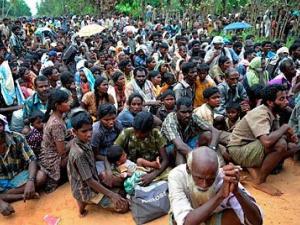
a person who has been forced to leave their country or home, because there is a war or for political, religious or social reasons
The refugees sought shelter in a neighboring country.
शरणार्थियों ने पड़ोसी देश में आश्रय मांगा।
समानार्थीasylum seekerdisplaced personexileémigréविलोमcitizennativeresidentरूढ़िबद्ध धारणा
a fixed idea or image that many people have of a particular type of person or thing, but which is often not true in reality
The stereotype of a librarian is someone who is quiet and wears glasses.
लाइब्रेरियन की रूढ़िबद्ध धारणा एक ऐसे व्यक्ति की है जो शांत और चश्मा पहनता है।
समानार्थीclichepatternmoldgeneralizationविलोमoriginalityindividualityuniquenessश्रद्धांजलि
an act, a statement or a gift that is intended to show your love or respect, especially for a dead person
The city paid tribute to the fallen heroes.
शहर ने शहीद हुए नायकों को श्रद्धांजलि दी।
समानार्थीhomageaccoladepraiserespecthonorविलोमcriticismdisrespectdishonorinsultएकता
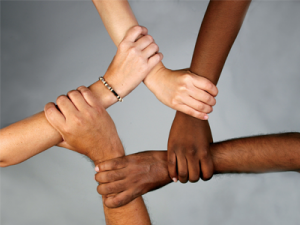
the state of being in agreement and working together; the state of being joined together to form one unit
The project demonstrated a great sense of unity among the team members.
परियोजना ने टीम के सदस्यों के बीच एकता की एक बड़ी भावना का प्रदर्शन किया।
समानार्थीharmonyagreementaccordonenesssolidarityविलोमdiscorddisagreementdivisionseparationकल्याण, भलाई, कुशल-क्षेम
the general health, happiness and safety of a person, an animal or a group
The charity works hard to protect the welfare of homeless children.
यह चैरिटी बेघर बच्चों के कल्याण की रक्षा के लिए कड़ी मेहनत करती है।
समानार्थीwell-beingprosperitybenefitcomfortविलोमhardshippovertysuffering