본문으로 건너뛰기

레슨 22/38 · 66단어 · 외운 단어 0

Society Culture

사회와 문화

  1. 1

    revolution(noun)

    /ˌrevəˈluːʃn/

    혁명

    an attempt, by a large number of people, to change the government of a country, especially by violent action

    The French Revolution began in 1789 and changed the government of France.

    프랑스 혁명은 1789년에 시작되어 프랑스의 정부를 바꾸어 놓았다.

    유의어upheavaloverthrowtransformationchangeturnaroundrevoltinsurrection
    반의어stabilitystatus quoconservationorderpeace
  2. 2

    background(noun)

    /ˈbækɡraʊnd/

    배경 (baegyeong)

    the details of a person’s family, education, experience, etc.

    Your background in the publishing industry is a definite asset for this job

    출판 업계에서의 당신의 배경은 이 직업에 확실한 자산입니다.

    The employer did a complete background check before offering him the job

    유의어historyexperiencecredentialseducationqualificationspastgroundworkcontext
    반의어foregroundfuturelack of experienceunfamiliarity
  3. 3

    attitude(noun)

    /ˈætɪtuːd/

    태도 (taedo)

    the way that you think and feel about somebody/something; the way that you behave towards somebody/something that shows how you think and feel

    Each investor should assess his or her own attitude toward investment

    각 투자자는 투자에 대한 자신의 태도를 평가해야 합니다.

    The new fund manager's attitude changed quickly after the first big downturn in the market

    유의어opinionoutlookperspectiveviewpointdemeanorapproachstance
    반의어indifferenceapathydisinterest
  4. 4

    convention(noun)

    /kənˈvenʃn/

    관례

    the way in which something is done that most people in a society expect and consider to be polite or the right way to do it

    Convention demands that a club member should resign in such a situation.

    관례상 클럽 회원은 그러한 상황에서 사임해야 합니다.

    By convention the deputy leader was always a woman.

    유의어custompracticetraditionnormagreementmeeting
    반의어unconventionalitydeviationirregularitydepartureoriginality
  5. 5

    religion(noun)

    /rɪˈlɪdʒən/

    종교 (jonggyo)

    the belief in the existence of a god or gods, and the activities that are connected with the worship of them, or in the teachings of a spiritual leader

    Christianity, Islam and Judaism are known as Abrahamic religions.

    기독교, 이슬람교, 유대교는 아브라함 계통의 종교로 알려져 있습니다. (Gidokgyo, Iseullamgyo, Yudaegyo-neun Abeuraham gyetong-ui jonggyo-ro allyeojyeo itseumnida.)

    He went very quiet(= did not say much) so I knew he was upset.

    유의어faithbeliefcreeddoctrinedenominationsectworshipspirituality
    반의어atheismirreligionsecularismagnosticismdisbelief
  6. 6

    community(noun)

    /kəˈmjuːnəti/

    공동체 (gongdongche)

    all the people who live in a particular area, country, etc. when talked about as a group

    They want to do something useful and meaningful for the community.

    그들은 공동체를 위해 유용하고 의미 있는 일을 하고 싶어합니다.

    the international community (= the countries of the world as a group)

    유의어societypublicgrouppopulationneighborhoodfellowship
    반의어individualisolationseparation
  7. 7

    society(noun)

    /səˈsaɪəti/

    사회 (sahoe)

    people in general, living together in communities

    They carried out research into the roles of men and women in today's society

    그들은 오늘날 사회에서 남성과 여성의 역할에 대한 연구를 수행했습니다.

    Racism exists at all levels of society.

    유의어communitycivilizationculturepopulationpublic
    반의어isolationsolitudeindividualism
  8. 8

    custom(noun)

    /ˈkʌstəm/

    관습 (gwansup)

    an accepted way of behaving or of doing things in a society or a community

    In my country, it's the custom for women to get married at 20 years old.

    제 나라에서는 여성들이 20살에 결혼하는 것이 관습입니다.

    the custom of giving presents at Christmas

    유의어traditionpracticehabitconventionusageritualmanner
    반의어unconventionalitydeparturedeviationabnormalityirregularity
  9. 9

    age(noun)

    /eɪdʒ/

    나이

    the number of years that a person has lived or a thing has existed

    She was beginning to feel her age(= feel that she was getting old).

    그녀는 나이를 먹는 것을 느끼기 시작했다 (= 늙어간다는 것을 느꼈다).

    He left school at the age of 18.

    유의어maturitysenioritygenerationperiodstage
    반의어youthchildhoodinfancy
  10. 10

    modern(adjective)

    /ˈmɑːdərn/

    현대적인 (hyeondaejeogin)

    of the present time or recent times

    Hanoi is more modern than Yen Bai.

    하노이는 옌바이보다 더 현대적입니다.

    Stress is a major problem of modern life.

    유의어contemporarynewcurrentup-to-datestate-of-the-artinnovative
    반의어old-fashionedtraditionalancientoutdatedobsolete
  11. 11

    generation(noun)

    /ˌdʒenəˈreɪʃn/

    세대 (sedae)

    all the people who were born at about the same time

    My generation have grown up without the experience of a world war.

    우리 세대는 세계 대전의 경험 없이 자랐습니다.

    I often wonder what future generations will make of our efforts.

    유의어age groupcohortbreedlineageprogenysuccession
    반의어individualspecificone
  12. 12

    aged(adjective)

    /eɪdʒd/

    ~세의, ~살의

    of the age of

    volunteers aged between 25 and 40

    25세에서 40세 사이의 자원봉사자들

    They have two children aged six and nine.

    유의어oldelderlymaturesenioradvanced in years
    반의어youngyouthfuljunior
  13. 13

    religious(adjective)

    /rɪˈlɪdʒəs/

    종교의, 종교적인

    connected with religion or with a particular religion

    The old temple is an important religious building for local people.

    그 오래된 사원은 지역 주민들에게 중요한 종교 건물이다.

    유의어devoutpiousgodlyspiritualbelieving
    반의어irreligioussecularatheisticagnosticunbelieving
  14. 14

    belief(noun)

    /bɪˈliːf/

    믿음 (mideum)

    a strong feeling that something/somebody exists or is true; confidence that something/somebody is good or right

    Vietnamese people have some beliefs about Tet.

    베트남 사람들은 뗏에 대한 몇 가지 믿음을 가지고 있습니다. (Beteunam saramdeureun ttede daehan myeot gaji mideumeul gajigo isseumnida.)

    I admire his passionate belief in what he is doing.

    유의어faithtrustconvictionopinionfeelingassumption
    반의어disbeliefdoubtskepticismdistrustdenial
  15. 15

    justice(noun)

    /ˈdʒʌstɪs/

    정의 (jeong-ui)

    the fair treatment of people

    laws based on the principles of justice

    정의의 원칙에 기반한 법률 (jeong-ui-ui wonchige gibanhan beomnyul)

    They are demanding equal rights and justice.

    유의어fairnessequityrighteousnessimpartialitylawfulness
    반의어injusticeunfairnessinequitypartialitywrongdoing
  16. 16

    charity(noun)

    /ˈtʃærəti/

    자선

    an organization for helping people in need

    At our last meeting, we decided to organize a football match to raise money for charity.

    지난 회의에서, 우리는 자선 단체를 위해 돈을 모으기 위해 축구 경기를 조직하기로 결정했습니다.

    The concert will raise money for local charities.

    유의어benevolencegenerosityhumanityphilanthropygoodwill
    반의어crueltymeannessselfishnessgreed
  17. 17

    immigration(noun)

    /ˌɪmɪˈɡreɪʃn/

    이민

    the process of coming to live permanently in a different country from the one you were born in; the number of people who do this

    Immigration has significantly changed the country's demographics.

    이민은 그 나라의 인구 통계를 크게 변화시켰습니다.

    유의어migrationsettlingrelocationnaturalization
    반의어emigrationdeportationrepatriation
  18. 18

    diversity(noun)

    /daɪˈvɜːrsəti/

    다양성

    a range of many people or things that are very different from each other

    Our city is proud of its cultural diversity and its many festivals.

    우리 도시는 문화적 다양성과 수많은 축제를 자랑스럽게 여긴다.

    유의어varietymultiplicitydifferenceheterogeneityrangeassortment
    반의어similarityuniformityhomogeneitysamenessmonotony
  19. 19

    ethnic(adjective)

    /ˈeθnɪk/

    민족의 (minjogui)

    connected with or belonging to a group of people that share a cultural tradition

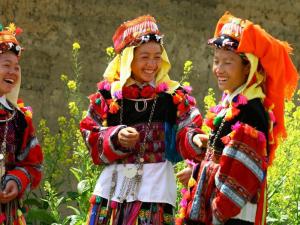
    Vietnam has 54 ethnic groups with a population of 86 million people.

    베트남은 54개의 민족 집단이 있으며 인구는 8천 6백만 명입니다.

    유의어racialculturalnationaltribal
    반의어nonethnicmainstreamgeneral
  20. 20

    inequality(noun)

    /ˌɪnɪˈkwɑːləti/

    불평등

    the unfair difference between groups of people in society, when some have more wealth, status or opportunities than others

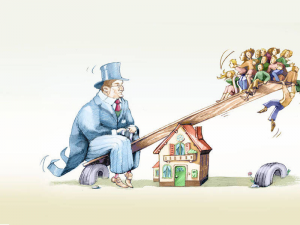
    The free market program has widened social inequality to an unprecedented degree.

    자유 시장 프로그램은 사회적 불평등을 유례없는 수준으로 확대시켰다.

    유의어disparityimbalanceinequitybiasunfairnessdisproportion
    반의어equalityequityfairnessbalanceimpartiality
  21. 21

    prejudice(noun)

    /ˈpredʒədɪs/

    편견 (pyeon-gyeon)

    an unreasonable dislike of or preference for a person, group, custom, etc., especially when it is based on their race, religion, sex, etc.

    Governmental programs must be administered without prejudice.

    정부 프로그램은 편견 없이 운영되어야 합니다.

    유의어biaspartialitydiscriminationunfairnessbigotrypredilectionleaning
    반의어fairnessimpartialityobjectivitytoleranceopen-mindedness
  22. 22

    tolerance(noun)

    /ˈtɑːlərəns/

    관용 (gwanyong)

    the quality of being willing to accept or tolerate somebody/something, especially opinions or behaviour that you may not agree with, or people who are not like you

    She had no tolerance for jokes of any kind.

    그녀는 어떤 종류의 농담도 참지 못했다.

    유의어patienceforbearanceunderstandingacceptanceleniencyendurance
    반의어intoleranceprejudicebigotrynarrow-mindednessimpatience
  23. 23

    citizenship(noun)

    /ˈsɪtɪzənʃɪp/

    시민권, 시민의식

    the state of being a citizen and accepting the responsibilities of it

    The schools should be responsible for teaching our children good citizenship.

    학교는 아이들에게 올바른 시민의식을 가르칠 책임이 있다.

    유의어nationalitycivilitycivic dutycivic virtuemembershipallegiance
    반의어alienationstatelessnessdenationalizationexpatriation
  24. 24

    tribe(noun)

    /traɪb/

    부족

    a social group in a traditional society consisting of people with the same language, culture, religion, etc., living in a particular area and often having one leader known as a chief

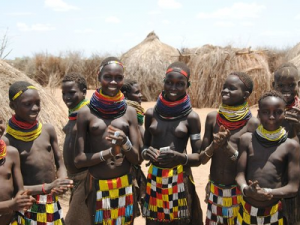
    Many tribes live in the mountains and keep their own language and customs.

    많은 부족이 산악 지대에 살며 자신들의 언어와 풍습을 지키고 있다.

    유의어clangroupcommunitypeoplenationsociety
    반의어individualcitynationcivilization
  25. 25

    freedom(noun)

    /ˈfriːdəm/

    자유 (jayu)

    the power or right to do or say what you want without anyone stopping you

    We do have some freedom of choice.

    우리에게는 어느 정도 선택의 자유가 있습니다.

    유의어libertyindependenceautonomylicenseprivilege
    반의어captivityimprisonmentservitudeoppressionrestraint
  26. 26

    slave(noun)

    /sleɪv/

    노예 (noye)

    a person who is owned by another person and is forced to work for and obey them

    By the time I was ten, I had become her slave, doing all the housework.

    내가 열 살이 되었을 때, 나는 그녀의 노예가 되어 집안일을 모두 하고 있었다.

    유의어bondmanthrallvassalserfservantcaptive
    반의어free personmasterliberatedemancipated
  27. 27

    slavery(noun)

    /ˈsleɪvəri/

    노예 제도 (noye jedo)

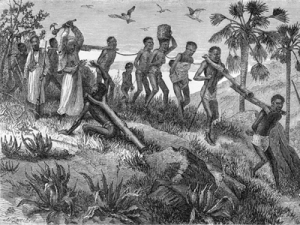
    the state of being forced to work as a slave

    Slavery still exists in this country.

    노예 제도는 여전히 이 나라에 존재합니다.

    유의어bondageservitudeenslavementoppressionthralldom
    반의어freedomlibertyindependenceemancipation
  28. 28

    solidarity(noun)

    /ˌsɑːlɪˈdærəti/

    연대 (yeondae)

    support by one person or group of people for another because they share feelings, opinions, aims, etc.

    When a group of people show solidarity they support each other or another group.

    사람들이 연대를 보일 때, 그들은 서로 또는 다른 그룹을 지지합니다.

    유의어unityagreementaccordharmonyteamworkfellowshipcomradeshipsupport
    반의어discorddivisiondisagreementestrangementoppositionseparationconflict
  29. 29

    inclusion(noun)

    /ɪnˈkluːʒn/

    포함 (poham)

    the fact of including somebody/something; the fact of being included

    She is being considered for inclusion on the England team.

    그녀는 잉글랜드 팀에 포함되는 것을 고려하고 있습니다.

    유의어incorporationadditioninsertionenclosureacceptancemembership
    반의어exclusionomissionrejectionremoval
  30. 30

    diverse(adjective)

    /daɪˈvɜːrs/

    다양한

    very different from each other and of various kinds

    The area is diverse with different types of animals and plants.

    그 지역은 다양한 종류의 동물과 식물로 다양합니다.

    유의어variedassortedmultifariousheterogeneouseclectic
    반의어uniformhomogeneoussimilaridenticalalike
  31. 31

    civilization(noun)

    /ˌsɪvələˈzeɪʃn/

    문명

    a state of human society that is very developed and organized

    The ancient Egyptians built one of the world's greatest civilizations.

    고대 이집트인들은 세계에서 가장 위대한 문명 중 하나를 건설했다.

    유의어culturesocietydevelopmentprogressrefinement
    반의어barbarismsavagerywildernessanarchy
  32. 32

    discrimination(noun)

    /dɪˌskrɪmɪˈneɪʃn/

    차별

    unfair treatment of a person because of their gender, age, religion, disability or another protected characteristic

    The law prohibits discrimination against pregnant workers in hiring and promotion.

    법은 채용과 승진에서 임신한 근로자에 대한 차별을 금지한다.

    The employee filed a complaint of age discrimination after being passed over.

    유의어prejudicebiasinequalityfavoritismbigotrysegregation
    반의어equalityfairnessimpartialityjusticeequitytolerance
  33. 33

    integration(noun)

    /ˌɪntɪˈɡreɪʃn/

    통합 (tonghap)

    the act or process of combining two or more things so that they work together

    The integration of different kinds of cultures has become a new trend.

    서로 다른 문화의 통합이 새로운 추세가 되었습니다. (seoro dareun munhwaui tonghabi saeroun chusega doe었습니다.)

    유의어assimilationincorporationfusionunificationamalgamationsynthesismerger
    반의어separationsegregationfragmentationdivisiondisconnectionalienation
  34. 34

    tribal(adjective)

    /ˈtraɪbl/

    부족의

    connected with a tribe or tribes

    Tribal lands were held in common and each man was entitled to a share in the products.

    부족 땅은 공동으로 소유되었고 각 남자는 생산물의 일부를 받을 권리가 있었습니다.

    유의어aboriginalindigenousnativeethnicclan
    반의어urbancivilizedmoderncosmopolitan
  35. 35

    legacy(noun)

    /ˈleɡəsi/

    유산

    something that remains from an earlier time or that is passed on from past generations

    The cultural legacy of ancient Rome can still be seen across Europe today.

    고대 로마의 문화유산은 오늘날에도 유럽 곳곳에서 볼 수 있다.

    유의어inheritancebequestheritagetraditionendowmentpatrimony
    반의어debtliabilityobligation
  36. 36

    civilian(noun)

    /səˈvɪliən/

    민간인, 일반인

    a person who is not a member of the armed forces or the police

    Many civilians were killed when the city was bombed during the war.

    전쟁 중 도시가 폭격당했을 때 많은 민간인이 목숨을 잃었다.

    유의어nonmilitarycivilianprivate citizennoncombatant
    반의어militaryarmed forcessoldier
  37. 37

    belong(verb)

    /bɪˈlɔːŋ/

    ~의 것이다, ~에 속하다

    to be owned by somebody, used with 'to'

    This book belongs to Sarah.

    이 책은 사라의 것이다.

    유의어fitrelatepertainappertainassociatebe part of
    반의어excluderejectalienateseparatediffer
  38. 38

    citizen(noun)

    /ˈsɪtɪzn/

    시민 (simin)

    a person who has the legal right to belong to a particular country

    He is a responsible citizen who always votes in elections.

    그는 항상 선거에서 투표하는 책임감 있는 시민입니다. (geuneun hangsang seongeoeseo topyohaneun chaegeimgam inneun simin imnida.)

    유의어nationalinhabitantresidentsubjectmember
    반의어alienforeignerimmigrantnoncitizen
  39. 39

    civic(adjective)

    /ˈsɪvɪk/

    시민의, 도시의

    connected with the people who live in a town or city and their duties as citizens

    It is our civic duty to vote.

    투표하는 것은 우리의 시민적 의무이다.

    유의어civilpubliccommunity
    반의어privatepersonal
  40. 40

    colonial(adjective)

    /kəˈləʊniəl/

    식민지의

    connected with or belonging to a country that controls another country

    The museum showcased artifacts from the colonial era.

    박물관은 식민지 시대의 유물을 전시했습니다.

    유의어imperialdependentsubject
    반의어independentsovereignautonomous
  41. 41

    colony(noun)

    /ˈkɑːləni/

    식민지 (sikminji)

    a country or an area that is governed by people from another, more powerful, country

    The British established a colony in India.

    영국은 인도에 식민지를 세웠다.

    유의어settlementterritorydependencypossession
    반의어independencesovereigntynation
  42. 42

    dignity(noun)

    /ˈdɪɡnəti/

    존엄

    a calm and serious manner that deserves respect

    He carried himself with dignity despite the difficult circumstances.

    그는 어려운 상황에도 불구하고 존엄성을 유지했습니다.

    유의어honornobilityself-respectworth
    반의어dishonorhumilityshamedisgrace
  43. 43

    equality(noun)

    /iˈkwɑːləti/

    평등

    the fact of being equal in rights, status, advantages, etc.

    We strive for equality in the workplace.

    우리는 직장에서의 평등을 위해 노력합니다.

    유의어equityfairnessevennessparityjustice
    반의어inequalitydisparityinjusticebias
  44. 44

    feminist(adjective)

    /ˈfemənɪst/

    페미니스트의, 여성주의의, 여권 신장론의

    having or based on the belief that women should have the same rights and opportunities as men

    She has written several books from a feminist point of view.

    그녀는 페미니즘적 관점에서 여러 권의 책을 썼다.

    유의어women's rights advocateegalitariangender equality activist
    반의어misogynistchauvinistsexist
  45. 45

    gender(noun)

    /ˈdʒendər/

    성별

    the fact of being male or female, especially when considered with reference to social and cultural differences, rather than differences in biology; members of a particular gender as a group

    What is your gender?

    당신의 성별은 무엇입니까?

    유의어sexidentitysexual identity
    반의어none
  46. 46

    homeland(noun)

    /ˈhəʊmlænd/

    고향 (gohyang)

    the country where a person was born

    She returned to her homeland after many years abroad.

    그녀는 오랜 해외 생활 끝에 고향으로 돌아왔다.

    유의어native landfatherlandmotherlandcountry
    반의어foreign landalien land
  47. 47

    immigrant(noun)

    /ˈɪmɪɡrənt/

    이민자

    a person who has come to live permanently in a different country from the one they were born in

    The immigrant family worked hard to build a new life.

    그 이민자 가족은 새로운 삶을 건설하기 위해 열심히 일했다.

    유의어newcomermigrantaliensettler
    반의어nativecitizenresident
  48. 48

    injustice(noun)

    /ɪnˈdʒʌstɪs/

    불의

    the fact of a situation being unfair and of people not being treated equally; an unfair act or an example of unfair treatment

    The workers protested against the injustice of unequal pay.

    노동자들은 불공정한 임금에 항의했다.

    유의어unfairnessinequitywronggrievance
    반의어justicefairnessequity
  49. 49

    liberation(noun)

    /ˌlɪbəˈreɪʃn/

    해방

    the act or process of freeing a country or a person from the control of somebody else

    The liberation of the prisoners was a great moment.

    죄수들의 해방은 굉장한 순간이었습니다.

    유의어freedomdeliveranceemancipationrelease
    반의어imprisonmentcaptivityoppressionenslavement
  50. 50

    liberty(noun)

    /ˈlɪbərti/

    자유

    freedom to live as you choose without too many limits from government or authority

    The statue represents liberty.

    그 동상은 자유를 상징합니다.

    유의어freedomindependenceautonomy
    반의어captivityimprisonmentslavery
  51. 51

    morality(noun)

    /məˈræləti/

    도덕

    principles relating to right and wrong or good and bad behaviour

    The morality of his actions was questionable.

    그의 행동의 도덕성은 의심스러웠다.

    유의어ethicsprinciplesvirtuerighteousness
    반의어immoralitywickednessevil
  52. 52

    norm(noun)

    /nɔːrm/

    기준

    a situation or a pattern of behaviour that is usual or expected

    Wearing jeans to work is the norm in this office.

    이 사무실에서는 청바지를 입고 출근하는 것이 일반적입니다.

    유의어standardconventioncustomrule
    반의어deviationabnormalityexceptionirregularity
  53. 53

    peasant(noun)

    /ˈpeznt/

    농민 (nongmin)

    (especially in the past, or in poorer countries) a farmer who owns or rents a small piece of land

    The peasant worked hard in the fields.

    농민은 밭에서 열심히 일했다.

    유의어farmerrusticcountryman
    반의어aristocratnobleelite
  54. 54

    privilege(noun)

    /ˈprɪvəlɪdʒ/

    특권 (teukgwon)

    a special right or advantage that a particular person or group of people has

    Education should be a right, not a privilege.

    교육은 특권이 아닌 권리여야 합니다.

    유의어advantagebenefitentitlementrightperk
    반의어disadvantageburdenhardshipobligation
  55. 55

    racial(adjective)

    /ˈreɪʃl/

    인종의

    happening or existing between people of different races

    The company was accused of racial discrimination.

    그 회사는 인종 차별 혐의로 고발당했습니다.

    유의어ethnicculturalnational
    반의어impartialunbiasednonracial
  56. 56

    racism(noun)

    /ˈreɪsɪzəm/

    인종 차별

    the unfair treatment of people who belong to a different race; violent behaviour towards them

    Racism is a serious problem in many societies.

    인종 차별은 많은 사회에서 심각한 문제입니다.

    유의어bigotryprejudicediscriminationchauvinism
    반의어toleranceequalityacceptanceinclusion
  57. 57

    racist(adjective)

    /ˈreɪsɪst/

    인종차별적인, 인종차별주의의

    having the belief that some races of people are better than others or having general beliefs about other people based only on their race; showing this through violent or unfair treatment of people of other races

    His racist remarks were offensive and unacceptable.

    그의 인종차별적인 발언은 불쾌하고 용납할 수 없는 것이었다.

    유의어bigotedprejudiceddiscriminatory
    반의어tolerantinclusiveegalitarian
  58. 58

    refugee(noun)

    /ˌrefjuˈdʒiː/

    난민 (nanmin)

    a person who has been forced to leave their country or home, because there is a war or for political, religious or social reasons

    The refugees sought shelter in a neighboring country.

    난민들은 이웃 나라에서 피난처를 찾았습니다.

    유의어asylum seekerdisplaced personexileémigré
    반의어citizennativeresident
  59. 59

    ritual(noun)

    /ˈrɪtʃuəl/

    의례

    a series of actions that are always performed in the same way, especially as part of a religious ceremony

    The tea ceremony is a traditional ritual.

    다도회는 전통적인 의례입니다.

    유의어ceremonycustomritetraditionobservance
    반의어impromptuspontaneityinformality
  60. 60

    socialist(adjective)

    /ˈsəʊʃəlɪst/

    사회주의의

    connected with socialism

    The socialist party won many seats in the election.

    사회주의 정당이 선거에서 많은 의석을 차지했다.

    유의어collectivistegalitariancommunitarian
    반의어capitalistindividualistconservative
  61. 61

    stereotype(noun)

    /ˈsteriətaɪp/

    고정관념

    a fixed idea or image that many people have of a particular type of person or thing, but which is often not true in reality

    The stereotype of a librarian is someone who is quiet and wears glasses.

    사서에 대한 고정관념은 조용하고 안경을 쓴 사람입니다.

    유의어clichepatternmoldgeneralization
    반의어originalityindividualityuniqueness
  62. 62

    tribute(noun)

    /ˈtrɪbjuːt/

    헌사

    an act, a statement or a gift that is intended to show your love or respect, especially for a dead person

    The city paid tribute to the fallen heroes.

    도시는 쓰러진 영웅들에게 헌사를 바쳤다.

    유의어homageaccoladepraiserespecthonor
    반의어criticismdisrespectdishonorinsult
  63. 63

    unity(noun)

    /ˈjuːnəti/

    통일성

    the state of being in agreement and working together; the state of being joined together to form one unit

    The project demonstrated a great sense of unity among the team members.

    그 프로젝트는 팀원들 사이의 큰 통일성을 보여주었습니다.

    유의어harmonyagreementaccordonenesssolidarity
    반의어discorddisagreementdivisionseparation
  64. 64

    welfare(noun)

    /ˈwelfer/

    복지, 안녕

    the general health, happiness and safety of a person, an animal or a group

    The charity works hard to protect the welfare of homeless children.

    그 자선단체는 노숙 아동들의 복지를 지키기 위해 열심히 일하고 있다.

    유의어well-beingprosperitybenefitcomfort
    반의어hardshippovertysuffering
  65. 65

    free(adjective)

    /friː/

    자유로운, 자유의

    able to do what you want; not controlled or limited by other people or by laws

    In a free society, people can say what they think without fear.

    자유로운 사회에서는 사람들이 두려움 없이 생각을 말할 수 있다.

  66. 66

    minority(noun)

    /maɪˈnɔːrəti/

    소수 민족, 소수 집단

    a small group within a community or country that is different because of race, religion, language, etc.

    Most ethnic minorities live in the highlands.

    대부분의 소수 민족은 고원 지대에 살고 있다.