Lezione 22/38 · 66 parole · 0 imparate
Society Culture
Società e cultura
rivoluzione
an attempt, by a large number of people, to change the government of a country, especially by violent action
The French Revolution began in 1789 and changed the government of France.
La Rivoluzione francese ebbe inizio nel 1789 e cambiò il governo della Francia.
SinonimiupheavaloverthrowtransformationchangeturnaroundrevoltinsurrectionContraristabilitystatus quoconservationorderpeaceesperienza, formazione, background
the details of a person’s family, education, experience, etc.
Your background in the publishing industry is a definite asset for this job
La tua esperienza nel settore editoriale è sicuramente un punto a favore per questo lavoro.
The employer did a complete background check before offering him the job
SinonimihistoryexperiencecredentialseducationqualificationspastgroundworkcontextContrariforegroundfuturelack of experienceunfamiliarityatteggiamento
the way that you think and feel about somebody/something; the way that you behave towards somebody/something that shows how you think and feel
Each investor should assess his or her own attitude toward investment
Ogni investitore dovrebbe valutare il proprio atteggiamento verso l'investimento.
The new fund manager's attitude changed quickly after the first big downturn in the market
SinonimiopinionoutlookperspectiveviewpointdemeanorapproachstanceContrariindifferenceapathydisinterestconvenzione, usanza
the way in which something is done that most people in a society expect and consider to be polite or the right way to do it
Convention demands that a club member should resign in such a situation.
La convenzione vuole che un membro del club si dimetta in una situazione del genere.
By convention the deputy leader was always a woman.
SinonimicustompracticetraditionnormagreementmeetingContrariunconventionalitydeviationirregularitydepartureoriginalityreligione
the belief in the existence of a god or gods, and the activities that are connected with the worship of them, or in the teachings of a spiritual leader
Christianity, Islam and Judaism are known as Abrahamic religions.
Cristianesimo, Islam ed Ebraismo sono note come religioni abramitiche.
He went very quiet(= did not say much) so I knew he was upset.
SinonimifaithbeliefcreeddoctrinedenominationsectworshipspiritualityContrariatheismirreligionsecularismagnosticismdisbeliefcomunità
all the people who live in a particular area, country, etc. when talked about as a group
They want to do something useful and meaningful for the community.
Vogliono fare qualcosa di utile e significativo per la comunità.
the international community (= the countries of the world as a group)
SinonimisocietypublicgrouppopulationneighborhoodfellowshipContrariindividualisolationseparationsocietà
people in general, living together in communities
They carried out research into the roles of men and women in today's society
Hanno condotto una ricerca sui ruoli degli uomini e delle donne nella società di oggi.
Racism exists at all levels of society.
SinonimicommunitycivilizationculturepopulationpublicContrariisolationsolitudeindividualismusanza, costume, tradizione
an accepted way of behaving or of doing things in a society or a community
In my country, it's the custom for women to get married at 20 years old.
Nel mio paese è usanza che le donne si sposino a vent'anni.
the custom of giving presents at Christmas
SinonimitraditionpracticehabitconventionusageritualmannerContrariunconventionalitydeparturedeviationabnormalityirregularityetà
the number of years that a person has lived or a thing has existed
She was beginning to feel her age(= feel that she was getting old).
Cominciava a sentire la sua età (= a sentirsi invecchiare).
He left school at the age of 18.
SinonimimaturitysenioritygenerationperiodstageContrariyouthchildhoodinfancygenerazione
all the people who were born at about the same time
My generation have grown up without the experience of a world war.
La mia generazione è cresciuta senza l'esperienza di una guerra mondiale.
I often wonder what future generations will make of our efforts.
Sinonimiage groupcohortbreedlineageprogenysuccessionContrariindividualspecificonereligioso
connected with religion or with a particular religion
The old temple is an important religious building for local people.
L'antico tempio è un importante edificio religioso per la gente del posto.
SinonimidevoutpiousgodlyspiritualbelievingContrariirreligioussecularatheisticagnosticunbelievingcredenza, convinzione
a strong feeling that something/somebody exists or is true; confidence that something/somebody is good or right
Vietnamese people have some beliefs about Tet.
I vietnamiti hanno alcune credenze legate al Tet.
I admire his passionate belief in what he is doing.
SinonimifaithtrustconvictionopinionfeelingassumptionContraridisbeliefdoubtskepticismdistrustdenialbeneficenza, ente benefico
an organization for helping people in need
At our last meeting, we decided to organize a football match to raise money for charity.
Durante l'ultima riunione abbiamo deciso di organizzare una partita di calcio per raccogliere fondi per beneficenza.
The concert will raise money for local charities.
SinonimibenevolencegenerosityhumanityphilanthropygoodwillContraricrueltymeannessselfishnessgreedimmigrazione
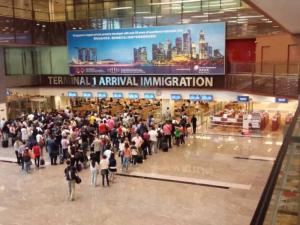
the process of coming to live permanently in a different country from the one you were born in; the number of people who do this
Immigration has significantly changed the country's demographics.
L'immigrazione ha cambiato notevolmente la demografia del Paese.
SinonimimigrationsettlingrelocationnaturalizationContrariemigrationdeportationrepatriationdiversità, varietà
a range of many people or things that are very different from each other
Our city is proud of its cultural diversity and its many festivals.
La nostra città è orgogliosa della sua diversità culturale e dei suoi numerosi festival.
SinonimivarietymultiplicitydifferenceheterogeneityrangeassortmentContrarisimilarityuniformityhomogeneitysamenessmonotonyetnico
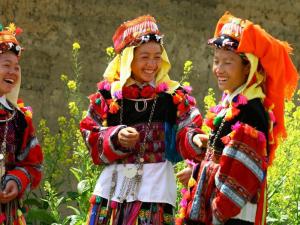
connected with or belonging to a group of people that share a cultural tradition
Vietnam has 54 ethnic groups with a population of 86 million people.
Il Vietnam ha 54 gruppi etnici con una popolazione di 86 milioni di persone.
SinonimiracialculturalnationaltribalContrarinonethnicmainstreamgeneraldisuguaglianza
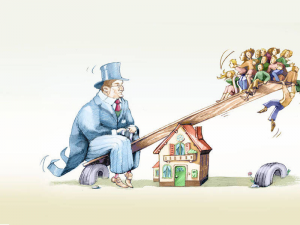
the unfair difference between groups of people in society, when some have more wealth, status or opportunities than others
The free market program has widened social inequality to an unprecedented degree.
Il programma di libero mercato ha ampliato la disuguaglianza sociale a un livello senza precedenti.
SinonimidisparityimbalanceinequitybiasunfairnessdisproportionContrariequalityequityfairnessbalanceimpartialitypregiudizio
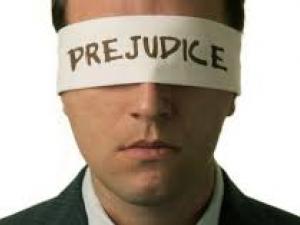
an unreasonable dislike of or preference for a person, group, custom, etc., especially when it is based on their race, religion, sex, etc.
Governmental programs must be administered without prejudice.
I programmi governativi devono essere gestiti senza pregiudizi.
SinonimibiaspartialitydiscriminationunfairnessbigotrypredilectionleaningContrarifairnessimpartialityobjectivitytoleranceopen-mindednesstolleranza
the quality of being willing to accept or tolerate somebody/something, especially opinions or behaviour that you may not agree with, or people who are not like you
She had no tolerance for jokes of any kind.
Non aveva alcuna tolleranza per le battute di qualunque tipo.
SinonimipatienceforbearanceunderstandingacceptanceleniencyenduranceContrariintoleranceprejudicebigotrynarrow-mindednessimpatiencecittadinanza, senso civico
the state of being a citizen and accepting the responsibilities of it
The schools should be responsible for teaching our children good citizenship.
Le scuole dovrebbero avere la responsabilità di insegnare ai nostri figli il senso civico.
Sinoniminationalitycivilitycivic dutycivic virtuemembershipallegianceContrarialienationstatelessnessdenationalizationexpatriationtribù
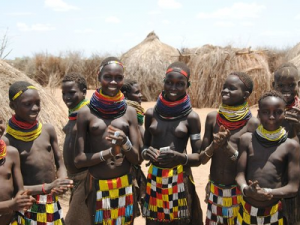
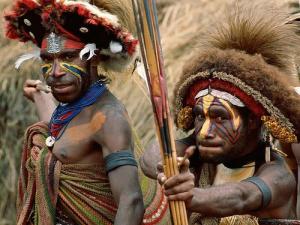
a social group in a traditional society consisting of people with the same language, culture, religion, etc., living in a particular area and often having one leader known as a chief
Many tribes live in the mountains and keep their own language and customs.
Molte tribù vivono in montagna e conservano la propria lingua e le proprie usanze.
SinonimiclangroupcommunitypeoplenationsocietyContrariindividualcitynationcivilizationschiavo
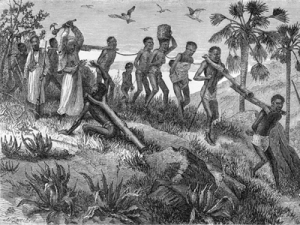
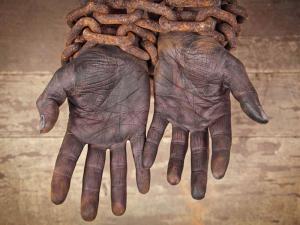
a person who is owned by another person and is forced to work for and obey them
By the time I was ten, I had become her slave, doing all the housework.
Quando avevo dieci anni, ero diventata la sua schiava, facendo tutti i lavori di casa.
SinonimibondmanthrallvassalserfservantcaptiveContrarifree personmasterliberatedemancipatedsolidarietà
support by one person or group of people for another because they share feelings, opinions, aims, etc.
When a group of people show solidarity they support each other or another group.
Quando un gruppo di persone mostra solidarietà, i suoi membri si sostengono a vicenda o sostengono un altro gruppo.
SinonimiunityagreementaccordharmonyteamworkfellowshipcomradeshipsupportContraridiscorddivisiondisagreementestrangementoppositionseparationconflictinclusione
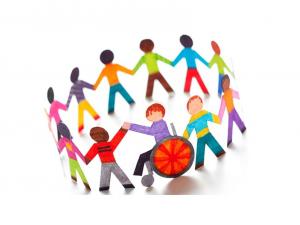
the fact of including somebody/something; the fact of being included
She is being considered for inclusion on the England team.
Si sta valutando la sua inclusione nella nazionale inglese.
SinonimiincorporationadditioninsertionenclosureacceptancemembershipContrariexclusionomissionrejectionremovalvario, eterogeneo, diversificato
very different from each other and of various kinds
The area is diverse with different types of animals and plants.
La zona è varia, con diversi tipi di animali e piante.
SinonimivariedassortedmultifariousheterogeneouseclecticContrariuniformhomogeneoussimilaridenticalalikeciviltà
a state of human society that is very developed and organized
The ancient Egyptians built one of the world's greatest civilizations.
Gli antichi Egizi costruirono una delle più grandi civiltà del mondo.
SinonimiculturesocietydevelopmentprogressrefinementContraribarbarismsavagerywildernessanarchydiscriminazione
unfair treatment of a person because of their gender, age, religion, disability or another protected characteristic
The law prohibits discrimination against pregnant workers in hiring and promotion.
La legge vieta la discriminazione delle lavoratrici in gravidanza nelle assunzioni e nelle promozioni.
The employee filed a complaint of age discrimination after being passed over.
SinonimiprejudicebiasinequalityfavoritismbigotrysegregationContrariequalityfairnessimpartialityjusticeequitytoleranceintegrazione
the act or process of combining two or more things so that they work together
The integration of different kinds of cultures has become a new trend.
L'integrazione di culture diverse è diventata una nuova tendenza.
SinonimiassimilationincorporationfusionunificationamalgamationsynthesismergerContrariseparationsegregationfragmentationdivisiondisconnectionalienationtribale
connected with a tribe or tribes
Tribal lands were held in common and each man was entitled to a share in the products.
Le terre tribali erano possedute in comune e ogni uomo aveva diritto a una parte dei prodotti.
SinonimiaboriginalindigenousnativeethnicclanContrariurbancivilizedmoderncosmopolitaneredità, retaggio
something that remains from an earlier time or that is passed on from past generations
The cultural legacy of ancient Rome can still be seen across Europe today.
L'eredità culturale dell'antica Roma è ancora visibile in tutta Europa.
SinonimiinheritancebequestheritagetraditionendowmentpatrimonyContraridebtliabilityobligationcivile
a person who is not a member of the armed forces or the police
Many civilians were killed when the city was bombed during the war.
Molti civili furono uccisi quando la città venne bombardata durante la guerra.
Sinoniminonmilitarycivilianprivate citizennoncombatantContrarimilitaryarmed forcessoldiercittadino
a person who has the legal right to belong to a particular country
He is a responsible citizen who always votes in elections.
È un cittadino responsabile che vota sempre alle elezioni.
SinoniminationalinhabitantresidentsubjectmemberContrarialienforeignerimmigrantnoncitizenfemminista
having or based on the belief that women should have the same rights and opportunities as men
She has written several books from a feminist point of view.
Ha scritto diversi libri da un punto di vista femminista.
Sinonimiwomen's rights advocateegalitariangender equality activistContrarimisogynistchauvinistsexistgenere, sesso
the fact of being male or female, especially when considered with reference to social and cultural differences, rather than differences in biology; members of a particular gender as a group
What is your gender?
Qual è il tuo genere?
Sinonimisexidentitysexual identityContrarinoneimmigrato
a person who has come to live permanently in a different country from the one they were born in
The immigrant family worked hard to build a new life.
La famiglia di immigrati ha lavorato duramente per costruirsi una nuova vita.
SinoniminewcomermigrantaliensettlerContrarinativecitizenresidentingiustizia
the fact of a situation being unfair and of people not being treated equally; an unfair act or an example of unfair treatment
The workers protested against the injustice of unequal pay.
I lavoratori hanno protestato contro l'ingiustizia della disparità salariale.
SinonimiunfairnessinequitywronggrievanceContrarijusticefairnessequityliberazione
the act or process of freeing a country or a person from the control of somebody else
The liberation of the prisoners was a great moment.
La liberazione dei prigionieri è stata un grande momento.
SinonimifreedomdeliveranceemancipationreleaseContrariimprisonmentcaptivityoppressionenslavementprivilegio
a special right or advantage that a particular person or group of people has
Education should be a right, not a privilege.
L'istruzione dovrebbe essere un diritto, non un privilegio.
SinonimiadvantagebenefitentitlementrightperkContraridisadvantageburdenhardshipobligationrazzismo
the unfair treatment of people who belong to a different race; violent behaviour towards them
Racism is a serious problem in many societies.
Il razzismo è un grave problema in molte società.
SinonimibigotryprejudicediscriminationchauvinismContraritoleranceequalityacceptanceinclusionrazzista
having the belief that some races of people are better than others or having general beliefs about other people based only on their race; showing this through violent or unfair treatment of people of other races
His racist remarks were offensive and unacceptable.
Le sue osservazioni razziste erano offensive e inaccettabili.
SinonimibigotedprejudiceddiscriminatoryContraritolerantinclusiveegalitarianrifugiato, profugo
a person who has been forced to leave their country or home, because there is a war or for political, religious or social reasons
The refugees sought shelter in a neighboring country.
I rifugiati hanno cercato riparo in un paese vicino.
Sinonimiasylum seekerdisplaced personexileémigréContraricitizennativeresidentrito, rituale
a series of actions that are always performed in the same way, especially as part of a religious ceremony
The tea ceremony is a traditional ritual.
La cerimonia del tè è un rito tradizionale.
SinonimiceremonycustomritetraditionobservanceContrariimpromptuspontaneityinformalitystereotipo
a fixed idea or image that many people have of a particular type of person or thing, but which is often not true in reality
The stereotype of a librarian is someone who is quiet and wears glasses.
Lo stereotipo del bibliotecario è quello di una persona silenziosa e con gli occhiali.
SinonimiclichepatternmoldgeneralizationContrarioriginalityindividualityuniquenessomaggio, tributo
an act, a statement or a gift that is intended to show your love or respect, especially for a dead person
The city paid tribute to the fallen heroes.
La città ha reso omaggio agli eroi caduti.
SinonimihomageaccoladepraiserespecthonorContraricriticismdisrespectdishonorinsultunità, coesione
the state of being in agreement and working together; the state of being joined together to form one unit
The project demonstrated a great sense of unity among the team members.
Il progetto ha dimostrato un grande senso di unità tra i membri del team.
SinonimiharmonyagreementaccordonenesssolidarityContraridiscorddisagreementdivisionseparationbenessere
the general health, happiness and safety of a person, an animal or a group
The charity works hard to protect the welfare of homeless children.
L'associazione benefica si impegna a fondo per proteggere il benessere dei bambini senzatetto.
Sinonimiwell-beingprosperitybenefitcomfortContrarihardshippovertysuffering