บทที่ 22/38 · 66 คำ · จำได้แล้ว 0
Society Culture
สังคมและวัฒนธรรม
การปฏิวัติ
an attempt, by a large number of people, to change the government of a country, especially by violent action
The French Revolution began in 1789 and changed the government of France.
การปฏิวัติฝรั่งเศสเริ่มขึ้นในปี 1789 และเปลี่ยนแปลงการปกครองของฝรั่งเศส
คำพ้องความหมายupheavaloverthrowtransformationchangeturnaroundrevoltinsurrectionคำตรงข้ามstabilitystatus quoconservationorderpeaceภูมิหลัง
the details of a person’s family, education, experience, etc.
Your background in the publishing industry is a definite asset for this job
ภูมิหลังของคุณในอุตสาหกรรมการพิมพ์เป็นทรัพย์สินที่แน่นอนสำหรับงานนี้
The employer did a complete background check before offering him the job
คำพ้องความหมายhistoryexperiencecredentialseducationqualificationspastgroundworkcontextคำตรงข้ามforegroundfuturelack of experienceunfamiliarityทัศนคติ (thatsanakati)
the way that you think and feel about somebody/something; the way that you behave towards somebody/something that shows how you think and feel
Each investor should assess his or her own attitude toward investment
นักลงทุนแต่ละคนควรประเมินทัศนคติของตนเองที่มีต่อการลงทุน
The new fund manager's attitude changed quickly after the first big downturn in the market
คำพ้องความหมายopinionoutlookperspectiveviewpointdemeanorapproachstanceคำตรงข้ามindifferenceapathydisinterestธรรมเนียมปฏิบัติ
the way in which something is done that most people in a society expect and consider to be polite or the right way to do it
Convention demands that a club member should resign in such a situation.
ธรรมเนียมปฏิบัติกำหนดให้สมาชิกชมรมควรลาออกจากสถานการณ์เช่นนี้
By convention the deputy leader was always a woman.
คำพ้องความหมายcustompracticetraditionnormagreementmeetingคำตรงข้ามunconventionalitydeviationirregularitydepartureoriginalityศาสนา (satsana)
the belief in the existence of a god or gods, and the activities that are connected with the worship of them, or in the teachings of a spiritual leader
Christianity, Islam and Judaism are known as Abrahamic religions.
ศาสนาคริสต์ ศาสนาอิสลาม และศาสนายูดาย เป็นที่รู้จักกันในชื่อศาสนาอับราฮัม (Satsana Khrit Satsana Itsalam lae Satsana Yudai pen thi ruchak kan nai chue satsana Abraham).
He went very quiet(= did not say much) so I knew he was upset.
คำพ้องความหมายfaithbeliefcreeddoctrinedenominationsectworshipspiritualityคำตรงข้ามatheismirreligionsecularismagnosticismdisbeliefชุมชน
all the people who live in a particular area, country, etc. when talked about as a group
They want to do something useful and meaningful for the community.
พวกเขาต้องการทำบางสิ่งที่เกิดประโยชน์และมีความหมายต่อชุมชน
the international community (= the countries of the world as a group)
คำพ้องความหมายsocietypublicgrouppopulationneighborhoodfellowshipคำตรงข้ามindividualisolationseparationสังคม
people in general, living together in communities
They carried out research into the roles of men and women in today's society
พวกเขาดำเนินการวิจัยเกี่ยวกับบทบาทของผู้ชายและผู้หญิงในสังคมปัจจุบัน
Racism exists at all levels of society.
คำพ้องความหมายcommunitycivilizationculturepopulationpublicคำตรงข้ามisolationsolitudeindividualismธรรมเนียม
an accepted way of behaving or of doing things in a society or a community
In my country, it's the custom for women to get married at 20 years old.
ในประเทศของฉัน เป็นธรรมเนียมที่ผู้หญิงจะแต่งงานเมื่ออายุ 20 ปี
the custom of giving presents at Christmas
คำพ้องความหมายtraditionpracticehabitconventionusageritualmannerคำตรงข้ามunconventionalitydeparturedeviationabnormalityirregularityอายุ
the number of years that a person has lived or a thing has existed
She was beginning to feel her age(= feel that she was getting old).
เธอเริ่มรู้สึกถึงอายุของเธอ (= รู้สึกว่าเธอกำลังแก่ลง).
He left school at the age of 18.
คำพ้องความหมายmaturitysenioritygenerationperiodstageคำตรงข้ามyouthchildhoodinfancyรุ่น
all the people who were born at about the same time
My generation have grown up without the experience of a world war.
รุ่นของฉันเติบโตขึ้นมาโดยไม่มีประสบการณ์สงครามโลก
I often wonder what future generations will make of our efforts.
คำพ้องความหมายage groupcohortbreedlineageprogenysuccessionคำตรงข้ามindividualspecificoneเกี่ยวกับศาสนา, ทางศาสนา
connected with religion or with a particular religion
The old temple is an important religious building for local people.
วัดเก่าแห่งนี้เป็นศาสนสถานที่สำคัญสำหรับคนในท้องถิ่น
คำพ้องความหมายdevoutpiousgodlyspiritualbelievingคำตรงข้ามirreligioussecularatheisticagnosticunbelievingความเชื่อ (khwaam cheʉ̂a)
a strong feeling that something/somebody exists or is true; confidence that something/somebody is good or right
Vietnamese people have some beliefs about Tet.
คนเวียดนามมีความเชื่อบางอย่างเกี่ยวกับเต๊ต (khon wíatnaam mii khwaam cheʉ̂a baang yàang kìao gàp dtét).
I admire his passionate belief in what he is doing.
คำพ้องความหมายfaithtrustconvictionopinionfeelingassumptionคำตรงข้ามdisbeliefdoubtskepticismdistrustdenialการกุศล
an organization for helping people in need
At our last meeting, we decided to organize a football match to raise money for charity.
ในการประชุมครั้งล่าสุด เราตัดสินใจที่จะจัดการแข่งขันฟุตบอลเพื่อหารายได้เพื่อการกุศล
The concert will raise money for local charities.
คำพ้องความหมายbenevolencegenerosityhumanityphilanthropygoodwillคำตรงข้ามcrueltymeannessselfishnessgreedการเข้าเมือง
the process of coming to live permanently in a different country from the one you were born in; the number of people who do this
Immigration has significantly changed the country's demographics.
การเข้าเมืองได้เปลี่ยนแปลงข้อมูลประชากรของประเทศไปอย่างมาก
คำพ้องความหมายmigrationsettlingrelocationnaturalizationคำตรงข้ามemigrationdeportationrepatriationความหลากหลาย
a range of many people or things that are very different from each other
Our city is proud of its cultural diversity and its many festivals.
เมืองของเราภูมิใจในความหลากหลายทางวัฒนธรรมและเทศกาลมากมาย
คำพ้องความหมายvarietymultiplicitydifferenceheterogeneityrangeassortmentคำตรงข้ามsimilarityuniformityhomogeneitysamenessmonotonyชาติพันธุ์
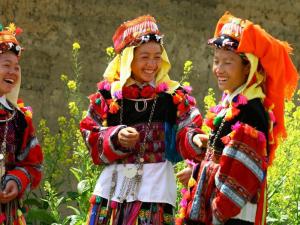
connected with or belonging to a group of people that share a cultural tradition
Vietnam has 54 ethnic groups with a population of 86 million people.
เวียดนามมีกลุ่มชาติพันธุ์ 54 กลุ่ม มีประชากร 86 ล้านคน
คำพ้องความหมายracialculturalnationaltribalคำตรงข้ามnonethnicmainstreamgeneralความไม่เท่าเทียม, ความเหลื่อมล้ำ
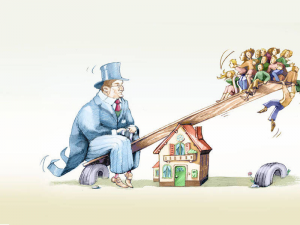
the unfair difference between groups of people in society, when some have more wealth, status or opportunities than others
The free market program has widened social inequality to an unprecedented degree.
นโยบายตลาดเสรีได้ขยายความเหลื่อมล้ำทางสังคมให้กว้างขึ้นอย่างที่ไม่เคยมีมาก่อน
คำพ้องความหมายdisparityimbalanceinequitybiasunfairnessdisproportionคำตรงข้ามequalityequityfairnessbalanceimpartialityอคติ
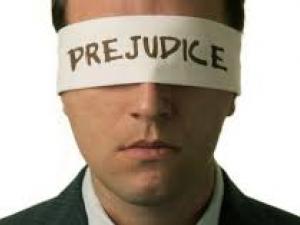
an unreasonable dislike of or preference for a person, group, custom, etc., especially when it is based on their race, religion, sex, etc.
Governmental programs must be administered without prejudice.
โครงการของรัฐบาลจะต้องได้รับการบริหารโดยปราศจากอคติ
คำพ้องความหมายbiaspartialitydiscriminationunfairnessbigotrypredilectionleaningคำตรงข้ามfairnessimpartialityobjectivitytoleranceopen-mindednessความอดทน
the quality of being willing to accept or tolerate somebody/something, especially opinions or behaviour that you may not agree with, or people who are not like you
She had no tolerance for jokes of any kind.
เธอไม่มีความอดทนต่อเรื่องตลกใดๆ ทั้งสิ้น
คำพ้องความหมายpatienceforbearanceunderstandingacceptanceleniencyenduranceคำตรงข้ามintoleranceprejudicebigotrynarrow-mindednessimpatienceความเป็นพลเมือง, สัญชาติ
the state of being a citizen and accepting the responsibilities of it
The schools should be responsible for teaching our children good citizenship.
โรงเรียนควรมีหน้าที่สอนให้เด็ก ๆ ของเรามีความเป็นพลเมืองที่ดี
คำพ้องความหมายnationalitycivilitycivic dutycivic virtuemembershipallegianceคำตรงข้ามalienationstatelessnessdenationalizationexpatriationเผ่า, ชนเผ่า
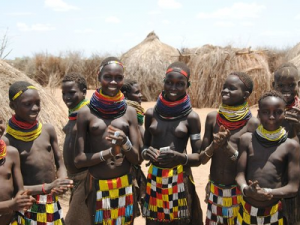
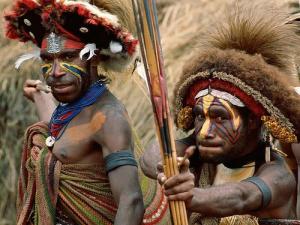
a social group in a traditional society consisting of people with the same language, culture, religion, etc., living in a particular area and often having one leader known as a chief
Many tribes live in the mountains and keep their own language and customs.
มีหลายชนเผ่าอาศัยอยู่ในภูเขาและรักษาภาษาและขนบธรรมเนียมของตนไว้
คำพ้องความหมายclangroupcommunitypeoplenationsocietyคำตรงข้ามindividualcitynationcivilizationทาส
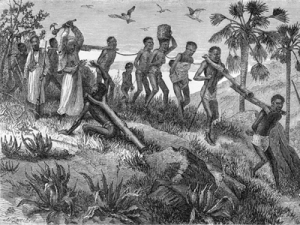
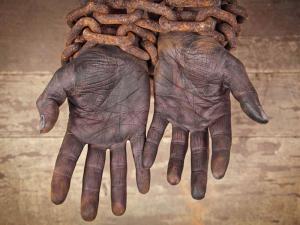
a person who is owned by another person and is forced to work for and obey them
By the time I was ten, I had become her slave, doing all the housework.
เมื่อฉันอายุสิบขวบ ฉันก็กลายเป็นทาสของเธอ ทำงานบ้านทุกอย่าง
คำพ้องความหมายbondmanthrallvassalserfservantcaptiveคำตรงข้ามfree personmasterliberatedemancipatedความสามัคคี (khwaam saamakkhii)
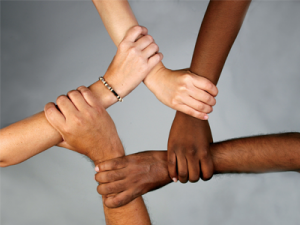
support by one person or group of people for another because they share feelings, opinions, aims, etc.
When a group of people show solidarity they support each other or another group.
เมื่อกลุ่มคนแสดงความสามัคคี พวกเขาจะสนับสนุนซึ่งกันและกันหรือสนับสนุนกลุ่มอื่น
คำพ้องความหมายunityagreementaccordharmonyteamworkfellowshipcomradeshipsupportคำตรงข้ามdiscorddivisiondisagreementestrangementoppositionseparationconflictการรวม
the fact of including somebody/something; the fact of being included
She is being considered for inclusion on the England team.
เธอกำลังได้รับการพิจารณาให้รวมอยู่ในทีมชาติอังกฤษ
คำพ้องความหมายincorporationadditioninsertionenclosureacceptancemembershipคำตรงข้ามexclusionomissionrejectionremovalหลากหลาย
very different from each other and of various kinds
The area is diverse with different types of animals and plants.
พื้นที่นี้มีความหลากหลายด้วยสัตว์และพืชหลายชนิด
คำพ้องความหมายvariedassortedmultifariousheterogeneouseclecticคำตรงข้ามuniformhomogeneoussimilaridenticalalikeอารยธรรม
a state of human society that is very developed and organized
The ancient Egyptians built one of the world's greatest civilizations.
ชาวอียิปต์โบราณสร้างหนึ่งในอารยธรรมที่ยิ่งใหญ่ที่สุดของโลก
คำพ้องความหมายculturesocietydevelopmentprogressrefinementคำตรงข้ามbarbarismsavagerywildernessanarchyการเลือกปฏิบัติ, การกีดกัน
unfair treatment of a person because of their gender, age, religion, disability or another protected characteristic
The law prohibits discrimination against pregnant workers in hiring and promotion.
กฎหมายห้ามการเลือกปฏิบัติต่อแรงงานที่ตั้งครรภ์ทั้งในการจ้างงานและการเลื่อนตำแหน่ง
The employee filed a complaint of age discrimination after being passed over.
คำพ้องความหมายprejudicebiasinequalityfavoritismbigotrysegregationคำตรงข้ามequalityfairnessimpartialityjusticeequitytoleranceการบูรณาการ (gaan buu ra naa gaan)
the act or process of combining two or more things so that they work together
The integration of different kinds of cultures has become a new trend.
การบูรณาการวัฒนธรรมที่แตกต่างกันได้กลายเป็นกระแสใหม่ (gaan buu ra naa gaan wat tha na tham thi dtaek dtaang gan dai glaai bpen gra sae mai).
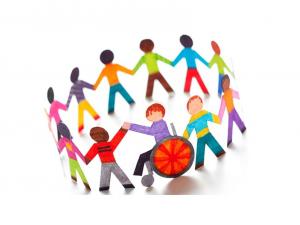
คำพ้องความหมายassimilationincorporationfusionunificationamalgamationsynthesismergerคำตรงข้ามseparationsegregationfragmentationdivisiondisconnectionalienationชนเผ่า
connected with a tribe or tribes
Tribal lands were held in common and each man was entitled to a share in the products.
ที่ดินของชนเผ่าถูกถือครองร่วมกันและผู้ชายแต่ละคนมีสิทธิได้รับส่วนแบ่งในผลผลิต
คำพ้องความหมายaboriginalindigenousnativeethnicclanคำตรงข้ามurbancivilizedmoderncosmopolitanมรดก, มรดกตกทอด
something that remains from an earlier time or that is passed on from past generations
The cultural legacy of ancient Rome can still be seen across Europe today.
มรดกทางวัฒนธรรมของกรุงโรมโบราณยังคงปรากฏให้เห็นทั่วยุโรปในปัจจุบัน
คำพ้องความหมายinheritancebequestheritagetraditionendowmentpatrimonyคำตรงข้ามdebtliabilityobligationพลเรือน, ประชาชนทั่วไป
a person who is not a member of the armed forces or the police
Many civilians were killed when the city was bombed during the war.
พลเรือนจำนวนมากเสียชีวิตเมื่อเมืองถูกทิ้งระเบิดในช่วงสงคราม
คำพ้องความหมายnonmilitarycivilianprivate citizennoncombatantคำตรงข้ามmilitaryarmed forcessoldierพลเมือง
a person who has the legal right to belong to a particular country
He is a responsible citizen who always votes in elections.
เขาเป็นพลเมืองที่มีความรับผิดชอบและลงคะแนนเสียงในการเลือกตั้งเสมอ
คำพ้องความหมายnationalinhabitantresidentsubjectmemberคำตรงข้ามalienforeignerimmigrantnoncitizenเกี่ยวกับสตรีนิยม, ตามแนวสตรีนิยม
having or based on the belief that women should have the same rights and opportunities as men
She has written several books from a feminist point of view.
เธอเขียนหนังสือหลายเล่มจากมุมมองแบบสตรีนิยม
คำพ้องความหมายwomen's rights advocateegalitariangender equality activistคำตรงข้ามmisogynistchauvinistsexistเพศ
the fact of being male or female, especially when considered with reference to social and cultural differences, rather than differences in biology; members of a particular gender as a group
What is your gender?
คุณมีเพศอะไร
คำพ้องความหมายsexidentitysexual identityคำตรงข้ามnoneผู้อพยพ
a person who has come to live permanently in a different country from the one they were born in
The immigrant family worked hard to build a new life.
ครอบครัวผู้อพยพทำงานอย่างหนักเพื่อสร้างชีวิตใหม่
คำพ้องความหมายnewcomermigrantaliensettlerคำตรงข้ามnativecitizenresidentความอยุติธรรม
the fact of a situation being unfair and of people not being treated equally; an unfair act or an example of unfair treatment
The workers protested against the injustice of unequal pay.
คนงานประท้วงต่อต้านความอยุติธรรมของการจ่ายค่าจ้างที่ไม่เท่าเทียมกัน
คำพ้องความหมายunfairnessinequitywronggrievanceคำตรงข้ามjusticefairnessequityการปลดปล่อย
the act or process of freeing a country or a person from the control of somebody else
The liberation of the prisoners was a great moment.
การปลดปล่อยนักโทษเป็นช่วงเวลาที่ยิ่งใหญ่
คำพ้องความหมายfreedomdeliveranceemancipationreleaseคำตรงข้ามimprisonmentcaptivityoppressionenslavementการเหยียดเชื้อชาติ
the unfair treatment of people who belong to a different race; violent behaviour towards them
Racism is a serious problem in many societies.
การเหยียดเชื้อชาติเป็นปัญหาสำคัญในหลายสังคม
คำพ้องความหมายbigotryprejudicediscriminationchauvinismคำตรงข้ามtoleranceequalityacceptanceinclusionเหยียดผิว
having the belief that some races of people are better than others or having general beliefs about other people based only on their race; showing this through violent or unfair treatment of people of other races
His racist remarks were offensive and unacceptable.
คำพูดเหยียดผิวของเขาน่ารังเกียจและยอมรับไม่ได้
คำพ้องความหมายbigotedprejudiceddiscriminatoryคำตรงข้ามtolerantinclusiveegalitarianผู้ลี้ภัย
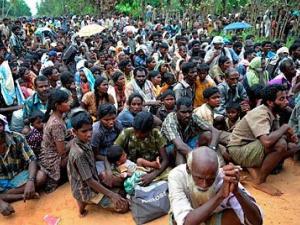
a person who has been forced to leave their country or home, because there is a war or for political, religious or social reasons
The refugees sought shelter in a neighboring country.
ผู้ลี้ภัยแสวงหาที่พักพิงในประเทศเพื่อนบ้าน
คำพ้องความหมายasylum seekerdisplaced personexileémigréคำตรงข้ามcitizennativeresidentภาพเหมารวม
a fixed idea or image that many people have of a particular type of person or thing, but which is often not true in reality
The stereotype of a librarian is someone who is quiet and wears glasses.
ภาพเหมารวมของบรรณารักษ์คือคนที่เงียบและสวมแว่นตา
คำพ้องความหมายclichepatternmoldgeneralizationคำตรงข้ามoriginalityindividualityuniquenessการแสดงความเคารพ, การยกย่อง, เครื่องบรรณาการ
an act, a statement or a gift that is intended to show your love or respect, especially for a dead person
The city paid tribute to the fallen heroes.
เมืองนี้แสดงความเคารพแด่เหล่าวีรบุรุษผู้เสียชีวิต
คำพ้องความหมายhomageaccoladepraiserespecthonorคำตรงข้ามcriticismdisrespectdishonorinsultความสามัคคี
the state of being in agreement and working together; the state of being joined together to form one unit
The project demonstrated a great sense of unity among the team members.
โครงการแสดงให้เห็นถึงความสามัคคีอย่างมากในหมู่สมาชิกในทีม
คำพ้องความหมายharmonyagreementaccordonenesssolidarityคำตรงข้ามdiscorddisagreementdivisionseparationความเป็นอยู่ที่ดี, สวัสดิภาพ, สวัสดิการ
the general health, happiness and safety of a person, an animal or a group
The charity works hard to protect the welfare of homeless children.
องค์กรการกุศลทำงานอย่างหนักเพื่อปกป้องสวัสดิภาพของเด็กไร้บ้าน
คำพ้องความหมายwell-beingprosperitybenefitcomfortคำตรงข้ามhardshippovertysuffering