पाठ 8/33 · 111 शब्द · 0 याद हो गए
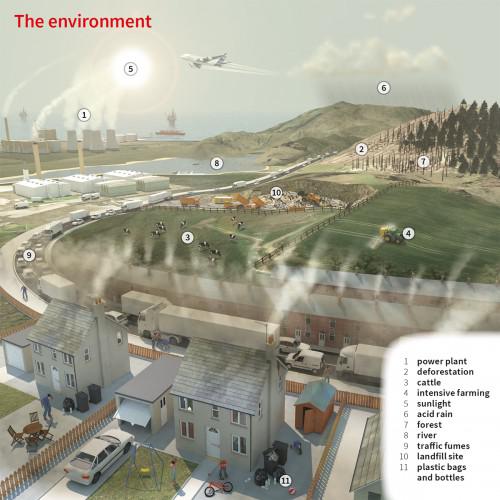
Environment
पर्यावरण
निपटना
to make a determined effort to deal with a difficult problem or situation
The government is determined to tackle inflation.
सरकार मुद्रास्फीति से निपटने के लिए दृढ़ है।
I think I'll tackle the repairs next weekend.
समानार्थीaddressconfrontdeal withhandlemanagegrapple withundertakeविलोमavoidevadeignoreneglectshunप्रदूषण (pradushan)
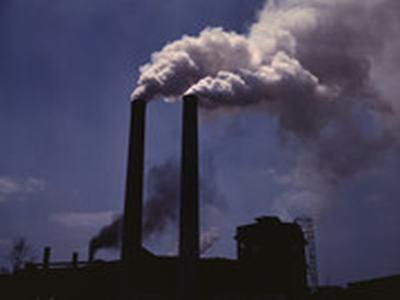
the process of making air, water, soil, etc. dirty; the state of being dirty
Water pollution is becoming more serious now.
जल प्रदूषण अब और गंभीर होता जा रहा है।
air/water pollution
समानार्थीcontaminationdefilementimpurityfoulnesstaintadulterationविलोमpurificationcleansingsterilizationclarificationpristinenessनुकसान (nuksaan)
physical harm caused to something which makes it less attractive, useful or valuable
The damage to his car was considerable.
उसकी कार को काफी नुकसान हुआ था। (Uski car ko kaafi nuksaan hua tha.)
Smoking seriously damages your health.
समानार्थीharminjuryimpairmentdestructionlossविलोमrepairimprovementbenefitadvantagerestorationबिजली (bijlī)
a form of energy from charged elementary particles , usually supplied as electric current through cables, wires, etc. for lighting, heating, driving machines, etc.
The electricity has been turned off.
बिजली बंद कर दी गई है।
The electricity is off (= there is no electric power supply).
समानार्थीpowercurrentvoltagechargeविलोमpowerlessnessnon-conductivitynonelectricityपारिस्थितिक पर्यटन, इको-टूरिज़्म
responsible travel to natural areas that protects the environment and benefits local people
Ecotourism in Cat Tien National Park supports local conservation work.
कैट तिएन राष्ट्रीय उद्यान में पारिस्थितिक पर्यटन स्थानीय संरक्षण कार्य में सहायक है।
The resort has become a model of ecotourism in the Mekong Delta.
समानार्थीsustainable tourismresponsible tourismnature tourismgreen tourismविलोमmass tourismexploitative tourismdestructive tourismदोहन करना, भरपूर उपयोग करना
to use something such as resources well in order to gain as much from it as possible
We need to make sure that we exploit our resources as fully as possible.
हमें यह सुनिश्चित करना होगा कि हम अपने संसाधनों का यथासंभव पूरा उपयोग करें।
समानार्थीutilizeusecapitalize ontake advantage ofleveragemanipulatemistreatabuseविलोमconservepreserveprotectignoreneglectcherishनवीकरणीय
that is replaced naturally or controlled carefully and can therefore be used without the risk of using it all up
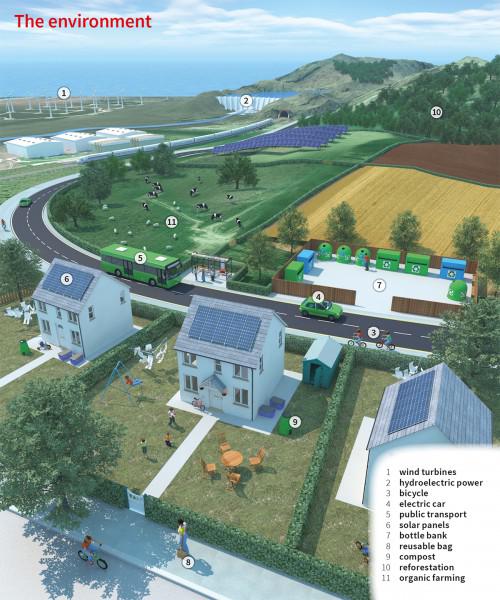
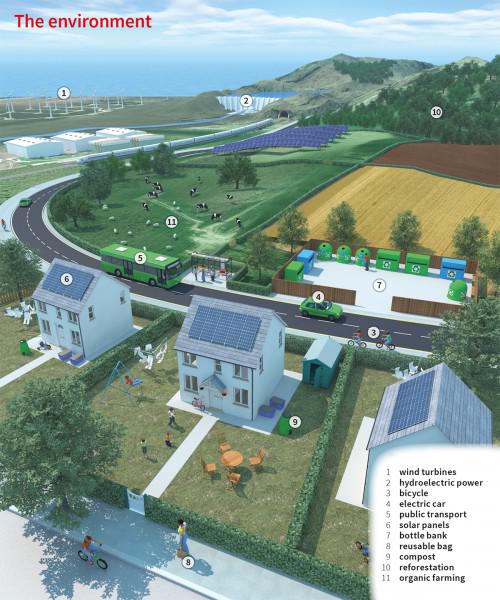
There are some renewable energy sources such as wind and wave power.
पवन और तरंग ऊर्जा जैसे कुछ नवीकरणीय ऊर्जा स्रोत हैं।
समानार्थीsustainableregenerativereplenishablerestorableविलोमnonrenewablefiniteexhaustibledepletableटिकाऊ, सतत
involving the use of natural products and energy in a way that does not harm the environment
We need to find more sustainable ways of producing energy for our homes.
हमें अपने घरों के लिए ऊर्जा पैदा करने के और अधिक टिकाऊ तरीके खोजने होंगे।
समानार्थीmaintainableendurableviablerenewableeco-friendlygreenविलोमunsustainableexhaustingdepletingtemporaryshort-livedजैव विविधता (jaiv vividhata)
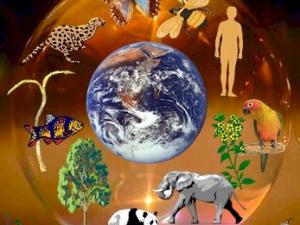
the existence of a large number of different kinds of animals and plants which make a balanced environment
A new National Biological Survey will protect species habitat and biodiversity.
एक नया राष्ट्रीय जैविक सर्वेक्षण प्रजातियों के आवास और जैव विविधता की रक्षा करेगा।
समानार्थीvariety of lifebiological diversityecological diversityspecies richnessgenetic diversityविलोमmonocultureuniformitylack of diversitybiological uniformityवनोन्मूलन (vanonmoolan)
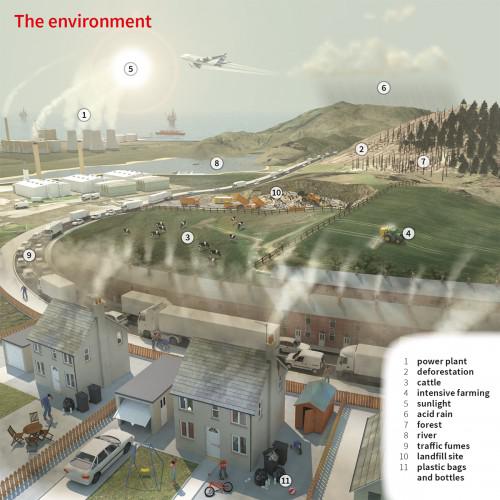
the act of cutting down or burning the trees in an area
There has been rising deforestation recently.
हाल ही में वनों की कटाई बढ़ रही है।
समानार्थीforest clearingtree removalwoodland clearanceloggingविलोमafforestationreforestationforestationtree plantingपारिस्थितिकी तंत्र (paaristhitiki tantr)
all the plants and living creatures in a particular area considered in relation to their physical environment
different ecosystems and biomes on our planet
हमारे ग्रह पर विभिन्न पारिस्थितिकी तंत्र और बायोम
समानार्थीecological communityenvironmenthabitatbiosphereविलोमnone (ecosystem is a specific term with no direct antonym)abiotic environment (could be considered an opposite in some contexts)पुनर्चक्रण (punarchakran)
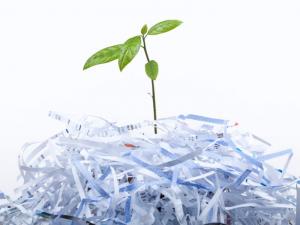
to treat things that have already been used so that they can be used again
We can recycle waste paper.
हम बेकार कागज़ को पुनर्चक्रित कर सकते हैं। (Ham bekaar kaagaz ko punarchakrit kar sakte hain.)
समानार्थीreusereclaimreprocessrecoversalvageविलोमdiscarddisposewastedumpसंरक्षण (sanrakshan)
the protection of the natural environment
This kind of bird is protected by conservation plans.
इस प्रकार का पक्षी संरक्षण योजनाओं द्वारा संरक्षित है।
समानार्थीpreservationprotectionsafeguardingmaintenanceupkeepविलोमdestructiondepletionwasteneglectexploitationदक्षता
the quality of doing something well with no waste of time or money
The reforms will lead to cost efficiency and savings.
सुधारों से लागत दक्षता और बचत होगी।
समानार्थीproductivityeffectivenesscapabilitycompetenceeconomyperformanceskillविलोमinefficiencywastefulnessincompetenceineffectivenessलुप्तप्राय प्रजाति
a type of animal or plant that might stop existing because there are very few of them left
Most countries are trying hard to protect endangered species.
अधिकांश देश लुप्तप्राय प्रजातियों की रक्षा के लिए कड़ी मेहनत कर रहे हैं।
समानार्थीthreatened speciesvulnerable speciesat-risk speciesविलोमthriving speciesabundant speciescommon speciesसंदूषण (sandushan)
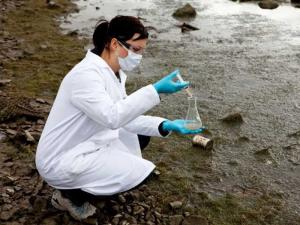
the process or fact of making a substance or place dirty or no longer pure by adding a substance that is dangerous or carries disease
The water supply is being tested for contamination.
पानी की आपूर्ति में संदूषण की जांच की जा रही है।
समानार्थीpollutiontaintdefilementimpairmentinfectionविलोमpuritysterilitycleannesssanitationभूतापीय (bhutaapiy)
connected with the natural heat of rock deep in the ground
They are going to build a geothermal power station in this area.
वे इस क्षेत्र में एक भूतापीय विद्युत स्टेशन बनाने जा रहे हैं।
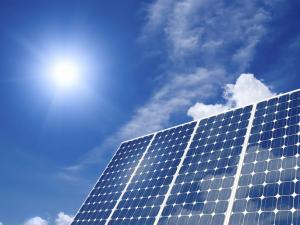
समानार्थीearth-heatgeothermicvolcanicविलोमconventionalfossil fuelnon-geothermalसौर पैनल
a piece of equipment, often on the roof of a building, that uses light and heat energy from the sun to produce hot water and electricity
Solar panels are used to power satellites.
सौर पैनलों का उपयोग उपग्रहों को बिजली देने के लिए किया जाता है।
समानार्थीphotovoltaic panelsolar cell arrayPV panelविलोमconventional power sourcefossil fuel generatorजलवायु परिवर्तन (jalavaayu parivartan)
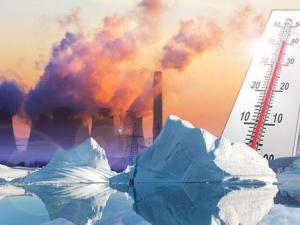
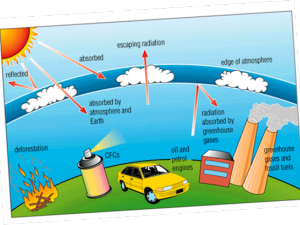
changes in the earth’s weather, including changes in temperature, wind patterns and rainfall , especially the increase in the temperature of the earth’s atmosphere that is caused by the increase of particular gases, especially carbon dioxide
In any case, climate change is already disrupting the lives of millions of human beings.
किसी भी मामले में, जलवायु परिवर्तन पहले से ही लाखों इंसानों के जीवन को बाधित कर रहा है।
समानार्थीglobal warmingclimatic changeenvironmental changeclimate crisisविलोमclimate stabilityenvironmental equilibriumप्राकृतिक संसाधन (prakritik sansadhan)
materials such as minerals, forests, water and fertile land that exist in nature and can be used by people
Some natural resources, such as natural gas and fossil fuel, cannot be replaced.
कुछ प्राकृतिक संसाधन, जैसे प्राकृतिक गैस और जीवाश्म ईंधन, को बदला नहीं जा सकता है।
समानार्थीraw materialsenvironmental resourcesnature's bountyearth's resourcesविलोमman-made resourcessynthetic resourcesartificial resourcesprocessed materialsवैश्विक तापमान वृद्धि
the increase in temperature of the earth’s atmosphere that is caused by the increase of particular gases, especially carbon dioxide
Global warming is a term that refers to the general warm - up of the Earth and its atmosphere.
वैश्विक तापमान वृद्धि एक शब्द है जो पृथ्वी और उसके वायुमंडल के सामान्य तापमान में वृद्धि को दर्शाता है।
समानार्थीclimate changegreenhouse effectatmospheric warmingविलोमglobal coolingice ageओजोन परत (Ozon parat)
a layer of ozone high above the earth’s surface that helps to protect the earth from harmful radiation from the sun
The ozone layer protects living things from the harmful radiation of the sun.
ओजोन परत जीवित चीजों को सूर्य के हानिकारक विकिरण से बचाती है।
समानार्थीozone shieldozonosphereविलोमNoneजैव-निम्नीकरणीय
a substance or chemical that is biodegradable can be changed by the action of bacteria to a natural state that will not harm the environment
The packaging is made of biodegradable materials.
पैकेजिंग जैव-निम्नीकरणीय सामग्री से बनी है।
समानार्थीdecomposabledegradableeco-friendlyविलोमnon-biodegradablenon-degradableimperishableसंरक्षणवादी
a person who takes an active part in the protection of the environment
The conservationist dedicated their life to protecting endangered species.
संरक्षणवादी ने अपना जीवन संकटग्रस्त प्रजातियों की रक्षा के लिए समर्पित कर दिया।
समानार्थीenvironmentalistpreservationistecologistnature lovergreen activistविलोमexploiterdestroyerpolluterजनित्र, जनरेटर
a machine that changes mechanical energy into electrical energy
The diesel generator supplies the plant during grid outages.
ग्रिड बंद होने पर डीज़ल जनरेटर संयंत्र को बिजली की आपूर्ति करता है।
Run the generator on load for thirty minutes every month.
समानार्थीpower sourcedynamoengineविलोमconsumeruserटरबाइन
a machine or part of a machine that produces continuous turning power from a fast-moving flow of a liquid or gas, using a set of vanes attached to a wheel or rotor
The turbine converts the kinetic energy of the wind into electricity.
टरबाइन हवा की गतिज ऊर्जा को बिजली में परिवर्तित करता है।
समानार्थीrotatorenginerotorgeneratorविलोमnoneकार्बन पदचिह्न
a measure of the amount of carbon dioxide that is produced by the activities of a person or company
Reducing your carbon footprint can help protect the environment.
अपने कार्बन पदचिह्न को कम करना पर्यावरण की रक्षा करने में मदद कर सकता है।
समानार्थीEnvironmental impactCarbon emissionsGreenhouse gas emissionsविलोमCarbon neutralitySustainabilityपर्यावरणविद
a person who is interested in the natural environment and wants to improve and protect it
The environmentalist spoke passionately about climate change.
पर्यावरणविद ने जलवायु परिवर्तन के बारे में उत्साह से बात की।
समानार्थीconservationistecologistnature loverविलोमexploiterpolluterपाली में काम, शिफ़्ट ड्यूटी
a system in which groups of employees work at different times so that work continues day and night
Shift work is common in factories that run twenty-four hours a day.
चौबीसों घंटे चलने वाली फ़ैक्टरियों में पाली में काम आम बात है।
Night shift work is paid an extra thirty percent.
समानार्थीRotating shiftsShift systemStaggered hoursविलोमRegular hoursFixed scheduleबीमारी की छुट्टी, चिकित्सा अवकाश
time off work because of illness, which may be paid by the employer or by social insurance
He has been on sick leave since Monday with the flu.
वह सोमवार से फ़्लू के कारण बीमारी की छुट्टी पर है।
Sick leave longer than three days needs a doctor's certificate.
समानार्थीMedical leavePaid sick timeTime off for illnessविलोमPresenteeismWorking while sickस्टाफ़िंग, कर्मियों की तैनाती
the number of workers employed in a place, or the work of providing enough suitable staff
Staffing levels in the warehouse rise before the Tet holiday.
टेट की छुट्टी से पहले गोदाम में स्टाफ़िंग का स्तर बढ़ जाता है।
The new store has a staffing plan of twelve full-time employees.
समानार्थीHiringRecruitmentPersonnelEmploymentWorkforceविलोमDownsizingLayoffsReductionAttritionउत्तराधिकार योजना, उत्तराधिकार नियोजन
preparing employees inside the company so they can replace managers and key staff when they leave
Succession planning helped us replace the plant director within a week.
उत्तराधिकार योजना की बदौलत हम एक सप्ताह के भीतर प्लांट निदेशक का पद भर सके।
The board asked HR to improve succession planning for senior roles.
समानार्थीReplacement planningLeadership developmentTalent managementविलोमLack of planningAd hoc leadershipप्रतिभा अधिग्रहण, टैलेंट एक्विज़िशन
the long-term work of finding, attracting and hiring skilled people for an organisation
Our talent acquisition team focuses on engineers and data analysts.
हमारी प्रतिभा अधिग्रहण टीम इंजीनियरों और डेटा विश्लेषकों पर ध्यान देती है।
Talent acquisition is more than filling vacancies; it builds future capability.
समानार्थीRecruitmentHiringStaffingTalent sourcingविलोमDownsizingLayoffAttritionघर से काम करना, दूरस्थ कार्य
The practice of working from home and communicating with your office by phone or the internet.
Telecommuting allows employees to work from home.
घर से काम करने की सुविधा कर्मचारियों को घर से काम करने देती है।
समानार्थीRemote workWork from homeVirtual workविलोमOffice workIn-person workऊर्जा दक्षता
The use of less energy to produce the same amount of light, heat, power or work.
Energy efficiency helps reduce electricity bills.
ऊर्जा दक्षता बिजली के बिलों को कम करने में मदद करती है।
समानार्थीFuel efficiencyPower conservationEnergy conservationविलोमEnergy wasteInefficiencyनवीकरणीय ऊर्जा
Energy from sources that are naturally replaced, such as the sun, wind and water.
Renewable energy sources are essential for a sustainable future.
नवीकरणीय ऊर्जा स्रोत एक स्थायी भविष्य के लिए आवश्यक हैं।
समानार्थीSustainable energyClean energyGreen energyविलोमNon-renewable energyFossil fuelsConventional energyनवीकरणीय संसाधन
Natural resources that are replaced naturally and can be used without running out, such as sunlight and wind.
Solar energy is a key example of renewable resources.
सौर ऊर्जा नवीकरणीय संसाधनों का एक प्रमुख उदाहरण है।
समानार्थीSustainable resourcesAlternative energy sourcesEco-friendly resourcesविलोमNon-renewable resourcesFinite resourcesDepletable resourcesविकल्प
things that you can choose to have or do instead of something else.
We considered several alternatives before making a decision.
हमने निर्णय लेने से पहले कई विकल्पों पर विचार किया।
समानार्थीOptionsChoicesSubstitutesReplacementsPossibilitiesविलोमNecessityRequirementObligationCompulsionवायु प्रदूषण
Harmful substances such as smoke and gases in the air.
Air pollution is a serious environmental problem in many cities.
वायु प्रदूषण कई शहरों में एक गंभीर पर्यावरणीय समस्या है।
समानार्थीsmogenvironmental contaminationatmospheric pollutionविलोमclean airpure airकार्बन उत्सर्जन
Carbon dioxide and other carbon gases released into the air, especially by burning fuel.
The government is trying to reduce carbon emissions.
सरकार कार्बन उत्सर्जन को कम करने की कोशिश कर रही है।
समानार्थीgreenhouse gas emissionscarbon footprintविलोमcarbon capturecarbon sequestrationपारिस्थितिक संतुलन
A stable state in which plants, animals and their environment exist together in healthy proportions.
Maintaining ecological balance is crucial for the health of the planet.
ग्रह के स्वास्थ्य के लिए पारिस्थितिक संतुलन बनाए रखना महत्वपूर्ण है।
समानार्थीEnvironmental equilibriumNatural harmonyBalance of natureविलोमEcological imbalanceEnvironmental disruptionपर्यावरणीय प्रभाव
The effect that an activity, product or project has on the natural environment.
The environmental impact of the factory's emissions is significant.
कारखाने के उत्सर्जन का पर्यावरणीय प्रभाव महत्वपूर्ण है।
समानार्थीEcological footprintEnvironmental consequenceEcological impactविलोमEnvironmental benefitEnvironmental improvementहरित प्रौद्योगिकी
Technology that is designed to reduce harm to the environment, for example by saving energy or reducing pollution.
The company invests heavily in green technology to reduce its carbon footprint.
कंपनी अपने कार्बन पदचिह्न को कम करने के लिए हरित प्रौद्योगिकी में भारी निवेश करती है।
समानार्थीsustainable technologyclean technologyenvironmental technologyविलोमpolluting technologydirty technologyग्रीनहाउस गैसें
Gases, especially carbon dioxide and methane, that trap heat in the earth's atmosphere and cause global warming.
Greenhouse gases trap heat in the atmosphere.
ग्रीनहाउस गैसें वातावरण में गर्मी को रोकती हैं।
समानार्थीRadiatively active gasesClimate-forcing gasesविलोमOxygenClean airओज़ोन क्षरण
The gradual thinning of the ozone layer in the earth's atmosphere, caused by harmful gases.
Ozone depletion allows more harmful UV radiation to reach the Earth's surface.
ओज़ोन क्षरण पृथ्वी की सतह तक अधिक हानिकारक यूवी विकिरण पहुंचने की अनुमति देता है।
समानार्थीozone thinningozone layer destructionविलोमozone recoveryozone regenerationमृदा अपरदन
The gradual removal of the top layer of soil by wind, water or human activity.
Soil erosion is a major environmental problem.
मृदा अपरदन एक बड़ी पर्यावरणीय समस्या है।
समानार्थीLand degradationSoil lossDenudationविलोमSoil conservationAfforestationLand reclamationटिकाऊ कृषि
Farming that produces food in ways that protect the environment and can continue for a long time.
Sustainable agriculture focuses on long-term environmental health.
टिकाऊ कृषि दीर्घकालिक पर्यावरणीय स्वास्थ्य पर केंद्रित है।
समानार्थीecological farmingregenerative agricultureconservation agricultureविलोमunsustainable agricultureconventional agricultureसतत विकास
Economic growth that meets present needs without harming the environment or the needs of future generations.
Sustainable development aims to meet the needs of the present without compromising the ability of future generations to meet their own needs.
सतत विकास का उद्देश्य भविष्य की पीढ़ियों की अपनी ज़रूरतों को पूरा करने की क्षमता से समझौता किए बिना वर्तमान की ज़रूरतों को पूरा करना है।
समानार्थीeco-friendly developmentresponsible developmentgreen developmentविलोमunsustainable developmentexploitative developmentirresponsible developmentअपशिष्ट प्रबंधन
The collection, transport, treatment and disposal of waste materials.
Effective waste management is crucial for a healthy environment.
एक स्वस्थ वातावरण के लिए प्रभावी अपशिष्ट प्रबंधन महत्वपूर्ण है।
समानार्थीtrash disposalrubbish removalrecyclinggarbage disposalविलोमwaste creationpollutionपानी की कमी
A situation in which there is not enough clean water to meet people's needs in an area.
Water scarcity is a growing problem in many parts of the world.
पानी की कमी दुनिया के कई हिस्सों में एक बढ़ती हुई समस्या है।
समानार्थीwater shortagewater deficitdroughtaridityविलोमwater abundancewater surplusसमुद्री पारिस्थितिकी तंत्र
All the living things in the sea and the environment in which they interact with one another.
The marine ecosystem is vital for the planet's health.
समुद्री पारिस्थितिकी तंत्र ग्रह के स्वास्थ्य के लिए महत्वपूर्ण है।
समानार्थीOceanic environmentSeascapeMarine habitatविलोमTerrestrial ecosystemLand ecosystemअम्ल निक्षेपण, अम्लीय वर्षा
The process by which acidic substances from polluted air fall onto the earth in rain, snow or dry particles.
Acid deposition harms forests and aquatic ecosystems.
अम्ल निक्षेपण जंगलों और जलीय पारिस्थितिक तंत्रों को नुकसान पहुँचाता है।
समानार्थीAcid rainAcid precipitationविलोमAlkaline rainNeutral depositionसक्रिय कार्बन
A form of carbon treated to be very porous, used to absorb impurities from water or air.
Activated carbon is used to filter water.
सक्रिय कार्बन का उपयोग पानी को छानने के लिए किया जाता है।
समानार्थीactivated charcoalactive carbonविलोमregular carboninactive carbonस्वच्छ ऊर्जा
Energy produced in a way that causes little or no pollution, such as solar or wind power.
The government is investing heavily in clean energy sources.
सरकार स्वच्छ ऊर्जा स्रोतों में भारी निवेश कर रही है।
समानार्थीRenewable energyGreen energySustainable energyविलोमFossil fuelsDirty energyNon-renewable energyखाद बनाना
The process of letting plant and food waste decay so that it can be used to make soil richer.
We are composting food scraps in our backyard.
हम अपने पिछवाड़े में भोजन के टुकड़ों से खाद बना रहे हैं।
समानार्थीdecompositionrottinghumificationविलोमincinerationsterilizationसंरक्षण कार्यक्रम
An organized plan of activities to protect the natural environment, wildlife or resources.
The government implemented a new conservation program to protect endangered species.
सरकार ने लुप्तप्राय प्रजातियों की रक्षा के लिए एक नया संरक्षण कार्यक्रम लागू किया।
समानार्थीPreservation initiativeProtection schemeEnvironmental planविलोमDestruction initiativeExploitation programपारिस्थितिक तंत्र को बिगाड़ना
To damage natural systems of living things and their environment so that they become less healthy or productive.
Pollution can degrade ecosystems, harming wildlife and human populations.
प्रदूषण पारिस्थितिक तंत्र को बिगाड़ सकता है, जिससे वन्यजीवों और मानव आबादी को नुकसान होता है।
समानार्थीDamage ecosystemsHarm ecosystemsImpair ecosystemsWorsen ecosystemsविलोमProtect ecosystemsRestore ecosystemsPreserve ecosystemsEnhance ecosystemsप्राकृतिक संसाधनों को कम करना
To use up natural materials such as water, minerals or forests so that little or none remains.
Overfishing can deplete natural resources in the ocean.
अत्यधिक मछली पकड़ने से महासागर में प्राकृतिक संसाधनों की कमी हो सकती है।
समानार्थीexhaustuse upconsumedrainविलोमreplenishconservepreserveपारिस्थितिक पदचिह्न
A measure of how much land and natural resources a person or group uses and the impact this has on the environment.
Reducing your ecological footprint can help preserve the planet.
अपने पारिस्थितिक पदचिह्न को कम करना ग्रह को संरक्षित करने में मदद कर सकता है।
समानार्थीenvironmental impactcarbon footprintविलोमenvironmental sustainabilityecological healthऊर्जा संरक्षण
The practice of using less energy in order to save resources and reduce pollution.
Energy conservation helps reduce our carbon footprint.
ऊर्जा संरक्षण हमारे कार्बन पदचिह्न को कम करने में मदद करता है।
समानार्थीEnergy savingPower conservationResource conservationविलोमEnergy wasteEnergy depletionऊर्जा खपत
The amount of energy that is used by a person, machine, building or country.
The energy consumption of the factory was very high.
कारखाने की ऊर्जा खपत बहुत अधिक थी।
समानार्थीPower usageEnergy useFuel consumptionविलोमEnergy productionEnergy conservationऊर्जा प्रबंधन
The planning and control of how energy is used, so that less is wasted and costs are reduced.
Energy management is crucial for reducing costs and environmental impact.
ऊर्जा प्रबंधन लागत और पर्यावरणीय प्रभाव को कम करने के लिए महत्वपूर्ण है।
समानार्थीPower managementResource optimizationEnergy conservationविलोमEnergy wasteInefficient consumptionऊर्जा नीति
A plan of action by a government about how energy is produced, supplied and used.
The government is reforming its energy policy to promote renewable sources.
सरकार नवीकरणीय स्रोतों को बढ़ावा देने के लिए अपनी ऊर्जा नीति में सुधार कर रही है।
समानार्थीpower strategyfuel regulationenergy regulationविलोमenergy deregulationऊर्जा उत्पादन
The process of making energy, for example electricity, from sources such as coal, wind or sunlight.
Energy production is essential for modern society.
आधुनिक समाज के लिए ऊर्जा उत्पादन आवश्यक है।
समानार्थीPower generationEnergy creationEnergy developmentविलोमEnergy consumptionEnergy depletionऊर्जा भंडारण
The process of keeping energy, for example in batteries, so that it can be used later.
Energy storage is critical for renewable energy sources.
ऊर्जा भंडारण नवीकरणीय ऊर्जा स्रोतों के लिए महत्वपूर्ण है।
समानार्थीPower storageEnergy reservoirElectrical storageविलोमEnergy depletionEnergy consumptionपर्यावरण जागरूकता
Knowledge and understanding of environmental problems and of the need to protect the natural world.
Environmental awareness is crucial for protecting our planet.
पर्यावरण जागरूकता हमारे ग्रह की रक्षा के लिए महत्वपूर्ण है।
समानार्थीEcological consciousnessEnvironmental consciousnessGreen awarenessविलोमEnvironmental ignoranceEnvironmental apathyपर्यावरण शिक्षा
Teaching people about the natural world and how to protect it.
Environmental education is important for future generations.
पर्यावरण शिक्षा भविष्य की पीढ़ी के लिए महत्वपूर्ण है।
समानार्थीEcology educationConservation educationSustainability educationविलोमEnvironmental ignoranceLack of environmental awarenessपर्यावरण नीति
A plan of action by a government or organization to protect the environment.
The government is developing a new environmental policy to reduce pollution.
सरकार प्रदूषण कम करने के लिए एक नई पर्यावरण नीति विकसित कर रही है।
समानार्थीgreen policyecological policysustainability policyविलोमderegulationenvironmental neglectपर्यावरण नियम
Official rules that control activities which may harm the environment.
The factory must comply with all environmental regulations.
कारखाने को सभी पर्यावरण नियमों का पालन करना चाहिए।
समानार्थीEnvironmental lawsGreen policiesConservation rulesविलोमDeregulationLaissez-faireUnrestricted practicesजीवाश्म ईंधन
Fuels such as coal, oil and gas that were formed over millions of years from the remains of plants and animals.
The burning of fossil fuels contributes to air pollution.
जीवाश्म ईंधन का जलना वायु प्रदूषण का कारण बनता है।
समानार्थीnon-renewable energy sourcesconventional fuelsविलोमrenewable energysustainable energyग्रीन इमारतें
Buildings that are designed and built to use less energy and water and to cause little harm to the environment.
Green buildings help reduce environmental impact.
ग्रीन इमारतें पर्यावरण पर प्रभाव को कम करने में मदद करती हैं।
समानार्थीSustainable buildingseco-friendly constructionenvironmentally friendly buildingsविलोमConventional buildingsunsustainable constructionआवास विनाश
The process by which the natural home of plants and animals is damaged so that they can no longer live there.
Habitat destruction is a major threat to biodiversity.
आवास विनाश जैव विविधता के लिए एक बड़ा खतरा है।
समानार्थीHabitat lossEnvironmental degradationDeforestationविलोमHabitat restorationHabitat preservationConservationभूमि क्षरण
The process by which land becomes less healthy and productive, often because of human activity.
Land degradation reduces agricultural productivity.
भूमि क्षरण कृषि उत्पादकता को कम करता है।
समानार्थीsoil degradationenvironmental degradationdesertificationविलोमland improvementland reclamationsoil conservationजंगल काटना, वनों की कटाई करना
To cut down the trees in forests in order to use or sell the wood.
Companies that log forests illegally destroy the homes of many wild animals.
जो कंपनियाँ अवैध रूप से जंगल काटती हैं, वे कई जंगली जानवरों के घर उजाड़ देती हैं।
समानार्थीtimber forestslogging areasharvested forestsविलोमold-growth forestsprotected forestsvirgin forestsसमुद्री संरक्षण
The protection of the sea and the plants and animals that live in it.
Marine conservation is crucial for protecting ocean ecosystems.
समुद्री संरक्षण समुद्री पारिस्थितिक तंत्र की रक्षा के लिए महत्वपूर्ण है।
समानार्थीOcean conservationSeascape preservationMarine preservationOcean protectionविलोमMarine destructionOcean exploitationMarine degradationध्वनि प्रदूषण
Harmful or annoying levels of noise, for example from traffic, aircraft or machines.
The city struggles with significant noise pollution.
शहर ध्वनि प्रदूषण से जूझ रहा है।
समानार्थीsound pollutionacoustic pollutionenvironmental noiseविलोमquietsilencepeaceCO2 उत्सर्जन की भरपाई करना
To balance the carbon dioxide you produce by doing something that removes or saves the same amount, such as planting trees.
We can offset our CO2 emissions by planting trees.
हम पेड़ लगाकर अपने CO2 उत्सर्जन की भरपाई कर सकते हैं।
समानार्थीCounterbalanceNeutralizeMitigateReduceविलोमIncreaseWorsenExacerbateजैविक खेती
A method of farming that does not use artificial chemicals such as fertilizers and pesticides.
Organic farming avoids the use of synthetic fertilizers and pesticides.
जैविक खेती में सिंथेटिक उर्वरकों और कीटनाशकों के उपयोग से बचा जाता है।
समानार्थीEcological farmingSustainable agricultureNatural farmingविलोमConventional farmingIndustrial agricultureअति-दुरुपयोग, अत्यधिक दुरुपयोग
the use of something, especially natural resources, far too much or in a harmful way
The over-abuse of pesticides has seriously damaged the soil and rivers.
कीटनाशकों के अत्यधिक दुरुपयोग से मिट्टी और नदियों को गंभीर नुकसान पहुँचा है।
समानार्थीExploitMaltreatOverexploitविलोमProtectCareValueफोटोवोल्टिक
Using or relating to the production of electricity directly from sunlight.
Photovoltaic cells convert sunlight into electricity.
फोटोवोल्टिक सेल सूर्य के प्रकाश को बिजली में बदलते हैं।
समानार्थीsolar cellsolar powersolar energyविलोमconventional energyfossil fuelजैव विविधता का संरक्षण
To protect the variety of plants and animals living in a particular area or in the world.
It is important to preserve biodiversity to maintain healthy ecosystems.
स्वस्थ पारिस्थितिक तंत्र को बनाए रखने के लिए जैव विविधता का संरक्षण महत्वपूर्ण है।
समानार्थीConserve biodiversityProtect biodiversityMaintain biodiversityविलोमDestroy biodiversityDegrade biodiversityजागरूकता बढ़ाना
To make more people know about and understand a particular problem or situation.
We need to raise awareness about climate change.
हमें जलवायु परिवर्तन के बारे में जागरूकता बढ़ाने की आवश्यकता है।
समानार्थीPromotePublicizeHighlightEducateविलोमConcealIgnoreNeglectHideस्थिरता
The use of natural resources in a way that does not harm the environment and can continue for a long time.
Sustainability is crucial for the future of our planet.
स्थिरता हमारे ग्रह के भविष्य के लिए महत्वपूर्ण है।
समानार्थीContinuityEnduranceViabilityResilienceMaintainabilityविलोमUnsustainabilityInstabilityTemporarinessDepletionटिकाऊ जीवनशैली
A way of living that tries to reduce harm to the environment and the use of natural resources.
She is committed to living a sustainable lifestyle by reducing her carbon footprint.
वह अपने कार्बन फुटप्रिंट को कम करके एक टिकाऊ जीवनशैली जीने के लिए प्रतिबद्ध है।
समानार्थीEco-friendly livingGreen livingEnvironmentally conscious lifestyleविलोमUnsustainable livingWasteful lifestyleटिकाऊ परिवहन
Ways of travelling, such as cycling or public transport, that cause little harm to the environment.
The city is investing in sustainable transportation to reduce pollution.
शहर प्रदूषण कम करने के लिए टिकाऊ परिवहन में निवेश कर रहा है।
समानार्थीEco-friendly transportationGreen transportationEnvironmentally friendly transportविलोमUnsustainable transportationPolluting transportationप्राकृतिक आवासों को खतरा
To put at risk the natural places where animals and plants live.
Pollution can threaten natural habitats, endangering many species.
प्रदूषण प्राकृतिक आवासों को खतरे में डाल सकता है, जिससे कई प्रजातियाँ खतरे में पड़ सकती हैं।
समानार्थीendangerjeopardizeimperilविलोमprotectpreserveconserveअपशिष्ट न्यूनीकरण
The process of producing less waste, for example by using fewer materials or reusing things.
Waste reduction is crucial for environmental sustainability.
अपशिष्ट न्यूनीकरण पर्यावरणीय स्थिरता के लिए महत्वपूर्ण है।
समानार्थीReducing wasteMinimizing wasteCutting wasteWaste minimizationविलोमWaste increaseWaste generationWaste productionजल प्रदूषण
The process of making rivers, lakes, seas, etc. dirty and harmful with chemicals or waste.
Water pollution is a serious threat to aquatic life.
जल प्रदूषण जलीय जीवन के लिए एक गंभीर खतरा है।
समानार्थीAquatic pollutionWater contaminationविलोमWater purityClean waterवन्यजीव संरक्षण
The protection of wild animals and plants and the places where they live.
Wildlife preservation is crucial for maintaining biodiversity.
वन्यजीव संरक्षण जैव विविधता को बनाए रखने के लिए महत्वपूर्ण है।
समानार्थीConservationProtectionSafeguardingविलोमDestructionNeglectExploitation