Bài 8/33 · 111 từ · đã thuộc 0
Environment
Môi trường
giải quyết, xử lí
to make a determined effort to deal with a difficult problem or situation
The government is determined to tackle inflation.
Chính phủ quyết tâm giải quyết lạm phát.
I think I'll tackle the repairs next weekend.
Tôi nghĩ rằng tôi sẽ giải quyết việc sửa chữa vào cuối tuần tới.
Đồng nghĩaaddressconfrontdeal withhandlemanagegrapple withundertakeTrái nghĩaavoidevadeignoreneglectshunsự ô nhiễm
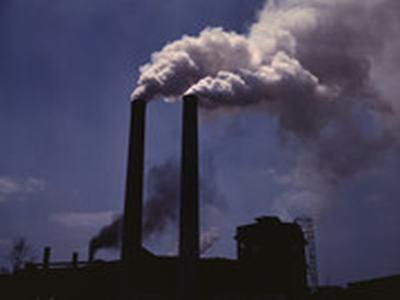
the process of making air, water, soil, etc. dirty; the state of being dirty
Water pollution is becoming more serious now.
Ô nhiễm nguồn nước đang trở thành nghiêm trọng hơn bây giờ.
air/water pollution
Ô nhiễm không khí / nước
Đồng nghĩacontaminationdefilementimpurityfoulnesstaintadulterationTrái nghĩapurificationcleansingsterilizationclarificationpristinenesshư hỏng, hỏng hóc, thiệt hại vật chất
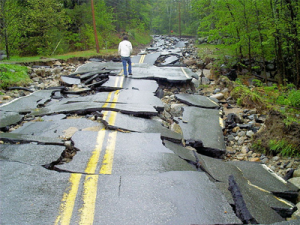
physical harm caused to something which makes it less attractive, useful or valuable
The damage to his car was considerable.
Xe của ông ấy bị hư hỏng đáng kể.
Smoking seriously damages your health.
Hút thuốc nghiêm trọng làm tổn thương sức khỏe của bạn.
Đồng nghĩaharminjuryimpairmentdestructionlossTrái nghĩarepairimprovementbenefitadvantagerestorationsóng, làn sóng
a raised line of water that moves across the surface of the sea, ocean, etc.
The children jumped over the waves as they came onto the beach.
Bọn trẻ nhảy qua những con sóng khi chúng tràn vào bãi biển.
Đồng nghĩasurgeswellripplegestureflourishbrandishTrái nghĩastillnesscalmstagnationđiện
a form of energy from charged elementary particles , usually supplied as electric current through cables, wires, etc. for lighting, heating, driving machines, etc.
The electricity has been turned off.
Điện bị tắt mất rồi.
The electricity is off (= there is no electric power supply).
Điện bị tắt (= không có nguồn điện điện).
Đồng nghĩapowercurrentvoltagechargeTrái nghĩapowerlessnessnon-conductivitynonelectricitythuộc hạt nhân
using, producing or resulting from nuclear energy
People are against the nuclear test in this area.
Mọi người đang chống lại việc thử hạt nhân trong khu vực này.
the nuclear industry
Ngành công nghiệp hạt nhân
Đồng nghĩaatomicradiologicalfissionTrái nghĩaconventionalnon-nucleardu lịch sinh thái
responsible travel to natural areas that protects the environment and benefits local people
Ecotourism in Cat Tien National Park supports local conservation work.
Du lịch sinh thái ở Vườn quốc gia Cát Tiên hỗ trợ công tác bảo tồn tại chỗ.
The resort has become a model of ecotourism in the Mekong Delta.
Khu nghỉ dưỡng đã trở thành mô hình du lịch sinh thái ở đồng bằng sông Cửu Long.
Đồng nghĩasustainable tourismresponsible tourismnature tourismgreen tourismTrái nghĩamass tourismexploitative tourismdestructive tourismkhai thác, tận dụng
to use something such as resources well in order to gain as much from it as possible
We need to make sure that we exploit our resources as fully as possible.
Chúng ta cần đảm bảo khai thác nguồn tài nguyên của mình triệt để nhất có thể.
Đồng nghĩautilizeusecapitalize ontake advantage ofleveragemanipulatemistreatabuseTrái nghĩaconservepreserveprotectignoreneglectcherishcó thể tái tạo
that is replaced naturally or controlled carefully and can therefore be used without the risk of using it all up
There are some renewable energy sources such as wind and wave power.
Có một số nguồn năng lượng có thể tái tạo được như năng lượng gió và sóng.
Đồng nghĩasustainableregenerativereplenishablerestorableTrái nghĩanonrenewablefiniteexhaustibledepletablebền vững, có thể kéo dài lâu được
involving the use of natural products and energy in a way that does not harm the environment
We need to find more sustainable ways of producing energy for our homes.
Chúng ta cần tìm những cách bền vững hơn để sản xuất năng lượng cho gia đình.
Đồng nghĩamaintainableendurableviablerenewableeco-friendlygreenTrái nghĩaunsustainableexhaustingdepletingtemporaryshort-livedđa dạng sinh học
the existence of a large number of different kinds of animals and plants which make a balanced environment
A new National Biological Survey will protect species habitat and biodiversity.
Một cuộc khảo sát sinh học cấp Quốc gia mới sẽ bảo vệ môi trường sống và sự đa dạng sinh học của các loài sinh vật.
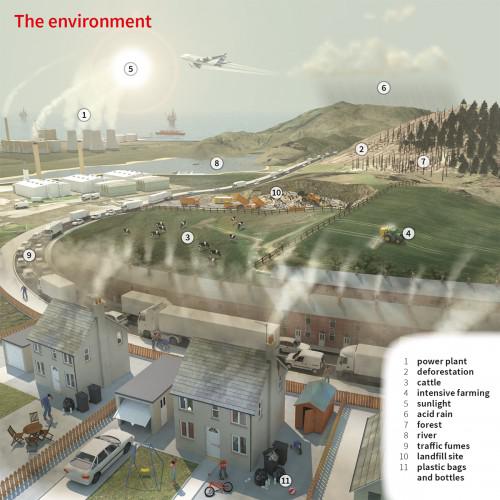
Đồng nghĩavariety of lifebiological diversityecological diversityspecies richnessgenetic diversityTrái nghĩamonocultureuniformitylack of diversitybiological uniformitysự tàn phá rừng, hiện tượng rừng bị tàn phá
the act of cutting down or burning the trees in an area
There has been rising deforestation recently.
Gần đây nạn phá rừng ngày càng gia tăng.
Đồng nghĩaforest clearingtree removalwoodland clearanceloggingTrái nghĩaafforestationreforestationforestationtree plantinghệ sinh thái
all the plants and living creatures in a particular area considered in relation to their physical environment
different ecosystems and biomes on our planet
các hệ sinh thái và quần xã sinh vật khác nhau trên hành tinh của chúng ta
Đồng nghĩaecological communityenvironmenthabitatbiosphereTrái nghĩanone (ecosystem is a specific term with no direct antonym)abiotic environment (could be considered an opposite in some contexts)sự bảo tồn, sự duy trì
the protection of the natural environment
This kind of bird is protected by conservation plans.
Đây là loài chim được bảo vệ bởi các kế hoạch bảo tồn.
Đồng nghĩapreservationprotectionsafeguardingmaintenanceupkeepTrái nghĩadestructiondepletionwasteneglectexploitationhiệu suất cao, năng suất cao, sự hiệu quả
the quality of doing something well with no waste of time or money
The reforms will lead to cost efficiency and savings.
Các cuộc cải cách sẽ dẫn đến chi phí hiệu quả và tiết kiệm.
Đồng nghĩaproductivityeffectivenesscapabilitycompetenceeconomyperformanceskillTrái nghĩainefficiencywastefulnessincompetenceineffectivenesscác loài động thực vật có nguy cơ tuyệt chủng
a type of animal or plant that might stop existing because there are very few of them left
Most countries are trying hard to protect endangered species.
Hầu hết các quốc gia đều đang cố gắng hết sức để bảo vệ các loài có nguy cơ tuyệt chủng.
Đồng nghĩathreatened speciesvulnerable speciesat-risk speciesTrái nghĩathriving speciesabundant speciescommon speciessự ô nhiễm, sự nhiễm bẩn
the process or fact of making a substance or place dirty or no longer pure by adding a substance that is dangerous or carries disease
The water supply is being tested for contamination.
Nguồn cung cấp nước đang được kiểm tra về mức độ ô nhiễm.
Đồng nghĩapollutiontaintdefilementimpairmentinfectionTrái nghĩapuritysterilitycleannesssanitationthuộc địa nhiệt
connected with the natural heat of rock deep in the ground
They are going to build a geothermal power station in this area.
Họ sắp xây một trạm địa nhiệt trong vùng.
Đồng nghĩaearth-heatgeothermicvolcanicTrái nghĩaconventionalfossil fuelnon-geothermaltấm thu năng lượng mặt trời
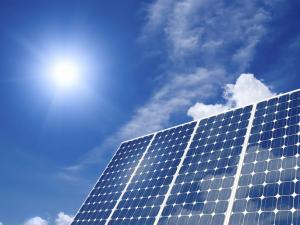
a piece of equipment, often on the roof of a building, that uses light and heat energy from the sun to produce hot water and electricity
Solar panels are used to power satellites.
Các tấm thu năng lượng mặt trời được sử dụng để cung cấp năng lượng cho các vệ tinh.
Đồng nghĩaphotovoltaic panelsolar cell arrayPV panelTrái nghĩaconventional power sourcefossil fuel generatorbiến đổi khí hậu
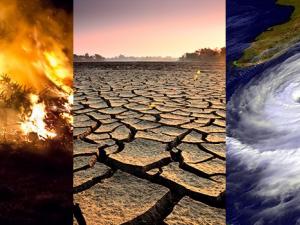
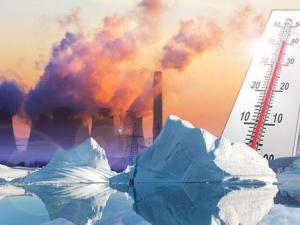
changes in the earth’s weather, including changes in temperature, wind patterns and rainfall , especially the increase in the temperature of the earth’s atmosphere that is caused by the increase of particular gases, especially carbon dioxide
In any case, climate change is already disrupting the lives of millions of human beings.
Trong bất kỳ trường hợp nào, sự biến đổi khí hậu cũng đã và đang phá hoại cuộc sống của hàng triệu người.
Đồng nghĩaglobal warmingclimatic changeenvironmental changeclimate crisisTrái nghĩaclimate stabilityenvironmental equilibriumnguồn tài nguyên thiên nhiên
materials such as minerals, forests, water and fertile land that exist in nature and can be used by people
Some natural resources, such as natural gas and fossil fuel, cannot be replaced.
Một số tài nguyên thiên nhiên, chẳng hạn như nhiên liệu tự nhiên và nhiên liệu hóa thạch, không thể thay thế được.
Đồng nghĩaraw materialsenvironmental resourcesnature's bountyearth's resourcesTrái nghĩaman-made resourcessynthetic resourcesartificial resourcesprocessed materialshiện tượng nóng lên toàn cầu
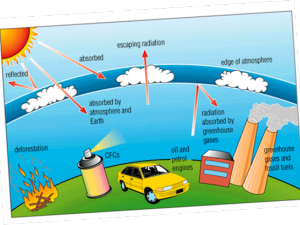
the increase in temperature of the earth’s atmosphere that is caused by the increase of particular gases, especially carbon dioxide
Global warming is a term that refers to the general warm - up of the Earth and its atmosphere.
Nóng lên toàn cầu là một thuật ngữ dùng để chỉ sự nóng lên của trái đất và khí quyển.
Đồng nghĩaclimate changegreenhouse effectatmospheric warmingTrái nghĩaglobal coolingice agetầng ô-zôn
a layer of ozone high above the earth’s surface that helps to protect the earth from harmful radiation from the sun
The ozone layer protects living things from the harmful radiation of the sun.
Tầng ô - zôn bảo vệ sinh vật khỏi bức xạ có hại của mặt trời.
Đồng nghĩaozone shieldozonosphereTrái nghĩaNonecó thể được phân hủy bằng vi khuẩn
a substance or chemical that is biodegradable can be changed by the action of bacteria to a natural state that will not harm the environment
The packaging is made of biodegradable materials.
Bao bì được làm bằng vật liệu phân hủy sinh học.
Đồng nghĩadecomposabledegradableeco-friendlyTrái nghĩanon-biodegradablenon-degradableimperishablengười ủng hộ công cuộc bảo vệ môi trường.
a person who takes an active part in the protection of the environment
The conservationist dedicated their life to protecting endangered species.
Nhà bảo tồn đã cống hiến cả cuộc đời để bảo vệ các loài có nguy cơ tuyệt chủng.
Đồng nghĩaenvironmentalistpreservationistecologistnature lovergreen activistTrái nghĩaexploiterdestroyerpollutermáy phát điện
a machine that changes mechanical energy into electrical energy
The diesel generator supplies the plant during grid outages.
Máy phát điện diesel cấp điện cho nhà máy khi lưới mất điện.
Run the generator on load for thirty minutes every month.
Chạy máy phát điện có tải ba mươi phút mỗi tháng.
Đồng nghĩapower sourcedynamoengineTrái nghĩaconsumeruserTuabin
a machine or part of a machine that produces continuous turning power from a fast-moving flow of a liquid or gas, using a set of vanes attached to a wheel or rotor
The turbine converts the kinetic energy of the wind into electricity.
Tua bin chuyển đổi động năng của gió thành điện.
Đồng nghĩarotatorenginerotorgeneratorTrái nghĩanonecó thể ủ làm phân hữu cơ
that can be made into compost
The packaging is compostable, so you can put it in your garden.
Bao bì có thể phân hủy, vì vậy bạn có thể đặt nó trong vườn của mình.
Đồng nghĩabiodegradabledecomposableTrái nghĩanon-biodegradablenon-decomposablechất lượng không khí
the degree to which the air is clean and free from pollution
The air quality in the city is poor today.
Chất lượng không khí ở thành phố hôm nay rất kém.
Đồng nghĩaatmospheric conditionair purityair pollution levelTrái nghĩaair pollutioncontaminated airDấu chân carbon
a measure of the amount of carbon dioxide that is produced by the activities of a person or company
Reducing your carbon footprint can help protect the environment.
Giảm dấu chân carbon của bạn có thể giúp bảo vệ môi trường.
Đồng nghĩaEnvironmental impactCarbon emissionsGreenhouse gas emissionsTrái nghĩaCarbon neutralitySustainabilitynhà bảo vệ môi trường
a person who is interested in the natural environment and wants to improve and protect it
The environmentalist spoke passionately about climate change.
Nhà môi trường đã phát biểu một cách say mê về biến đổi khí hậu.
Đồng nghĩaconservationistecologistnature loverTrái nghĩaexploiterpolluterlàm việc theo ca
a system in which groups of employees work at different times so that work continues day and night
Shift work is common in factories that run twenty-four hours a day.
Làm việc theo ca rất phổ biến ở các nhà máy hoạt động hai mươi bốn giờ mỗi ngày.
Night shift work is paid an extra thirty percent.
Làm ca đêm được trả thêm ba mươi phần trăm.
Đồng nghĩaRotating shiftsShift systemStaggered hoursTrái nghĩaRegular hoursFixed schedulenghỉ ốm
time off work because of illness, which may be paid by the employer or by social insurance
He has been on sick leave since Monday with the flu.
Anh ấy nghỉ ốm từ thứ Hai vì bị cúm.
Sick leave longer than three days needs a doctor's certificate.
Nghỉ ốm quá ba ngày cần có giấy xác nhận của bác sĩ.
Đồng nghĩaMedical leavePaid sick timeTime off for illnessTrái nghĩaPresenteeismWorking while sickbố trí nhân sự, biên chế
the number of workers employed in a place, or the work of providing enough suitable staff
Staffing levels in the warehouse rise before the Tet holiday.
Mức bố trí nhân sự tại kho tăng lên trước dịp Tết.
The new store has a staffing plan of twelve full-time employees.
Cửa hàng mới có kế hoạch bố trí mười hai nhân viên toàn thời gian.
Đồng nghĩaHiringRecruitmentPersonnelEmploymentWorkforceTrái nghĩaDownsizingLayoffsReductionAttritionhoạch định kế nhiệm
preparing employees inside the company so they can replace managers and key staff when they leave
Succession planning helped us replace the plant director within a week.
Nhờ hoạch định kế nhiệm, chúng tôi đã thay giám đốc nhà máy chỉ trong một tuần.
The board asked HR to improve succession planning for senior roles.
Hội đồng quản trị yêu cầu phòng nhân sự cải thiện công tác hoạch định kế nhiệm cho các vị trí cấp cao.
Đồng nghĩaReplacement planningLeadership developmentTalent managementTrái nghĩaLack of planningAd hoc leadershipthu hút nhân tài, tuyển dụng nhân tài
the long-term work of finding, attracting and hiring skilled people for an organisation
Our talent acquisition team focuses on engineers and data analysts.
Nhóm thu hút nhân tài của chúng tôi tập trung vào kỹ sư và chuyên viên phân tích dữ liệu.
Talent acquisition is more than filling vacancies; it builds future capability.
Thu hút nhân tài không chỉ là lấp chỗ trống mà còn xây dựng năng lực cho tương lai.
Đồng nghĩaRecruitmentHiringStaffingTalent sourcingTrái nghĩaDownsizingLayoffAttritionLàm việc nhóm
The activity of working well together as a group to achieve a shared aim.
Teamwork is essential for the success of this project.
Làm việc nhóm là điều cần thiết cho sự thành công của dự án này.
Đồng nghĩacollaborationcooperationpartnershipTrái nghĩaindividualismcompetitionLàm việc từ xa
The practice of working from home and communicating with your office by phone or the internet.
Telecommuting allows employees to work from home.
Làm việc từ xa cho phép nhân viên làm việc tại nhà.
Đồng nghĩaRemote workWork from homeVirtual workTrái nghĩaOffice workIn-person workHiệu suất năng lượng
The use of less energy to produce the same amount of light, heat, power or work.
Energy efficiency helps reduce electricity bills.
Hiệu quả năng lượng giúp giảm hóa đơn tiền điện.
Đồng nghĩaFuel efficiencyPower conservationEnergy conservationTrái nghĩaEnergy wasteInefficiencyNăng lượng tái tạo
Energy from sources that are naturally replaced, such as the sun, wind and water.
Renewable energy sources are essential for a sustainable future.
Các nguồn năng lượng tái tạo rất cần thiết cho một tương lai bền vững.
Đồng nghĩaSustainable energyClean energyGreen energyTrái nghĩaNon-renewable energyFossil fuelsConventional energyTài nguyên tái tạo
Natural resources that are replaced naturally and can be used without running out, such as sunlight and wind.
Solar energy is a key example of renewable resources.
Năng lượng mặt trời là một ví dụ điển hình về tài nguyên tái tạo.
Đồng nghĩaSustainable resourcesAlternative energy sourcesEco-friendly resourcesTrái nghĩaNon-renewable resourcesFinite resourcesDepletable resourcesSự lựa chọn khác
things that you can choose to have or do instead of something else.
We considered several alternatives before making a decision.
Chúng tôi đã xem xét một vài lựa chọn trước khi đưa ra quyết định.
Đồng nghĩaOptionsChoicesSubstitutesReplacementsPossibilitiesTrái nghĩaNecessityRequirementObligationCompulsionÔ nhiễm không khí
Harmful substances such as smoke and gases in the air.
Air pollution is a serious environmental problem in many cities.
Ô nhiễm không khí là một vấn đề môi trường nghiêm trọng ở nhiều thành phố.
Đồng nghĩasmogenvironmental contaminationatmospheric pollutionTrái nghĩaclean airpure airKhí thải carbon
Carbon dioxide and other carbon gases released into the air, especially by burning fuel.
The government is trying to reduce carbon emissions.
Chính phủ đang cố gắng giảm lượng khí thải carbon.
Đồng nghĩagreenhouse gas emissionscarbon footprintTrái nghĩacarbon capturecarbon sequestrationCân bằng sinh thái
A stable state in which plants, animals and their environment exist together in healthy proportions.
Maintaining ecological balance is crucial for the health of the planet.
Duy trì cân bằng sinh thái là rất quan trọng đối với sức khỏe của hành tinh.
Đồng nghĩaEnvironmental equilibriumNatural harmonyBalance of natureTrái nghĩaEcological imbalanceEnvironmental disruptionTác động môi trường
The effect that an activity, product or project has on the natural environment.
The environmental impact of the factory's emissions is significant.
Tác động môi trường từ khí thải của nhà máy là rất lớn.
Đồng nghĩaEcological footprintEnvironmental consequenceEcological impactTrái nghĩaEnvironmental benefitEnvironmental improvementCông nghệ xanh
Technology that is designed to reduce harm to the environment, for example by saving energy or reducing pollution.
The company invests heavily in green technology to reduce its carbon footprint.
Công ty đầu tư mạnh vào công nghệ xanh để giảm lượng khí thải carbon.
Đồng nghĩasustainable technologyclean technologyenvironmental technologyTrái nghĩapolluting technologydirty technologyKhí nhà kính
Gases, especially carbon dioxide and methane, that trap heat in the earth's atmosphere and cause global warming.
Greenhouse gases trap heat in the atmosphere.
Khí nhà kính giữ nhiệt trong bầu khí quyển.
Đồng nghĩaRadiatively active gasesClimate-forcing gasesTrái nghĩaOxygenClean airSự suy giảm tầng ôzôn
The gradual thinning of the ozone layer in the earth's atmosphere, caused by harmful gases.
Ozone depletion allows more harmful UV radiation to reach the Earth's surface.
Sự suy giảm ôzôn cho phép nhiều bức xạ tia cực tím có hại hơn đến bề mặt Trái đất.
Đồng nghĩaozone thinningozone layer destructionTrái nghĩaozone recoveryozone regenerationXói mòn đất
The gradual removal of the top layer of soil by wind, water or human activity.
Soil erosion is a major environmental problem.
Xói mòn đất là một vấn đề môi trường lớn.
Đồng nghĩaLand degradationSoil lossDenudationTrái nghĩaSoil conservationAfforestationLand reclamationNông nghiệp bền vững
Farming that produces food in ways that protect the environment and can continue for a long time.
Sustainable agriculture focuses on long-term environmental health.
Nông nghiệp bền vững tập trung vào sức khỏe môi trường lâu dài.
Đồng nghĩaecological farmingregenerative agricultureconservation agricultureTrái nghĩaunsustainable agricultureconventional agriculturePhát triển bền vững
Economic growth that meets present needs without harming the environment or the needs of future generations.
Sustainable development aims to meet the needs of the present without compromising the ability of future generations to meet their own needs.
Phát triển bền vững nhằm đáp ứng nhu cầu của hiện tại mà không làm tổn hại đến khả năng đáp ứng nhu cầu của các thế hệ tương lai.
Đồng nghĩaeco-friendly developmentresponsible developmentgreen developmentTrái nghĩaunsustainable developmentexploitative developmentirresponsible developmentQuản lý chất thải
The collection, transport, treatment and disposal of waste materials.
Effective waste management is crucial for a healthy environment.
Quản lý chất thải hiệu quả là rất quan trọng đối với một môi trường lành mạnh.
Đồng nghĩatrash disposalrubbish removalrecyclinggarbage disposalTrái nghĩawaste creationpollutionKhan hiếm nước
A situation in which there is not enough clean water to meet people's needs in an area.
Water scarcity is a growing problem in many parts of the world.
Tình trạng khan hiếm nước là một vấn đề ngày càng tăng ở nhiều nơi trên thế giới.
Đồng nghĩawater shortagewater deficitdroughtaridityTrái nghĩawater abundancewater surplushệ sinh thái biển
All the living things in the sea and the environment in which they interact with one another.
The marine ecosystem is vital for the planet's health.
Hệ sinh thái biển rất quan trọng đối với sức khỏe của hành tinh.
Đồng nghĩaOceanic environmentSeascapeMarine habitatTrái nghĩaTerrestrial ecosystemLand ecosystemsự lắng đọng axit, mưa axit
The process by which acidic substances from polluted air fall onto the earth in rain, snow or dry particles.
Acid deposition harms forests and aquatic ecosystems.
Sự lắng đọng axit gây hại cho rừng và hệ sinh thái dưới nước.
Đồng nghĩaAcid rainAcid precipitationTrái nghĩaAlkaline rainNeutral depositionThan hoạt tính
A form of carbon treated to be very porous, used to absorb impurities from water or air.
Activated carbon is used to filter water.
Than hoạt tính được dùng để lọc nước.
Đồng nghĩaactivated charcoalactive carbonTrái nghĩaregular carboninactive carbonsinh khối
Plant and animal material that can be used as a source of fuel or energy.
Biomass can be used as a renewable energy source.
Sinh khối có thể được sử dụng như một nguồn năng lượng tái tạo.
Đồng nghĩaorganic matterbiofuelplant matterTrái nghĩafossil fuelinorganic matterNăng lượng sạch
Energy produced in a way that causes little or no pollution, such as solar or wind power.
The government is investing heavily in clean energy sources.
Chính phủ đang đầu tư mạnh vào các nguồn năng lượng sạch.
Đồng nghĩaRenewable energyGreen energySustainable energyTrái nghĩaFossil fuelsDirty energyNon-renewable energysự ủ phân hữu cơ
The process of letting plant and food waste decay so that it can be used to make soil richer.
We are composting food scraps in our backyard.
Chúng tôi đang ủ phân các thức ăn thừa trong sân sau.
Đồng nghĩadecompositionrottinghumificationTrái nghĩaincinerationsterilizationChương trình bảo tồn
An organized plan of activities to protect the natural environment, wildlife or resources.
The government implemented a new conservation program to protect endangered species.
Chính phủ đã thực hiện một chương trình bảo tồn mới để bảo vệ các loài có nguy cơ tuyệt chủng.
Đồng nghĩaPreservation initiativeProtection schemeEnvironmental planTrái nghĩaDestruction initiativeExploitation programLàm suy thoái hệ sinh thái
To damage natural systems of living things and their environment so that they become less healthy or productive.
Pollution can degrade ecosystems, harming wildlife and human populations.
Ô nhiễm có thể làm suy thoái hệ sinh thái, gây hại cho động vật hoang dã và dân số loài người.
Đồng nghĩaDamage ecosystemsHarm ecosystemsImpair ecosystemsWorsen ecosystemsTrái nghĩaProtect ecosystemsRestore ecosystemsPreserve ecosystemsEnhance ecosystemsLàm cạn kiệt tài nguyên thiên nhiên
To use up natural materials such as water, minerals or forests so that little or none remains.
Overfishing can deplete natural resources in the ocean.
Việc đánh bắt cá quá mức có thể làm cạn kiệt tài nguyên thiên nhiên trong đại dương.
Đồng nghĩaexhaustuse upconsumedrainTrái nghĩareplenishconservepreserveDấu chân sinh thái
A measure of how much land and natural resources a person or group uses and the impact this has on the environment.
Reducing your ecological footprint can help preserve the planet.
Giảm dấu chân sinh thái của bạn có thể giúp bảo tồn hành tinh.
Đồng nghĩaenvironmental impactcarbon footprintTrái nghĩaenvironmental sustainabilityecological healthtiết kiệm năng lượng
The practice of using less energy in order to save resources and reduce pollution.
Energy conservation helps reduce our carbon footprint.
Bảo tồn năng lượng giúp giảm lượng khí thải carbon của chúng ta.
Đồng nghĩaEnergy savingPower conservationResource conservationTrái nghĩaEnergy wasteEnergy depletionTiêu thụ năng lượng
The amount of energy that is used by a person, machine, building or country.
The energy consumption of the factory was very high.
Mức tiêu thụ năng lượng của nhà máy rất cao.
Đồng nghĩaPower usageEnergy useFuel consumptionTrái nghĩaEnergy productionEnergy conservationQuản lý năng lượng
The planning and control of how energy is used, so that less is wasted and costs are reduced.
Energy management is crucial for reducing costs and environmental impact.
Quản lý năng lượng là rất quan trọng để giảm chi phí và tác động môi trường.
Đồng nghĩaPower managementResource optimizationEnergy conservationTrái nghĩaEnergy wasteInefficient consumptionChính sách năng lượng
A plan of action by a government about how energy is produced, supplied and used.
The government is reforming its energy policy to promote renewable sources.
Chính phủ đang cải cách chính sách năng lượng để thúc đẩy các nguồn năng lượng tái tạo.
Đồng nghĩapower strategyfuel regulationenergy regulationTrái nghĩaenergy deregulationSản xuất năng lượng
The process of making energy, for example electricity, from sources such as coal, wind or sunlight.
Energy production is essential for modern society.
Sản xuất năng lượng là rất cần thiết cho xã hội hiện đại.
Đồng nghĩaPower generationEnergy creationEnergy developmentTrái nghĩaEnergy consumptionEnergy depletionLưu trữ năng lượng
The process of keeping energy, for example in batteries, so that it can be used later.
Energy storage is critical for renewable energy sources.
Lưu trữ năng lượng rất quan trọng đối với các nguồn năng lượng tái tạo.
Đồng nghĩaPower storageEnergy reservoirElectrical storageTrái nghĩaEnergy depletionEnergy consumptionNhận thức môi trường
Knowledge and understanding of environmental problems and of the need to protect the natural world.
Environmental awareness is crucial for protecting our planet.
Nhận thức về môi trường là rất quan trọng để bảo vệ hành tinh của chúng ta.
Đồng nghĩaEcological consciousnessEnvironmental consciousnessGreen awarenessTrái nghĩaEnvironmental ignoranceEnvironmental apathyGiáo dục môi trường
Teaching people about the natural world and how to protect it.
Environmental education is important for future generations.
Giáo dục môi trường rất quan trọng cho các thế hệ tương lai.
Đồng nghĩaEcology educationConservation educationSustainability educationTrái nghĩaEnvironmental ignoranceLack of environmental awarenessChính sách môi trường
A plan of action by a government or organization to protect the environment.
The government is developing a new environmental policy to reduce pollution.
Chính phủ đang phát triển một chính sách môi trường mới để giảm ô nhiễm.
Đồng nghĩagreen policyecological policysustainability policyTrái nghĩaderegulationenvironmental neglectQuy định môi trường
Official rules that control activities which may harm the environment.
The factory must comply with all environmental regulations.
Nhà máy phải tuân thủ tất cả các quy định về môi trường.
Đồng nghĩaEnvironmental lawsGreen policiesConservation rulesTrái nghĩaDeregulationLaissez-faireUnrestricted practicesNhiên liệu hóa thạch
Fuels such as coal, oil and gas that were formed over millions of years from the remains of plants and animals.
The burning of fossil fuels contributes to air pollution.
Việc đốt nhiên liệu hóa thạch góp phần gây ô nhiễm không khí.
Đồng nghĩanon-renewable energy sourcesconventional fuelsTrái nghĩarenewable energysustainable energyPin nhiên liệu
Devices that produce electricity from a chemical reaction, usually between hydrogen and oxygen.
Fuel cells are an efficient energy source.
Tế bào nhiên liệu là một nguồn năng lượng hiệu quả.
Đồng nghĩaelectrochemical cellpower sourceenergy converterTrái nghĩacombustion enginebatteryCác công trình xanh
Buildings that are designed and built to use less energy and water and to cause little harm to the environment.
Green buildings help reduce environmental impact.
Công trình xanh giúp giảm tác động đến môi trường.
Đồng nghĩaSustainable buildingseco-friendly constructionenvironmentally friendly buildingsTrái nghĩaConventional buildingsunsustainable constructionPhá hủy môi trường sống tự nhiên
The process by which the natural home of plants and animals is damaged so that they can no longer live there.
Habitat destruction is a major threat to biodiversity.
Phá hủy môi trường sống là một mối đe dọa lớn đối với đa dạng sinh học.
Đồng nghĩaHabitat lossEnvironmental degradationDeforestationTrái nghĩaHabitat restorationHabitat preservationConservationSự suy thoái đất đai
The process by which land becomes less healthy and productive, often because of human activity.
Land degradation reduces agricultural productivity.
Suy thoái đất làm giảm năng suất nông nghiệp.
Đồng nghĩasoil degradationenvironmental degradationdesertificationTrái nghĩaland improvementland reclamationsoil conservationchặt phá rừng, khai thác gỗ
To cut down the trees in forests in order to use or sell the wood.
Companies that log forests illegally destroy the homes of many wild animals.
Các công ty khai thác gỗ rừng trái phép đã phá hủy nơi sống của nhiều loài động vật hoang dã.
Đồng nghĩatimber forestslogging areasharvested forestsTrái nghĩaold-growth forestsprotected forestsvirgin forestsBảo tồn biển
The protection of the sea and the plants and animals that live in it.
Marine conservation is crucial for protecting ocean ecosystems.
Bảo tồn biển là rất quan trọng để bảo vệ hệ sinh thái đại dương.
Đồng nghĩaOcean conservationSeascape preservationMarine preservationOcean protectionTrái nghĩaMarine destructionOcean exploitationMarine degradationÔ nhiễm tiếng ồn
Harmful or annoying levels of noise, for example from traffic, aircraft or machines.
The city struggles with significant noise pollution.
Thành phố đang phải vật lộn với ô nhiễm tiếng ồn đáng kể.
Đồng nghĩasound pollutionacoustic pollutionenvironmental noiseTrái nghĩaquietsilencepeacebù đắp lượng khí thải CO2
To balance the carbon dioxide you produce by doing something that removes or saves the same amount, such as planting trees.
We can offset our CO2 emissions by planting trees.
Chúng ta có thể bù đắp lượng khí thải CO2 bằng cách trồng cây.
Đồng nghĩaCounterbalanceNeutralizeMitigateReduceTrái nghĩaIncreaseWorsenExacerbateNông nghiệp hữu cơ
A method of farming that does not use artificial chemicals such as fertilizers and pesticides.
Organic farming avoids the use of synthetic fertilizers and pesticides.
Canh tác hữu cơ tránh sử dụng phân bón và thuốc trừ sâu tổng hợp.
Đồng nghĩaEcological farmingSustainable agricultureNatural farmingTrái nghĩaConventional farmingIndustrial agricultureLạm dụng quá mức
the use of something, especially natural resources, far too much or in a harmful way
The over-abuse of pesticides has seriously damaged the soil and rivers.
Việc lạm dụng thuốc trừ sâu quá mức đã làm hư hại nghiêm trọng đất và sông ngòi.
Đồng nghĩaExploitMaltreatOverexploitTrái nghĩaProtectCareValuequang điện
Using or relating to the production of electricity directly from sunlight.
Photovoltaic cells convert sunlight into electricity.
Các tế bào quang điện chuyển đổi ánh sáng mặt trời thành điện.
Đồng nghĩasolar cellsolar powersolar energyTrái nghĩaconventional energyfossil fuelBảo tồn sự đa dạng sinh học
To protect the variety of plants and animals living in a particular area or in the world.
It is important to preserve biodiversity to maintain healthy ecosystems.
Điều quan trọng là bảo tồn đa dạng sinh học để duy trì các hệ sinh thái khỏe mạnh.
Đồng nghĩaConserve biodiversityProtect biodiversityMaintain biodiversityTrái nghĩaDestroy biodiversityDegrade biodiversityNâng cao nhận thức
To make more people know about and understand a particular problem or situation.
We need to raise awareness about climate change.
Chúng ta cần nâng cao nhận thức về biến đổi khí hậu.
Đồng nghĩaPromotePublicizeHighlightEducateTrái nghĩaConcealIgnoreNeglectHidetính bền vững
The use of natural resources in a way that does not harm the environment and can continue for a long time.
Sustainability is crucial for the future of our planet.
Tính bền vững rất quan trọng cho tương lai của hành tinh chúng ta.
Đồng nghĩaContinuityEnduranceViabilityResilienceMaintainabilityTrái nghĩaUnsustainabilityInstabilityTemporarinessDepletionLối sống bền vững
A way of living that tries to reduce harm to the environment and the use of natural resources.
She is committed to living a sustainable lifestyle by reducing her carbon footprint.
Cô ấy cam kết sống một lối sống bền vững bằng cách giảm lượng khí thải carbon của mình.
Đồng nghĩaEco-friendly livingGreen livingEnvironmentally conscious lifestyleTrái nghĩaUnsustainable livingWasteful lifestyleGiao thông bền vững
Ways of travelling, such as cycling or public transport, that cause little harm to the environment.
The city is investing in sustainable transportation to reduce pollution.
Thành phố đang đầu tư vào giao thông bền vững để giảm ô nhiễm.
Đồng nghĩaEco-friendly transportationGreen transportationEnvironmentally friendly transportTrái nghĩaUnsustainable transportationPolluting transportationĐe dọa môi trường sống tự nhiên
To put at risk the natural places where animals and plants live.
Pollution can threaten natural habitats, endangering many species.
Ô nhiễm có thể đe dọa môi trường sống tự nhiên, gây nguy hiểm cho nhiều loài.
Đồng nghĩaendangerjeopardizeimperilTrái nghĩaprotectpreserveconserveGiảm chất thải
The process of producing less waste, for example by using fewer materials or reusing things.
Waste reduction is crucial for environmental sustainability.
Giảm thiểu chất thải là rất quan trọng cho sự bền vững môi trường.
Đồng nghĩaReducing wasteMinimizing wasteCutting wasteWaste minimizationTrái nghĩaWaste increaseWaste generationWaste productionÔ nhiễm nước
The process of making rivers, lakes, seas, etc. dirty and harmful with chemicals or waste.
Water pollution is a serious threat to aquatic life.
Ô nhiễm nước là một mối đe dọa nghiêm trọng đối với đời sống thủy sinh.
Đồng nghĩaAquatic pollutionWater contaminationTrái nghĩaWater purityClean waterBảo tồn động vật hoang dã
The protection of wild animals and plants and the places where they live.
Wildlife preservation is crucial for maintaining biodiversity.
Bảo tồn động vật hoang dã là rất quan trọng để duy trì sự đa dạng sinh học.
Đồng nghĩaConservationProtectionSafeguardingTrái nghĩaDestructionNeglectExploitation