레슨 8/33 · 111단어 · 외운 단어 0
Environment
환경
대처하다
to make a determined effort to deal with a difficult problem or situation
The government is determined to tackle inflation.
정부는 인플레이션에 대처하기로 결심했습니다.
I think I'll tackle the repairs next weekend.
유의어addressconfrontdeal withhandlemanagegrapple withundertake반의어avoidevadeignoreneglectshun오염 (oyeom)
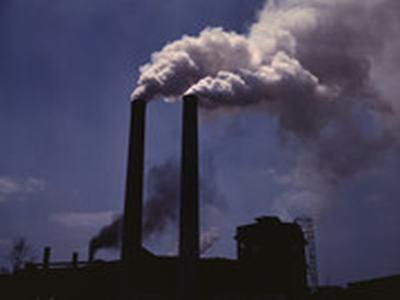
the process of making air, water, soil, etc. dirty; the state of being dirty
Water pollution is becoming more serious now.
수질 오염이 점점 더 심각해지고 있습니다.
air/water pollution
유의어contaminationdefilementimpurityfoulnesstaintadulteration반의어purificationcleansingsterilizationclarificationpristineness손해 (sonhae)
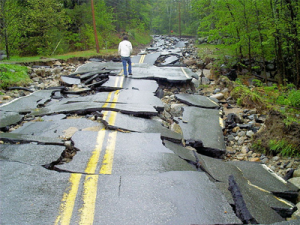
physical harm caused to something which makes it less attractive, useful or valuable
The damage to his car was considerable.
그의 차에 입은 손해가 상당했다. (Geuui chae ibeun sonhaega sangdanghaetta.)
Smoking seriously damages your health.
유의어harminjuryimpairmentdestructionloss반의어repairimprovementbenefitadvantagerestoration전기 (jeon-gi)
a form of energy from charged elementary particles , usually supplied as electric current through cables, wires, etc. for lighting, heating, driving machines, etc.
The electricity has been turned off.
전기가 끊겼습니다.
The electricity is off (= there is no electric power supply).
유의어powercurrentvoltagecharge반의어powerlessnessnon-conductivitynonelectricity생태관광, 에코투어리즘
responsible travel to natural areas that protects the environment and benefits local people
Ecotourism in Cat Tien National Park supports local conservation work.
깟띠엔 국립공원의 생태관광은 지역 보전 활동을 지원한다.
The resort has become a model of ecotourism in the Mekong Delta.
유의어sustainable tourismresponsible tourismnature tourismgreen tourism반의어mass tourismexploitative tourismdestructive tourism활용하다, 개발하다, 이용하다
to use something such as resources well in order to gain as much from it as possible
We need to make sure that we exploit our resources as fully as possible.
우리는 자원을 최대한 충분히 활용할 수 있도록 해야 합니다.
유의어utilizeusecapitalize ontake advantage ofleveragemanipulatemistreatabuse반의어conservepreserveprotectignoreneglectcherish재생 가능
that is replaced naturally or controlled carefully and can therefore be used without the risk of using it all up
There are some renewable energy sources such as wind and wave power.
바람과 파력과 같은 몇몇 재생 가능 에너지원이 있습니다.
유의어sustainableregenerativereplenishablerestorable반의어nonrenewablefiniteexhaustibledepletable지속 가능한
involving the use of natural products and energy in a way that does not harm the environment
We need to find more sustainable ways of producing energy for our homes.
우리는 가정에 쓸 에너지를 생산하는 더 지속 가능한 방법을 찾아야 한다.
유의어maintainableendurableviablerenewableeco-friendlygreen반의어unsustainableexhaustingdepletingtemporaryshort-lived생물 다양성 (saengmul dayangseong)
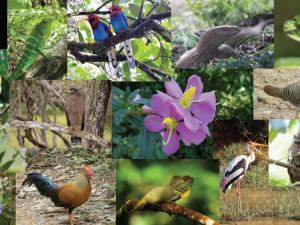
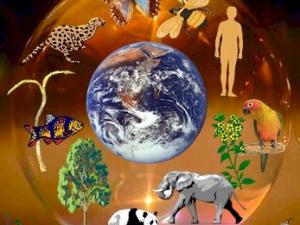
the existence of a large number of different kinds of animals and plants which make a balanced environment
A new National Biological Survey will protect species habitat and biodiversity.
새로운 국립 생물 조사에서는 종 서식지와 생물 다양성을 보호할 것입니다.
유의어variety of lifebiological diversityecological diversityspecies richnessgenetic diversity반의어monocultureuniformitylack of diversitybiological uniformity생태계 (saengtae gye)
all the plants and living creatures in a particular area considered in relation to their physical environment
different ecosystems and biomes on our planet
우리 행성의 다양한 생태계와 생물 군계
유의어ecological communityenvironmenthabitatbiosphere반의어none (ecosystem is a specific term with no direct antonym)abiotic environment (could be considered an opposite in some contexts)효율
the quality of doing something well with no waste of time or money
The reforms will lead to cost efficiency and savings.
개혁은 비용 효율성과 절감으로 이어질 것입니다.
유의어productivityeffectivenesscapabilitycompetenceeconomyperformanceskill반의어inefficiencywastefulnessincompetenceineffectiveness멸종 위기 종
a type of animal or plant that might stop existing because there are very few of them left
Most countries are trying hard to protect endangered species.
대부분의 국가들이 멸종 위기 종을 보호하기 위해 노력하고 있습니다.
유의어threatened speciesvulnerable speciesat-risk species반의어thriving speciesabundant speciescommon species오염 (oyeom)
the process or fact of making a substance or place dirty or no longer pure by adding a substance that is dangerous or carries disease
The water supply is being tested for contamination.
물 공급에 오염 여부를 검사하고 있습니다.
유의어pollutiontaintdefilementimpairmentinfection반의어puritysterilitycleannesssanitation태양광 패널
a piece of equipment, often on the roof of a building, that uses light and heat energy from the sun to produce hot water and electricity
Solar panels are used to power satellites.
태양광 패널은 위성에 전력을 공급하는 데 사용됩니다.
유의어photovoltaic panelsolar cell arrayPV panel반의어conventional power sourcefossil fuel generator기후 변화 (gihu byeonhwa)
changes in the earth’s weather, including changes in temperature, wind patterns and rainfall , especially the increase in the temperature of the earth’s atmosphere that is caused by the increase of particular gases, especially carbon dioxide
In any case, climate change is already disrupting the lives of millions of human beings.
어쨌든 기후 변화는 이미 수백만 명의 사람들의 삶을 파괴하고 있습니다.
유의어global warmingclimatic changeenvironmental changeclimate crisis반의어climate stabilityenvironmental equilibrium천연 자원 (cheonyeon jawon)
materials such as minerals, forests, water and fertile land that exist in nature and can be used by people
Some natural resources, such as natural gas and fossil fuel, cannot be replaced.
천연 가스와 화석 연료와 같은 일부 천연 자원은 대체할 수 없습니다.
유의어raw materialsenvironmental resourcesnature's bountyearth's resources반의어man-made resourcessynthetic resourcesartificial resourcesprocessed materials지구 온난화
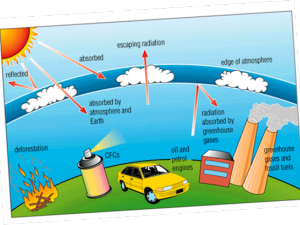
the increase in temperature of the earth’s atmosphere that is caused by the increase of particular gases, especially carbon dioxide
Global warming is a term that refers to the general warm - up of the Earth and its atmosphere.
지구 온난화는 지구와 그 대기의 일반적인 온난화를 지칭하는 용어입니다.
유의어climate changegreenhouse effectatmospheric warming반의어global coolingice age오존층 (ojoncheung)
a layer of ozone high above the earth’s surface that helps to protect the earth from harmful radiation from the sun
The ozone layer protects living things from the harmful radiation of the sun.
오존층은 태양의 유해한 방사선으로부터 생물을 보호합니다.
유의어ozone shieldozonosphere반의어None생분해성
a substance or chemical that is biodegradable can be changed by the action of bacteria to a natural state that will not harm the environment
The packaging is made of biodegradable materials.
포장은 생분해성 물질로 만들어졌습니다.
유의어decomposabledegradableeco-friendly반의어non-biodegradablenon-degradableimperishable환경 보호론자
a person who takes an active part in the protection of the environment
The conservationist dedicated their life to protecting endangered species.
환경 보호론자는 멸종 위기에 처한 종을 보호하는 데 일생을 바쳤습니다.
유의어environmentalistpreservationistecologistnature lovergreen activist반의어exploiterdestroyerpolluter터빈
a machine or part of a machine that produces continuous turning power from a fast-moving flow of a liquid or gas, using a set of vanes attached to a wheel or rotor
The turbine converts the kinetic energy of the wind into electricity.
터빈은 바람의 운동 에너지를 전기로 변환합니다.
유의어rotatorenginerotorgenerator반의어none탄소 발자국
a measure of the amount of carbon dioxide that is produced by the activities of a person or company
Reducing your carbon footprint can help protect the environment.
탄소 발자국을 줄이는 것은 환경을 보호하는 데 도움이 될 수 있습니다.
유의어Environmental impactCarbon emissionsGreenhouse gas emissions반의어Carbon neutralitySustainability교대근무
a system in which groups of employees work at different times so that work continues day and night
Shift work is common in factories that run twenty-four hours a day.
교대근무는 24시간 가동되는 공장에서 흔히 볼 수 있다.
Night shift work is paid an extra thirty percent.
유의어Rotating shiftsShift systemStaggered hours반의어Regular hoursFixed schedule병가
time off work because of illness, which may be paid by the employer or by social insurance
He has been on sick leave since Monday with the flu.
그는 독감으로 월요일부터 병가 중이다.
Sick leave longer than three days needs a doctor's certificate.
유의어Medical leavePaid sick timeTime off for illness반의어PresenteeismWorking while sick인력 배치, 인력 운용
the number of workers employed in a place, or the work of providing enough suitable staff
Staffing levels in the warehouse rise before the Tet holiday.
설 연휴 전에는 물류창고의 인력 배치 규모가 늘어난다.
The new store has a staffing plan of twelve full-time employees.
유의어HiringRecruitmentPersonnelEmploymentWorkforce반의어DownsizingLayoffsReductionAttrition승계 계획, 후계자 육성 계획
preparing employees inside the company so they can replace managers and key staff when they leave
Succession planning helped us replace the plant director within a week.
승계 계획 덕분에 일주일 만에 공장장의 후임을 세울 수 있었다.
The board asked HR to improve succession planning for senior roles.
유의어Replacement planningLeadership developmentTalent management반의어Lack of planningAd hoc leadership인재 확보, 인재 영입
the long-term work of finding, attracting and hiring skilled people for an organisation
Our talent acquisition team focuses on engineers and data analysts.
우리 인재 확보 팀은 엔지니어와 데이터 분석가에 집중한다.
Talent acquisition is more than filling vacancies; it builds future capability.
유의어RecruitmentHiringStaffingTalent sourcing반의어DownsizingLayoffAttrition재생 에너지
Energy from sources that are naturally replaced, such as the sun, wind and water.
Renewable energy sources are essential for a sustainable future.
재생 에너지원은 지속 가능한 미래를 위해 필수적입니다.
유의어Sustainable energyClean energyGreen energy반의어Non-renewable energyFossil fuelsConventional energy재생 가능 자원
Natural resources that are replaced naturally and can be used without running out, such as sunlight and wind.
Solar energy is a key example of renewable resources.
태양 에너지는 재생 가능 자원의 핵심적인 예입니다.
유의어Sustainable resourcesAlternative energy sourcesEco-friendly resources반의어Non-renewable resourcesFinite resourcesDepletable resources생태 균형
A stable state in which plants, animals and their environment exist together in healthy proportions.
Maintaining ecological balance is crucial for the health of the planet.
생태 균형을 유지하는 것은 지구의 건강에 매우 중요합니다.
유의어Environmental equilibriumNatural harmonyBalance of nature반의어Ecological imbalanceEnvironmental disruption환경 영향
The effect that an activity, product or project has on the natural environment.
The environmental impact of the factory's emissions is significant.
공장 배출물의 환경 영향은 큽니다.
유의어Ecological footprintEnvironmental consequenceEcological impact반의어Environmental benefitEnvironmental improvement녹색 기술
Technology that is designed to reduce harm to the environment, for example by saving energy or reducing pollution.
The company invests heavily in green technology to reduce its carbon footprint.
그 회사는 탄소 발자국을 줄이기 위해 녹색 기술에 막대한 투자를 합니다.
유의어sustainable technologyclean technologyenvironmental technology반의어polluting technologydirty technology오존층 파괴
The gradual thinning of the ozone layer in the earth's atmosphere, caused by harmful gases.
Ozone depletion allows more harmful UV radiation to reach the Earth's surface.
오존층 파괴로 인해 더 해로운 자외선이 지구 표면에 도달하게 됩니다.
유의어ozone thinningozone layer destruction반의어ozone recoveryozone regeneration지속 가능한 농업
Farming that produces food in ways that protect the environment and can continue for a long time.
Sustainable agriculture focuses on long-term environmental health.
지속 가능한 농업은 장기적인 환경 건강에 중점을 둡니다.
유의어ecological farmingregenerative agricultureconservation agriculture반의어unsustainable agricultureconventional agriculture지속 가능한 개발
Economic growth that meets present needs without harming the environment or the needs of future generations.
Sustainable development aims to meet the needs of the present without compromising the ability of future generations to meet their own needs.
지속 가능한 개발은 미래 세대가 자신의 필요를 충족할 수 있는 능력을 손상시키지 않으면서 현재의 필요를 충족시키는 것을 목표로 합니다.
유의어eco-friendly developmentresponsible developmentgreen development반의어unsustainable developmentexploitative developmentirresponsible development해양 생태계
All the living things in the sea and the environment in which they interact with one another.
The marine ecosystem is vital for the planet's health.
해양 생태계는 지구의 건강에 매우 중요합니다.
유의어Oceanic environmentSeascapeMarine habitat반의어Terrestrial ecosystemLand ecosystem청정 에너지
Energy produced in a way that causes little or no pollution, such as solar or wind power.
The government is investing heavily in clean energy sources.
정부는 청정 에너지원에 막대한 투자를 하고 있습니다.
유의어Renewable energyGreen energySustainable energy반의어Fossil fuelsDirty energyNon-renewable energy보존 프로그램
An organized plan of activities to protect the natural environment, wildlife or resources.
The government implemented a new conservation program to protect endangered species.
정부는 멸종 위기에 처한 종을 보호하기 위해 새로운 보존 프로그램을 시행했습니다.
유의어Preservation initiativeProtection schemeEnvironmental plan반의어Destruction initiativeExploitation program생태계를 악화시키다
To damage natural systems of living things and their environment so that they become less healthy or productive.
Pollution can degrade ecosystems, harming wildlife and human populations.
오염은 생태계를 악화시켜 야생 동물과 인간에게 해를 끼칠 수 있습니다.
유의어Damage ecosystemsHarm ecosystemsImpair ecosystemsWorsen ecosystems반의어Protect ecosystemsRestore ecosystemsPreserve ecosystemsEnhance ecosystems천연 자원 고갈시키다
To use up natural materials such as water, minerals or forests so that little or none remains.
Overfishing can deplete natural resources in the ocean.
과도한 어획은 바다의 천연 자원을 고갈시킬 수 있습니다.
유의어exhaustuse upconsumedrain반의어replenishconservepreserve생태 발자국
A measure of how much land and natural resources a person or group uses and the impact this has on the environment.
Reducing your ecological footprint can help preserve the planet.
생태 발자국을 줄이는 것은 지구를 보존하는 데 도움이 될 수 있습니다.
유의어environmental impactcarbon footprint반의어environmental sustainabilityecological health에너지 절약
The practice of using less energy in order to save resources and reduce pollution.
Energy conservation helps reduce our carbon footprint.
에너지 절약은 탄소 발자국을 줄이는 데 도움이 됩니다.
유의어Energy savingPower conservationResource conservation반의어Energy wasteEnergy depletion에너지 관리
The planning and control of how energy is used, so that less is wasted and costs are reduced.
Energy management is crucial for reducing costs and environmental impact.
에너지 관리는 비용과 환경 영향을 줄이는 데 매우 중요합니다.
유의어Power managementResource optimizationEnergy conservation반의어Energy wasteInefficient consumption에너지 정책
A plan of action by a government about how energy is produced, supplied and used.
The government is reforming its energy policy to promote renewable sources.
정부는 재생 가능 자원을 장려하기 위해 에너지 정책을 개혁하고 있습니다.
유의어power strategyfuel regulationenergy regulation반의어energy deregulation에너지 생산
The process of making energy, for example electricity, from sources such as coal, wind or sunlight.
Energy production is essential for modern society.
에너지 생산은 현대 사회에 필수적입니다.
유의어Power generationEnergy creationEnergy development반의어Energy consumptionEnergy depletion에너지 저장
The process of keeping energy, for example in batteries, so that it can be used later.
Energy storage is critical for renewable energy sources.
에너지 저장은 재생 가능 에너지원에 매우 중요합니다.
유의어Power storageEnergy reservoirElectrical storage반의어Energy depletionEnergy consumption환경 의식
Knowledge and understanding of environmental problems and of the need to protect the natural world.
Environmental awareness is crucial for protecting our planet.
환경 의식은 우리 행성을 보호하는 데 매우 중요합니다.
유의어Ecological consciousnessEnvironmental consciousnessGreen awareness반의어Environmental ignoranceEnvironmental apathy환경 교육
Teaching people about the natural world and how to protect it.
Environmental education is important for future generations.
환경 교육은 미래 세대를 위해 중요합니다.
유의어Ecology educationConservation educationSustainability education반의어Environmental ignoranceLack of environmental awareness환경 정책
A plan of action by a government or organization to protect the environment.
The government is developing a new environmental policy to reduce pollution.
정부는 오염을 줄이기 위해 새로운 환경 정책을 개발하고 있습니다.
유의어green policyecological policysustainability policy반의어deregulationenvironmental neglect환경 규제
Official rules that control activities which may harm the environment.
The factory must comply with all environmental regulations.
공장은 모든 환경 규정을 준수해야 합니다.
유의어Environmental lawsGreen policiesConservation rules반의어DeregulationLaissez-faireUnrestricted practices화석 연료
Fuels such as coal, oil and gas that were formed over millions of years from the remains of plants and animals.
The burning of fossil fuels contributes to air pollution.
화석 연료를 태우는 것은 대기 오염의 원인이 됩니다.
유의어non-renewable energy sourcesconventional fuels반의어renewable energysustainable energy친환경 건물
Buildings that are designed and built to use less energy and water and to cause little harm to the environment.
Green buildings help reduce environmental impact.
친환경 건물은 환경에 미치는 영향을 줄이는 데 도움이 됩니다.
유의어Sustainable buildingseco-friendly constructionenvironmentally friendly buildings반의어Conventional buildingsunsustainable construction서식지 파괴
The process by which the natural home of plants and animals is damaged so that they can no longer live there.
Habitat destruction is a major threat to biodiversity.
서식지 파괴는 생물 다양성에 대한 주요 위협입니다.
유의어Habitat lossEnvironmental degradationDeforestation반의어Habitat restorationHabitat preservationConservation토지 황폐화
The process by which land becomes less healthy and productive, often because of human activity.
Land degradation reduces agricultural productivity.
토지 황폐화는 농업 생산성을 감소시킵니다.
유의어soil degradationenvironmental degradationdesertification반의어land improvementland reclamationsoil conservation벌목하다, 산림을 벌채하다
To cut down the trees in forests in order to use or sell the wood.
Companies that log forests illegally destroy the homes of many wild animals.
불법으로 산림을 벌채하는 기업들은 많은 야생동물의 서식지를 파괴한다.
유의어timber forestslogging areasharvested forests반의어old-growth forestsprotected forestsvirgin forests해양 보존
The protection of the sea and the plants and animals that live in it.
Marine conservation is crucial for protecting ocean ecosystems.
해양 보존은 해양 생태계를 보호하는 데 매우 중요합니다.
유의어Ocean conservationSeascape preservationMarine preservationOcean protection반의어Marine destructionOcean exploitationMarine degradationCO2 배출 상쇄
To balance the carbon dioxide you produce by doing something that removes or saves the same amount, such as planting trees.
We can offset our CO2 emissions by planting trees.
우리는 나무를 심어서 CO2 배출량을 상쇄할 수 있습니다.
유의어CounterbalanceNeutralizeMitigateReduce반의어IncreaseWorsenExacerbate유기농업
A method of farming that does not use artificial chemicals such as fertilizers and pesticides.
Organic farming avoids the use of synthetic fertilizers and pesticides.
유기 농업은 합성 비료와 살충제 사용을 피합니다.
유의어Ecological farmingSustainable agricultureNatural farming반의어Conventional farmingIndustrial agriculture생물 다양성 보존
To protect the variety of plants and animals living in a particular area or in the world.
It is important to preserve biodiversity to maintain healthy ecosystems.
건강한 생태계를 유지하기 위해 생물 다양성을 보존하는 것이 중요합니다.
유의어Conserve biodiversityProtect biodiversityMaintain biodiversity반의어Destroy biodiversityDegrade biodiversity지속 가능성
The use of natural resources in a way that does not harm the environment and can continue for a long time.
Sustainability is crucial for the future of our planet.
지속 가능성은 우리 행성의 미래를 위해 매우 중요합니다.
유의어ContinuityEnduranceViabilityResilienceMaintainability반의어UnsustainabilityInstabilityTemporarinessDepletion지속 가능한 생활 방식
A way of living that tries to reduce harm to the environment and the use of natural resources.
She is committed to living a sustainable lifestyle by reducing her carbon footprint.
그녀는 탄소 발자국을 줄임으로써 지속 가능한 생활 방식을 사는 데 전념하고 있습니다.
유의어Eco-friendly livingGreen livingEnvironmentally conscious lifestyle반의어Unsustainable livingWasteful lifestyle지속 가능한 교통
Ways of travelling, such as cycling or public transport, that cause little harm to the environment.
The city is investing in sustainable transportation to reduce pollution.
도시는 오염을 줄이기 위해 지속 가능한 교통에 투자하고 있습니다.
유의어Eco-friendly transportationGreen transportationEnvironmentally friendly transport반의어Unsustainable transportationPolluting transportation자연 서식지를 위협하다
To put at risk the natural places where animals and plants live.
Pollution can threaten natural habitats, endangering many species.
오염은 자연 서식지를 위협하여 많은 종을 위험에 빠뜨릴 수 있습니다.
유의어endangerjeopardizeimperil반의어protectpreserveconserve폐기물 감량
The process of producing less waste, for example by using fewer materials or reusing things.
Waste reduction is crucial for environmental sustainability.
폐기물 감량은 환경 지속 가능성에 매우 중요합니다.
유의어Reducing wasteMinimizing wasteCutting wasteWaste minimization반의어Waste increaseWaste generationWaste production야생 동물 보호
The protection of wild animals and plants and the places where they live.
Wildlife preservation is crucial for maintaining biodiversity.
야생 동물 보존은 생물 다양성을 유지하는 데 매우 중요합니다.
유의어ConservationProtectionSafeguarding반의어DestructionNeglectExploitation