บทที่ 8/33 · 111 คำ · จำได้แล้ว 0
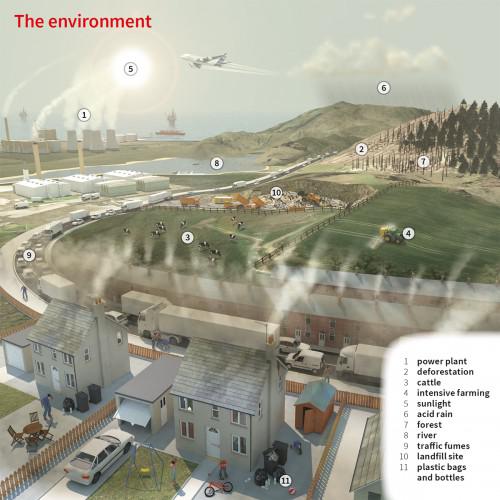
Environment
สิ่งแวดล้อม
จัดการ
to make a determined effort to deal with a difficult problem or situation
The government is determined to tackle inflation.
รัฐบาลมุ่งมั่นที่จะจัดการกับภาวะเงินเฟ้อ
I think I'll tackle the repairs next weekend.
คำพ้องความหมายaddressconfrontdeal withhandlemanagegrapple withundertakeคำตรงข้ามavoidevadeignoreneglectshunมลพิษ
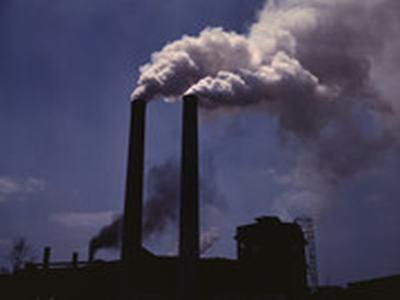
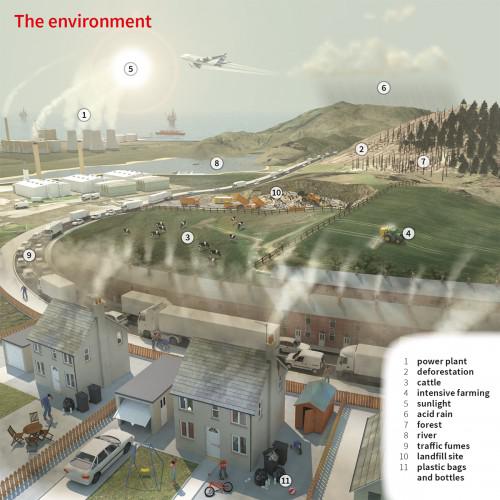
the process of making air, water, soil, etc. dirty; the state of being dirty
Water pollution is becoming more serious now.
มลพิษทางน้ำกำลังรุนแรงมากขึ้นในขณะนี้
air/water pollution
คำพ้องความหมายcontaminationdefilementimpurityfoulnesstaintadulterationคำตรงข้ามpurificationcleansingsterilizationclarificationpristinenessความเสียหาย
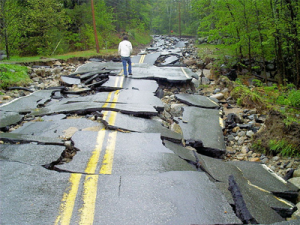
physical harm caused to something which makes it less attractive, useful or valuable
The damage to his car was considerable.
ความเสียหายต่อรถของเขาค่อนข้างมาก
Smoking seriously damages your health.
คำพ้องความหมายharminjuryimpairmentdestructionlossคำตรงข้ามrepairimprovementbenefitadvantagerestorationไฟฟ้า
a form of energy from charged elementary particles , usually supplied as electric current through cables, wires, etc. for lighting, heating, driving machines, etc.
The electricity has been turned off.
ไฟฟ้าถูกปิดแล้ว
The electricity is off (= there is no electric power supply).
คำพ้องความหมายpowercurrentvoltagechargeคำตรงข้ามpowerlessnessnon-conductivitynonelectricityการท่องเที่ยวเชิงนิเวศ
responsible travel to natural areas that protects the environment and benefits local people
Ecotourism in Cat Tien National Park supports local conservation work.
การท่องเที่ยวเชิงนิเวศในอุทยานแห่งชาติกัตเตียนสนับสนุนงานอนุรักษ์ในท้องถิ่น
The resort has become a model of ecotourism in the Mekong Delta.
คำพ้องความหมายsustainable tourismresponsible tourismnature tourismgreen tourismคำตรงข้ามmass tourismexploitative tourismdestructive tourismใช้ประโยชน์, แสวงประโยชน์, ขุดค้นใช้
to use something such as resources well in order to gain as much from it as possible
We need to make sure that we exploit our resources as fully as possible.
เราต้องแน่ใจว่าเราใช้ประโยชน์จากทรัพยากรของเราให้เต็มที่ที่สุดเท่าที่จะทำได้
คำพ้องความหมายutilizeusecapitalize ontake advantage ofleveragemanipulatemistreatabuseคำตรงข้ามconservepreserveprotectignoreneglectcherishหมุนเวียน
that is replaced naturally or controlled carefully and can therefore be used without the risk of using it all up
There are some renewable energy sources such as wind and wave power.
มีแหล่งพลังงานหมุนเวียนบางอย่าง เช่น พลังงานลมและคลื่น
คำพ้องความหมายsustainableregenerativereplenishablerestorableคำตรงข้ามnonrenewablefiniteexhaustibledepletableยั่งยืน, อย่างยั่งยืน
involving the use of natural products and energy in a way that does not harm the environment
We need to find more sustainable ways of producing energy for our homes.
เราต้องหาวิธีผลิตพลังงานสำหรับบ้านของเราที่ยั่งยืนมากขึ้น
คำพ้องความหมายmaintainableendurableviablerenewableeco-friendlygreenคำตรงข้ามunsustainableexhaustingdepletingtemporaryshort-livedความหลากหลายทางชีวภาพ
the existence of a large number of different kinds of animals and plants which make a balanced environment
A new National Biological Survey will protect species habitat and biodiversity.
การสำรวจทางชีวภาพแห่งชาติครั้งใหม่จะปกป้องที่อยู่อาศัยของชนิดพันธุ์และความหลากหลายทางชีวภาพ
คำพ้องความหมายvariety of lifebiological diversityecological diversityspecies richnessgenetic diversityคำตรงข้ามmonocultureuniformitylack of diversitybiological uniformityการตัดไม้ทำลายป่า
the act of cutting down or burning the trees in an area
There has been rising deforestation recently.
เมื่อเร็ว ๆ นี้มีการตัดไม้ทำลายป่าเพิ่มขึ้น
คำพ้องความหมายforest clearingtree removalwoodland clearanceloggingคำตรงข้ามafforestationreforestationforestationtree plantingระบบนิเวศ
all the plants and living creatures in a particular area considered in relation to their physical environment
different ecosystems and biomes on our planet
ระบบนิเวศและชีวนิเวศที่แตกต่างกันบนโลกของเรา
คำพ้องความหมายecological communityenvironmenthabitatbiosphereคำตรงข้ามnone (ecosystem is a specific term with no direct antonym)abiotic environment (could be considered an opposite in some contexts)รีไซเคิล (ree sai khle)
to treat things that have already been used so that they can be used again
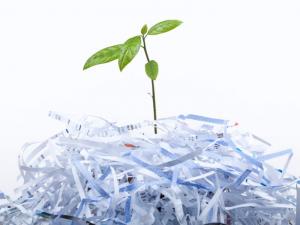
We can recycle waste paper.
เราสามารถรีไซเคิลกระดาษเสียได้ (rao samat ree sai khle kradat sia dai)
คำพ้องความหมายreusereclaimreprocessrecoversalvageคำตรงข้ามdiscarddisposewastedumpการอนุรักษ์
the protection of the natural environment
This kind of bird is protected by conservation plans.
นกชนิดนี้ได้รับการคุ้มครองโดยแผนการอนุรักษ์
คำพ้องความหมายpreservationprotectionsafeguardingmaintenanceupkeepคำตรงข้ามdestructiondepletionwasteneglectexploitationประสิทธิภาพ
the quality of doing something well with no waste of time or money
The reforms will lead to cost efficiency and savings.
การปฏิรูปจะนำไปสู่ประสิทธิภาพด้านต้นทุนและการประหยัด
คำพ้องความหมายproductivityeffectivenesscapabilitycompetenceeconomyperformanceskillคำตรงข้ามinefficiencywastefulnessincompetenceineffectivenessสัตว์ใกล้สูญพันธุ์
a type of animal or plant that might stop existing because there are very few of them left
Most countries are trying hard to protect endangered species.
ประเทศส่วนใหญ่กำลังพยายามอย่างหนักเพื่อปกป้องสัตว์ใกล้สูญพันธุ์
คำพ้องความหมายthreatened speciesvulnerable speciesat-risk speciesคำตรงข้ามthriving speciesabundant speciescommon speciesการปนเปื้อน
the process or fact of making a substance or place dirty or no longer pure by adding a substance that is dangerous or carries disease
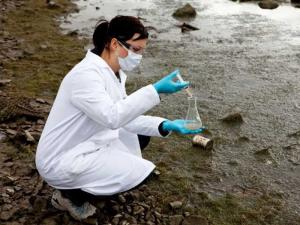
The water supply is being tested for contamination.
กำลังตรวจสอบแหล่งน้ำสำหรับหาการปนเปื้อน
คำพ้องความหมายpollutiontaintdefilementimpairmentinfectionคำตรงข้ามpuritysterilitycleannesssanitationความร้อนใต้พิภพ
connected with the natural heat of rock deep in the ground
They are going to build a geothermal power station in this area.
พวกเขากำลังจะสร้างโรงไฟฟ้าพลังงานความร้อนใต้พิภพในพื้นที่นี้
คำพ้องความหมายearth-heatgeothermicvolcanicคำตรงข้ามconventionalfossil fuelnon-geothermalแผงโซลาร์เซลล์
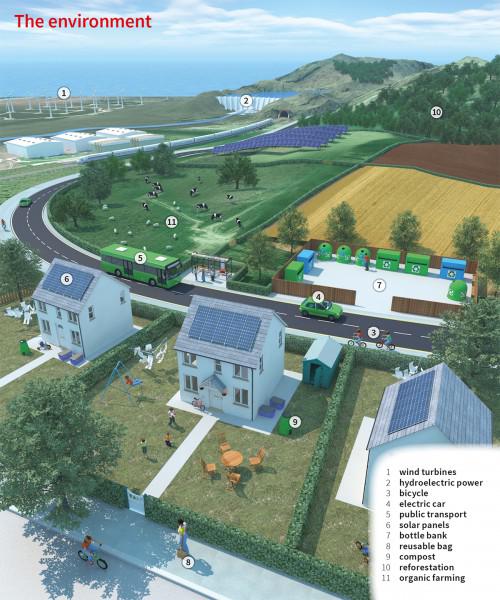
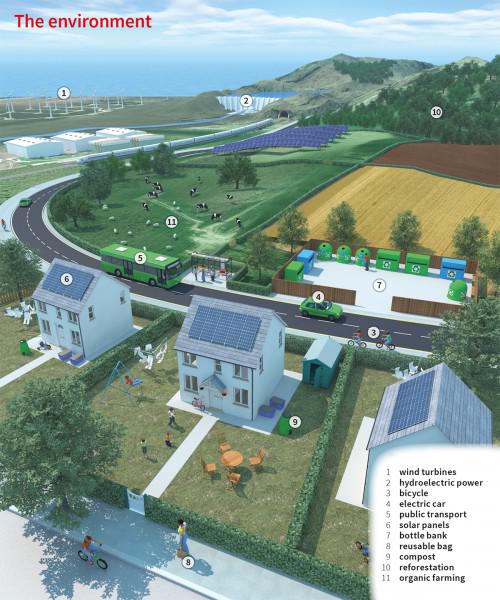
a piece of equipment, often on the roof of a building, that uses light and heat energy from the sun to produce hot water and electricity
Solar panels are used to power satellites.
แผงโซลาร์เซลล์ถูกใช้เพื่อจ่ายไฟให้กับดาวเทียม
คำพ้องความหมายphotovoltaic panelsolar cell arrayPV panelคำตรงข้ามconventional power sourcefossil fuel generatorพลังงานไฟฟ้าพลังน้ำ
using the power of water to produce electricity; produced by the power of water
Is there a hydroelectric power station in your area?
มีโรงไฟฟ้าพลังน้ำในพื้นที่ของคุณหรือไม่?
คำพ้องความหมายwaterpowerhydropowerคำตรงข้ามthermalnuclearfossil fuelการเปลี่ยนแปลงสภาพภูมิอากาศ
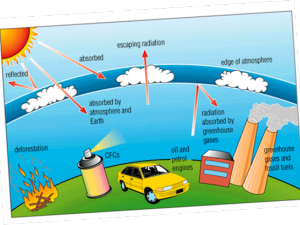
changes in the earth’s weather, including changes in temperature, wind patterns and rainfall , especially the increase in the temperature of the earth’s atmosphere that is caused by the increase of particular gases, especially carbon dioxide
In any case, climate change is already disrupting the lives of millions of human beings.
ไม่ว่าจะอย่างไรก็ตาม การเปลี่ยนแปลงสภาพภูมิอากาศกำลังส่งผลกระทบต่อการดำเนินชีวิตของผู้คนนับล้านแล้ว
คำพ้องความหมายglobal warmingclimatic changeenvironmental changeclimate crisisคำตรงข้ามclimate stabilityenvironmental equilibriumทรัพยากรธรรมชาติ
materials such as minerals, forests, water and fertile land that exist in nature and can be used by people
Some natural resources, such as natural gas and fossil fuel, cannot be replaced.
ทรัพยากรธรรมชาติบางอย่าง เช่น ก๊าซธรรมชาติและเชื้อเพลิงฟอสซิล ไม่สามารถทดแทนได้
คำพ้องความหมายraw materialsenvironmental resourcesnature's bountyearth's resourcesคำตรงข้ามman-made resourcessynthetic resourcesartificial resourcesprocessed materialsภาวะโลกร้อน
the increase in temperature of the earth’s atmosphere that is caused by the increase of particular gases, especially carbon dioxide
Global warming is a term that refers to the general warm - up of the Earth and its atmosphere.
ภาวะโลกร้อนเป็นคำที่ใช้อ้างถึงภาวะโลกร้อนขึ้นโดยทั่วไปของโลกและชั้นบรรยากาศของโลก
คำพ้องความหมายclimate changegreenhouse effectatmospheric warmingคำตรงข้ามglobal coolingice ageชั้นโอโซน
a layer of ozone high above the earth’s surface that helps to protect the earth from harmful radiation from the sun
The ozone layer protects living things from the harmful radiation of the sun.
ชั้นโอโซนปกป้องสิ่งมีชีวิตจากรังสีที่เป็นอันตรายของดวงอาทิตย์
คำพ้องความหมายozone shieldozonosphereคำตรงข้ามNoneย่อยสลายได้ทางชีวภาพ
a substance or chemical that is biodegradable can be changed by the action of bacteria to a natural state that will not harm the environment
The packaging is made of biodegradable materials.
บรรจุภัณฑ์ทำจากวัสดุที่ย่อยสลายได้ทางชีวภาพ
คำพ้องความหมายdecomposabledegradableeco-friendlyคำตรงข้ามnon-biodegradablenon-degradableimperishableนักอนุรักษ์
a person who takes an active part in the protection of the environment
The conservationist dedicated their life to protecting endangered species.
นักอนุรักษ์อุทิศชีวิตของตนเพื่อปกป้องสัตว์ใกล้สูญพันธุ์
คำพ้องความหมายenvironmentalistpreservationistecologistnature lovergreen activistคำตรงข้ามexploiterdestroyerpolluterการกลายเป็นทะเลทราย
the process of becoming or making something a desert
Desertification threatens many arid regions around the world.
การกลายเป็นทะเลทรายคุกคามหลายภูมิภาคที่แห้งแล้งทั่วโลก
คำพ้องความหมายland degradationaridificationคำตรงข้ามafforestationreforestationเครื่องกำเนิดไฟฟ้า, เครื่องปั่นไฟ
a machine that changes mechanical energy into electrical energy
The diesel generator supplies the plant during grid outages.
เครื่องกำเนิดไฟฟ้าดีเซลจ่ายไฟให้โรงงานเมื่อไฟฟ้าจากระบบดับ
Run the generator on load for thirty minutes every month.
คำพ้องความหมายpower sourcedynamoengineคำตรงข้ามconsumeruserกังหัน
a machine or part of a machine that produces continuous turning power from a fast-moving flow of a liquid or gas, using a set of vanes attached to a wheel or rotor
The turbine converts the kinetic energy of the wind into electricity.
กังหันเปลี่ยนพลังงานจลน์ของลมเป็นไฟฟ้า
คำพ้องความหมายrotatorenginerotorgeneratorคำตรงข้ามnoneรอยเท้าคาร์บอน
a measure of the amount of carbon dioxide that is produced by the activities of a person or company
Reducing your carbon footprint can help protect the environment.
การลดรอยเท้าคาร์บอนของคุณสามารถช่วยปกป้องสิ่งแวดล้อมได้
คำพ้องความหมายEnvironmental impactCarbon emissionsGreenhouse gas emissionsคำตรงข้ามCarbon neutralitySustainabilityนักอนุรักษ์สิ่งแวดล้อม
a person who is interested in the natural environment and wants to improve and protect it
The environmentalist spoke passionately about climate change.
นักอนุรักษ์สิ่งแวดล้อมพูดอย่างกระตือรือร้นเกี่ยวกับการเปลี่ยนแปลงสภาพภูมิอากาศ
คำพ้องความหมายconservationistecologistnature loverคำตรงข้ามexploiterpolluterการทำงานเป็นกะ, การทำงานแบบแบ่งกะ
a system in which groups of employees work at different times so that work continues day and night
Shift work is common in factories that run twenty-four hours a day.
การทำงานเป็นกะพบได้ทั่วไปในโรงงานที่เดินเครื่องตลอดยี่สิบสี่ชั่วโมง
Night shift work is paid an extra thirty percent.
คำพ้องความหมายRotating shiftsShift systemStaggered hoursคำตรงข้ามRegular hoursFixed scheduleการลาป่วย
time off work because of illness, which may be paid by the employer or by social insurance
He has been on sick leave since Monday with the flu.
เขาลาป่วยตั้งแต่วันจันทร์เพราะเป็นไข้หวัดใหญ่
Sick leave longer than three days needs a doctor's certificate.
คำพ้องความหมายMedical leavePaid sick timeTime off for illnessคำตรงข้ามPresenteeismWorking while sickการจัดอัตรากำลัง, การจัดสรรบุคลากร, อัตรากำลังพล
the number of workers employed in a place, or the work of providing enough suitable staff
Staffing levels in the warehouse rise before the Tet holiday.
อัตรากำลังในคลังสินค้าเพิ่มขึ้นก่อนเทศกาลเต็ด
The new store has a staffing plan of twelve full-time employees.
คำพ้องความหมายHiringRecruitmentPersonnelEmploymentWorkforceคำตรงข้ามDownsizingLayoffsReductionAttritionการวางแผนสืบทอดตำแหน่ง
preparing employees inside the company so they can replace managers and key staff when they leave
Succession planning helped us replace the plant director within a week.
การวางแผนสืบทอดตำแหน่งช่วยให้เราหาคนมาแทนผู้อำนวยการโรงงานได้ภายในหนึ่งสัปดาห์
The board asked HR to improve succession planning for senior roles.
คำพ้องความหมายReplacement planningLeadership developmentTalent managementคำตรงข้ามLack of planningAd hoc leadershipการสรรหาบุคลากรที่มีความสามารถ, การสรรหาผู้มีความสามารถพิเศษ
the long-term work of finding, attracting and hiring skilled people for an organisation
Our talent acquisition team focuses on engineers and data analysts.
ทีมสรรหาบุคลากรที่มีความสามารถของเรามุ่งเน้นวิศวกรและนักวิเคราะห์ข้อมูล
Talent acquisition is more than filling vacancies; it builds future capability.
คำพ้องความหมายRecruitmentHiringStaffingTalent sourcingคำตรงข้ามDownsizingLayoffAttritionการทำงานเป็นทีม
The activity of working well together as a group to achieve a shared aim.
Teamwork is essential for the success of this project.
การทำงานเป็นทีมเป็นสิ่งสำคัญสำหรับความสำเร็จของโครงการนี้
คำพ้องความหมายcollaborationcooperationpartnershipคำตรงข้ามindividualismcompetitionการทำงานทางไกล
The practice of working from home and communicating with your office by phone or the internet.
Telecommuting allows employees to work from home.
การทำงานทางไกลช่วยให้พนักงานทำงานจากที่บ้านได้
คำพ้องความหมายRemote workWork from homeVirtual workคำตรงข้ามOffice workIn-person workประสิทธิภาพพลังงาน
The use of less energy to produce the same amount of light, heat, power or work.
Energy efficiency helps reduce electricity bills.
ประสิทธิภาพพลังงานช่วยลดค่าไฟฟ้า
คำพ้องความหมายFuel efficiencyPower conservationEnergy conservationคำตรงข้ามEnergy wasteInefficiencyพลังงานหมุนเวียน
Energy from sources that are naturally replaced, such as the sun, wind and water.
Renewable energy sources are essential for a sustainable future.
แหล่งพลังงานหมุนเวียนเป็นสิ่งจำเป็นสำหรับอนาคตที่ยั่งยืน
คำพ้องความหมายSustainable energyClean energyGreen energyคำตรงข้ามNon-renewable energyFossil fuelsConventional energyทรัพยากรหมุนเวียน
Natural resources that are replaced naturally and can be used without running out, such as sunlight and wind.
Solar energy is a key example of renewable resources.
พลังงานแสงอาทิตย์เป็นตัวอย่างสำคัญของทรัพยากรหมุนเวียน
คำพ้องความหมายSustainable resourcesAlternative energy sourcesEco-friendly resourcesคำตรงข้ามNon-renewable resourcesFinite resourcesDepletable resourcesทางเลือก
things that you can choose to have or do instead of something else.
We considered several alternatives before making a decision.
เราพิจารณาทางเลือกหลายทางก่อนตัดสินใจ
คำพ้องความหมายOptionsChoicesSubstitutesReplacementsPossibilitiesคำตรงข้ามNecessityRequirementObligationCompulsionมลพิษทางอากาศ
Harmful substances such as smoke and gases in the air.
Air pollution is a serious environmental problem in many cities.
มลพิษทางอากาศเป็นปัญหาสิ่งแวดล้อมที่ร้ายแรงในหลายเมือง
คำพ้องความหมายsmogenvironmental contaminationatmospheric pollutionคำตรงข้ามclean airpure airการปล่อยคาร์บอน
Carbon dioxide and other carbon gases released into the air, especially by burning fuel.
The government is trying to reduce carbon emissions.
รัฐบาลกำลังพยายามลดการปล่อยคาร์บอน
คำพ้องความหมายgreenhouse gas emissionscarbon footprintคำตรงข้ามcarbon capturecarbon sequestrationสมดุลทางนิเวศวิทยา
A stable state in which plants, animals and their environment exist together in healthy proportions.
Maintaining ecological balance is crucial for the health of the planet.
การรักษาสมดุลทางนิเวศวิทยาเป็นสิ่งสำคัญต่อสุขภาพของโลก
คำพ้องความหมายEnvironmental equilibriumNatural harmonyBalance of natureคำตรงข้ามEcological imbalanceEnvironmental disruptionผลกระทบต่อสิ่งแวดล้อม
The effect that an activity, product or project has on the natural environment.
The environmental impact of the factory's emissions is significant.
ผลกระทบต่อสิ่งแวดล้อมจากก๊าซที่ปล่อยออกมาจากโรงงานนั้นมีนัยสำคัญ
คำพ้องความหมายEcological footprintEnvironmental consequenceEcological impactคำตรงข้ามEnvironmental benefitEnvironmental improvementเทคโนโลยีสีเขียว
Technology that is designed to reduce harm to the environment, for example by saving energy or reducing pollution.
The company invests heavily in green technology to reduce its carbon footprint.
บริษัทลงทุนอย่างมากในเทคโนโลยีสีเขียวเพื่อลดการปล่อยก๊าซคาร์บอนไดออกไซด์
คำพ้องความหมายsustainable technologyclean technologyenvironmental technologyคำตรงข้ามpolluting technologydirty technologyก๊าซเรือนกระจก
Gases, especially carbon dioxide and methane, that trap heat in the earth's atmosphere and cause global warming.
Greenhouse gases trap heat in the atmosphere.
ก๊าซเรือนกระจกักความร้อนในชั้นบรรยากาศ
คำพ้องความหมายRadiatively active gasesClimate-forcing gasesคำตรงข้ามOxygenClean airการลดลงของโอโซน
The gradual thinning of the ozone layer in the earth's atmosphere, caused by harmful gases.
Ozone depletion allows more harmful UV radiation to reach the Earth's surface.
การลดลงของโอโซนทำให้รังสี UV ที่เป็นอันตรายมากขึ้นสามารถเข้าถึงพื้นผิวโลกได้
คำพ้องความหมายozone thinningozone layer destructionคำตรงข้ามozone recoveryozone regenerationการกัดเซาะดิน
The gradual removal of the top layer of soil by wind, water or human activity.
Soil erosion is a major environmental problem.
การกัดเซาะดินเป็นปัญหาสิ่งแวดล้อมที่สำคัญ
คำพ้องความหมายLand degradationSoil lossDenudationคำตรงข้ามSoil conservationAfforestationLand reclamationเกษตรกรรมยั่งยืน
Farming that produces food in ways that protect the environment and can continue for a long time.
Sustainable agriculture focuses on long-term environmental health.
เกษตรกรรมยั่งยืนมุ่งเน้นไปที่สุขภาพสิ่งแวดล้อมในระยะยาว
คำพ้องความหมายecological farmingregenerative agricultureconservation agricultureคำตรงข้ามunsustainable agricultureconventional agricultureการพัฒนาที่ยั่งยืน
Economic growth that meets present needs without harming the environment or the needs of future generations.
Sustainable development aims to meet the needs of the present without compromising the ability of future generations to meet their own needs.
การพัฒนาที่ยั่งยืนมีเป้าหมายเพื่อตอบสนองความต้องการของปัจจุบันโดยไม่กระทบต่อความสามารถของคนรุ่นหลังในการตอบสนองความต้องการของตนเอง
คำพ้องความหมายeco-friendly developmentresponsible developmentgreen developmentคำตรงข้ามunsustainable developmentexploitative developmentirresponsible developmentการจัดการของเสีย
The collection, transport, treatment and disposal of waste materials.
Effective waste management is crucial for a healthy environment.
การจัดการของเสียที่มีประสิทธิภาพเป็นสิ่งสำคัญสำหรับสภาพแวดล้อมที่ดีต่อสุขภาพ
คำพ้องความหมายtrash disposalrubbish removalrecyclinggarbage disposalคำตรงข้ามwaste creationpollutionการขาดแคลนน้ำ
A situation in which there is not enough clean water to meet people's needs in an area.
Water scarcity is a growing problem in many parts of the world.
การขาดแคลนน้ำเป็นปัญหาที่เพิ่มขึ้นในหลายส่วนของโลก
คำพ้องความหมายwater shortagewater deficitdroughtaridityคำตรงข้ามwater abundancewater surplusระบบนิเวศทางทะเล
All the living things in the sea and the environment in which they interact with one another.
The marine ecosystem is vital for the planet's health.
ระบบนิเวศทางทะเลมีความสำคัญต่อสุขภาพของโลก
คำพ้องความหมายOceanic environmentSeascapeMarine habitatคำตรงข้ามTerrestrial ecosystemLand ecosystemการสะสมตัวของกรด
The process by which acidic substances from polluted air fall onto the earth in rain, snow or dry particles.
Acid deposition harms forests and aquatic ecosystems.
การสะสมตัวของกรดเป็นอันตรายต่อป่าไม้และระบบนิเวศทางน้ำ
คำพ้องความหมายAcid rainAcid precipitationคำตรงข้ามAlkaline rainNeutral depositionพลังงานสะอาด
Energy produced in a way that causes little or no pollution, such as solar or wind power.
The government is investing heavily in clean energy sources.
รัฐบาลกำลังลงทุนอย่างหนักในแหล่งพลังงานสะอาด
คำพ้องความหมายRenewable energyGreen energySustainable energyคำตรงข้ามFossil fuelsDirty energyNon-renewable energyการทำปุ๋ยหมัก
The process of letting plant and food waste decay so that it can be used to make soil richer.
We are composting food scraps in our backyard.
เรากำลังทำปุ๋ยหมักเศษอาหารในสวนหลังบ้านของเรา
คำพ้องความหมายdecompositionrottinghumificationคำตรงข้ามincinerationsterilizationโครงการอนุรักษ์
An organized plan of activities to protect the natural environment, wildlife or resources.
The government implemented a new conservation program to protect endangered species.
รัฐบาลได้ดำเนินโครงการอนุรักษ์ใหม่เพื่อปกป้องสัตว์ใกล้สูญพันธุ์
คำพ้องความหมายPreservation initiativeProtection schemeEnvironmental planคำตรงข้ามDestruction initiativeExploitation programทำลายระบบนิเวศ
To damage natural systems of living things and their environment so that they become less healthy or productive.
Pollution can degrade ecosystems, harming wildlife and human populations.
มลพิษสามารถทำลายระบบนิเวศ ทำร้ายสัตว์ป่าและประชากรมนุษย์
คำพ้องความหมายDamage ecosystemsHarm ecosystemsImpair ecosystemsWorsen ecosystemsคำตรงข้ามProtect ecosystemsRestore ecosystemsPreserve ecosystemsEnhance ecosystemsใช้ทรัพยากรธรรมชาติจนหมด
To use up natural materials such as water, minerals or forests so that little or none remains.
Overfishing can deplete natural resources in the ocean.
การทำประมงมากเกินไปสามารถทำให้ทรัพยากรธรรมชาติในมหาสมุทรหมดไปได้
คำพ้องความหมายexhaustuse upconsumedrainคำตรงข้ามreplenishconservepreserveรอยเท้านิเวศ
A measure of how much land and natural resources a person or group uses and the impact this has on the environment.
Reducing your ecological footprint can help preserve the planet.
การลดรอยเท้านิเวศของคุณสามารถช่วยรักษาสภาพแวดล้อมของโลกได้
คำพ้องความหมายenvironmental impactcarbon footprintคำตรงข้ามenvironmental sustainabilityecological healthการอนุรักษ์พลังงาน
The practice of using less energy in order to save resources and reduce pollution.
Energy conservation helps reduce our carbon footprint.
การอนุรักษ์พลังงานช่วยลดการปล่อยก๊าซคาร์บอนไดออกไซด์ของเรา
คำพ้องความหมายEnergy savingPower conservationResource conservationคำตรงข้ามEnergy wasteEnergy depletionการใช้พลังงาน
The amount of energy that is used by a person, machine, building or country.
The energy consumption of the factory was very high.
การใช้พลังงานของโรงงานสูงมาก
คำพ้องความหมายPower usageEnergy useFuel consumptionคำตรงข้ามEnergy productionEnergy conservationการจัดการพลังงาน
The planning and control of how energy is used, so that less is wasted and costs are reduced.
Energy management is crucial for reducing costs and environmental impact.
การจัดการพลังงานเป็นสิ่งสำคัญอย่างยิ่งในการลดต้นทุนและผลกระทบต่อสิ่งแวดล้อม
คำพ้องความหมายPower managementResource optimizationEnergy conservationคำตรงข้ามEnergy wasteInefficient consumptionนโยบายพลังงาน
A plan of action by a government about how energy is produced, supplied and used.
The government is reforming its energy policy to promote renewable sources.
รัฐบาลกำลังปฏิรูปนโยบายพลังงานเพื่อส่งเสริมแหล่งพลังงานหมุนเวียน
คำพ้องความหมายpower strategyfuel regulationenergy regulationคำตรงข้ามenergy deregulationการผลิตพลังงาน
The process of making energy, for example electricity, from sources such as coal, wind or sunlight.
Energy production is essential for modern society.
การผลิตพลังงานเป็นสิ่งจำเป็นสำหรับสังคมสมัยใหม่
คำพ้องความหมายPower generationEnergy creationEnergy developmentคำตรงข้ามEnergy consumptionEnergy depletionการจัดเก็บพลังงาน
The process of keeping energy, for example in batteries, so that it can be used later.
Energy storage is critical for renewable energy sources.
การจัดเก็บพลังงานมีความสำคัญอย่างยิ่งต่อแหล่งพลังงานหมุนเวียน
คำพ้องความหมายPower storageEnergy reservoirElectrical storageคำตรงข้ามEnergy depletionEnergy consumptionความตระหนักด้านสิ่งแวดล้อม
Knowledge and understanding of environmental problems and of the need to protect the natural world.
Environmental awareness is crucial for protecting our planet.
ความตระหนักด้านสิ่งแวดล้อมเป็นสิ่งสำคัญอย่างยิ่งในการปกป้องโลกของเรา
คำพ้องความหมายEcological consciousnessEnvironmental consciousnessGreen awarenessคำตรงข้ามEnvironmental ignoranceEnvironmental apathyการศึกษาด้านสิ่งแวดล้อม
Teaching people about the natural world and how to protect it.
Environmental education is important for future generations.
การศึกษาด้านสิ่งแวดล้อมมีความสำคัญต่อคนรุ่นหลัง
คำพ้องความหมายEcology educationConservation educationSustainability educationคำตรงข้ามEnvironmental ignoranceLack of environmental awarenessนโยบายสิ่งแวดล้อม
A plan of action by a government or organization to protect the environment.
The government is developing a new environmental policy to reduce pollution.
รัฐบาลกำลังพัฒนานโยบายสิ่งแวดล้อมใหม่เพื่อลดมลพิษ
คำพ้องความหมายgreen policyecological policysustainability policyคำตรงข้ามderegulationenvironmental neglectข้อบังคับด้านสิ่งแวดล้อม
Official rules that control activities which may harm the environment.
The factory must comply with all environmental regulations.
โรงงานต้องปฏิบัติตามข้อบังคับด้านสิ่งแวดล้อมทั้งหมด
คำพ้องความหมายEnvironmental lawsGreen policiesConservation rulesคำตรงข้ามDeregulationLaissez-faireUnrestricted practicesเชื้อเพลิงฟอสซิล
Fuels such as coal, oil and gas that were formed over millions of years from the remains of plants and animals.
The burning of fossil fuels contributes to air pollution.
การเผาไหม้เชื้อเพลิงฟอสซิลก่อให้เกิดมลพิษทางอากาศ
คำพ้องความหมายnon-renewable energy sourcesconventional fuelsคำตรงข้ามrenewable energysustainable energyเซลล์เชื้อเพลิง
Devices that produce electricity from a chemical reaction, usually between hydrogen and oxygen.
Fuel cells are an efficient energy source.
เซลล์เชื้อเพลิงเป็นแหล่งพลังงานที่มีประสิทธิภาพ
คำพ้องความหมายelectrochemical cellpower sourceenergy converterคำตรงข้ามcombustion enginebatteryอาคารสีเขียว
Buildings that are designed and built to use less energy and water and to cause little harm to the environment.
Green buildings help reduce environmental impact.
อาคารสีเขียวช่วยลดผลกระทบต่อสิ่งแวดล้อม
คำพ้องความหมายSustainable buildingseco-friendly constructionenvironmentally friendly buildingsคำตรงข้ามConventional buildingsunsustainable constructionการทำลายที่อยู่อาศัย
The process by which the natural home of plants and animals is damaged so that they can no longer live there.
Habitat destruction is a major threat to biodiversity.
การทำลายที่อยู่อาศัยเป็นภัยคุกคามสำคัญต่อความหลากหลายทางชีวภาพ
คำพ้องความหมายHabitat lossEnvironmental degradationDeforestationคำตรงข้ามHabitat restorationHabitat preservationConservationความเสื่อมโทรมของที่ดิน
The process by which land becomes less healthy and productive, often because of human activity.
Land degradation reduces agricultural productivity.
ความเสื่อมโทรมของที่ดินลดผลผลิตทางการเกษตร
คำพ้องความหมายsoil degradationenvironmental degradationdesertificationคำตรงข้ามland improvementland reclamationsoil conservationตัดไม้ทำลายป่า, ทำไม้
To cut down the trees in forests in order to use or sell the wood.
Companies that log forests illegally destroy the homes of many wild animals.
บริษัทที่ตัดไม้ทำลายป่าอย่างผิดกฎหมายทำลายที่อยู่อาศัยของสัตว์ป่าจำนวนมาก
คำพ้องความหมายtimber forestslogging areasharvested forestsคำตรงข้ามold-growth forestsprotected forestsvirgin forestsการอนุรักษ์ทางทะเล
The protection of the sea and the plants and animals that live in it.
Marine conservation is crucial for protecting ocean ecosystems.
การอนุรักษ์ทางทะเลเป็นสิ่งสำคัญสำหรับการปกป้องระบบนิเวศทางทะเล
คำพ้องความหมายOcean conservationSeascape preservationMarine preservationOcean protectionคำตรงข้ามMarine destructionOcean exploitationMarine degradationมลพิษทางเสียง
Harmful or annoying levels of noise, for example from traffic, aircraft or machines.
The city struggles with significant noise pollution.
เมืองกำลังประสบปัญหามลพิษทางเสียงอย่างมาก
คำพ้องความหมายsound pollutionacoustic pollutionenvironmental noiseคำตรงข้ามquietsilencepeaceชดเชยการปล่อยก๊าซคาร์บอนไดออกไซด์
To balance the carbon dioxide you produce by doing something that removes or saves the same amount, such as planting trees.
We can offset our CO2 emissions by planting trees.
เราสามารถชดเชยการปล่อยก๊าซคาร์บอนไดออกไซด์ของเราได้โดยการปลูกต้นไม้
คำพ้องความหมายCounterbalanceNeutralizeMitigateReduceคำตรงข้ามIncreaseWorsenExacerbateเกษตรอินทรีย์
A method of farming that does not use artificial chemicals such as fertilizers and pesticides.
Organic farming avoids the use of synthetic fertilizers and pesticides.
เกษตรอินทรีย์หลีกเลี่ยงการใช้ปุ๋ยและยาฆ่าแมลงสังเคราะห์
คำพ้องความหมายEcological farmingSustainable agricultureNatural farmingคำตรงข้ามConventional farmingIndustrial agricultureการใช้เกินขนาด, การใช้อย่างฟุ่มเฟือย
the use of something, especially natural resources, far too much or in a harmful way
The over-abuse of pesticides has seriously damaged the soil and rivers.
การใช้สารกำจัดศัตรูพืชเกินขนาดได้สร้างความเสียหายอย่างร้ายแรงต่อดินและแม่น้ำ
คำพ้องความหมายExploitMaltreatOverexploitคำตรงข้ามProtectCareValueโฟโตวอลตาอิก, เกี่ยวกับเซลล์แสงอาทิตย์
Using or relating to the production of electricity directly from sunlight.
Photovoltaic cells convert sunlight into electricity.
เซลล์โฟโตวอลตาอิกเปลี่ยนแสงอาทิตย์เป็นไฟฟ้า
คำพ้องความหมายsolar cellsolar powersolar energyคำตรงข้ามconventional energyfossil fuelอนุรักษ์ความหลากหลายทางชีวภาพ
To protect the variety of plants and animals living in a particular area or in the world.
It is important to preserve biodiversity to maintain healthy ecosystems.
การอนุรักษ์ความหลากหลายทางชีวภาพเป็นสิ่งสำคัญในการรักษาระบบนิเวศให้แข็งแรง
คำพ้องความหมายConserve biodiversityProtect biodiversityMaintain biodiversityคำตรงข้ามDestroy biodiversityDegrade biodiversityสร้างความตระหนักรู้
To make more people know about and understand a particular problem or situation.
We need to raise awareness about climate change.
เราต้องสร้างความตระหนักรู้เกี่ยวกับปัญหาการเปลี่ยนแปลงสภาพภูมิอากาศ
คำพ้องความหมายPromotePublicizeHighlightEducateคำตรงข้ามConcealIgnoreNeglectHideความยั่งยืน
The use of natural resources in a way that does not harm the environment and can continue for a long time.
Sustainability is crucial for the future of our planet.
ความยั่งยืนเป็นสิ่งสำคัญสำหรับอนาคตของโลกของเรา
คำพ้องความหมายContinuityEnduranceViabilityResilienceMaintainabilityคำตรงข้ามUnsustainabilityInstabilityTemporarinessDepletionวิถีชีวิตที่ยั่งยืน
A way of living that tries to reduce harm to the environment and the use of natural resources.
She is committed to living a sustainable lifestyle by reducing her carbon footprint.
เธอcommitted ต้อngcommitted มุ่งมั่นที่จะดำเนินชีวิตแบบยั่งยืนโดยลดคาร์บอนฟุตพริ้นท์ของเธอ
คำพ้องความหมายEco-friendly livingGreen livingEnvironmentally conscious lifestyleคำตรงข้ามUnsustainable livingWasteful lifestyleการขนส่งที่ยั่งยืน
Ways of travelling, such as cycling or public transport, that cause little harm to the environment.
The city is investing in sustainable transportation to reduce pollution.
เมืองกำลังลงทุนในการขนส่งที่ยั่งยืนเพื่อลดมลพิษ
คำพ้องความหมายEco-friendly transportationGreen transportationEnvironmentally friendly transportคำตรงข้ามUnsustainable transportationPolluting transportationคุกคามแหล่งที่อยู่อาศัยตามธรรมชาติ
To put at risk the natural places where animals and plants live.
Pollution can threaten natural habitats, endangering many species.
มลพิษสามารถคุกคามแหล่งที่อยู่อาศัยตามธรรมชาติ ทำให้สิ่งมีชีวิตหลายชนิดตกอยู่ในอันตราย
คำพ้องความหมายendangerjeopardizeimperilคำตรงข้ามprotectpreserveconserveการลดของเสีย
The process of producing less waste, for example by using fewer materials or reusing things.
Waste reduction is crucial for environmental sustainability.
การลดของเสียเป็นสิ่งสำคัญต่อความยั่งยืนของสิ่งแวดล้อม
คำพ้องความหมายReducing wasteMinimizing wasteCutting wasteWaste minimizationคำตรงข้ามWaste increaseWaste generationWaste productionมลพิษทางน้ำ
The process of making rivers, lakes, seas, etc. dirty and harmful with chemicals or waste.
Water pollution is a serious threat to aquatic life.
มลพิษทางน้ำเป็นภัยคุกคามร้ายแรงต่อชีวิตในน้ำ
คำพ้องความหมายAquatic pollutionWater contaminationคำตรงข้ามWater purityClean waterการอนุรักษ์สัตว์ป่า
The protection of wild animals and plants and the places where they live.
Wildlife preservation is crucial for maintaining biodiversity.
การอนุรักษ์สัตว์ป่าเป็นสิ่งสำคัญอย่างยิ่งในการรักษาสมดุลของความหลากหลายทางชีวภาพ
คำพ้องความหมายConservationProtectionSafeguardingคำตรงข้ามDestructionNeglectExploitation