पाठ 9/33 · 94 शब्द · 0 याद हो गए
Culture
संस्कृति
सराहना, कद्र, रसग्रहण
pleasure that you have when you recognize and enjoy the good qualities of somebody/something
She has a deep appreciation of traditional music and art.
उसे पारंपरिक संगीत और कला की गहरी समझ और कद्र है।
समानार्थीgratitudethankfulnessrecognitionacknowledgmentesteemregardविलोमdisapprovalcriticismdisregardingratitudeindifferenceकला
the use of the imagination to express ideas or feelings, particularly in painting, drawing or sculpture
We have art on Monday, and I love painting pictures.
सोमवार को हमारी कला की कक्षा होती है, और मुझे चित्र बनाना बहुत पसंद है।
समानार्थीskillcrafttalentcreativityexpressiondesignmasteryविलोमclumsinessineptitudelack of skillartlessnessinabilityसाहित्य (sahitya)
pieces of writing that are valued as works of art, especially novels, plays and poems (in contrast to technical books and newspapers, magazines, etc.)
My sister is very good at Literature.
मेरी बहन साहित्य में बहुत अच्छी है।
French literature
समानार्थीwritingslettersbookscompositioncreative writingpoetrydramaविलोमilliteracynonfictionsciencemathematicsपरंपरा (paramparā)
a belief, custom or way of doing something that has existed for a long time among a particular group of people; a set of these beliefs or customs
Making Chung cake is our tradition at Tet.
चावल के केक बनाना टेट पर हमारी परंपरा है। (chāval ke kek banānā teṭ par hamārī paramparā hai.)
religious/cultural, etc. traditions
समानार्थीcustomconventionpracticeritualheritageusagemannerwayविलोमinnovationnoveltymodernitychangedeviationमीडिया
the main ways that large numbers of people receive information and entertainment, that is television, radio, newspapers and the internet
He became a media star for his part in the protests.
विरोध में अपनी भूमिका के लिए वह मीडिया स्टार बन गया।
the news/broadcasting/national media
समानार्थीpressnewsjournalismcommunicationsbroadcastingविलोमsilenceprivacysecrecyसम्मान, आदर
a strong feeling of approval of somebody/something because of their good qualities or achievements
Children should show respect for their parents and teachers.
बच्चों को अपने माता-पिता और शिक्षकों का सम्मान करना चाहिए।
समानार्थीadmirationesteemregardvenerationdeferencehonorappreciationविलोमdisrespectdisdaincontemptdisregardscornधर्म (dharm)
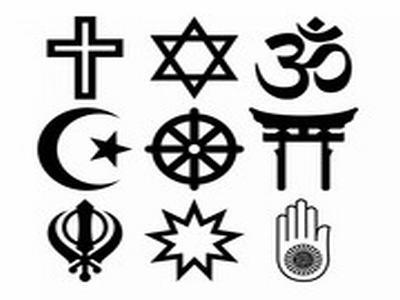
the belief in the existence of a god or gods, and the activities that are connected with the worship of them, or in the teachings of a spiritual leader
Christianity, Islam and Judaism are known as Abrahamic religions.
ईसाई धर्म, इस्लाम और यहूदी धर्म अब्राहमी धर्मों के रूप में जाने जाते हैं। (Īsāī dharm, islām aur yahūdī dharm abrāhamī dharmon ke rūp men jāne jāte hain.)
He went very quiet(= did not say much) so I knew he was upset.
समानार्थीfaithbeliefcreeddoctrinedenominationsectworshipspiritualityविलोमatheismirreligionsecularismagnosticismdisbeliefसीमा शुल्क विभाग, कस्टम
the government department that checks goods brought into a country and collects tax on them; also the area where this is done
All passengers must go through customs after collecting their baggage.
सभी यात्रियों को अपना सामान लेने के बाद कस्टम से गुज़रना होगा।
Customs officers may open your bags to check for undeclared goods.
समानार्थीdutytariffimport taxविलोमfree tradeno dutyसंगीत (sangeet)
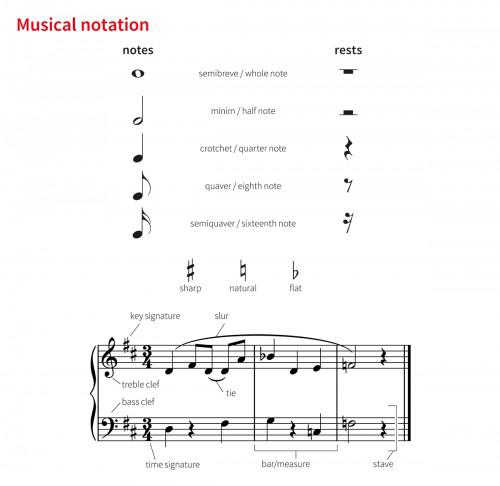
sounds that are arranged in a way that is pleasant or exciting to listen to. People sing music or play it on instruments.
I listen to music every day.
मैं हर दिन संगीत सुनता हूँ। (Main har din sangeet sunta hoon.)
The poem has been set to music.
समानार्थीmelodyharmonytunesongcompositionविलोमsilencenoise (in some contexts)नकारात्मक (nakaaraatmak)
bad or harmful
The whole experience was definitely more positive than negative.
पूरा अनुभव निश्चित रूप से नकारात्मक से अधिक सकारात्मक था।
The crisis had a negative effect on trade.
समानार्थीpessimisticunfavorableadversedetrimentalbadunpleasantविलोमpositiveoptimisticfavorablegoodpleasantसमुदाय (samuday)
all the people who live in a particular area, country, etc. when talked about as a group
They want to do something useful and meaningful for the community.
वे समुदाय के लिए कुछ उपयोगी और सार्थक करना चाहते हैं।
the international community (= the countries of the world as a group)
समानार्थीsocietypublicgrouppopulationneighborhoodfellowshipविलोमindividualisolationseparationआदान-प्रदान, विनिमय
an act of giving something to somebody or doing something for somebody and receiving something in return
Our school organised a cultural exchange with students from Japan.
हमारे स्कूल ने जापान के छात्रों के साथ एक सांस्कृतिक आदान-प्रदान कार्यक्रम आयोजित किया।
समानार्थीswaptradebarterinterchangesubstitutereplaceविलोमkeepretainholdwithholdसकारात्मक, आशावादी
thinking about what is good in a situation; feeling confident and sure that something good will happen
She tried to be more positive about her new job.
उसने अपनी नई नौकरी के बारे में अधिक सकारात्मक होने की कोशिश की।
On the positive side, profits have increased.
समानार्थीoptimisticconstructivefavorablehopefulupbeatconfidentविलोमnegativepessimisticunfavorablecriticalनृत्य, नाच
a series of movements and steps that are usually performed to music; a particular example of these movements and steps
The tango is a famous traditional dance from Argentina.
टैंगो अर्जेंटीना का एक प्रसिद्ध पारंपरिक नृत्य है।
समानार्थीboogiegroovejivehoppranceshuffleswaywaltzविलोमrestidlesitremainstayइतिहास
the study of past events, especially as a subject at school or university
My mother is a history teacher.
मेरी माँ इतिहास की शिक्षिका हैं।
The area was inhabited long before the dawn of recorded history(= before people wrote about events).
समानार्थीpastchroniclerecordaccounteventsविलोमfutureमनाना (manana)
to show that a day or an event is important by doing something special on it
Vietnamese people celebrate Tet at different times each year.
वियतनामी लोग हर साल अलग-अलग समय पर टेट मनाते हैं।
How do people celebrate New Year in your country?
समानार्थीcommemorateobservehonorrejoicemarksolemnizeविलोमmournlamentcondemnignoreneglectविविधता, विभिन्नता
a range of many people or things that are very different from each other
Our city is proud of its cultural diversity and its many festivals.
हमारा शहर अपनी सांस्कृतिक विविधता और अपने अनेक त्योहारों पर गर्व करता है।
समानार्थीvarietymultiplicitydifferenceheterogeneityrangeassortmentविलोमsimilarityuniformityhomogeneitysamenessmonotonyस्वदेशी
coming from a particular place and having lived there for a long time before other people came there; relating to, belonging to or developed by these people
the indigenous peoples/languages of the area
क्षेत्र के स्वदेशी लोग/भाषाएँ
समानार्थीnativeaboriginaloriginallocaldomesticविलोमforeignalienimmigrantintroducednon-nativeसहनशीलता (sahansheelta)
the quality of being willing to accept or tolerate somebody/something, especially opinions or behaviour that you may not agree with, or people who are not like you
She had no tolerance for jokes of any kind.
उसमें किसी भी तरह के मज़ाक़ के लिए कोई सहनशीलता नहीं थी।
समानार्थीpatienceforbearanceunderstandingacceptanceleniencyenduranceविलोमintoleranceprejudicebigotrynarrow-mindednessimpatienceबहुसांस्कृतिक
for or including people of several different cultures (= beliefs, languages, customs and traditions, etc.)
My company is multicultural and has many international employees.
मेरी कंपनी बहुसांस्कृतिक है और इसमें कई अंतर्राष्ट्रीय कर्मचारी हैं।
समानार्थीdiversepluralisticcross-culturalinternationalglobalविलोमmonoculturalhomogeneousuniformविरासत (virasat)
the history, traditions, buildings and objects that a country or society has had for many years and that are considered an important part of its character
Hue's Imperial City was listed as a Cultural World Heritage site by UNESCO in 1993.
हुए के शाही शहर को 1993 में यूनेस्को द्वारा सांस्कृतिक विश्व विरासत स्थल के रूप में सूचीबद्ध किया गया था।
समानार्थीlegacyinheritancetraditionbirthrightendowmentविलोमpresentmodernityinnovationवास्तुकला (vastukala)
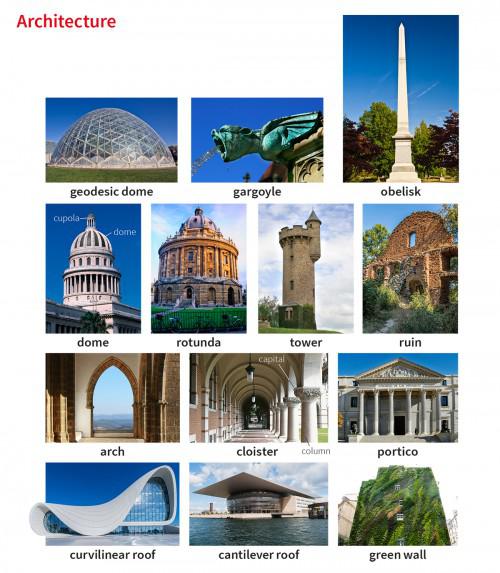
the art and study of designing buildings
I love the architecture of this building.
मुझे इस इमारत की वास्तुकला पसंद है। (Mujhe is imaarat kee vaastukala pasand hai.)
समानार्थीdesignstructureconstructionbuildingstyleplanningविलोमdestructiondemolitiondeconstructionwreckageभेदभाव
unfair treatment of a person because of their gender, age, religion, disability or another protected characteristic
The law prohibits discrimination against pregnant workers in hiring and promotion.
कानून भर्ती और पदोन्नति में गर्भवती कर्मचारियों के साथ भेदभाव को प्रतिबंधित करता है।
The employee filed a complaint of age discrimination after being passed over.
समानार्थीprejudicebiasinequalityfavoritismbigotrysegregationविलोमequalityfairnessimpartialityjusticeequitytoleranceसह-अस्तित्व
to exist together in the same place or at the same time, especially in a peaceful way
Different cultures can coexist peacefully in a multicultural society.
एक बहुसांस्कृतिक समाज में विभिन्न संस्कृतियाँ शांतिपूर्वक सह-अस्तित्व में रह सकती हैं।
समानार्थीlive togetherexist togethercoexistlive side by sideget alongविलोमclashconflictopposecompetefightसांस्कृतिक मानवशास्त्र
the study of human societies, their cultures and the way they develop
Cultural anthropology studies human societies and cultures and their development.
सांस्कृतिक मानवशास्त्र मानव समाजों और संस्कृतियों और उनके विकास का अध्ययन करता है।
समानार्थीethnologysocial anthropologyविलोमphysical anthropologyसंस्कृति आघात
a feeling of being confused and worried that somebody may get when they visit another country or experience a different way of life or set of attitudes, because the experience is so different from what they are used to
She experienced culture shock when she moved from a small town to a big city.
जब वह एक छोटे शहर से एक बड़े शहर में चली गई तो उसे संस्कृति आघात लगा।
समानार्थीcultural adjustment issuescultural disorientationcultural distressविलोमcultural familiaritycultural adaptationप्रसार
the act of spreading something widely in all directions; the fact of being spread in all directions
The diffusion of knowledge is essential for progress.
ज्ञान का प्रसार प्रगति के लिए आवश्यक है।
समानार्थीspreaddisseminationproliferationdispersionविलोमconcentrationcontainmentrestrictionजातीयता
the fact of belonging to a particular ethnic group (= a group of people that share a cultural tradition)
The city is a melting pot of different ethnicities.
यह शहर विभिन्न जातियों का मिश्रण है।
समानार्थीracenationalitycultural backgroundoriginविलोमindividualuniversalglobalनृजातीय केन्द्रवाद
behaviour or beliefs that favour one particular culture and judge other cultures against it
Ethnocentrism can lead to misunderstandings between cultures.
नृजातीय केन्द्रवाद संस्कृतियों के बीच गलतफहमी पैदा कर सकता है।
समानार्थीcultural biascultural superioritychauvinismविलोमcultural relativismtoleranceacceptanceनृवंशविज्ञान
the scientific description of different peoples and cultures, with their customs, habits and differences
The ethnography of the tribe revealed unique cultural practices.
जनजाति के नृवंशविज्ञान ने अद्वितीय सांस्कृतिक प्रथाओं का खुलासा किया।
समानार्थीCultural studyAnthropological researchField researchविलोमTheoretical studyशिष्टाचार
the formal rules of correct or polite behaviour in society, among members of a particular profession or in a particular area of activity
Proper etiquette is essential at a formal dinner.
औपचारिक रात्रिभोज में उचित शिष्टाचार आवश्यक है।
समानार्थीmannersdecorumprotocolcivilityविलोमimpolitenessrudenessdiscourtesyलोककथा
the traditions and stories of a country or community
The local folklore tells tales of mythical creatures living in the forest.
स्थानीय लोककथा जंगल में रहने वाले पौराणिक प्राणियों की कहानियाँ बताती है।
समानार्थीfolk taleslegendsmythstraditionsoral historyविलोमhistoryfactscienceविरासत
the money, property, etc. that you receive from somebody when they die; the fact of receiving something when somebody dies
She received a large inheritance from her grandfather.
उसे अपने दादाजी से एक बड़ी विरासत मिली।
समानार्थीbequestlegacyheritagedeviseविलोमforfeiturelossdeprivationपरस्पर जुड़ा हुआ, अंतर्संबद्ध
connected with each other, or having parts that are connected with each other
The world is becoming increasingly interconnected through technology.
प्रौद्योगिकी के माध्यम से दुनिया तेज़ी से परस्पर जुड़ती जा रही है।
समानार्थीlinkedconnectedrelatedintegratednetworkedविलोमisolateddisconnectedseparateindependentसांस्कृतिक प्रसार
The spread of ideas, customs and beliefs from one culture or society to another.
The Silk Road facilitated cultural diffusion between East and West.
सिल्क रोड ने पूर्व और पश्चिम के बीच सांस्कृतिक प्रसार को सुगम बनाया।
समानार्थीCultural exchangeCultural transmissionCross-cultural interactionविलोमCultural isolationCultural stagnationसांस्कृतिक आदान-प्रदान
A programme or activity in which people from different countries share and learn about each other's customs, ideas and way of life.
The cultural exchange program allowed students to live abroad.
सांस्कृतिक आदान-प्रदान कार्यक्रम ने छात्रों को विदेश में रहने की अनुमति दी।
समानार्थीCross-cultural exchangeIntercultural dialogueCultural interchangeविलोमCultural isolationCultural segregationसमरूपीकरण, एकरूपता
The process of making things, such as cultures or societies, become similar or the same.
The homogenization of culture can lead to a loss of unique traditions.
संस्कृति के समरूपीकरण से अनोखी परंपराओं का नुकसान हो सकता है।
समानार्थीStandardizationUniformityAssimilationविलोमDifferentiationDiversificationHeterogeneityसामूहिक समाज
A society in which the needs and goals of the group are considered more important than those of individuals.
A collectivist society prioritizes the needs of the group over individual desires.
एक सामूहिक समाज व्यक्तिगत इच्छाओं से ऊपर समूह की जरूरतों को प्राथमिकता देता है।
समानार्थीCommunal societyGroup-oriented societyविलोमIndividualist societyयोगदान देती है, सहयोग करती है
To give something, such as money, time or help, in order to achieve a result together with others.
She contributes to the community.
वह समुदाय के लिए योगदान देती है।
समानार्थीgivedonateprovidesupplyaddofferविलोमdetracthinderobstructimpedewithdrawसांस्कृतिक अनुकूलन
The process of adjusting to the customs and way of life of a new culture.
Cultural adaptation is essential for immigrants.
सांस्कृतिक अनुकूलन आप्रवासियों के लिए आवश्यक है।
समानार्थीAcculturationCultural adjustmentAssimilationविलोमCultural preservationCultural rejectionसांस्कृतिक सराहना
The act of learning about, valuing and respecting cultures different from your own.
Cultural appreciation involves learning about and respecting different cultures.
सांस्कृतिक सराहना में विभिन्न संस्कृतियों के बारे में सीखना और उनका सम्मान करना शामिल है।
समानार्थीCultural understandingCultural sensitivityCross-cultural awarenessविलोमCultural insensitivityCultural appropriationसांस्कृतिक कलाकृतियाँ
Objects made by people that show the culture and history of a particular society.
The museum displayed many cultural artifacts from ancient civilizations.
संग्रहालय में प्राचीन सभ्यताओं की कई सांस्कृतिक कलाकृतियाँ प्रदर्शित की गईं।
समानार्थीCultural relicsCultural heritageHistorical artifactsविलोमModern creationsContemporary worksसांस्कृतिक आत्मसातीकरण
The process by which a group gradually takes on the customs and culture of another, usually larger, group.
Cultural assimilation occurs when a minority group adopts the customs of the dominant culture.
सांस्कृतिक आत्मसातीकरण तब होता है जब एक अल्पसंख्यक समूह प्रमुख संस्कृति के रीति-रिवाजों को अपनाता है।
समानार्थीacculturationintegrationabsorptioncultural integrationविलोमcultural preservationcultural pluralismsegregationcultural diversityसांस्कृतिक जागरूकता
Knowledge and understanding of the beliefs, customs and values of other cultures and your own.
Cultural awareness is essential for international business.
सांस्कृतिक जागरूकता अंतरराष्ट्रीय व्यापार के लिए जरूरी है।
समानार्थीCultural sensitivityCross-cultural competenceIntercultural awarenessविलोमCultural ignoranceCultural insensitivityसांस्कृतिक विविधता
The existence of many different cultures, ethnic groups and traditions within a society or group.
Our company values cultural diversity.
हमारी कंपनी सांस्कृतिक विविधता को महत्व देती है।
समानार्थीmulticulturalismcross-culturalismpluralismविलोमcultural uniformitycultural homogeneityसांस्कृतिक शिक्षा
Teaching and learning about the arts, customs, history and traditions of a culture or cultures.
Cultural education is essential for understanding different societies.
सांस्कृतिक शिक्षा विभिन्न समाजों को समझने के लिए आवश्यक है।
समानार्थीArts educationHumanities educationIntercultural educationविलोमTechnical educationVocational trainingसांस्कृतिक संवर्धन
The improvement of a person's knowledge and experience through contact with arts and other cultures.
Travel can provide cultural enrichment.
यात्रा सांस्कृतिक संवर्धन प्रदान कर सकती है।
समानार्थीcultural enhancementcultural developmentcultural growthविलोमcultural stagnationcultural impoverishmentसांस्कृतिक अभिव्यक्ति
The way in which a group shows its culture, for example through art, music, dance or language.
Dance is a form of cultural expression.
नृत्य सांस्कृतिक अभिव्यक्ति का एक रूप है।
समानार्थीArtistic expressionCreative workHeritage displayविलोमCultural suppressionCultural uniformityसांस्कृतिक धरोहर
The traditions, buildings, objects and customs that a society has inherited from the past.
Protecting cultural heritage is vital for preserving identity.
सांस्कृतिक धरोहर की रक्षा पहचान को संरक्षित करने के लिए महत्वपूर्ण है।
समानार्थीCultural legacyHistorical heritageNational heritageविलोमModernityInnovationसांस्कृतिक पहचान
The feeling of belonging to a particular culture or group, shaped by its traditions, language and values.
Celebrating cultural identity is important for maintaining heritage.
सांस्कृतिक पहचान का जश्न मनाना विरासत को बनाए रखने के लिए महत्वपूर्ण है।
समानार्थीCultural heritageEthnic identityCultural backgroundविलोमCultural assimilationGlobalizationHomogeneityसांस्कृतिक प्रभाव
The effect that one culture has on the ideas, behaviour or customs of other people or societies.
The cultural influence of globalization is undeniable.
वैश्वीकरण का सांस्कृतिक प्रभाव निर्विवाद है।
समानार्थीCultural impactCultural effectCultural swayविलोमCultural isolationCultural independenceसांस्कृतिक एकीकरण
The process by which people from different cultures become part of a society while sharing their customs.
Cultural integration can lead to a more harmonious society.
सांस्कृतिक एकीकरण अधिक सामंजस्यपूर्ण समाज की ओर ले जा सकता है।
समानार्थीCultural assimilationMulticulturalismInterculturalismविलोमCultural segregationCultural separationCultural divisionसांस्कृतिक संपर्क
Contact and communication between people or groups from different cultures.
Cultural interaction enriches societies.
सांस्कृतिक संपर्क समाजों को समृद्ध करता है।
समानार्थीCultural exchangeCross-cultural communicationIntercultural dialogueविलोमCultural isolationCultural segregationसांस्कृतिक मानदंड
The shared rules and expectations about how people should behave within a particular culture.
Cultural norms dictate how people should behave in a society.
सांस्कृतिक मानदंड यह निर्धारित करते हैं कि लोगों को समाज में कैसा व्यवहार करना चाहिए।
समानार्थीSocial conventionsCultural standardsSocial moresविलोमIndividualismNonconformityDevianceसांस्कृतिक प्रथाएँ
The customs, activities and ways of doing things that are traditional in a particular culture.
The museum showcases a variety of cultural practices from different countries.
संग्रहालय विभिन्न देशों की विभिन्न सांस्कृतिक प्रथाओं को प्रदर्शित करता है।
समानार्थीtraditionscustomsheritageritualsconventionsविलोमmodernizationglobalizationinnovationसांस्कृतिक संरक्षण
The protection of a culture's traditions, buildings, languages and customs so that they are not lost.
Cultural preservation is vital for maintaining a nation's identity.
सांस्कृतिक संरक्षण किसी राष्ट्र की पहचान बनाए रखने के लिए महत्वपूर्ण है।
समानार्थीHeritage conservationTradition safeguardingCultural maintenanceविलोमCultural destructionCultural erosionसांस्कृतिक महत्व
The importance that something has because of its connection with the culture or history of a group.
The monument has great cultural significance for the city.
यह स्मारक शहर के लिए बहुत सांस्कृतिक महत्व रखता है।
समानार्थीCultural valueHistorical importanceSymbolic meaningविलोमInsignificanceIrrelevanceसांस्कृतिक प्रतीकवाद
The use of images, objects or actions to represent ideas and meanings that are important in a culture.
The festival is rich in cultural symbolism, with colours representing luck and happiness.
यह त्योहार सांस्कृतिक प्रतीकवाद से भरपूर है, जिसमें रंग सौभाग्य और खुशी को दर्शाते हैं।
समानार्थीcultural representationsymbolic meaningcultural significanceविलोमliteral interpretationplain meaningnon-symbolicसांस्कृतिक परंपराएं
Customs and beliefs that have been passed down from generation to generation within a culture.
Cultural traditions shape a community's identity.
सांस्कृतिक परंपराएं एक समुदाय की पहचान को आकार देती हैं।
समानार्थीcustomsheritagepracticesloreविलोमmodernityinnovationchangeसांस्कृतिक परिवर्तन
A major change in the values, beliefs and behaviour of a society or organization.
The company underwent a cultural transformation to improve employee engagement.
कर्मचारी भागीदारी को बेहतर बनाने के लिए कंपनी ने एक सांस्कृतिक परिवर्तन किया।
समानार्थीcultural shiftcultural changesocietal transformationविलोमcultural stagnationcultural preservationसांस्कृतिक समझ
Knowledge of and respect for the beliefs, customs and ways of life of other cultures.
Cultural understanding is important for international relations.
सांस्कृतिक समझ अंतरराष्ट्रीय संबंधों के लिए महत्वपूर्ण है।
समानार्थीCross-cultural awarenessCultural sensitivityIntercultural competenceविलोमCultural ignoranceEthnocentrismसांस्कृतिक विशिष्टता
The special qualities that make a culture different from all others.
The cultural uniqueness of each region should be preserved.
प्रत्येक क्षेत्र की सांस्कृतिक विशिष्टता को संरक्षित किया जाना चाहिए।
समानार्थीcultural identitycultural distinctioncultural particularityविलोमcultural uniformitycultural homogeneityसांस्कृतिक मूल्य
The beliefs and principles about what is important or right that are shared by people in a culture.
Cultural values shape a society's behavior.
सांस्कृतिक मूल्य एक समाज के व्यवहार को आकार देते हैं।
समानार्थीSocietal normsCultural beliefsCultural principlesविलोमIndividual beliefsPersonal valuesसांस्कृतिक रूप से स्वीकार्य
considered proper or allowed according to the customs and values of a particular culture
The custom is culturally acceptable in that region.
यह प्रथा उस क्षेत्र में सांस्कृतिक रूप से स्वीकार्य है।
समानार्थीsocially acceptableappropriatesuitableconventionalविलोमoffensiveinappropriateunacceptabletabooउचित प्रतिनिधित्व
a situation in which all groups of people have an equal and just chance to have their views and interests represented
The goal is to ensure fair representation for all citizens.
लक्ष्य सभी नागरिकों के लिए उचित प्रतिनिधित्व सुनिश्चित करना है।
समानार्थीequitable representationproportional representationjust representationविलोमunfair representationdisproportionate representationbiased representationत्योहार
special days or periods when people celebrate something, often with music, food and other events
Many cultures celebrate festivals with music and dancing.
कई संस्कृतियाँ संगीत और नृत्य के साथ त्योहार मनाती हैं।
समानार्थीcelebrationsfairscarnivalsgalasविलोमworkdaysroutinenormalcyलोक कला
art made in a traditional style by ordinary people, rather than by professional artists
The museum displayed a collection of folk art from different cultures.
संग्रहालय में विभिन्न संस्कृतियों की लोक कला का संग्रह प्रदर्शित किया गया।
समानार्थीTraditional artNaive artPrimitive artविलोमFine artHigh artप्रभाव डालना
having an effect on the way somebody behaves or thinks or on the way something develops
His speech was influencing many people.
उनके भाषण का कई लोगों पर प्रभाव पड़ रहा था।
समानार्थीAffectingPersuadingImpactingGuidingविलोमIgnoringNeglectingResistingCounteractingबौद्धिक संपदा अधिकार
the legal rights that protect creations of the mind, such as inventions, designs, books and music
Intellectual property rights protect inventions, literary and artistic works, designs, and symbols.
बौद्धिक संपदा अधिकार आविष्कार, साहित्यिक और कलात्मक कार्यों, डिजाइनों और प्रतीकों की रक्षा करते हैं।
समानार्थीIP rightsCopyrightPatentTrademarkविलोमPublic domainअंतर-सांस्कृतिक संवाद
open and respectful exchange of ideas between people from different cultures
Intercultural dialogue can foster understanding and respect between different communities.
अंतर-सांस्कृतिक संवाद विभिन्न समुदायों के बीच समझ और सम्मान को बढ़ावा दे सकता है।
समानार्थीcross-cultural communicationintercultural exchangecross-cultural dialogueविलोमcultural isolationcultural homogeneitymonologueसीमांत
treated as unimportant and without power or influence within a society or group
Marginalized communities often lack access to essential resources.
सीमांत समुदायों के पास अक्सर आवश्यक संसाधनों तक पहुंच नहीं होती है।
समानार्थीExcludedDisadvantagedOstracizedAlienatedविलोमIncludedPrivilegedIntegratedEmpoweredआपसी समझ (Aapsee Samajh)
a situation in which two or more people or groups understand and accept each other's feelings and views
Their mutual understanding allowed them to resolve the conflict quickly.
उनकी आपसी समझ ने उन्हें जल्दी से संघर्ष को हल करने की अनुमति दी।
समानार्थीAgreementAccordConsensusShared understandingविलोमMisunderstandingDisagreementDiscordधार्मिक मान्यताएँ
ideas that a person holds to be true about God, gods or a religion
Her religious beliefs are very important to her.
उसकी धार्मिक मान्यताएँ उसके लिए बहुत महत्वपूर्ण हैं।
समानार्थीFaithCreedDoctrineTenetsConvictionsविलोमSkepticismAtheismAgnosticismUnbeliefIrreligionअनुष्ठान
series of actions that are always performed in the same way, especially as part of a religious ceremony
Religious rituals often involve specific actions and words.
धार्मिक अनुष्ठानों में अक्सर विशिष्ट क्रियाएं और शब्द शामिल होते हैं।
समानार्थीCeremoniesCustomsTraditionsObservancesRitesविलोमImprovisationSpontaneityRandomnessआकार देना, गढ़ना
having a strong influence on the way that somebody or something develops
Family and religion play a key role in shaping a person's cultural identity.
परिवार और धर्म किसी व्यक्ति की सांस्कृतिक पहचान को आकार देने में महत्वपूर्ण भूमिका निभाते हैं।
समानार्थीformingmoldingcreatingfashioningविलोमdestroyingdemolishingruiningसामाजिक मीम
ideas, images or videos, often funny, that spread quickly from person to person on social media
Social memes spread rapidly through online platforms.
सोशल मीम ऑनलाइन प्लेटफॉर्म के माध्यम से तेजी से फैलते हैं।
समानार्थीviral contentinternet trendsonline jokesविलोमoriginal contentserious discourseसामाजिक मानदंड
the accepted standards of behaviour that are expected of people in a particular group or society
Wearing a suit to a business meeting is a social norm.
व्यापार बैठक में सूट पहनना एक सामाजिक मानदंड है।
समानार्थीConventionsCustomsEtiquetteTraditionsविलोमDevianceNonconformityअनोखापन
the quality of being the only one of its kind or very special and unusual
The uniqueness of her artwork set her apart from other artists.
उसकी कलाकृति की अनोखापन ने उसे अन्य कलाकारों से अलग कर दिया।
समानार्थीdistinctivenessoriginalityindividualityraritypeculiarityविलोमcommonnesssimilaritynormalityordinarinessusualnessमूल्यवान संपत्ति
a person, thing or quality that is very useful or worth a lot to somebody or something
The company's patents are a valuable asset.
कंपनी के पेटेंट मूल्यवान संपत्ति हैं।
समानार्थीprecious resourceimportant holdingkey possessionविलोमliabilityburdenworthless item