레슨 186/202 · 19단어 · 외운 단어 0
B2 · Society, law & politics (3)
B2 · 사회, 법과 정치 (3)
혁명
an attempt, by a large number of people, to change the government of a country, especially by violent action
The French Revolution began in 1789 and changed the government of France.
프랑스 혁명은 1789년에 시작되어 프랑스의 정부를 바꾸어 놓았다.
유의어upheavaloverthrowtransformationchangeturnaroundrevoltinsurrection반의어stabilitystatus quoconservationorderpeace허용하다, 허락하다
to allow somebody to do something or to allow something to happen
Smoking is not permitted anywhere inside the hospital
병원 내에서는 어디에서도 흡연이 허용되지 않는다.
Would you check with the nurse to see if I am permitted to eat before surgery?
유의어allowauthorizegrantenablelicense반의어forbidprohibitbandisallowdeny영혼 (yeonghon)
the spiritual part of a person, believed to exist after death
He believed his immortal soul was in peril.
그는 자신의 불멸의 영혼이 위험에 처해 있다고 믿었다.
The howling wind sounded like the wailing of lost souls (= the spirits of dead people who are not in heaven).
유의어spiritpsycheessenceinner selfbeing반의어bodyphysicalitymatter규정, 규제, 법규
an official rule made by a government or public authority that people and businesses must follow
The new regulations on e-commerce take effect on the first of January.
전자상거래에 관한 새 규정은 1월 1일부터 시행됩니다.
Please check whether the import of these goods is restricted by any regulation.
유의어rulelawordinancedirectiveguidelinepolicycontrolprocedure반의어deregulationdisorganizationchaoslawlessnessfreedomunruliness영적인
connected with the human spirit, rather than the body or physical things
We're concerned about your spiritual welfare.
우리는 당신의 영적인 복지를 걱정합니다.
a lack of spiritual values in the modern world
유의어nonphysicalimmaterialetherealreligiousdivinesacredholy반의어physicalmaterialbodilyseculartemporal위협하다 (wiheophada)
to say that you will cause trouble, hurt somebody, etc. if you do not get what you want
The mugger threatened to kill him.
강도는 그를 죽이겠다고 위협했다.
The attacker threatened them with a gun.
유의어intimidatemenaceendangerportendwarncoerce반의어assurecomfortencouragepromiseguarantee용의자, 피의자
a person the police believe may have committed a crime
Police questioned three suspects about the missing funds.
경찰은 사라진 자금과 관련하여 용의자 세 명을 조사했습니다.
The suspect has the right to a lawyer from the moment of arrest.
유의어accusedpossible culpritpresumed offendersubjecttarget반의어certaintyfactknownproven재판 (jaepan)
a formal examination of evidence in court by a judge and often a jury , to decide if somebody accused of a crime is guilty or not
a murder trial
살인 재판 (salin jaepan)
He did not receive a fair trial.
유의어hearingcaselawsuitlegal proceedingtestexaminationexperiment반의어agreementsettlementharmonyaccord반대
the act of strongly disagreeing with somebody/something, especially with the aim of preventing something from happening
The army met with fierce opposition in every town.
군은 모든 마을에서 격렬한 반대에 부딪혔다.
opposition forces(= people who are arguing, fighting, etc. with another group)
유의어resistancedefianceantagonismhostilityobjectiondisapproval반의어agreementapprovalsupportacceptanceconsent증인, 목격자
a person who tells a court what they saw or know about the facts of a case
The warehouse manager was called as a witness for the defence.
창고 관리자가 피고 측 증인으로 소환되었다.
Each witness must sign a written witness statement before the hearing.
유의어observereyewitnesslooker-onspectatortestifyattestconfirm반의어ignoreoverlookdenydisprove폭력 (poklyeok)
violent behaviour that is intended to hurt or kill somebody
Why do they always have to resort to violence?
왜 그들은 항상 폭력에 의존해야 합니까?
domestic violence(= between family members)
유의어aggressionbrutalityforceferocitysavageryhostilitycombatconflict반의어peacetranquilitycalmharmonygentlenessnonviolence위협 (wiheop)
a statement in which you tell somebody that you will punish or harm them, especially if they do not do what you want
She is prepared to carry out her threat to resign.
그녀는 사임하겠다는 위협을 실행할 준비가 되어 있다.
He received death threats from right-wing groups.
유의어menaceintimidationwarningdangerhazardperil반의어promiseassuranceguaranteeprotectionsecurity노예 (noye)
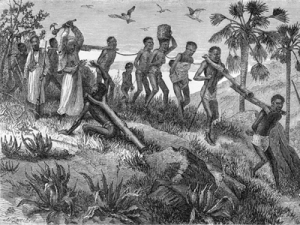
a person who is owned by another person and is forced to work for and obey them
By the time I was ten, I had become her slave, doing all the housework.
내가 열 살이 되었을 때, 나는 그녀의 노예가 되어 집안일을 모두 하고 있었다.
유의어bondmanthrallvassalserfservantcaptive반의어free personmasterliberatedemancipated