Lição 1/8 · 18 palavras · 0 aprendidas
Dosage forms
Formas farmacêuticas
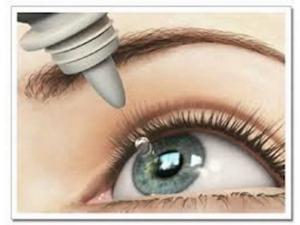
colírio
a liquid medicine that is put into the eye one drop at a time
Put two eye drops into each eye every four hours.
Pingue duas gotas de colírio em cada olho a cada quatro horas.
Throw away eye drops four weeks after opening the bottle.
Sinônimosartificial tearsocular lubricantAntônimosN/Aampola
a small sealed glass container holding one dose of liquid medicine for injection
Break the neck of the ampoule carefully, pointing it away from you.
Quebre o gargalo da ampola com cuidado, apontando-o para longe de você.
Each ampoule contains 1 mg of adrenaline in 1 ml of solution.
SinônimosvialphialcapsuleAntônimosbulk containerlarge bottlecápsula
a small shell, usually made of gelatin, containing a measured dose of medicine that is swallowed
Do not open the capsule; swallow it whole with water.
Não abra a cápsula; engula-a inteira com água.
The antibiotic is available as 500 mg capsules.
SinônimospilltabletvialcontainerAntônimosliquidbulkinalador, bombinha
a small device used to breathe a measured dose of medicine directly into the lungs
Shake the inhaler and breathe out fully before each puff.
Agite o inalador e expire completamente antes de cada jato.
Patients with asthma should always carry their reliever inhaler.
Sinônimospufferasthma pumpAntônimosNonepomada
a greasy semi-solid medicine applied to the skin or eyes
Apply a thin layer of the ointment to the affected area twice daily.
Aplique uma camada fina da pomada na área afetada duas vezes ao dia.
Antibiotic eye ointment is often used at night.
SinônimosbalmsalvecreamlotionAntônimosirritantdesiccantsupositório
a small solid medicine that is put into the rectum, where it melts and is absorbed
A paracetamol suppository is useful when a child is vomiting.
Um supositório de paracetamol é útil quando a criança está vomitando.
Store suppositories in a cool place so they do not melt.
Sinônimosrectal medicationmedicinal coneAntônimosoral medicationpillfrasco-ampola
a small glass or plastic bottle with a rubber top, containing medicine for injection
Draw up the vaccine from the vial with a sterile syringe.
Aspire a vacina do frasco-ampola com uma seringa estéril.
Write the opening date on every multi-dose vial.
SinônimosampoulebottlephialflaskAntônimosbulk containerbarreltankerforma farmacêutica
the physical form in which a medicine is made and given, such as a tablet, syrup or injection
Choose a liquid dosage form for children who cannot swallow tablets.
Escolha uma forma farmacêutica líquida para crianças que não conseguem engolir comprimidos.
The same active ingredient is available in several dosage forms.
Sinônimospharmaceutical formdrug formformulationAntônimosraw drugbulk drugcomprimido revestido
a tablet covered with a thin layer that hides its taste, makes it easier to swallow or protects the drug
Swallow the film-coated tablet whole with a glass of water.
Engula o comprimido revestido inteiro com um copo de água.
Film-coated tablets are easier to swallow and taste less bitter.
comprimido efervescente
a tablet that releases bubbles and dissolves when put in water, and is then drunk
Dissolve the effervescent tablet completely in half a glass of water.
Dissolva completamente o comprimido efervescente em meio copo de água.
Effervescent tablets contain sodium, so patients with hypertension should use them carefully.
suspensão, suspensão oral
a liquid medicine in which tiny solid particles are spread but not dissolved, so it must be shaken
Shake the suspension well before measuring each dose.
Agite bem a suspensão antes de medir cada dose.
The pharmacist added water to make up the antibiotic suspension.
gel
a clear, jelly-like preparation that spreads easily and is applied to the skin or mucous membranes
Apply the anti-inflammatory gel to the painful joint three times a day.
Aplique o gel anti-inflamatório na articulação dolorida três vezes ao dia.
The gel dries quickly and does not leave a greasy feeling.
adesivo transdérmico
a sticky patch placed on the skin that releases medicine slowly into the blood
The transdermal patch releases the painkiller steadily for 72 hours.
O adesivo transdérmico libera o analgésico de forma constante durante 72 horas.
Apply the transdermal patch to clean, hairless skin and change the site each time.