บทที่ 9/33 · 94 คำ · จำได้แล้ว 0
Culture
วัฒนธรรม
การเห็นคุณค่า, ความซาบซึ้ง
pleasure that you have when you recognize and enjoy the good qualities of somebody/something
She has a deep appreciation of traditional music and art.
เธอมีความซาบซึ้งในดนตรีและศิลปะดั้งเดิมอย่างลึกซึ้ง
คำพ้องความหมายgratitudethankfulnessrecognitionacknowledgmentesteemregardคำตรงข้ามdisapprovalcriticismdisregardingratitudeindifferenceศิลปะ
the use of the imagination to express ideas or feelings, particularly in painting, drawing or sculpture
We have art on Monday, and I love painting pictures.
วันจันทร์เรามีเรียนศิลปะ และฉันชอบวาดรูปมาก
คำพ้องความหมายskillcrafttalentcreativityexpressiondesignmasteryคำตรงข้ามclumsinessineptitudelack of skillartlessnessinabilityวรรณคดี
pieces of writing that are valued as works of art, especially novels, plays and poems (in contrast to technical books and newspapers, magazines, etc.)
My sister is very good at Literature.
น้องสาวของฉันเก่งวรรณคดีมาก
French literature
คำพ้องความหมายwritingslettersbookscompositioncreative writingpoetrydramaคำตรงข้ามilliteracynonfictionsciencemathematicsประเพณี (pra-phee-nee)
a belief, custom or way of doing something that has existed for a long time among a particular group of people; a set of these beliefs or customs
Making Chung cake is our tradition at Tet.
การทำขนมจุงเป็นประเพณีของเราในเทศกาลเต็ด (gaan tam kha-nom jung bpen pra-phee-nee khong rao nai tet-sa-gaan dted)
religious/cultural, etc. traditions
คำพ้องความหมายcustomconventionpracticeritualheritageusagemannerwayคำตรงข้ามinnovationnoveltymodernitychangedeviationสื่อ
the main ways that large numbers of people receive information and entertainment, that is television, radio, newspapers and the internet
He became a media star for his part in the protests.
เขากลายเป็นดาราในสื่อจากการมีส่วนร่วมในการประท้วง
the news/broadcasting/national media
คำพ้องความหมายpressnewsjournalismcommunicationsbroadcastingคำตรงข้ามsilenceprivacysecrecyความเคารพ, ความนับถือ
a strong feeling of approval of somebody/something because of their good qualities or achievements
Children should show respect for their parents and teachers.
เด็กๆ ควรแสดงความเคารพต่อพ่อแม่และครู
คำพ้องความหมายadmirationesteemregardvenerationdeferencehonorappreciationคำตรงข้ามdisrespectdisdaincontemptdisregardscornศาสนา (satsana)
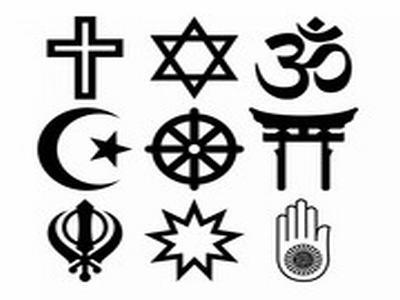
the belief in the existence of a god or gods, and the activities that are connected with the worship of them, or in the teachings of a spiritual leader
Christianity, Islam and Judaism are known as Abrahamic religions.
ศาสนาคริสต์ ศาสนาอิสลาม และศาสนายูดาย เป็นที่รู้จักกันในชื่อศาสนาอับราฮัม (Satsana Khrit Satsana Itsalam lae Satsana Yudai pen thi ruchak kan nai chue satsana Abraham).
He went very quiet(= did not say much) so I knew he was upset.
คำพ้องความหมายfaithbeliefcreeddoctrinedenominationsectworshipspiritualityคำตรงข้ามatheismirreligionsecularismagnosticismdisbeliefศุลกากร, ด่านศุลกากร
the government department that checks goods brought into a country and collects tax on them; also the area where this is done
All passengers must go through customs after collecting their baggage.
ผู้โดยสารทุกคนต้องผ่านพิธีการศุลกากรหลังรับสัมภาระ
Customs officers may open your bags to check for undeclared goods.
คำพ้องความหมายdutytariffimport taxคำตรงข้ามfree tradeno dutyดนตรี (dontri)
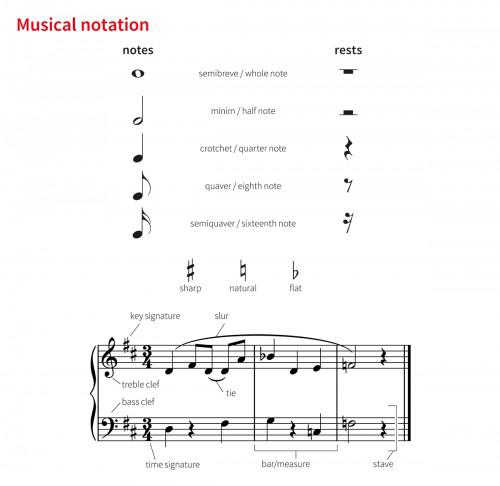
sounds that are arranged in a way that is pleasant or exciting to listen to. People sing music or play it on instruments.
I listen to music every day.
ฉันฟังเพลงทุกวัน (chan fang phleng thuk wan)
The poem has been set to music.
คำพ้องความหมายmelodyharmonytunesongcompositionคำตรงข้ามsilencenoise (in some contexts)เชิงลบ
bad or harmful
The whole experience was definitely more positive than negative.
ประสบการณ์ทั้งหมดเป็นไปในทางบวกมากกว่าทางลบอย่างแน่นอน
The crisis had a negative effect on trade.
คำพ้องความหมายpessimisticunfavorableadversedetrimentalbadunpleasantคำตรงข้ามpositiveoptimisticfavorablegoodpleasantชุมชน
all the people who live in a particular area, country, etc. when talked about as a group
They want to do something useful and meaningful for the community.
พวกเขาต้องการทำบางสิ่งที่เกิดประโยชน์และมีความหมายต่อชุมชน
the international community (= the countries of the world as a group)
คำพ้องความหมายsocietypublicgrouppopulationneighborhoodfellowshipคำตรงข้ามindividualisolationseparationการแลกเปลี่ยน
an act of giving something to somebody or doing something for somebody and receiving something in return
Our school organised a cultural exchange with students from Japan.
โรงเรียนของเราจัดโครงการแลกเปลี่ยนทางวัฒนธรรมกับนักเรียนจากญี่ปุ่น
คำพ้องความหมายswaptradebarterinterchangesubstitutereplaceคำตรงข้ามkeepretainholdwithholdในแง่บวก, เชิงบวก, มองโลกในแง่ดี
thinking about what is good in a situation; feeling confident and sure that something good will happen
She tried to be more positive about her new job.
เธอพยายามมองงานใหม่ของเธอในแง่บวกมากขึ้น
On the positive side, profits have increased.
คำพ้องความหมายoptimisticconstructivefavorablehopefulupbeatconfidentคำตรงข้ามnegativepessimisticunfavorablecriticalการเต้นรำ, การร่ายรำ, ระบำ
a series of movements and steps that are usually performed to music; a particular example of these movements and steps
The tango is a famous traditional dance from Argentina.
แทงโกเป็นระบำดั้งเดิมที่มีชื่อเสียงของอาร์เจนตินา
คำพ้องความหมายboogiegroovejivehoppranceshuffleswaywaltzคำตรงข้ามrestidlesitremainstayประวัติศาสตร์, วิชาประวัติศาสตร์
the study of past events, especially as a subject at school or university
My mother is a history teacher.
แม่ของฉันเป็นครูสอนประวัติศาสตร์
The area was inhabited long before the dawn of recorded history(= before people wrote about events).
คำพ้องความหมายpastchroniclerecordaccounteventsคำตรงข้ามfutureฉลอง
to show that a day or an event is important by doing something special on it
Vietnamese people celebrate Tet at different times each year.
คนเวียดนามฉลองตรุษเต็ตในเวลาที่ต่างกันในแต่ละปี
How do people celebrate New Year in your country?
คำพ้องความหมายcommemorateobservehonorrejoicemarksolemnizeคำตรงข้ามmournlamentcondemnignoreneglectความหลากหลาย
a range of many people or things that are very different from each other
Our city is proud of its cultural diversity and its many festivals.
เมืองของเราภูมิใจในความหลากหลายทางวัฒนธรรมและเทศกาลมากมาย
คำพ้องความหมายvarietymultiplicitydifferenceheterogeneityrangeassortmentคำตรงข้ามsimilarityuniformityhomogeneitysamenessmonotonyพื้นเมือง
coming from a particular place and having lived there for a long time before other people came there; relating to, belonging to or developed by these people
the indigenous peoples/languages of the area
ชนพื้นเมือง/ภาษาพื้นเมืองของพื้นที่
คำพ้องความหมายnativeaboriginaloriginallocaldomesticคำตรงข้ามforeignalienimmigrantintroducednon-nativeความอดทน
the quality of being willing to accept or tolerate somebody/something, especially opinions or behaviour that you may not agree with, or people who are not like you
She had no tolerance for jokes of any kind.
เธอไม่มีความอดทนต่อเรื่องตลกใดๆ ทั้งสิ้น
คำพ้องความหมายpatienceforbearanceunderstandingacceptanceleniencyenduranceคำตรงข้ามintoleranceprejudicebigotrynarrow-mindednessimpatienceหลากหลายทางวัฒนธรรม
for or including people of several different cultures (= beliefs, languages, customs and traditions, etc.)
My company is multicultural and has many international employees.
บริษัทของฉันมีความหลากหลายทางวัฒนธรรมและมีพนักงานต่างชาติจำนวนมาก
คำพ้องความหมายdiversepluralisticcross-culturalinternationalglobalคำตรงข้ามmonoculturalhomogeneousuniformมรดก
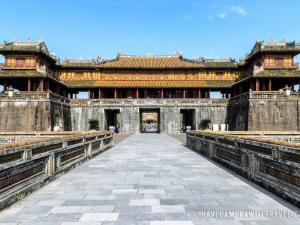
the history, traditions, buildings and objects that a country or society has had for many years and that are considered an important part of its character
Hue's Imperial City was listed as a Cultural World Heritage site by UNESCO in 1993.
พระราชวังหลวงเว้ได้รับการขึ้นทะเบียนเป็นแหล่งมรดกโลกทางวัฒนธรรมโดย UNESCO ในปี 1993
คำพ้องความหมายlegacyinheritancetraditionbirthrightendowmentคำตรงข้ามpresentmodernityinnovationสถาปัตยกรรม (sathaapatyakam)
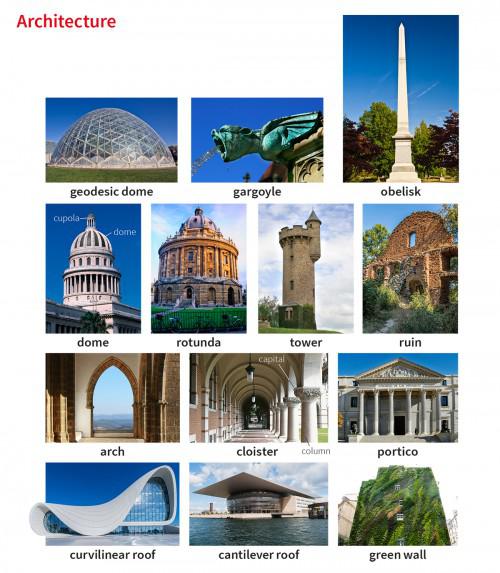
the art and study of designing buildings
I love the architecture of this building.
ฉันชอบสถาปัตยกรรมของอาคารนี้ (chan chop sathaapatyakam khong aakaan ni)
คำพ้องความหมายdesignstructureconstructionbuildingstyleplanningคำตรงข้ามdestructiondemolitiondeconstructionwreckageการเลือกปฏิบัติ, การกีดกัน
unfair treatment of a person because of their gender, age, religion, disability or another protected characteristic
The law prohibits discrimination against pregnant workers in hiring and promotion.
กฎหมายห้ามการเลือกปฏิบัติต่อแรงงานที่ตั้งครรภ์ทั้งในการจ้างงานและการเลื่อนตำแหน่ง
The employee filed a complaint of age discrimination after being passed over.
คำพ้องความหมายprejudicebiasinequalityfavoritismbigotrysegregationคำตรงข้ามequalityfairnessimpartialityjusticeequitytoleranceอยู่ร่วมกัน
to exist together in the same place or at the same time, especially in a peaceful way
Different cultures can coexist peacefully in a multicultural society.
วัฒนธรรมที่แตกต่างกันสามารถอยู่ร่วมกันอย่างสงบสุขในสังคมพหุวัฒนธรรมได้
คำพ้องความหมายlive togetherexist togethercoexistlive side by sideget alongคำตรงข้ามclashconflictopposecompetefightมานุษยวิทยาวัฒนธรรม
the study of human societies, their cultures and the way they develop
Cultural anthropology studies human societies and cultures and their development.
มานุษยวิทยาวัฒนธรรมศึกษาเกี่ยวกับสังคมและวัฒนธรรมของมนุษย์และการพัฒนาของพวกเขา
คำพ้องความหมายethnologysocial anthropologyคำตรงข้ามphysical anthropologyอาการช็อกทางวัฒนธรรม
a feeling of being confused and worried that somebody may get when they visit another country or experience a different way of life or set of attitudes, because the experience is so different from what they are used to
She experienced culture shock when she moved from a small town to a big city.
เธอประสบกับอาการช็อกทางวัฒนธรรมเมื่อเธอย้ายจากเมืองเล็ก ๆ ไปยังเมืองใหญ่
คำพ้องความหมายcultural adjustment issuescultural disorientationcultural distressคำตรงข้ามcultural familiaritycultural adaptationการแพร่
the act of spreading something widely in all directions; the fact of being spread in all directions
The diffusion of knowledge is essential for progress.
การแพร่กระจายของความรู้เป็นสิ่งจำเป็นสำหรับความก้าวหน้า
คำพ้องความหมายspreaddisseminationproliferationdispersionคำตรงข้ามconcentrationcontainmentrestrictionชาติพันธุ์
the fact of belonging to a particular ethnic group (= a group of people that share a cultural tradition)
The city is a melting pot of different ethnicities.
เมืองนี้เป็นแหล่งรวมชาติพันธุ์ต่างๆ
คำพ้องความหมายracenationalitycultural backgroundoriginคำตรงข้ามindividualuniversalglobalการยึดเชื้อชาติตนเป็นศูนย์กลาง, ลัทธิชาตินิยมทางวัฒนธรรม
behaviour or beliefs that favour one particular culture and judge other cultures against it
Ethnocentrism can lead to misunderstandings between cultures.
การยึดวัฒนธรรมของตนเป็นศูนย์กลางอาจนำไปสู่ความเข้าใจผิดระหว่างวัฒนธรรมต่างๆ
คำพ้องความหมายcultural biascultural superioritychauvinismคำตรงข้ามcultural relativismtoleranceacceptanceชาติพันธุ์วรรณนา
the scientific description of different peoples and cultures, with their customs, habits and differences
The ethnography of the tribe revealed unique cultural practices.
ชาติพันธุ์วรรณนาของชนเผ่าเผยให้เห็นถึงวัฒนธรรมที่เป็นเอกลักษณ์
คำพ้องความหมายCultural studyAnthropological researchField researchคำตรงข้ามTheoretical studyมารยาท
the formal rules of correct or polite behaviour in society, among members of a particular profession or in a particular area of activity
Proper etiquette is essential at a formal dinner.
มารยาทที่เหมาะสมเป็นสิ่งจำเป็นสำหรับงานเลี้ยงอาหารค่ำที่เป็นทางการ
คำพ้องความหมายmannersdecorumprotocolcivilityคำตรงข้ามimpolitenessrudenessdiscourtesyคติชนวิทยา
the traditions and stories of a country or community
The local folklore tells tales of mythical creatures living in the forest.
คติชนวิทยาในท้องถิ่นเล่าเรื่องราวของสิ่งมีชีวิตในตำนานที่อาศัยอยู่ในป่า
คำพ้องความหมายfolk taleslegendsmythstraditionsoral historyคำตรงข้ามhistoryfactscienceมรดก
the money, property, etc. that you receive from somebody when they die; the fact of receiving something when somebody dies
She received a large inheritance from her grandfather.
เธอได้รับมรดกจำนวนมากจากคุณปู่
คำพ้องความหมายbequestlegacyheritagedeviseคำตรงข้ามforfeiturelossdeprivationเชื่อมโยงกัน, เกี่ยวพันกัน
connected with each other, or having parts that are connected with each other
The world is becoming increasingly interconnected through technology.
โลกเชื่อมโยงถึงกันมากขึ้นเรื่อยๆ ผ่านเทคโนโลยี
คำพ้องความหมายlinkedconnectedrelatedintegratednetworkedคำตรงข้ามisolateddisconnectedseparateindependentการอนุรักษ์
the act of keeping something in its original state or in good condition
The preservation of historical buildings is important.
การอนุรักษ์อาคารประวัติศาสตร์เป็นสิ่งสำคัญ
คำพ้องความหมายconservationprotectionmaintenancesafeguardingคำตรงข้ามdestructionneglectdamageการแพร่กระจายทางวัฒนธรรม
The spread of ideas, customs and beliefs from one culture or society to another.
The Silk Road facilitated cultural diffusion between East and West.
เส้นทางสายไหมอำนวยความสะดวกในการแพร่กระจายทางวัฒนธรรมระหว่างตะวันออกและตะวันตก
คำพ้องความหมายCultural exchangeCultural transmissionCross-cultural interactionคำตรงข้ามCultural isolationCultural stagnationการแลกเปลี่ยนทางวัฒนธรรม
A programme or activity in which people from different countries share and learn about each other's customs, ideas and way of life.
The cultural exchange program allowed students to live abroad.
โครงการแลกเปลี่ยนวัฒนธรรมอนุญาตให้นักเรียนไปใช้ชีวิตในต่างประเทศ
คำพ้องความหมายCross-cultural exchangeIntercultural dialogueCultural interchangeคำตรงข้ามCultural isolationCultural segregationทำให้เป็นเนื้อเดียวกัน
The process of making things, such as cultures or societies, become similar or the same.
The homogenization of culture can lead to a loss of unique traditions.
การทำให้วัฒนธรรมเป็นเนื้อเดียวกันอาจนำไปสู่การสูญเสียประเพณีที่เป็นเอกลักษณ์
คำพ้องความหมายStandardizationUniformityAssimilationคำตรงข้ามDifferentiationDiversificationHeterogeneityสังคมส่วนรวม
A society in which the needs and goals of the group are considered more important than those of individuals.
A collectivist society prioritizes the needs of the group over individual desires.
สังคมส่วนรวมให้ความสำคัญกับความต้องการของกลุ่มมากกว่าความต้องการส่วนบุคคล
คำพ้องความหมายCommunal societyGroup-oriented societyคำตรงข้ามIndividualist societyมีส่วนร่วม, สนับสนุน, บริจาค
To give something, such as money, time or help, in order to achieve a result together with others.
She contributes to the community.
เธอมีส่วนร่วมช่วยเหลือชุมชน
คำพ้องความหมายgivedonateprovidesupplyaddofferคำตรงข้ามdetracthinderobstructimpedewithdrawการปรับตัวทางวัฒนธรรม
The process of adjusting to the customs and way of life of a new culture.
Cultural adaptation is essential for immigrants.
การปรับตัวทางวัฒนธรรมเป็นสิ่งจำเป็นสำหรับผู้อพยพ
คำพ้องความหมายAcculturationCultural adjustmentAssimilationคำตรงข้ามCultural preservationCultural rejectionการชื่นชมวัฒนธรรม
The act of learning about, valuing and respecting cultures different from your own.
Cultural appreciation involves learning about and respecting different cultures.
การชื่นชมวัฒนธรรมเกี่ยวข้องกับการเรียนรู้และเคารพวัฒนธรรมที่แตกต่างกัน
คำพ้องความหมายCultural understandingCultural sensitivityCross-cultural awarenessคำตรงข้ามCultural insensitivityCultural appropriationสิ่งประดิษฐ์ทางวัฒนธรรม
Objects made by people that show the culture and history of a particular society.
The museum displayed many cultural artifacts from ancient civilizations.
พิพิธภัณฑ์จัดแสดงสิ่งประดิษฐ์ทางวัฒนธรรมมากมายจากอารยธรรมโบราณ
คำพ้องความหมายCultural relicsCultural heritageHistorical artifactsคำตรงข้ามModern creationsContemporary worksการกลืนกลายทางวัฒนธรรม
The process by which a group gradually takes on the customs and culture of another, usually larger, group.
Cultural assimilation occurs when a minority group adopts the customs of the dominant culture.
การกลืนกลายทางวัฒนธรรมเกิดขึ้นเมื่อกลุ่มน้อยยอมรับประเพณีของวัฒนธรรมที่โดดเด่น
คำพ้องความหมายacculturationintegrationabsorptioncultural integrationคำตรงข้ามcultural preservationcultural pluralismsegregationcultural diversityความตระหนักทางวัฒนธรรม
Knowledge and understanding of the beliefs, customs and values of other cultures and your own.
Cultural awareness is essential for international business.
ความตระหนักทางวัฒนธรรมเป็นสิ่งจำเป็นสำหรับธุรกิจระหว่างประเทศ
คำพ้องความหมายCultural sensitivityCross-cultural competenceIntercultural awarenessคำตรงข้ามCultural ignoranceCultural insensitivityความหลากหลายทางวัฒนธรรม
The existence of many different cultures, ethnic groups and traditions within a society or group.
Our company values cultural diversity.
บริษัทของเราให้ความสำคัญกับความหลากหลายทางวัฒนธรรม
คำพ้องความหมายmulticulturalismcross-culturalismpluralismคำตรงข้ามcultural uniformitycultural homogeneityการศึกษาทางวัฒนธรรม
Teaching and learning about the arts, customs, history and traditions of a culture or cultures.
Cultural education is essential for understanding different societies.
การศึกษาทางวัฒนธรรมเป็นสิ่งจำเป็นสำหรับการทำความเข้าใจสังคมที่แตกต่างกัน
คำพ้องความหมายArts educationHumanities educationIntercultural educationคำตรงข้ามTechnical educationVocational trainingการเสริมสร้างวัฒนธรรม
The improvement of a person's knowledge and experience through contact with arts and other cultures.
Travel can provide cultural enrichment.
การเดินทางสามารถให้การเสริมสร้างวัฒนธรรม
คำพ้องความหมายcultural enhancementcultural developmentcultural growthคำตรงข้ามcultural stagnationcultural impoverishmentการแสดงออกทางวัฒนธรรม
The way in which a group shows its culture, for example through art, music, dance or language.
Dance is a form of cultural expression.
การเต้นรำเป็นรูปแบบหนึ่งของการแสดงออกทางวัฒนธรรม
คำพ้องความหมายArtistic expressionCreative workHeritage displayคำตรงข้ามCultural suppressionCultural uniformityมรดกทางวัฒนธรรม
The traditions, buildings, objects and customs that a society has inherited from the past.
Protecting cultural heritage is vital for preserving identity.
การปกป้องมรดกทางวัฒนธรรมเป็นสิ่งสำคัญอย่างยิ่งสำหรับการอนุรักษ์เอกลักษณ์
คำพ้องความหมายCultural legacyHistorical heritageNational heritageคำตรงข้ามModernityInnovationเอกลักษณ์ทางวัฒนธรรม
The feeling of belonging to a particular culture or group, shaped by its traditions, language and values.
Celebrating cultural identity is important for maintaining heritage.
การเฉลิมฉลองเอกลักษณ์ทางวัฒนธรรมเป็นสิ่งสำคัญในการรักษามรดก
คำพ้องความหมายCultural heritageEthnic identityCultural backgroundคำตรงข้ามCultural assimilationGlobalizationHomogeneityอิทธิพลทางวัฒนธรรม
The effect that one culture has on the ideas, behaviour or customs of other people or societies.
The cultural influence of globalization is undeniable.
อิทธิพลทางวัฒนธรรมของโลกาภิวัตน์เป็นสิ่งที่ปฏิเสธไม่ได้
คำพ้องความหมายCultural impactCultural effectCultural swayคำตรงข้ามCultural isolationCultural independenceบูรณาการทางวัฒนธรรม
The process by which people from different cultures become part of a society while sharing their customs.
Cultural integration can lead to a more harmonious society.
บูรณาการทางวัฒนธรรมสามารถนำไปสู่สังคมที่กลมกลืนกันมากขึ้น
คำพ้องความหมายCultural assimilationMulticulturalismInterculturalismคำตรงข้ามCultural segregationCultural separationCultural divisionปฏิสัมพันธ์ทางวัฒนธรรม
Contact and communication between people or groups from different cultures.
Cultural interaction enriches societies.
ปฏิสัมพันธ์ทางวัฒนธรรมช่วยเสริมสร้างสังคม
คำพ้องความหมายCultural exchangeCross-cultural communicationIntercultural dialogueคำตรงข้ามCultural isolationCultural segregationบรรทัดฐานทางวัฒนธรรม
The shared rules and expectations about how people should behave within a particular culture.
Cultural norms dictate how people should behave in a society.
บรรทัดฐานทางวัฒนธรรมกำหนดว่าผู้คนควรปฏิบัติตนอย่างไรในสังคม
คำพ้องความหมายSocial conventionsCultural standardsSocial moresคำตรงข้ามIndividualismNonconformityDevianceแนวปฏิบัติทางวัฒนธรรม
The customs, activities and ways of doing things that are traditional in a particular culture.
The museum showcases a variety of cultural practices from different countries.
พิพิธภัณฑ์จัดแสดงแนวปฏิบัติทางวัฒนธรรมที่หลากหลายจากประเทศต่างๆ
คำพ้องความหมายtraditionscustomsheritageritualsconventionsคำตรงข้ามmodernizationglobalizationinnovationการอนุรักษ์วัฒนธรรม
The protection of a culture's traditions, buildings, languages and customs so that they are not lost.
Cultural preservation is vital for maintaining a nation's identity.
การอนุรักษ์วัฒนธรรมเป็นสิ่งสำคัญอย่างยิ่งในการรักษาเอกลักษณ์ของชาติ
คำพ้องความหมายHeritage conservationTradition safeguardingCultural maintenanceคำตรงข้ามCultural destructionCultural erosionความสำคัญทางวัฒนธรรม
The importance that something has because of its connection with the culture or history of a group.
The monument has great cultural significance for the city.
อนุสาวรีย์มีความสำคัญทางวัฒนธรรมอย่างมากต่อเมือง
คำพ้องความหมายCultural valueHistorical importanceSymbolic meaningคำตรงข้ามInsignificanceIrrelevanceสัญลักษณ์ทางวัฒนธรรม, ความหมายเชิงสัญลักษณ์ทางวัฒนธรรม
The use of images, objects or actions to represent ideas and meanings that are important in a culture.
The festival is rich in cultural symbolism, with colours representing luck and happiness.
เทศกาลนี้เต็มไปด้วยสัญลักษณ์ทางวัฒนธรรม โดยสีต่าง ๆ แทนโชคลาภและความสุข
คำพ้องความหมายcultural representationsymbolic meaningcultural significanceคำตรงข้ามliteral interpretationplain meaningnon-symbolicประเพณีทางวัฒนธรรม
Customs and beliefs that have been passed down from generation to generation within a culture.
Cultural traditions shape a community's identity.
ประเพณีทางวัฒนธรรมหล่อหลอมเอกลักษณ์ของชุมชน
คำพ้องความหมายcustomsheritagepracticesloreคำตรงข้ามmodernityinnovationchangeการเปลี่ยนแปลงทางวัฒนธรรม
A major change in the values, beliefs and behaviour of a society or organization.
The company underwent a cultural transformation to improve employee engagement.
บริษัท ได้รับการเปลี่ยนแปลงทางวัฒนธรรมเพื่อปรับปรุงการมีส่วนร่วมของพนักงาน
คำพ้องความหมายcultural shiftcultural changesocietal transformationคำตรงข้ามcultural stagnationcultural preservationความเข้าใจทางวัฒนธรรม
Knowledge of and respect for the beliefs, customs and ways of life of other cultures.
Cultural understanding is important for international relations.
ความเข้าใจทางวัฒนธรรมเป็นสิ่งสำคัญสำหรับความสัมพันธ์ระหว่างประเทศ
คำพ้องความหมายCross-cultural awarenessCultural sensitivityIntercultural competenceคำตรงข้ามCultural ignoranceEthnocentrismเอกลักษณ์ทางวัฒนธรรม
The special qualities that make a culture different from all others.
The cultural uniqueness of each region should be preserved.
ควรอนุรักษ์เอกลักษณ์ทางวัฒนธรรมของแต่ละภูมิภาค
คำพ้องความหมายcultural identitycultural distinctioncultural particularityคำตรงข้ามcultural uniformitycultural homogeneityค่านิยมทางวัฒนธรรม
The beliefs and principles about what is important or right that are shared by people in a culture.
Cultural values shape a society's behavior.
ค่านิยมทางวัฒนธรรมหล่อหลอมพฤติกรรมของสังคม
คำพ้องความหมายSocietal normsCultural beliefsCultural principlesคำตรงข้ามIndividual beliefsPersonal valuesเป็นที่ยอมรับทางวัฒนธรรม
considered proper or allowed according to the customs and values of a particular culture
The custom is culturally acceptable in that region.
ประเพณีเป็นที่ยอมรับทางวัฒนธรรมในภูมิภาคนั้น
คำพ้องความหมายsocially acceptableappropriatesuitableconventionalคำตรงข้ามoffensiveinappropriateunacceptabletabooการเป็นตัวแทนที่เป็นธรรม
a situation in which all groups of people have an equal and just chance to have their views and interests represented
The goal is to ensure fair representation for all citizens.
เป้าหมายคือเพื่อให้แน่ใจว่ามีการเป็นตัวแทนที่เป็นธรรมสำหรับพลเมืองทุกคน
คำพ้องความหมายequitable representationproportional representationjust representationคำตรงข้ามunfair representationdisproportionate representationbiased representationเทศกาล
special days or periods when people celebrate something, often with music, food and other events
Many cultures celebrate festivals with music and dancing.
หลายวัฒนธรรมเฉลิมฉลองเทศกาลด้วยดนตรีและการเต้นรำ
คำพ้องความหมายcelebrationsfairscarnivalsgalasคำตรงข้ามworkdaysroutinenormalcyศิลปะพื้นบ้าน
art made in a traditional style by ordinary people, rather than by professional artists
The museum displayed a collection of folk art from different cultures.
พิพิธภัณฑ์จัดแสดงคอลเล็กชั่นศิลปะพื้นบ้านจากวัฒนธรรมที่แตกต่างกัน
คำพ้องความหมายTraditional artNaive artPrimitive artคำตรงข้ามFine artHigh artบ่มเพาะ, ส่งเสริม, หล่อเลี้ยง
encouraged something to develop or grow, such as a feeling, idea or skill
She fostered a love of reading in her children.
เธอบ่มเพาะความรักการอ่านให้ลูก ๆ ของเธอ
คำพ้องความหมายnurturedcultivatedencouragedpromotedคำตรงข้ามneglectedhinderedsuppressedมีอิทธิพล
having an effect on the way somebody behaves or thinks or on the way something develops
His speech was influencing many people.
สุนทรพจน์ของเขามีอิทธิพลต่อผู้คนจำนวนมาก
คำพ้องความหมายAffectingPersuadingImpactingGuidingคำตรงข้ามIgnoringNeglectingResistingCounteractingสิทธิในทรัพย์สินทางปัญญา
the legal rights that protect creations of the mind, such as inventions, designs, books and music
Intellectual property rights protect inventions, literary and artistic works, designs, and symbols.
สิทธิในทรัพย์สินทางปัญญาคุ้มครองสิ่งประดิษฐ์ งานวรรณกรรมและศิลปะ การออกแบบ และสัญลักษณ์
คำพ้องความหมายIP rightsCopyrightPatentTrademarkคำตรงข้ามPublic domainบทสนทนาระหว่างวัฒนธรรม
open and respectful exchange of ideas between people from different cultures
Intercultural dialogue can foster understanding and respect between different communities.
บทสนทนาระหว่างวัฒนธรรมสามารถส่งเสริมความเข้าใจและความเคารพระหว่างชุมชนที่แตกต่างกันได้
คำพ้องความหมายcross-cultural communicationintercultural exchangecross-cultural dialogueคำตรงข้ามcultural isolationcultural homogeneitymonologueชายขอบ
treated as unimportant and without power or influence within a society or group
Marginalized communities often lack access to essential resources.
ชุมชนชายขอบมักขาดแคลนทรัพยากรที่จำเป็น
คำพ้องความหมายExcludedDisadvantagedOstracizedAlienatedคำตรงข้ามIncludedPrivilegedIntegratedEmpoweredความเข้าใจซึ่งกันและกัน
a situation in which two or more people or groups understand and accept each other's feelings and views
Their mutual understanding allowed them to resolve the conflict quickly.
ความเข้าใจซึ่งกันและกันของพวกเขาช่วยให้พวกเขาสามารถแก้ไขความขัดแย้งได้อย่างรวดเร็ว
คำพ้องความหมายAgreementAccordConsensusShared understandingคำตรงข้ามMisunderstandingDisagreementDiscordความเชื่อทางศาสนา
ideas that a person holds to be true about God, gods or a religion
Her religious beliefs are very important to her.
ความเชื่อทางศาสนาของเธอสำคัญมากสำหรับเธอ
คำพ้องความหมายFaithCreedDoctrineTenetsConvictionsคำตรงข้ามSkepticismAtheismAgnosticismUnbeliefIrreligionพิธีกรรม
series of actions that are always performed in the same way, especially as part of a religious ceremony
Religious rituals often involve specific actions and words.
พิธีกรรมทางศาสนามักเกี่ยวข้องกับการกระทำและคำพูดที่เฉพาะเจาะจง
คำพ้องความหมายCeremoniesCustomsTraditionsObservancesRitesคำตรงข้ามImprovisationSpontaneityRandomnessหล่อหลอม, กำหนดรูปแบบ
having a strong influence on the way that somebody or something develops
Family and religion play a key role in shaping a person's cultural identity.
ครอบครัวและศาสนามีบทบาทสำคัญในการหล่อหลอมอัตลักษณ์ทางวัฒนธรรมของบุคคล
คำพ้องความหมายformingmoldingcreatingfashioningคำตรงข้ามdestroyingdemolishingruiningมีมทางสังคม
ideas, images or videos, often funny, that spread quickly from person to person on social media
Social memes spread rapidly through online platforms.
มีมทางสังคมแพร่กระจายอย่างรวดเร็วผ่านแพลตฟอร์มออนไลน์
คำพ้องความหมายviral contentinternet trendsonline jokesคำตรงข้ามoriginal contentserious discourseบรรทัดฐานทางสังคม
the accepted standards of behaviour that are expected of people in a particular group or society
Wearing a suit to a business meeting is a social norm.
การสวมสูทไปประชุมทางธุรกิจเป็นบรรทัดฐานทางสังคม
คำพ้องความหมายConventionsCustomsEtiquetteTraditionsคำตรงข้ามDevianceNonconformityเอกลักษณ์
the quality of being the only one of its kind or very special and unusual
The uniqueness of her artwork set her apart from other artists.
เอกลักษณ์ของงานศิลปะของเธอทำให้เธอแตกต่างจากศิลปินคนอื่นๆ
คำพ้องความหมายdistinctivenessoriginalityindividualityraritypeculiarityคำตรงข้ามcommonnesssimilaritynormalityordinarinessusualnessทรัพย์สินที่มีค่า
a person, thing or quality that is very useful or worth a lot to somebody or something
The company's patents are a valuable asset.
สิทธิบัตรของบริษัทเป็นทรัพย์สินที่มีค่า
คำพ้องความหมายprecious resourceimportant holdingkey possessionคำตรงข้ามliabilityburdenworthless item