บทที่ 2/13 · 15 คำ · จำได้แล้ว 0
Warehousing and inventory
คลังสินค้าและสินค้าคงคลัง
สินค้าคงเหลือ, สินค้าคงคลัง
goods and materials that a business holds for sale or for use in production
Inventory is valued at the lower of cost and net realisable value.
สินค้าคงเหลือแสดงด้วยมูลค่าที่ต่ำกว่าระหว่างราคาทุนกับมูลค่าสุทธิที่จะได้รับ
High inventory levels tie up a lot of working capital.
คำพ้องความหมายstockrecordlistassetscatalogcompilationคำตรงข้ามdisregardneglectdeficitshortageพาเลท, แท่นวางสินค้า
a flat wooden or plastic base on which goods are stacked so they can be moved by forklift
The whole order was shipped on twelve pallets in one container.
คำสั่งซื้อทั้งหมดถูกจัดส่งบนพาเลท 12 แท่นในตู้คอนเทนเนอร์เดียว
Wooden pallets used for export must be heat-treated and properly marked.
คำพ้องความหมายplatformskidtrayคำตรงข้ามfloorgroundคลังสินค้า, โกดัง
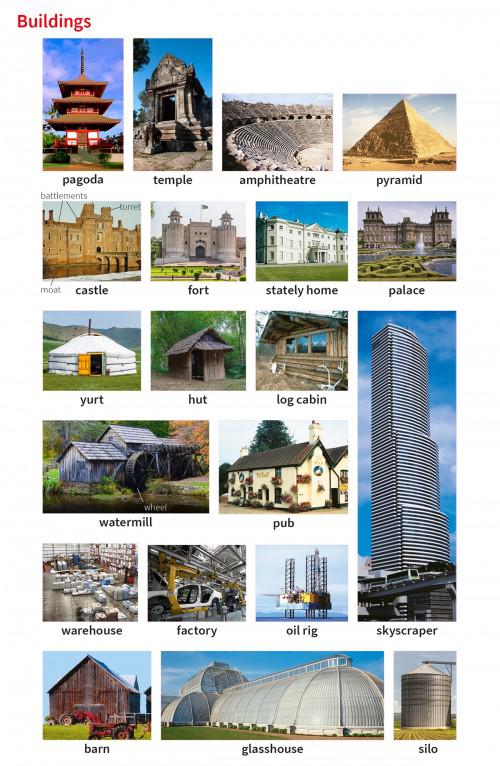
a large building where goods are stored before they are sent to customers or shops
The goods will stay in our warehouse until the customer pays.
สินค้าจะเก็บไว้ในคลังสินค้าของเราจนกว่าลูกค้าจะชำระเงิน
We rent extra warehouse space before the holiday season.
คำพ้องความหมายstorehousedepotrepositorystockroomคำตรงข้ามstoreshopmarketรถยก, รถฟอร์คลิฟท์
a small vehicle with two metal arms at the front for lifting and moving heavy loads
A forklift unloaded the pallets from the truck.
รถยกขนพาเลทลงจากรถบรรทุก
Only trained staff may drive a forklift in the warehouse.
คำพ้องความหมายlift truckfork truckคำตรงข้ามNoneSKU, รหัสสินค้า, หน่วยเก็บสินค้าคงคลัง
stock keeping unit: a unique code used to identify and track each product variant, such as size or colour
Each colour and size of the T-shirt has its own SKU.
เสื้อยืดแต่ละสีและแต่ละขนาดมี SKU เป็นของตัวเอง
The store cut 200 slow-selling SKUs to save shelf space.
ศูนย์กระจายสินค้า
a warehouse where goods are received, sorted and quickly sent on to stores or customers
All imported goods go to the distribution centre near Binh Duong.
สินค้านำเข้าทั้งหมดจะถูกส่งไปยังศูนย์กระจายสินค้าใกล้เมืองบิ่นเzือง
The new distribution centre can process 20,000 orders a day.
สต็อกสำรอง, สินค้าคงคลังเพื่อความปลอดภัย
extra stock kept to avoid running out if demand rises or a delivery is late
We increased safety stock because shipping times are unpredictable.
เราเพิ่มสต็อกสำรองเพราะระยะเวลาขนส่งคาดการณ์ไม่ได้
Safety stock protects us when a container misses the vessel.
จุดสั่งซื้อซ้ำ
the stock level at which a new order must be placed so goods arrive before stock runs out
The system creates a purchase order when stock falls to the reorder point.
ระบบจะสร้างใบสั่งซื้อโดยอัตโนมัติเมื่อสต็อกลดลงถึงจุดสั่งซื้อซ้ำ
Set the reorder point higher for items with long lead times.
สินค้าขาดสต็อก, สินค้าหมดสต็อก
a situation in which an item is not available because all the stock has been used or sold
A late container caused a stockout of our best-selling product.
ตู้คอนเทนเนอร์ที่มาล่าช้าทำให้สินค้าขายดีที่สุดของเราขาดสต็อก
Frequent stockouts lose sales and slowly damage customer trust in the brand.
เข้าก่อนออกก่อน, FIFO
first in, first out: a rule that the oldest stock in a warehouse is sent out first
We follow FIFO so that food products do not pass their expiry date.
เราใช้หลัก FIFO เพื่อไม่ให้ผลิตภัณฑ์อาหารเลยวันหมดอายุ
Label each pallet with its arrival date to support FIFO.
การหยิบสินค้า, การจัดเตรียมสินค้าตามคำสั่งซื้อ
collecting the right items from warehouse shelves to fill a customer order
Order picking takes most of the warehouse team's time.
การหยิบสินค้าใช้เวลาส่วนใหญ่ของทีมคลังสินค้า
Handheld scanners have greatly reduced errors in order picking at our warehouse.
การจัดเก็บสินค้าเข้าที่, การนำสินค้าเข้าจัดเก็บ
the step of moving received goods from the receiving area to their storage location
Put-away must be finished within four hours of unloading.
การจัดเก็บสินค้าเข้าที่ต้องเสร็จภายในสี่ชั่วโมงหลังขนลง
The system tells staff the best location for put-away.
ครอสดอกกิ้ง, การถ่ายลำสินค้าข้ามท่า
moving goods straight from incoming trucks to outgoing trucks with little or no storage time
Cross-docking lets us deliver fresh produce to stores within a day.
ครอสดอกกิ้งช่วยให้เราส่งผลผลิตสดไปยังร้านค้าได้ภายในหนึ่งวัน
Most of this cargo is handled by cross-docking, not storage.
การตรวจนับสินค้าแบบหมุนเวียน
a regular count of a small part of the stock, done instead of counting the whole warehouse at once
We do a cycle count of high-value items every week.
เราตรวจนับสินค้ามูลค่าสูงแบบหมุนเวียนทุกสัปดาห์
Last week's cycle count found ten cartons missing from the shelves.
ระบบบริหารจัดการคลังสินค้า, WMS
warehouse management system: software that controls stock, locations and activities in a warehouse
Our WMS shows the exact location of every pallet.
WMS ของเราแสดงตำแหน่งที่แน่นอนของพาเลททุกใบ
The new WMS will connect with the customer's ordering system.